Advertising disclosure: This page includes affiliate product links that may earn us a commission, as well as products from our own store.
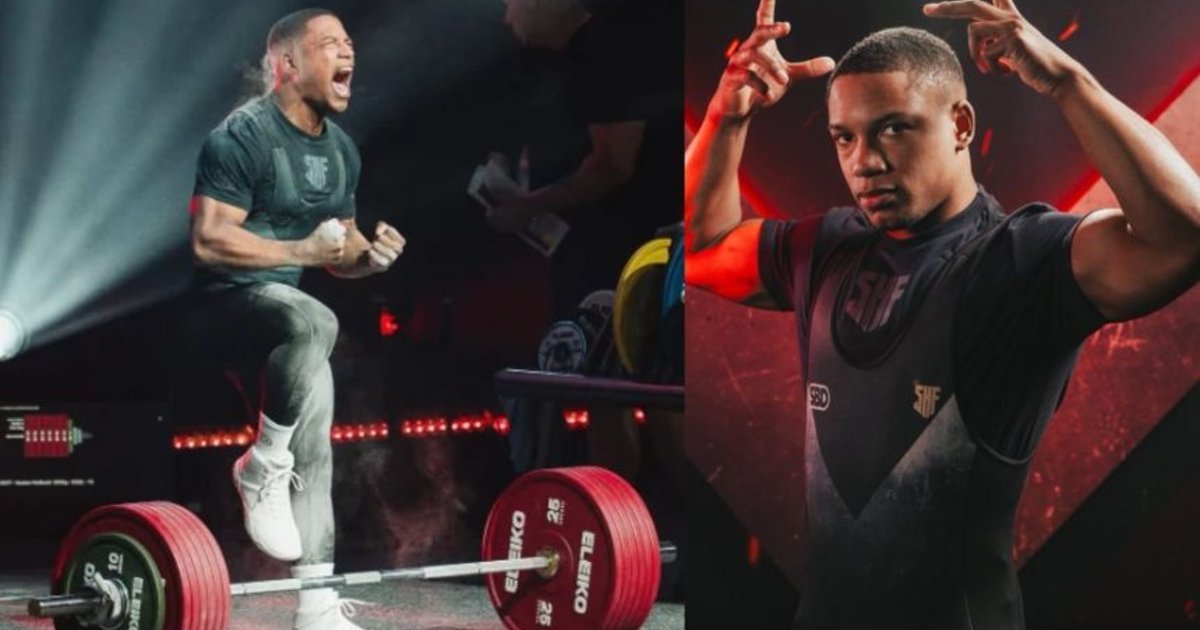
On November 21, 2026, Austin Perkins produced a 928.5kg total at Sheffield V in England, combining a 355kg squat, 218kg bench press and 355.5kg deadlift. He weighed roughly 73.7kg, took nine competition attempts and successfully completed all nine. The result put him first in the men’s standings of an event designed to compare lifters from different weight classes, not merely the lifter with the most plates on the bar.
That final total is 37kg above the 891.5kg mark Perkins had already achieved earlier in 2026. It is tempting to see another extraordinary powerlifting number and move on. The more revealing story is how each attempt built the total, what the record claims do and do not establish, and which parts of his performance make sense for a non-elite lifter to study.
A Sheffield victory measured across weight classes
Sheffield V brought twelve men and twelve women to the platform on November 21. Unlike a normal meet that produces winners inside separate bodyweight divisions, this competition also creates broader men’s and women’s classifications around performances relative to world-record benchmarks. A 74kg lifter therefore has a way to challenge athletes who are much larger. The arithmetic is not a claim that lighter athletes lift more weight in absolute terms.
Perkins competed at 73.7kg and finished with 928.5kg. The result database places him first among the men and records a 136.56 GL score, a formula used to compare strength performances at different bodyweights. Jesus Olivares, by contrast, lifted a remarkable 1,177.5kg at 187.4kg bodyweight. Those totals answer different questions: who moved the most weight, and who led the adjusted competition.
Perkins was not arriving as an unknown. In January 2026 he totaled 891.5kg at Sheffield; in June he matched that total while winning his class at the World Classic Championships. Improving a world-class result by 37kg in November is therefore different from a beginner adding the same amount during a first training block. The starting point matters as much as the improvement.
Nine attempts: a record total without a single miss

His squat sequence was 317.5kg, 337.5kg and 355kg. The bench followed at 207.5kg, 216.5kg and 218kg. Finally, Perkins pulled 327.5kg, 346.5kg and 355.5kg. None of those nine recorded attempts carries the minus sign that indicates a failed attempt in the results archive. His best successful lift from each discipline gives the simple sum: 355 + 218 + 355.5 = 928.5kg.
The order is worth noticing. An opener establishes a valid result, and the second attempt creates room to respond to how that first lift moved. A third attempt can then push the number higher. This is an observation about the successful selection of nine competition weights, not a claim about Perkins’ exact training percentages, coaching conversations or effort rating on the day.
On squat, the jump from his opener to the final lift was 37.5kg. On bench it was just 10.5kg, including a carefully chosen 1.5kg increase on the last attempt. On deadlift the total progression was 28kg. That variation is a reminder that the three lifts respond differently to risk: a small extra bench increment can be meaningful even when an enormous squat already dominates the highlight reel.
A nine-for-nine record is rare to see alongside such large attempts, but the lesson is not to open at any specific fraction of a gym personal best. Rules, commands, equipment checks, platform timing and individual readiness all affect the decision. Keeping a reliable opener while leaving room for later attempts is more useful than trying to turn a famous lifter’s exact kilogram jumps into a universal template.

Equipment Worth Exploring
Explore equipment, accessories and gear from our carefully selected range.


Competition Plates
Competition-style bumper plates for Olympic lifts and loaded strength training.


Foldable Wall Rack
Wall-mounted folding squat rack designed to save floor space between workouts.

Safety Squat Handles
Barbell squat handles that reduce shoulder positioning demands during high-bar squats.
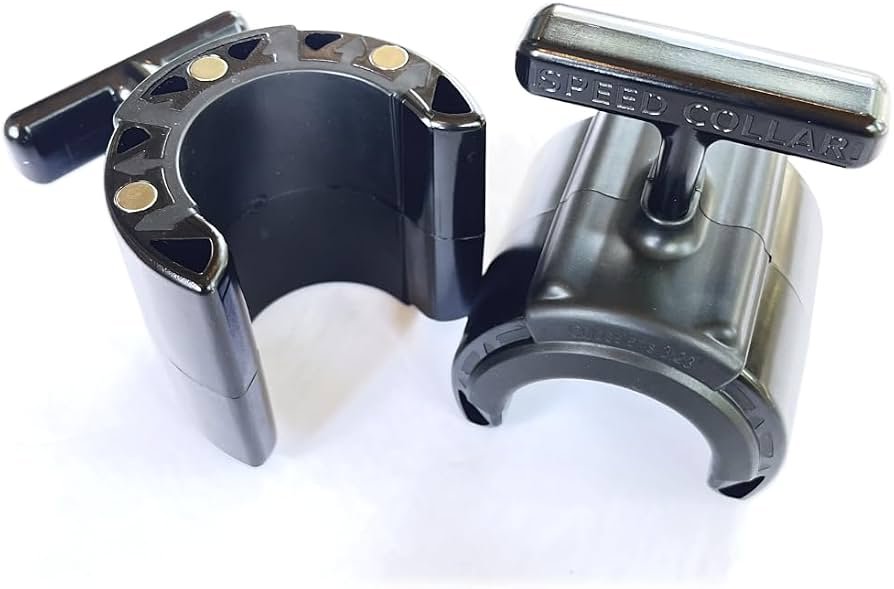
Speed Collar
Quick-release collars designed to secure weight plates on standard two-inch Olympic bars.
The 355kg squat at a 74kg-class bodyweight

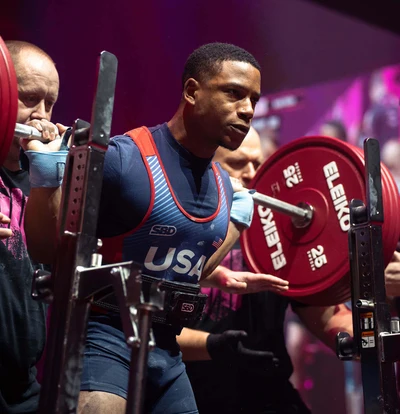
A 355kg squat was the heaviest successful squat in Perkins’ Sheffield V series. Divide it by his approximate 73.7kg weigh-in and it comes to about 4.82 times bodyweight. Ratios provide context here; they do not replace judging standards, equipment classifications or the effort needed to maintain positions under a heavy bar.
The squat also makes the progression of his recent competition numbers tangible. His January best was 341kg, and his June World Classic result was 340kg. November’s 355kg exceeded both. A jump of fourteen kilograms from the earlier Sheffield result may look small next to the total on the bar, yet at this competitive level it is a significant change.
For the ordinary lifter, the relevant technical ideas are comparatively unglamorous: establish a consistent walkout, practice depth that meets the applicable rules, keep the bar balanced over a usable foot position, and avoid improvising the bracing pattern on a maximal attempt. None of these observations proves a particular squat stance or training method was responsible for Perkins’ gain.
The equipment shown in a powerlifting photograph is likewise context, not an endorsement. A secure rack, sound barbell and appropriate plates help create a repeatable training environment. Competition-oriented gear is useful only when it fits the lifter’s needs and space. The rack and barbell options grouped below are training-equipment suggestions, not products Perkins is claimed to use.
A 218kg bench and a 355.5kg deadlift finish the job
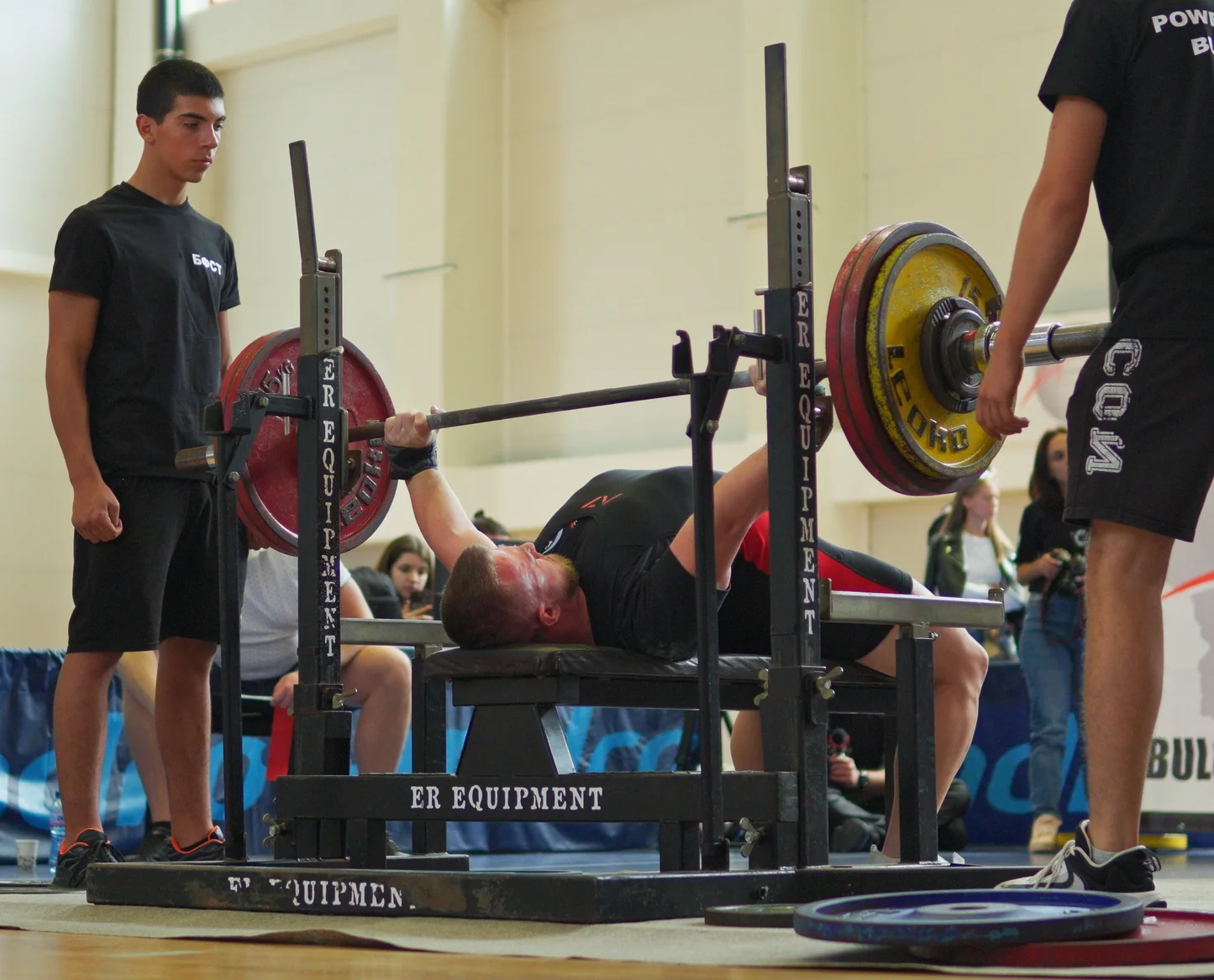
The most compact part of his attempt ladder was the bench press. Perkins opened at 207.5kg, made 216.5kg, then added just 1.5kg to reach 218kg. That lift exceeded the previous class benchmark reported for the meet. A fractional increment can be decisive when a successful press must satisfy the competition’s pause and command requirements.
The deadlift tells a different story. Perkins started at 327.5kg, jumped to 346.5kg, then completed 355.5kg on the ninth and final attempt. The last lift was about 4.82 times his stated bodyweight, similar to the squat ratio. Lifting that amount after an entire meet is not interchangeable with pulling a single fresh gym maximum.
Reporting on the event described new class bests in squat, bench, deadlift and total. Record lists may still require federation ratification and record-category checks after a competition, so it is more precise to call these record-surpassing performances at Sheffield V rather than promise that every future official database has already been updated. The result figures themselves are recorded.
There is a programming distinction between building all three lifts and chasing one. If pressing progress consumes so much recovery that squat and deadlift quality collapse, a larger isolated bench may not improve the meet total. Perkins’ result illustrates how small gains across multiple disciplines can accumulate. It does not reveal a secret exercise, a special grip protocol or an identifiable miracle accessory.
Equipment Worth Exploring
Explore equipment, accessories and gear from our carefully selected range.

Multi Bench MBX-650 2.0
Adjustable multi-bench with roller adjustment, 15 backrest positions and accessory mounts.

FID Bench MAX
Adjustable bench offering flat, incline, and decline positions + adjustable headrest.



Rubber Hex Dumbbells
Rubber-coated hex dumbbell pairs with a stable shape for home and commercial strength training.


Leather Wrist Grips
Padded leather lifting grips help support the hands and wrists on heavy pulling exercises.

Leather Lifting Straps
Padded leather straps support grip during heavy rows, deadlifts and pulling exercises.


Grip Plates
Rubber-coated weight plates with handholds for loading barbells and machines.
Why 928.5kg is more revealing than a viral gym PR
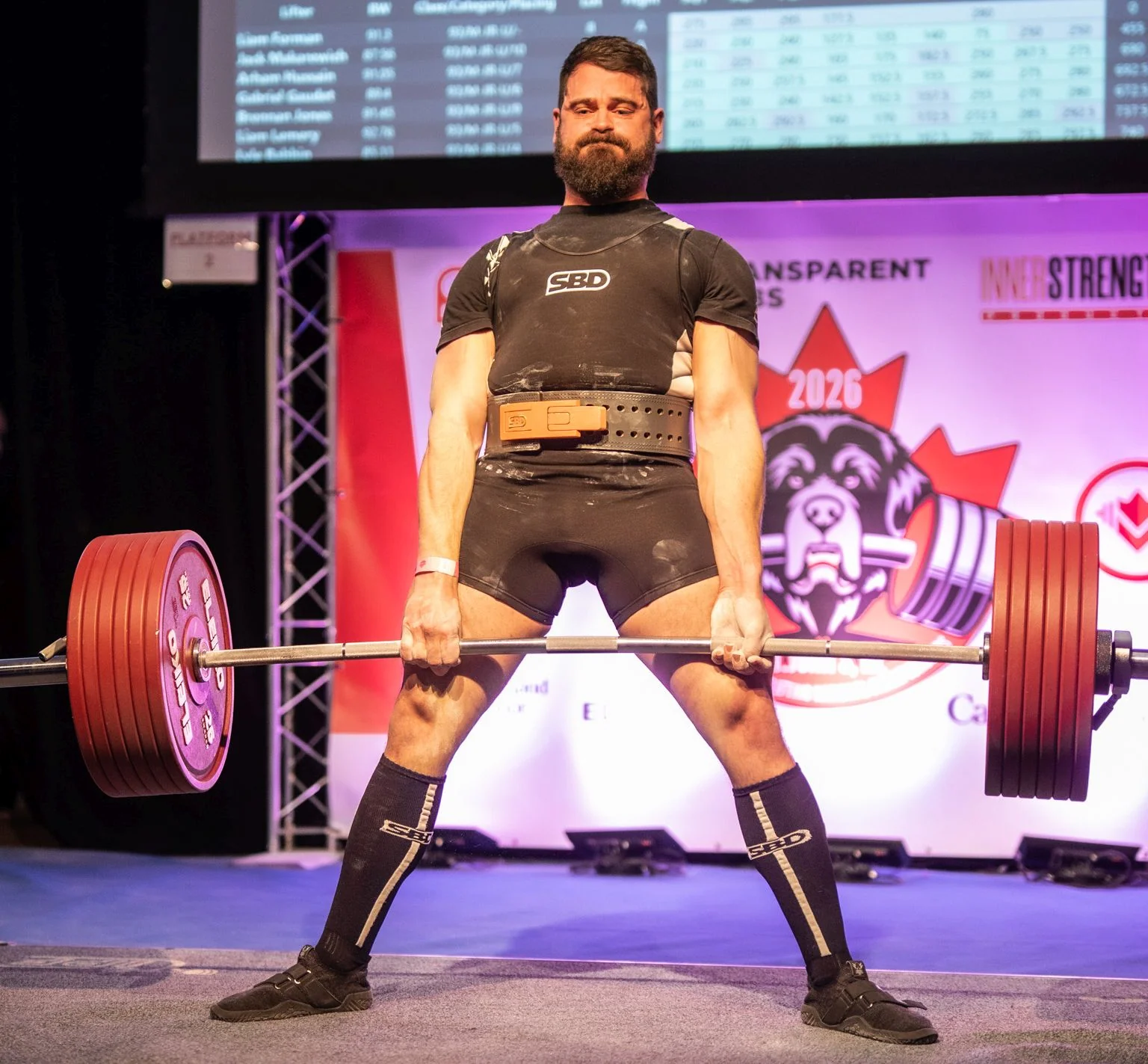
The last verified 891.5kg competition total had been achieved twice by Perkins in 2026. At Sheffield V, his new 928.5kg number improved the total by 37kg, or about 4.1 percent. Across a single gym set, an extra four percent might mean a change in fatigue, bar choice or depth. In a meet, every contributing lift must also withstand the same judging environment.
Total and individual lift records should be read separately. The meet’s absolute heaviest total was not Perkins’, because heavier athletes can move more load. His men’s overall lead reflects the competition’s adjusted scoring, and the reported class records reflect comparisons to the relevant weight-category standards. Treating all of those distinctions as one generic world record would mislead the reader.
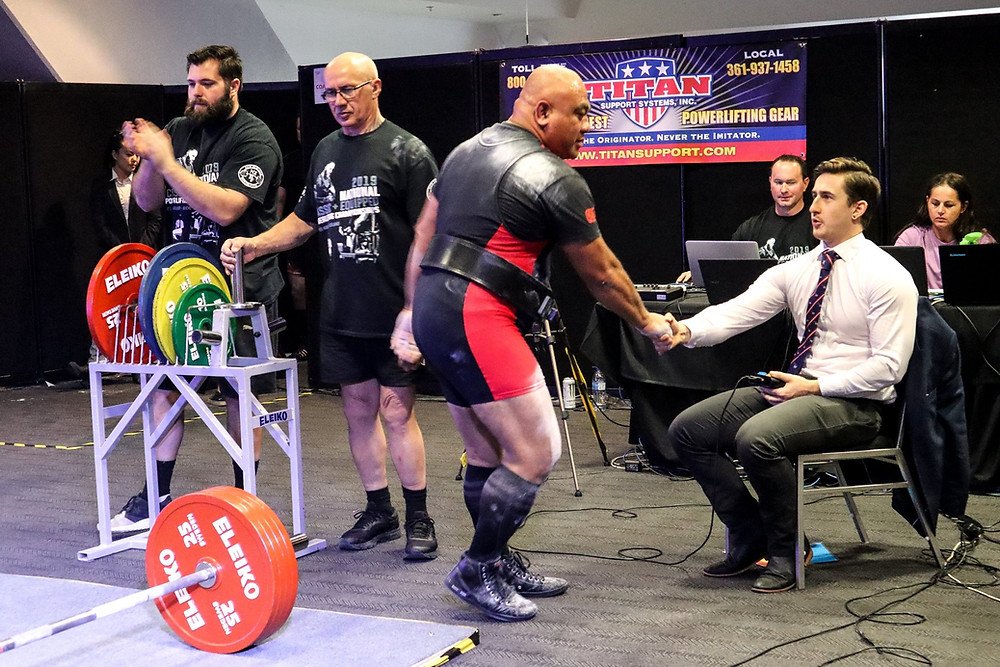
Another point is often lost in screenshots: a competition result is a dated observation. The November 21 performance should not be confused with older photographs of Perkins or the January Sheffield championship, where he totaled 891.5kg. The images illustrating this article include clearly described archival competition shots. They are not presented as exclusive photographs from the November meet.
The available data establishes the nine platform outcomes, bodyweight and total. It does not document Perkins’ exact weekly squat volume, nutrition, recovery practices, supplement use or private preparation. Explaining a result with unverified claims about his program would be less informative than noticing that he successfully navigated every one of the nine scored opportunities.
Four practical lessons for lifters following the result
First, track the completed squat, bench and deadlift separately as well as their sum. A balanced increase in the total can matter even if no individual lift looks as dramatic as a viral deadlift. Record bodyweight and competition rules alongside the numbers, because a gym single and a judged lift are not identical comparisons.
Second, practice repeatable technique before testing a limit. A reliable rack height, consistent setup, controlled bench pause and organized deadlift start position reduce avoidable variation. If you plan to enter a meet, learn the federation’s commands beforehand. The goal is to make the competition movement familiar, not to discover it while the judge is watching.
Third, plan the attempt ladder instead of choosing the heaviest possible opener. A successful first attempt puts something on the board, after which the athlete can make an informed second decision. Avoid copying the specific 317.5kg or 207.5kg openers from this performance; they are elite loads meaningful only for a lifter with elite strength and matching training history.
Finally, respect the difference between appreciating a benchmark and trying to reproduce it. Perkins’ numbers are the product of many years of competition experience, and this result does not provide a beginner-ready schedule. For most lifters, a sensible progression, adequate recovery, sound technique and gradual exposure to heavier attempts will be more useful than a forced nine-for-nine simulation.

Powerlifting Shirts & Lifting Gear
Powerlifting shirts and gym gear for squat, bench and deadlift lifters who live for heavy numbers.

Heavy Squatter Gym Wizards | Funny Harry Potter Workout T-Shirt
Bring “Heavy Squatter Gym Wizards” humor to your everyday gym style.

4 Plates Squat Club Meme Shirt Motivational Leg Day T-Shirt
Make gym days more fun with “4 Plates Squat Club” style.

5 Plates Bench Club Chest Day Meme T-Shirt
Bring “5 Plates Bench Club” humor to your next gym day.

I Love Bench Press Gym | Funny Heart Plate Muscle Shirt Tank Top
Add some lifting attitude to training with “I Love Bench Press”.

Deadlift PR or Die Skull Graphic , Hardcore Horror Work Hoodie
Make your off-duty look more fun with “Deadlift”.

5 Plates Deadlift Club : Meme Shirt & Leg Day Gains T-Shirt
Show some leg-day attitude with a playful “5 Plates Deadlift Club Graphic” tee.

Deadlift Skull Decal , Hardcore Gym Accessory, Powerlif Sticker
Put “Deadlift” gym humor on your laptop, bottle, or gym gear.

Deadlift Military Skull Muscle Shirt for Powerlifters, Tank Top
Add some deadlift attitude to training with “Deadlift”.

Skeleton Deadlift – Meme Deadlift Lovers, Leg Day & T-Shirt
Show some leg-day attitude with a playful “Skeleton Deadlift” tee.

I Love Squats | Valentine's Leg Day with Black Heart We T-Shirt
Show some leg-day attitude with a playful “I Love Squats” tee.