Advertising disclosure: This page includes affiliate product links that may earn us a commission, as well as products from our own store.
The Rogue Donkey combines a reverse hyper and a glute-ham developer in one frame. That sounds straightforward until you compare the two purchase options, the space needed around the machine and the exercises you actually intend to use. Its strongest case is consolidating two established stations. The useful buying question is whether both functions earn regular work in your program, rather than whether a longer exercise list makes the machine automatically better value.
Separate the complete Donkey from the Z Hyper conversion
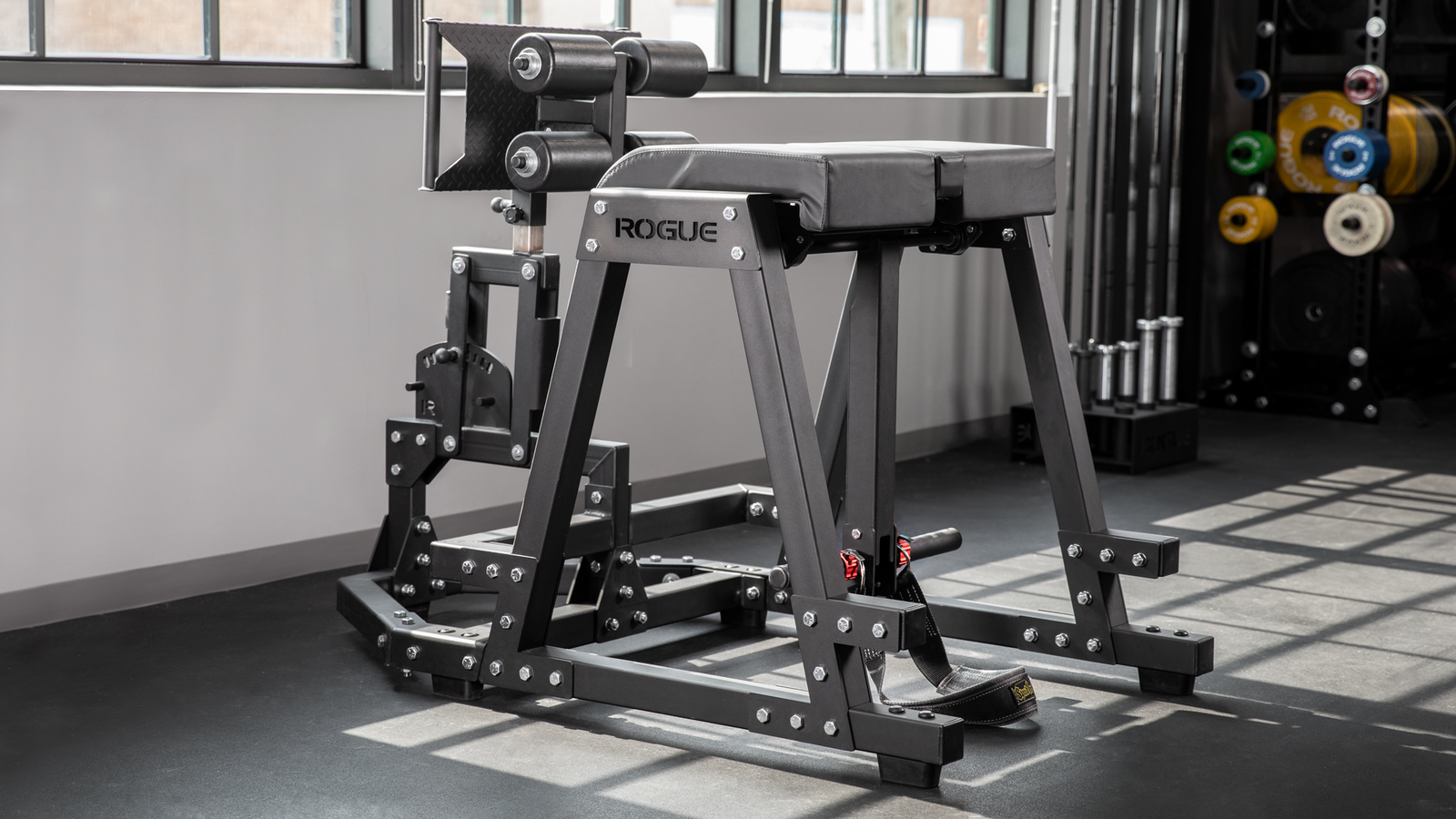
The complete Rogue Donkey is a freestanding machine. The Donkey Add-On is a conversion for an existing Rogue Z Hyper. Buying the lower-priced add-on does not provide a complete station, and it should not be treated as a universal conversion for any reverse hyper. Confirm the exact starting machine and the current kit requirements before comparing totals or placing an order.
This distinction matters when looking at secondhand equipment too. A seller may advertise a complete Donkey, an unconverted Z Hyper or a collection of conversion components. Ask for clear photographs of the entire frame, roller assembly, footplate, pads and pendulum. Check the actual configuration rather than relying on a short listing title or assuming that every black Rogue machine in the category has the same capabilities.
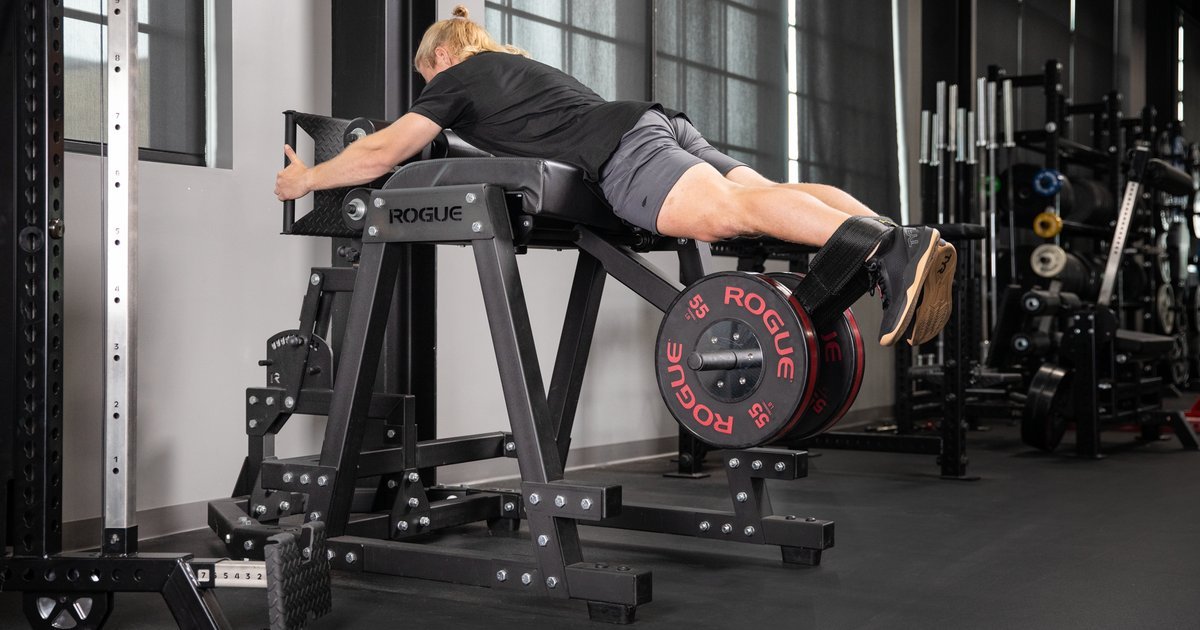
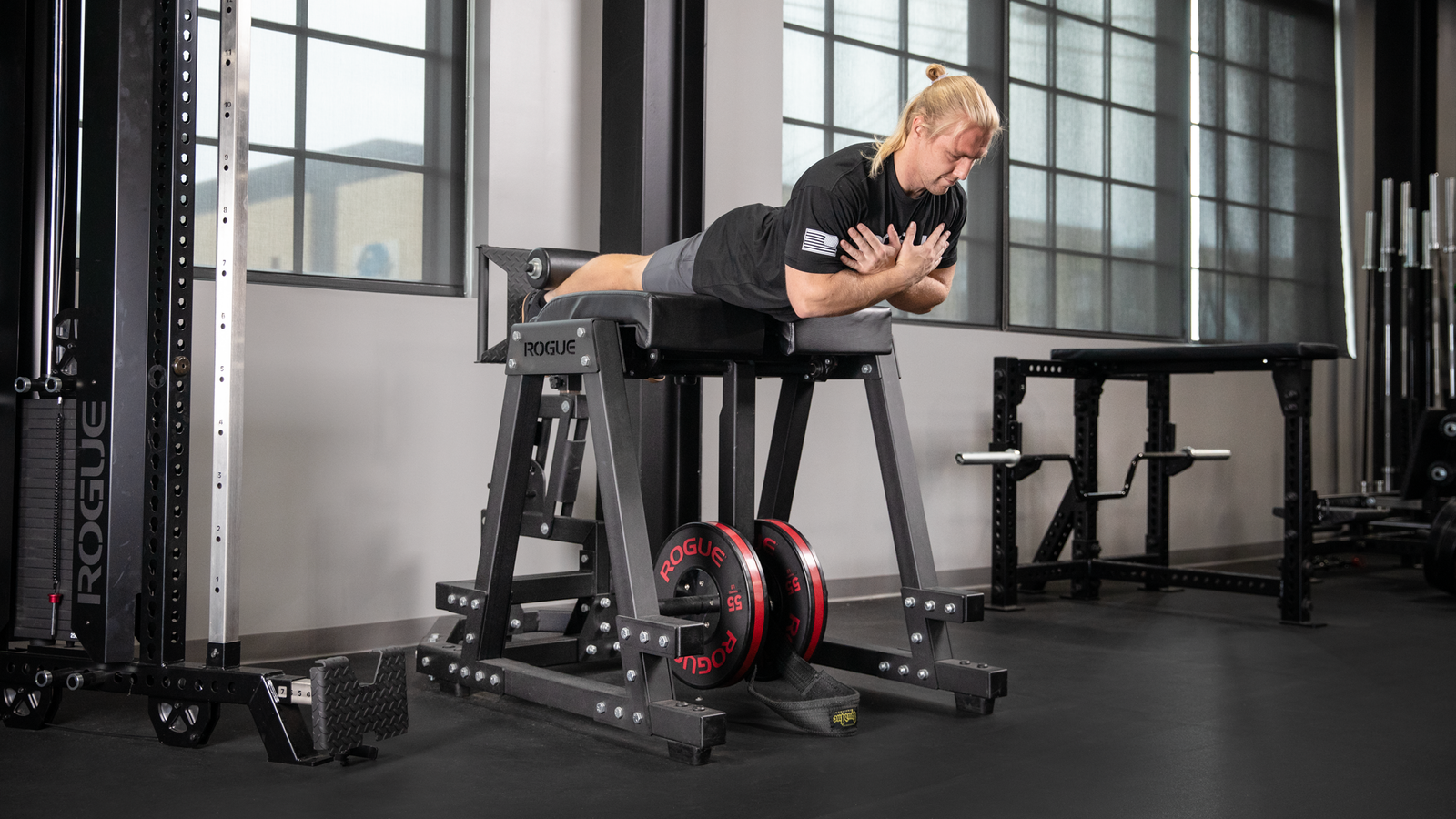
The two functions also deserve separate evaluation. In a reverse hyper, the supported torso stays on the pad while the legs move through the exercise. On the GHD side, the foot support and pads establish the position for movements such as hip extensions and glute-ham raises. Sharing a frame does not make these movements interchangeable, and it does not remove the need to learn each setup.
Make a short purchase worksheet with three columns: what you already own, what the chosen option includes and what remains necessary. Include plates, the correct strap and collars, delivery and assembly. Keep taxes and regional pricing separate. A comparison is useful only when both totals describe a usable system for the same intended training tasks rather than a full machine on one side and a partial kit on the other.
Test the adjustment range against your own positions
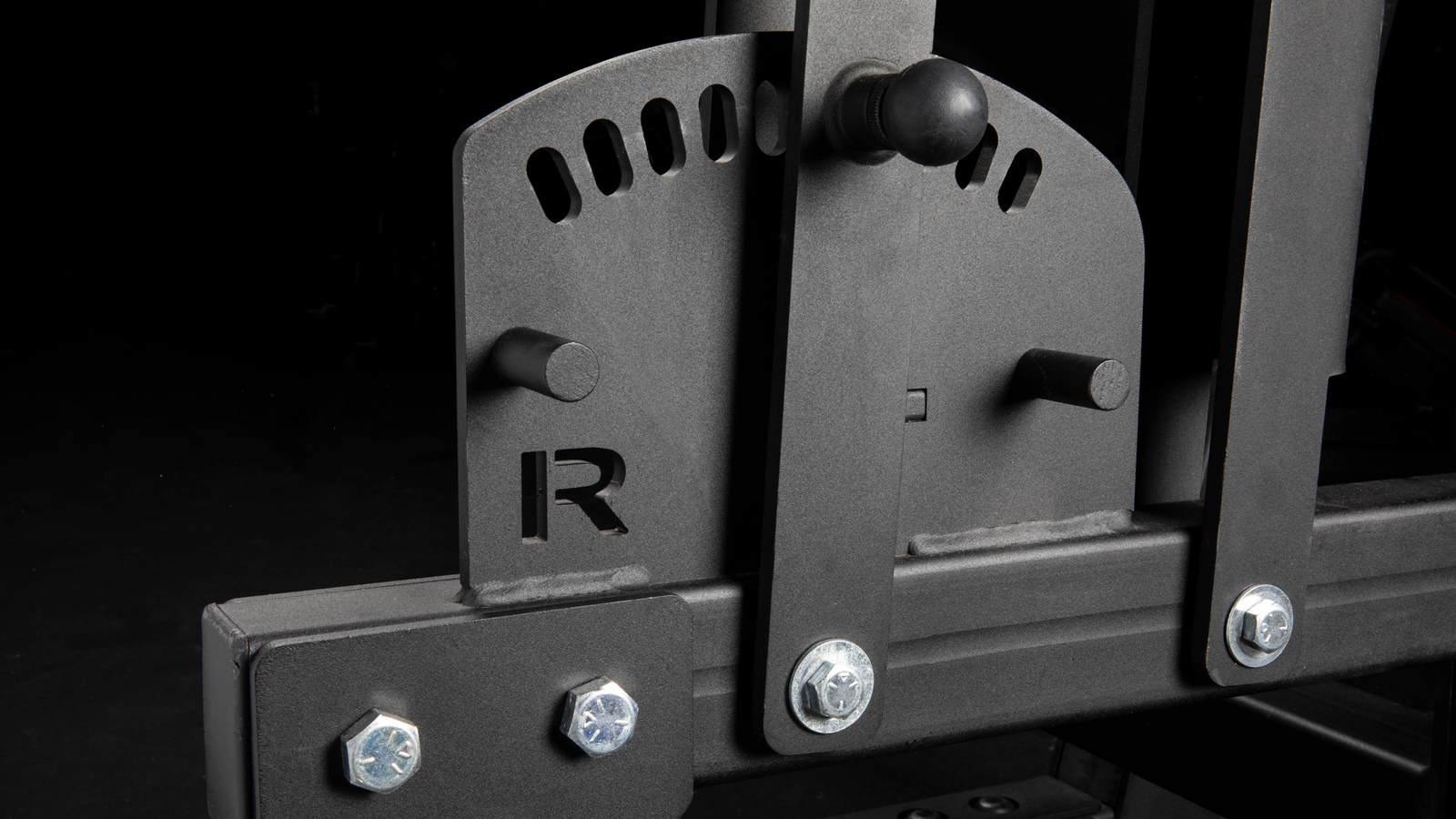
The Donkey uses a swing-arm adjustment for the roller and footplate assembly. Rogue lists ten horizontal positions and three height settings. Those settings provide options; they are not a guarantee that the first position you choose will fit every movement or every person. A good demonstration should show how the adjustment changes the relationship between your feet, knees, hips and the support pads.
Before adding load, check that the adjustment pin is fully engaged and the assembly is secure. Follow the current instructions for making changes, including how to support a moving component. Do not pull a pin while relying on that assembly to hold your body in place. A quick adjustment is still a mechanical adjustment, and the useful habit is a deliberate check before getting into position.
For a hip extension, the setup should allow the intended hip movement rather than simply forcing a larger visible excursion somewhere else. For a glute-ham raise, foot support and knee position change the task. Record the setting alongside the exercise name. If you move the assembly between sessions, a different repetition count may reflect a changed lever arrangement instead of a change in strength. For a shared training log, write down the same landmarks each time: which setting was used, where the hips met the pad and what range you intended. This gives a coach or training partner something concrete to check when a set looks or feels different.
If several people will share the machine, test the transition between their settings. Can each person reach the controls, get onto the pads and return to a secure position without improvising? The entry and exit are part of the exercise setup. They matter especially when a demanding set leaves you less able to climb or reposition yourself than you were at the beginning.
Distinguish GHD work from the reverse-hyper pendulum
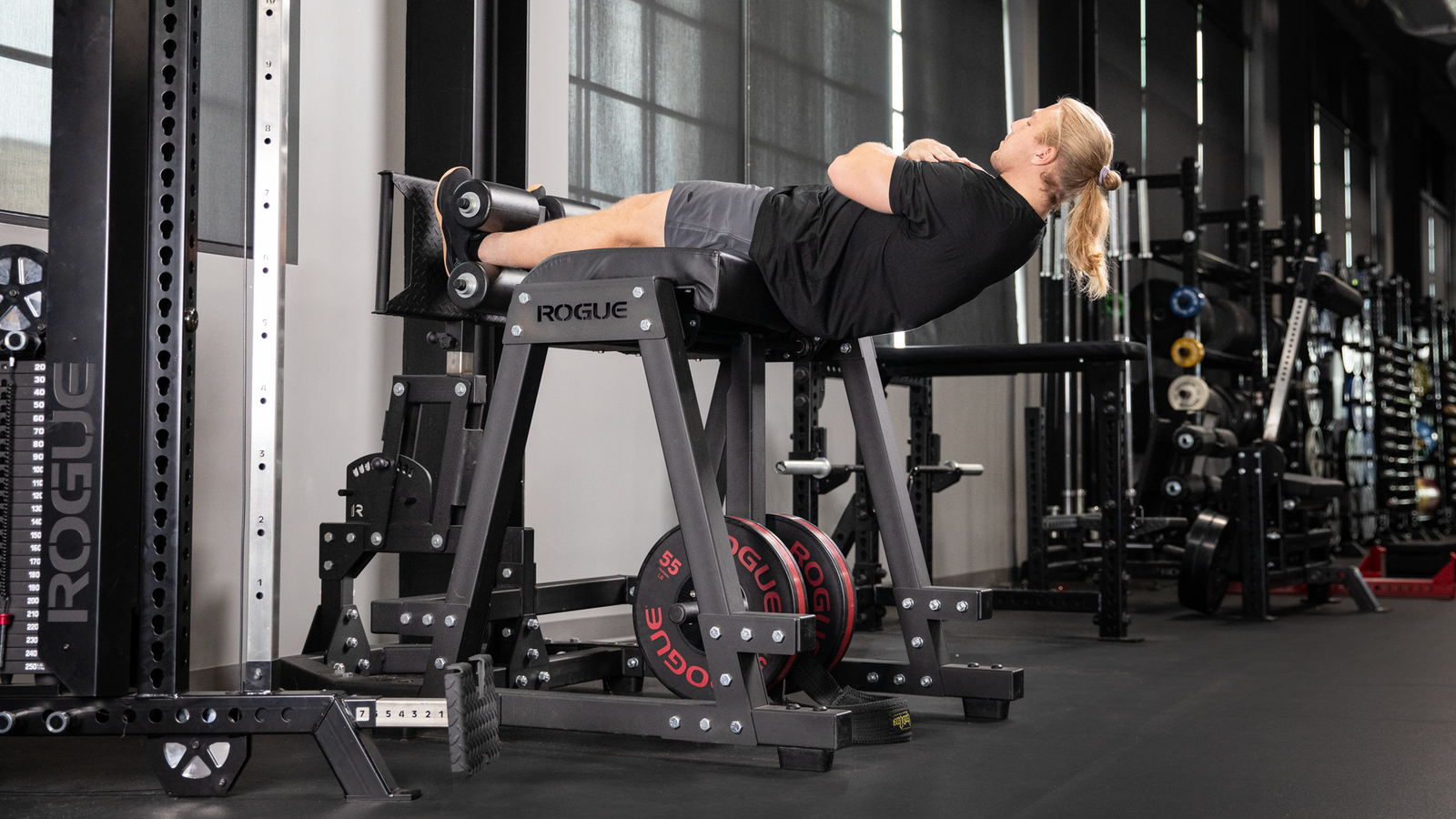
A machine that supports several posterior-chain exercises still needs a clear role in the week. Hip extensions, glute-ham raises and reverse hypers challenge different movement arrangements. Choose the exercise for the intended task rather than treating every variation as an equivalent replacement. The fact that hamstrings, glutes or back muscles are involved does not establish an identical training effect.
For example, a hip-extension session might emphasize a controlled hip hinge with a repeatable torso position. A glute-ham raise can create a substantial knee-flexion demand as the body moves around the supported knees. A reverse hyper moves the lower body while the upper body is supported. These descriptions help identify what you are practicing; they do not rank the movements from universally best to worst.
Short biomechanics studies have compared hyperextensions with reverse hyperextensions, measuring muscle activity, movement and loading. Those measurements do not show that owning a particular machine produces better long-term muscle growth. Nor does the absence of a barbell across the shoulders mean the lower back experiences no mechanical demand. The practical response is to use a tolerable, controlled task and progress it rather than attaching a recovery guarantee to the equipment.
Start with one clear objective for each movement you add. It could be learning a controlled hip extension or building repeatable glute-ham-raise repetitions with appropriate assistance. Keep the initial workload modest enough to assess how it fits with your other lower-body training. Adding every available variation at once makes it harder to identify which exercise, setting or increase caused an unwanted change in performance.
Load the reverse hyper without chasing a bigger swing
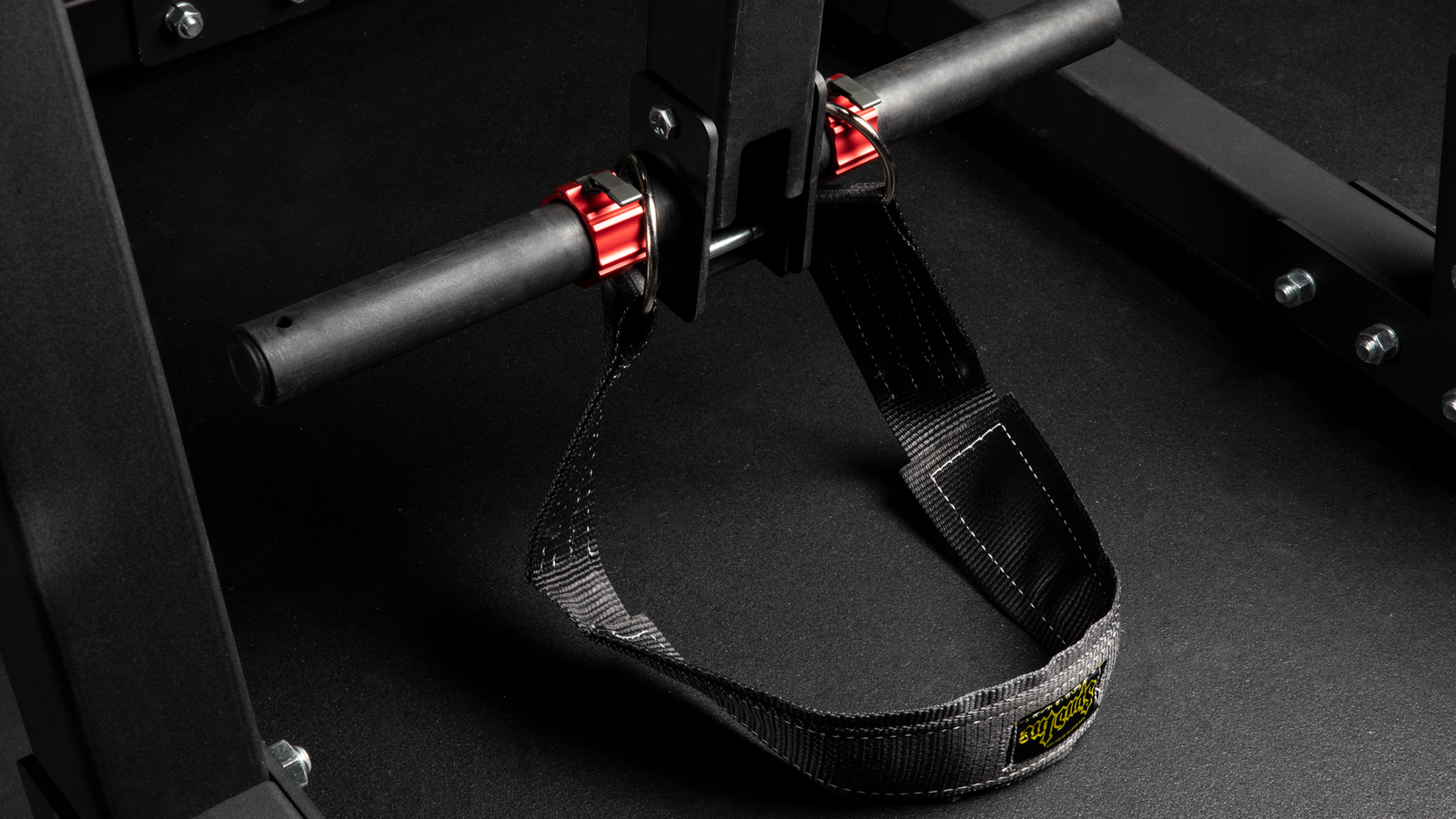
The pendulum accepts plates, but the number of plates is only part of the training task. The strap position, movement range, tempo and amount of momentum all affect what the repetition becomes. Use the supplied system as intended and confirm that the strap and retaining hardware are secure. Do not assume an attachment advertised for another machine will fit or function correctly on the Donkey.
Choose a starting load that allows you to establish a repeatable motion and a controlled finish. Increasing weight while throwing the legs farther can change several variables simultaneously. If the aim is progression, keep enough of the setup consistent that the comparison means something. A small load change with similar execution is more informative than a dramatic increase paired with a completely different movement.
Loading research on reverse hypers has found that heavier external loads do not produce a simple proportional increase in measured force or muscle activity. That does not provide an individual loading prescription. It does explain why stacking more plates is an incomplete way to judge the stimulus. A log should include the load, repetitions and relevant execution notes rather than treating plate weight as the whole result.
Inspect wear items and connections as part of routine equipment care. Follow Rogue's current maintenance and assembly guidance, and resolve loose or damaged components before training. If you are choosing exercises around persistent back symptoms, get an individual assessment instead of treating marketing language about decompression or rehabilitation as a diagnosis. The machine is a training tool, and its suitability depends on the person and the task.

Equipment Worth Exploring
Explore equipment, accessories and gear from our carefully selected range.
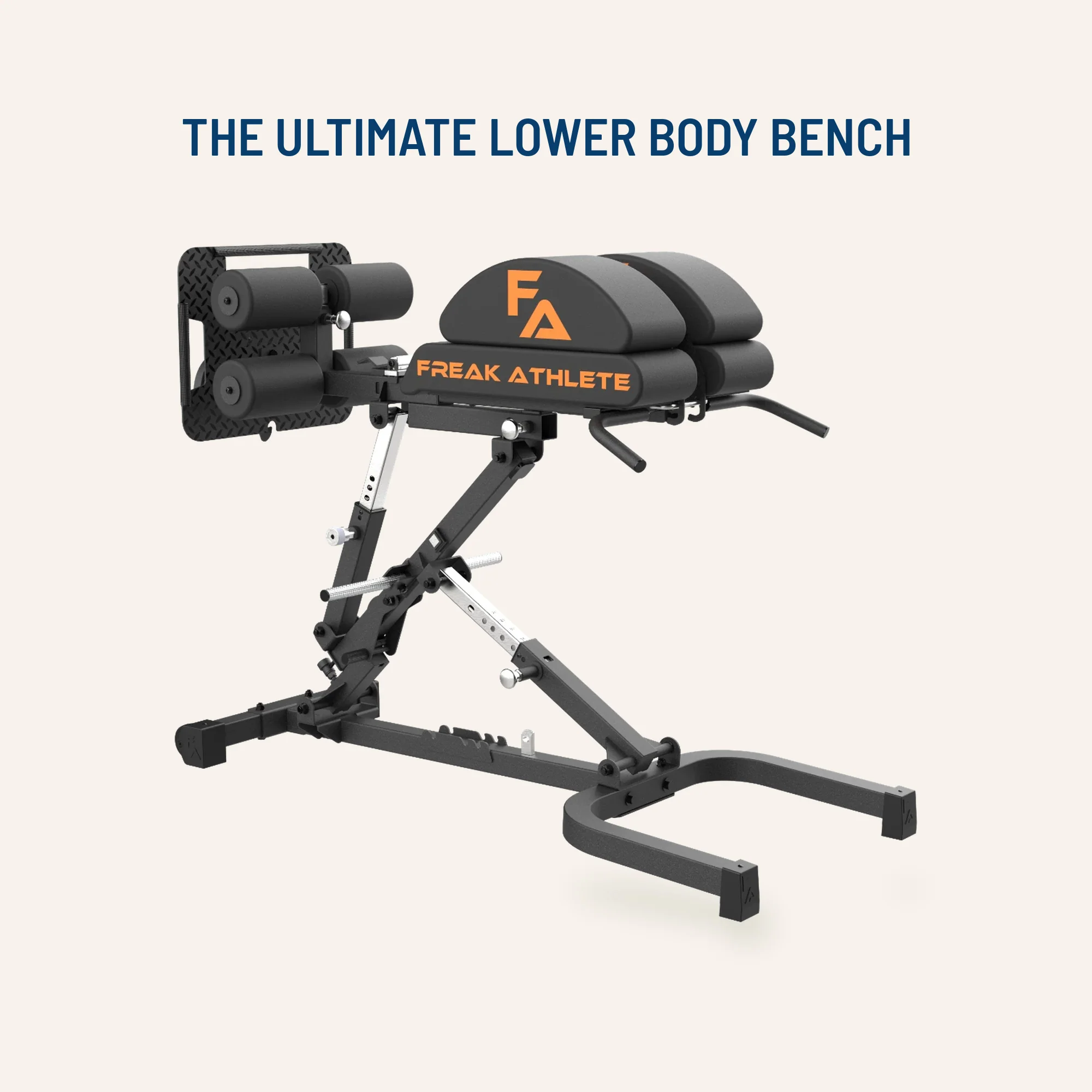

Glute Ham Developer GHD-820
Adjustable glute-ham developer with contoured pads and a fold-out knee support.

45° Hyperextension HPX-650
Angled back-extension trainer with split padding, a ribbed footplate and resistance-band pegs.


Studio Glute Drive
Plate-loaded hip-thrust machine with supported back pad and adjustable foot platform.

Standing Abductor
Plate-loaded standing hip abductor for targeted outer-glute and hip-stability training.

Leg Extension/Curl BCO-780
Leg extension and lying leg curl combo with plate loading, band pegs and a cable-loading option.

Seated Leg Combo BCO-680
Adjustable seated leg extension and leg curl machine with band pegs for added resistance.

Measure the working area before committing floor space
Rogue lists the complete unit at 73 by 44 inches, with a standalone weight of 500 pounds. That base occupies roughly 22.3 square feet, but it is not the complete working envelope. The moving legs and pendulum, plate loading, access steps and your route onto and off the machine all require clearance. Mark the footprint and then account for the actions around it.
Place particular attention on nearby walls, stored plates and other users' walking routes. A position that looks tidy when the machine is empty may become unsuitable during a reverse hyper or while someone loads plates. Check the floor, delivery route and assembly location before arrival. Treat a heavy station as a planned installation rather than something you expect to move aside after every workout.
Compare alternatives by the movement you need most. A dedicated GHD, a back-extension bench, a Nordic station or another lower-body machine may cover a narrower task with different space and cost demands. A leg-curl or glute-drive machine is another distinct option, not a mechanical duplicate of the Donkey. Product comparisons should make those differences explicit rather than implying that every posterior-chain station replaces the same exercises.
The Donkey makes the clearest sense when both its reverse-hyper and GHD functions will be used and the room accommodates their operation. If only one function matters, compare a dedicated station before paying for the combination. If both matter, test the adjustments and the changeover between them. Choose the machine because its actual positions and workflow fit your training, not because the hybrid label removes every compromise.

Funny Gym Shirts & Workout Gear
Funny gym shirts, tanks, hoodies and workout gear for lifters who like training hard.

Spread Cheeks Not Hate Leg Day & Glutes Gains Meme Hoodie
Show off your leg-day humor in a laid-back “Spread Cheeks Not Hate” hoodie.

Big Butt Energy Leg Day & Glute Gains Meme Hoodie
Keep it laid-back with a little “Big Butt Energy” attitude.

Thicc Booty Meme Glute Lovers Vest Tank Top
Your gym-day look, with a playful “Thicc Booty Gym Meme” twist.

My Leg Hurts Leg Day , Meme Lovers & Bros Casual T-Shirt
Bring “My Leg Hurts” humor to your next gym day.

Never Skip Legday – Chicken Legs Meme , , & Leg Day T-Shirt
Heavy lifts, good laughs, and a little “Never Skip Legday” energy.

Shirt – Legendary Leg Day Meme Gymbros, & Fans T-Shirt
Make gym days more fun with “Legendary Leg Day Meme” style.

Everyday Is Leg Day Octopus Meme & Top T-Shirt
Show some leg-day attitude with a playful “Everyday Is Leg Day Funny Octopus” tee.

Shirt Meme – Leg Day Yesterday Wheelchair Top T-Shirt
Rep “Funny Gym Shirt Meme” humor in and out of the gym.

Garage – Garage Owner Meme Top & Gymbros Humor T-Shirt
Heavy lifts, good laughs, and a little “Garage” energy.

OnlyGains Leg Day & Booty Building Meme Athletic Tank Top
Add some leg-day attitude to training with “OnlyGains”.