A trap bar deadlift can be an excellent way to train a heavy pull without forcing every lifter into the same straight-bar position. The load sits around the body, the handles face the palms toward each other, and the knees often contribute more than they do in a conventional deadlift. Those differences can make the movement easier to learn and more comfortable for some people. They do not make it automatically safer, nor do they mean the straight bar is obsolete. The useful question is how to set up, load, and progress the variation for your own goal.
Some product links may be affiliate links, which can support Mind Muscle Perfection at no additional cost to you.
Why the trap bar feels different from a straight bar
A conventional deadlift starts with the bar in front of the shins. A hexagonal or open trap bar surrounds the lifter, with handles at the sides. That changes the relationship between the hands, feet, knees, hips, and load. Many people can begin with a slightly more upright torso and more knee bend, although exact positions depend on body proportions, handle height, and how deliberately they set up.
The movement is still a hip-and-knee extension exercise. Your glutes and quadriceps help you stand; the hamstrings contribute to hip extension and control; the spinal erectors resist unwanted trunk flexion; and the upper back, hands, and trunk stabilize the load. Calling it a squat disguised as a deadlift oversimplifies a movement that can be made more hip- or knee-dominant by changing the setup.
A neutral hand position may also feel more natural than gripping a straight bar in front of the legs. That is a comfort advantage for some wrists and shoulders, not a guarantee that every shoulder or back problem will tolerate heavy trap-bar work. A good first session should establish comfortable positions before chasing numbers.
What the biomechanics research actually supports
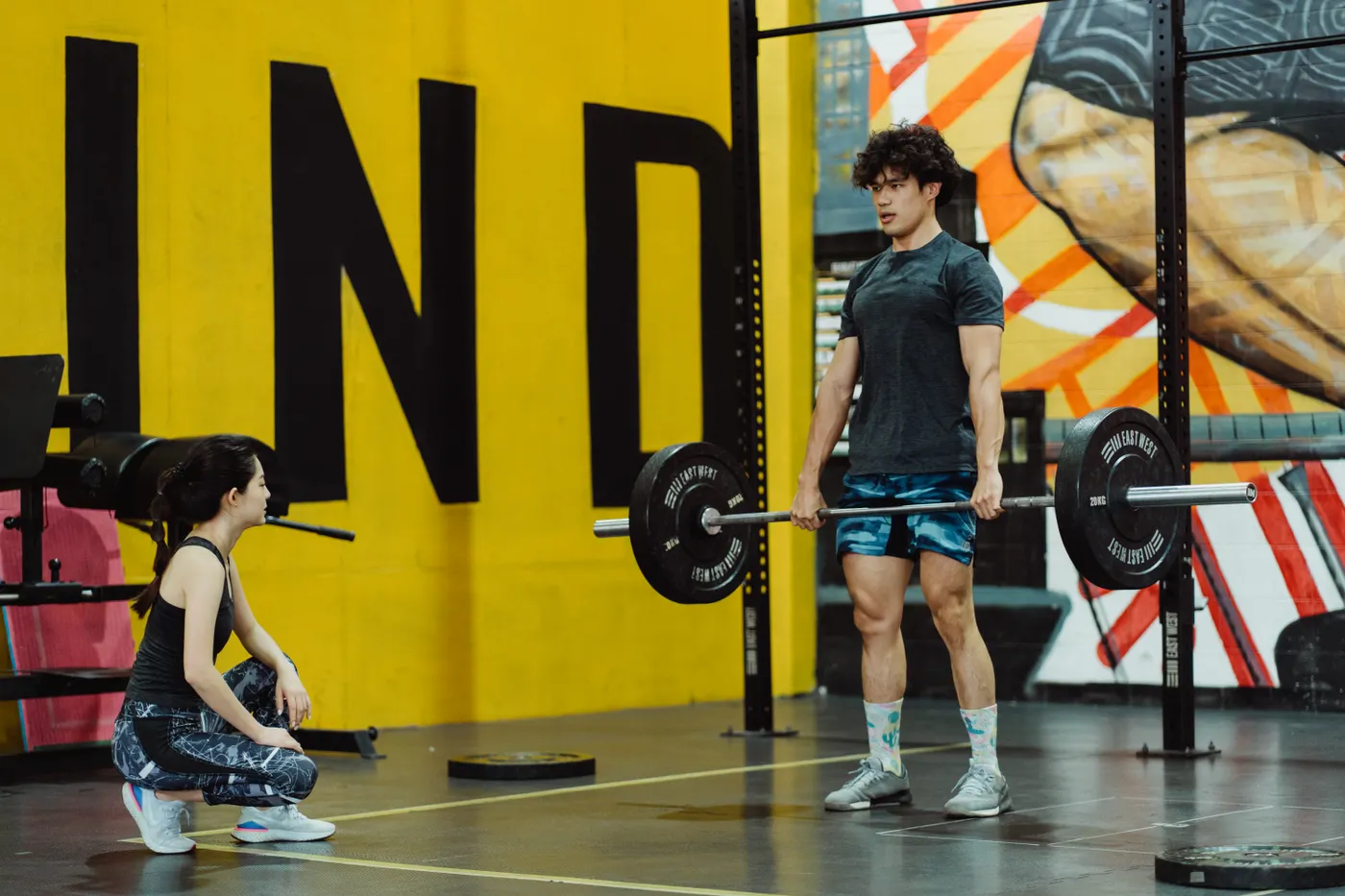
Controlled comparisons have repeatedly found that bar geometry affects joint moments and the way force is produced. In a 2011 analysis using submaximal loads, hex-bar pulls had lower measured peak moments at the lumbar spine, hip, and ankle, alongside a greater knee moment, than straight-bar pulls. Peak force, velocity, and power were also higher in that particular comparison. These are mechanical observations under tested conditions, not injury-rate statistics.
A 2016 experiment compared muscle activation and power with straight and hexagonal barbells. It found differences in the activity of individual muscles and power characteristics rather than a universal winner for every training objective. In a separate 2017 study of eleven experienced male lifters, the hexagonal bar produced a different load-velocity profile and a higher average one-repetition maximum than the conventional bar. Small, trained samples do not establish the same magnitude of advantage for everyone.
High handles add another variable. A study of maximal high-handle hex-bar lifting showed that handle configuration and joint mechanics matter when interpreting the weight lifted. Comparing a high-handle trap-bar personal record directly with a low-handle straight-bar record is therefore misleading. Use each lift’s own progression history, and resist the tempting but unsupported claim that one variation prevents back injuries.

Equipment Worth Exploring
Explore equipment, accessories and gear from our carefully selected range.


Leather Lifting Straps
Padded leather straps support grip during heavy rows, deadlifts and pulling exercises.

Set up a trap bar deadlift step by step
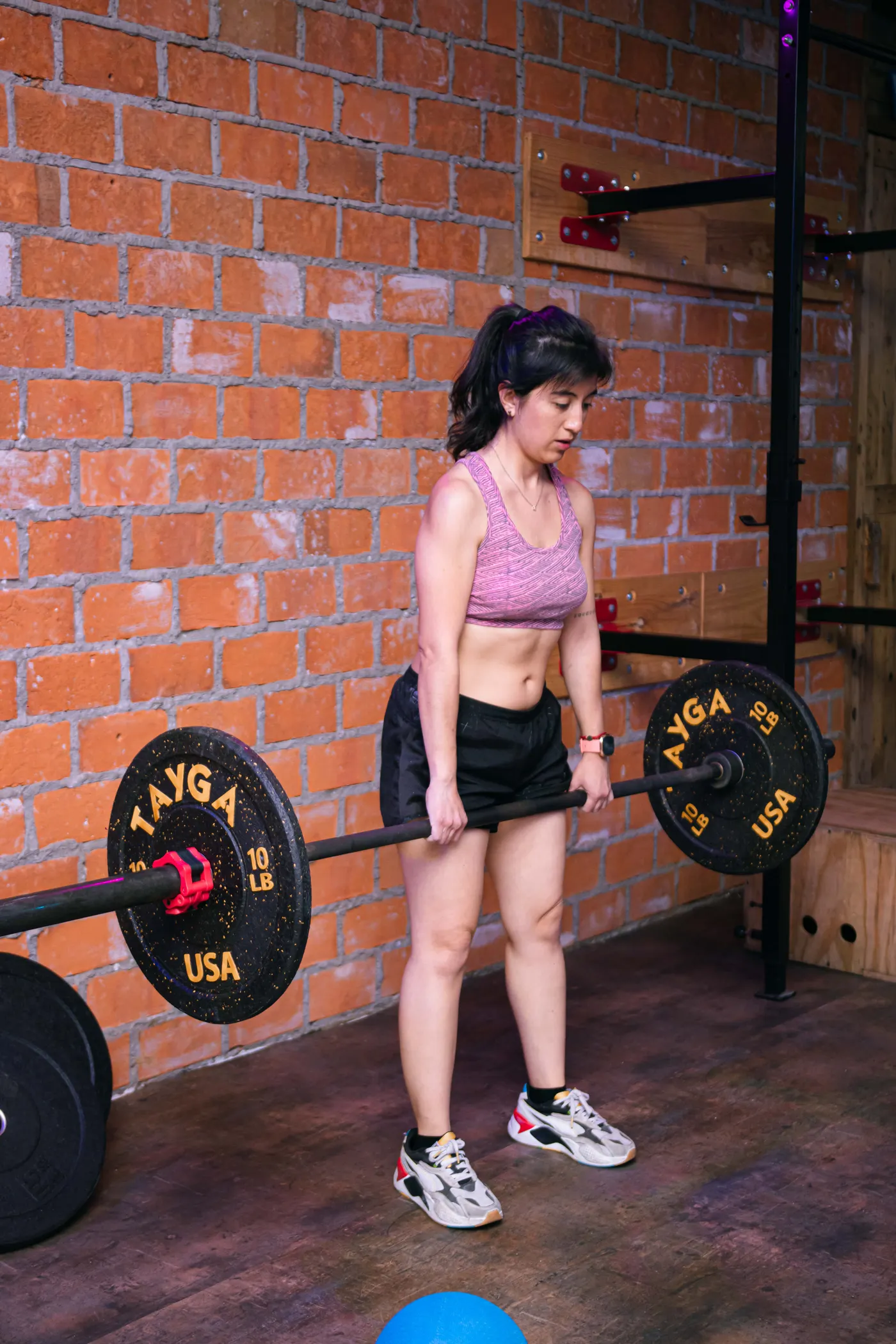
Start with the bar on a stable, level floor. Stand approximately in the middle of the frame with feet around hip to shoulder width and toes in a comfortable position. When you bend to reach the handles, keep your pressure distributed across the whole foot rather than rolling entirely onto the toes or heels. Adjust the stance until the knees can track naturally without striking the frame.
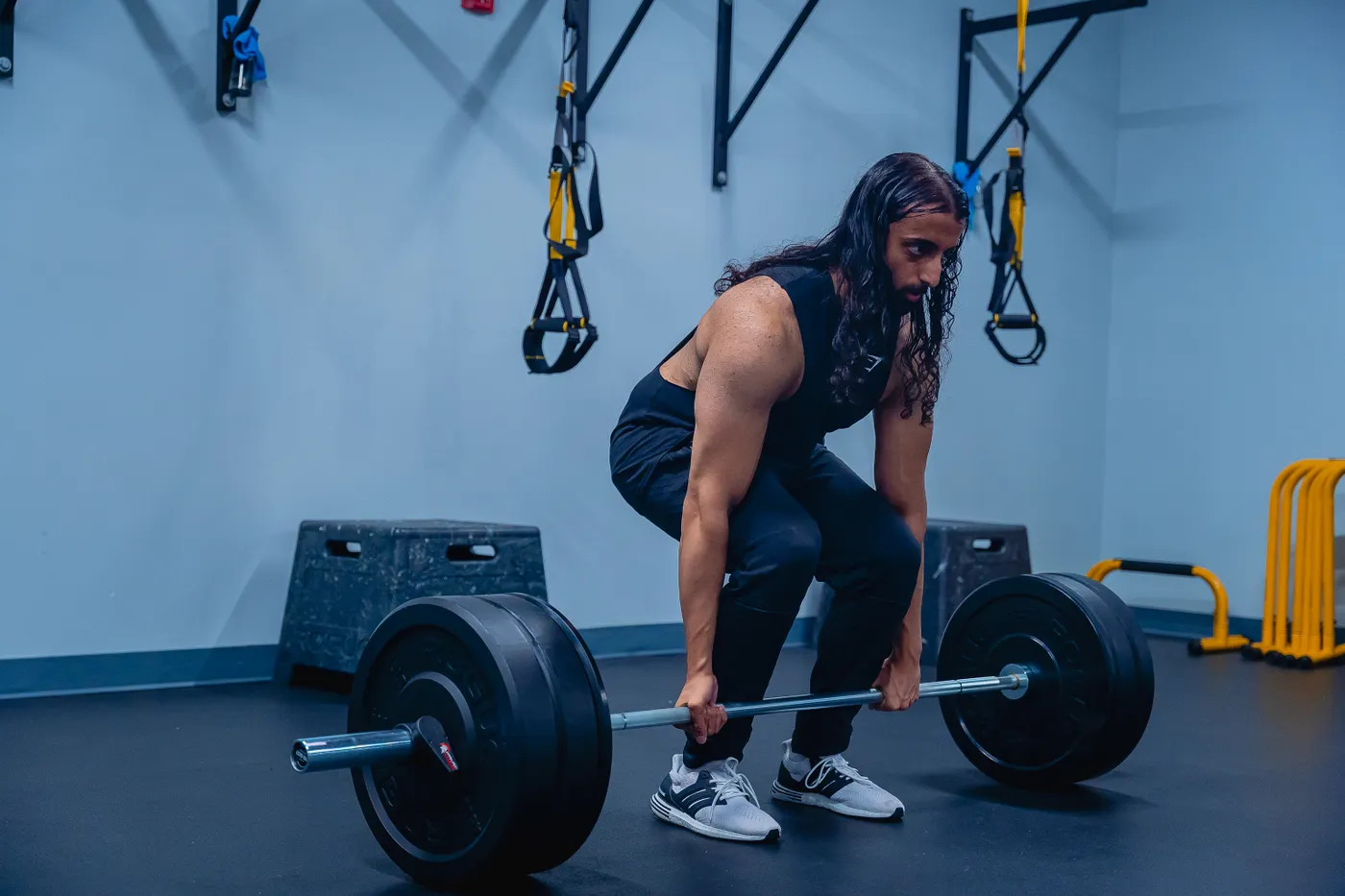
Hinge at the hips and bend the knees enough to reach the handles. Take a firm neutral grip with arms straight. Brace the abdomen as if preparing to receive a gentle push, maintain the trunk position you can control, and take the slack out of the system before the plates leave the floor. Avoid wrenching the bar upward with the shoulders or starting from a loose, rounded position that changes as soon as the load moves.
Drive through the floor, extending knees and hips together while keeping the handles close to the body’s sides. Stand tall without leaning backward or aggressively shrugging. Lower by pushing the hips back and bending the knees, then let the plates settle before the next repetition if you are practicing dead-stop technique. Exhale through the sticking point without letting the brace disappear. If the bar tilts, your feet move, or you lose the same torso position on each repetition, reduce the load and reset.

Powerlifting Shirts & Lifting Gear
Powerlifting shirts and gym gear for squat, bench and deadlift lifters who live for heavy numbers.

2 Plates Deadlift Club Motivational Meme & Ultimate T-Shirt
Rep “2 Plates Deadlift Club” humor in and out of the gym.

Skeleton Deadlift Deadlift Lovers & Meme Hoodie
Keep it laid-back with a little “Skeleton Deadlift” attitude.

The Art Of The Deadlift Patriotic Meme – Funny USA Gym Tank Top
Train hard, laugh a little, and rep “The Art Of The Deadlift Patriotic Meme”.

WTF is a Kilogram Gym | Patriotic Bald Eagle Workout De Sticker
A fun “WTF is a Kilogram” touch for bottles, laptops, and lockers.

The Powerlift Girls – Gym Girl Superhero Cartoon Pullov T-Shirt
For laid-back days and superhero humor: “The Powerlift Girls”.

Shirt – I Want You To Lift Heavy Uncle Sam – T-Shirt
Heavy lifts, good laughs, and a little “I Want You to Lift Heavy Uncle Sam” energy.

Deadlifts & Dragons Fantasy Swoleplaying Game T-Shirt
Make gym days more fun with “Deadlifts & Dragons” style.

The Dark Side of Lifting – Pink Floyd Meme Hooded Worko Hoodie
Bring “The Dark Side of Lifting” gym humor to lazy days and post-workout plans.

Dadlift Dad Weightlifting & Meme Vest Tank Top
Your gym-day look, with a playful “Dadlift” twist.

Praise The Deadlift Holy Lifting Meme & Fans Hoodie
Keep it laid-back with a little “Praise The Deadlift” attitude.
Low handles, high handles, and individual proportions
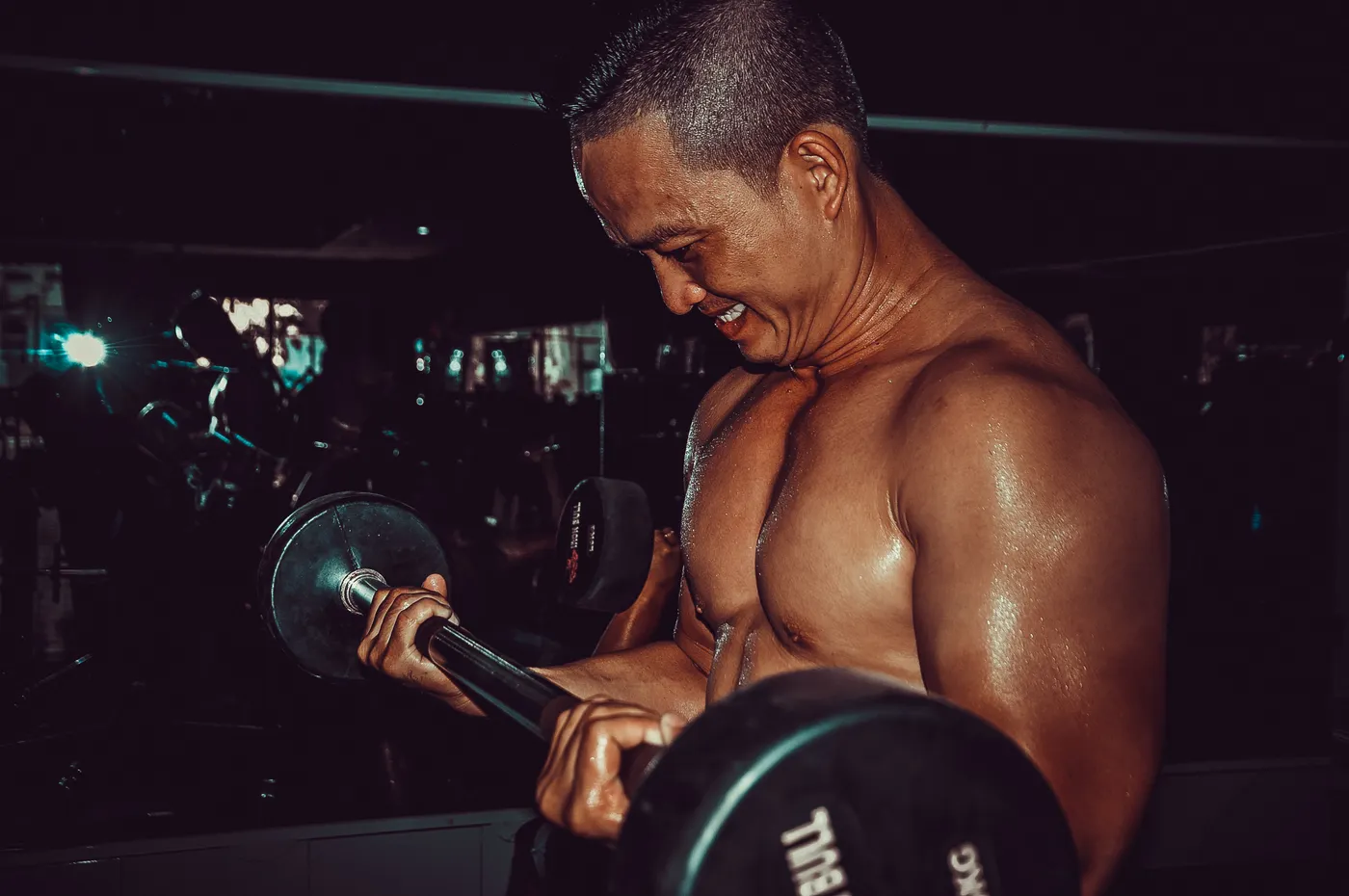
Many trap bars offer both standard and elevated handles. Higher handles shorten the distance to the grip and can reduce the amount of hip and knee flexion required at the start. That may be useful for someone with limited available range, a long torso, or an early-stage training plan. It also changes the exercise, so heavier numbers achieved with raised handles should not be presented as proof of superior full-range strength.
Low handles usually demand a deeper start and a longer movement. Choose them when you can reach the grip with stable feet, a braced trunk, and a repeatable path. There is no prize for forcing an extra inch of depth by collapsing the back or twisting the hips. If the setup feels crowded, first adjust foot position, then check handle orientation and plate clearance before assuming that mobility is the only problem.
Open trap bars can simplify entry, storage, and some single-leg or carry variations in a compact gym. Closed frames may feel more symmetrical to some lifters. Check the manufacturer’s load rating, sleeve length, grip diameter, handle height, and actual footprint. Those practical details matter more than a label promising the best bar for everyone. The bar itself does not dictate perfect technique; your control and chosen range do.
Program the trap bar for strength, muscle, or power
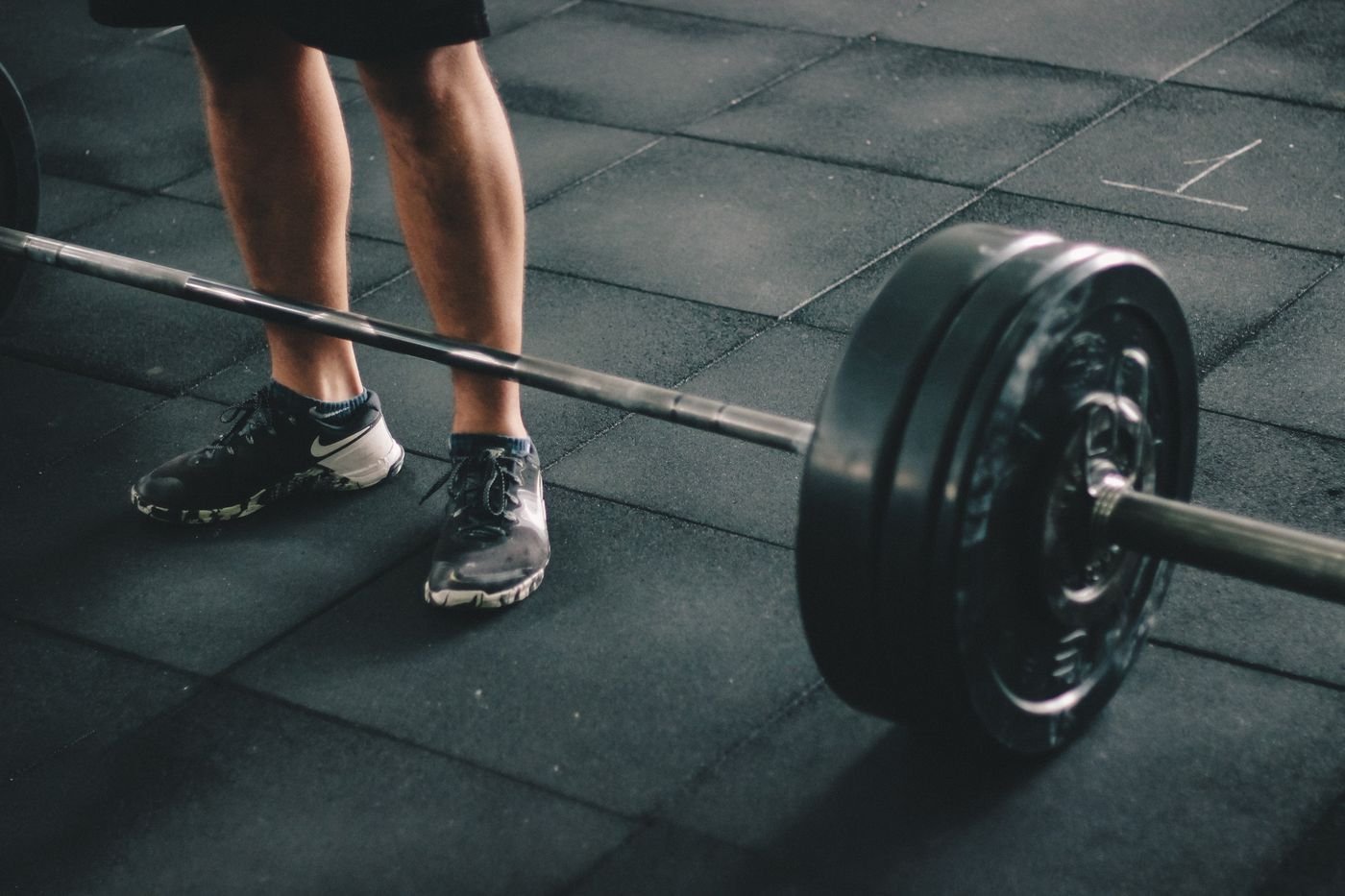
For general strength, two or three work sets of three to six controlled repetitions after several progressive warm-up sets are a reasonable starting point. Leave roughly one to three repetitions in reserve while learning the lift, then add small amounts of load as the same technique becomes repeatable. Beginners may progress with fewer hard sets than experienced lifters. Heavy pulling every day is unnecessary for most home-gym programs.
For muscle gain, sets of six to ten can work well, but the trap bar is not a complete hamstring program by itself. Pair it with a hinge that challenges the hamstrings at longer muscle lengths, such as a Romanian deadlift, and use knee-flexion work when appropriate. Trap-bar deadlifts can also complement squats and split squats rather than replacing all lower-body exercises.
For power training, prioritize speed and technical consistency with a lighter load, longer rest, and no grinding repetitions. Power findings from laboratory comparisons do not mean that simply moving a heavier trap bar quickly will automatically improve sprinting or jumping. Your overall program and sport-specific practice still matter. Across all goals, log handle height, plates, repetitions, effort, and rest; otherwise a change in setup can look like progress that never actually occurred.
Equipment Worth Exploring
Explore equipment, accessories and gear from our carefully selected range.
VOLTRA
Compact digital cable trainer with smooth, adjustable resistance.

Go-Tone Pro
Portable digital cable trainer with up to 66 lb (30 kg) of adjustable resistance.


Squat Harness
Wearable harness for hands-free cable squats, sled work, and lower-body training.

Belt Squat Collar
Heavy-duty collar adapter for compatible belt-squat and landmine bar setups.

GymPin Squat Wedges
Non-slip 15-degree squat wedges help elevate the heels for deeper quad-focused squats.


Choosing equipment and avoiding common mistakes
A trap bar is useful but not mandatory. A straight bar remains the obvious choice for a powerlifter who competes with one, and dumbbells or kettlebells can teach a manageable hip hinge before heavy barbell loading. A cable machine can also provide controlled hip-extension or squat-pattern accessories. In a small home gym, one versatile implement that you use consistently may be more valuable than several specialty bars that consume floor space.
Before buying, measure the open floor area required for loading plates, stepping into the frame, and moving without hitting a rack or wall. Check whether the bar fits your existing plates and collars. Raised handles, a jack-style open frame, and adequate sleeve capacity can make day-to-day use easier, but a complicated design is not inherently a better training stimulus. Keep enough room to unload safely without stepping over scattered plates.
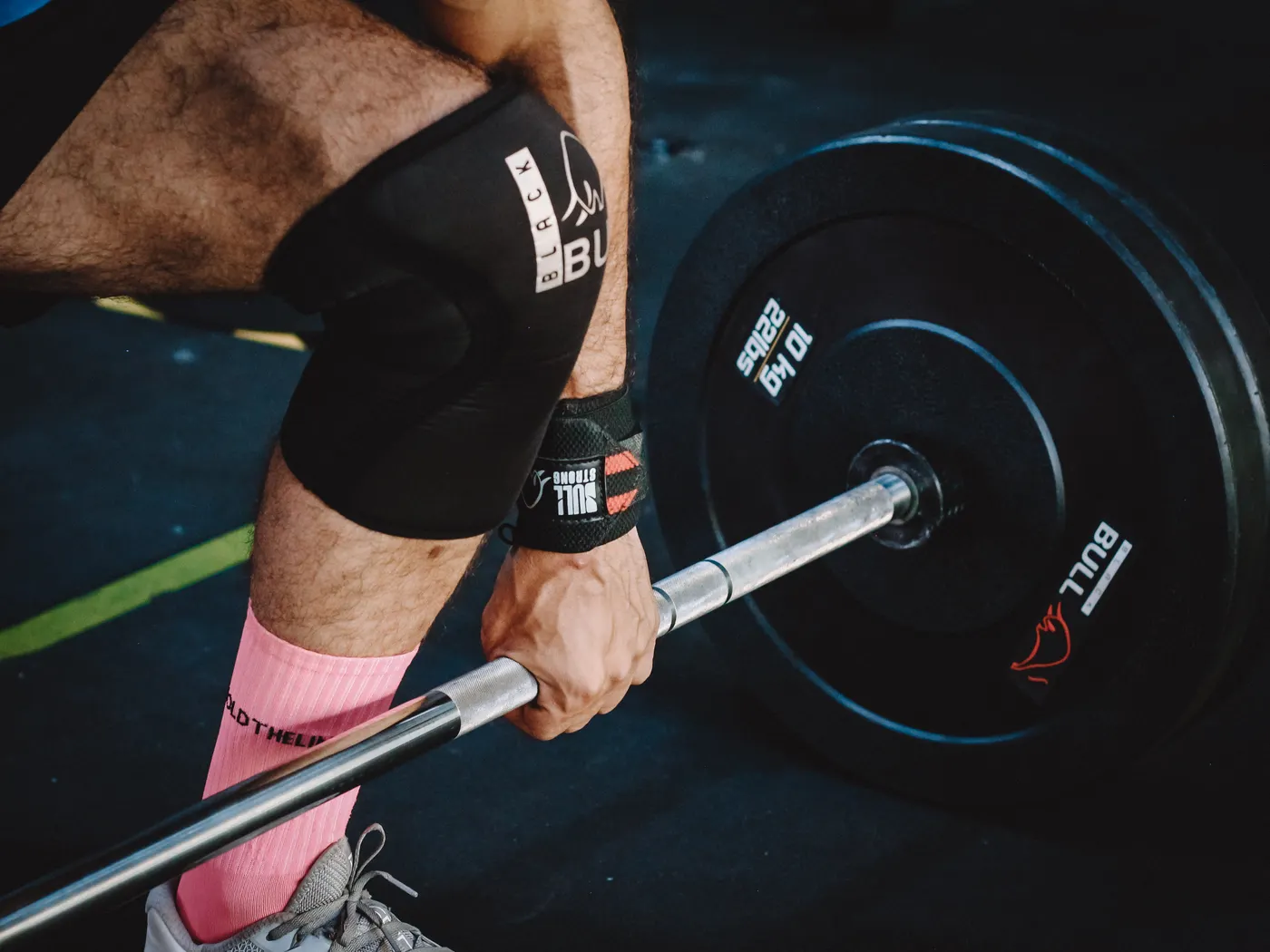
Common mistakes include starting with the handles too far forward, lifting on the toes, jerking the first inch, letting the hips shoot up before the plates move, and overextending at lockout. Another is using lifting straps to conceal a grip or position problem before learning a secure hold. Straps can be a useful tool for high-volume work, but they do not replace sound setup. Persistent or sharp pain, new numbness, or weakness deserves assessment rather than another technique cue from an article.
Leg Day Shirts & Workout Gear
Leg-day gym shirts and workout gear for lifters who never skip squats, lunges and lower-body punishment.

I Want You To Deadlift Uncle Sam Patriotic – 4th Of T-Shirt
Rep “I Want You To Deadlift Uncle Sam Patriotic” humor in and out of the gym.

Let It Grow Leg Day Sweater Squats & Booty Gains Meme T-Shirt
For laid-back days and leg-day humor: “Let It Grow”.

Squat You Must Star Wars Leg Day Meme Vest Tank Top
Bring “Squat You Must” humor to your next lifting session.

The Walking Deadlift – Zombie Leg Day & Gymbro Gains T-Shirt
Make gym days more fun with “The Walking Deadlift” style.

Booty Building Mode Girl – Squats, Leg Day & Gains – T-Shirt
Bring “Booty Building Mode Gym Girl” humor to your next gym day.

SIUUU Deadlift Cristiano Ronaldo Meme Football Fans & Tank Top
Add some deadlift attitude to training with “SIUUU Deadlift”.

Squatbucks Gym | Funny Starbucks Parody Workout Decal | Sticker
Stick a little “Squatbucks” humor on your favorite gear.

Deadlift You Must Star Wars Yoda Meme Sweater T-Shirt
For laid-back days and leg-day humor: “Deadlift You Must”.

Paranoid About Leg Day Black Sabbath Heavy Metal & T-Shirt
Rep “Paranoid About Leg Day Black Sabbath” humor in and out of the gym.

Big Ass Energy Sweater & Meme Fans T-Shirt
Add a playful “Big Ass Energy” touch to your casual rotation.
A six-week trap-bar progression you can repeat
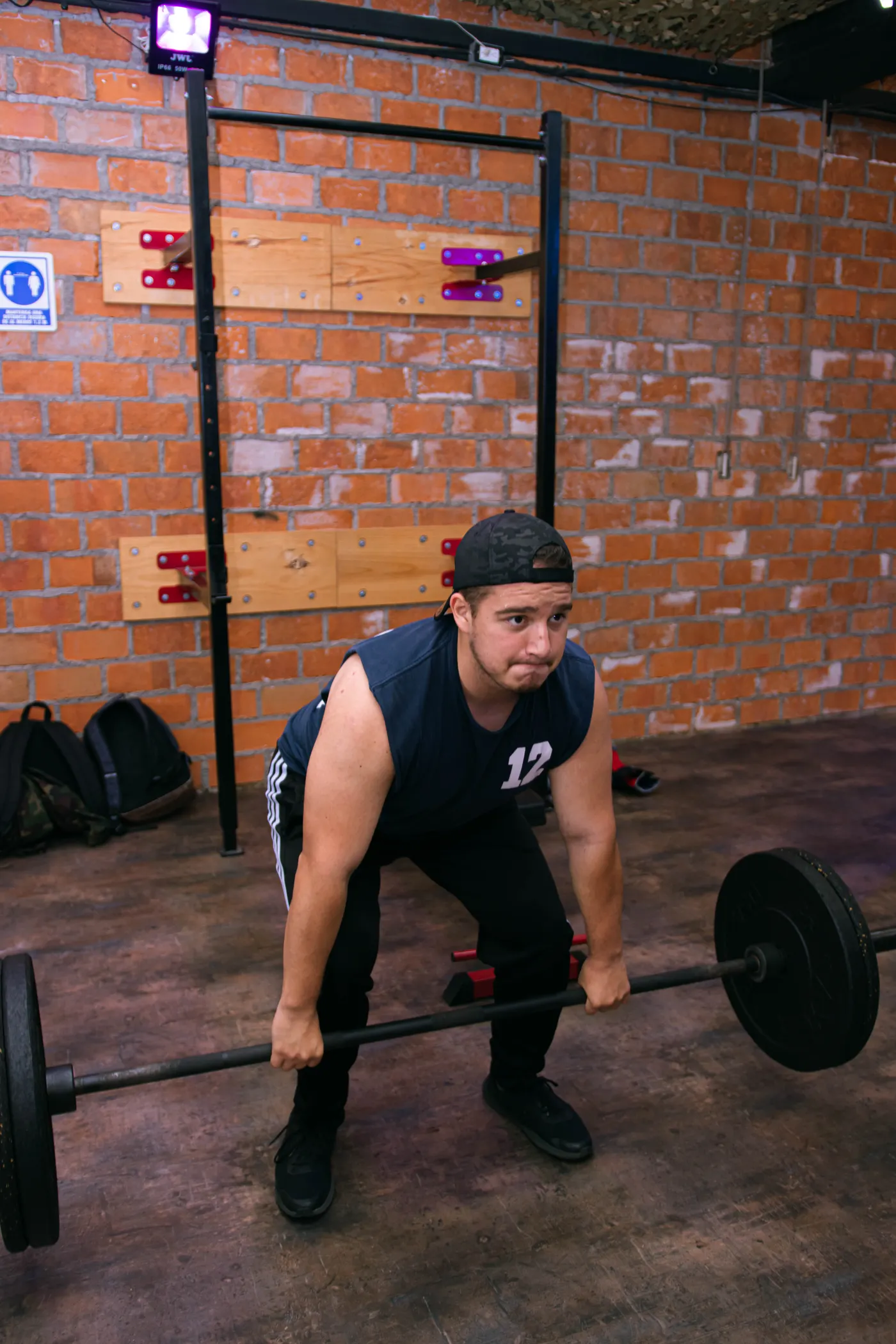
In weeks one and two, practice twice per week with at least two days between harder pulling sessions. After a brief general warm-up, complete three increasingly heavier preparation sets, then two work sets of six at a load that leaves about three good repetitions available. Film a side view if possible and check that the same start position, foot pressure, and lockout appear in every rep. Choose one handle height and keep it constant.
In weeks three and four, move to three work sets of five or six repetitions if recovery and form are consistent. Add the smallest practical plate increment only when every set meets the same standard. On the second weekly session, use a lighter technique day or an accessory hinge instead of another near-maximal pull. Include some single-leg work and a hamstring curl or similar knee-flexion exercise if those fit your training goals.
In week five, use three sets of four to five repetitions with slightly heavier resistance, still without grinding. In week six, reduce volume for the first session, then assess a controlled five-repetition set rather than testing an unnecessary one-repetition maximum. Compare it with week one using identical handles, footwear, range, and tempo. If your technique degrades or soreness carries into the next session, repeat a week rather than forcing the schedule.
The best trap-bar program is not the one that produces the largest number on day one. It is the one you can load progressively, recover from, and perform with a consistent movement pattern. Choose the bar that supports your goal, keep your claims about injury prevention modest, and let six weeks of repeatable training tell you more than a single impressive pull.