Advertising disclosure: This page includes affiliate links that may earn us a commission at no additional cost to you.
Martins Licis’s 2019 World’s Strongest Man title is a useful antidote to judging strength through one spectacular lift. He won the squat and Atlas Stones, but the wider achievement was staying competitive throughout the final. The champion was decided across different tasks, not by selecting the most impressive moment for a highlight reel.
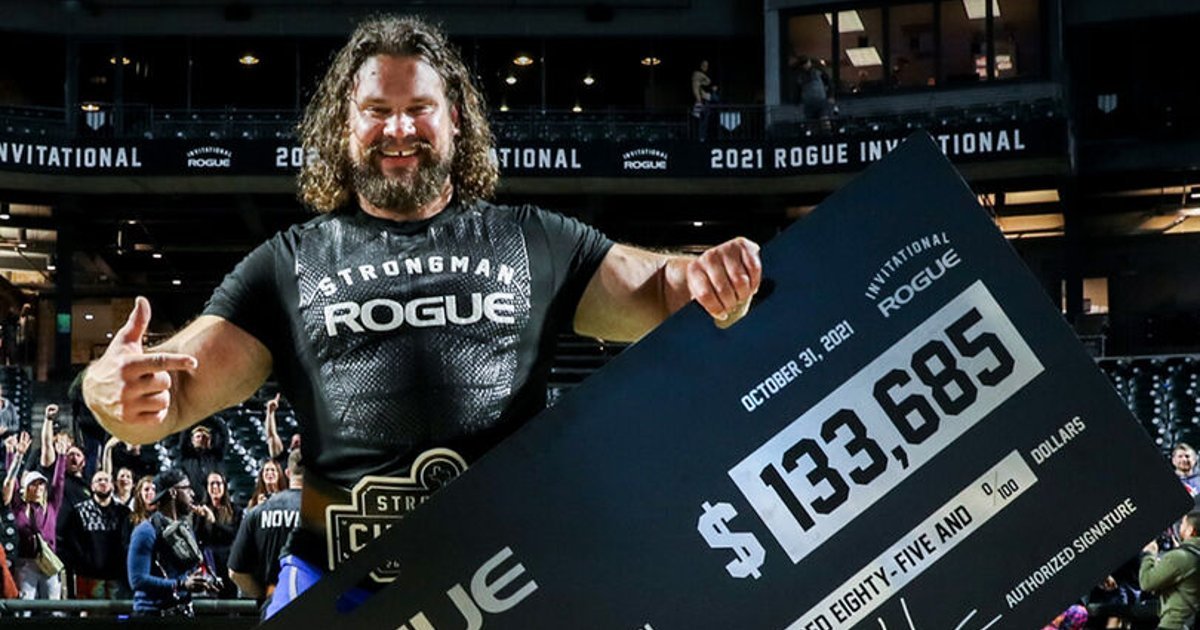
That makes the result interesting even if you never intend to enter a strongman contest. A program can have an impressive headline exercise while leaving another important capacity underdeveloped. Licis’s win offers a way to think about that problem. This is a historical competition analysis with editorial training lessons, not a claim to reveal his complete preparation or reproduce his routine. The cover shows Licis celebrating his 2021 Rogue Invitational win; it and the other career photographs provide context rather than a sequence documenting the 2019 final.
The winning pattern was broader than two event victories
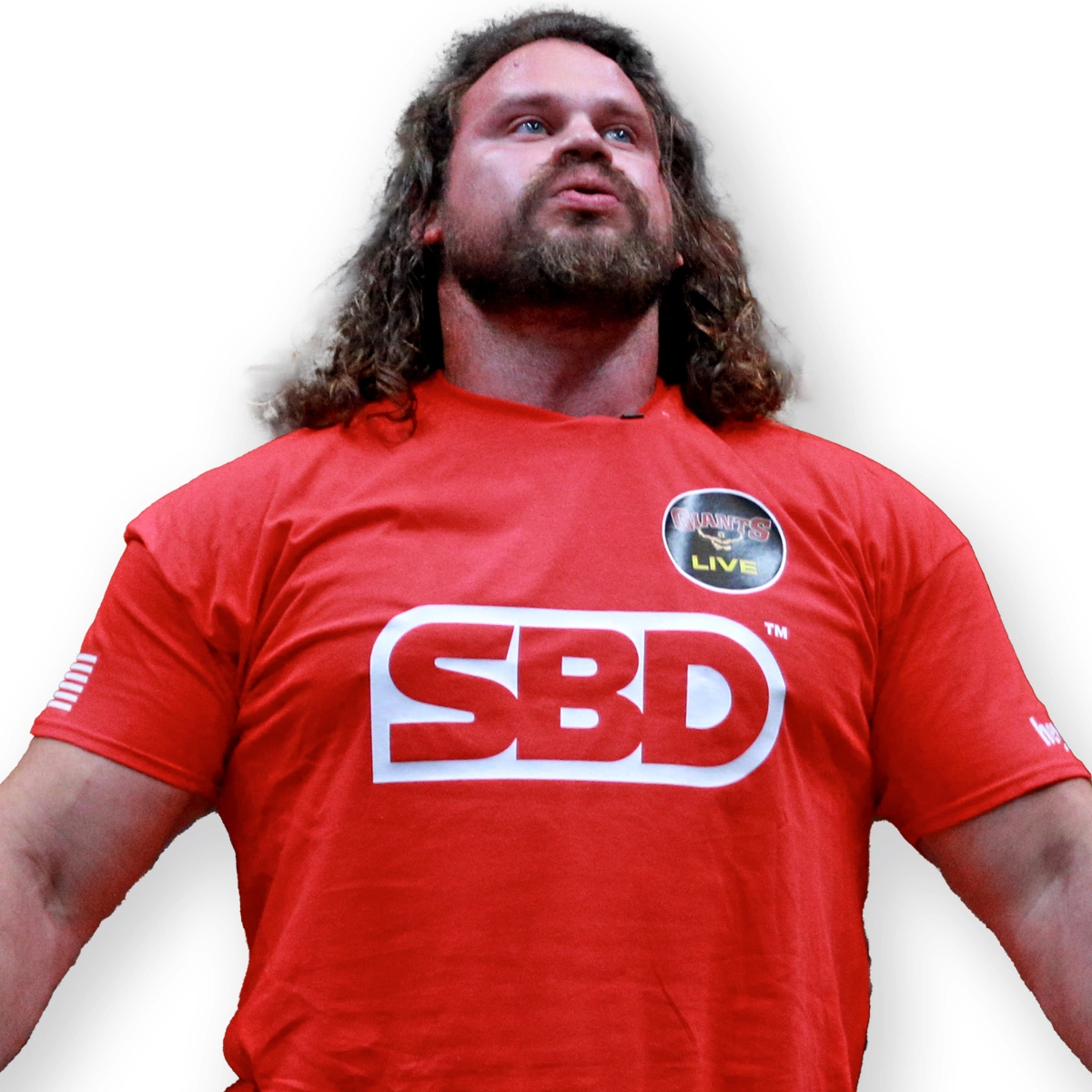
Licis won the 2019 title in Bradenton, Florida, ahead of Mateusz Kieliszkowski and Hafþór Júlíus Björnsson. He placed in the top three in every event of the five-event final, with victories in the squat lift and Atlas Stones. Winning two events helped, but avoiding a poor result elsewhere was part of the same successful performance.
In a cumulative points contest, the position you lose in one event must be recovered somewhere else. Being unbeatable at a favorite task does not make the remaining events disappear. That creates a different competitive problem from a single-lift championship, where the whole preparation can be directed toward one specific expression of strength.
Consider a simplified example rather than a reconstruction of the actual scoring. An athlete who consistently finishes near the front can build a strong total while another alternates between wins and low placings. Which pattern wins depends on the field and points system. The principle is to read the complete result, not assume that the athlete with the most dramatic individual victory must take the title.
The useful question for a lifter is what a complete performance means for their own goal. A powerlifter, recreational strength trainee and strongman competitor should not automatically use the same definition. You can appreciate Licis’s breadth while still choosing a focused objective. The lesson is to identify the tasks that matter before deciding which weaknesses deserve attention.
The squat and the deadlift hold asked different questions
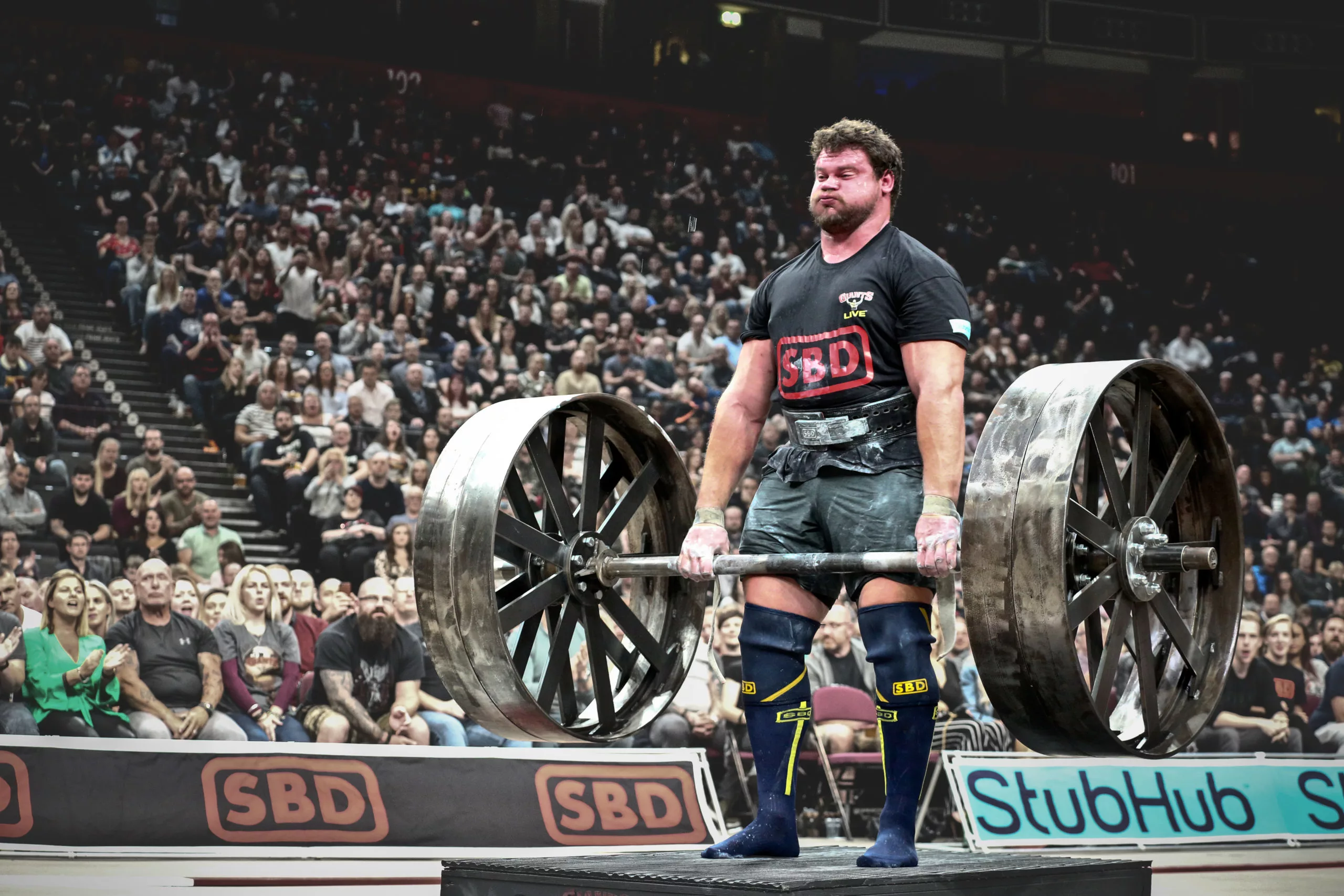
The 2019 final included a squat lift for repetitions and a deadlift hold. Those event names describe different demands: repeatedly completing a movement is not the same as maintaining a loaded position. A strong maximum lift can contribute to performance, but it does not tell you the entire story of a timed effort.
That distinction can disappear when you compare gym numbers without context. A repetition total needs an agreed movement standard. A hold needs an agreed position and duration. If the setup changes, a larger number may represent a different task rather than straightforward progress. Keep the implement, range or position and completion rule attached to the result you record.
The career deadlift photograph illustrates Licis under a heavy bar; it is not presented as the 2019 hold itself. Likewise, a normal barbell squat is not automatically identical to the contest apparatus. Specific equipment can change the starting position, balance demands and route through the movement. Strongman rewards learning those details as well as having the strength to move a load.
For ordinary training, consistent setup is a useful place to start. Our front-squat rack and repetition guide covers one familiar example. It is not an explanation of Licis’s contest squat technique. It shows how clear setup choices let you compare your own repetitions more meaningfully over time.

Powerlifting Shirts & Lifting Gear
Powerlifting shirts and gym gear for squat, bench and deadlift lifters who live for heavy numbers.

Praise The Deadlift Holy Lifting Meme & Fans Hoodie
Keep it laid-back with a little “Praise The Deadlift” attitude.

Heavy Metal Deadlift – Skeleton Gym Crewneck for Powerl T-Shirt
Add a playful “Heavy Metal Deadlift” touch to your casual rotation.

Don'T Fart Squats & Leg Day Memes Athletic Shirt Tank Top
Bring “Don't Fart Squats” humor to your next lifting session.

Bending Bars Meme Breaking Bad Decal Water Bottles & Sticker
Give your everyday gear a playful “Bending Bars Gym Meme” twist.

6 Plates Deadlift Club Motivational Meme & Essential T-Shirt
Bring “6 Plates Deadlift Club” humor to your next gym day.

Never Skip Leg Day Gym | LEGO Workout For Squat & Deadl Hoodie
Bring “Never Skip Leg Day” gym humor to lazy days and post-workout plans.

Nice Try Gravity Astronaut Workout | Funny Space Gym Pu T-Shirt
Bring “Nice Try Gravity Astronaut” humor to your everyday gym style.

Lift Eat Repeat & Weightlifting Meme Vest Tank Top
Add some lifting attitude to training with “Lift Eat Repeat”.

Deadlift And Chill – & Top T-Shirt
Heavy lifts, good laughs, and a little “Deadlift and Chill” energy.

Stones turn strength into an object-handling task
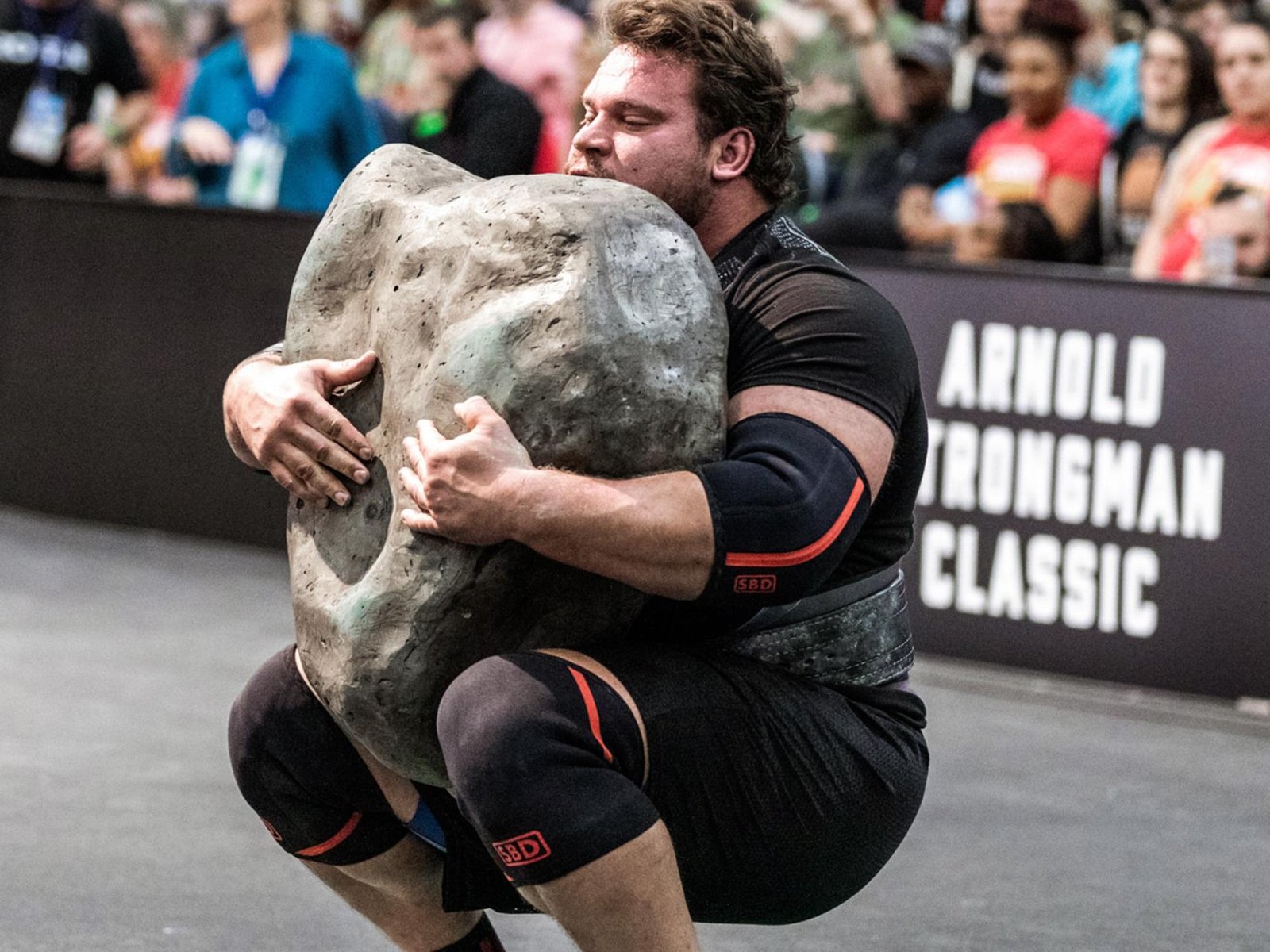
Licis’s Atlas Stones victory was another part of the 2019 winning total. A stone-loading event requires more than recognizing that the object is heavy: the athlete must get it into position and finish the required placement. The stone photograph here comes from a different competition context and illustrates awkward-object handling rather than that specific final.
For a viewer, the interesting details include how the object is controlled and what counts as completion. Different stone shapes, loading heights and event rules change the challenge. Do not assume that two similarly weighted objects are interchangeable tests. A smooth round stone and an irregular natural stone may demand different ways of establishing and maintaining contact.
Our Dinnie Stones lift, hold and carry analysis explores another stone challenge with its own handles and unequal loads. It is useful precisely because it is different. Comparing the tasks reveals why the weight alone cannot explain every strongman feat, without turning one tradition into a direct substitute for another.
The training lesson is about specificity, not finding a clever shortcut. If a task involves placing an object, practice should eventually address controlled placement with suitable equipment and instruction. A gym lift can build useful capacity while leaving the actual handling skill untested. Experienced coaching is particularly valuable when an unfamiliar implement changes how you must pick it up and return it.
The other events mattered too
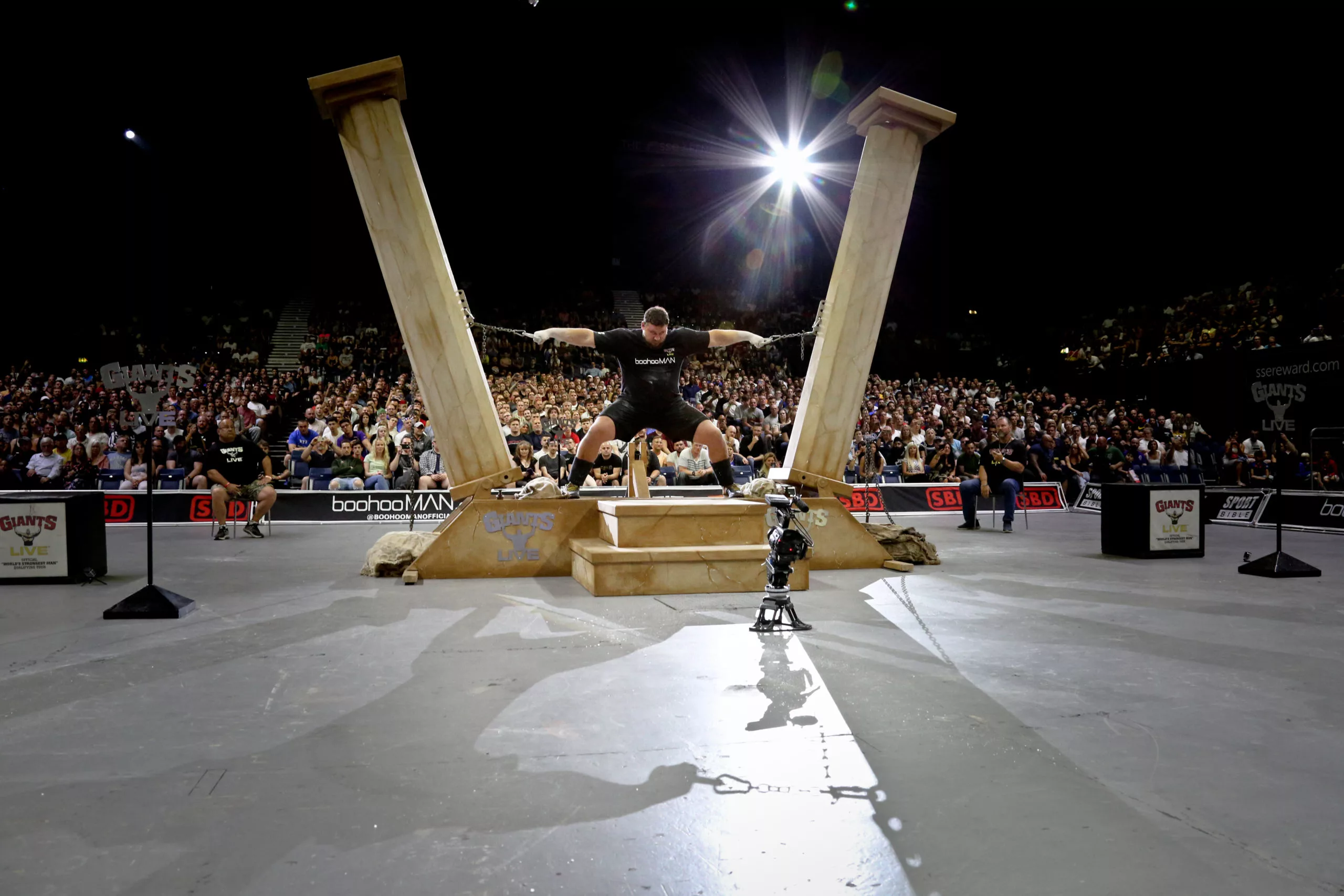
The final also included a loading race and an overhead medley. Together with the squat, hold and stones, they created several opportunities to gain or lose points. Carrying objects through a course and completing overhead lifts are different problems, even when both require substantial strength.
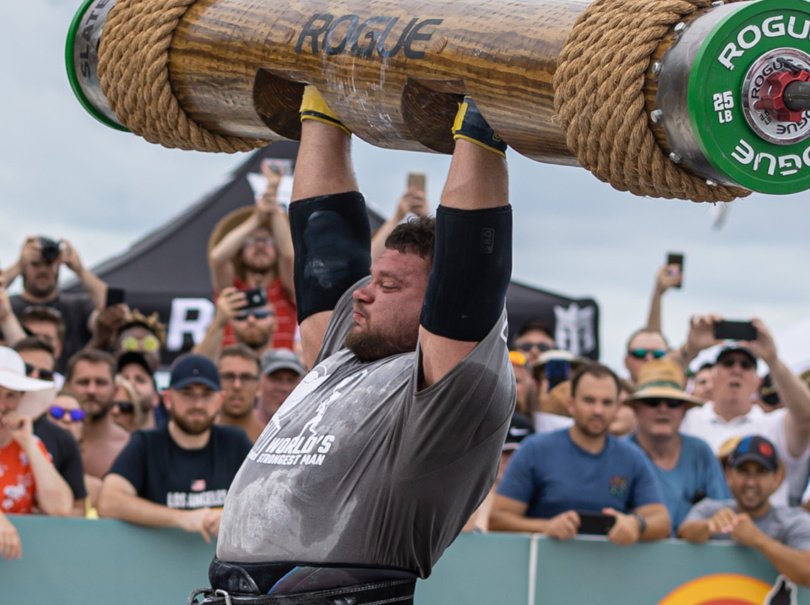
A medley also puts transitions into the performance. The athlete has to move from one part of the task to the next rather than treating every attempt as a fresh, isolated set. Watching the pickup, approach and finish can be more informative than looking only at the heaviest implement. The overhead photograph shows Licis pressing a log in another setting; it does not document every implement in the 2019 medley.
For someone preparing for a specific event, this suggests a practical planning question: where is time or control actually being lost? The answer might be force production, handling skill, an awkward transition or fatigue. Those are different problems and may need different solutions. Simply making every session harder does not identify which one is limiting the performance.
For a recreational lifter, breadth can be simpler. You might want to improve a squat while retaining comfortable carrying capacity and a controlled overhead movement. That is an editorial example of choosing complementary goals, not Licis’s split. Select a few meaningful tasks and keep them manageable instead of trying to recreate an entire elite strongman final in one workout.
Use the result to audit your training, not invent his program
Licis had already finished fourth at World’s Strongest Man in 2017 and 2018 before winning in 2019. That progression gives the title a longer context than one breakthrough weekend. It does not, by itself, establish which exercise, training frequency or recovery method caused the improvement. Competition records describe outcomes; they do not replace a training diary.
Start an audit of your own program by naming the goal and the few abilities it requires. Then look at what your sessions actually practice. If an important task is missing, decide whether it needs a small addition, better technique or a change in priority. Keep successful parts of the program rather than replacing everything because an elite athlete looks impressive using a different implement.
Equipment can support those decisions without copying a strongman’s contest kit. Barbells and suitable racks offer familiar ways to practice squatting and pulling. Dumbbells, kettlebells and a suitable trap bar can provide different loading or carrying arrangements. Plates and properly fitted collars belong to a complete compatible setup. None should be presented as equipment Licis used merely because it appears beside this discussion.

Equipment Worth Exploring
Explore equipment, accessories and gear from our carefully selected range.


Competition Plates
Competition-style bumper plates for Olympic lifts and loaded strength training.

Grip Plates
Rubber-coated weight plates with handholds for loading barbells and machines.


Rubber Hex Dumbbells
Rubber-coated hex dumbbell pairs with a stable shape for home and commercial strength training.


General resistance training benefits from consistency and an approach suited to your goals and ability. Add complexity when it serves a clear purpose. If a new accessory repeatedly disrupts your main sessions or makes progress difficult to interpret, reconsider its role. A small improvement you can repeat is more useful than an occasional exhausting demonstration that changes every time.
Licis’s 2019 win shows how a champion can combine event-winning strengths with reliable results elsewhere. It is worth remembering for both reasons. Enjoy the extraordinary scale of the competition, then bring the principle back to your own level: know what your goal demands, practice those tasks deliberately and judge progress through more than one favorite highlight.