Advertising disclosure: This page includes affiliate product links that may earn us a commission, as well as products from our own store.
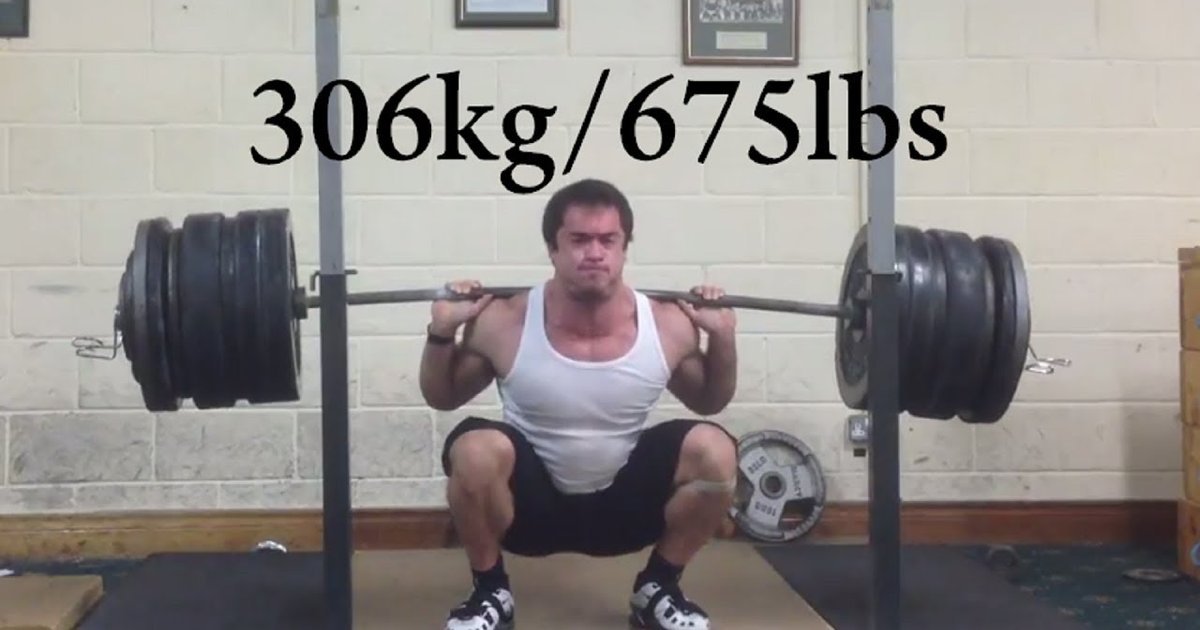
Watching Clarence Kennedy settle into the bottom of a heavily loaded squat makes it tempting to look for a secret programme. His speed out of the bottom, upright posture and ability to repeat demanding lifts are compelling. But the most transferable part of his training history is not a particular weight on the bar. It is the relationship between practice, workload and recovery.
Kennedy discussed his training in a 2015 interview and returned to some of the same themes in later conversations. These are snapshots of an accomplished weightlifter’s earlier career, not a current routine or a prescription for everybody. They provide a useful starting point for asking whether more frequent squatting can improve your own strength.
What Clarence Kennedy’s early training actually tells us
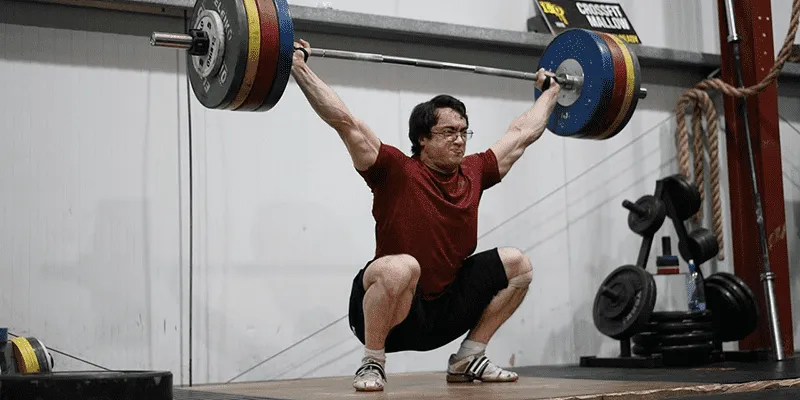
In his earlier account, Kennedy described training six times per week, with periods of particularly demanding work. He also recalled knee pain in 2012 and continuing to train hard, later increasing volume and frequency. He described heavy twice-daily training during part of 2013. These are retrospective details, not evidence that another lifter should train through pain or duplicate his schedule.
The important distinction is between a competitive weightlifter’s environment and the environment of an ordinary recreational lifter. A weightlifter’s squat is not just an exercise for building bigger legs. It supports the ability to receive a clean, stand up from it and maintain positions under the bar. The squat also has to coexist with snatches, cleans, jerks and pulls. How much work can be devoted to it depends on the demands of all those lifts.
A recreational lifter might instead be working towards a stronger back squat, more muscular legs or a generally better strength base. In that case, frequent squatting is an optional way to distribute training, not the defining feature of a successful programme. You can benefit from studying elite technique without inheriting the athlete’s entire workload.
Look closely at repeated lifts rather than just a highlight reel. Can the lifter maintain balance over the foot, keep the bar moving predictably and repeat the same depth? Those are qualities you can assess at your own working weights. They matter more than whether the bar contains the same number of plates as a remarkable internet clip. An impressive single is a demonstration of ability; it does not reveal everything that went into developing that ability.
Frequency is not the same thing as workload
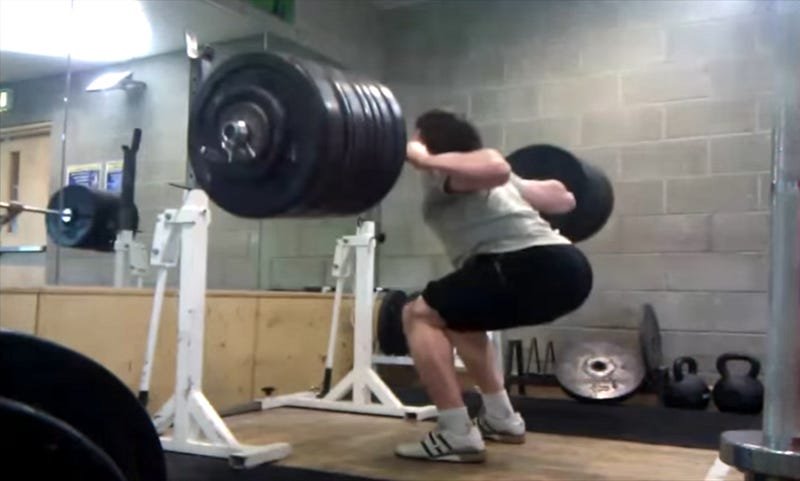
Adding squat sessions changes two different variables. The first is frequency, meaning how often you train the movement. The second is total work, meaning how many challenging repetitions and sets you accumulate across the week. Changing both at once makes it difficult to tell why strength improves or why recovery deteriorates.
Imagine that you currently perform twelve working sets of squats every week. You can organise them as six sets on Monday and six on Thursday, or four sets on Monday, Wednesday and Friday. The second plan adds a training day but no sets. It may give you fresher repetitions on each day, shorter sessions and more opportunities to practise your setup. It also requires an extra warm-up and another visit to the gym.
Research comparing resistance-training frequencies supports this distinction. In a six-week experiment, 28 resistance-trained men were assigned to train three or six days per week with equivalent training volume and intensity. Both schedules improved strength, with no clear advantage to the higher frequency. A broader analysis of resistance-training research likewise found that when volume was equated, the apparent strength benefit of higher frequency was less convincing. Neither finding establishes that all frequencies are identical for every person. They do suggest that frequency is often a scheduling decision rather than a unique stimulus.
For the lifter who runs out of concentration after the fourth heavy set, distributing the work could improve the quality of practice. For someone with a physically demanding job, extra squat days might simply make the week harder to manage. Start by preserving the workload you already tolerate. Once the new schedule is stable, you can decide whether adding work is appropriate. Do not treat the ability to fit another session into your calendar as proof that your legs have recovered from the last one.

Equipment Worth Exploring
Explore equipment, accessories and gear from our carefully selected range.


Competition Plates
Competition-style bumper plates for Olympic lifts and loaded strength training.


Why front squats and back squats serve different purposes
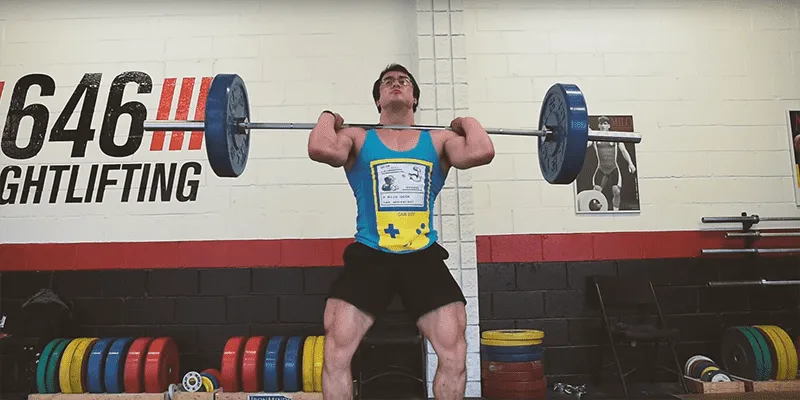
Kennedy’s later discussion of his training included paused back squats and periods of emphasising front squats when the clean and jerk was a priority. He described a demanding repeated five-by-five approach at one point. That context matters: he was talking about his own training, not proposing a beginner’s programme.
The front squat places the bar across the front of the shoulders. Keeping it supported requires a stable rack position, coordinated upper-back tension and balance through the foot. If the torso falls too far forward, the bar tends to roll away. For a weightlifter, this movement closely resembles the standing portion of the clean. For someone focused primarily on back-squat strength, it can be a useful secondary lift, but it is not mandatory.
A back squat permits a different bar position and typically allows many lifters to handle more weight. The exact relationship depends on training experience, proportions, mobility and bar placement. There is no universal front-to-back squat ratio that you must achieve. Comparing your own progress at consistent depth and technique is more informative than chasing someone else’s percentage.
When selecting your primary lift, use the one that best matches your objective. If your goal is a stronger competition back squat, practise that variation regularly and put it early in the session. If the clean is limited by the recovery from the bottom, a front squat may warrant a larger share of your work. If your goal is general leg development, choose a variation you can perform comfortably and progressively, then complement it with appropriate accessory exercises rather than continually swapping the main lift.
Front-rack mobility is also worth distinguishing from leg strength. The weight should rest securely on the shoulders rather than be held entirely in the hands. If wrist or shoulder discomfort prevents that position, work with a qualified coach on a suitable variation instead of forcing your wrists into a painful setup. Use a rack with correctly positioned safeties and learn how to unload or bail safely before lifting heavily.
Make the pause a tool, not a test of toughness
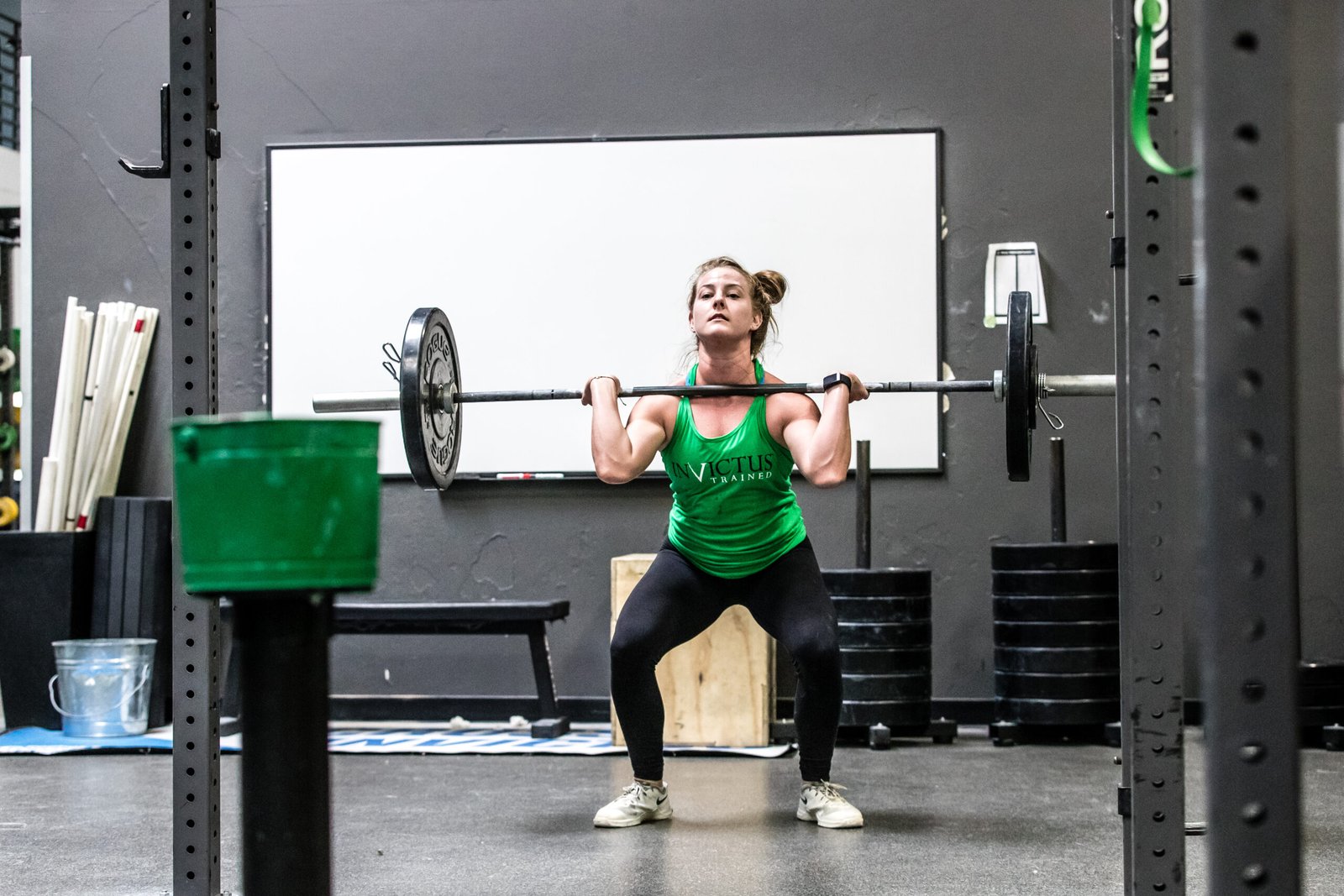
A pause squat can make the bottom position more repeatable. Instead of immediately reversing direction, descend under control, remain braced briefly and stand up without deliberately bouncing. For many lifters, a light or moderate pause squat exposes a balance problem that a fast reversal can conceal. It is a technical constraint, not an invitation to hold your breath for as long as possible or to relax under a heavy load.
Try a one- or two-second pause with a weight that leaves several repetitions in reserve. Keep the foot planted and maintain the same bar path you use in your regular squat. If you cannot initiate the ascent without shifting forward, twisting or changing depth, reduce the load and examine your positioning. A pause that produces a visibly different movement pattern is not automatically better practice.
Consider the trade-off. Replacing all regular squats with difficult pause squats can create unnecessary fatigue and reduce your exposure to the specific lift you want to improve. A smaller dose often makes more sense: perform your normal squat on the primary strength day and use a few lighter paused sets on a technique day. Treat the two versions as related but separate exercises in your training log.
Safety matters especially when you train alone. Set your rack safeties just below the bottom of a normal controlled repetition and test the arrangement with an unloaded bar. Use appropriate collars and a stable lifting surface. If the rack cannot safely contain a failed squat, do not attempt near-maximal repetitions in it. Persistent, worsening or sharp joint pain is a reason to stop the provoking movement and seek appropriate assessment, not a benchmark of commitment.

Powerlifting Shirts & Lifting Gear
Powerlifting shirts and gym gear for squat, bench and deadlift lifters who live for heavy numbers.


Rack Panther Black Panther Workout Squat Rack Bodybuild Sticker
Give your everyday gear a playful “Rack Panther Black Panther” twist.

I Want You To Lift Heavy Patriotic – Uncle Sam USA T-Shirt
Show some lifting attitude with a playful “I Want You To Lift Heavy Patriotic” tee.

Liftin Metal – Heavy Metal & Gymbros – Gains T-Shirt
Make gym days more fun with “Liftin Metal” style.


Squatzilla Meme Leg Day & Squat Fans Hooded Hoodie
Show off your leg-day humor in a laid-back “Squatzilla” hoodie.

Quadzilla Massive Quads Sweater Leg Day Squatting T-Shirt
Keep things casual with a little “Quadzilla” attitude.

Squat You Must Star Wars Leg Day Meme Vest Tank Top
Bring “Squat You Must” humor to your next lifting session.
A four-week squat frequency experiment for ordinary lifters
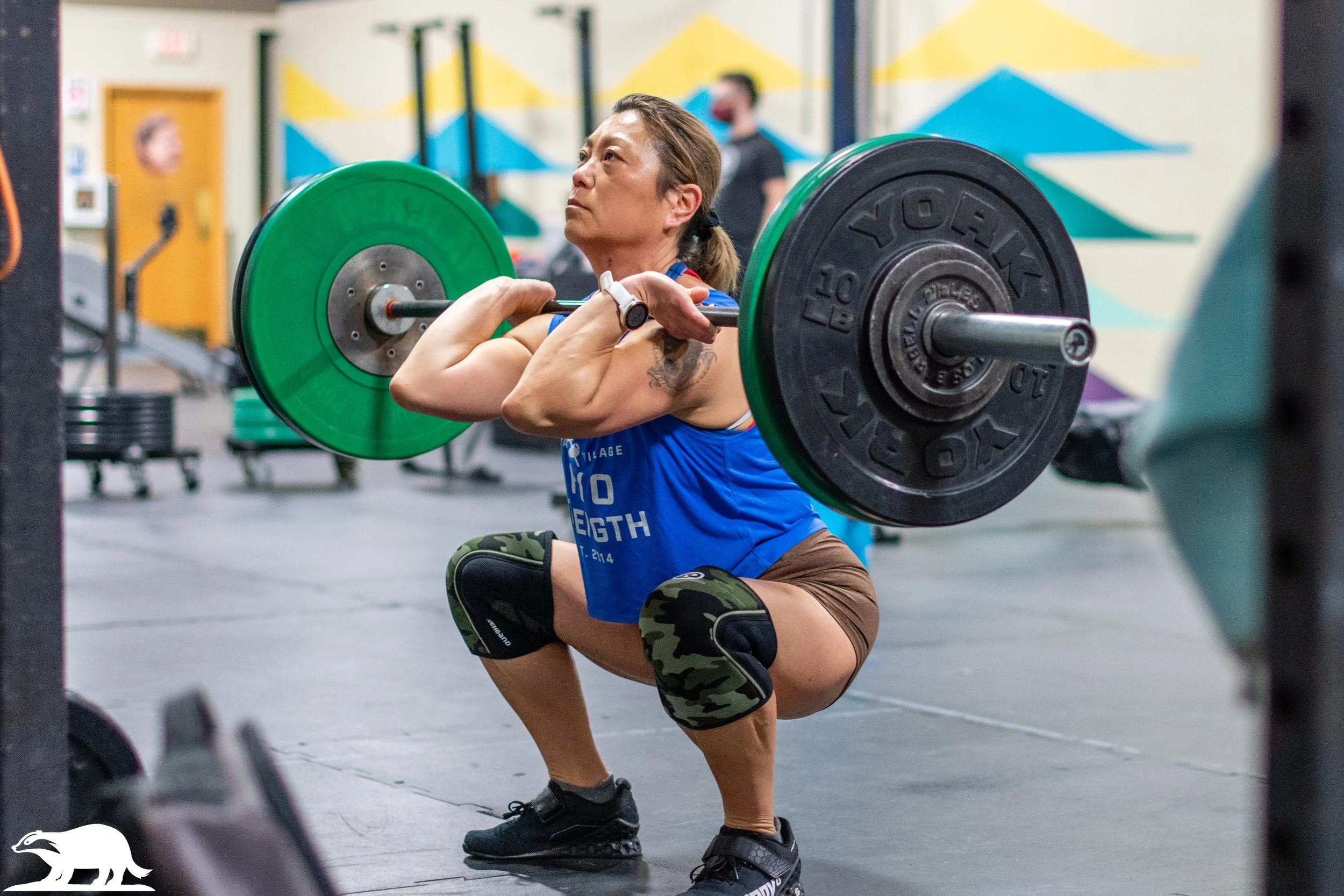
Here is an example for a healthy intermediate lifter who already tolerates twelve weekly squat sets and wants to compare two training days with three. It is an editorial training experiment, not Kennedy’s programme. Beginners and anyone returning from injury should use a smaller starting workload or obtain individual guidance.
| Day | Exercise | Working sets | Effort |
|---|---|---|---|
| Monday | Back squat | 4 x 4 | RPE 7-8 |
| Wednesday | Paused back squat | 4 x 3 | RPE 6-7 |
| Friday | Back squat or front squat | 4 x 5 | RPE 7 |
RPE 7 means roughly three more repetitions might have been possible; RPE 8 means roughly two. These are estimates, not precise measurements. If you cannot judge effort accurately yet, choose a conservative load and keep every repetition controlled. Warm-up sets do not count towards the twelve working sets. Keep accessory work and other lower-body training reasonably stable so that the comparison is meaningful.
In week one, establish loads that fit the intended effort. In week two, repeat the same plan and check whether the third day improves repetition quality. In week three, add a small amount of weight only where the prescribed repetitions remain controlled and the target effort is unchanged. In week four, repeat a familiar submaximal set under comparable conditions. There is no need to test a new maximum at the end of this short experiment.
Track the load, completed repetitions, estimated effort and whether the intended depth was achieved. Also note sleep, unusual soreness and whether your performance on other lifts is falling. A schedule that makes the squat feel better but compromises your other training may not be a net improvement. If fatigue accumulates, reduce the number of sets or return to the lower frequency rather than pushing the loads up regardless.
After four weeks, compare the experience with your previous schedule. Did the sessions become easier to complete? Was technique more consistent? Did the same weight feel less demanding? Did you recover before each new session? More frequent squatting is worthwhile only if it helps you practise and progress within the workload you can sustain. Kennedy’s exceptional lifts make the method interesting; your own repeatable training is what makes it useful.