Advertising disclosure: This page includes affiliate product links that may earn us a commission, as well as products from our own store.
Mark Henry won the first Arnold strongman competition in Columbus, Ohio, in February 2002. That result deserves its own place in strength history, separate from the character and catchphrases that made him famous in professional wrestling.
He finished with 25 points across four events. The useful part of the story is how those events tested different expressions of strength: getting an awkward implement overhead, deadlifting, pushing and carrying. Henry did enough across the programme to win the contest. That is a more specific—and more interesting—achievement than simply calling someone strong.
The 2002 win was a scored sporting result
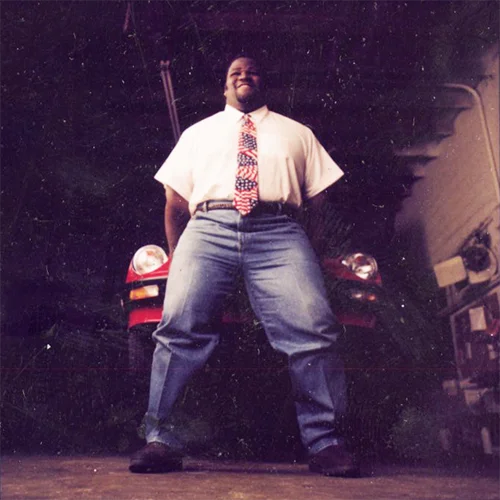
The competition took place on 22–23 February 2002. Henry led after the first day’s two events and remained on top in the final standings. Svend Karlsen finished second and Phil Pfister third. This was the opening edition of what became the Arnold Strongman Classic.
Keep those details together when revisiting the result. The year identifies the edition; the event list identifies the test; the points identify the outcome. A champion’s reputation can help explain why people remember a competition, but the scoring is what explains who won it.
The distinction is especially worthwhile for Henry. Many viewers first encountered him through wrestling, where presentation and storytelling are part of the product. His Arnold result belongs to a different setting: a strength contest with competitors, implements and recorded placings. You do not need to turn wrestling into a strength test to appreciate that result.
It also helps to resist reading later versions of the Arnold backwards into the first one. Events and formats can change over time. Henry won the programme contested in 2002, rather than a hypothetical combination of every event that has appeared since. Our look at Mitchell Hooper’s four straight Arnold wins explores a much later chapter of the competition.
That historical specificity gives the achievement more substance. Instead of an unsolvable comparison between every powerful athlete who ever lived, there is a clear result to understand: Henry beat the field assembled for that competition.
His lifting background explains the crossover, not every result
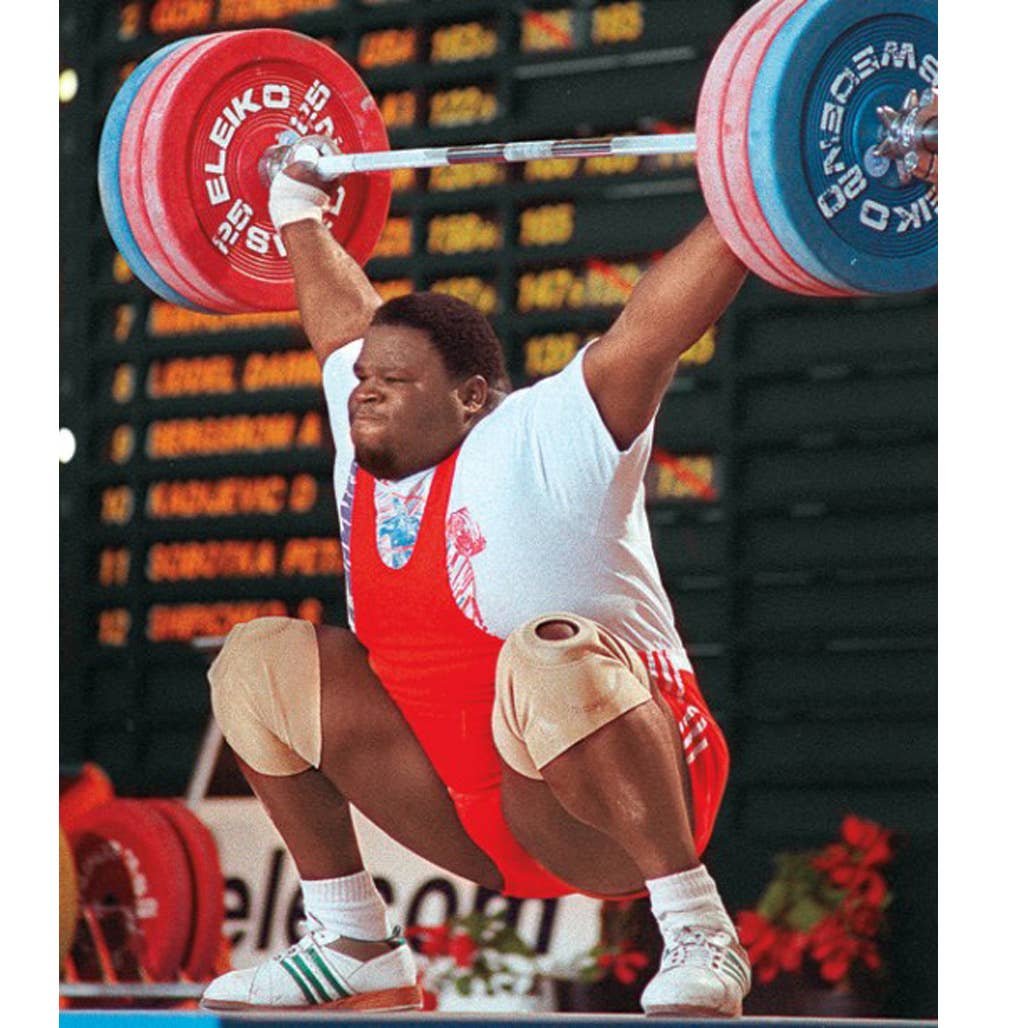
Henry represented the United States in Olympic weightlifting at the 1992 and 1996 Games. That background matters because moving a barbell from the floor to an overhead position is a demanding skill as well as a demonstration of force. His sporting history did not begin when a wrestling audience learned his name.
However, calling every overhead lift an Olympic lift loses an important distinction. A standardized competition barbell, a thick axle and an awkward strongman implement can ask different questions of the hands, the turnover and the position used to support the load. Similar-looking finishing positions do not make the entire task identical.
The same caution applies when comparing athletes across sports. A weightlifting total is scored through successful lifts under a particular rulebook. A strongman contest combines event performances into an overall result. A wrestling role is another category entirely. Henry’s participation in several settings makes his career distinctive; it does not erase their boundaries.
For more context on the demands of Olympic lifting, Tommy Kono’s medals across three weight classes offer a useful example of achievement within that sport’s own structure. The point is not to manufacture a direct contest between Kono and Henry. It is to keep the task attached to the result.
What transfers between disciplines is therefore a question to examine, rather than a conclusion to assume. A powerful athlete brings valuable qualities to a new event, while still needing to manage its equipment and rules.
The standout event did not mean winning every event
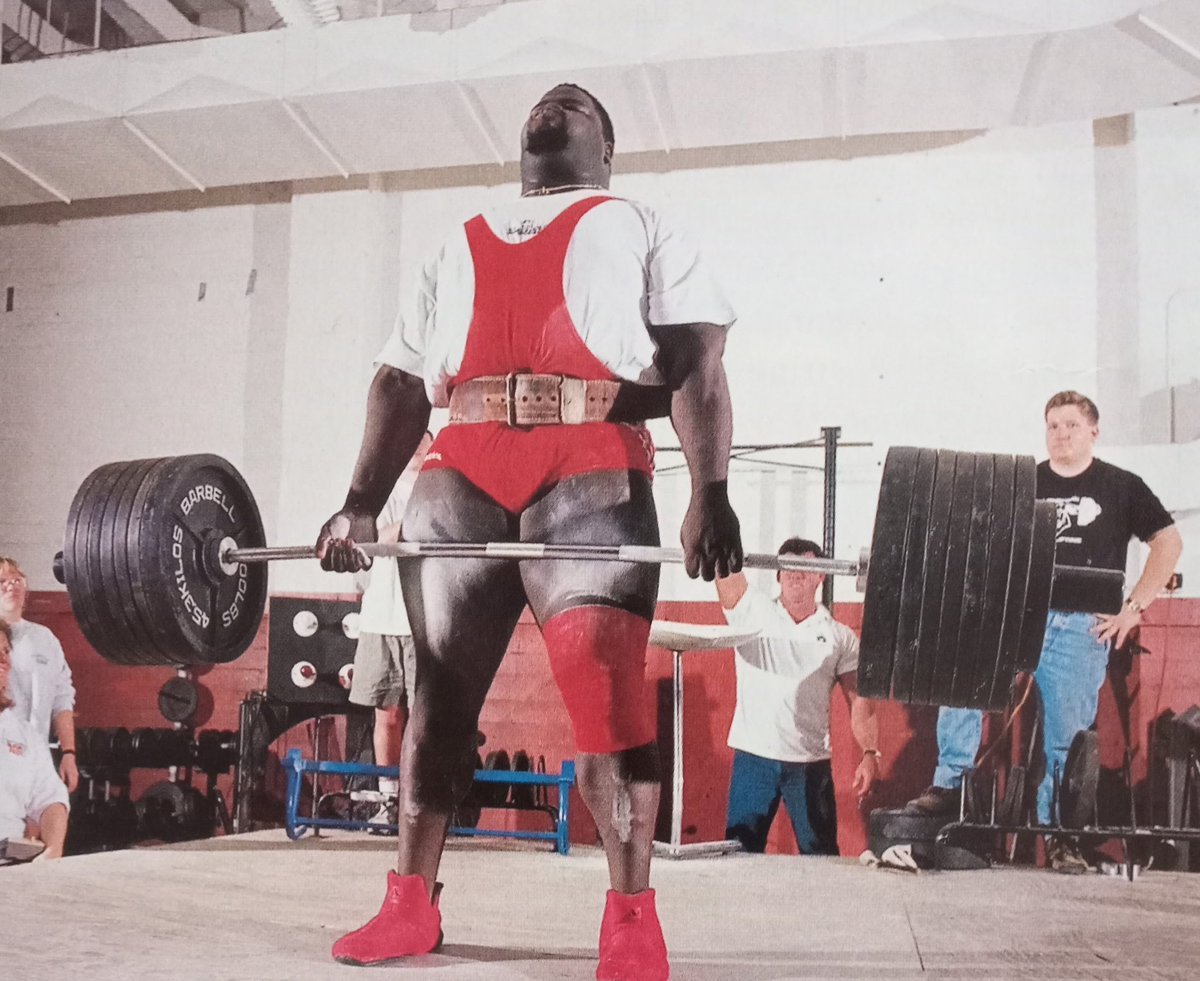
Henry won the Apollon’s Wheels event with three repetitions. Mark Philippi was the only other competitor to complete a lift in that event, recording one repetition. Andy Bolton won the deadlift. Those two facts belong side by side: Henry had a striking event performance without sweeping the whole programme.
The four-event lineup also included a Hummer push and a timber carry. Overhead lifting, pulling a bar from the floor, moving a vehicle and carrying an implement are related through force production, but they are not interchangeable performances. Equipment handling and the exact completion conditions matter alongside strength.
This makes an overall points contest different from a single-lift record attempt. An athlete can create a large advantage in one event, give up places elsewhere and still finish ahead. Conversely, the best deadlift does not automatically produce the highest combined score. The result rewards the complete contest as it was structured.
It is worth keeping that scoring logic in mind when a highlight clip isolates one movement. The clip may show the most memorable moment, but it cannot show how every placing accumulated. A dramatic lift and an overall victory are connected parts of the story, not two names for the same thing.
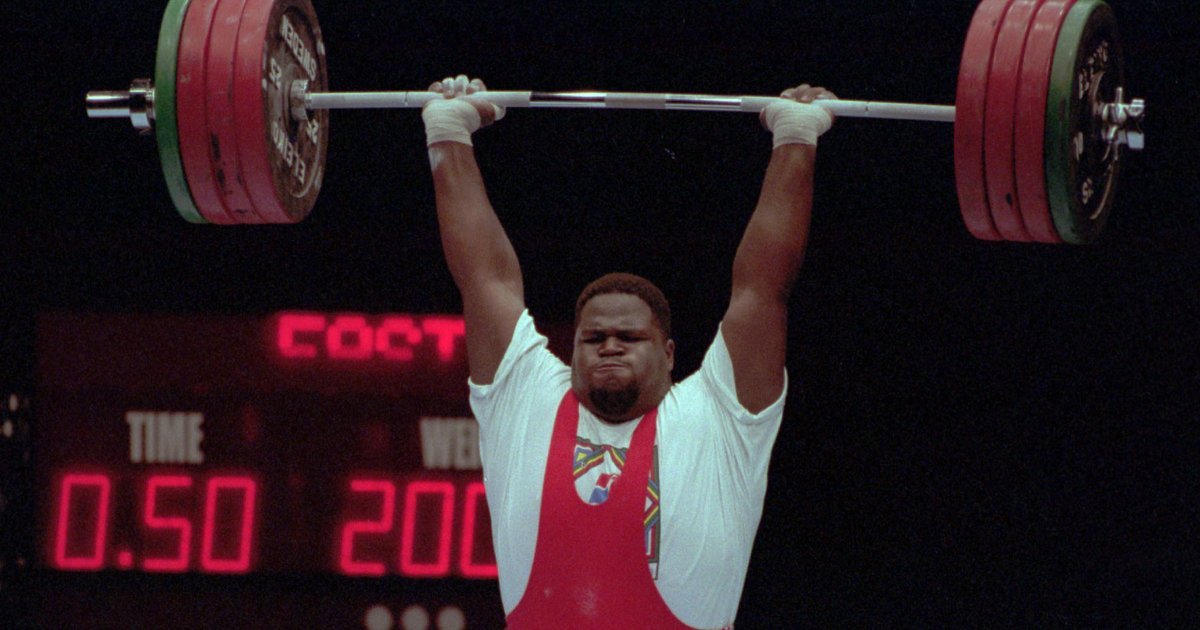
For the same reason, do not estimate an entire competition from the plate count in an old photograph. Implement weight, dimensions, event rules and the recording context need their own verification. The lifting photographs here illustrate Henry’s broader strength-sport career; they should not all be read as images of the 2002 Arnold.
“World’s strongest” still needs a defined test
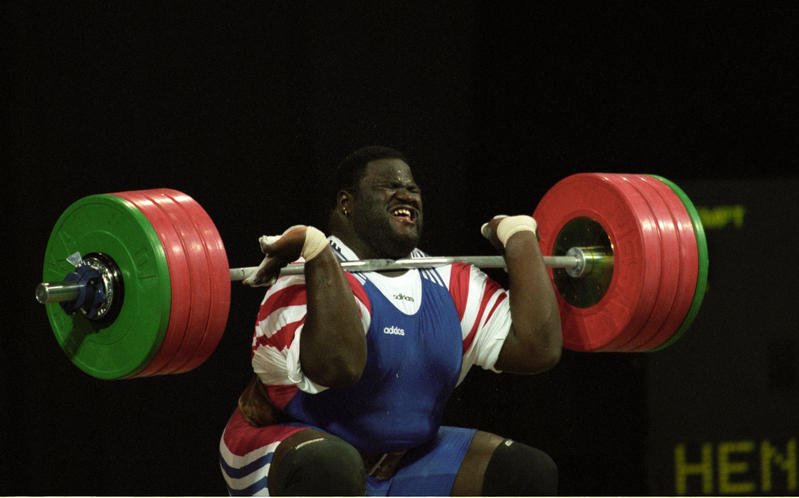
A nickname is memorable because it compresses a complicated career into a few words. A sporting conclusion needs more detail. Winning the Arnold establishes a championship result; it does not settle every possible comparison of absolute strength, relative strength, lifting technique, grip or endurance.
Even two apparently simple deadlift numbers need context before comparison. The bar, range of motion, equipment rules and judging conditions can change what the number represents. Carries add further variables, including the implement and distance. None of that diminishes a strong performance. It explains what was actually achieved.
The inaugural Arnold was designed to bring athletes from different strength backgrounds into a common contest. That creates an appealing sporting question, but the chosen events still shape the answer. Another programme could emphasize different qualities. A competition can produce a clear winner without producing a universal ranking for every imaginable task.
For fitness readers, this is a better way to enjoy cross-sport debates. Start by defining the challenge. Are you discussing the heaviest successful lift, performance across several events or the ability to repeat work? Those questions can have different answers without anyone needing to dismiss the athletes involved.
Henry’s 2002 result remains impressive with that boundary intact. There is no need to add an unverified all-time title, speculate about drug status or invent training numbers to make the story worth reading. The documented win already provides the foundation.
Take a training idea, not an imagined Mark Henry routine
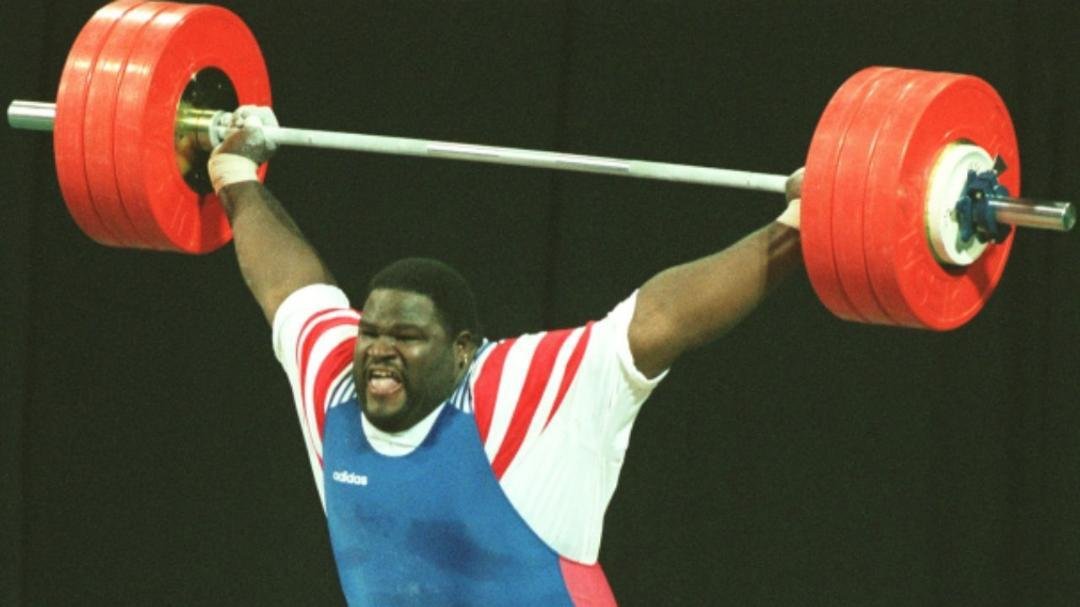
The accessible lesson is to distinguish a collection of strength qualities from a single favourite lift. If your goal includes pressing, pulling and carrying, your own training and records should make those tasks visible. That is an editorial takeaway from the event variety, not a reconstruction of Henry’s programme.
Ordinary equipment can support those separate goals. A suitable barbell, dumbbells or kettlebells can serve different pressing, pulling and carrying exercises. Grip attachments change the task again. Choose equipment around the movement you can perform and progress; none of these products recreates Henry’s contest implements or implies his endorsement.

Equipment Worth Exploring
Explore equipment, accessories and gear from our carefully selected range.


Grip Plates
Rubber-coated weight plates with handholds for loading barbells and machines.
Make the comparison repeatable. For a carry, record the implement, total load and distance. For a pull, record the setup and range of motion. For a press, specify the movement rather than combining several variations under one vague label. That gives you a useful personal baseline without borrowing somebody else’s maximum.
Then choose which quality you actually want to improve. Chasing several personal bests at once can make a session look ambitious while leaving the goal unclear. A small, deliberate change is easier to evaluate than changing the exercise, load and test conditions together.
Keep the original baseline in your notes when you change equipment. A new personal best under different conditions can still be satisfying, but it answers a different comparison.
There is also no requirement to imitate an elite competition’s intensity to enjoy its history. A highlight provides motivation; it does not establish the workload appropriate for the viewer. Use your current ability and experience to choose manageable work, and develop unfamiliar skills with appropriate instruction.
The most useful question after watching Henry is therefore specific: which task would you like to become better at, and how will you measure it? That keeps the inspiration connected to action. His win can remain an extraordinary sporting achievement while your own next step stays realistic and clearly defined.

Powerlifting Shirts & Lifting Gear
Powerlifting shirts and gym gear for squat, bench and deadlift lifters who live for heavy numbers.

Shirt – Deadlift – Meme Gains & Bros T-Shirt
Heavy lifts, good laughs, and a little “Deadlift” energy.

Nice Try Gravity Astronaut Deadlift – , Gymbros & T-Shirt
Rep “Nice Try Gravity Astronaut Deadlift” humor in and out of the gym.

Be Happy Lift Heavy – Motivational & Gymbros – Meme T-Shirt
Make gym days more fun with “Be Happy Lift” style.

Shirt & Barbell Heartbeat , Gymbros & Meme Lovers T-Shirt
Heavy lifts, good laughs, and a little “Funny Gym Shirt & Pump” energy.

Barbells and Suffering – Demonic Heavy Metal Gym Vest f Tank Top
Bring “Barbells and Suffering” humor to your next lifting session.

Lift Heavy – Hardcore Heavy Metal Powerlifting for Seri Hoodie
Show off your metalhead humor in a laid-back “Lift Heavy” hoodie.

Day of the Dead Deadlift Gym – Día de los Muertos Calav Hoodie
Show off your deadlift humor in a laid-back “Day of the Dead Deadlift” hoodie.

PR or ER – Horror Deadlift Gym Crewneck and Powerliftin T-Shirt
Show some gym-day personality with “PR or ER”.

Heavy Metal Deadlift – Skeleton Gym Decal for Powerlift Sticker
Bring “Heavy Metal Deadlift” attitude to your water bottle or laptop.

Deadlift Stone Skull Gym Shirt for Powerlifters, Hardco T-Shirt
Show some deadlift attitude with a playful “Deadlift” tee.