Advertising disclosure: This page includes affiliate product links that may earn us a commission, as well as products from our own store.
Mitchell Hooper’s Arnold Strongman Classic run now covers four consecutive victories: 2023, 2024, 2025 and 2026. That is a remarkable sequence in a sport where the equipment, event selection and opposition can expose very different weaknesses. It also raises a more useful question than simply asking how much the Canadian can deadlift: what does repeated success across a strongman contest actually demonstrate?
The latest win in that sequence came in Columbus, Ohio, on March 6–7, 2026. This is a look back at an established result, not a newly completed competition. The result provides a starting point for understanding different expressions of strength, the limits of highlight clips and a more practical way to evaluate your own training.
Four consecutive titles, four separate contests
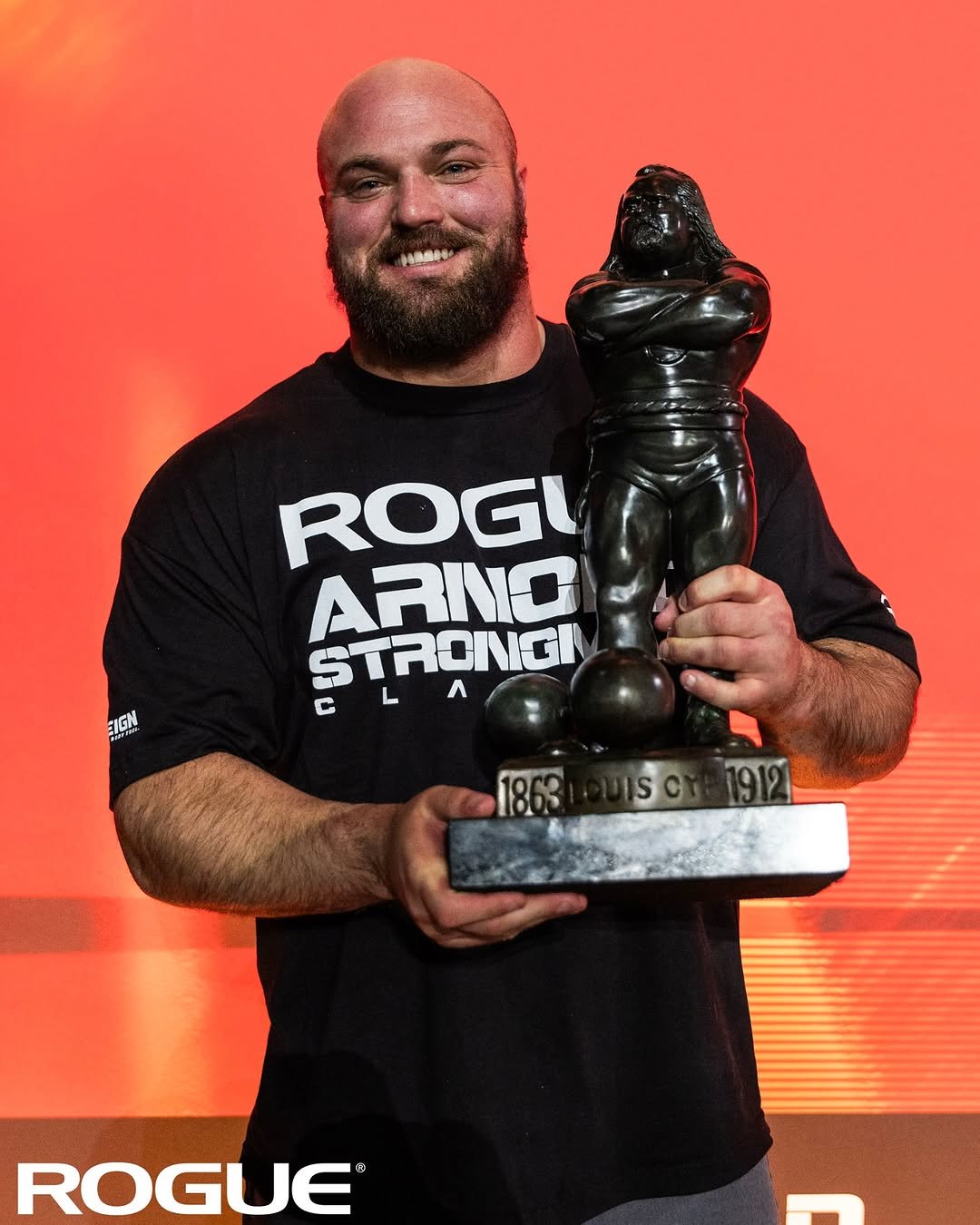
Hooper won the Arnold Strongman Classic in each year from 2023 through 2026. In the 2026 standings, Austin Andrade finished second and Martins Licis third. Those names matter: the streak was earned against other elite strongmen, rather than by repeating an isolated exhibition lift. Each title required a new competition performance.
Consecutive wins and lifetime titles describe different achievements. Four wins in a row does not mean Hooper has won every edition of the event, nor that he holds every individual implement record. Likewise, an overall championship is not automatically a maximum-deadlift record. A useful account keeps those distinctions intact instead of turning several impressive numbers into one exaggerated claim.
There is also a difference between the Columbus Arnold Strongman Classic and other competitions carrying the Arnold name. A victory at a separately staged event should not simply be added to the Columbus sequence. When comparing careers, identify the contest, year and result before counting trophies. Otherwise, a technically accurate list can still produce a misleading comparison.
For fans, the streak is evidence of sustained success at this particular major contest. For lifters, its value is more modest but still interesting: performances become more meaningful when they can be repeated under clearly stated conditions. One unusually good day and a pattern of strong results tell related, but different, stories.
What the 2026 events actually tested
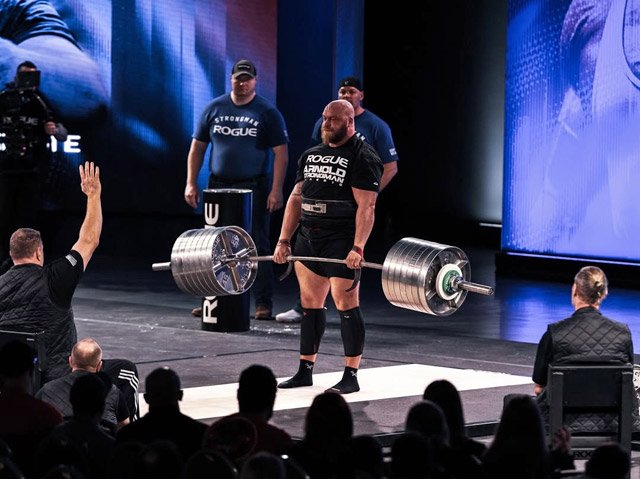
The 2026 schedule contained six events across two days. It opened with the Elephant Bar Deadlift, followed by the Cyr Bell Challenge and Stone to Shoulder. The second day brought the Stone Drag, Austrian Oak and Ramp Rage. That menu immediately shows why a strongman contest cannot be reduced to a conventional gym total.
The deadlift gave athletes three timed rounds to establish their heaviest successful single. The Cyr Bell event instead combined weight selection with overhead repetitions inside a time limit. Stone to Shoulder introduced an awkward natural object. Each required force, but the task, grip, setup and definition of a successful performance were different.
The remaining events widened the challenge further. Stone Drag combined carrying Dinnie Stone replicas, loading them onto a sled and pulling backward. Austrian Oak tested repeated overhead lifting with a log. Ramp Rage asked competitors to move three sandbags up a ramp quickly. A lifter could be excellent at one component and still lose time handling another.
Consider the practical contrasts. In a heavy single, the objective is one accepted lift. In a timed carry, an efficient pickup and controlled movement both matter. In a repeated press, resetting and preparing the next repetition become part of the performance. Bigger maximum strength can help, but it does not remove those distinct demands.
Equipment also changes the question. A long specialty deadlift bar, an awkward bell, a natural stone and a standard commercial-gym dumbbell are not interchangeable measuring tools. Recreational equipment can support useful preparation without reproducing the competition exactly. Treat an alternative as an alternative and record which implement you actually used.

Equipment Worth Exploring
Explore equipment, accessories and gear from our carefully selected range.


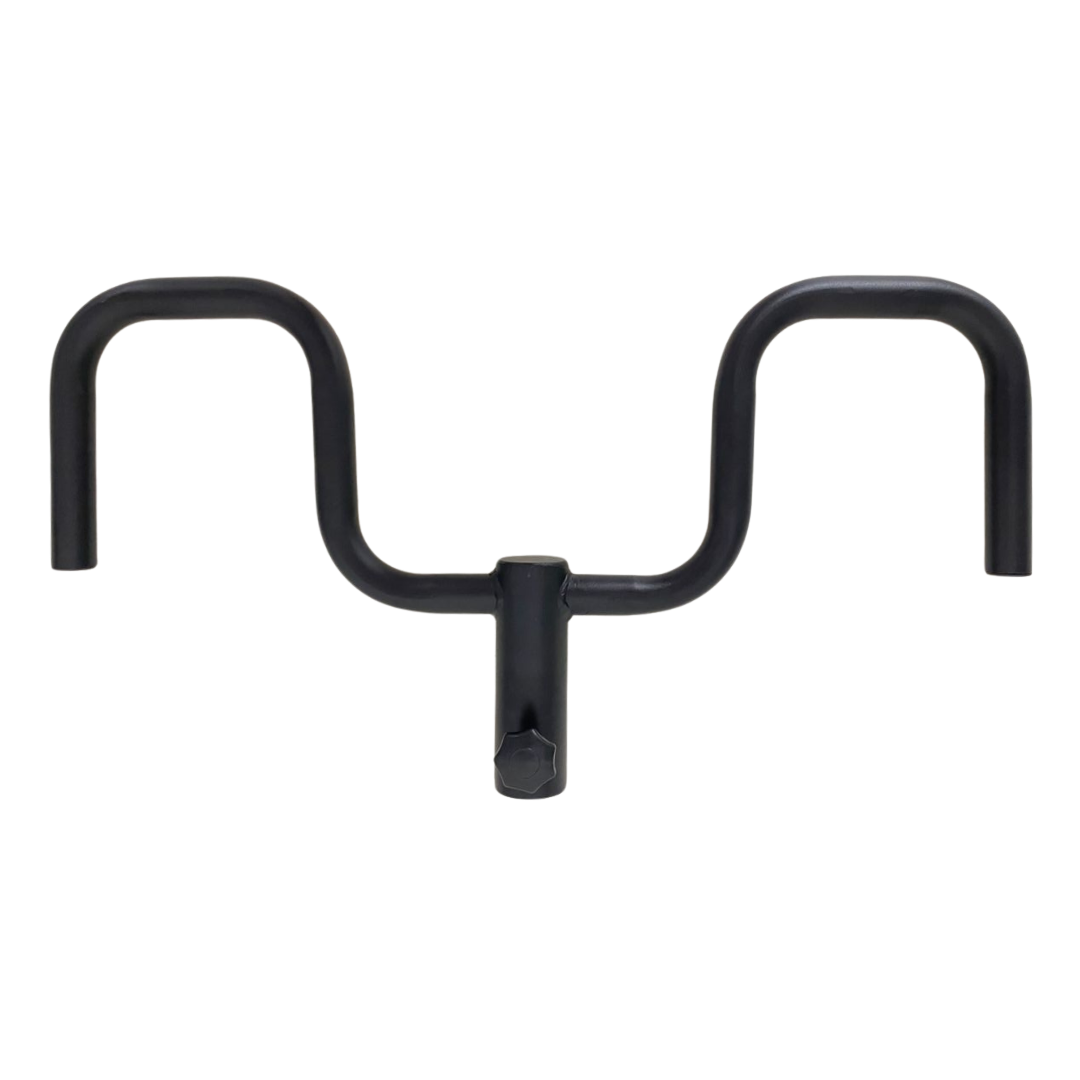
Open Hex Bar
Open-frame trap bar with multiple handles for deadlifts, carries, and lower-body training.


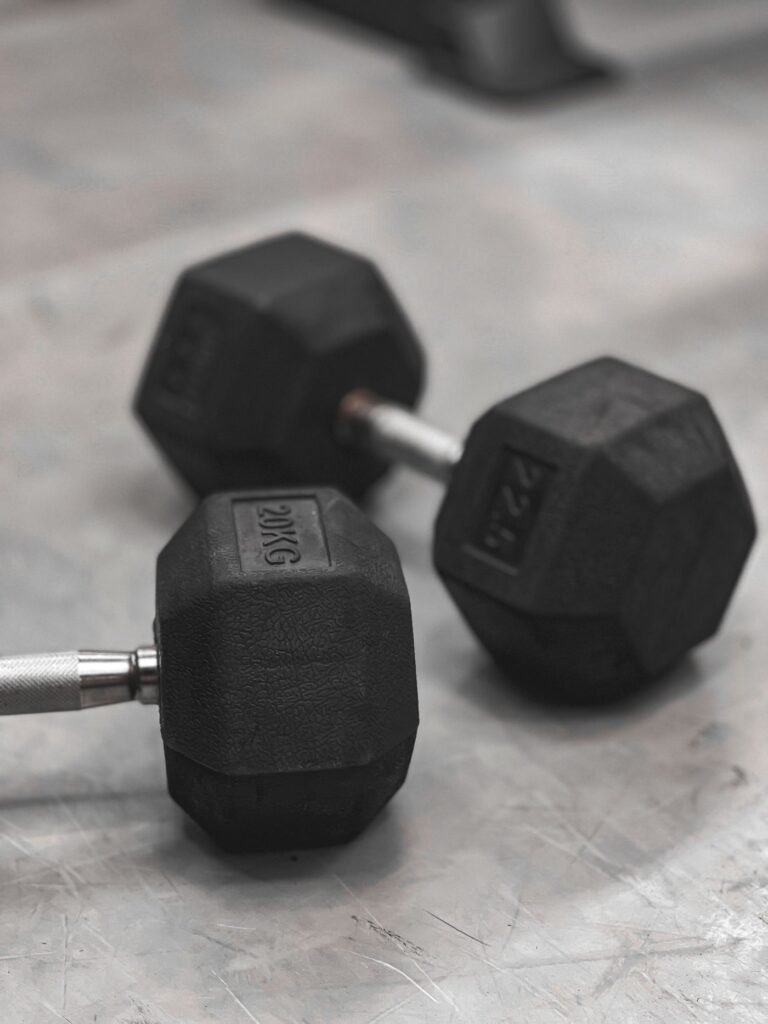
Rubber Hex Dumbbells
Rubber-coated hex dumbbell pairs with a stable shape for home and commercial strength training.

Cast Iron Kettlebells
Textured cast-iron kettlebells for swings, squats, carries, and full-body training.


Pro Sled System
Heavy-duty push-pull training sled for loaded conditioning, speed, and strength work.

Why one huge lift cannot explain the result
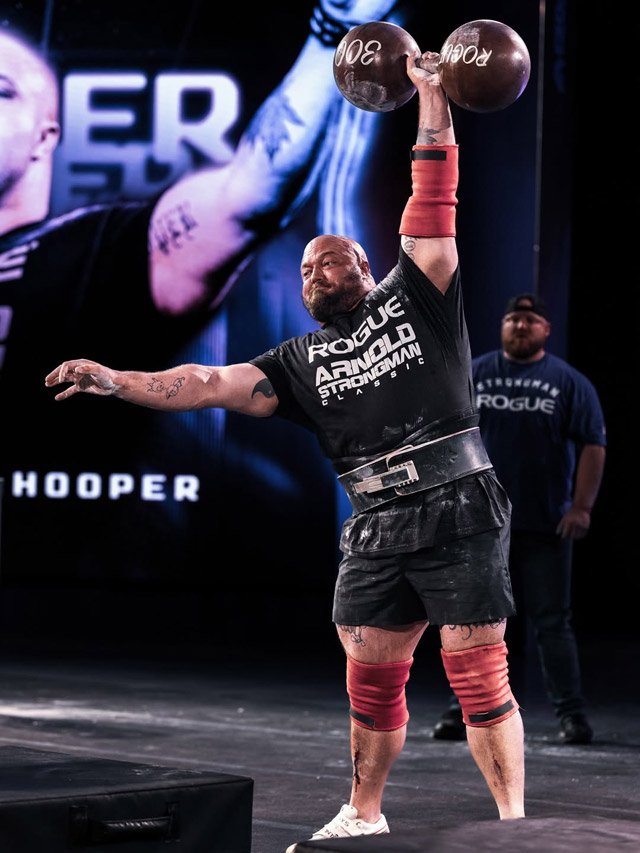
A highlight clip usually shows the most dramatic seconds: the bar breaking from the floor, a bell reaching lockout or a stone arriving on the shoulder. It rarely shows the entire sequence of attempts, resets and event placings. That makes it excellent entertainment and incomplete evidence for explaining an overall championship.
Strongman asks athletes to compete across tasks. Winning one event and winning the contest are separate outcomes. The full standings are therefore more informative than a list of the heaviest objects someone touched. Even a spectacular successful lift needs context: the rules, the event format and what other competitors achieved.
That distinction appears elsewhere in the sport. Our breakdown of the 2026 Rogue Invitational’s one-point title finishes shows how close overall results can depend on performances spread throughout a weekend. It is a useful companion when learning to read a strongman scoreboard, rather than judging an entire contest from its final clip.
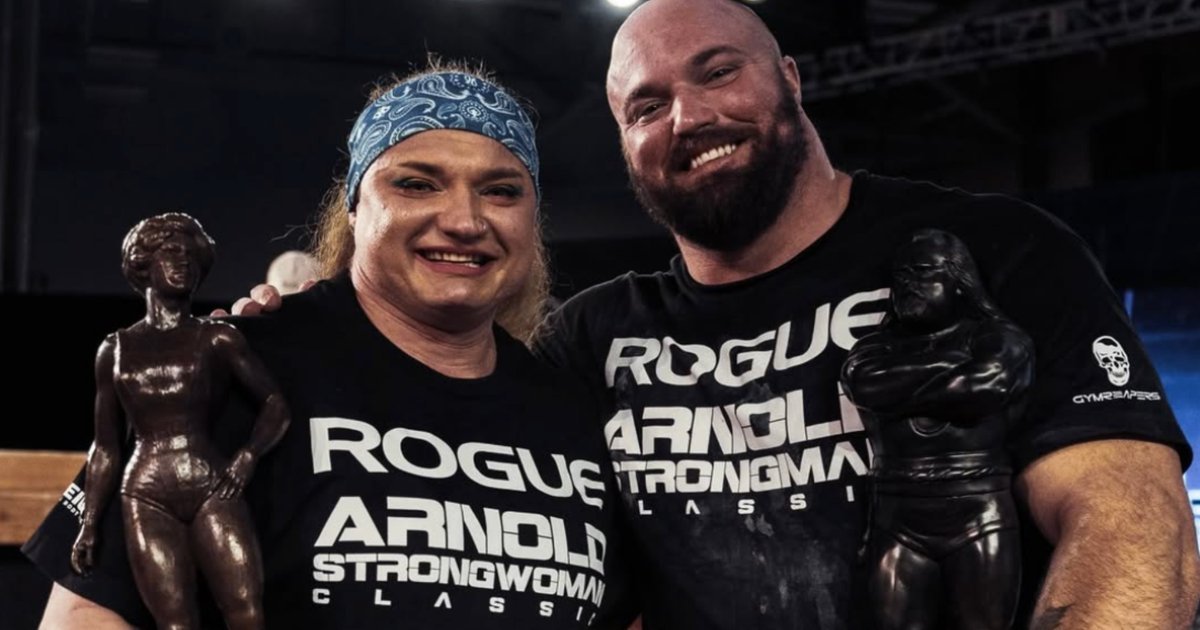
Be equally careful when describing technique. A single photograph can show an overhead position, but it cannot establish the full movement sequence, whether a judge accepted the repetition or how much an athlete had left. The photographs here illustrate Hooper in competition; older images are not evidence of a particular 2026 attempt or training session.
For your own log, define success before attempting the lift. Record load and accepted repetitions, but also the movement standard and equipment. For a carry, note the route and distance. For a press, note whether it was strict or involved leg drive. These details make a later comparison useful without pretending that every exercise needs competition judging.
Another title illustrates the value of consistency

Hooper’s career also includes World’s Strongest Man victories in 2023 and 2026. These are separate achievements from the four Arnold titles. In the 2026 World’s Strongest Man final, he finished with 54 points ahead of Rayno Nel on 52 and Trey Mitchell on 36. He secured that championship without winning an individual finals event.
That result offers a concrete example of why an athlete’s competitive floor matters. A series of high placings can be more valuable than a mixture of outright wins and much weaker finishes. It does not prove that winning events is unimportant. It shows that the overall task rewards the combination of performances.
A normal training week is not scored like a professional strongman final, so the comparison should remain a coaching idea rather than a scientific finding. Still, it can prompt a worthwhile question: are you improving a broad set of movements, or repeatedly testing the one lift that already makes you look strongest?
There is no need to pursue every strength quality equally. A powerlifter, bodybuilder and recreational lifter can reasonably choose different priorities. The useful point is to choose those priorities deliberately. If your goal includes carrying, pressing and general physical competence, a deadlift personal best cannot describe the whole project.
Build your own broader strength scorecard
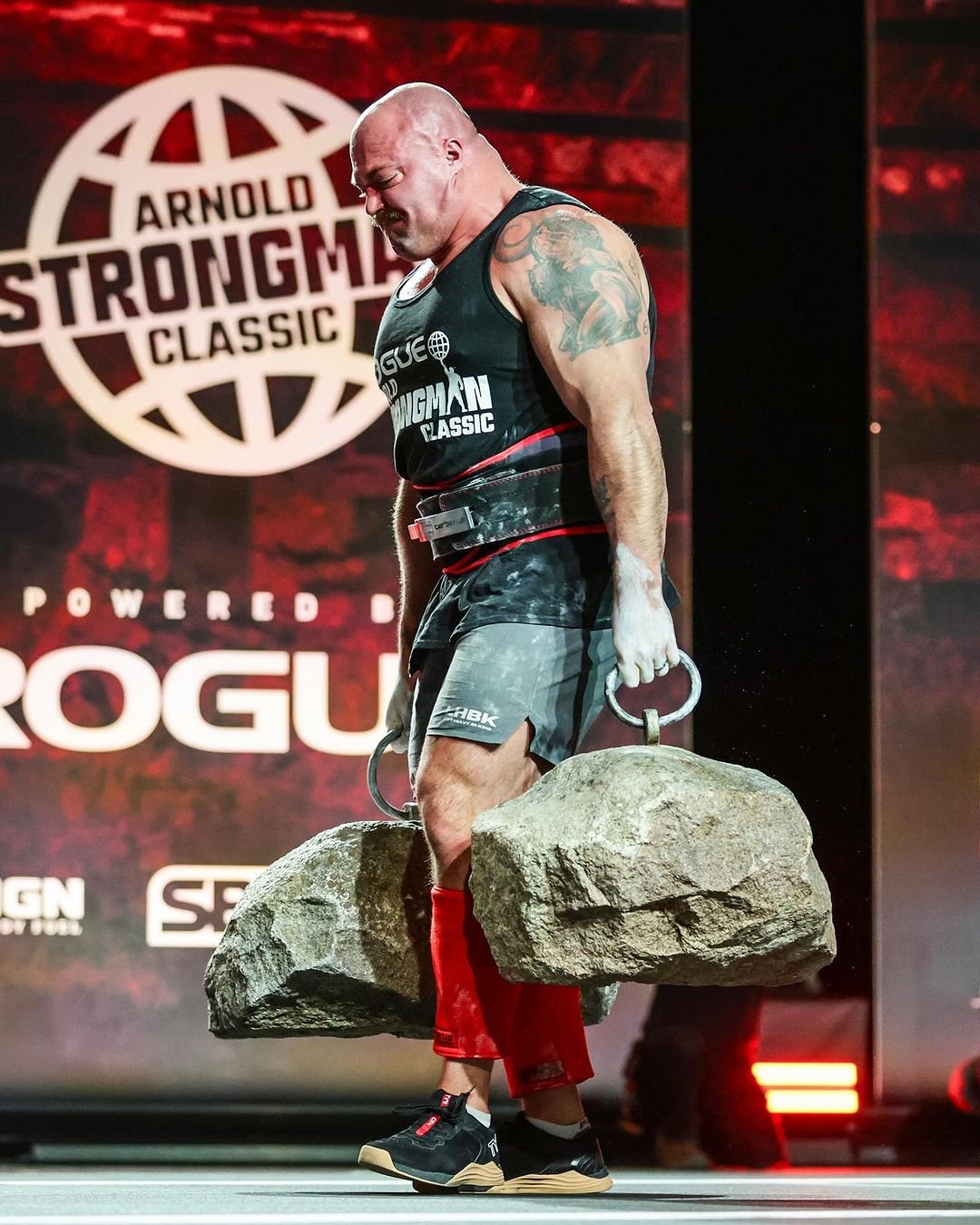
Start with a small set of repeatable tasks that suit your experience and available space. One lower-body strength movement, one overhead movement and one controlled loaded carry can provide a manageable audit. This is an editorial example for recreational training, not Hooper’s personal program or a claim about how he prepared for his titles.
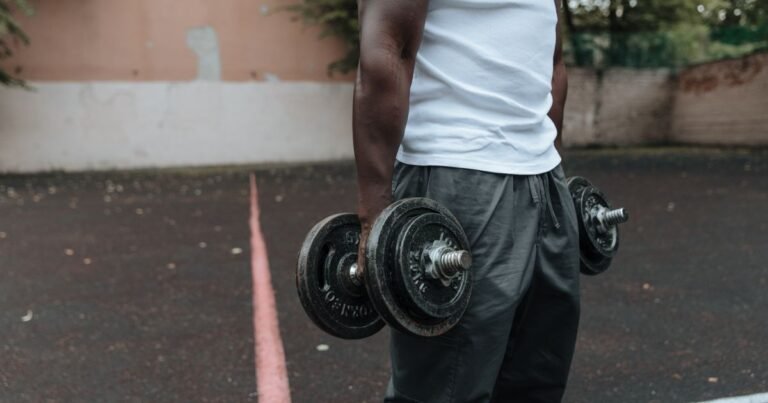
For the lower-body movement, choose a familiar squat or deadlift variation and track a comfortable working set instead of chasing a maximum every session. For overhead work, use a press you can perform with control. For the carry, choose manageable dumbbells or another suitable implement and a clear, level route. Learn unfamiliar strongman equipment with qualified coaching.
Keep the comparison honest over several weeks. Use the same implement and movement standard, and change one main variable at a time. An extra controlled repetition, a smoother pickup or completing the same route with fewer interruptions can be useful progress. They are different improvements, so record them separately instead of collapsing them into one score.
For example, carrying the same pair of dumbbells along a measured 20-metre route is easier to compare than walking until the gym becomes crowded. Record whether you turned, rested or changed surfaces. If you later use thicker handles or an uneven pair of weights, mark that as a new variation rather than assuming the numbers describe the same test.
Our farmer’s carry guide to grip, posture and measurable progress develops that last task in more detail. Build familiarity before adding load, leave room to set the weights down safely and stop an attempt when control deteriorates. Elite stones, logs and sandbags are achievements to appreciate, not starting prescriptions.
Hooper’s four-year Arnold sequence is impressive because it records repeated success at a demanding contest. The practical lesson is not a secret exercise or an invented champion’s split. It is to understand the task, respect its standards and develop more than one dependable expression of strength.

Funny Gym Shirts & Workout Gear
Funny gym shirts, tanks, hoodies and workout gear for lifters who like training hard.

Enter Strongman Enter Sandman Parody Strongman Metallic Hoodie
Show off your metalhead humor in a laid-back “Enter Strongman” hoodie.

Grip Training Essential Gymbro Jumper & T-Shirt
For laid-back days and lifting humor: “Grip Training Essential”.

Trap Bar Deadlift Behold Thee Trap Bar Medieval Knight T-Shirt
Show some gym-day personality with “Trap Bar Deadlift”.

Deadlift Snake Skull – Hardcore Powerlifting Gym Decal Sticker
Give your everyday gear a playful “Deadlift Snake Skull” twist.

Deadlift Purple Skull Crewneck for Powerlifters Hardcor T-Shirt
Show some gym-day personality with “Deadlift”.

PR or ER – Hardcore Deadlift Gym Vest for Powerlifters Tank Top
Bring “PR or ER” humor to your next lifting session.


Mount Liftmore Strongman Brian Shaw & Eddie Hall T-Shirt
Rep “Mount Liftmore Strongman” humor in and out of the gym.

The Original Atlas Stone Shirt – Greek Mythology T-Shirt
Heavy lifts, good laughs, and a little “The Original Atlas Stone” energy.

Listen Heavy Lift Heavy – Heavy Metal & Gymbros – Top T-Shirt
Heavy lifts, good laughs, and a little “Listen Heavy Lift” energy.