Most lifters assume that bigger muscles make you stronger, while endurance is something you build with lighter weights or cardio. That neat division overlooks a basic question: could the process of growing muscle also help that muscle keep producing force when a set becomes exhausting? A new 2026 research review examines that possibility. Its conclusion is interesting precisely because it is not definitive.
Across several training experiments, increases in muscle size and the ability to complete more repetitions at a fixed weight often appeared together. But the review does not show that adding muscle tissue caused the extra repetitions. Improved technique, nervous-system efficiency, metabolic adaptations and simply practicing fatiguing sets could explain some or all of the improvement. That distinction changes how we should read the evidence and design a workout.
For practical training, the useful goal is not to choose between being muscular and being able to work. It is to understand which adaptations are being tested, select enough challenging work to stimulate them, and measure the right outcome over time.
What the 2026 review actually found
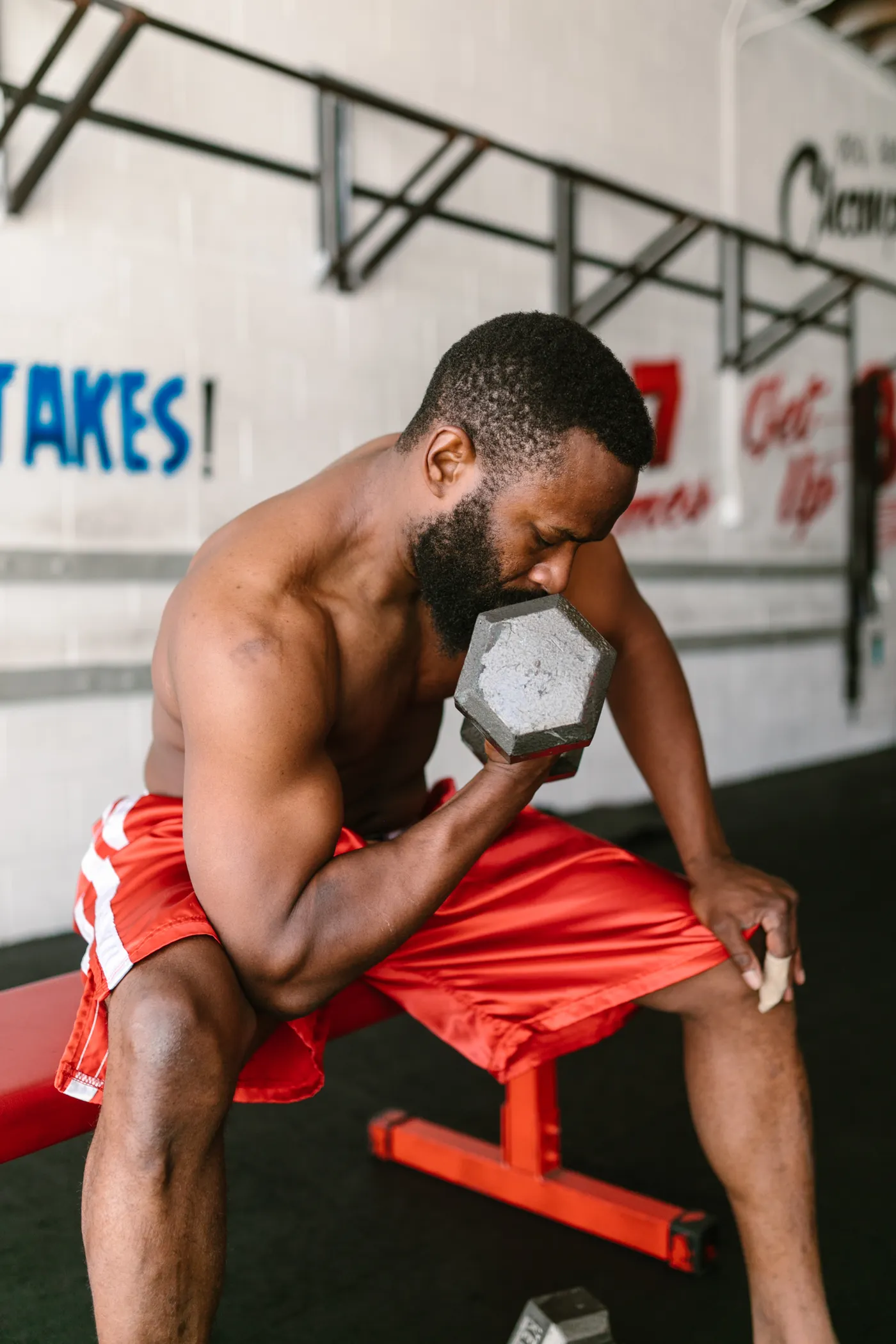
The review was a research synthesis and hypothesis-building analysis, not a new randomized training trial. It examined previous experiments that tracked both muscle growth and local muscular endurance. In the relevant subset, the authors considered nine studies that measured the size of the main working muscle and repetitions or time to fatigue against a fixed external load.
All nine showed improvement in absolute local endurance, and muscle growth frequently occurred alongside it. That pattern makes a possible contribution from muscle size worth investigating. It does not establish a cause-and-effect relationship, because the same training that grows muscle also changes the ability to recruit it, coordinate a movement and tolerate repeated contractions.
Some comparisons were inconsistent. In certain protocols, a group gained more muscle without a corresponding larger endurance advantage. Other experiments improved endurance without meaningful changes in muscle size or maximal strength. If a larger muscle were the sole explanation for more repetitions, those exceptions would be difficult to reconcile.
The central proposal is therefore narrower than “hypertrophy is endurance.” Repeated hard contractions may trigger several useful adaptations, with muscle growth potentially being one of them. The review also considers whether any contribution from extra contractile tissue would matter more during demanding efforts than during easy walking or gentle cycling. That remains a hypothesis requiring direct testing.
Three outcomes that should never be treated as interchangeable
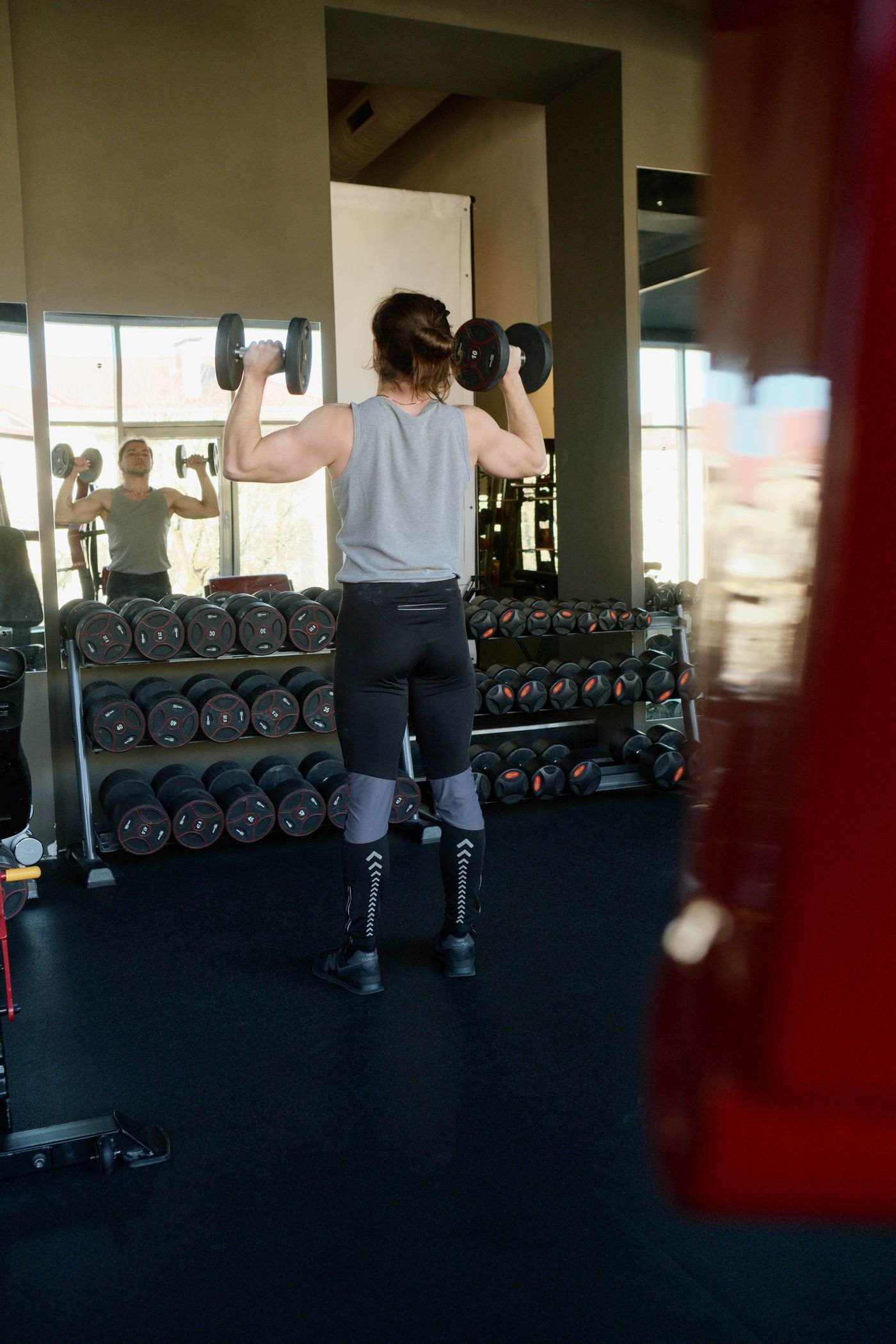
Muscle hypertrophy means an increase in muscle size. It can be estimated through imaging or other body-composition methods, each with limitations. Maximal strength means the greatest force you can produce in a particular test, such as a one-repetition maximum on a squat. Local muscular endurance describes how long a muscle or muscle group can keep meeting a specified force demand before the task fails.
Imagine that you can curl a 12 kg dumbbell for 12 clean repetitions. After eight weeks, you curl the same 12 kg for 18 repetitions. That is a clear improvement in absolute endurance because the external load stayed the same. Now imagine your one-rep maximum rises enough that 60% of your new maximum is 16 kg rather than 12 kg. If you test repetitions at the new 16 kg load, you might complete fewer reps even though your endurance at the original 12 kg improved.
That is the difference between absolute endurance at a fixed weight and relative endurance at a fixed percentage of current maximum. Both are useful, but they answer different questions. Confusing them can make a successful training block look like a failure, or vice versa.
Maximal strength is also highly specific. Heavy practice improves the skill and coordination of lifting heavy loads, while longer, challenging sets provide practice sustaining force through accumulating fatigue. Muscle size can contribute to performance, but neither outcome is a substitute for practicing the actual task you want to improve.
When evaluating progress, record the exercise, range of motion, external load, tempo and rest intervals. A 15-rep set after a long rest is not directly comparable with a 15-rep set after a demanding superset. Better measurements produce better programming decisions.

Equipment Worth Exploring
Explore equipment, accessories and gear from our carefully selected range.


FID Bench MAX
Adjustable bench offering flat, incline, and decline positions + adjustable headrest.


GymPin Squat Wedges
Non-slip 15-degree squat wedges help elevate the heels for deeper quad-focused squats.
VOLTRA
Compact digital cable trainer with smooth, adjustable resistance.
Why light weights can grow muscle when the sets are hard enough
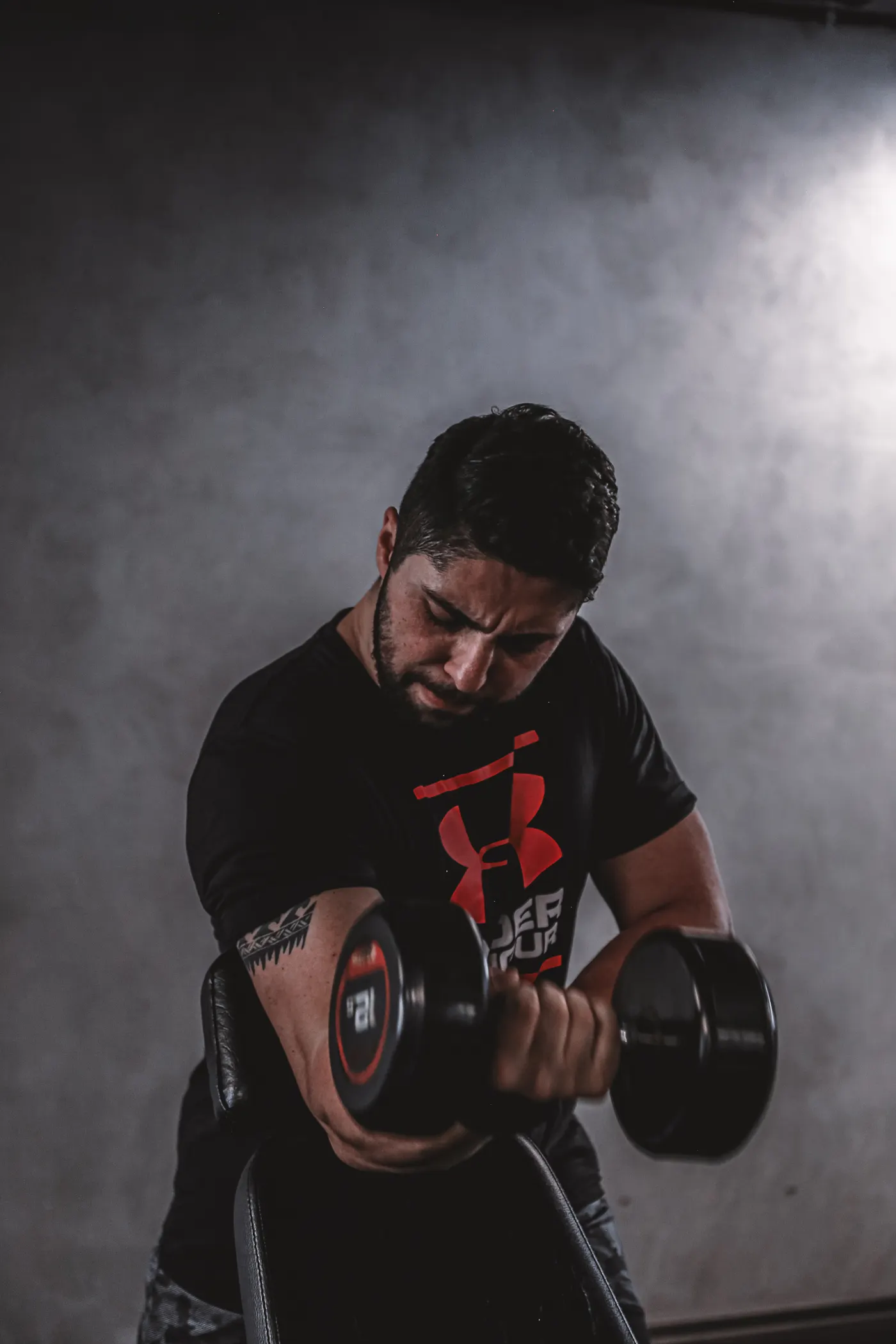
Heavy weights recruit substantial muscle force immediately. With lighter loads, the first few repetitions can feel easy, but the demands change as the set progresses. Continued contractions create fatigue, and the body may need to recruit additional motor units or alter activation to maintain the target force. This is one plausible explanation for why sufficiently demanding lighter-load sets can stimulate muscle growth.
Evidence comparing loading ranges generally finds that muscle growth is possible across a broad spectrum of weights, while heavier training tends to have a clearer advantage for maximal dynamic strength. That does not mean every 30-rep set equals every 8-rep set. The exercise, effort, range of motion, total work and duration of the training program matter. Extremely light loads that never become challenging may not provide a comparable stimulus.
Failure is also more complicated than a universal requirement. A recent synthesis of failure-versus-nonfailure trials found no consistent hypertrophy or muscular-endurance advantage for routinely reaching failure, even though individual protocols differed. For many exercises, finishing with one to three good repetitions in reserve is a practical way to get meaningful effort without turning every set into a recovery problem.
Consider a dumbbell row. Three controlled sets of 10–15 repetitions that finish close to technical failure can train the back effectively. A lighter fourth set of 18–25 repetitions might add useful local endurance practice, but only if your trunk stays stable and the movement remains a row rather than a sequence of jerks. The number on the dumbbell matters less than whether the intended muscle is challenged with repeatable technique.
For someone with limited equipment, this is encouraging. Adjustable dumbbells, a cable machine, a resistance band or a stable bodyweight variation can create meaningful resistance. The practical constraint is not owning the heaviest possible setup; it is being able to progress the task safely and consistently.

Funny Gym Shirts & Workout Gear
Funny gym shirts, tanks, hoodies and workout gear for lifters who like training hard.

Shirt – I'M Strong Barbell Heartbeat , Gymbro , & T-Shirt
Bring “I'm Strong Barbell Heartbeat” humor to your next gym day.

Old School Weight Strongman – Meme Shirt & Top T-Shirt
Show some powerlifting attitude with a playful “Old School Weight Lifter Strongman Graphic” tee.


Girl Strong Woman Leg Day Squats Meme Sweater Barbie T-Shirt
Bring “Gym Girl Strong Woman” humor to your everyday gym style.


Mind Muscle Perfection Brain and Biceps Gym for Science Hoodie
Show off your lifting humor in a laid-back “Mind Muscle Perfection Brain and Biceps” hoodie.

Shirt – Liftionaire Golden Dumbbell Gymbros & Gains T-Shirt
Make gym days more fun with “Liftionaire Golden Dumbbell” style.

Conquer The Arnold – Ultimate T-Shirt
Show some lifting attitude with a playful “Conquer the Gym Funny Arnold Bodybuilding” tee.

Muscle Mommy Muscle Club for Gym Girls, Lifting & Stren T-Shirt
Bring “Muscle Mommy Muscle Club” humor to your everyday gym style.

Think Big Arnold Meme Hooded Jumper Hoodie
Make your off-duty look more fun with “Think Big”.
Could having more contractile tissue delay fatigue?

A muscle contracts through interactions between actin and myosin filaments. During a hard, sustained set, chemical and electrical processes become less favorable for producing the same force. Calcium handling, energy availability and the buildup of fatigue-related metabolites all play roles. The nervous system also changes how it recruits and drives muscle fibers as the task becomes harder.
One proposed mechanism is that additional contractile material could provide more capacity to sustain a required absolute force. If a given external weight becomes a smaller fraction of the muscle’s potential output, the task may become less demanding relative to what that muscle can do. In theory, the extra capacity could help delay the point at which fatigue prevents another repetition.
But this is not proven. Training can also improve local oxygen delivery, metabolic processes, muscle activation and movement efficiency. Those adaptations often happen in the same weeks as hypertrophy. If a person adds three repetitions to a fixed-weight test, it is difficult to assign those repetitions to a larger muscle rather than improved skill or energy handling without a study designed to separate the mechanisms.
There is another important distinction: local muscular endurance is not the same as cardiovascular endurance. Improving how long your quadriceps can sustain repeated extensions does not automatically make you a faster distance runner. The demands of long-duration aerobic activity include the heart, lungs, circulation, whole-body fuel use and highly specific movement practice.
That is why a useful training plan should combine goals rather than assume one adaptation magically delivers every other one. If you want a bigger back, train it through challenging resistance. If you want that back to tolerate longer sets, include repeatable endurance tests. If you want better cycling performance, actually cycle.
What the evidence means for your choice of training load
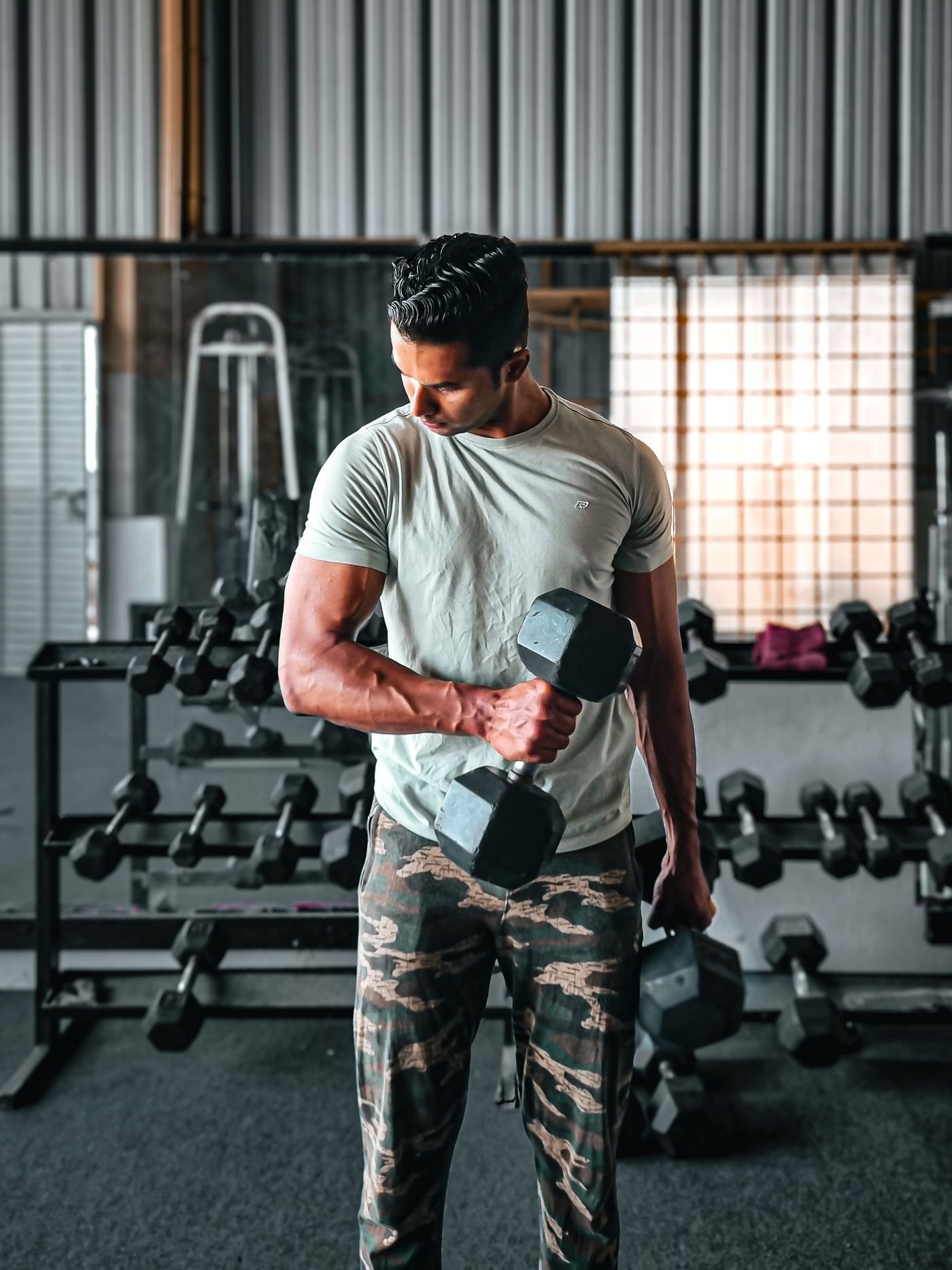
A simple way to program is to give each exercise a primary purpose. Heavier sets can emphasize maximal force and skill under load. Moderate-repetition sets are efficient for building muscle while maintaining manageable technique. Higher-repetition sets can provide additional practice sustaining force and tolerating local fatigue. These are overlapping tendencies, not rigid biological compartments.
For a squat pattern, that might mean a challenging 5–8-rep set, followed by controlled 8–12-rep sets. For an isolation movement such as a cable curl or leg extension, 12–20 repetitions may be more comfortable and just as useful for the desired muscle stimulus. A lighter finisher can make sense when it adds purposeful work rather than merely extending the workout.
Volume and recovery still matter. Adding a high-repetition finisher to every exercise can quietly double your difficult work and make subsequent sessions worse. Start with one extra set for one or two muscles, then evaluate soreness, performance and motivation. If your next heavy session deteriorates, you may be accumulating fatigue faster than you can adapt.
Rest intervals change the question as well. Short rests increase the feeling of being out of breath and make later sets harder, but that is not proof of superior muscle growth. For a reliable endurance comparison, use the same rest period each time. For productive strength work, rest long enough to maintain the intended output rather than chasing exhaustion for its own sake.
Research on resistance-training dose suggests that the best loading approach depends on the outcome being measured. There is no single repetition range that simultaneously maximizes one-rep strength, muscle size, power and local endurance for every person. Choose a mix you can recover from, and let the performance data guide the next adjustment.
Equipment Worth Exploring
Explore equipment, accessories and gear from our carefully selected range.

Go-Tone Pro
Portable digital cable trainer with up to 66 lb (30 kg) of adjustable resistance.


GymPin Ergo Handles
Pair of ergonomic cable handles shaped for comfortable triceps and pulling exercises.

A four-week plan to build muscle and test local endurance
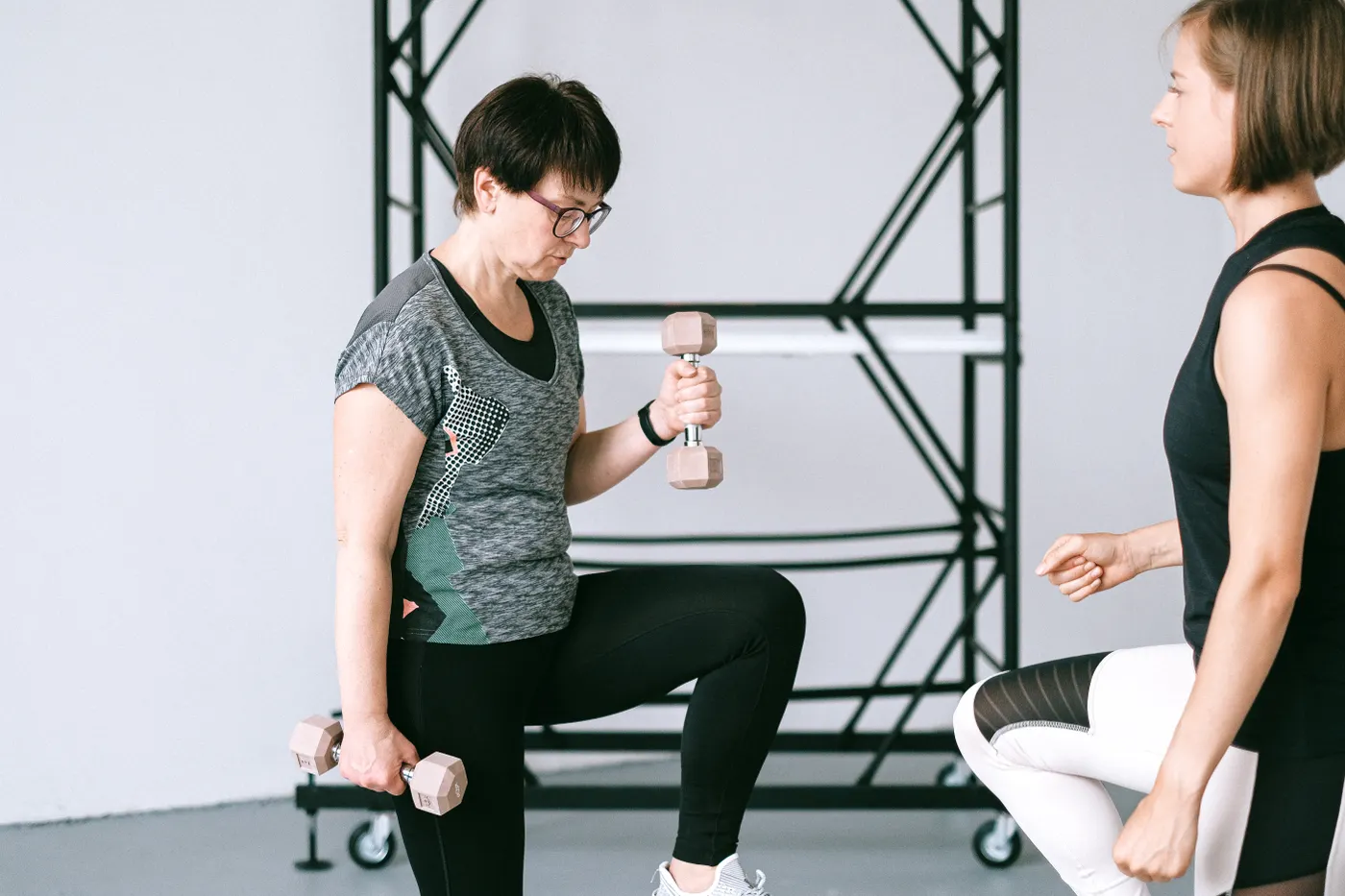
Use two or three full-body sessions per week, with at least a day between harder sessions. The following example assumes you are healthy enough for resistance exercise and already know the basic movements. If you are returning after an injury or have a relevant medical condition, individualize the loading with a qualified professional.
Workout A: squat or leg press for three sets of 6–10; dumbbell or machine press for three sets of 8–12; supported row for three sets of 10–15; then a controlled curl for two sets of 12–20. Workout B: hip hinge or Romanian deadlift for three sets of 6–10; pulldown for three sets of 8–12; split squat or step-up for two sets of 10–15 per side; then a triceps extension for two sets of 12–20. Alternate A and B over the month.
Week 1 — establish baselines. Select weights that allow the target repetitions with roughly two repetitions left in reserve. After your main work on one safe isolation exercise, perform a separate fixed-weight endurance test with consistent range of motion and tempo. Record repetitions until technical failure, not until you must twist or swing to finish.
Week 2 — add a small progression. Keep the exercise order and rest intervals stable. Add one repetition to a working set where technique allows, or increase the load by the smallest practical increment once you reach the top of the range. Do not retest endurance every session; training is more valuable than repeatedly proving you are tired.
Week 3 — add one targeted endurance set. On the chosen isolation exercise, add one lighter set of approximately 15–25 controlled repetitions after the usual work. Stop when the next rep would require noticeably poorer technique. Keep other training volume unchanged so the extra set is the main programming change.
Week 4 — compare like with like. Early in a rested session, repeat the baseline endurance test at the exact original weight, grip, range of motion and tempo. Also compare working-set performance at your usual loads. More clean repetitions at the same weight is meaningful progress, even if your arm circumference or body weight has barely moved.
This is a practical training template, not a protocol validated by the new review. It is designed to help you train both qualities and collect usable feedback, not to isolate the biological cause of any improvement.
Functional Fitness Shirts & Workout Gear
Functional-fitness shirts, tanks and workout gear for athletes who train strength, conditioning and everything in between.

Break the Stereotype Tee
Show some gym-girl attitude with a playful “Break The Stereotype Gym Girl” tee.

Viva La Resistance Bands , Meme Shirt, Top T-Shirt
Make gym days more fun with “Viva La Resistance Bands” style.


OnlyGains Kettlebell Meme Sweater Meme T-Shirt
Keep things casual with a little “OnlyGains” attitude.

Hybrid Athlete Strength & Endurance Tank
Add some lifting attitude to training with “Hybrid Athlete”.


Meme – You May Delay Time Will Not Next Cult Brand T-Shirt
Heavy lifts, good laughs, and a little “You May Delay Time Will Not” energy.

Vitruvian Kettlebell Tee
Heavy lifts, good laughs, and a little “Vitruvian Man With Kettlebells” energy.

Kettlebell Skull Tee
Heavy lifts, good laughs, and a little “Kettlebell Skull Gym Meme” energy.
How to tell whether you are improving, not just getting better at the test

Track at least three separate signals: performance at a fixed weight, performance at a heavier working weight and a reasonable measure of muscle size. For the latter, a standardized circumference measurement or periodic photographs can provide context, but neither is a precise substitute for imaging. Daily fluctuations in hydration, glycogen and body weight can make small changes misleading.
Keep endurance tests infrequent enough that they do not disrupt training. Repeat them under similar conditions, ideally with the same equipment and after comparable recovery. A cable stack with a different pulley ratio, a slightly shorter range of motion or an extra bounce at the bottom can create an apparent improvement that is really a change in the task.
Be careful with percentages. Going from 10 to 15 repetitions is a 50% improvement in that specific test; it is not evidence that your muscle is 50% larger or that every other exercise will improve by 50%. Likewise, an increased one-rep maximum can make a new percentage-based endurance test more demanding even when your fixed-load endurance is better.
Watch for signs that the program is costing more than it gives. Persistent joint pain, worsening sleep, falling performance and an inability to recover between sessions are reasons to reduce effort or volume. There is no prize for reaching failure when technique is deteriorating. You can usually create a productive stimulus without exhausting every possible repetition.
The takeaway: resistance training can make muscles bigger, stronger and more resistant to repeated effort, but those adaptations are not identical. The new review gives a plausible reason to investigate whether added muscle tissue itself helps sustain force. Until experiments separate growth from the many other adaptations of training, treat that idea as an interesting possibility, not an established rule. Train for the result you want, test it consistently and let progress—not a neat slogan—make the decision.