Bodyweight training is often treated as a temporary substitute for the weight room. That misses the point. A push-up, split squat, pull-up or carefully chosen isometric can be a demanding resistance exercise when the variation matches your current ability. The challenge is not finding a move that makes you tired; it is finding a progression you can repeat, measure and make harder.
There is a difference between training for strength, muscle growth, movement control and conditioning. The same exercise can serve all four, but not with the same repetitions, rest periods or technique. This guide shows how to turn familiar movements into a structured program, where extra equipment helps and where it does not.
1. Bodyweight exercise is genuine resistance training
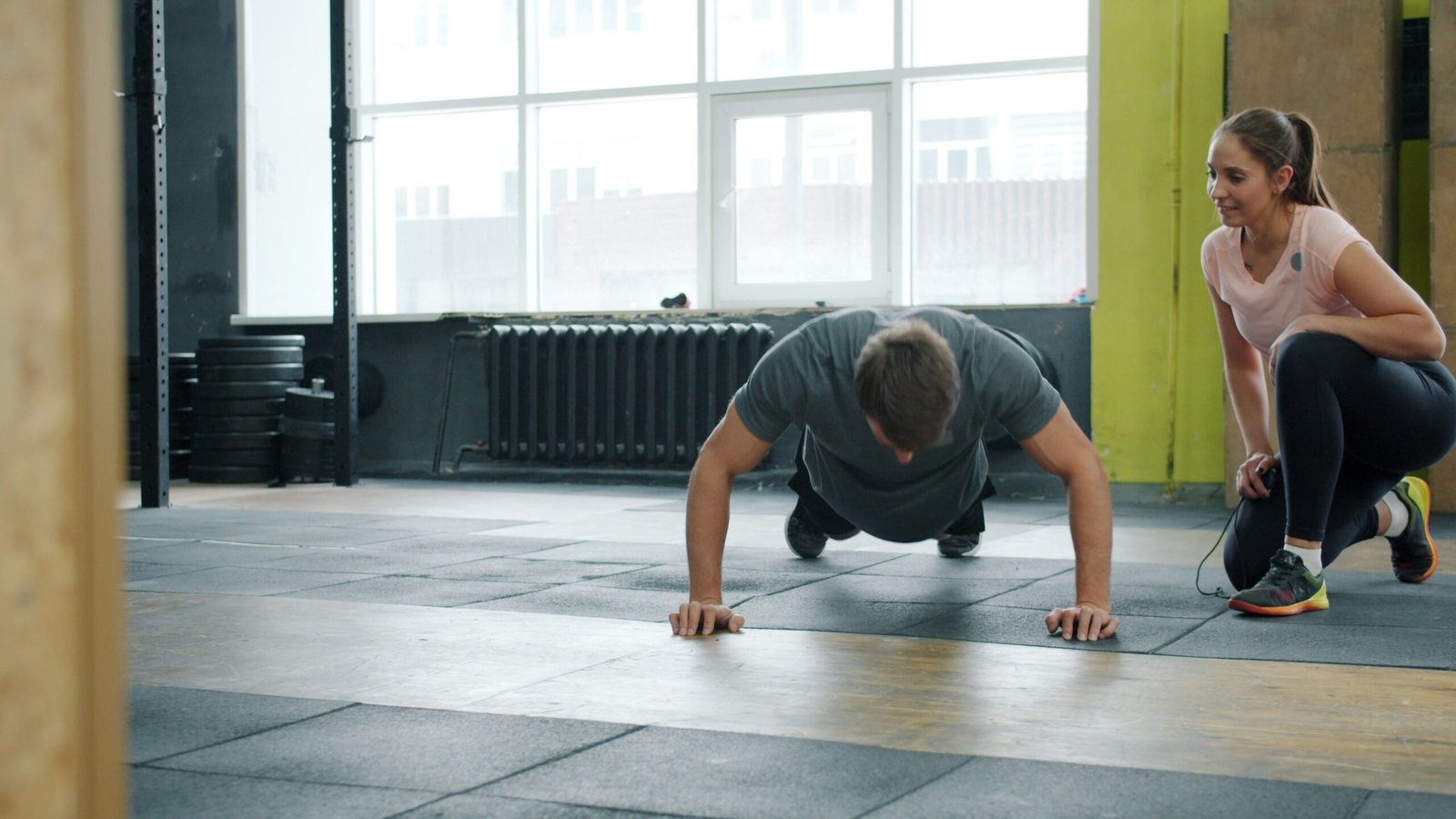
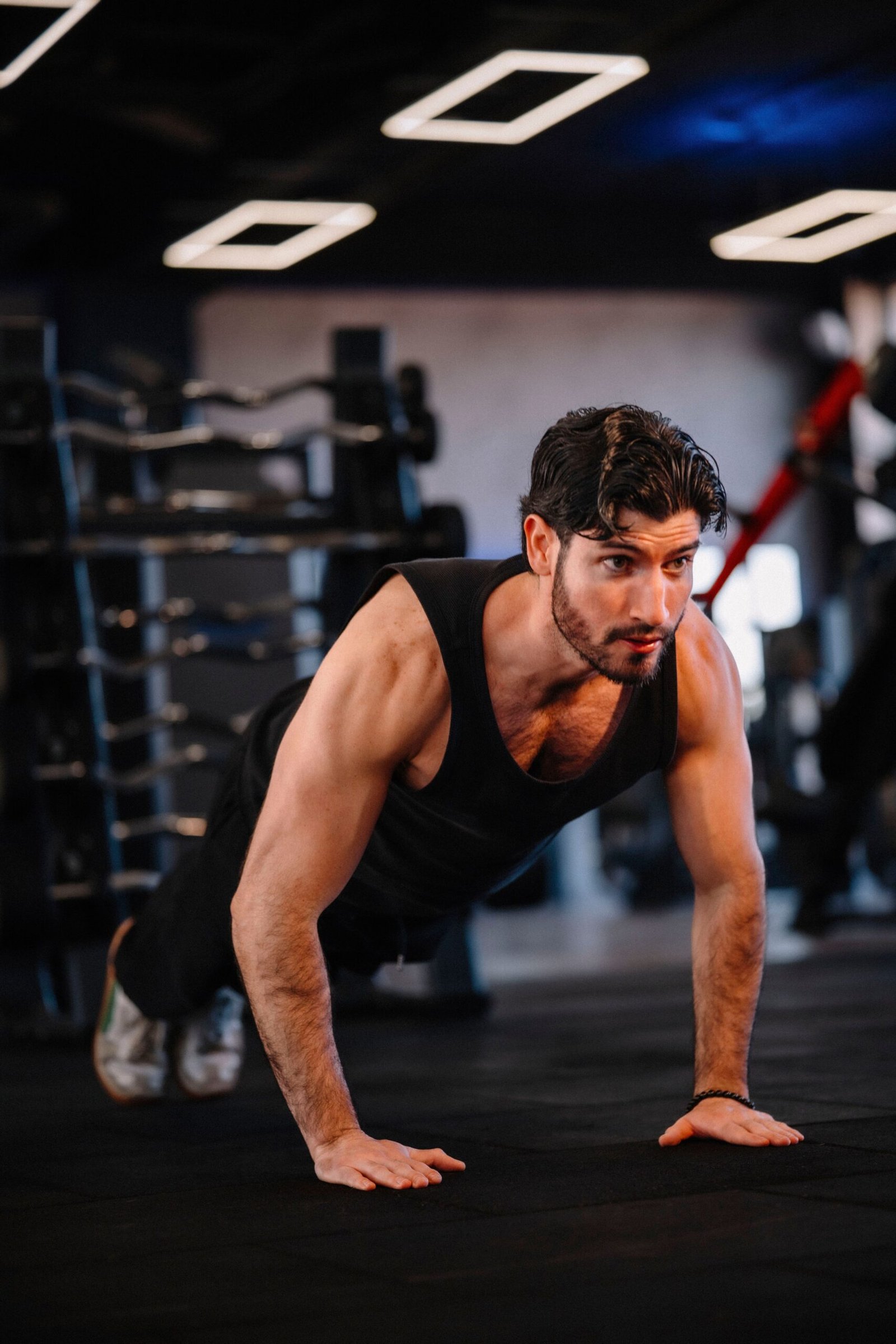
Your muscles respond to force and effort, not whether resistance comes from a barbell or your own mass. In a push-up, the chest, shoulders and triceps move a changing share of bodyweight. In a pull-up, the back and elbow flexors move almost the entire suspended mass. A squat or lunge challenges the legs, although the resistance may eventually become too light for strong, experienced lifters.
A major 2026 evidence synthesis combined 137 systematic reviews involving more than 30,000 participants. Progressive resistance exercise improved strength, muscle size, power and several measures of physical function. Equipment type did not consistently determine outcomes. That does not mean every push-up is equivalent to a heavy bench press; it means productive resistance training is not limited to machines and barbells.
Smaller comparisons help explain the distinction. An eight-week experiment involving 18 young men found similar improvements in several chest and triceps thickness measurements after adjusted push-ups and low-load bench presses. Another four-week trial of 23 moderately trained men found that progressive push-up training improved upper-body strength. Neither short, small trial proves that push-ups can replace every loaded press, but both support progressive bodyweight work as a legitimate training choice.
For general health, adults are advised to strengthen all major muscle groups at least twice weekly. Bodyweight exercises can count. If maximal strength is the objective, external resistance may become the more practical way to keep increasing force demands once leverage changes run out.
2. Progress the difficulty instead of chasing endless reps
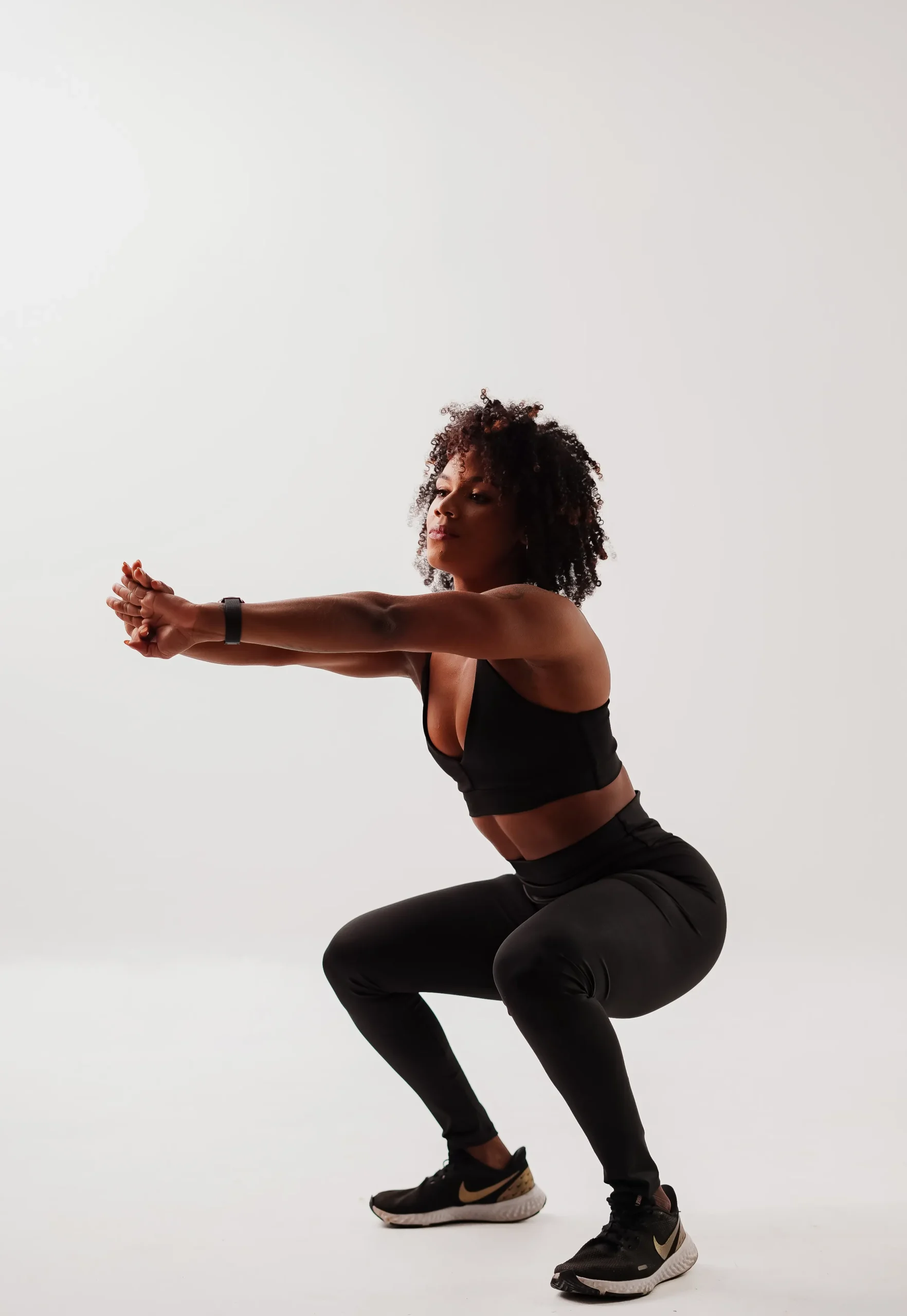
Progressive overload means increasing the challenge over time. With a barbell, adding weight is straightforward. With bodyweight exercises, you can manipulate leverage, range of motion, assistance, unilateral loading, pauses and eventually external resistance. These are not interchangeable: a slower set, a longer set and a mechanically harder set can stress the body differently.
For push-ups, begin with hands elevated on a sturdy support if floor repetitions are too difficult. Gradually lower the support, then use full floor push-ups. Once twelve to twenty clean repetitions become easy, try feet-elevated reps, greater range using stable handles or a weighted vest. For squats, progress from bilateral squats to split squats, longer-range lunges and supported single-leg variations. For pulling, a steep bodyweight row can lead to a more horizontal row, assisted pull-ups and finally strict repetitions.
Use a repeatable rep range. Perform three sets of six to ten challenging push-ups. When all sets reach ten clean reps, move to a slightly harder version and return to six or seven. Record the variation and support height as carefully as the reps. Ten push-ups on a high counter do not equal ten with hands on a low bench.
Tempo is a useful control tool, not a magical muscle-building multiplier. A two-second descent and brief pause may expose weaknesses, but exaggeratedly slow reps can reduce useful volume. Shortening rest may increase breathlessness while making later strength sets weaker. Change one main variable for two to four weeks, then assess progress. If joint discomfort or sloppy technique appears, repeat the current step rather than forcing an advanced variation.
3. Pair pushing and pulling for balanced upper-body strength
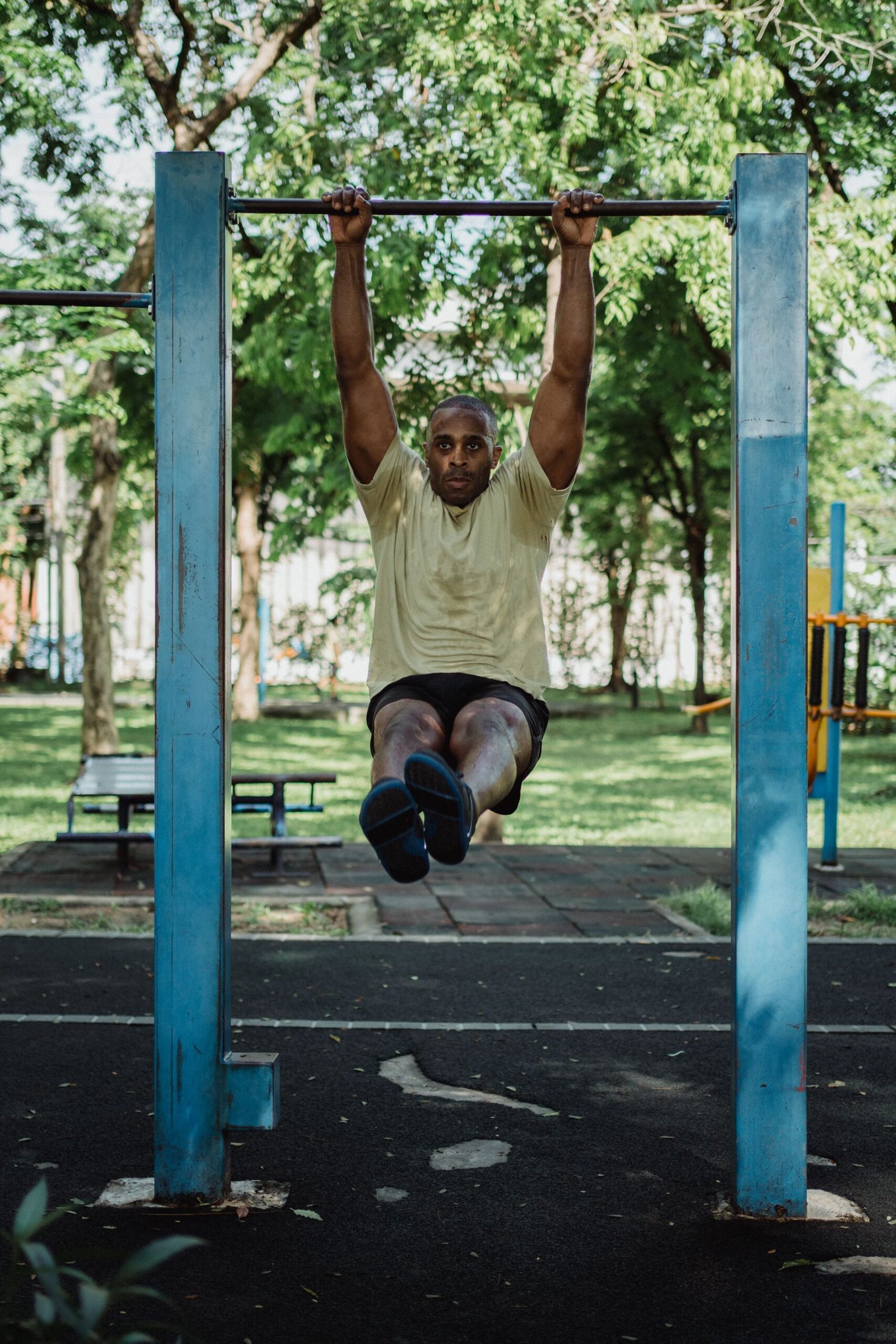
Push-ups are convenient, but a program built entirely around pressing misses the back and elbow flexors. Horizontal rows and vertical pulls provide a more complete upper-body stimulus. A securely anchored pull-up bar, rings or suspension setup can make those patterns possible with little additional equipment.
For pushing, select incline push-ups, floor push-ups or pike push-ups according to your ability. Keep the trunk controlled and use a range you can repeat without sagging at the hips. If wrist extension is uncomfortable, sturdy neutral-grip handles may help. For pulling, start with bodyweight rows at a steep angle and move the feet forward as strength improves. Keep the shoulders and ribs controlled rather than jerking toward the bar.
Vertical pulling can begin with foot assistance, a suitable resistance band or controlled negatives. Track the assistance honestly so you can reduce it. Jumping to the top and dropping without control is not a progression, especially when grip and shoulder tolerance are limited. Aim for a smooth, repeatable path before adding volume.
A useful pairing is three sets of six to twelve push-ups and three sets of six to twelve rows, resting one to three minutes as needed. Add two sets of assisted pull-ups or pike push-ups if recovery allows. The objective is increasingly demanding quality repetitions, not a daily push-up total.
Advanced skills such as handstands and muscle-ups are separate technical projects. They require coordination, mobility and specific preparation. Someone training primarily for muscle and strength does not need to master acrobatics to make progress.

Equipment Worth Exploring
Explore equipment, accessories and gear from our carefully selected range.

Power Tower
Freestanding pull-up and dip station with adjustable handles for bodyweight training.


Angles 90 Grips
Flexible grip attachments that allow natural wrist movement during pulling exercises.
4. Use single-leg leverage to make lower-body work count
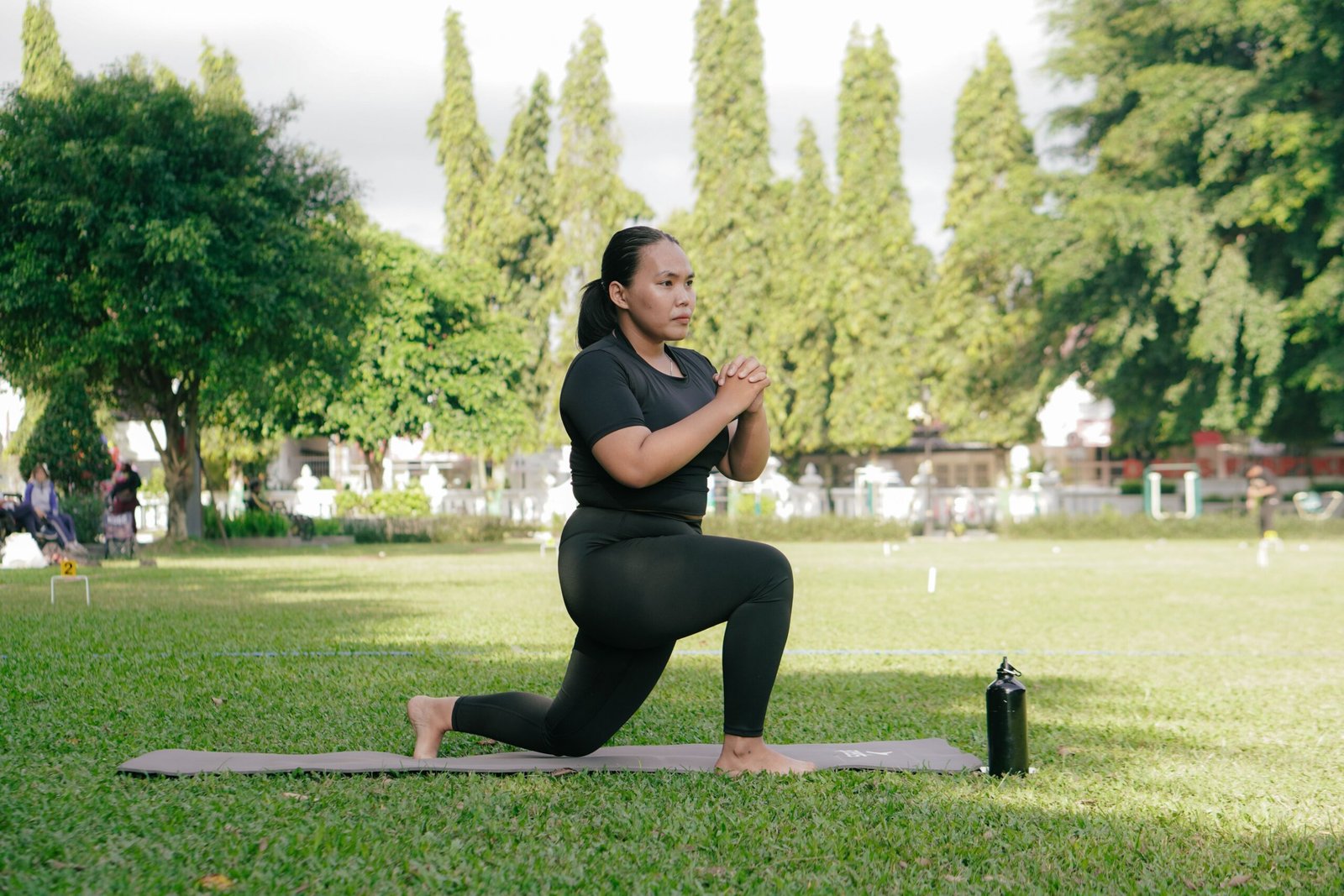
Bodyweight squats are excellent for learning hip and knee control, but strong legs can often complete dozens before the exercise becomes sufficiently demanding for strength development. Rather than extending every set indefinitely, move toward split squats, reverse lunges, step-ups and assisted single-leg squats. Each makes the working leg carry a greater share of the task.
For a split squat, set one foot forward and one behind, lower with control and push through the front foot. Choose a stance that allows a comfortable knee path and use a stable support if balance limits the leg stimulus. Begin with two or three sets of six to twelve reps per leg. Increase range or difficulty only when both sides can complete the movement consistently.
Glute bridges and single-leg bridges train hip extension, but they do not fully replace a challenging hinge pattern for advanced lifters. Hamstring sliders on a suitable surface can add knee-flexion work. If dumbbells or a barbell are available, a loaded hinge is a useful complement, not a failure of the bodyweight approach.
Jump squats are primarily a power exercise when performed explosively for low repetitions with generous rest. Fast, repeated jumps in a circuit serve a different conditioning goal. If landings become noisy or uncontrolled, stop or regress the exercise. More fatigue is not automatically more leg strength.
Assess the final reps: can you maintain the planned depth, balance and trunk position? If not, the progression is too aggressive. Strong legs are built through repeatable hard work, not through chasing a particular visual style of exercise.

Calisthenics Shirts & Street Workout Gear
Calisthenics and bodyweight-training gear for pull-ups, dips, handstands and street-workout athletes.


Pull Up or Shut Up Crewneck Pullover Sweater for Calist T-Shirt
For laid-back days and bodybuilding humor: “Pull Up or Shut Up”.

Always Pull Yourself Up Hoodie
Make your off-duty look more fun with “Always Pull Yourself Up”.

Calisthenics Evolution Muscle Shirt Athletic Vest for B Tank Top
Add some lifting attitude to training with “Calisthenics Evolution”.

Human Flag Calisthenics Hooded Workout Gymbro Pullover Hoodie
Make your off-duty look more fun with “Human Flag”.

Turn Off Gravity Funny Calisthenics Gym Decal for Water Sticker
Give your everyday gear a playful “Turn Off Gravity Funny Calisthenics” twist.

T-Rex Hates Push Ups Muscle Shirt Athletic Vest for Cal Tank Top
Add some lifting attitude to training with “T-Rex Hates Push Ups”.

Calisthenics Hanging Out Tank
Show some personality between sets with “Calisthenics Is My Idea of Hanging Out”.

Calisthenics Heartbeat Crewneck Pullover Sweater for Hu T-Shirt
Add a playful “Calisthenics Heartbeat” touch to your casual rotation.

5. Build core control rather than collecting plank minutes
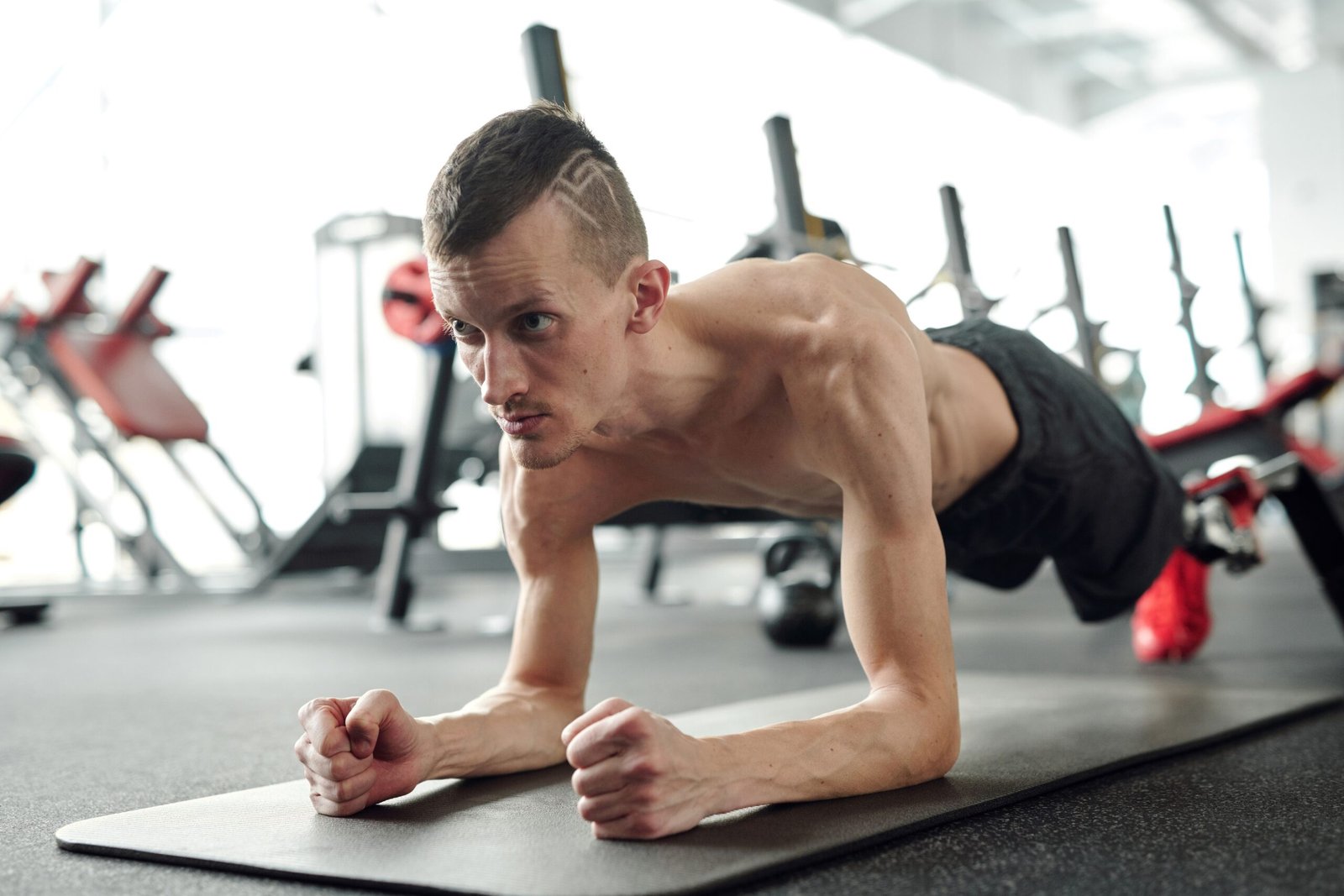
The plank is an anti-extension exercise: the trunk resists sagging while shoulders and hips maintain position. A ten-minute hold is not necessarily a better strength stimulus than a technically demanding twenty-second version. Once an exercise is easy, alter leverage or add controlled limb movement instead of accumulating time without purpose.
Start with a front plank that allows you to keep the ribs aligned over the pelvis. Lightly tense the glutes and avoid arching the lower back. Progress to a longer lever, a brief arm reach or a hollow-body variation only when you can preserve the position. Side planks and bird dogs provide useful challenges in other planes of motion.
A slow shoulder tap from a high plank asks the trunk to resist rotation while weight shifts to one hand. Keep the hips level instead of racing the repetitions. For a side plank, extending the legs or briefly raising the upper leg can increase difficulty, but the movement should remain controlled and comfortable.
Most programs need only two or three core exercises per session. Try two to four sets of fifteen to forty seconds for holds or six to twelve controlled reps for dynamic movements. End the set when the body position changes significantly. Holding a poor position longer does not prove the target muscles have become stronger.
Core fatigue can interfere with pressing, pulling and lunging, so place demanding trunk exercises after your highest-priority strength work. The goal is a stable trunk that supports movement, not an exhausted abdomen before every lift.
6. Keep strength sets and conditioning circuits distinct
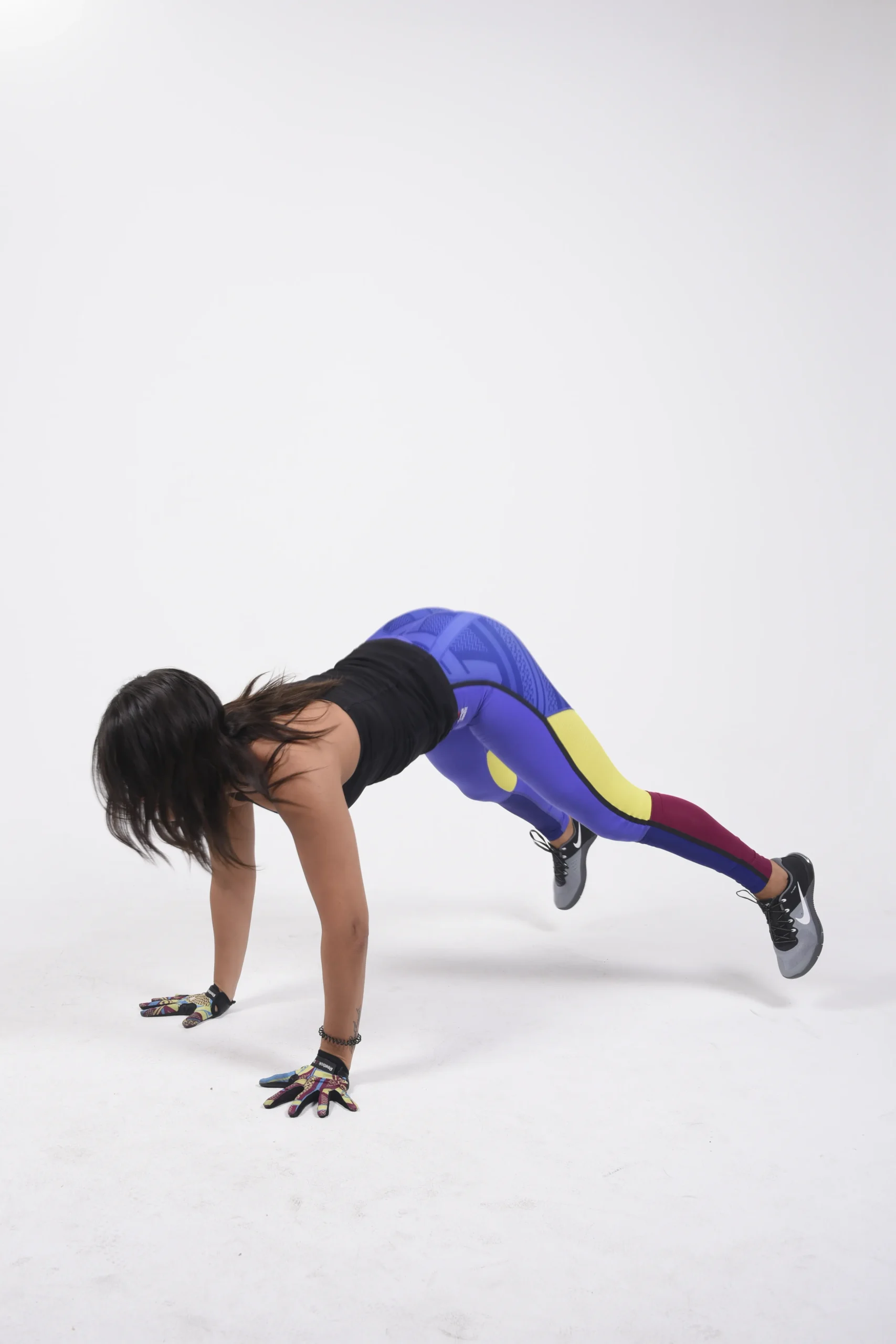
Bodyweight circuits can improve cardiovascular fitness, but they are programmed differently from strength sessions. Burpees, mountain climbers, squats and crawling patterns involve large muscle groups and can quickly increase breathing rate. That makes them useful conditioning tools, not automatic substitutes for progressively challenging strength sets.
For a beginner-friendly circuit, perform thirty seconds of controlled squats, twenty seconds of incline push-ups, thirty seconds of marching or step-ups and twenty seconds of bird dogs. Rest forty to sixty seconds after the sequence and repeat two or three times. Aim for steady, recoverable movement rather than total exhaustion. Increase total work gradually.
More experienced trainees can use twenty seconds of burpees, thirty seconds of mountain climbers, thirty seconds of reverse lunges and twenty seconds of a plank variation. Rest sixty to ninety seconds between rounds. Replace jumps or fast transitions when technique deteriorates. The clock is a tool for dosing work, not a license to abandon control.
Research on short bodyweight programs suggests that small doses sometimes improve estimated aerobic fitness in healthy active adults, but other brief-exercise interventions in inactive adults have not outperformed controls. Population, exercise intensity and measurement methods matter. A four-minute workout is not automatically a complete fitness program.
If muscle growth is the priority, perform difficult push-ups, rows and single-leg exercises in conventional sets before a hard circuit. If conditioning is the priority, a circuit can lead. Combining both is possible, but make the primary objective clear so the session does not become random high-rep fatigue.
Functional Fitness Shirts & Workout Gear
Functional-fitness shirts, tanks and workout gear for athletes who train strength, conditioning and everything in between.


Vive Le Resistance Bands – Resistance Bands Warmup Reha Sticker
Bring “Vive Le Resistance Bands” attitude to your water bottle or laptop.

Lift Together Grow Stronger Buddies Friendship Workout T-Shirt
Make gym days more fun with “Lift Together Grow Stronger” style.

Shirt Hybrid Cycle Gear Run Trains Swim In Pussy T-Shirt
Heavy lifts, good laughs, and a little “for Hybrid Athletes” energy.


Gym Is My Happy Place Happy Kettlebell Smiley Face Emoj Tank Top
Bring “Gym Is My Happy Place” humor to your next lifting session.

Happy Kettlebell Emoji Smiley Kettlebell for Fitness Lo Hoodie
Show off your gym-girl humor in a laid-back “Happy Kettlebell Emoji” hoodie.

Gym Equation Kettlebell Happiness Muscle Shirt for Lift Tank Top
Show some personality between sets with “Gym Equation”.

Live Love Lift Hooded Pullover Gymbro Workout Fans Hoodie
Bring “Live Love Lift” gym humor to lazy days and post-workout plans.

Break The Stereotype | Feminist Workout Sweater For Str T-Shirt
For laid-back days and gym-girl humor: “Break The Stereotype”.
7. A repeatable two-day bodyweight strength plan
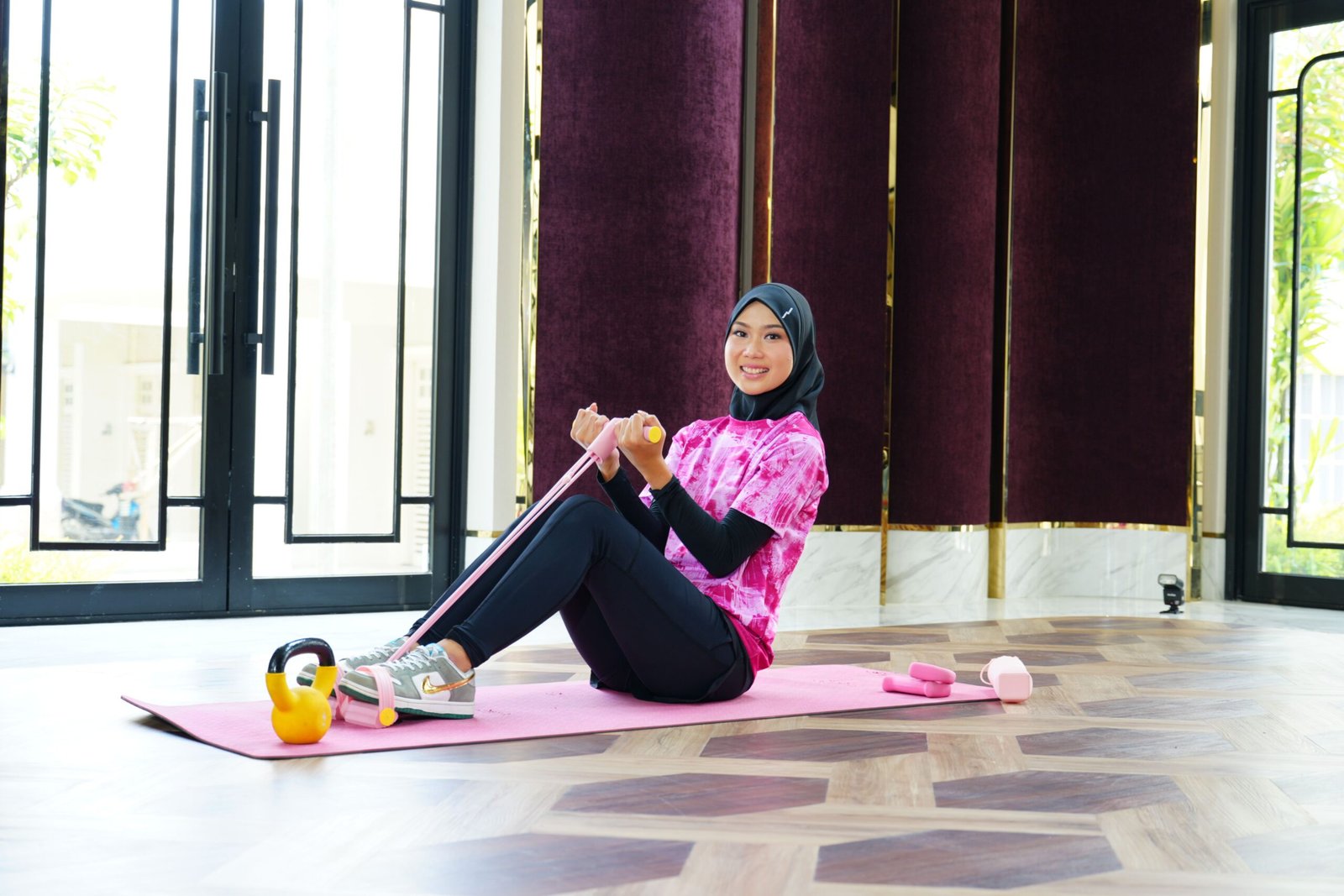
Two full-body sessions per week are a practical starting point. Leave at least one recovery day between them. Choose variations that allow roughly one to three technically sound repetitions in reserve at the end of most sets. Your exact starting point will depend on current strength, experience and joint tolerance.
Day A: Push, pull, squat and trunk
Push-up variation: three sets of six to twelve reps. Bodyweight row or assisted pull-up: three sets of six to twelve. Split squat: three sets of eight to twelve per leg. Glute bridge: two sets of ten to fifteen. Front plank: two sets of twenty to forty seconds. Rest one to three minutes between demanding strength sets, longer when needed to maintain quality.
Day B: Vertical push, legs, hinge and anti-rotation
Pike or incline push-up: three sets of six to ten. Row or assisted pull-up: three sets of six to ten. Reverse lunge or step-up: three sets of eight to twelve per leg. Hamstring slider or single-leg bridge: two sets of six to twelve. Side plank or bird dog: two sets per side. Pick variations that suit your shoulders, wrists, knees and back.
Log the exact variation, support height or band, reps and perceived difficulty. Once every set reaches the top of its range with stable technique, progress one step. A new, harder variation may temporarily reduce reps; that is normal. If leverage changes stop being useful, add suitable external resistance rather than forcing an awkward stunt.
Optional conditioning can go on a separate day or after strength training if recovery permits. Easy walking and other aerobic activities complement the plan. Two lifting sessions alone do not automatically meet all cardiovascular activity recommendations.
Pull-up bars, rings, parallettes, weighted vests and bands expand the progression ladder, but none is mandatory for a beginner. Choose equipment when it solves a real limitation. The bottom line: progress difficulty, preserve technique, separate strength from conditioning and judge results over months rather than by how exhausted one session feels.
Equipment Worth Exploring
Explore equipment, accessories and gear from our carefully selected range.


VOLTRA
Compact digital cable trainer with smooth, adjustable resistance.

Go-Tone Pro
Portable digital cable trainer with up to 66 lb (30 kg) of adjustable resistance.


Squat Harness
Wearable harness for hands-free cable squats, sled work, and lower-body training.

FID Bench MAX
Adjustable bench offering flat, incline, and decline positions + adjustable headrest.

GymPin D Cuffs
Adjustable wrist cuffs with textured grips for supported cable-machine exercises.

Leather Wrist Grips
Padded leather lifting grips help support the hands and wrists on heavy pulling exercises.
Some product links may be affiliate links, which can support Mind Muscle Perfection at no additional cost to you.