Advertising disclosure: This page includes affiliate product links that may earn us a commission, as well as products from our own store.
Hard intervals can raise endurance without becoming a substitute for strength or power training. A 2026 analysis of eighteen studies in trained athletes suggests where HIIT helps most—and where the results are less decisive.
HIIT works on more than your ability to suffer through intervals
High-intensity interval training has a reputation for leaving people exhausted in a hurry. But finishing a brutal workout and improving athletic fitness are not the same thing. For an already-active person, the question is whether repeated hard efforts followed by recoveries can improve measurable performance without simply adding more fatigue to the week. A 2026 analysis of 18 eligible studies offers a useful answer: the clearest signal appears in aerobic capacity, with encouraging findings for speed and agility but far less certainty around jumps and maximal power.
The distinction matters to anyone who already lifts, runs, cycles or plays a field sport. A training plan can include excellent weight-room progress and still lack the cardiovascular conditioning to repeat demanding efforts. Conversely, spending every session gasping for air can make it difficult to practice technical lifts or recover between hard days. HIIT is a tool for a specific job, not a replacement for every other form of exercise.
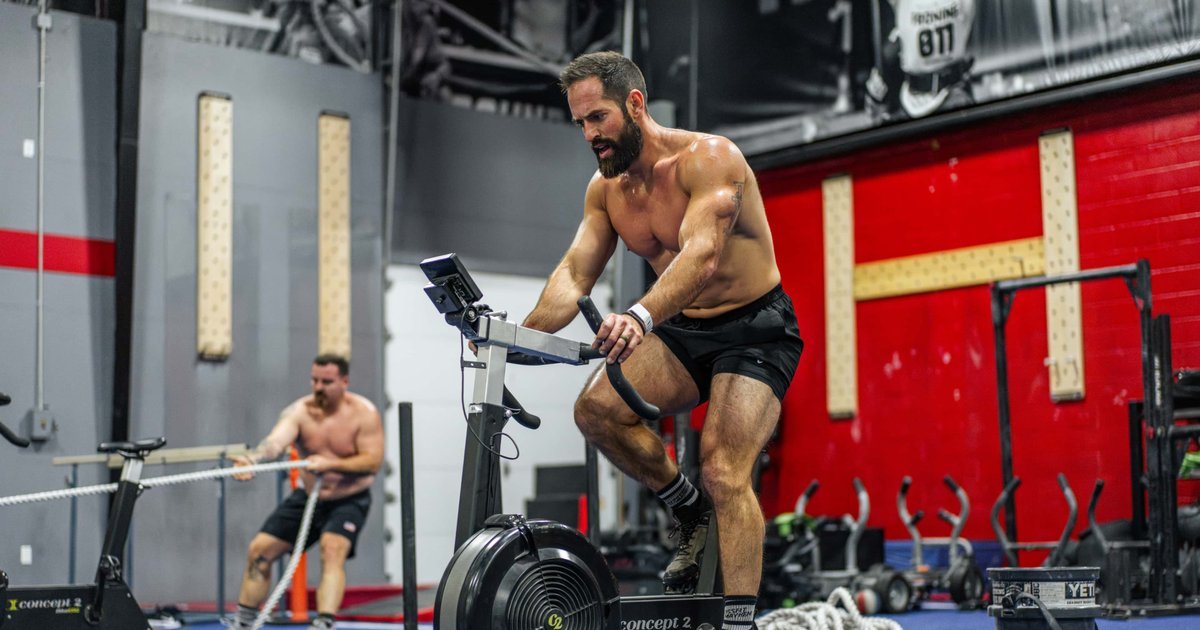
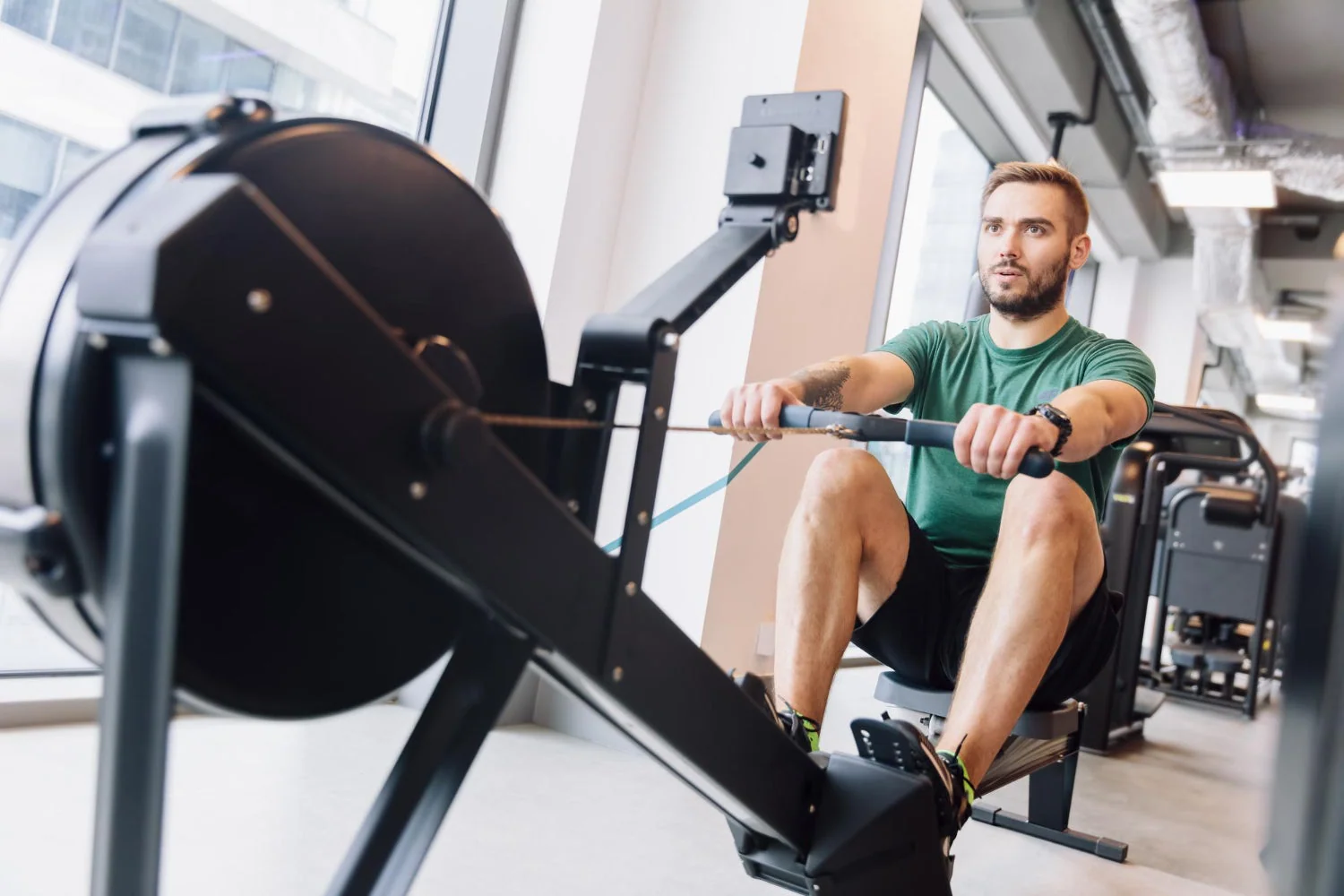
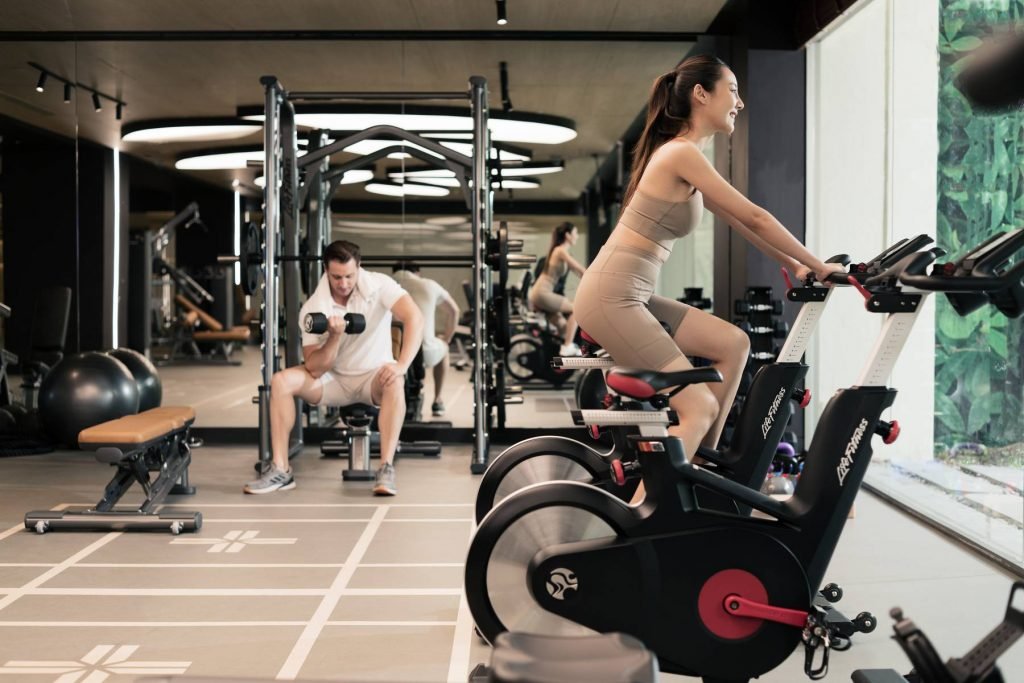
In practical terms, HIIT means planned bursts of high effort separated by easy movement or rest. A structured interval session could use a stationary bike, rower or running course. What defines the workout is the work-and-recovery pattern and the effort relative to the athlete, not a social-media challenge with a long list of random exercises.
What the 18-study analysis actually measured
The analysis screened thousands of records and ultimately included 18 papers involving trained athletes, rather than treating a collection of complete beginners as a stand-in for competitive or recreationally trained people. The programs covered different training modes and sporting backgrounds, with outcomes including maximal oxygen uptake, speed, agility, jumping performance and power. Researchers compared HIIT interventions with other training arrangements or controls and combined compatible results using statistical effect estimates.
That breadth is valuable, but it also creates uncertainty. An experienced runner completing long track intervals is not doing exactly the same workout as a team-sport athlete performing shuttle runs or a cyclist turning short all-out efforts. The term HIIT covers a family of programs, not one recipe with a guaranteed result. Differences in duration, interval intensity, recovery, baseline conditioning and test procedures can influence the findings.
Another useful reality check is what was not established. This was not an experiment in which 18 groups of lifters used one specific interval plan alongside the same strength routine. It cannot tell you that four minutes on an air bike is universally superior to eight minutes on a treadmill, or that a particular sequence will raise your deadlift. Treat the pooled findings as evidence about the general training category, then make your weekly program fit your actual priorities.

Equipment Worth Exploring
Explore equipment, accessories and gear from our carefully selected range.


Pro Sled System
Heavy-duty push-pull training sled for loaded conditioning, speed, and strength work.


Competition Wall Ball
Competition-style weighted wall ball for HYROX, wall-ball shots, and functional conditioning.

Slam Ball
Low-bounce weighted slam ball for explosive throws and high-intensity conditioning.


Cast Iron Kettlebells
Textured cast-iron kettlebells for swings, squats, carries, and full-body training.


The strongest result: aerobic fitness improved
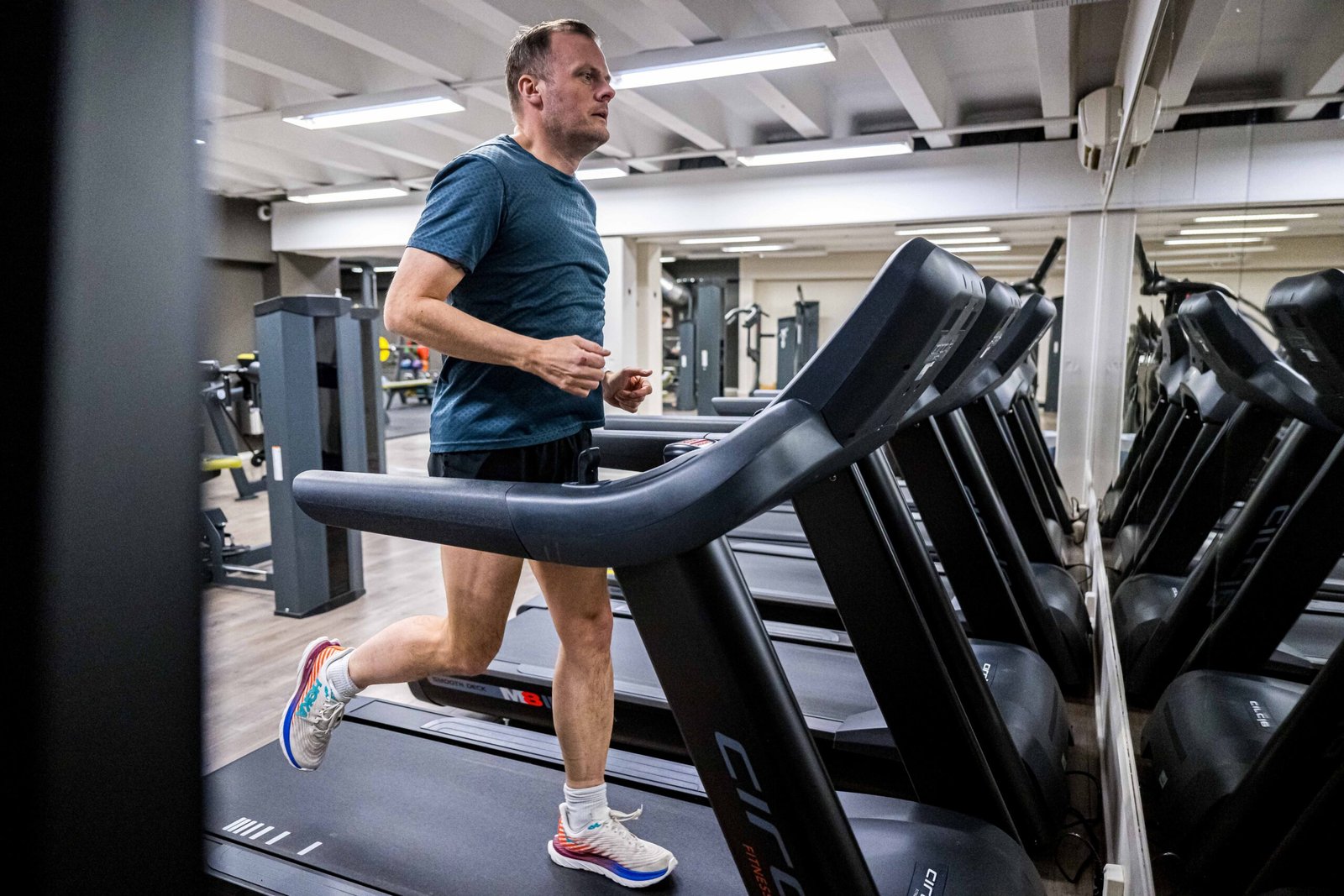
The main outcome was aerobic capacity. Across the available comparisons, HIIT produced a favorable effect on maximal oxygen uptake, reported as a standardized mean difference of 1.11 with a 95% confidence interval from 0.48 to 1.74. The pooled estimate for peak oxygen uptake was also favorable. These are group-level statistical summaries, not a promise that every participant improved their personal VO₂max by a fixed percentage.
VO₂max reflects the greatest rate at which the body can take in and use oxygen during hard exercise under test conditions. It is not the only marker of endurance. Efficiency, sustainable pace and the ability to recover between bursts matter as well. Still, raising aerobic capacity gives many athletes more physiological room to operate during repeated efforts. The potential payoff can show up as better tolerance for conditioning sessions and a stronger foundation for sports that require movement over time.
A practical test need not involve a laboratory every month. Keep one repeatable benchmark appropriate to your equipment: a fixed-power bike interval at a measured heart rate, a repeatable rowing distance with stable pacing, or a timed run under similar conditions. Resist the temptation to compare a cool morning track run with an overheated indoor session and call the difference a training effect. Standardize the test and look for trends across several weeks rather than reacting to one unusually strong day.
Speed and agility improved; jumps and power did not clearly change
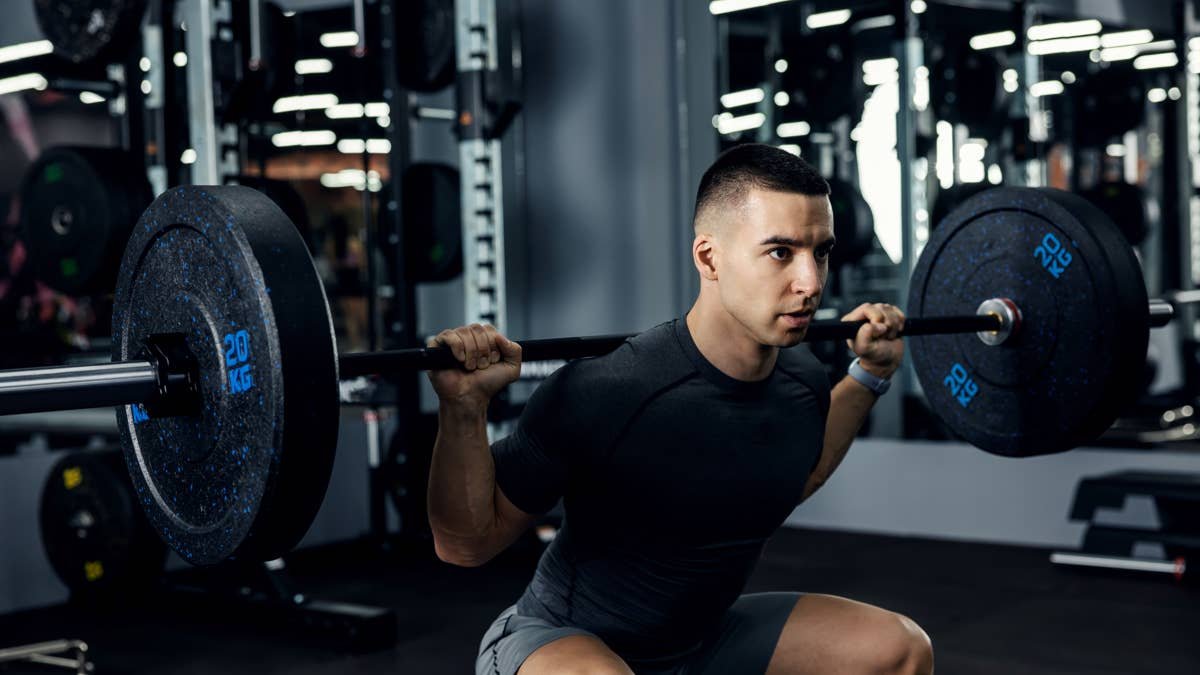
The pooled results also favored HIIT for measures of speed and agility. That makes sense when intervals challenge athletes to produce repeated fast movements while controlling the recovery between them. Faster movement and more efficient changes of direction are not guaranteed from any random conditioning circuit, however. Running mechanics, sport skills and the exact test used still matter, and the studies differed in the demands placed on participants.
Importantly, the analysis did not find a clear significant advantage for jumping performance or power. That is not proof HIIT reduces explosiveness, nor is it evidence that jumping ability cannot improve alongside conditioning. It simply means the available pooled results did not establish that benefit. A heavy squat, a maximal vertical jump and a repeated sprint each emphasize different combinations of force, velocity, technique and fatigue resistance.
If maximum strength or jumping power is your main goal, continue treating loaded lifting, appropriately progressed explosive work and adequate recovery as the central programming pieces. HIIT can complement those goals by supporting general conditioning; it should not be sold as a shortcut that replaces specific strength or speed practice. The most useful reading of the findings is narrower and more actionable: conditioning gains appear credible, some field-performance measures respond, but not every performance quality moves together.

Functional Fitness Shirts & Workout Gear
Functional-fitness shirts, tanks and workout gear for athletes who train strength, conditioning and everything in between.


Kettlebell Skull Tee
Heavy lifts, good laughs, and a little “Kettlebell Skull Gym Meme” energy.

OnlyGains Kettlebell Meme Sweater Meme T-Shirt
Keep things casual with a little “OnlyGains” attitude.

Anti Stretching Stretching Club Meme Shirt – T-Shirt
Bring “Anti Stretching Stretching Club” humor to your next gym day.

Earth Kettlebell Meme Shirt – Lifting The Earth T-Shirt
Show some lifting attitude with a playful “Earth Kettlebell” tee.

Ice Cream Kettlebell Shirt – Sweet Gains Meme T-Shirt
Bring “Ice Cream Kettlebell” humor to your next gym day.

Kettlebell Heart X-Ray Meme Top T-Shirt
Show some lifting attitude with a playful “Kettlebell Heart X-Ray” tee.

Shirt – Pink Macaroon Kettlebell Bros, & Meme Lovers T-Shirt
Heavy lifts, good laughs, and a little “Pink Macaroon Kettlebell” energy.

Interval length, intensity and recovery change the stimulus
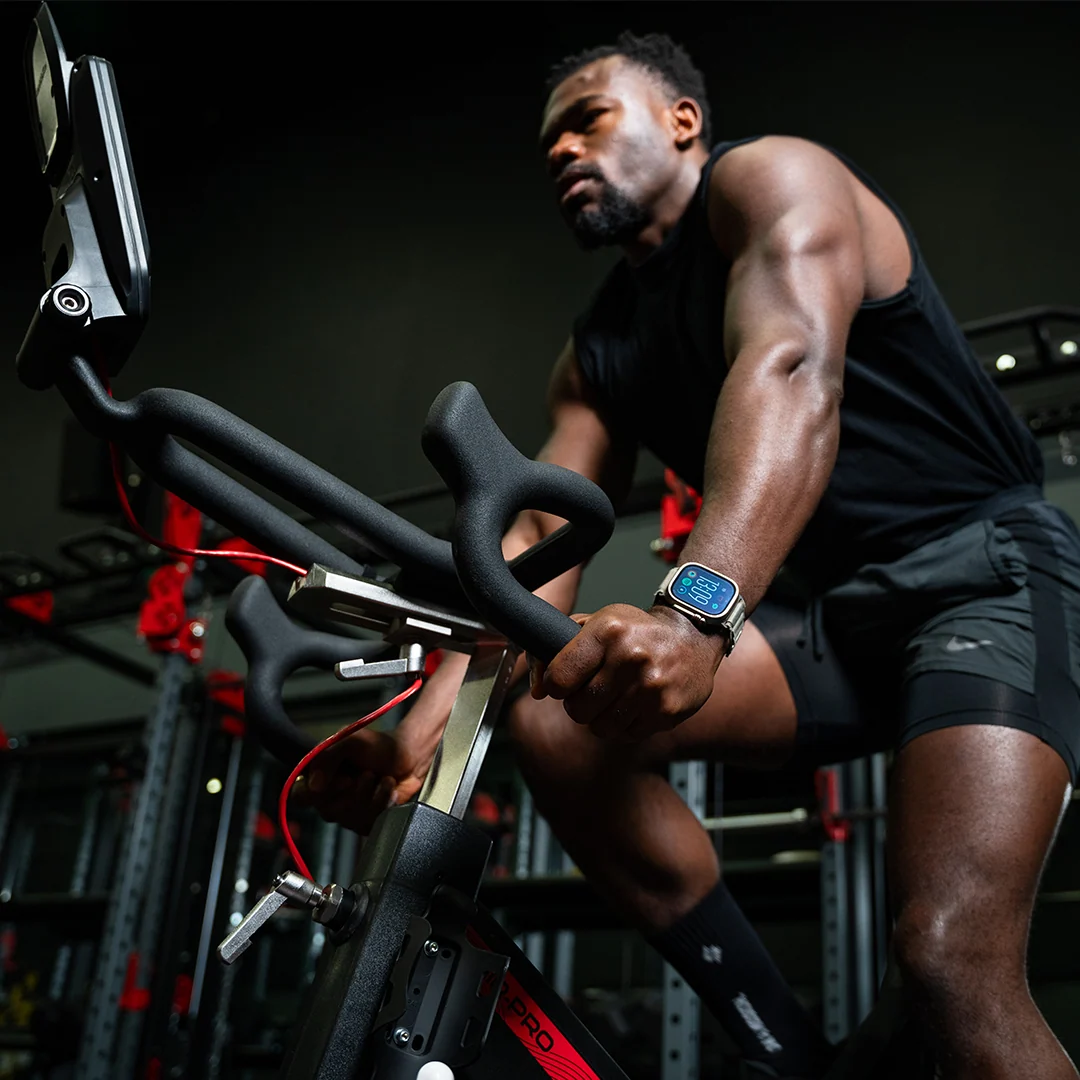
Two sessions called HIIT can feel dramatically different. One program may use four rounds of three minutes at a demanding but repeatable pace; another may use six fifteen-second near-maximal accelerations with long recoveries. The first challenges sustained high oxygen demand, while the second emphasizes short efforts and the ability to reproduce them. Neither automatically wins for every athlete. Training quality depends on matching work intervals, recovery periods and total volume to the intended outcome.
Start with an effort you can repeat at nearly the same quality across the final interval as the first. For example, a stationary bike session might include a warm-up, five 60-second hard efforts separated by two minutes of easy cycling, and a cool-down. This is an illustrative entry-level template, not the exact protocol tested in the 18-study analysis. The work should be challenging, not a blind sprint that causes technique to collapse or forces you to stop after the second round.
More demanding is not automatically more effective. When you add repetitions, intensity and weekly frequency together, fatigue can climb faster than fitness. Beginners in interval training can often improve by consistently completing a modest dose before increasing the workload. Trained athletes with competition schedules may need even tighter control. Use repeatable output, perceived exertion and the next day’s training quality to decide whether to progress.
Equipment Worth Exploring
Explore equipment, accessories and gear from our carefully selected range.




VOLTRA
Compact digital cable trainer with smooth, adjustable resistance.

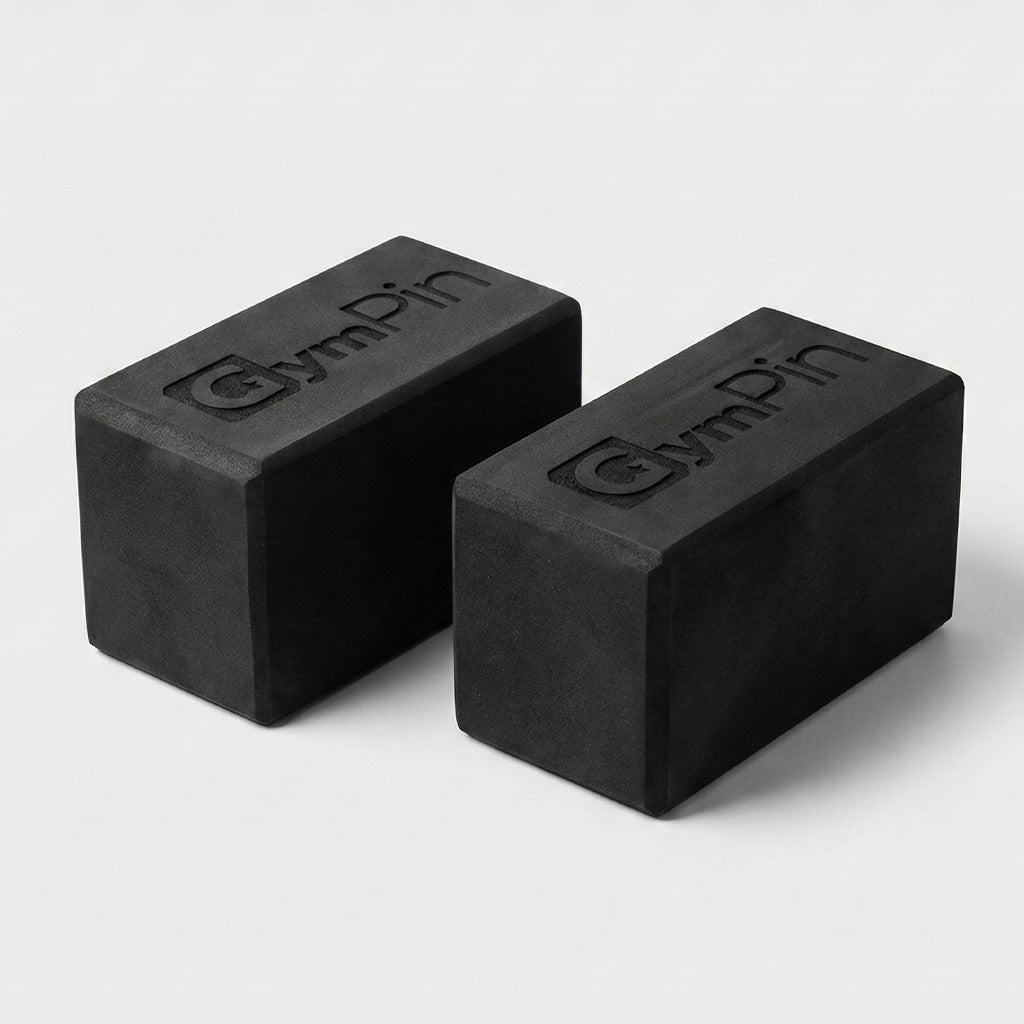
GymPin Starting Blocks
Portable high-density foam blocks for adjusting machine starting positions and range of motion.
A six-week strength-and-interval template for real gyms
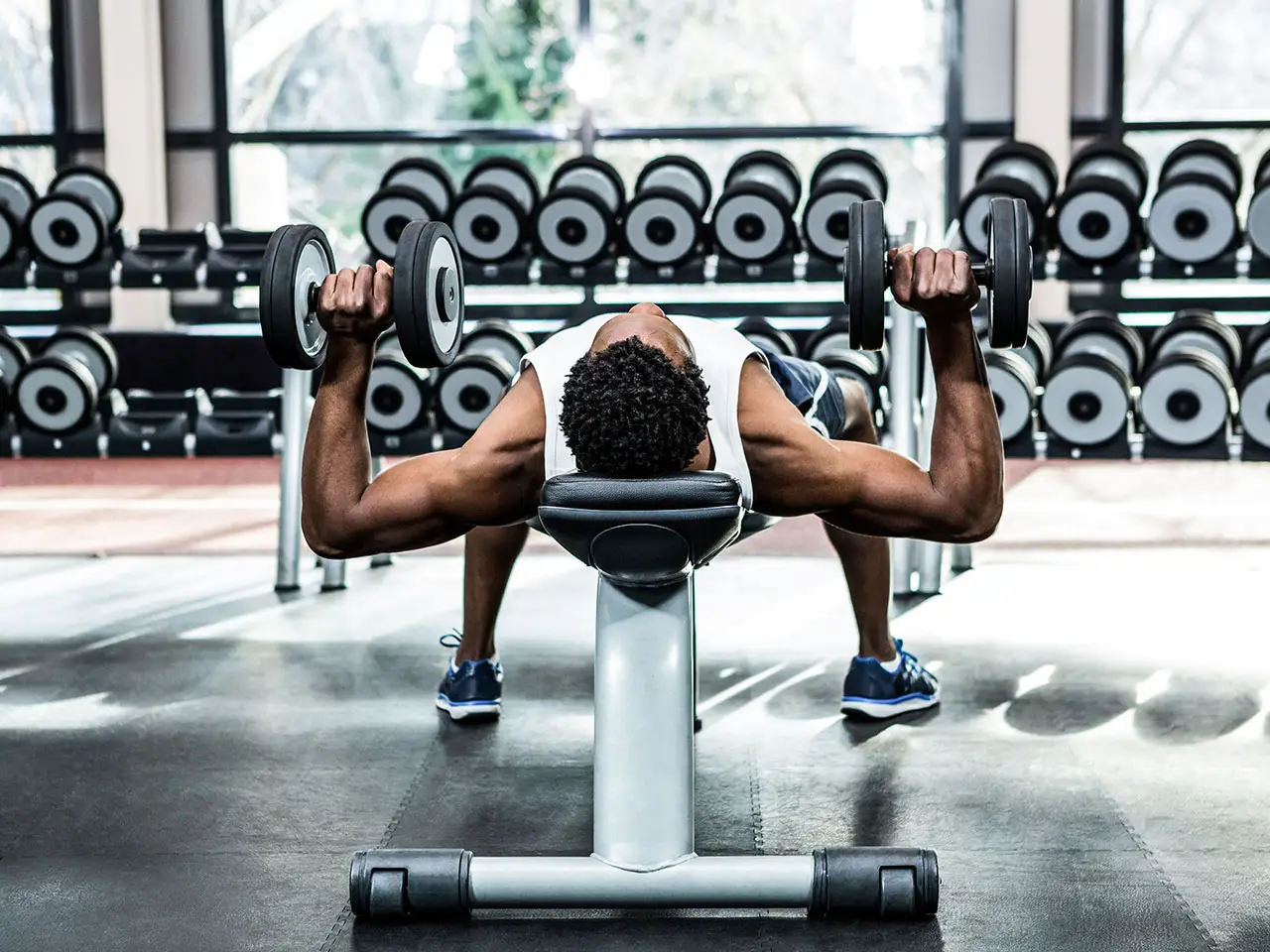
If you already lift three days weekly, the simplest approach is often to add one or two controlled conditioning sessions without dismantling your main lifts. Here is a practical example for a healthy adult who is already comfortable with moderate exercise. On Monday, complete your main strength session; on Tuesday, perform a short cycle or row HIIT workout; on Wednesday, choose easy walking or recovery; on Thursday, lift again; on Friday, perform a second conditioning session only if recovery is good; and on Saturday, complete a lighter strength session or technique practice. Sunday can remain a rest day.
For weeks one and two, use four or five one-minute hard efforts with about two minutes easy between efforts, after a gradual warm-up. In weeks three and four, keep the work quality consistent and consider adding just one interval if you recover well. In weeks five and six, either retain the same number and nudge the target output upward slightly or maintain the workload and focus on cleaner pacing. Avoid changing both duration and intensity aggressively in the same week.
This schedule is a coaching example informed by general principles, not a protocol demonstrated to be optimal by the cited analysis. A football player with demanding practices, a competitive cyclist and a lifter coming back from time off will all need different stress distributions. If heavy lower-body strength is the priority, avoid placing your hardest intervals immediately before squat day. If endurance is the priority, schedule the most important conditioning session for the time when you can execute it with the best quality.
How to tell whether HIIT is helping rather than stealing recovery
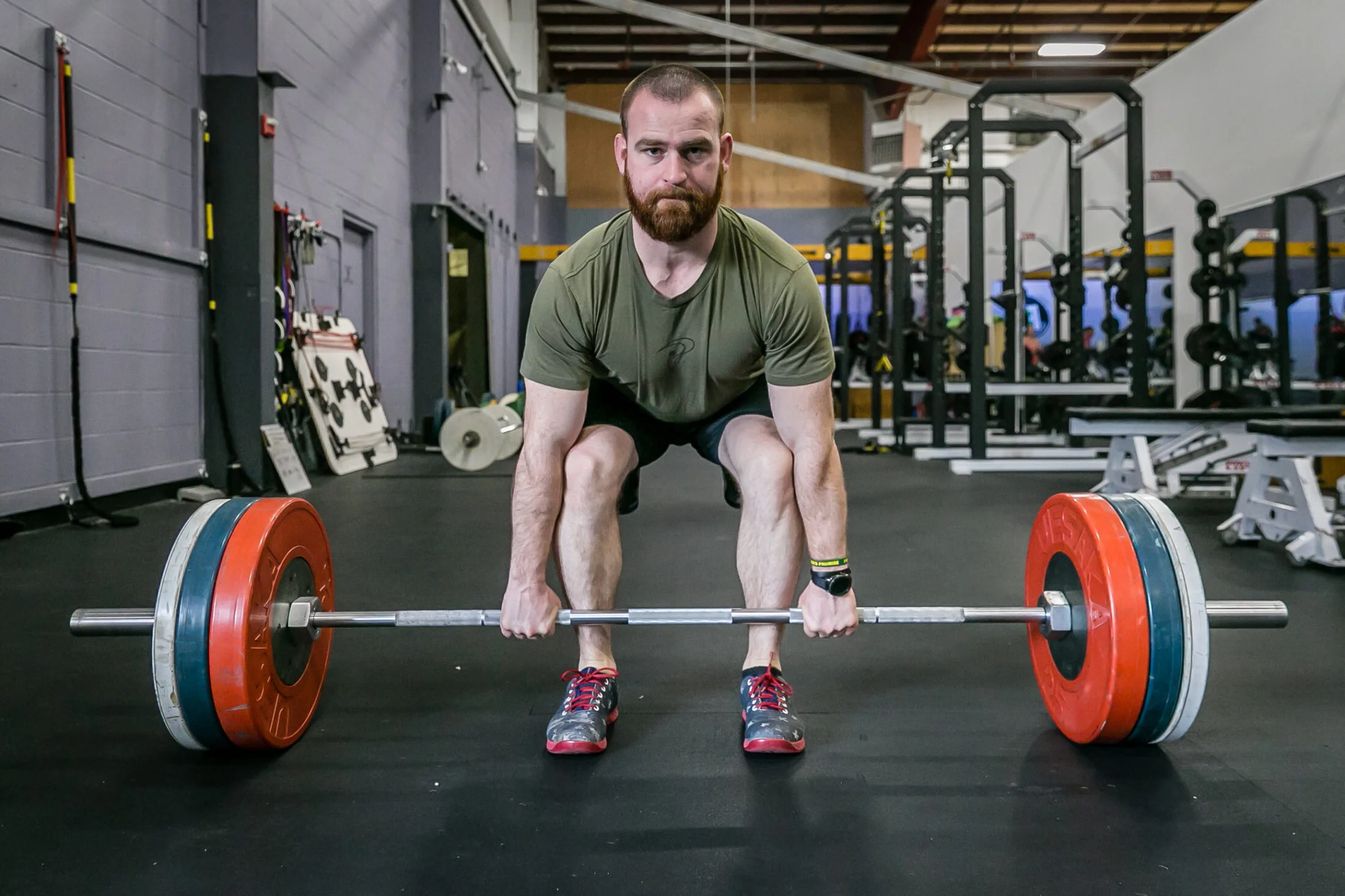
Measure more than sweat and exhaustion. Pick one cardiovascular marker, one sport- or gym-performance marker and one recovery marker. For example, track pace or bike watts during a standard interval, the performance of your first major lift and a simple one-to-ten rating of how recovered you feel before training. A month of improving interval outputs with stable lifting numbers is more informative than a single post-workout heart-rate screenshot.
Also watch for a pattern of falling performance across several sessions, unusually persistent soreness, disrupted sleep or the feeling that every easy workout has become hard. Those signals do not diagnose a specific problem, but they are reasons to reduce intensity, total volume or frequency. Sometimes moving one interval day farther from a difficult lifting session is enough. In other cases, keeping one moderate session and removing the second is the smarter decision.
People who are new to hard exercise, returning after illness, pregnant or managing cardiovascular or other medical conditions should obtain individualized professional guidance before adding maximal efforts. Even healthy experienced trainees benefit from a gradual build and equipment that allows controlled acceleration and stopping. Your first successful HIIT block should leave you able to train again next week, not proud of a single session that wrecked the rest of your program.
The takeaway from 18 studies is that targeted hard intervals can build aerobic capacity in trained athletes and may aid speed and agility; they are not a proven replacement for power training or a requirement to train to failure. Choose the smallest repeatable dose that improves your chosen outcome while keeping the rest of your training productive.
Cardio Shirts & Workout Gear
Cardio and conditioning gym gear for runners, endurance athletes and anyone who earns the sweat.

Shirt Hybrid Cycle Gear Run Trains Swim In Pussy T-Shirt
Heavy lifts, good laughs, and a little “for Hybrid Athletes” energy.

Cardio Is Calling You , Meme Top Answer Or Decline? T-Shirt
Make gym days more fun with “Cardio Is Calling You” style.

Negative Cardio Review Cardio Sucks Running , Meme T-Shirt
Heavy lifts, good laughs, and a little “Negative Cardio Review” energy.

Shirt – Cardio Is Hardio – & Gymbros T-Shirt
Show some cardio attitude with a playful “Cardio is Hardio” tee.

Anti Jogging Jogging Club Shirt – & Meme Top T-Shirt
Bring “Anti Jogging Jogging Club” humor to your next gym day.

Anti Rowing Rowing Club Shirt – Meme & Top T-Shirt
Show some cardio attitude with a playful “Anti Rowing Rowing Club” tee.

Skip Cardio Exit Cardio Meme Sweater Top T-Shirt
For laid-back days and cardio humor: “Skip Cardio”.

Straight Outta Shape – Out Of Shape Meme Vest Tank Top
Your gym-day look, with a playful “Straight Outta Shape” twist.

Everything Hurts And I'M Tired Motivation Hooded Hoodie
Stay casual and show some cardio attitude with “Everything Hurts And I'm Tired”.

Shirt – Don'T Quit Do It – Meme & Gains T-Shirt
Show some lifting attitude with a playful “Don't Quit Do It” tee.
Bottom line: HIIT can improve aerobic capacity in trained athletes, with pooled benefits for speed and agility but no clear significant jump or power advantage. Build the workload progressively, keep hard days recoverable and track actual performance.