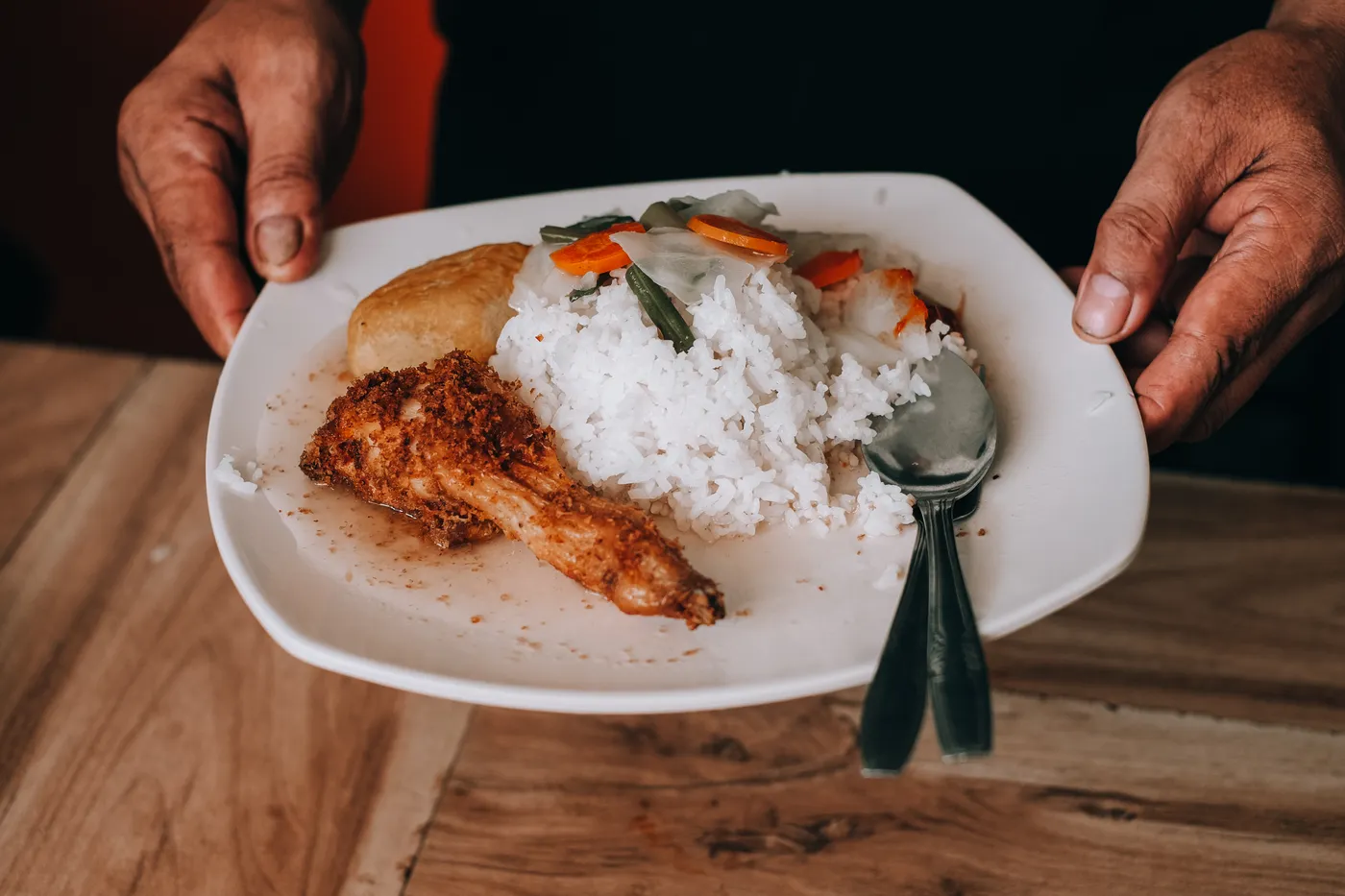
High protein cannot replace enough total food

When lifters diet, protein usually becomes the priority. That makes sense: adequate protein supports muscle maintenance, and protein-rich meals can make a calorie deficit easier to tolerate. But meeting a protein target does not guarantee that every other system has enough fuel. A randomized experiment published in October 2026 found that preserving protein during five days of severe energy restriction did not prevent changes in blood markers associated with bone remodeling.
This is not evidence that a normal moderate calorie deficit destroys your bones. The experiment deliberately created a large energy shortage and measured short-term biomarkers, not fractures or bone density. Its value is in challenging the simplistic idea that if protein is high, the rest of a diet can safely be pushed very low. Bones are living tissue, continually being rebuilt and renewed. Their response to a shortage of usable energy may differ from the response of muscle.
The practical question is not whether to abandon protein or avoid every fat-loss phase. It is how to keep training productive while eating enough total food, carbohydrate and fat to support the workload. A smart cut is a temporary, measured adjustment, not a contest to see how little someone can eat while still completing workouts.
What the 19-person crossover study actually tested
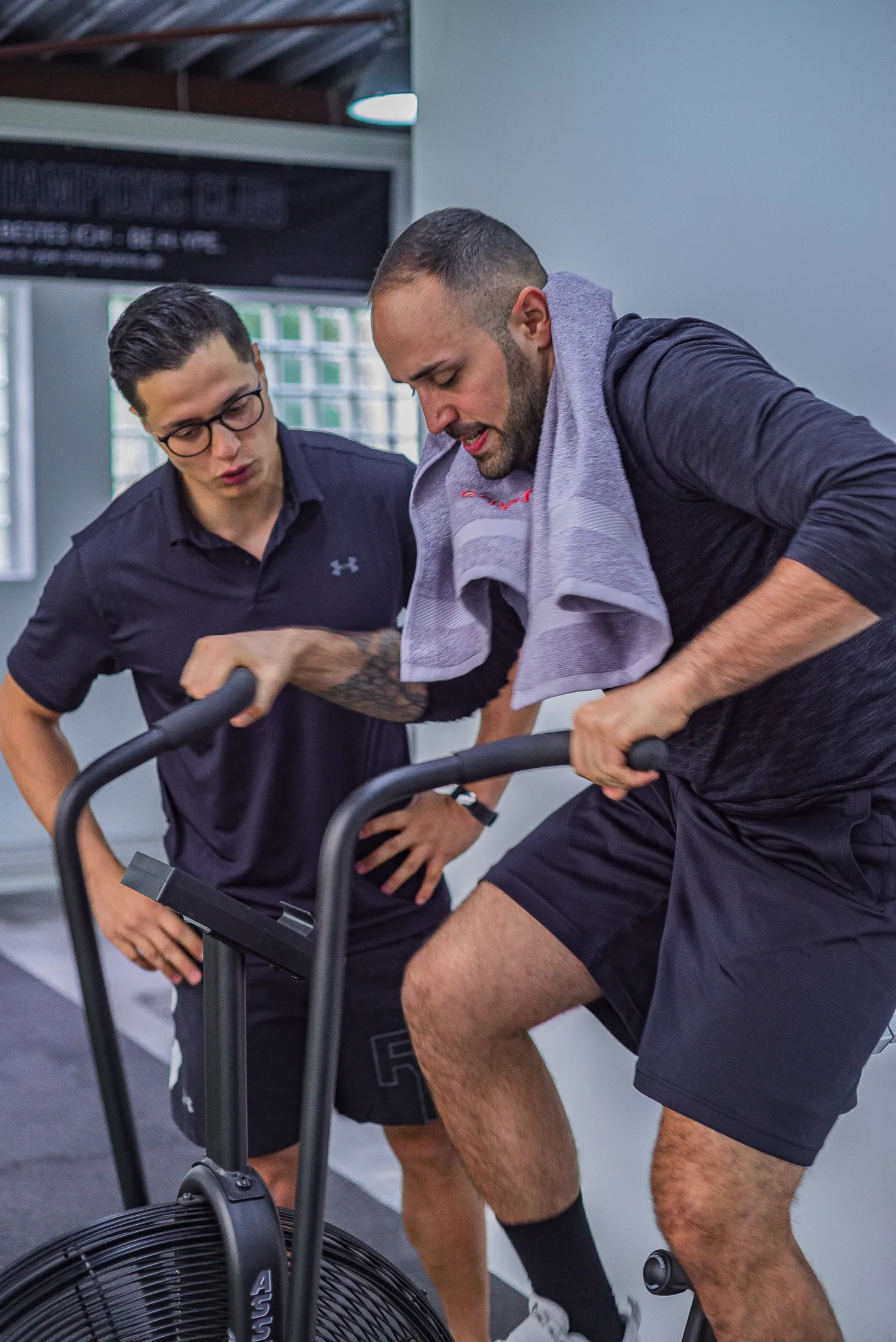
Nineteen healthy active adults participated: nine women and ten men. They were physically active but not elite athletes. Each completed three separate five-day dietary conditions in randomized order, with washout periods between them. Because the same people experienced each condition, the crossover design reduced some of the noise caused by individual differences.
The adequate-energy condition provided 45 kilocalories per kilogram of fat-free mass per day. Both restricted conditions provided only 15 kilocalories per kilogram of fat-free mass per day. One reduced protein, carbohydrate and fat proportionally. The other maintained protein at approximately 1.5 grams per kilogram of body weight daily, so carbohydrate and fat had to fall further to keep energy equally low. This distinction is central: the preserved-protein condition was not a test of adding protein while holding all other nutrients constant.
Researchers supplied meals and checked adherence. Participants completed standardized cycling followed by a short maximal Wingate effort on the first and fifth days. Blood samples were taken while fasting and around exercise and recovery. The main measures were P1NP, associated with bone formation, and CTX-1, associated with bone resorption. Several inflammatory signaling proteins were also examined.
This tight laboratory design provides a useful view of acute physiology. It does not replicate a full bodybuilding contest preparation or establish the ideal calorie deficit for every person. No participant was followed for months of dieting, and no long-term fracture outcome was measured.

Equipment Worth Exploring
Explore equipment, accessories and gear from our carefully selected range.
VOLTRA
Compact digital cable trainer with smooth, adjustable resistance.

Go-Tone Pro
Portable digital cable trainer with up to 66 lb (30 kg) of adjustable resistance.


FID Bench MAX
Adjustable bench offering flat, incline, and decline positions + adjustable headrest.


Bone-formation signals shifted in five days
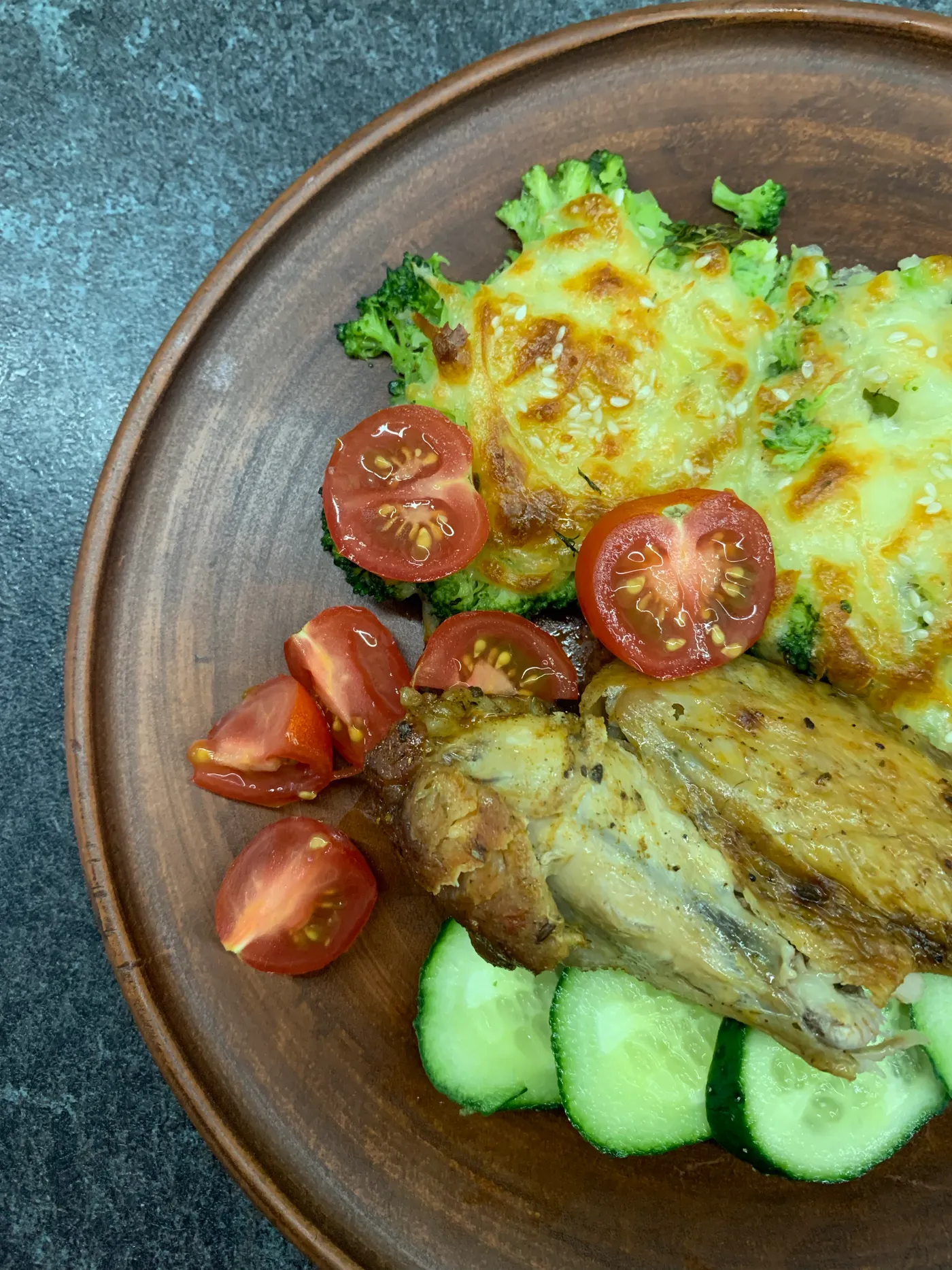
Compared with adequate energy availability, fasting P1NP was lower after both low-energy diets. That is consistent with a reduction in a biochemical signal associated with new bone formation. The change also remained evident during post-exercise recovery in the protein-preserved condition. Simply keeping protein intake up did not remove the observed response to the severe energy shortage.
CTX-1 produced a less uniform picture. The clearest increase appeared during post-exercise recovery in the preserved-protein restriction, while other comparisons were less convincing. Some inflammatory cytokines rose at particular time points during restriction. These signaling molecules have multiple jobs in the body, so a temporary rise is not automatically evidence of chronic inflammation, illness or injury.
Both bone markers can fluctuate with food intake, time of day, exercise and individual physiology. They are not direct measurements of bone mineral density. A five-day change in P1NP or CTX-1 cannot reveal how much bone a person has lost, whether their skeleton has become weaker or whether they will suffer a fracture. Those outcomes require longer observation and different methods.
Even with that qualification, the direction of the findings is relevant. When energy becomes scarce, the body may temporarily reduce investment in processes that are not immediately necessary. If such a shortage is repeated or prolonged, normal-looking strength numbers do not guarantee that every system is coping well.
Why keeping protein high did not solve the problem

Maintaining protein did not attenuate the measured bone-marker responses. Some changes were more consistently apparent in that condition. It would be wrong to conclude that protein itself damages bones. To hold calories at the same very low level while preserving protein, researchers had to reduce carbohydrate and fat more aggressively. The study cannot separate the effects of maintaining protein from the effects of removing more of those other nutrients.
Carbohydrate helps fuel demanding training and replenish glycogen. This matters for lifters who also run, cycle or perform repeated high-intensity intervals. Fat supplies essential fatty acids and supports absorption of fat-soluble vitamins. Neither nutrient is disposable just because a protein goal has been met. When a diet becomes highly restrictive, the combined shortage of total energy and other nutrients may be more important than any single macro target.
Earlier controlled research in a small group of men reached a similar broad conclusion: a high-protein diet did not cancel short-term bone-turnover changes during low energy availability. Another 2026 experiment in recreational female runners found that adding brief jumping exercises did not clearly reverse bone-marker changes during tightly controlled underfueling. These studies are small and not identical, but they discourage the assumption that one nutrient or one exercise can compensate for a major fuel shortage.
Protein remains useful for muscle. A substantial body of resistance-training research supports adequate daily intake. That evidence addresses a different question from whether protein can neutralize severe energy deficiency in bone tissue. The sensible approach is to protect protein intake without treating total calories, carbohydrate and fat as expendable.

Funny Gym Shirts & Workout Gear
Funny gym shirts, tanks, hoodies and workout gear for lifters who like training hard.

Bulking Season Bulk T-Shirt
Heavy lifts, good laughs, and a little “Bulking Season” energy.

Work Hard Eat Hard Bulk T-Shirt
Heavy lifts, good laughs, and a little “Work Hard Eat Hard” energy.


Protein Monster – Protein Lovers, & Bros – Meme T-Shirt
Heavy lifts, good laughs, and a little “Protein Monster” energy.

I Workout for Cookies Tee
Heavy lifts, good laughs, and a little “I Workout So I Can Eat Cookies” energy.

Lift Eat Repeat – Weightlifting & – Meme Bros & T-Shirt
Make gym days more fun with “Lift Eat Repeat” style.


Bro – Protein Tub Meme , & Fans – Protein T-Shirt
Bring “Gym Bro” humor to your next gym day.

Wheyhalla Viking Protein – Meme Lovers, & Gains – Top T-Shirt
Heavy lifts, good laughs, and a little “Wheyhalla Viking Protein” energy.

Protein Power Cereal Tee
Heavy lifts, good laughs, and a little “Protein Power Cereal” energy.
What the trial cannot prove about a sensible cut

The participants were young, healthy and active, and the sample was small. Sixteen completed every experimental visit. Each restriction lasted only five days. These limits matter when applying the findings to older adults, people with osteoporosis, competitive physique athletes or anyone dieting for several months. The study cannot establish a safe deficit for every individual, a universal protein requirement or future fracture risk.
Energy availability is not the same as calories eaten. Researchers define it as the energy remaining after exercise expenditure relative to fat-free mass. Two people eating the same amount can have different energy availability if one trains far more. There is also no single number that diagnoses relative energy deficiency in sport. The severity and duration of restriction, health history, training demand and individual sensitivity all affect risk.
Sports-medicine guidance distinguishes brief adaptable reductions in energy availability from prolonged or severe underfueling that disrupts health and performance. Warning signs can include unusual fatigue, poor recovery, recurrent injury, menstrual changes, low libido, repeated illness and a persistent decline in training output. Any one sign can have many explanations, but a pattern deserves attention.
People with a history of stress fractures, diagnosed low bone density, disordered eating or other medical risk factors should seek individualized guidance rather than copying an aggressive cut. The useful takeaway is not fear of fat loss. It is respect for the difference between a planned, tolerable deficit and a persistent shortage of fuel.
Fuel the training week rather than chasing the lowest calories

Start by understanding what your normal intake and activity look like, then make a measured adjustment rather than crash dieting. Review the trend over several weeks, not a single morning weigh-in. Body weight fluctuates with glycogen, hydration, sodium and food volume. If performance, sleep and mood deteriorate as the scale falls, the deficit may be too demanding even if the weekly average looks impressive.
Keep protein distributed across regular meals. Eggs, dairy, poultry, fish, legumes, soy foods and protein supplements can all contribute. Include carbohydrate around demanding workouts, particularly when lifting is combined with running, cycling or intervals. Add dietary fats, fruits, vegetables and calcium-rich foods. A protein powder can be convenient when meals fall short, but it is not a substitute for enough total food or a varied diet.
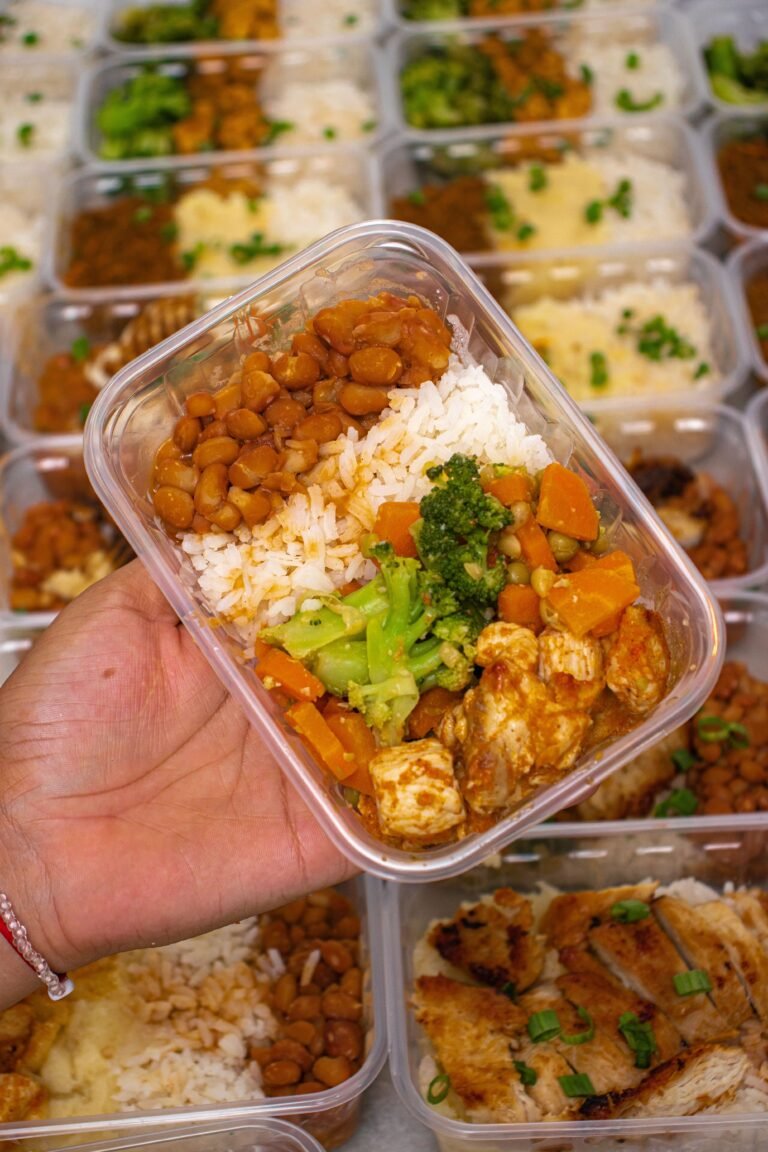
A training day might include breakfast with protein and oats, lunch with chicken or beans and rice, a snack before a hard workout if needed, and dinner with protein, vegetables, starch and some fat. The exact menu should reflect preferences and tolerance. The goal is repeatable fueling that supports the work being done, not rigid adherence to a single meal template.
A useful weekly audit asks whether you are recovering between sessions, whether main lifts remain broadly stable, whether food variety is adequate and whether the pace of weight loss is compatible with normal daily functioning. If several answers turn negative, increasing food or reducing training stress may be more productive than adding another supplement. Anyone concerned about low energy availability or bone health should consult a qualified clinician or sports dietitian.
Equipment Worth Exploring
Explore equipment, accessories and gear from our carefully selected range.


Power Tower
Freestanding pull-up and dip station with adjustable handles for bodyweight training.

GymPin Squat Wedges
Non-slip 15-degree squat wedges help elevate the heels for deeper quad-focused squats.
Keep resistance training productive during fat loss
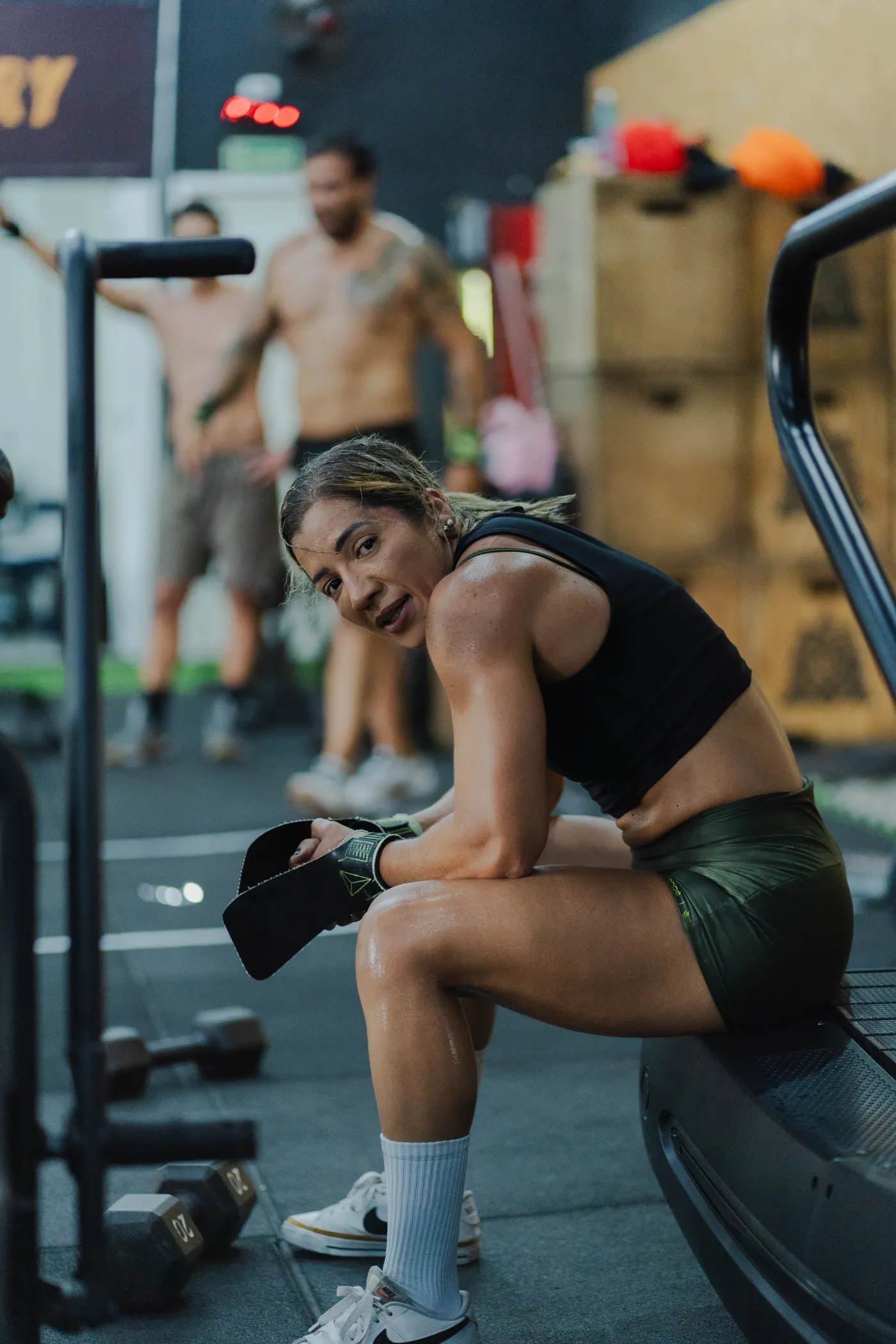
During a cut, resistance training should maintain a strong, consistent stimulus for muscle and strength, not become an exhaustion contest. Two well-organized full-body sessions can be a reasonable starting point for someone who also enjoys endurance activity. Experienced lifters can keep their established frequency while monitoring recovery and trimming unnecessary volume when needed.
Session A: squat or split squat for three sets of six to ten repetitions; bench or dumbbell press for three sets of six to ten; row for three sets of eight to twelve; and a calf or core accessory for two sets. Session B: Romanian deadlift for three sets of six to ten; pulldown or assisted pull-up for three sets of eight to twelve; incline press for two or three sets; and a lunge or step-up for two sets per side. These are examples, not individualized medical prescriptions.
Keep most working sets around one to three repetitions shy of failure and rest enough to preserve clean technique. Low-intensity walking or cycling can maintain activity without turning every day into a maximal session. If endurance training becomes demanding, fuel it rather than assuming the extra expenditure can simply be subtracted from meals without consequences.
After four weeks, review loads, repetitions, soreness, sleep and energy alongside the weight trend. A little fluctuation is normal; a sustained decline across several lifts together with fatigue is a reason to reassess. The lesson from the new experiment is straightforward: protein is one part of recovery, while adequate overall energy supports the larger system. Train hard enough to retain your gains and eat enough to make that training sustainable.
Bodybuilding Shirts & Workout Gear
Bodybuilding shirts, tanks and gym gear for lifters chasing muscle, size, symmetry and the pump.

Bear Protein Bear Meme , & Bros Hilarious T-Shirt
Heavy lifts, good laughs, and a little “Gym Bear Protein Bear” energy.

Deadlift Lovers – Grim Reaper Skeleton , Bros & Leg T-Shirt
Rep “Deadlift Lovers” humor in and out of the gym.

Motivation – Squats & Booty Builder Leg Day – Strong T-Shirt
Bring “Gym Motivation” humor to your next gym day.

Off Season Rest Day – Meme , Gymbro, – Relaxing T-Shirt
Show some lifting attitude with a playful “Off Season Rest Day” tee.

Legday Gains Squats & Deadlifts , Top & Bros T-Shirt
Bring “Legday Gains” humor to your next gym day.

Break the Stereotype Tee
Show some gym-girl attitude with a playful “Break The Stereotype Gym Girl” tee.

Meme – Free Protein Gymbro – Humor Top & Gains T-Shirt
Heavy lifts, good laughs, and a little “Free Protein Gymbro” energy.

Patriotic – I Want You To Eat Your Damn Protein T-Shirt
Bring “Patriotic” humor to your next gym day.

Rest Day Sloth – Essential T-Shirt
Show some bodybuilding attitude with a playful “Rest Day Sloth” tee.

Weights & Protein Shakes Tee
Bring “Heavy Weights and Protein Shakes” humor to your next gym day.