Two lifters can train the same movement with very different weights. One uses heavy sets of five; the other performs controlled sets of fifteen. Both may get stronger and build muscle, but their tendons do not necessarily respond in lockstep with their quadriceps, chest or back. That distinction matters if your goal is a stronger body that remains useful outside the gym.
A 2026 investigation comparing higher- and lower-load resistance training reported different patterns of skeletal muscle growth while finding broadly similar changes in measured tendon morphology. The headline is interesting, but it should not be mistaken for proof that load never matters to tendon health, or that a lighter set provides exactly the same mechanical stimulus. The practical question is how to choose loads, repetitions and progression without treating every tissue as if it adapts on the same schedule.
Muscle and tendon do different jobs under the same weight
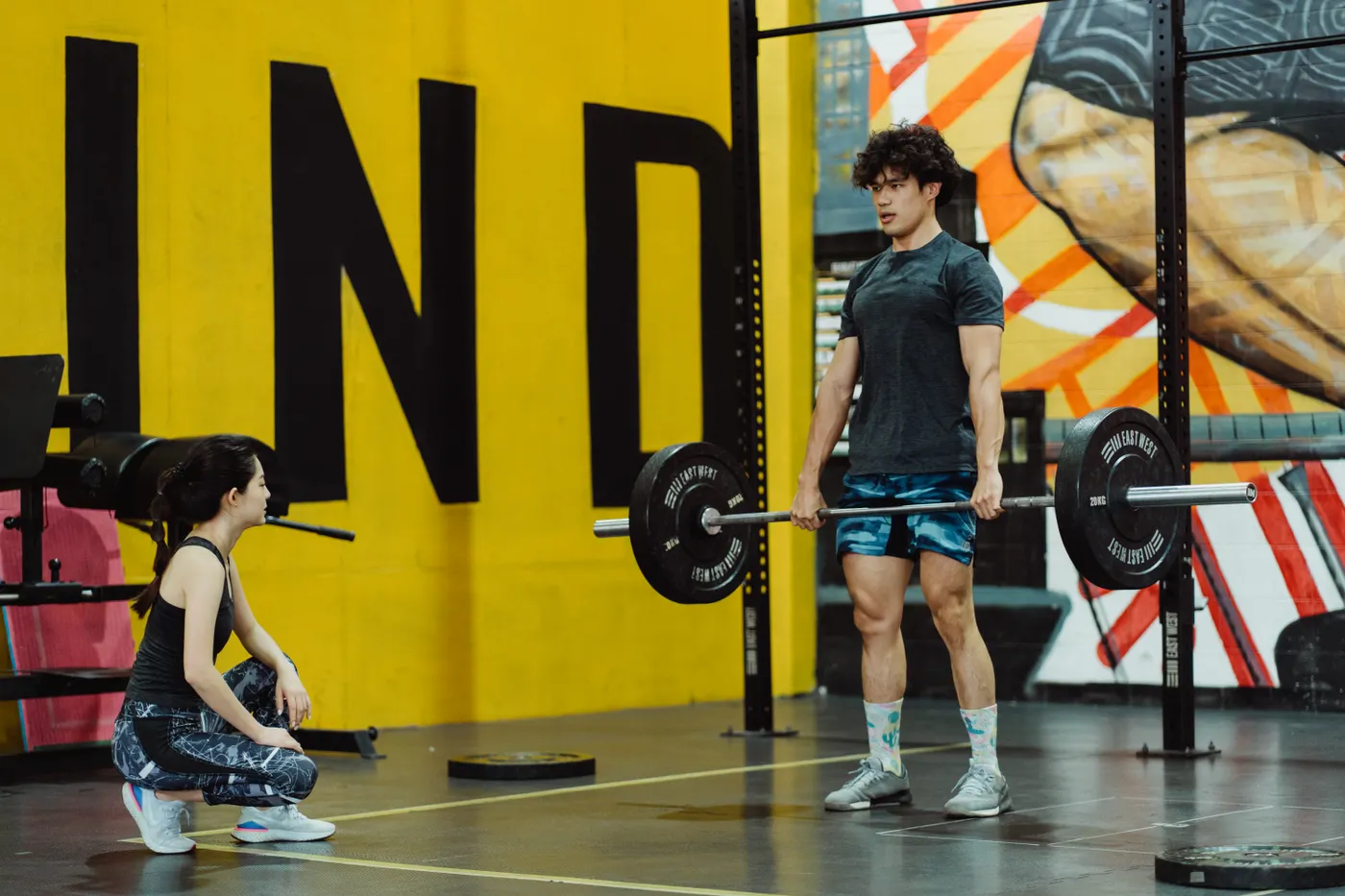
Muscle creates force by contracting. Tendons transmit that force to bone and help store and return elastic energy. During a squat, the quadriceps and glutes generate the effort that moves the bar, while tendons at the knee and hip participate in transferring and managing that force. They work together, but they are not interchangeable structures.
Muscle size can change with training because fibers add contractile material and supporting structures. Tendon adaptation can involve stiffness, material properties, cross-sectional dimensions and how the tissue behaves under load. A study measuring tendon thickness or cross-sectional area is therefore not measuring every aspect of tendon function. Two programs could yield similar structural measurements yet differ in loading tolerance or mechanical stiffness. Equally, an unchanged measurement does not prove that no adaptation occurred.
It is also worth separating load from effort. A light weight taken close to failure can recruit substantial muscle activity as fatigue accumulates. A heavy weight produces high force from the beginning of a set. Both can challenge muscle, but the timing and magnitude of tissue stress are not identical. Tendons experience force through the movement, not through the number printed on a dumbbell alone.
For home-gym programming, this means a productive week can include several loading zones. Heavy work is useful for practicing high-force production; moderate work offers repeatable volume; lighter work can train control and tolerate higher repetitions. None of those categories should be declared universally superior for every muscle and tendon.
What the 2026 comparison actually establishes
The new research directly compared high- and low-load resistance training and examined skeletal muscle growth alongside tendon morphology. Its central finding, reflected in the published report, was that the loading conditions produced distinguishable muscle-growth responses while changes in tendon morphology were similar. That is a narrower statement than the popular claim that tendons respond identically to every training program.
Several details matter when interpreting this kind of experiment. First, the exact exercises, sets, repetitions, proximity to failure and training duration shape the total stimulus. If one group performs more repetitions and the other uses more weight, their weekly volume and time under tension may differ. Second, ultrasound or other imaging can capture a structural dimension without telling the whole story about tendon stiffness, pain or injury risk. Third, the participants’ training history matters. Beginners often change rapidly in ways that experienced lifters do not.
Most importantly, an absence of a clear difference in one tendon outcome is not proof of equivalence. To demonstrate that two programs are genuinely interchangeable, researchers need sufficiently precise estimates and an explicit definition of how small a difference counts as practically irrelevant. A result that fails to distinguish two groups can reflect similar effects, limited measurement sensitivity or an underpowered comparison.
So the defensible takeaway is modest: muscle hypertrophy and measured tendon morphology need not move in parallel across loading conditions. The result adds to the case for assessing more than muscle size when designing long-term strength programs. It does not justify a blanket rule to avoid heavy training, and it certainly does not show that very light exercise prevents tendinopathy or repairs an injured tendon.
For an everyday lifter, the finding encourages a broader training dashboard: track performance, tolerable workload, technique and symptoms instead of treating a single muscle-growth measurement as a complete picture of adaptation.

Equipment Worth Exploring
Explore equipment, accessories and gear from our carefully selected range.
VOLTRA
Compact digital cable trainer with smooth, adjustable resistance.

Go-Tone Pro
Portable digital cable trainer with up to 66 lb (30 kg) of adjustable resistance.


FID Bench MAX
Adjustable bench offering flat, incline, and decline positions + adjustable headrest.


GymPin Squat Wedges
Non-slip 15-degree squat wedges help elevate the heels for deeper quad-focused squats.

Why heavy sets and lighter sets can both have a place
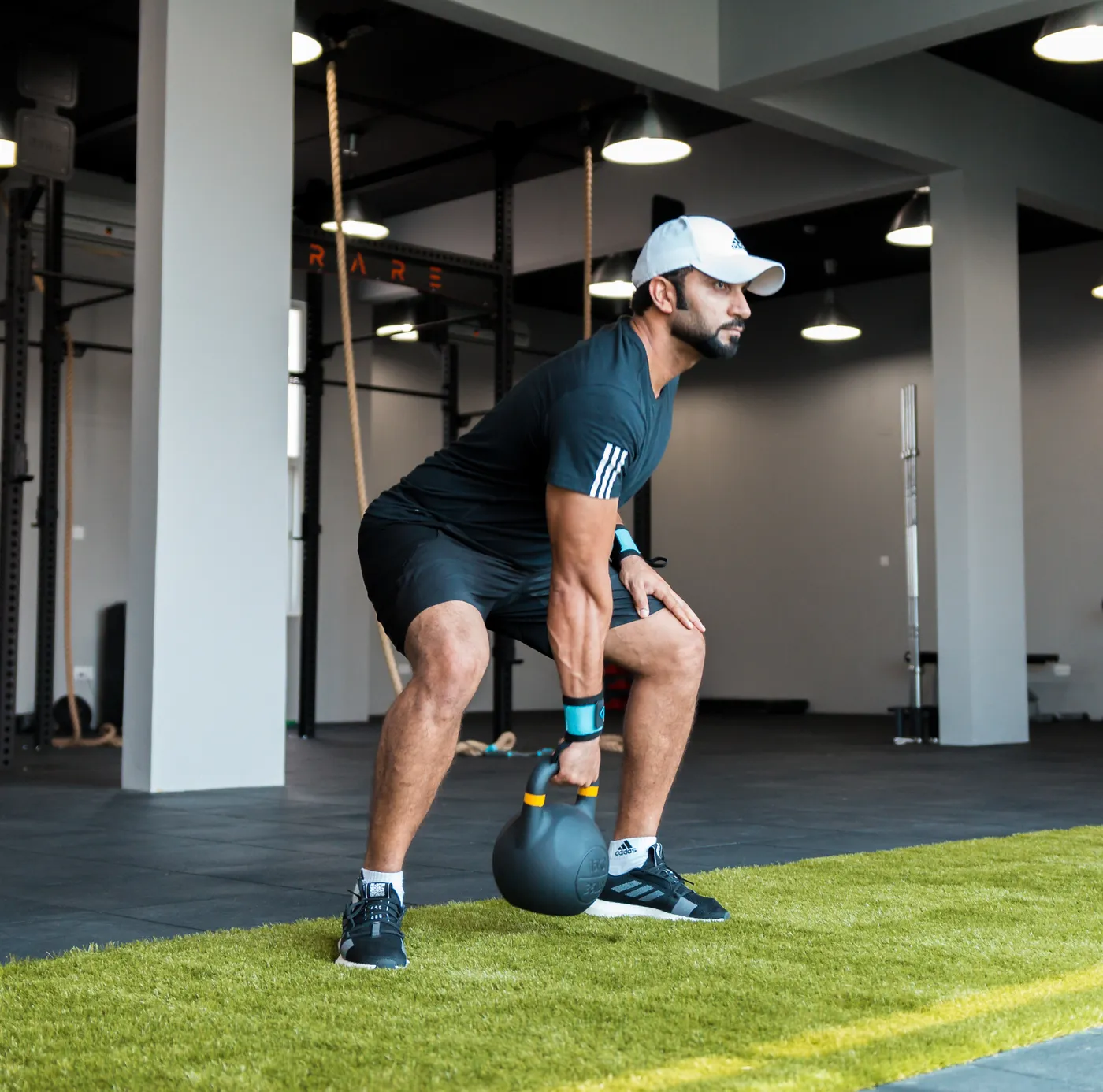
Heavy resistance training is highly specific to lifting heavy weights. Repeated practice with substantial loads develops skill at producing force against substantial resistance. Lighter training performed with enough effort can still stimulate muscle growth, but a set of twenty is not the same skill as a technically consistent set of three. If your target is a stronger squat, you need at least some appropriately heavy squat practice over time.
On the other hand, using only maximal or near-maximal loads can make it difficult to accumulate recoverable work. Moderate and lighter sets let you practice controlled movement, add training volume and target muscles with less absolute weight. They can be especially useful for accessory exercises, periods of fatigue and equipment with a limited load range.
That does not make lighter work automatically easy on every joint or tendon. A set performed close to failure can involve many repeated tendon-loading cycles and substantial local fatigue. Conversely, a heavy set of a few well-controlled repetitions may involve fewer cycles but higher peak force. The better choice depends on the exercise, the person and the current goal.
For example, a home-gym trainee could use a heavier squat or leg-press variation for three sets of five to eight, then a controlled split squat for two sets of ten to twelve. A row might be trained once with a challenging six-to-eight-repetition load and again with a lighter twelve-to-fifteen-repetition set. Those are programming examples, not a direct replication of the research.
The principle is to combine adequate mechanical challenge with manageable total stress. If you add load, repetitions, range of motion and frequency simultaneously, you lose the ability to tell which change your body is responding to. Progress one variable at a time whenever possible.

Powerlifting Shirts & Lifting Gear
Powerlifting shirts and gym gear for squat, bench and deadlift lifters who live for heavy numbers.

Deadlift Skull Graphic , Hardcore Gym Shirt, Leg Day Gi T-Shirt
Show some leg-day attitude with a playful “Deadlift” tee.


Deadlift Post-Apocalyptic Skull Graphic , Hardcore Leg T-Shirt
Show some leg-day attitude with a playful “Deadlift” tee.

Deadlift Electric Skull Graphic , Hardcore Gym Shirt Le T-Shirt
Make gym days more fun with “Deadlift” style.

Deadlift Stone Skull Gym Shirt for Powerlifters, Hardco T-Shirt
Show some deadlift attitude with a playful “Deadlift” tee.

Deadlift Military Skull Gym Shirt for Powerlifters, Har T-Shirt
Show some deadlift attitude with a playful “Deadlift” tee.


Bending Bars Meme – Barbell Squat Bench Deadlift, & T-Shirt
Heavy lifts, good laughs, and a little “Bending Bars Gym Meme” energy.

Bootybuilder Gym Girl Funny Workout T
Show some gym-girl attitude with a playful “Bootybuilder Gym Girl” tee.

Gym Thou Art Not Yet Ripped Medieval Knight Deadlift Bo Tank Top
Bring “Thou Art Not Yet Ripped Medieval Knight” humor to your next lifting session.
Tendon size, stiffness and pain are not the same outcome
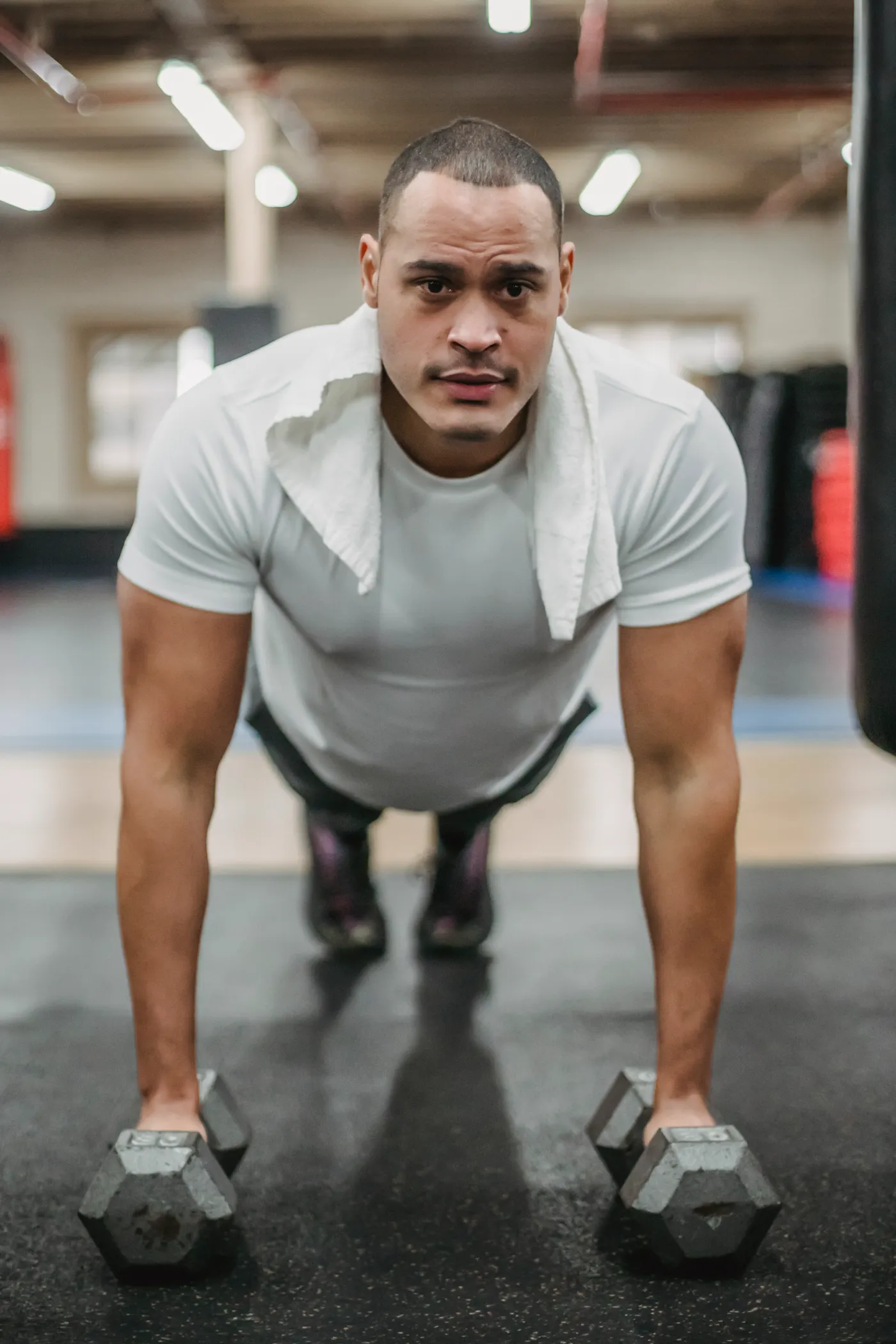
Tendons are often discussed as if they are simple cables that get thicker when training works. In reality, structure, stiffness, strain and clinical symptoms are different properties. A thicker tendon is not automatically a healthier tendon, just as a painful tendon is not necessarily weak or structurally damaged in the way a lifter might imagine.
Tendon stiffness describes how much a tendon elongates under a given force. That behavior may change even when a basic size measurement changes little. Pain is more complicated still: it is influenced by loading history, tissue sensitivity, recovery, sleep and other factors. Imaging alone cannot establish why a particular person’s knee or elbow hurts.
Other resistance-training research has compared loading methods in older adults and found that distinct protocols can improve strength while imposing different mechanical and metabolic demands. Studies using accentuated eccentric loads, where the lowering phase is heavier than the lifting phase, show why the stimulus can become more demanding without automatically producing superior long-term muscle or strength outcomes. A 2026 synthesis of 49 studies involving 773 participants reported greater perceived effort and some acute physiological responses with eccentric overload, but no clear overall advantage for chronic strength or muscle-architecture outcomes over constant-load training.
Those findings should temper the idea that the most intense possible eccentric phase must be the best choice for tendons. More stimulus is not the same as more useful adaptation. Specialized eccentric overload may be valuable in a controlled program, but it also introduces fatigue and setup requirements. Ordinary lifters can make excellent progress with conventional resistance exercises.
If a tendon is already painful, an evidence-informed rehabilitation plan is a separate matter. Do not interpret a muscle-growth study as a prescription to train through persistent pain. A clinician can assess symptoms, function and the appropriate progression for the affected tissue.
A four-week home-gym plan using more than one loading zone
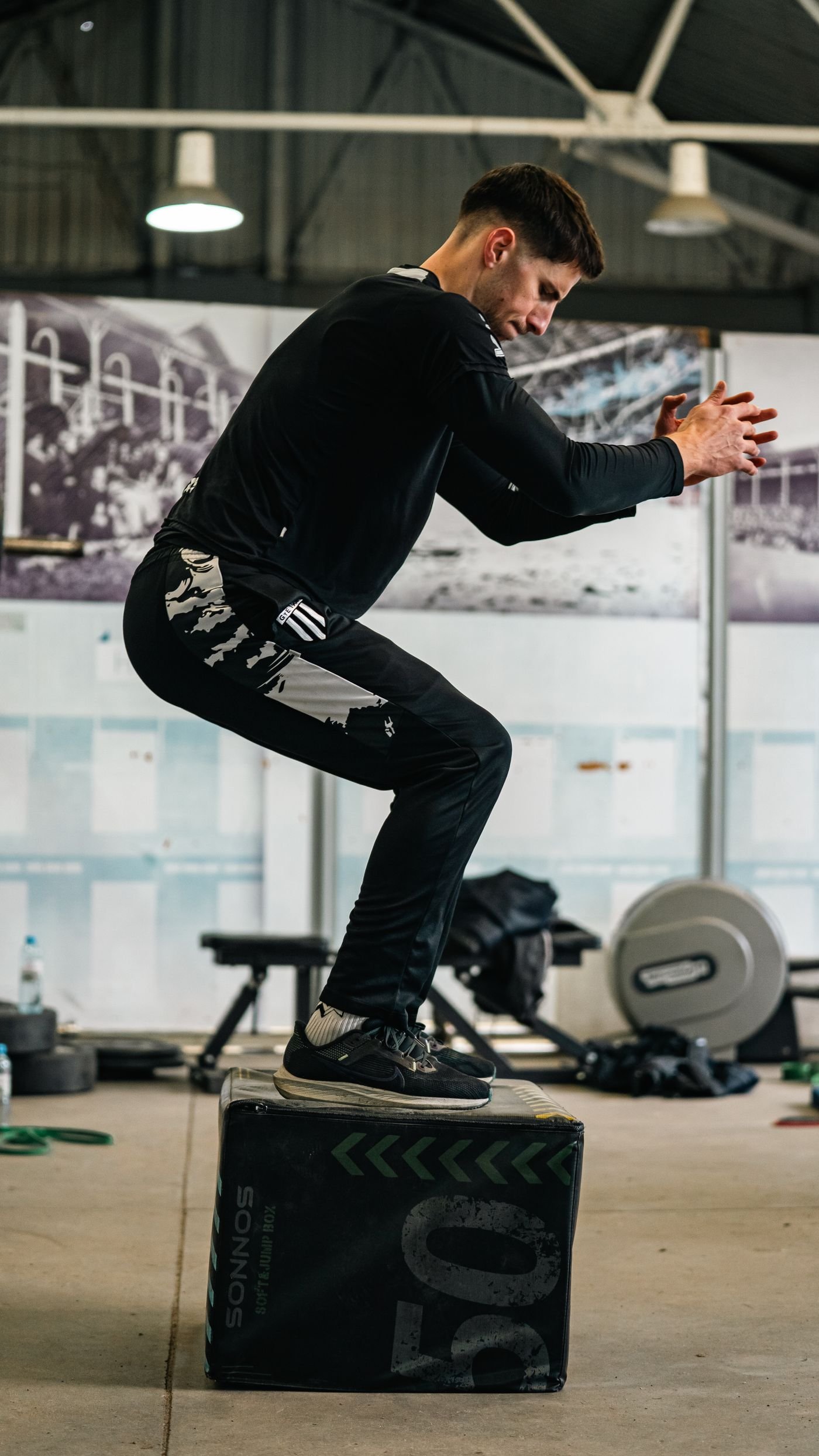
The following plan is a practical illustration for a generally healthy adult with basic lifting technique. It is not the study protocol, a tendon rehabilitation treatment or a promise of measurable tendon remodeling in four weeks. The goal is to organize useful strength work without turning every session into a maximum-effort test.
Schedule: train twice per week with at least one rest day between sessions. On Day A, perform a squat or leg press, a horizontal press, a row and a calf raise. On Day B, use a hinge, a split squat or step-up, a vertical pull and a controlled carry. Choose a stable rack, bench, dumbbells or cable machine appropriate to your space and experience.
Week 1: establish repeatable technique. Use two or three sets of six to ten on primary lifts, then two sets of ten to fifteen on accessories. Stop most sets with two or three good repetitions remaining. Record the load, repetitions, range of motion and any discomfort. The first week is a baseline, not a contest.
Week 2: add small amounts of work. If the previous week’s sets were controlled and recovery was normal, add one repetition to a few sets or a modest load increment. Keep your exercise selection consistent. A beginner who changes six movements every session makes progression harder to judge.
Week 3: practice one heavier exposure. On one primary exercise each day, use a slightly heavier load for three sets of five to seven while maintaining stable technique and avoiding grinding. Keep the remaining accessories in the moderate-repetition range. This adds high-force practice without turning the whole workout into heavy singles.
Week 4: consolidate rather than chase fatigue. Repeat the week-three loads where appropriate, aiming for cleaner or more consistent repetitions. If soreness or joint irritation has accumulated, reduce sets by roughly a third for several sessions. Compare your training log to week one: look for improved control, performance and tolerance rather than trying to infer tendon thickness from how a workout feels.
For experienced lifters, the loading percentages and volumes can be adjusted. For anyone returning from a layoff, the simplest progression is usually the safest one: begin below your previous best, leave repetitions in reserve and build over multiple weeks.
Equipment Worth Exploring
Explore equipment, accessories and gear from our carefully selected range.





Safety Squat Handles
Barbell squat handles that reduce shoulder positioning demands during high-bar squats.

Squat Harness
Wearable harness for hands-free cable squats, sled work, and lower-body training.


How to progress without confusing soreness with adaptation
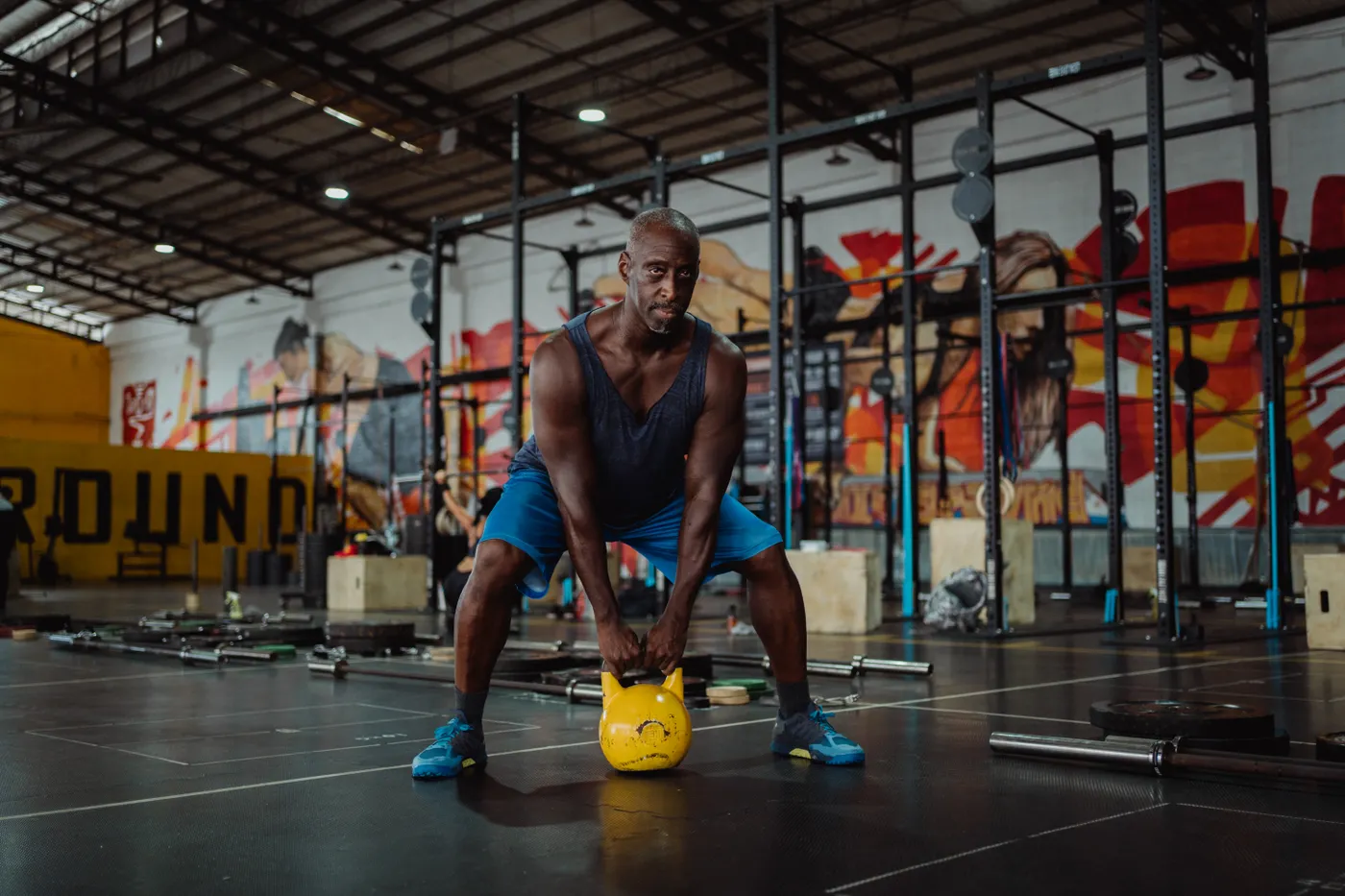
Some muscle soreness after an unfamiliar exercise is normal, but soreness is not a reliable score for muscle growth or tendon improvement. The most productive training week is not necessarily the one that hurts the most. A hard session may feel satisfying while leaving you unable to perform your next planned session well.
Track three categories of feedback. First, performance: did your load, repetition quality or range of motion improve? Second, recovery: are you ready for the next session without unusually persistent fatigue? Third, tolerance: do the same movements remain comfortable during and after training? Those observations cannot diagnose tendon pathology, but they can reveal when a progression is too aggressive.
Increase difficulty gradually. An extra set of split squats adds repetitions, balance demands and time under tension. A deeper squat changes joint angles and the tissue forces involved. A heavier eccentric on a digital resistance machine changes loading during the lowering phase. Each is a meaningful change even if the exercise name stays the same.
Be especially cautious with heavy eccentric-only repetitions, sudden jumps in running or jumping volume, and unfamiliar exercises performed to failure. Tendons may be exposed to forces that are difficult to estimate by perceived effort alone. Use safeties and appropriate supervision when a bar cannot be lifted back up after a heavy lowering phase.
Persistent focal tendon pain, swelling, loss of function or pain that worsens across sessions warrants individualized assessment. For ordinary training, a sensible progression beats chasing an imagined biological shortcut. You cannot feel collagen remodeling directly, and a temporary pump does not reveal what happened to a tendon.
Leg Day Shirts & Workout Gear
Leg-day gym shirts and workout gear for lifters who never skip squats, lunges and lower-body punishment.

Muscle Mommy Gym – Peach Booty Training Muscle Shirt fo Tank Top
Bring “Muscle Mommy” humor to your next lifting session.


Deadlifts & Dragons Fantasy Swoleplaying Meme & D&D T-Shirt
Bring “Deadlifts & Dragons” humor to your next gym day.

Santa Quads Is Coming To Town Shirt – Leg Day Fitmas T-Shirt
Bring “Santa Quads Is Coming To Town” humor to your next gym day.

Leg Day Wanna Play? Horror – Chucky Meme T-Shirt
Heavy lifts, good laughs, and a little “Leg Day Wanna Play? Funny Horror” energy.


This Princess Levels Up Shirt Princess Peach Booty T-Shirt
Make gym days more fun with “This Princess Levels Up” style.

American Peach Shirt Booty 4th Of July Leg Day Gains T-Shirt
Make gym days more fun with “American Peach” style.

Booty Out Of This World – Girl Alien Meme Leg Day & T-Shirt
Show some gym-girl attitude with a playful “Booty Out of This World” tee.

Trap Bar Deadlift Behold Thee Trap Bar Medieval Knight Sticker
Give your everyday gear a playful “Trap Bar Deadlift” twist.
The real lesson: build a stronger system, not just bigger muscles
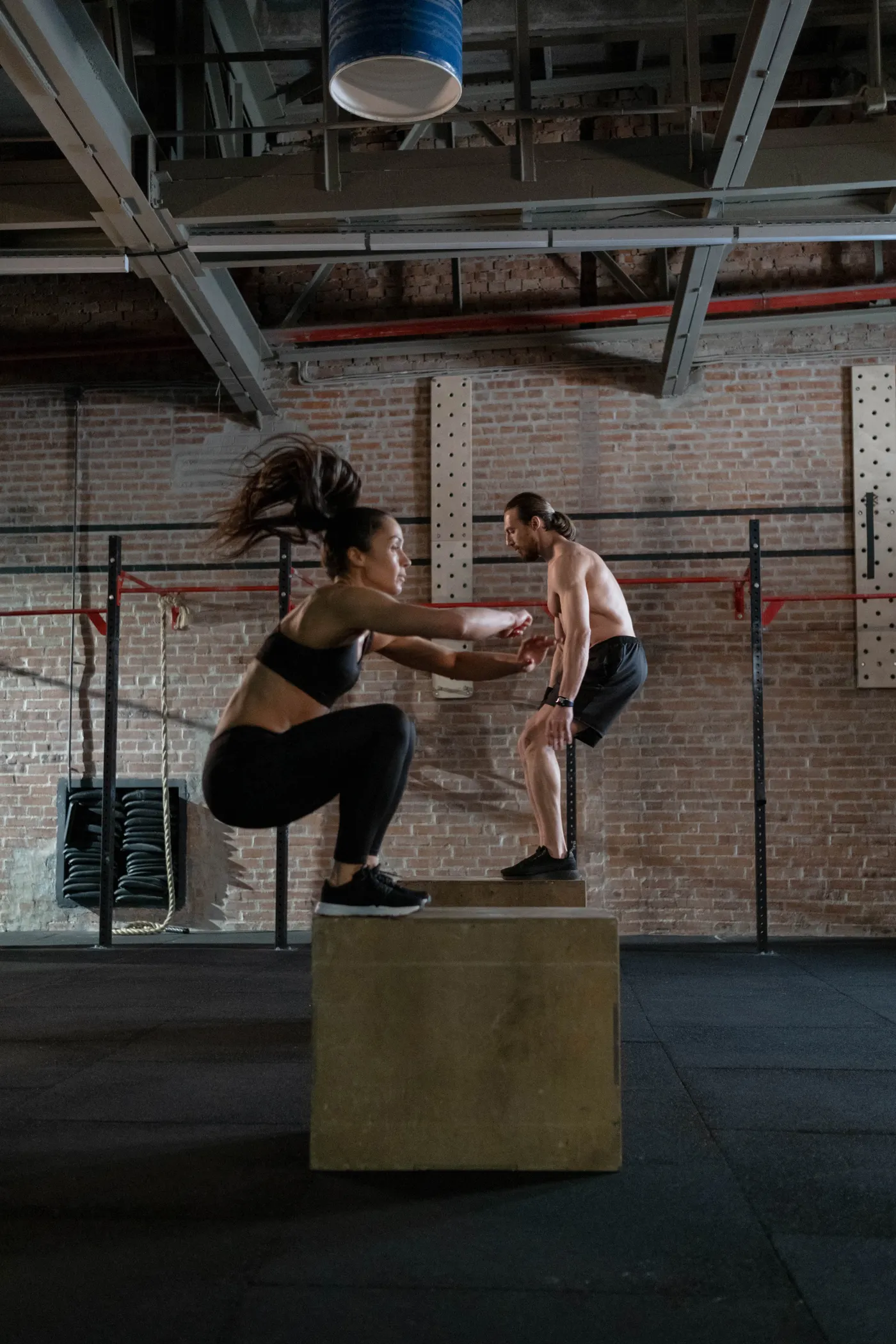
The most useful aspect of the 2026 load-comparison research is that it asks lifters to think beyond one outcome. Muscle size is valuable, but strength, movement skill, connective-tissue function and long-term training consistency are not reducible to the same number. A program can make your quads bigger without answering every question about how your knee tolerates repeated loading.
That is why a sensible home-gym setup does not need to revolve around one magical rep range. Heavy-enough loading teaches high-force production. Moderate sets accumulate productive work. Lighter accessories can support movement quality and allow training around equipment limits. The correct combination is the one you can progress while maintaining technique and recovering for the next session.
Nor does the study establish that every tendon responds the same way. Achilles, patellar and upper-body tendons operate under different tasks and loading histories. Training status, age and previous injury can change what a useful progression looks like. A short study with a specific exercise cannot settle all of those questions.
If your objective is muscle growth, track repeated performance and sufficient effort across the week. If it is maximal strength, include specific practice with challenging loads. If it is durable movement, give recovery and gradual workload progression the same attention as the numbers on the bar. When symptoms appear, investigate them rather than guessing from a study headline.
The best result is not a single impressive workout. It is a routine that produces meaningful progress for months and years. Muscle and tendon may adapt differently, but you train them as parts of the same body. Respect that relationship and you can build a program that is both ambitious and sustainable.