Advertising disclosure: This page includes affiliate product links that may earn us a commission, as well as products from our own store.
A compact dumbbell shoulder workout does not need a crowded exercise list. This practical 20-minute plan targets pressing strength, side-delt work and rear-shoulder development with a repeatable schedule, realistic rest and a progression strategy.
What a 20-minute shoulder session can actually achieve
Twenty minutes is enough for a useful shoulder workout, but it is not a magic time threshold. The relevant question is whether those minutes contain challenging, controlled repetitions and enough recovery to keep the important sets productive. A short session with several deliberate sets beats a longer session spent constantly switching movements, but an abbreviated schedule does not automatically produce the same weekly training volume as a full shoulder-focused day.
The deltoid has anterior, lateral and posterior regions with different lines of pull. Overhead pressing generally gives the front delts and triceps substantial work; raising the arms out from the body emphasizes the middle delts, and moving the upper arms out and back from a hinged or supported position helps target the rear delts. No single dumbbell movement covers all three regions equally well. The aim is not to isolate every fiber but to give the week a sensible combination of pressing and raises.
Here is the efficient strategy: spend the first few minutes checking that your shoulders tolerate movement, make one press variation your hard compound lift, then use a lighter pair of dumbbells for lateral and rear-delt work. That creates several distinct training stimuli without seven overlapping exercise variations. Lifters already benching or pressing heavily elsewhere may need less direct front-delt work and more attention to the lateral and posterior portions.
An important caveat: the plan below is an example, not a clinical prescription or a controlled trial of a particular 20-minute routine. If each working set is too easy, the clock alone delivers little. If you sprint through heavy sets and your technique falls apart, the clock is hiding fatigue rather than making training efficient.
Three minutes to prepare the shoulders and find a comfortable range
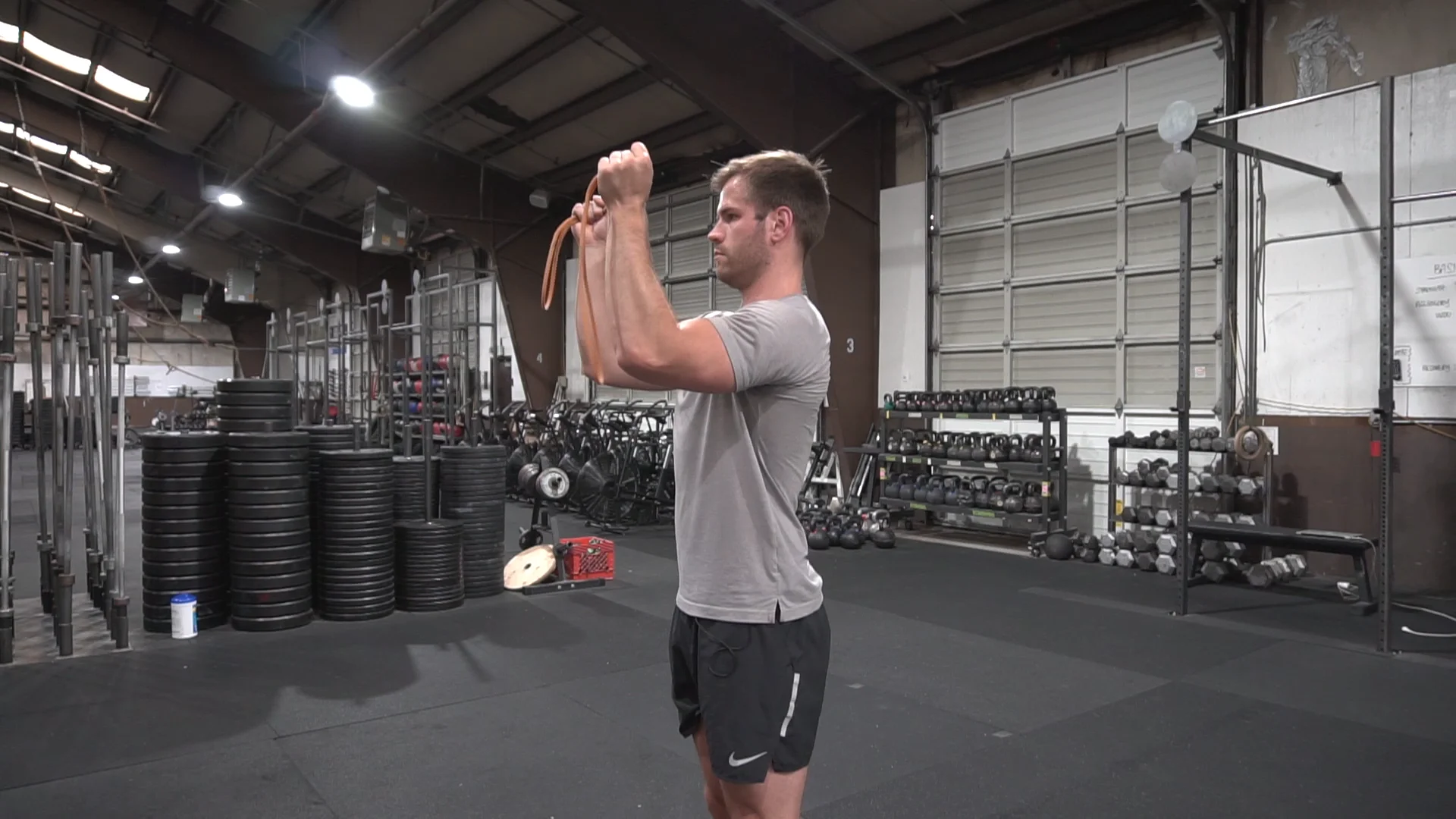
Start with ninety seconds of relaxed shoulder circles, shoulder-blade movement and unloaded reach patterns. Add roughly a minute of light external-rotation work with a band if one is available, or very light dumbbells with the elbows near the torso. Finish with a short set of easy overhead presses and several light lateral-raise repetitions. This is not meant to exhaust your rotator cuff; it is meant to expose your shoulder to the positions you are about to load.
Try overhead movement without a weight first. If you cannot lift your arms without arching your lower back, shorten the range and work within your comfortable motion. A neutral or semi-neutral grip often feels better than forcing the palms fully forward. Shoulders vary in their anatomy and tolerance, so there is no universal wrist angle that makes every press safe for everyone.
Select a pressing pair that lets you complete an easy set of six to eight smooth repetitions. That should feel like a rehearsal rather than a working set. If you hear harmless clicking without symptoms, focus on control; if you experience sharp pain, instability, numbness or symptoms that persist after stopping, skip the painful movement and seek appropriate medical guidance.
Set out the bench or clear your standing space before the timer starts. Keep the lighter dumbbells close enough that you can change exercises quickly without wasting the short window wandering between racks. Rest can be productive even during a compact session: breathe normally, log the weight, and return when you can deliver another technically sound set.
Make a controlled dumbbell press the main lift
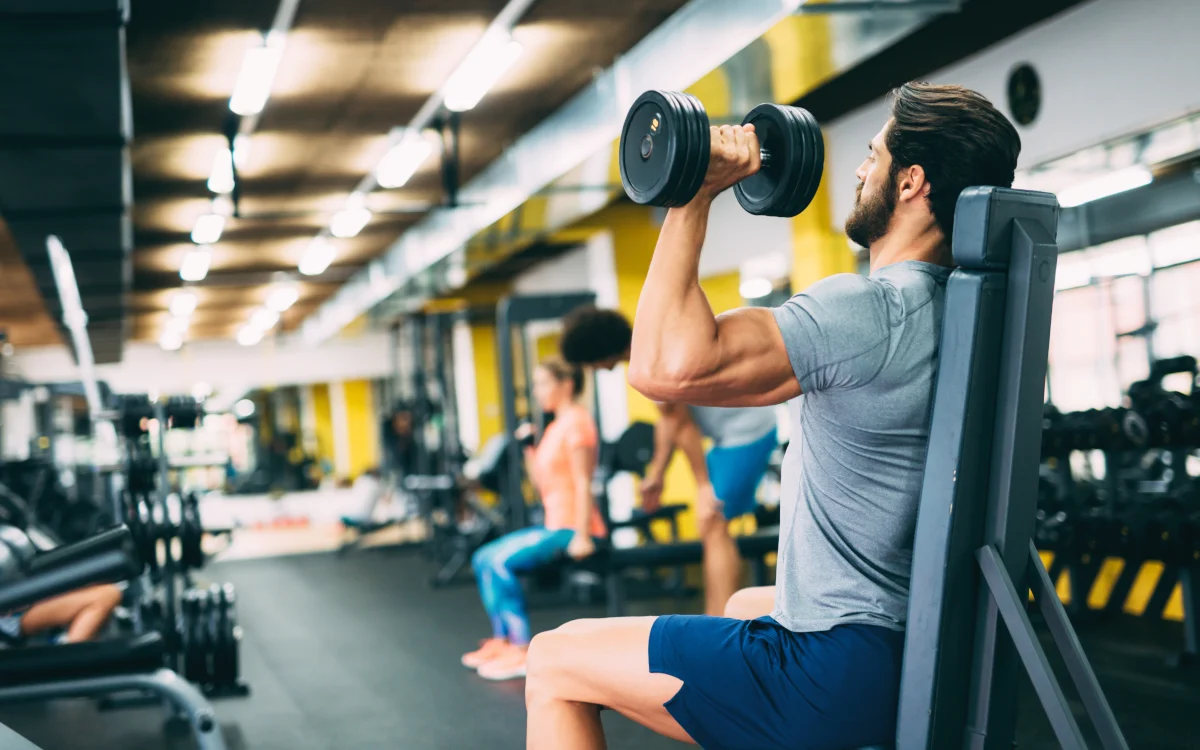
Place the press early while you are fresh. Seated pressing with a supportive backrest can reduce the need to coordinate the hips and trunk, while standing pressing asks more of your bracing. Choose the version in which you can train the shoulders effectively without turning each repetition into a backward lean. With an upright torso, begin with your elbows slightly forward of the shoulders and forearms roughly vertical.
Press the dumbbells up and inward along a comfortable path without crashing them together. Allow the shoulder blades to rotate upward naturally; do not try to pin them rigidly down throughout an overhead press. Lower under control until you reach a repeatable depth that does not create discomfort. A little elbow movement forward can help the path feel natural, but do not force an exaggerated range simply because someone else demonstrates it.
Try two working sets of six to ten repetitions. Stop with approximately one or two technically solid repetitions in reserve rather than repeatedly grinding to failure. If your second set drops from ten good reps to four ugly ones, either the first set was too aggressive, the rest was too short, or the load is not appropriate for this format.
One often-overlooked tradeoff is that the press works several muscles at once. The triceps can end a set before the lateral delts feel particularly challenged. That is not a flaw in the press: it is a reason to follow it with targeted raises rather than assume pressing alone is a complete shoulder-building plan. A second variation of the same heavy press is generally lower priority than covering the delts you have not worked hard yet.

Equipment Worth Exploring
Explore equipment, accessories and gear from our carefully selected range.


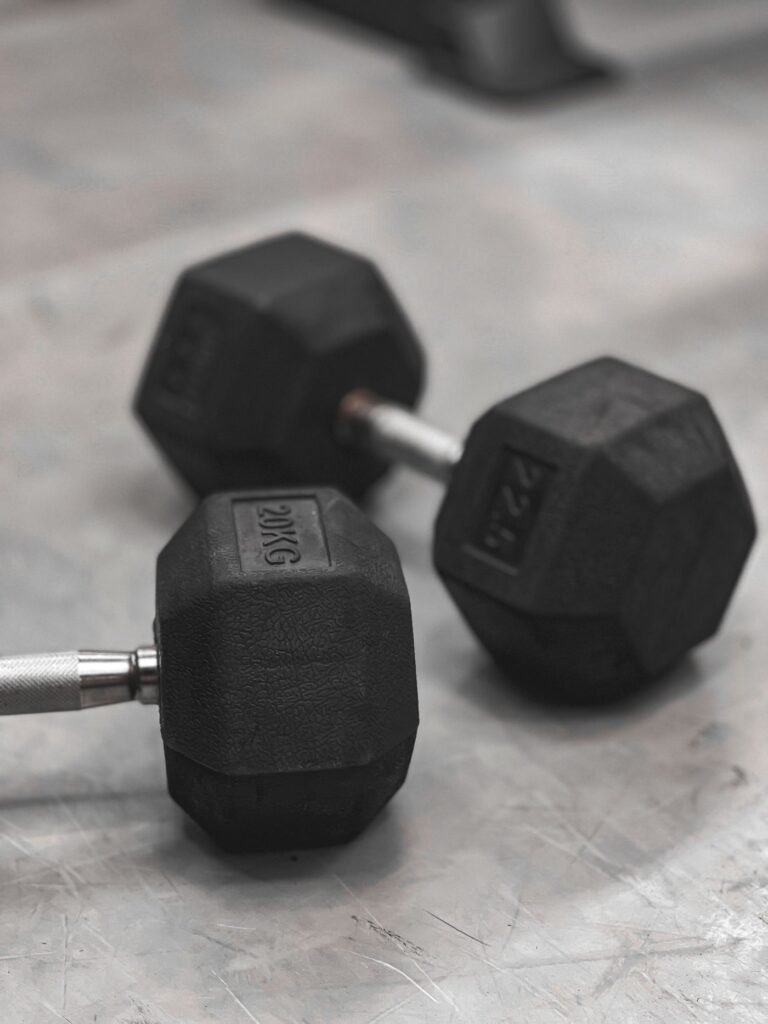
Rubber Hex Dumbbells
Rubber-coated hex dumbbell pairs with a stable shape for home and commercial strength training.

FID Bench MAX
Adjustable bench offering flat, incline, and decline positions + adjustable headrest.



Lateral raises: small dumbbells, big leverage
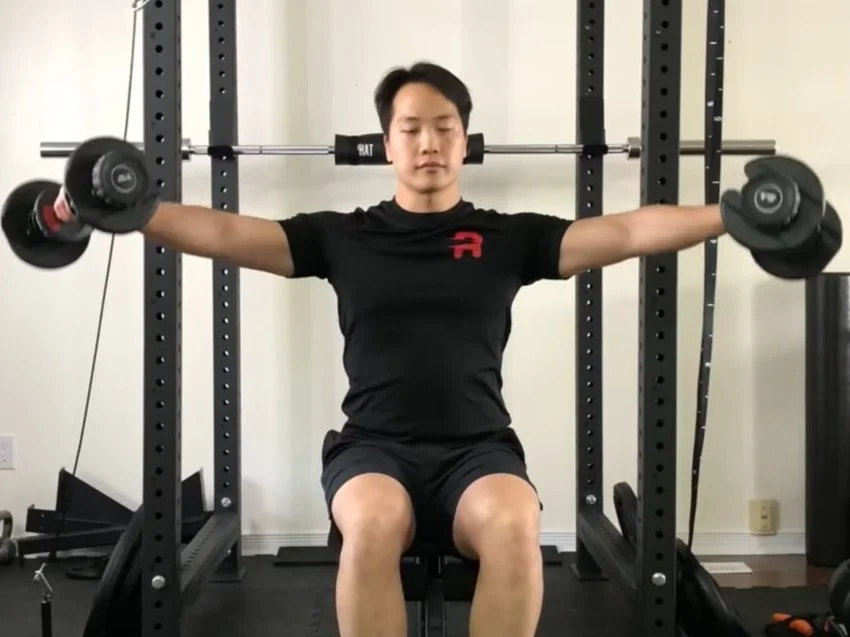
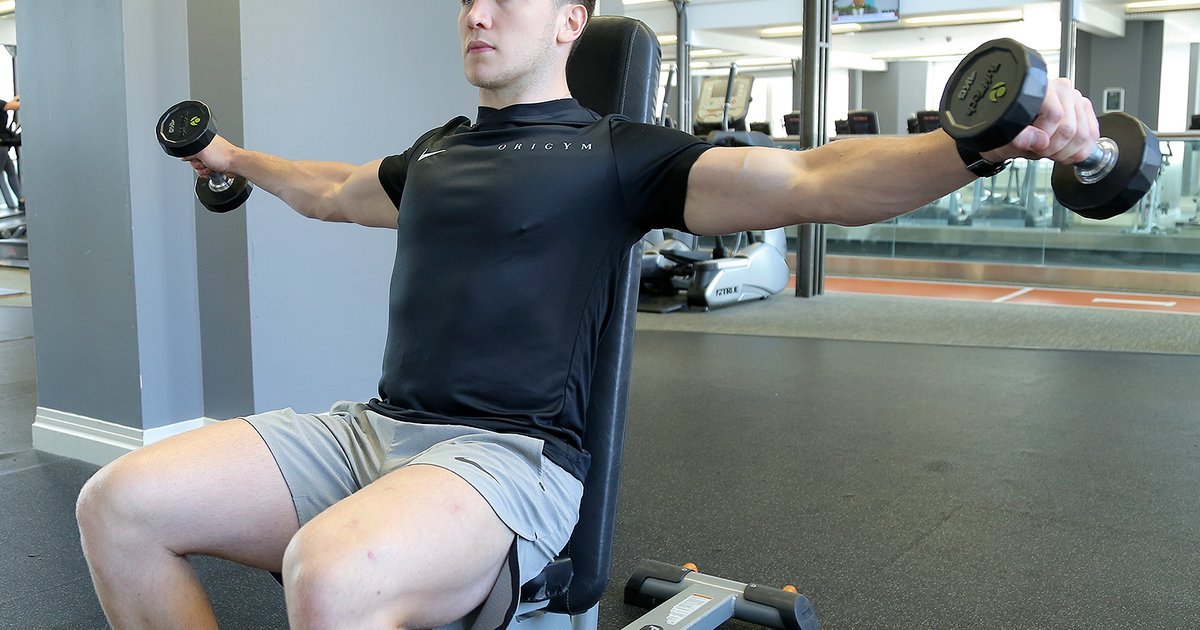
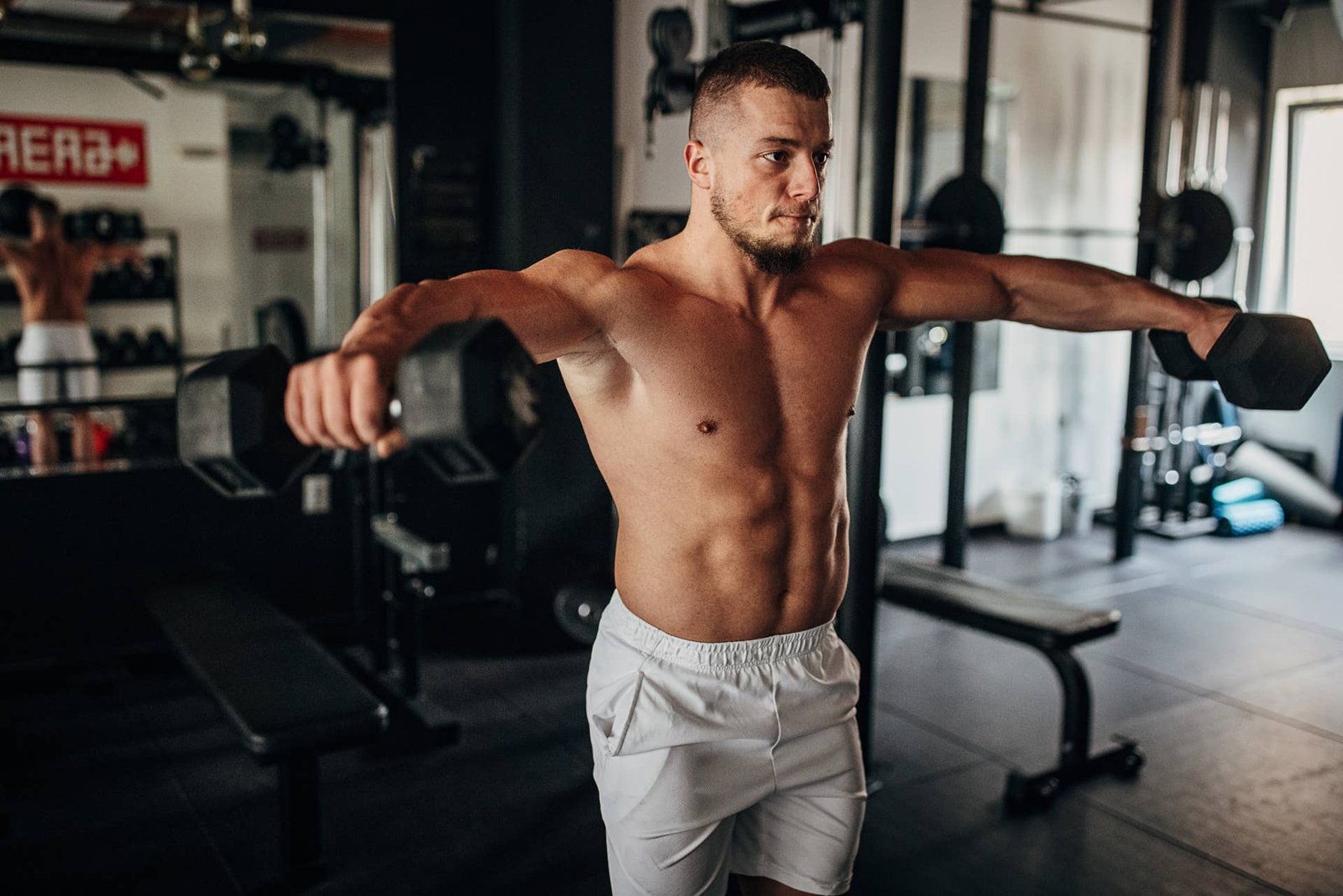
The side delts are often the part of shoulder training that suffers when a short session becomes only overhead pressing. A lateral raise solves that problem with very little equipment. Hold light dumbbells beside your thighs, soften the elbows, and lift your upper arms a little forward of a perfectly straight line out from the torso. That modest forward angle is often called the scapular plane.
Think about moving the upper arms rather than hurling the weights upward. Keep the torso fairly still, and let the dumbbells rise to around shoulder height only if that is comfortable. Slowly lower until you can begin the next repetition without rebounding. If you are swinging your hips to initiate every rep, the weight is probably better suited to a shrug or row than to this exercise.
Two sets of roughly twelve to twenty clean reps are a practical starting point. It is fine for the last several reps to be slow, provided the movement remains controlled. For a lighter pair of dumbbells, you can extend the set rather than adding dramatic momentum. If the weights are too heavy, take a single arm at a time and use a bench or rack for balance; keep the free hand from pulling you through the movement.
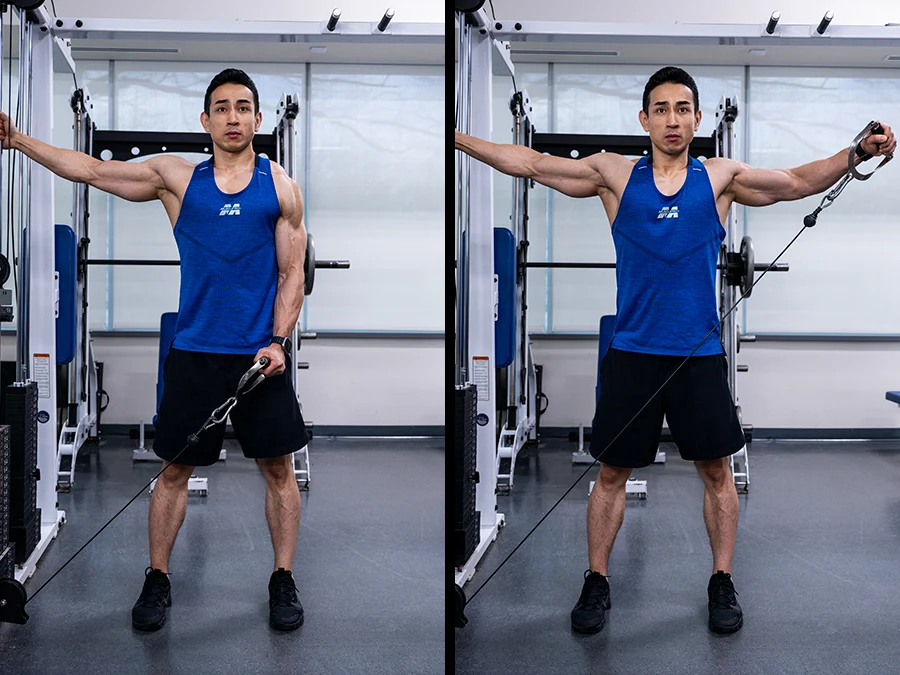
You might prefer cable lateral raises outside this dumbbell-only routine because a cable changes the resistance curve across the arc. That does not make the dumbbell option ineffective. The difference in equipment is less important than whether you can create repeatable, challenging work and progress it over several weeks. Avoid treating any one exercise angle as a guarantee of superior growth for every lifter.

Bodybuilding Shirts & Workout Gear
Bodybuilding shirts, tanks and gym gear for lifters chasing muscle, size, symmetry and the pump.

Doctor Delts Gym Villain Funny Gym Hoodie
Show off your superhero humor in a laid-back “Doctor Delts Gym Villain” hoodie.

Yeah Buddy Ronnie Tank
Add some lifting attitude to training with “Yeah Buddy Lightweight”.

Swole Jesus Lateral Raises Tank
Bring “Swole Jesus Lateral Raises” humor to your next lifting session.


Jesus Christ Dumbbell Cross Lateral Raises for Easter F Sticker
Stick a little “Jesus Christ Dumbbell Cross Lateral Raises” humor on your favorite gear.

Dumbbelldore | Wizard Bodybuilding Meme | Harry Potter T-Shirt
Show some lifting attitude with a playful “Dumbbelldore” tee.

Superman Dumbbells Logo – Superhero Workout for Bodybui Hoodie
Make your off-duty look more fun with “Superman Dumbbells Logo”.


Dumbbell Heartbeat Hooded Pullover Fitness Fans Hoodie
Stay casual and show some bodybuilding attitude with “Dumbbell Heartbeat”.

Dumbbell Gauntlet Decal for Water Bottles Laptops Gym G Sticker
Stick a little “Dumbbell Gauntlet” humor on your favorite gear.
Give the rear delts their own work instead of another front raise
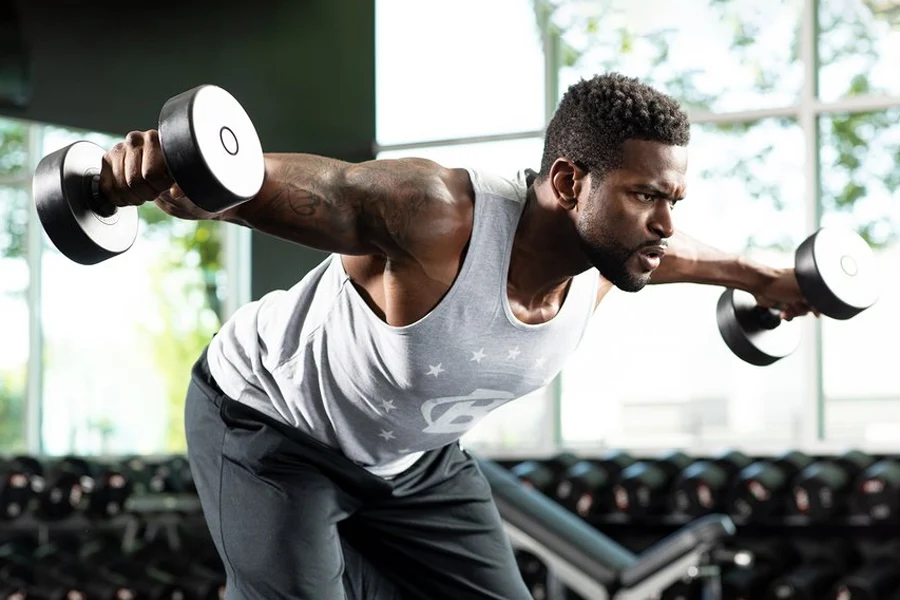
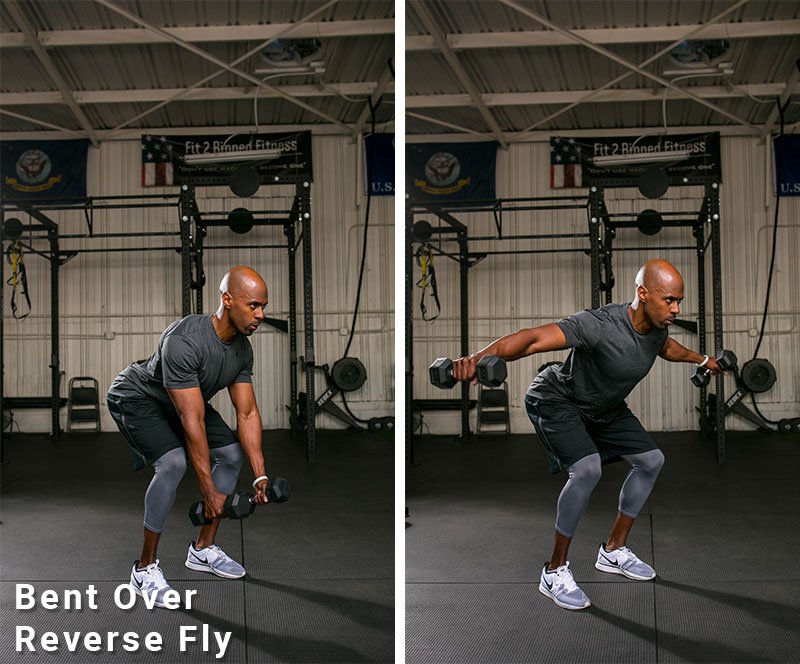
Rear delts are easy to miss if your routine contains presses, front raises and more presses. An efficient alternative is the hinged reverse fly. Bend at the hips with a soft knee, maintain a stable torso and let light dumbbells hang beneath the shoulders. With elbows slightly bent, lift the arms out and back until you feel the rear shoulder working without needing to yank the body upright.
Keep the effort on the upper arm motion. If the shoulder blades aggressively pinch together and the elbows travel far behind the torso, the upper back may dominate more than you intend. That is not inherently bad, but it changes the exercise’s emphasis. A chest-supported reverse fly can make this easier to feel by reducing the demand to hold a hinge.
For the 20-minute session use two sets of twelve to twenty repetitions. You may need less load than you expect. Rear-delt exercises have a large lever arm and do not reward bravado. Try to keep the descent controlled and avoid bouncing at the bottom. If your lower back is tired after heavy squats or hinges, choose the bench-supported version, provided a suitable bench is available.
Beyond appearance, rear-shoulder work can complement your rows and presses, but it should not be advertised as an automatic cure for pain or poor posture. Shoulder health is influenced by many factors, including training load, sport demands, recovery and individual history. Program the reverse fly for its muscle-training role; make specific pain decisions separately.
The actual 20-minute workout: three exercises and sensible rest
Here is a practical clock that includes the preparation. Minute 0–3: gentle movement and one easy press rehearsal. Minute 3–9: seated or standing dumbbell press, two working sets of six to ten reps with about ninety seconds of rest. Minute 9–14: lateral raise, two sets of twelve to twenty with sixty to seventy-five seconds between them. Minute 14–19: hinged or chest-supported rear-delt fly, two sets of twelve to twenty. Use the remaining minute for logging your sets and putting equipment away.
This is six working sets, not a secret high-volume shoulder specialization block. It fits best as an additional shoulder-focused session in a week that may already include horizontal pressing, pulling and other lifting. It may not be enough on its own for a lifter who is trying to maximize shoulder hypertrophy and gets almost no work elsewhere; it may be plenty for someone whose existing upper-body program is already substantial.
Use a moderate effort level rather than chasing a spectacular pump at the expense of the subsequent training week. If you finish a set and clearly could have completed eight more reps, move up a dumbbell increment next time. If each raise degenerates into a full-body swing, go lighter. The goal is to repeat the movement pattern next week, compare like with like, and earn progression.
On a rushed day, keep the single press and one lateral-raise set rather than replacing the whole plan with random high-speed repetitions. If a few extra minutes are available, extend rest on the press first; heavy compound sets are particularly sensitive to inadequate recovery. The 20-minute estimate is a planning device, not a reason to rush any painful or unsafe movement.
Equipment Worth Exploring
Explore equipment, accessories and gear from our carefully selected range.
VOLTRA
Compact digital cable trainer with smooth, adjustable resistance.

Go-Tone Pro
Portable digital cable trainer with up to 66 lb (30 kg) of adjustable resistance.
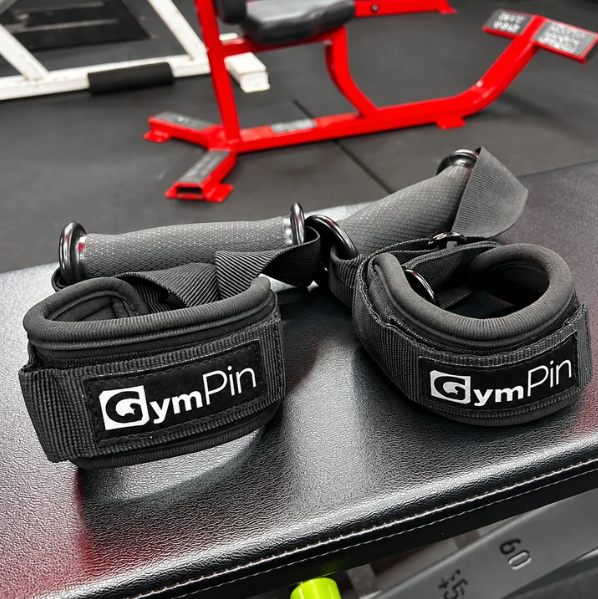
GymPin D Cuffs
Adjustable wrist cuffs with textured grips for supported cable-machine exercises.


GymPin Ergo Handles
Pair of ergonomic cable handles shaped for comfortable triceps and pulling exercises.

Angles 90 Grips
Flexible grip attachments that allow natural wrist movement during pulling exercises.


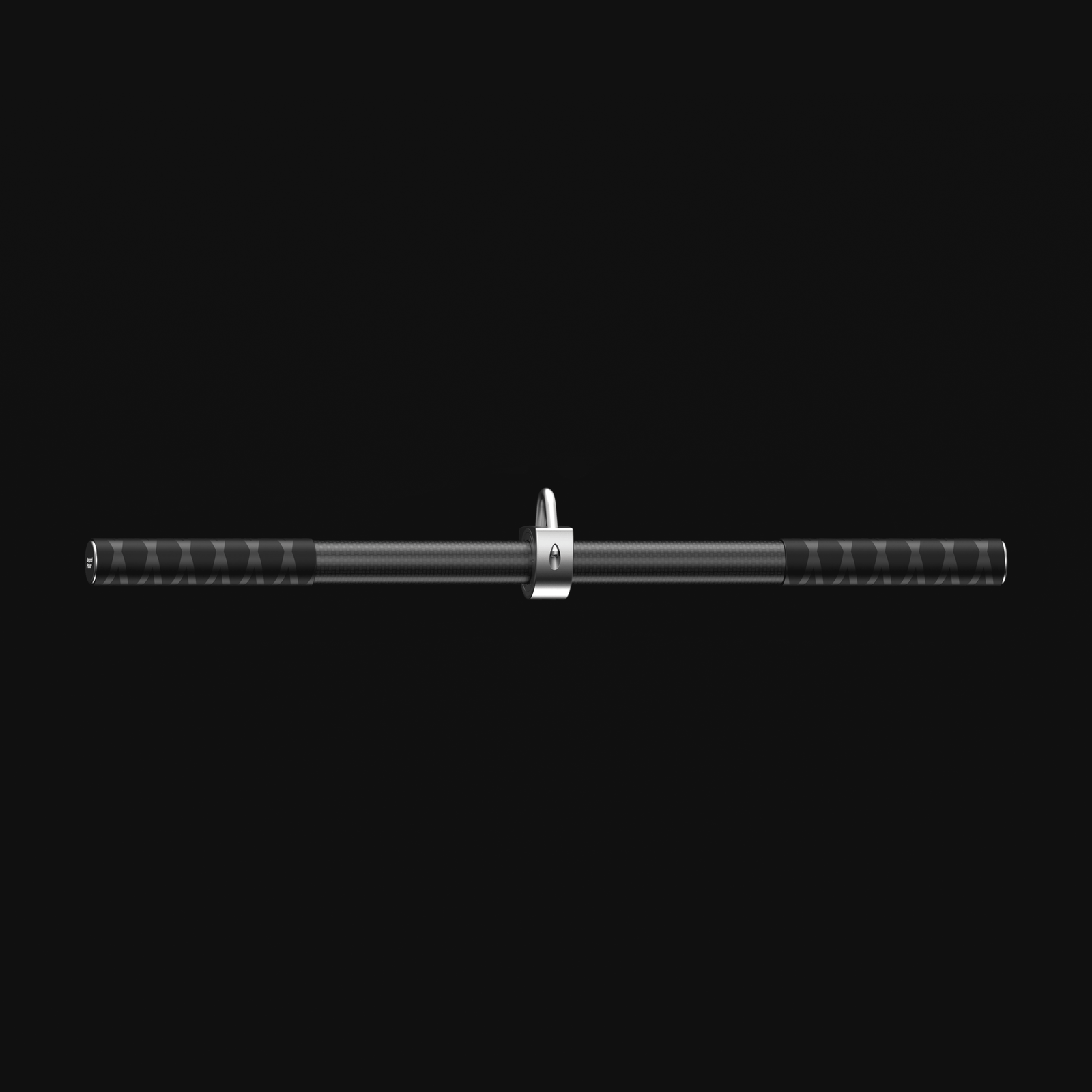
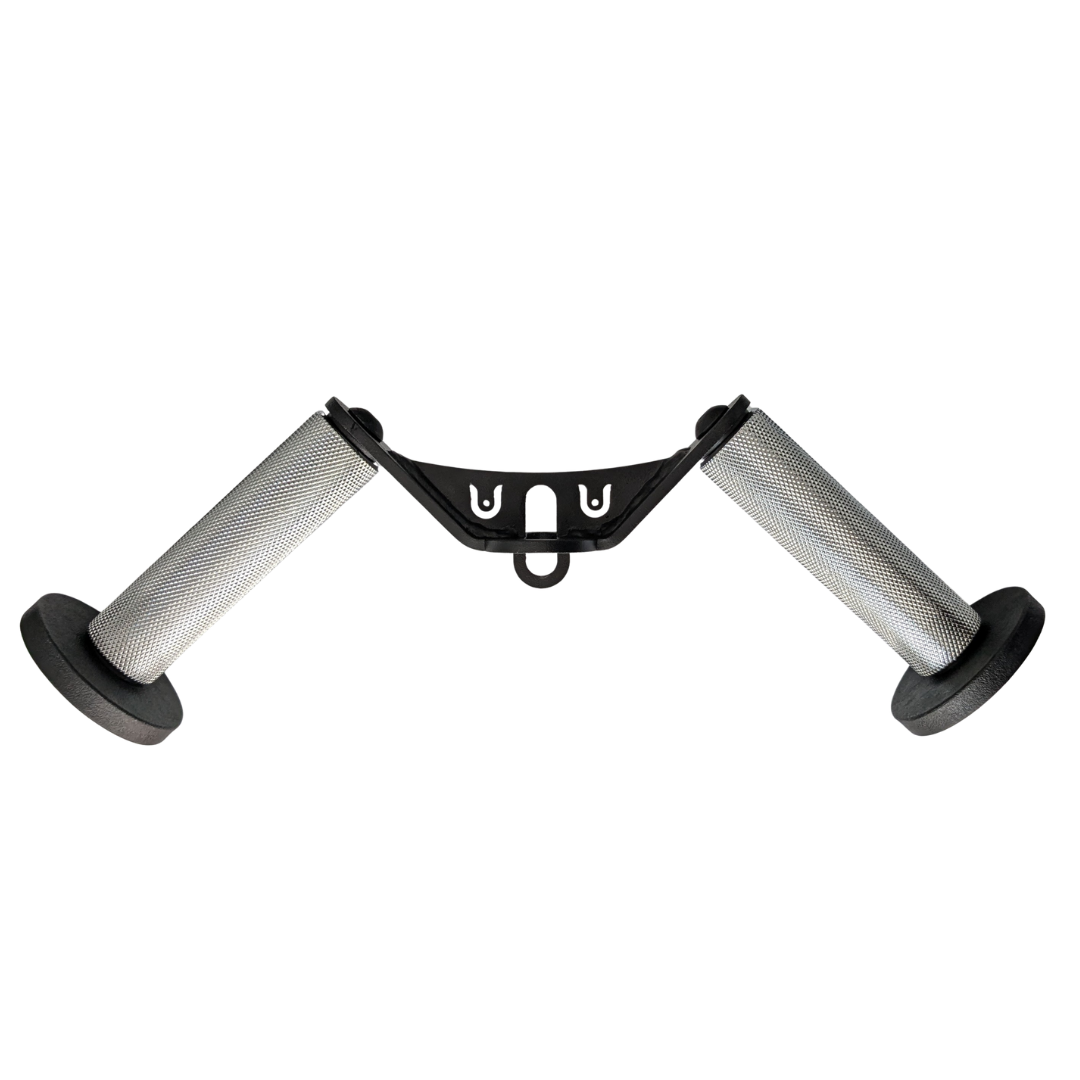
W Grip
Angled cable grip for comfortable rows, pushdowns, and curls.
Progress for six weeks without chasing heavier weights every session
Track three things: weight used, clean reps achieved and how many additional good reps you believed remained. For weeks one and two, find a load that produces smooth sets and practice consistent range and tempo. For weeks three and four, add repetitions toward the high end of each exercise’s target before jumping to the next dumbbell. In weeks five and six, increase load where all the prescribed reps remain controlled, then build the repetitions back up.
Do not apply the same load jumps to all three movements. A five-pound increase may be modest for a press and enormous for a lateral raise. Smaller increments, unilateral work or additional clean repetitions can be better tools for a raise. If the available dumbbell rack skips large weight gaps, do not feel obliged to jump merely because a heavier pair exists.
If your training week already includes two hard pressing sessions, consider using only one working press set in this short workout and keeping both lateral and rear-delt sets. Conversely, if you rarely press overhead and want stronger pressing, prioritize two rested sets and treat one raise as optional. The most effective short workout is the one that fills a real gap in your weekly program.
Recovery still matters. A dense shoulder session that creates significant soreness right before a heavy upper-body day may be placed poorly. Give yourself enough time to repeat quality work, adapt the volume to other pressing and rowing, and reduce the load if joints or technique signal that fatigue is accumulating. There is no requirement to reach failure on every set for the session to count.
The bottom line is simple: two good presses, two thoughtful lateral-raise sets and two rear-delt sets can provide a worthwhile shoulder stimulus in about twenty minutes. Results depend on accumulated training over weeks, not the length of any single stopwatch interval. Repeat the basics, keep honest notes, and make progression more important than the burn.
Funny Gym Shirts & Workout Gear
Funny gym shirts, tanks, hoodies and workout gear for lifters who like training hard.

Doom Bells Crewneck Pullover Workout Doctor Doom Dumbbe T-Shirt
Bring “Doom Bells” humor to your everyday gym style.

Smash Dumbbells Hooded Pullover Hulk Workout Fans Hoodie
Bring “Smash Dumbbells” gym humor to lazy days and post-workout plans.

Mass Monster Bane Tee
Show some superhero attitude with a playful “Mass Monster Gym Hero” tee.

Lifting Cult – Gymbros & – Meme Top Gains T-Shirt
Show some lifting attitude with a playful “Lifting Cult” tee.

Lift O'Clock Gym | Funny Workout For Bodybuilding Gains Hoodie
Bring “Lift O'Clock” gym humor to lazy days and post-workout plans.

Gym The Bar Does Not Lie Medieval Knight Muscle Shirt f Tank Top
Bring “The Bar Does Not Lie Medieval Knight” humor to your next lifting session.

Shirt – Lifting Is Freedom – Statue Of Liberty Meme T-Shirt
Heavy lifts, good laughs, and a little “Lifting is Freedom” energy.


Heart And Brains Dumbbell Meme : The Ultimate T-Shirt
Make gym days more fun with “Heart and Brains Dumbbell Gym Meme” style.

Dragons And Dumbbells Shirt D&D Meme & Gymbros Top T-Shirt
Show some bodybuilding attitude with a playful “Dragons and Dumbbells” tee.