Advertising disclosure: This page includes affiliate product links that may earn us a commission, as well as products from our own store.
Extra weight on the way down, less weight on the way up: that is the unusual premise of accentuated eccentric squats. In a controlled test of fifteen trained lifters, the athletes with higher relative squat strength handled those changing forces differently. The result is interesting for coaches, but it does not mean everyone should try a 110-percent squat descent.
A loaded squat can challenge the lowering phase differently from the ascent
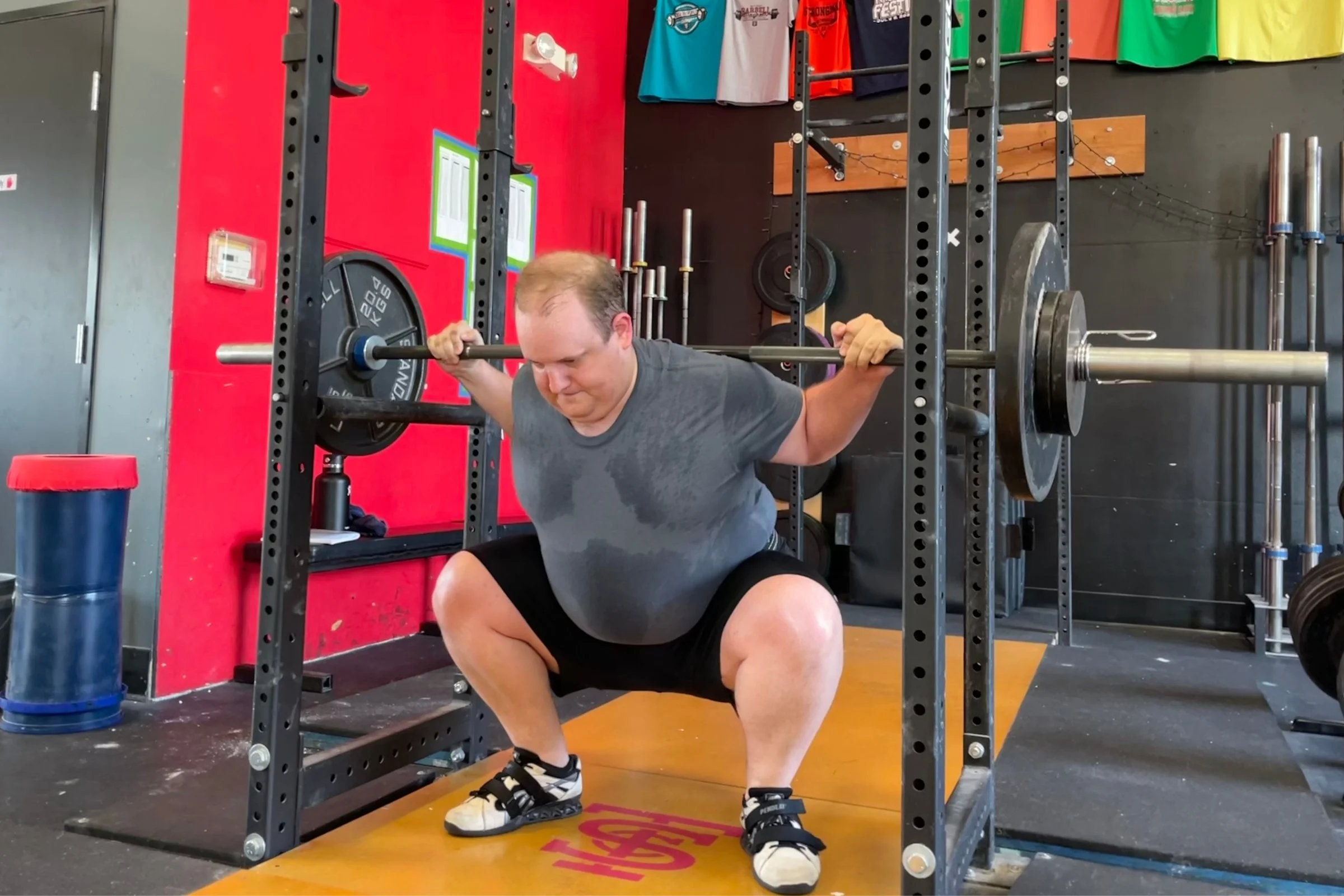
Most lifters think about a squat in one number: the total weight on the bar. But a normal repetition contains two mechanically different tasks. First, you control the descent while the hips and knees flex; then you reverse direction and stand back up. Muscles can often tolerate greater forces while lengthening than while shortening, which creates an interesting programming question: could you expose the athlete to a heavier descent without requiring the same heavy load on the way up?
Accentuated eccentric loading, often abbreviated AEL, is one way to test that idea. Special weight releasers attach additional plates to a barbell during the first descent and detach at the bottom. The athlete then rises with the lighter underlying bar load. This is not the same thing as simply lowering a regular squat for five seconds, pausing at the bottom, or adding a resistance band. Each approach changes a different part of the force and velocity problem.
An experiment involving fifteen resistance-trained men asked whether relative squat strength changes how athletes handle that extra lowering load. Eight men could squat at least twice their body mass and were classified as stronger; seven were below that threshold. Their braking and rising-phase forces were measured during ordinary and eccentrically overloaded squats. It was a laboratory comparison of single-session mechanical responses, not a muscle-growth or long-term performance trial.
The practical lesson begins with that distinction. Two lifters may complete the same barbell workout yet respond differently when the descending portion becomes substantially heavier. The training stimulus is not fully captured by the plate count alone, and the ability to control, brake, and reverse the load matters just as much as the weight displayed on a calculator.
The actual experiment: fifteen lifters and three loading conditions
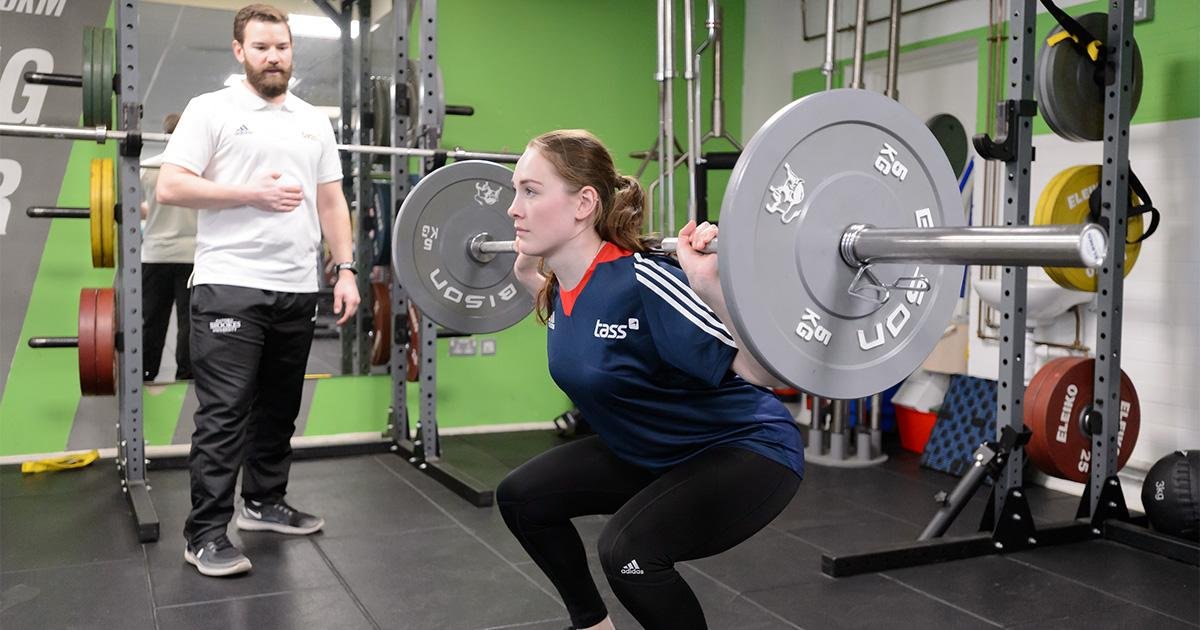
Researchers tested fifteen already-trained men over three sessions. The participants completed conventional back squats with loads corresponding to 50, 60, 70, and 80 percent of their individual one-repetition maximum. They also performed conditions in which weight releasers made the first lowering phase equal to either 100 or 110 percent of their one-rep maximum while keeping the lighter underlying bar load for the subsequent ascent.
The two specialized conditions were labeled maximal and supramaximal eccentric loading. Each trial used three repetitions, but the extra load was applied only to the first rep’s braking portion, because the releasers detached at the turnaround. That detail prevents a common misunderstanding: the study did not ask athletes to perform an ordinary concentric squat with 110 percent of their maximum, nor did it show that such a feat would be sensible.
Measurements distinguished braking force and impulse during the lowering-to-rising transition from propulsion force, duration, and impulse while standing. Force reflects the instantaneous or average mechanical push; impulse also depends on the time that force is applied. A shorter, higher-force push can therefore tell a different story from a longer push with a lower average force.
The protocol is technically demanding. A proper rack, appropriate weight releasers, accurately selected loads, spotting, and prior competency are essential to make such a controlled test meaningful. The researchers’ methodology should not be copied as an at-home challenge with loose plates, improvised release mechanisms, or an unsupervised supramaximal descent.

Equipment Worth Exploring
Explore equipment, accessories and gear from our carefully selected range.


Safety Squat Handles
Barbell squat handles that reduce shoulder positioning demands during high-bar squats.

GymPin Squat Wedges
Non-slip 15-degree squat wedges help elevate the heels for deeper quad-focused squats.

Studio V-Squat
Plate-loaded V-squat machine for supported lower-body strength training.


Competition Plates
Competition-style bumper plates for Olympic lifts and loaded strength training.

Squat Harness
Wearable harness for hands-free cable squats, sled work, and lower-body training.
Stronger squatters produced more force when the descent got heavier
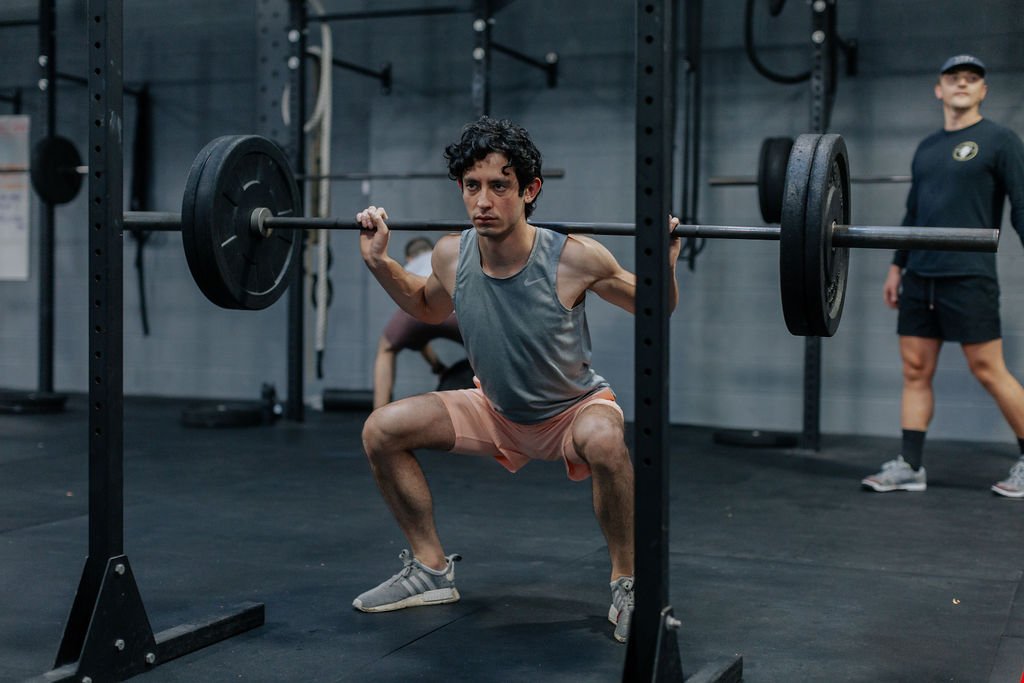
During conventional squats, the stronger and weaker groups were surprisingly alike on most of the analyzed force-time outcomes. The stronger group completed the propulsive phase faster, but otherwise relative strength did not separate the groups clearly under the normal barbell conditions. That makes the overloaded trials especially informative: a difference can become visible when the exercise places a larger demand on braking.
In the two accentuated eccentric conditions, the stronger participants generated greater mean braking force and mean propulsion force than the weaker men. Their propulsive phase was also completed more quickly. Braking duration and braking impulse, however, did not differ clearly between groups. This is not evidence that every aspect of a strong lifter’s squat becomes superior under added eccentric load.
The investigators also found a detail that makes the result less tidy: in the 110-percent eccentric condition, the weaker group produced greater propulsive impulse, despite the stronger group’s force advantage. More impulse is not automatically a better overall outcome when phase duration changes. Without considering force and time together, that single number could be misread as a reversal of the main result.
One reasonable interpretation is that lifters with higher relative strength are better equipped to manage a rapid transition after a substantially overloaded descent. Yet individual responses, technical familiarity, and the chosen underlying concentric loads still matter. This experiment compares two small groups; it does not establish a universal squat-strength threshold that unlocks eccentric training benefits.

Leg Day Shirts & Workout Gear
Leg-day gym shirts and workout gear for lifters who never skip squats, lunges and lower-body punishment.

3 Plates Squat Club – Motivational Meme & Ultimate T-Shirt
Rep “3 Plates Squat Club” humor in and out of the gym.

Heavy Squatter Harry Potter Squat Lovers Leg Day Hoodie
Show off your leg-day humor in a laid-back “Heavy Squatter” hoodie.

Squats Booty Builder Barbie Meme Sweater Leg Day & T-Shirt
Show some gym-day personality with “Squats Booty Builder”.

Never Skip Leg Day Chicken Legs Meme Decal Water Sticker
Give your everyday gear a playful “Never Skip Leg Day” twist.

Leg Day The Day That Never Comes Meme Heavy Metal T-Shirt
Make gym days more fun with “Leg Day The Day That Never Comes Meme” style.

I Love Squats – Valentine's Day Leg Day Meme Hooded Pul Hoodie
Keep it laid-back with a little “I Love Squats” attitude.

Squat Game Gym | Funny Squid Game Parody Workout For Le Hoodie
Stay casual and show some gaming attitude with “Squat Game”.

SwoleBob Squatpants – Leg Day Meme , Top & T-Shirt
Heavy lifts, good laughs, and a little “SwoleBob Squatpants” energy.

Anti Leg Day Leg Day Club & Meme Fans Vest Tank Top
Bring “Anti Leg Day Leg Day Club” humor to your next lifting session.

Booty Builder Harley Quinn Sweater Leg Day Squats T-Shirt
Bring “Booty Builder” humor to your everyday gym style.
Why braking and propulsion are worth measuring separately
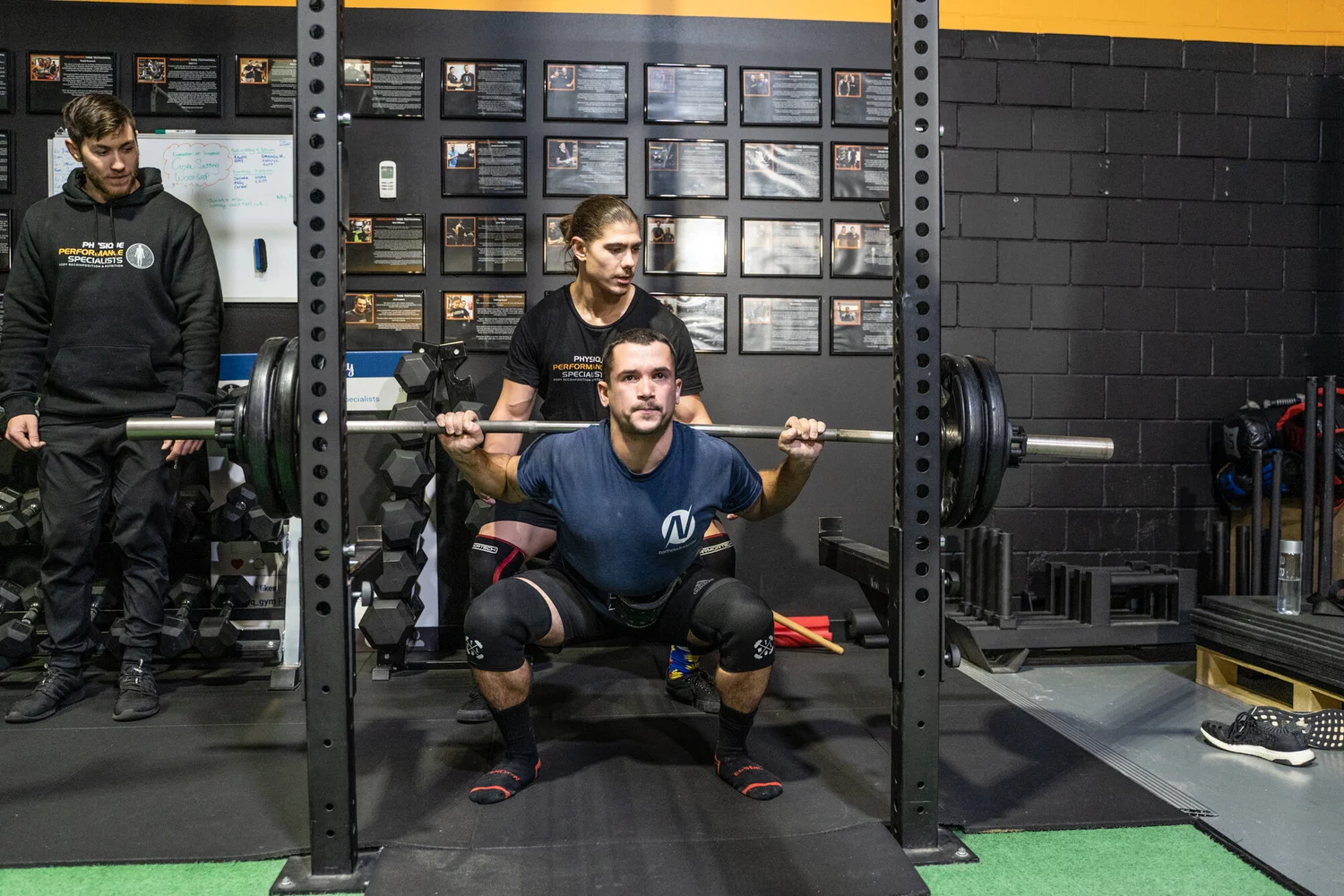
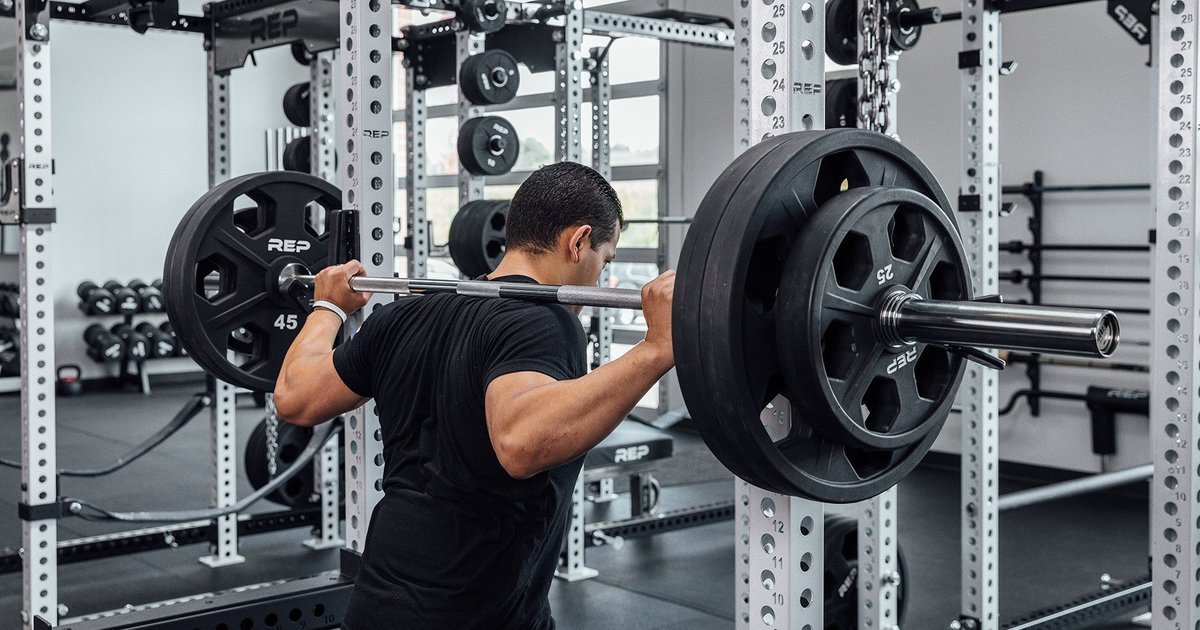
Picture a lifter descending into a back squat. The bar is still moving downward even as the athlete increases upward force to slow it. During the braking portion, the leg and hip muscles must arrest the downward movement before the bar reverses. When the lifter stands, the propulsion phase begins. In a normal repetition, both tasks involve the same barbell mass. Weight releasers deliberately uncouple them.
Greater average braking force means the athlete was able to apply more force during that specific transition. It does not tell us directly whether the athlete will grow more quadriceps, set a new squat personal record, or jump higher months later. Those are adaptations that require training across weeks and appropriate follow-up tests. Measuring mechanics at one visit offers a valuable map of the immediate stimulus, not a forecast of all outcomes.
The distinction also explains why simply chasing a higher number for every measurement is a mistake. Force, impulse, bar speed, depth, and movement control are related but not interchangeable. A lifter might extend the braking interval and accumulate impulse without delivering the same rapid rise in force. Another athlete could keep the transition brisk but produce less total impulse. Context decides which output is valuable.
For ordinary programming, the useful takeaway is more modest. Evaluate the eccentric part of the movement deliberately, but keep the ascending portion technically consistent. Film a few working reps from a safe side angle if you want to assess descent speed and bar path. Do not manufacture more force by crashing into the bottom or bouncing out of a position you cannot control.
What this study cannot tell you about muscle growth or future strength
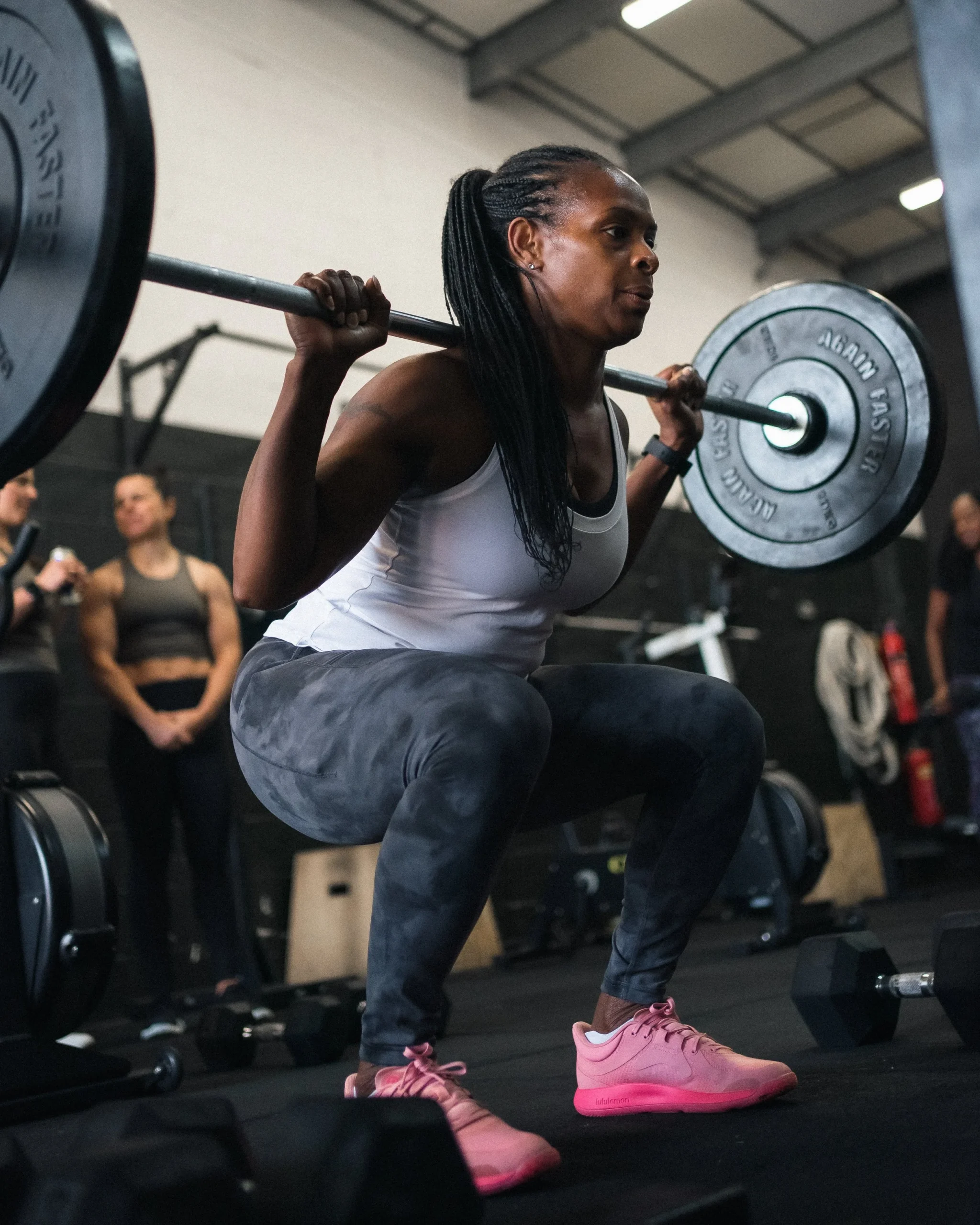
The most important limitation is duration: the fifteen men completed an acute testing protocol, not an eight-week randomized training program. A stronger braking force today does not prove superior hypertrophy, injury prevention, sprinting speed, or next-month squat strength. Nor was the study designed to show that weight releasers outperform conventional barbell squats for every experienced athlete.
The small sample matters, too. Only eight men fell into the stronger group and seven into the weaker group. The two-times-body-mass cutoff was a way to divide this study’s participants, not a magical physiological switch. Training age, body mass, squat style, limb proportions, and previous exposure to specialized overload could all affect real-world performance. These data should shape a hypothesis, not become a blanket instruction.
Related evidence from other investigations suggests eccentric overload can change braking-phase mechanics, but several comparisons find limited or inconsistent effects on the subsequent upward phase. Systematic reviews of eccentric overload also differ in protocols, equipment, and the athletes they study. A coach should avoid translating a laboratory response into guaranteed gains without carefully considering those differences.
More weight during descent also adds a technical and fatigue burden. If a regular squat already feels unstable or painful, an overloaded eccentric is not a sensible fix. Conversely, a trained lifter whose ordinary squat is controlled can gain plenty from basic progressive training before adding specialized apparatus. The question is not whether an advanced tool looks impressive, but whether it solves a real programming problem.
Equipment Worth Exploring
Explore equipment, accessories and gear from our carefully selected range.


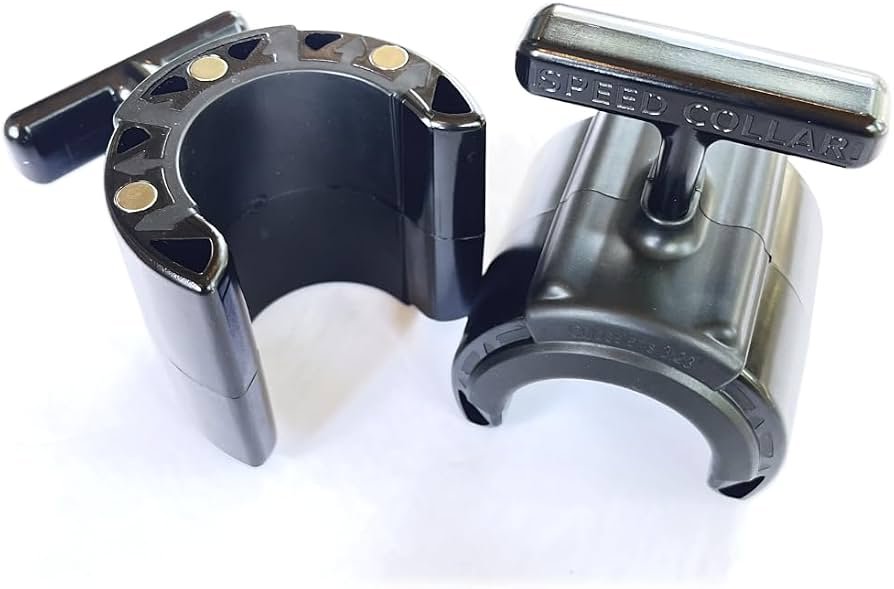
Speed Collar
Quick-release collars designed to secure weight plates on standard two-inch Olympic bars.
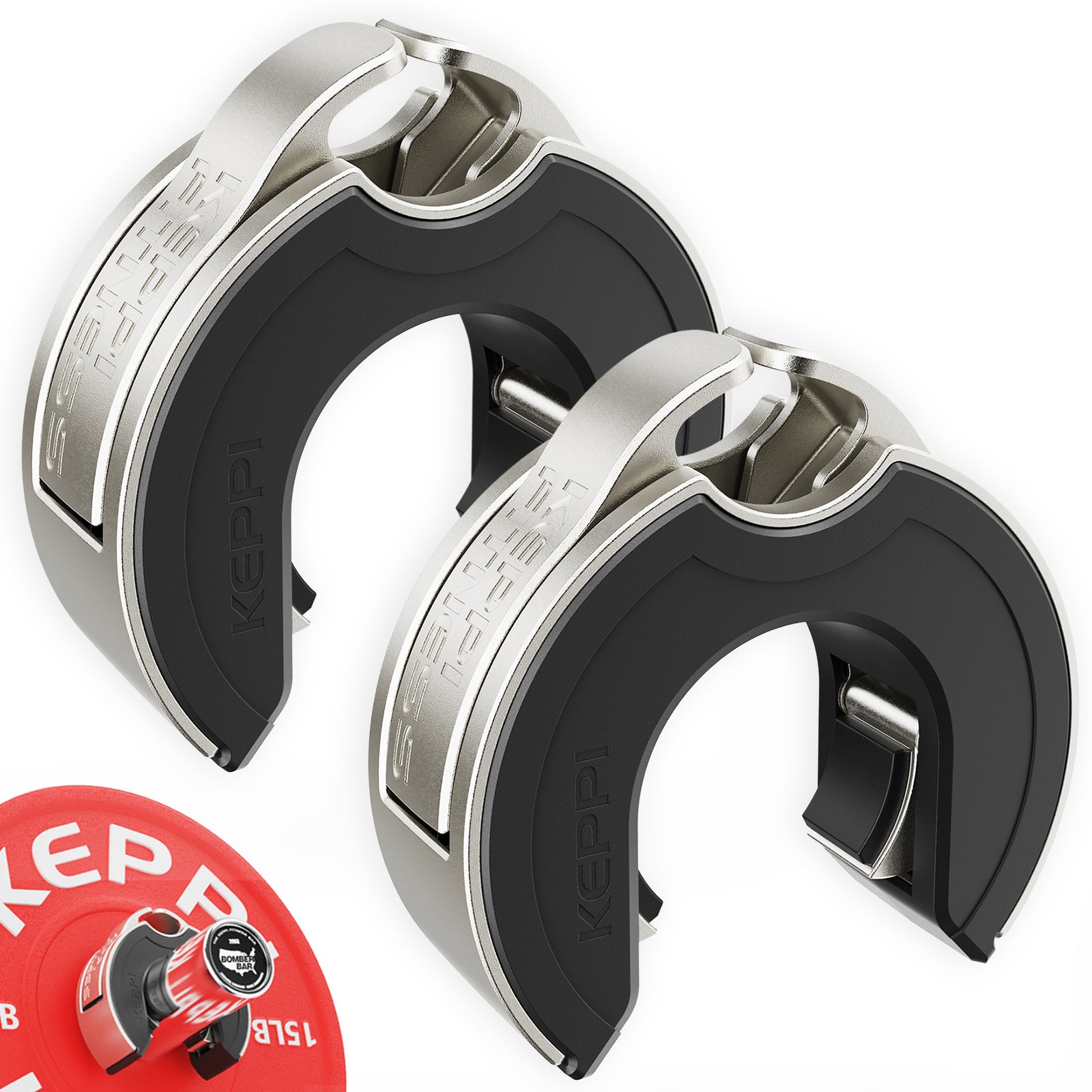
Keppi Open Collars
C-shaped magnetic Olympic barbell collars with a quick-lock mechanism and grippy lining.

Belt Squat Collar
Heavy-duty collar adapter for compatible belt-squat and landmine bar setups.

HUSLA Leg Extension Pad
Pad attachment designed to increase usable range of motion on compatible leg-extension machines.



Grip Plates
Rubber-coated weight plates with handholds for loading barbells and machines.

Foldable Wall Rack
Wall-mounted folding squat rack designed to save floor space between workouts.
How to apply the insight without trying supramaximal squats at home
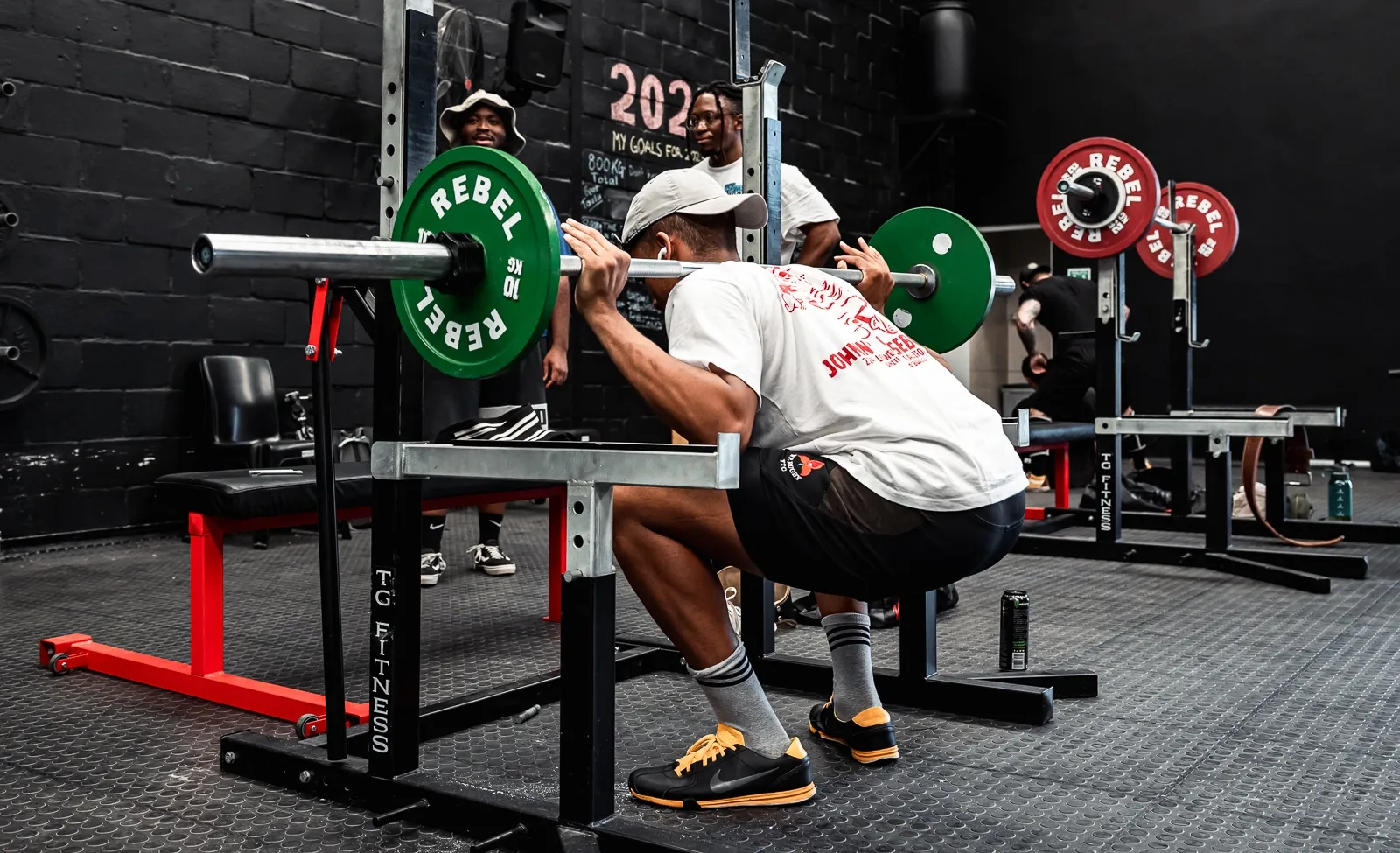
For most lifters, start with a well-executed standard back squat. Use consistent depth, brace before each rep, keep the feet grounded, and descend under control. Load selection should allow you to stay balanced through the entire range. If your goal is general hypertrophy, train hard enough that your working sets are challenging while preserving repeatable technique and sufficient weekly volume.
A useful way to emphasize eccentric awareness without special machinery is a short block of moderately loaded tempo squats. For example, with a comfortably manageable weight, take roughly two to three seconds to lower under control, then stand with intent. Keep the tempo consistent rather than slowing each repetition into an endurance contest. Extra eccentric time increases fatigue and reduces the load you can use, so it is a programming variable rather than a universal upgrade.
If you already have a rack and training partners, gradual changes in stance, controlled pauses, or a few high-quality repetitions can create a clearer performance reference than adding untested devices. Squat wedges, safety squat handles, or different bar shapes may change comfort and position, but none replicates an actual releaser-based eccentric overload protocol. Treat those accessories as independent equipment options rather than substitutes for the intervention.
Coached athletes exploring real AEL should first establish reliable squat technique, consistent one-repetition maximum testing, and competent supervision. The overload itself should be planned around a specific performance question and appropriate hardware. Never stack loose weight on the bar intending for it to fall, attempt a heavy negative without proper equipment, or assume a partner can safely catch released plates. The small experiment is a reason to test carefully, not a home-gym dare.
Powerlifting Shirts & Lifting Gear
Powerlifting shirts and gym gear for squat, bench and deadlift lifters who live for heavy numbers.

1500lb Club Meme Stack Of Weight Plates T-Shirt
Bring “1500lb Club Gym Meme” humor to your next gym day.


Movin Metal Shirt – Heavy Metal , Gymbro Meme Top & T-Shirt
Rep “Movin Metal” humor in and out of the gym.

I Don'T Miss Leg Days Shirt Hawkeye-Inspired & Bros T-Shirt
Show some leg-day attitude with a playful “I Don't Miss Leg Days” tee.

Meme – Smash Weights Girl, Bootybuilder & – Leg Day T-Shirt
Rep “Smash Weights” humor in and out of the gym.

Shirt – Lift O'Clock Bros – Meme & Gains T-Shirt
Rep “Lift O'clock” humor in and out of the gym.

Grand Lift Shirt GTA Meme Top & Gains T-Shirt
Heavy lifts, good laughs, and a little “Grand Lift Athlete” energy.

Let It Be Heavy – Beatles Rock Music & Gymbros – T-Shirt
Heavy lifts, good laughs, and a little “Let It Be” energy.

Prisoner of Gym Hoodie
Bring “Prisoner of Gym Funny Heavy Metal” gym humor to lazy days and post-workout plans.

Invisible Booty To Visible Booty Motivation Decal Sticker
A fun “Invisible Booty To Visible Booty” touch for bottles, laptops, and lockers.
A practical squat session for force, control, and useful progress
Begin with five to ten minutes of gradual preparation: comfortable bodyweight squats, light hinges, and increasingly heavier warm-up sets. The goal is to find a stance and depth that remain consistent, not to fatigue the legs before the working sets. For the main lift, choose three challenging sets of approximately four to eight controlled back-squat repetitions, resting long enough that trunk position and bar speed stay repeatable.
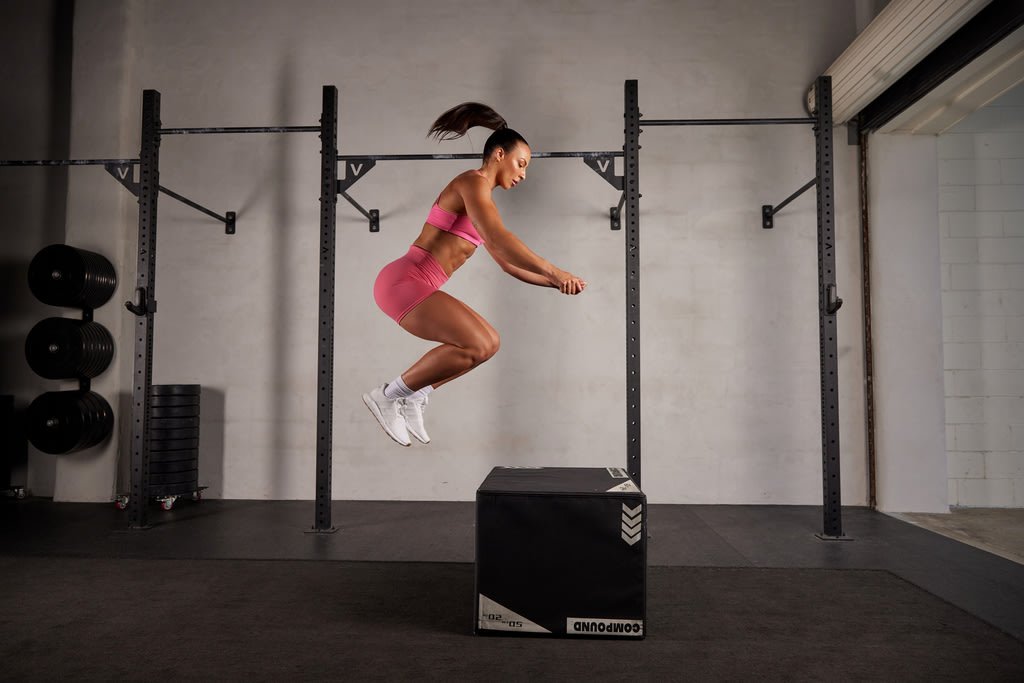
On a separate day or after adequate recovery, you can place a small amount of lower-load explosive practice before heavy work if jumping is relevant to your goals. Box jumps, countermovement jumps, or a few technically sound unloaded squat jumps should emphasize crisp effort and soft landings. Stop when height or coordination deteriorates. These are power exercises and should not be confused with the weight-releaser condition tested in the study.
Use a simple two-week check-in. Note the load, number of clean repetitions, perceived effort, and whether the bar position or depth changed. If the same weight moves more smoothly with consistent form, progress one variable at a time: add a small load increment, an extra repetition, or another set if recovery supports it. You do not need to chase an eccentric overload percentage to know that training is improving.
Advanced methods are most useful when they are reserved for problems that conventional work cannot solve efficiently. A lifter with years of consistent strength training, good supervision, and suitable hardware may have a reason to explore overloaded descents. Everyone else can take the key lesson from the data without copying the procedure: manage the lowering phase deliberately, judge performance by more than the number of plates, and let long-term outcomes guide your choices.
Bottom line: Stronger squatters showed a different immediate braking-and-propulsion response to extra lowering load. The experiment does not demonstrate future muscle or strength gains, and traditional well-controlled squats remain the accessible starting point for almost everyone.