Advertising disclosure: This page includes affiliate links that may earn us a commission at no additional cost to you.
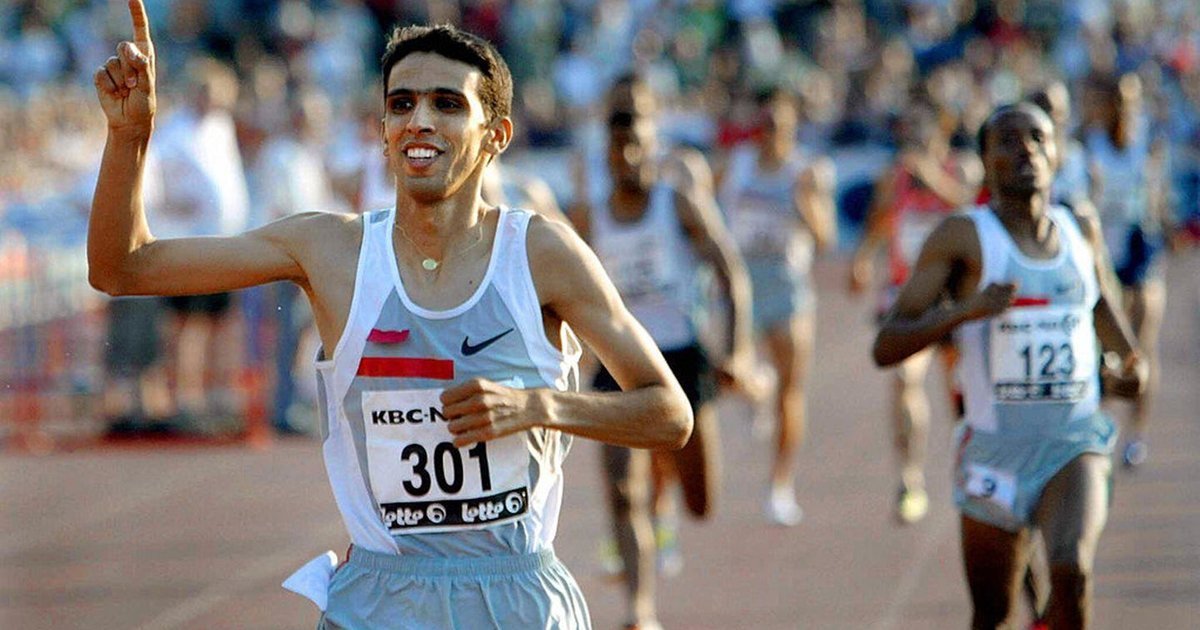
Hicham El Guerrouj had already run extraordinary times and won four consecutive outdoor world titles over 1500 metres before he became an Olympic champion. His first two Games had ended with a fall and a silver medal. In Athens in 2004, four days changed the Olympic part of his career: he won the 1500 metres, then returned to win the 5000 metres.
That sequence makes his story more interesting than a list of fast times. Record attempts, repeated championship success and one decisive final are different tests. El Guerrouj excelled across them, but they did not all fall into place at once.
The records arrived before the Olympic gold
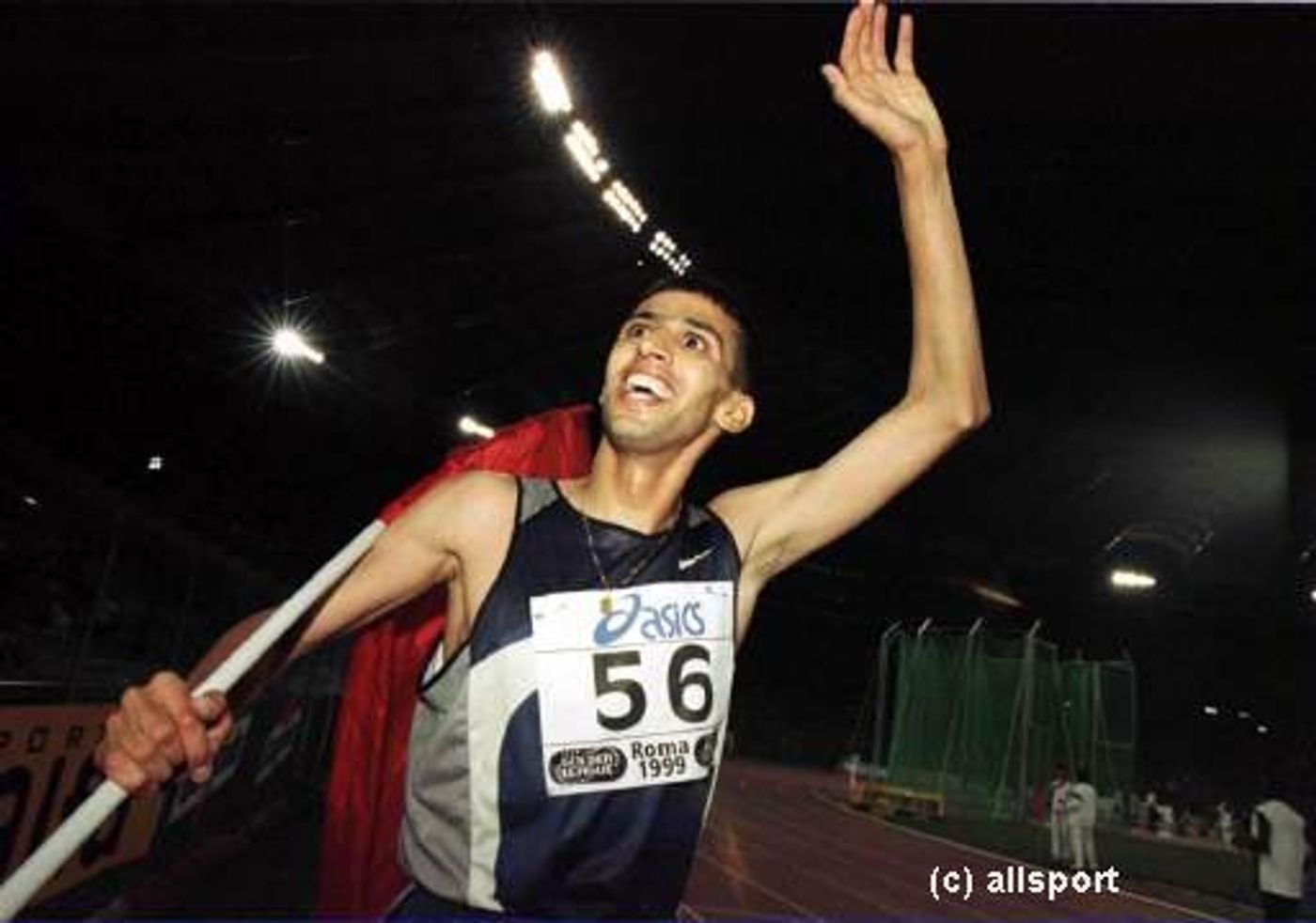
On 14 July 1998, El Guerrouj ran 3:26.00 for 1500 metres in Rome, establishing a world record. On 7 July 1999, he ran the mile in 3:43.13, also a world record at the time. These were precise demonstrations of how quickly he could cover the distance. They did not award an Olympic medal.
The distinction matters because the stopwatch makes performances easy to line up. You can compare times from different races and dates. Winning a championship requires finishing ahead of the people in that particular race, under the conditions that actually develop. A faster personal best is evidence of ability, but the final still has to be contested.
The mile record belongs to a much longer history. Our profile of Roger Bannister’s four-minute mile explains an earlier landmark. The performances belong to different eras and competitive settings; putting them on a historical timeline is more useful than pretending their circumstances were identical.
El Guerrouj’s times establish one part of his stature: an exceptional performance ceiling. The Olympic story adds another question, whether he could turn that ability into the result he wanted on the day of the final. His first two appearances showed that those questions are connected without being interchangeable.
Atlanta and Sydney left different unfinished business
At Atlanta in 1996, El Guerrouj fell in the 1500m final and finished twelfth. Four years later in Sydney, he won silver. Those results sit beside each other in a career summary, but describe different outcomes. One final was disrupted by a fall; the other produced an Olympic medal while leaving gold beyond him.
A silver medal is a major achievement. For an athlete who was setting records and repeatedly winning world titles, it also left a conspicuous gap. His Olympic record had not yet matched his dominance elsewhere. Calling the whole period a failure would erase too much; treating gold as inevitable would ignore what had happened.
Between 1997 and 2003, he won four successive outdoor world championships at 1500m: 1997, 1999, 2001 and 2003. The repetition matters. His reputation rested on more than one extraordinary timed performance. Yet sustained success at one championship could not substitute for the Olympic result he had not secured.
A career profile needs restraint here. Results do not reveal every thought in an athlete’s head or identify one secret change in training. We can describe the competition record without inventing a motivational speech, a decisive gym session or a new mindset that supposedly explains what happened next.
Athens finally delivered the 1500m title
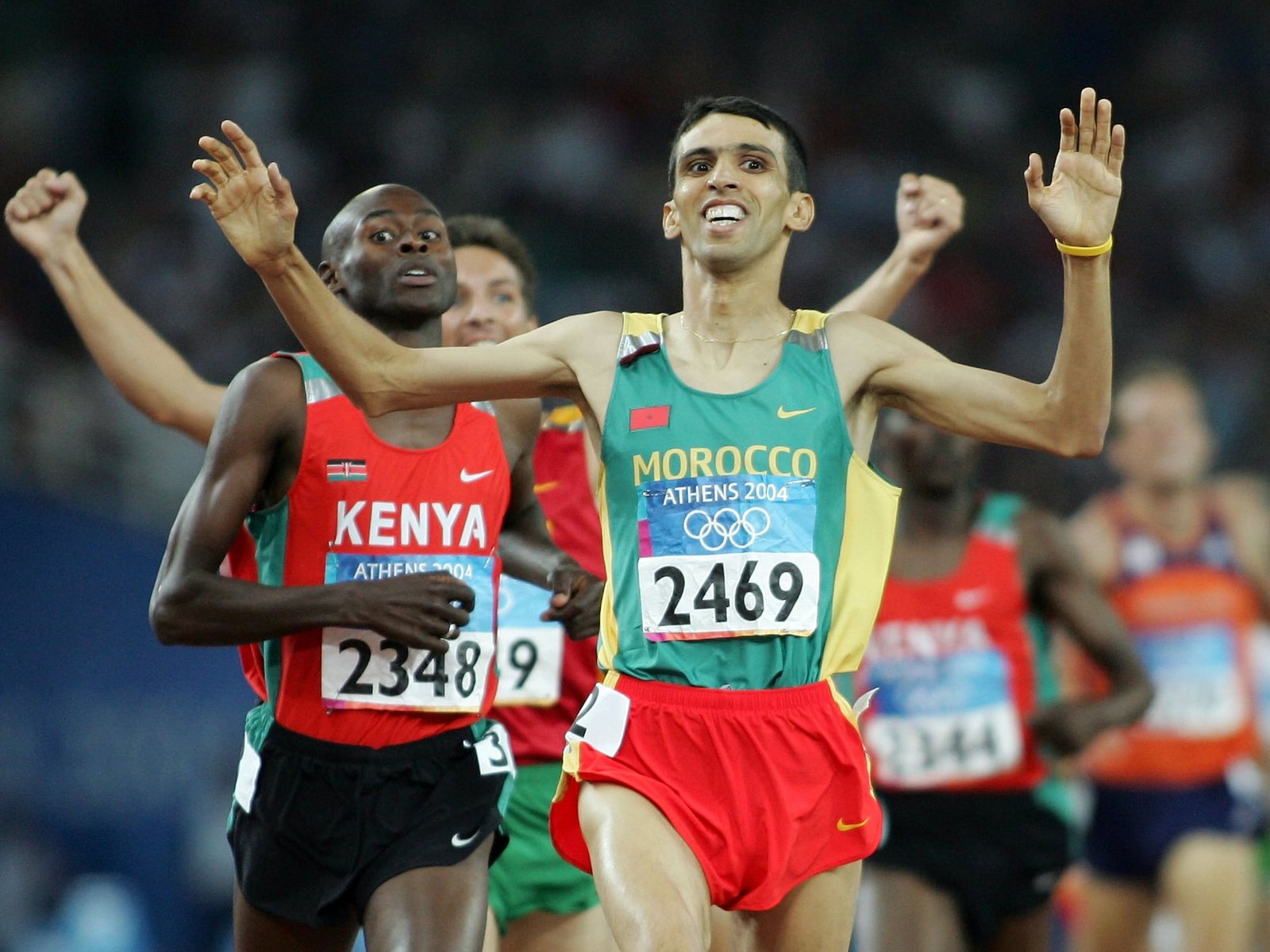
On 24 August 2004, El Guerrouj won the Olympic 1500m final in 3:34.18. Bernard Lagat finished second in 3:34.30, with Rui Silva third in 3:34.68. The first two were separated by twelve hundredths of a second. After two previous Olympic appearances, El Guerrouj finally had the title.
His winning time was 8.18 seconds slower than his 1998 personal best. That subtraction does not diminish the victory. It shows why a championship final should not be judged simply as a failed record attempt. The task was to win the race, and the finishing order records that he did.
Athletes receive no extra credit in the medal table for having previously run faster. Nor does a slower championship time erase the ability demonstrated in a record performance. Each result answers a different question. Keeping both in view gives a fuller account than selecting whichever number makes the simplest argument.
Another middle-distance career makes the distinction clear. Our Sebastian Coe medal and personal-best profile separates championship results from the fastest marks on his record. The comparison concerns how to read a career, rather than declaring that different runners followed the same path.
The Athens victory resolved the central Olympic question. It was already enough to transform his Games record. What made the week exceptional was that his competition was not finished.
Four days later, he won a very different distance
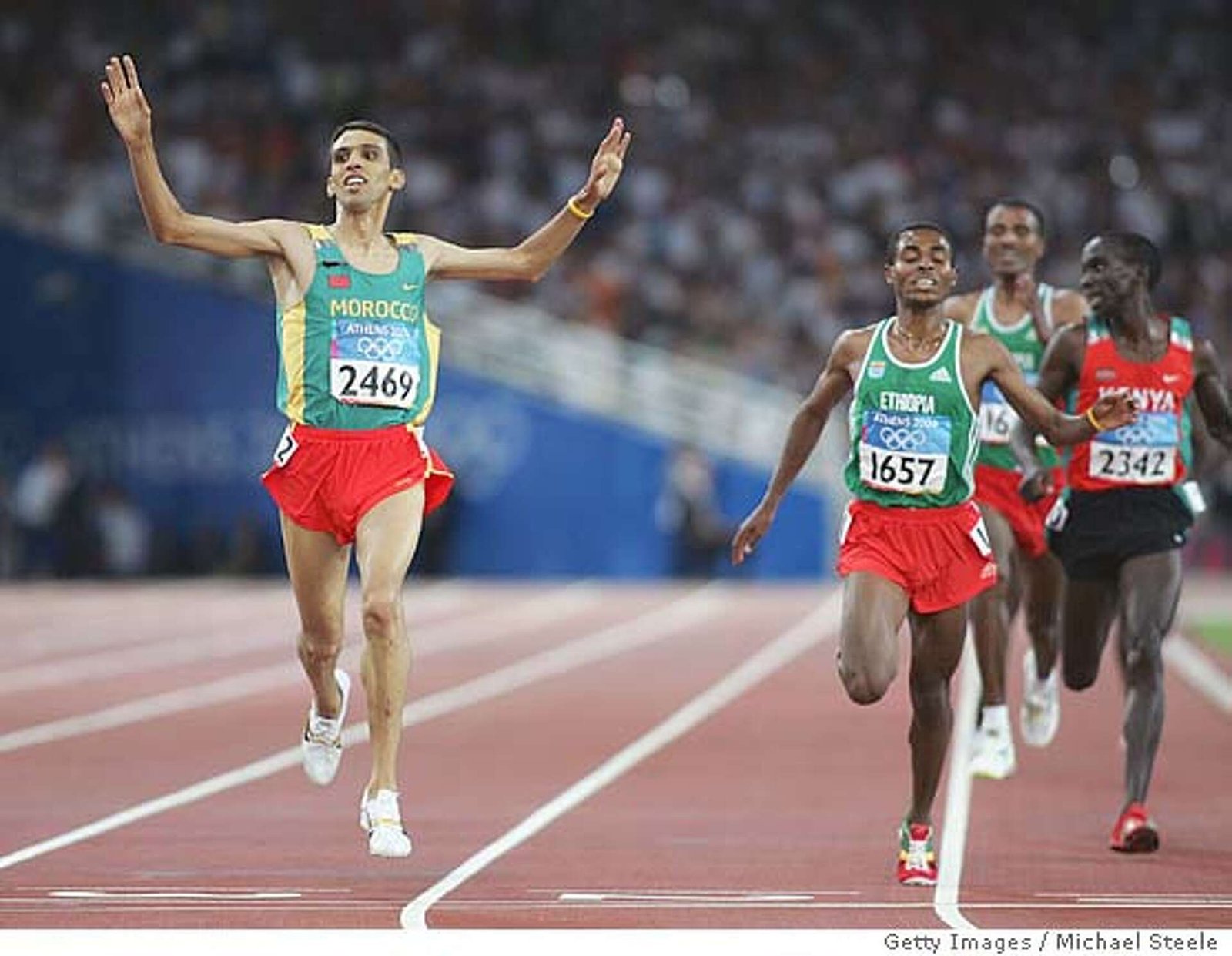
On 28 August, El Guerrouj won the 5000m final in 13:14.39. Kenenisa Bekele was second in 13:14.59 and Eliud Kipchoge third in 13:15.10. The winning margin over Bekele was two tenths of a second. El Guerrouj had added a second gold at a distance more than three times as long as 1500m.
The double placed him alongside Paavo Nurmi, who had won both events at the same Games in 1924. Eighty years separated the achievements. That comparison explains the scale of the Athens result without claiming the athletes raced in equivalent eras or faced equivalent schedules and fields.
It is tempting to compress the golds into a slogan about speed and endurance. The actual result is more specific: one athlete won two Olympic finals over different distances during the same Games. Appreciate that achievement before turning it into a training lesson for someone with a completely different background.
The 5000m victory gives the career more breadth than the familiar label of mile specialist suggests. His world-record performances remain central, but Athens demonstrated competitive success beyond the shorter event with which he was most closely associated. The second final was a separate race to win, rather than a ceremonial addition to the first gold.

Cardio Shirts & Workout Gear
Cardio and conditioning gym gear for runners, endurance athletes and anyone who earns the sweat.


Running Dost Thou Even Trot Medieval Treadmill Pullover Hoodie
Show off your medieval humor in a laid-back “Running” hoodie.

Don't Quit Do It – Motivational Jumper Pullover For Wor T-Shirt
Show some gym-day personality with “Don't Quit Do It”.

Anti Running Club Tee
Heavy lifts, good laughs, and a little “Anti Running Running Club” energy.

Cardio Is Hardio – Workout Meme Hooded Pullover Hoodie
Keep it laid-back with a little “Cardio Is Hardio” attitude.

Everything Hurts And I'M Tired Motivation Vest Tank Top
Your gym-day look, with a playful “Everything Hurts And I'm Tired” twist.

Cardio Is Calling Decline Decal Water Bottles Meme Sticker
A fun “Cardio Is Calling” touch for bottles, laptops, and lockers.

Negative Cardio Review Cardio Sucks 1 Star Vest Tank Top
Bring “Negative Cardio Review” humor to your next lifting session.

Shirt: Does Running Out Of F*Cks Count As Cardio? & T-Shirt
Heavy lifts, good laughs, and a little “: Does Running Out Of F*cks Count As” energy.

Exercise Your Demons | Cardio Workout From Hell Pullove T-Shirt
For laid-back days and cardio humor: “Exercise Your Demons”.
What the career can teach without inventing his workout
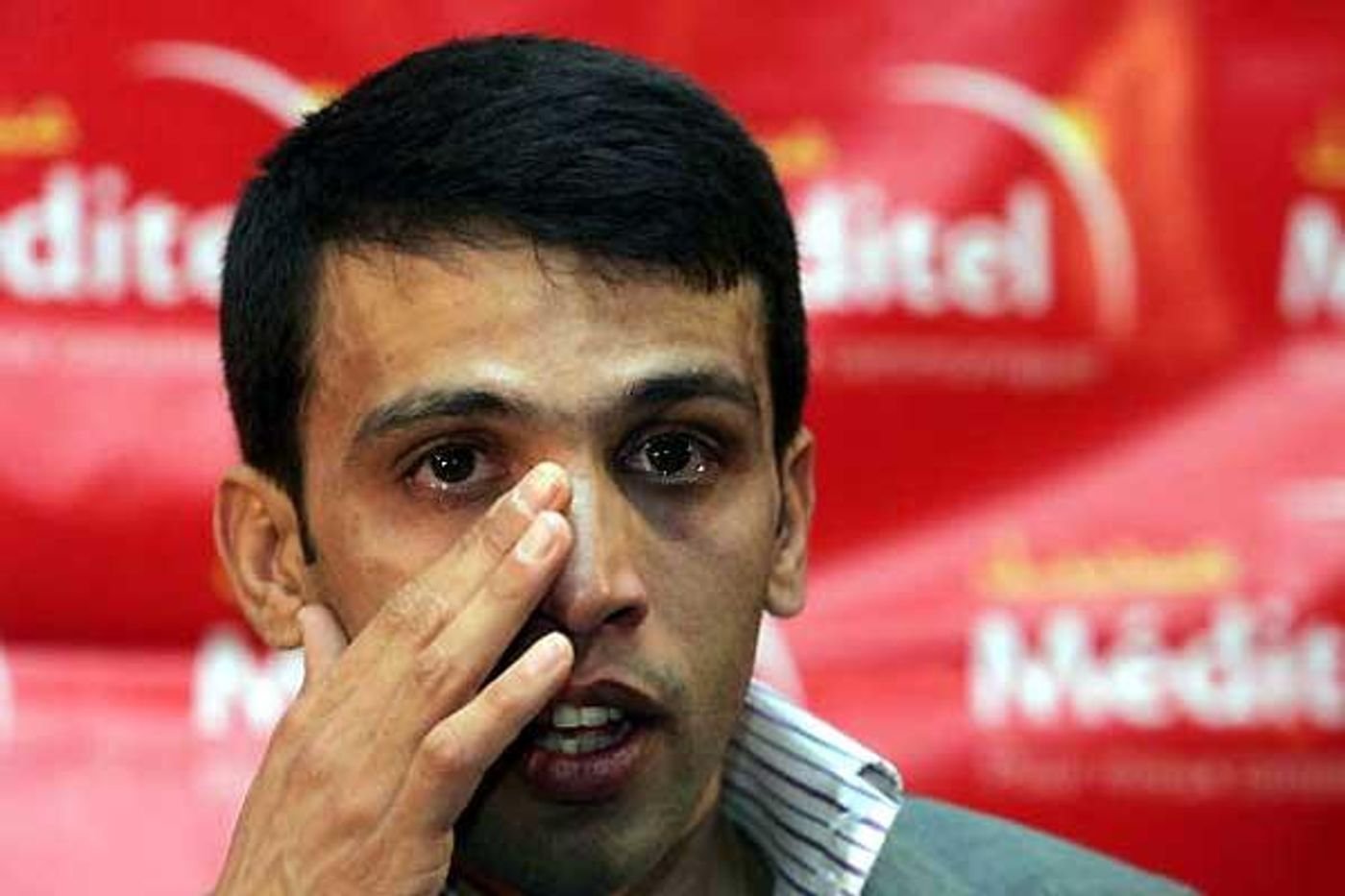
El Guerrouj announced his retirement from competition in 2006. His final Olympic appearance had produced two golds, but the career leading there also contained records, repeated world titles and two Games without a gold. Removing any of those parts makes the story less informative.
For someone who trains, one useful application is to define the result being pursued. A fastest time, a placing against other competitors and the ability to repeat a performance under a different schedule are related goals. They are still different things to record. Improving one measure does not guarantee that another immediately moves in the same direction.
A second application is to distinguish an isolated result from a pattern. One difficult day can matter enormously, especially at a championship, without describing the whole athlete. Conversely, a strong reputation cannot finish the next race. Looking at the individual event and the longer record avoids reducing a career to its best or worst moment.
These are interpretations of competition history, not a prescription to copy an elite runner’s workload. This account does not establish his weekly mileage, lifting programme, interval sessions or recovery routine. A photograph and a list of medals cannot supply those missing details.
The appeal of El Guerrouj’s Athens double is that exceptional ability and the desired Olympic outcome finally met. The records had arrived earlier. The gold medals took longer, and then came at two distances in four days.