The familiar claim that your body can use only 30 grams of protein per meal sounds reassuringly precise. It also mixes up digestion, short-term muscle-protein synthesis and long-term muscle gain. A controlled experiment tracking a 100-gram serving for 12 hours found a longer anabolic response than a smaller serving. That does not mean everyone should consume enormous shakes. The useful question is what the experiment measured, what it cannot establish, and how a lifter can translate the evidence into ordinary meals. Meal frequency is a useful tool for planning, but a rigid ceiling can make sensible nutrition unnecessarily complicated.
What the 100-gram experiment actually measured
A controlled post-workout experiment compared no protein, 25 grams and 100 grams of milk protein. Thirty-six healthy, recreationally active young men completed resistance exercise before receiving their assigned drink. The investigators traced labeled amino acids and measured muscle-protein synthesis across a 12-hour recovery period. This was a detailed snapshot of metabolism after one workout, not a training intervention lasting months.
The 100-gram dose produced a larger and more prolonged anabolic response than 25 grams. Amino acids from the larger serving continued entering circulation and supporting tissue-protein synthesis beyond the usual short observation window. That finding challenges the idea that the body stops using protein after an arbitrary 20- or 30-gram threshold.
The important qualifier is the outcome. The experiment measured biochemical responses, including how much dietary protein was incorporated into muscle and other tissues. It did not show that regularly eating 100 grams in one meal produces greater long-term muscle size than distributing the same total across several meals. A stronger acute signal and superior hypertrophy are different claims.
All participants were young men, so extrapolation to women, older adults and people with different health or training histories needs caution. The experiment also used a specific protein source under controlled conditions. An ordinary mixed dinner may digest differently from a single isolated protein drink.
Absorption is not the same as maximum muscle growth
Protein does not stop being digested when a meal exceeds a certain number. Larger meals generally take longer to digest, and absorbed amino acids can support muscle repair, enzymes, immune proteins and many other tissues. The phrase ‘protein absorption limit’ therefore confuses several processes that happen on different timescales.
Muscle-protein synthesis responds to amino-acid availability, but the response varies with training, age, protein quality, meal composition and how long it is measured. Some earlier short-window experiments suggested that moderate servings produced a near-maximal response under particular conditions. Longer tracking of a much larger dose revealed sustained synthesis that shorter protocols could not capture.
More protein in one sitting is not necessarily more efficient per gram. A 100-gram serving may contribute more total amino acids to synthesis while producing a smaller proportional return on each gram than a moderate serving. The practical question is whether your full day provides enough protein, not whether a dinner crosses a supposedly magical threshold.
Think of digestion as a process rather than a switch. A large steak dinner does not instantly deliver every amino acid into the bloodstream, and the body does not suddenly reject its contents when a numerical cutoff is reached. The useful distinction is between processing food and maximizing a particular physiological response.
Daily protein intake comes before meal mathematics
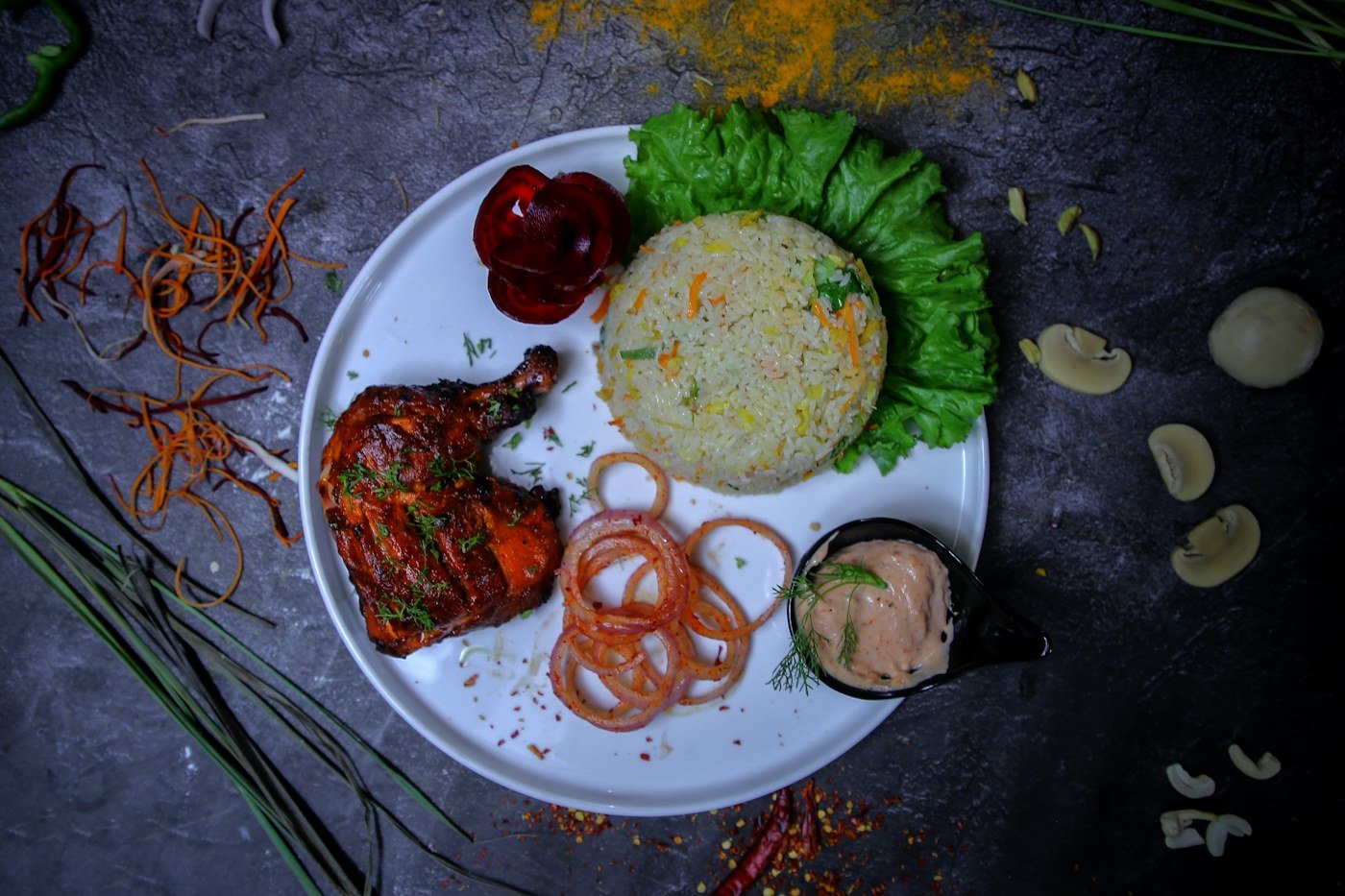
For many healthy adults who lift weights, roughly 1.4–2.0 grams of protein per kilogram of body weight per day is a reasonable evidence-based planning range. A large analysis of resistance-training trials suggested diminishing average returns beyond about 1.6 grams per kilogram, with uncertainty and individual variation around that estimate. These are broad guides rather than a requirement to hit an identical number every day.
At 70 kilograms, a target of 1.6 grams per kilogram is 112 grams daily. At 85 kilograms it is 136 grams; at 100 kilograms it is 160 grams. An 85-kilogram lifter could reach 136 grams with four meals of roughly 34 grams, or with three meals averaging about 45 grams. Neither approach requires eating every two hours.
Energy intake and training still matter. Someone chronically under-eating may struggle to add muscle even with a high-protein shake routine. A beginner following progressive resistance training can improve without an elaborate supplement schedule. Protein powder is useful when it fills a dietary gap; it cannot substitute for effective training, enough food and a repeatable plan.
Body weight is a starting point, not the whole story. Someone dieting aggressively, an older lifter or an endurance athlete with high training volume may have different practical needs. Rather than chasing a single perfect number, pick a defensible target, observe recovery and progress, and adjust your diet alongside your training.

Bodybuilding Shirts & Workout Gear
Bodybuilding shirts, tanks and gym gear for lifters chasing muscle, size, symmetry and the pump.


Protein Monster – Protein Lovers, & Bros – Meme T-Shirt
Heavy lifts, good laughs, and a little “Protein Monster” energy.

Chicken Broccoli Rice – , Gymbros & Gains Meme T-Shirt
Heavy lifts, good laughs, and a little “Chicken Broccoli Rice” energy.

Broccolift – Eat Broccoli & Lift , & Gains – Meme Top T-Shirt
Show some meal-prep attitude with a playful “Broccolift” tee.

Funny Protein King Gym | Burger King Parody Muscle Shir Tank Top
Add some burger-loving attitude to training with “Protein King”.

Shirt – Eat Your Chicken – Meme & Gains T-Shirt
Rep “Eat Your Chicken” humor in and out of the gym.

Protein Power Cereal Tee
Heavy lifts, good laughs, and a little “Protein Power Cereal” energy.

Bro Protein Bodybuilders & Meme Athletic Shirt Tank Top
Bring “Gym Bro Protein” humor to your next lifting session.

Funny Brotein Bar Gym | Workout Sweater For Gym Bros & T-Shirt
Add a playful “Brotein Bar” touch to your casual rotation.

Funny Viking Gym – Blood Sweat Protein Shakes Pullover T-Shirt
Show some gym-day personality with “Viking”.
Does spreading protein across meals help?
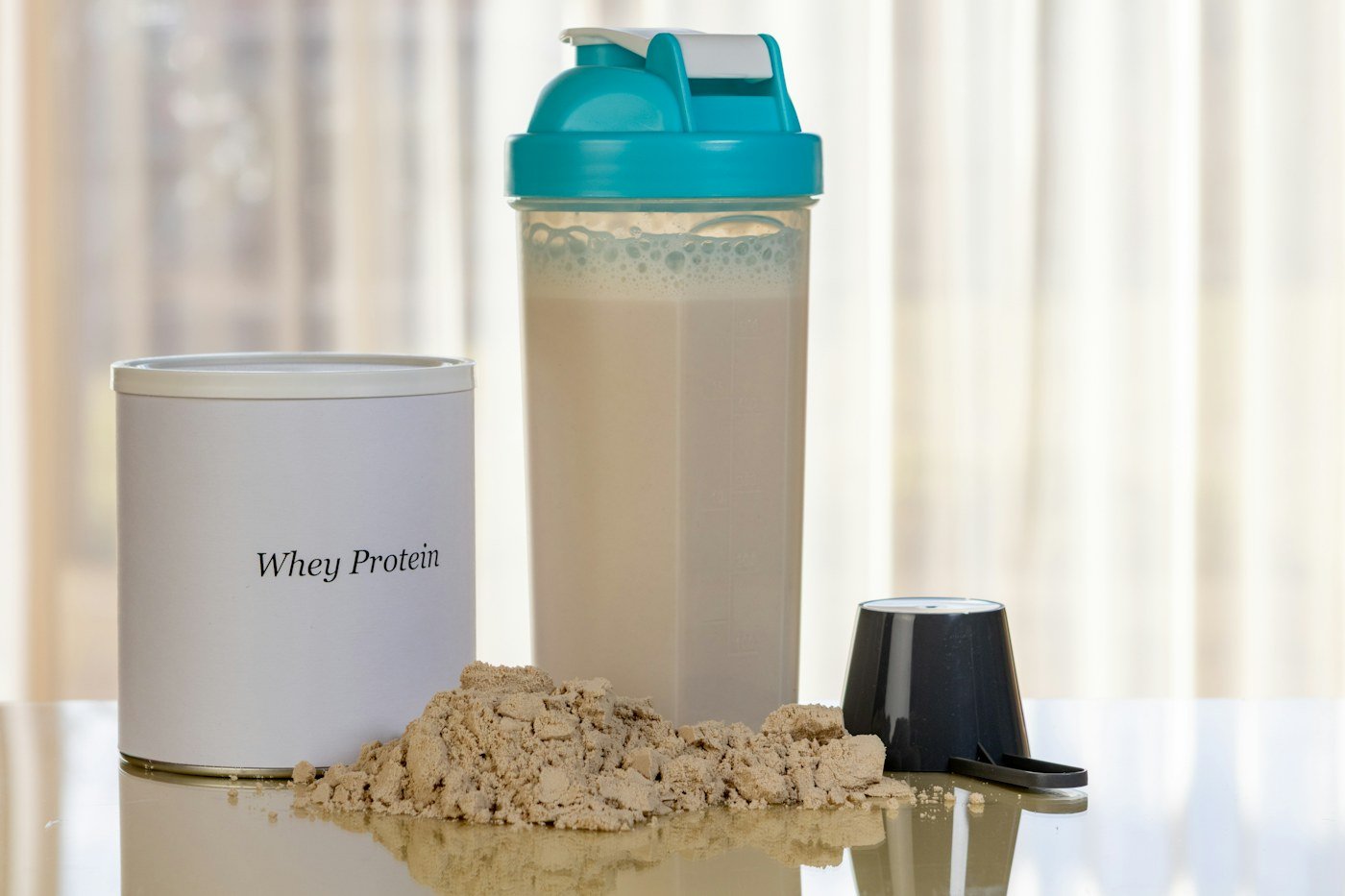
Meal distribution is a sensible optimization, not a law of nature. In a short-term recovery experiment, 80 grams of whey delivered as four 20-gram servings every three hours stimulated more muscle-protein synthesis across the observation window than the same amount delivered as two 40-gram servings every six hours or eight 10-gram servings every 90 minutes. The study compared particular feeding patterns on one recovery day.
Evidence showing prolonged responses to larger meals complicates the slogan that more frequent feeding always wins. These findings need not contradict one another: the answer changes with dose, exercise protocol and observation window. Neither experiment establishes whether three meals or six meals will produce greater muscle size after months of matched training and matched total daily protein.
Three or four protein-containing meals are a convenient default for many people. If work forces a larger dinner, the food is not automatically wasted. If breakfast contains almost no protein and dinner carries the entire target, adding some protein earlier may make the day easier and provide another useful feeding opportunity. Consistency is worth more than a theoretical perfect timetable.
Meal distribution also affects appetite, grocery planning and digestion. A person who dislikes a very large dinner may find four meals easier. Another person may prefer two substantial meals because their schedule makes snacking inconvenient. The best plan is one that supplies sufficient nutrients and can be repeated for months.

Equipment Worth Exploring
Explore equipment, accessories and gear from our carefully selected range.
VOLTRA
Compact digital cable trainer with smooth, adjustable resistance.

Go-Tone Pro
Portable digital cable trainer with up to 66 lb (30 kg) of adjustable resistance.


FID Bench MAX
Adjustable bench offering flat, incline, and decline positions + adjustable headrest.


What to eat after lifting, and when timing matters

Resistance exercise makes muscle responsive to amino acids for many hours. Recovery is not confined to a tiny window after the final repetition, and a meal eaten before training may still be supplying amino acids afterward. If you train fasted or have not eaten for several hours, a protein-containing meal soon after the session is sensible. If you ate a substantial lunch shortly before training, there is little reason to panic about missing a shake.
One experiment in trained men found that 40 grams of whey after whole-body lifting produced a greater short-term muscle-protein synthesis response than 20 grams. This does not make 40 grams a universal requirement. It shows that the amount of muscle trained and the study conditions can matter when interpreting serving-size advice.
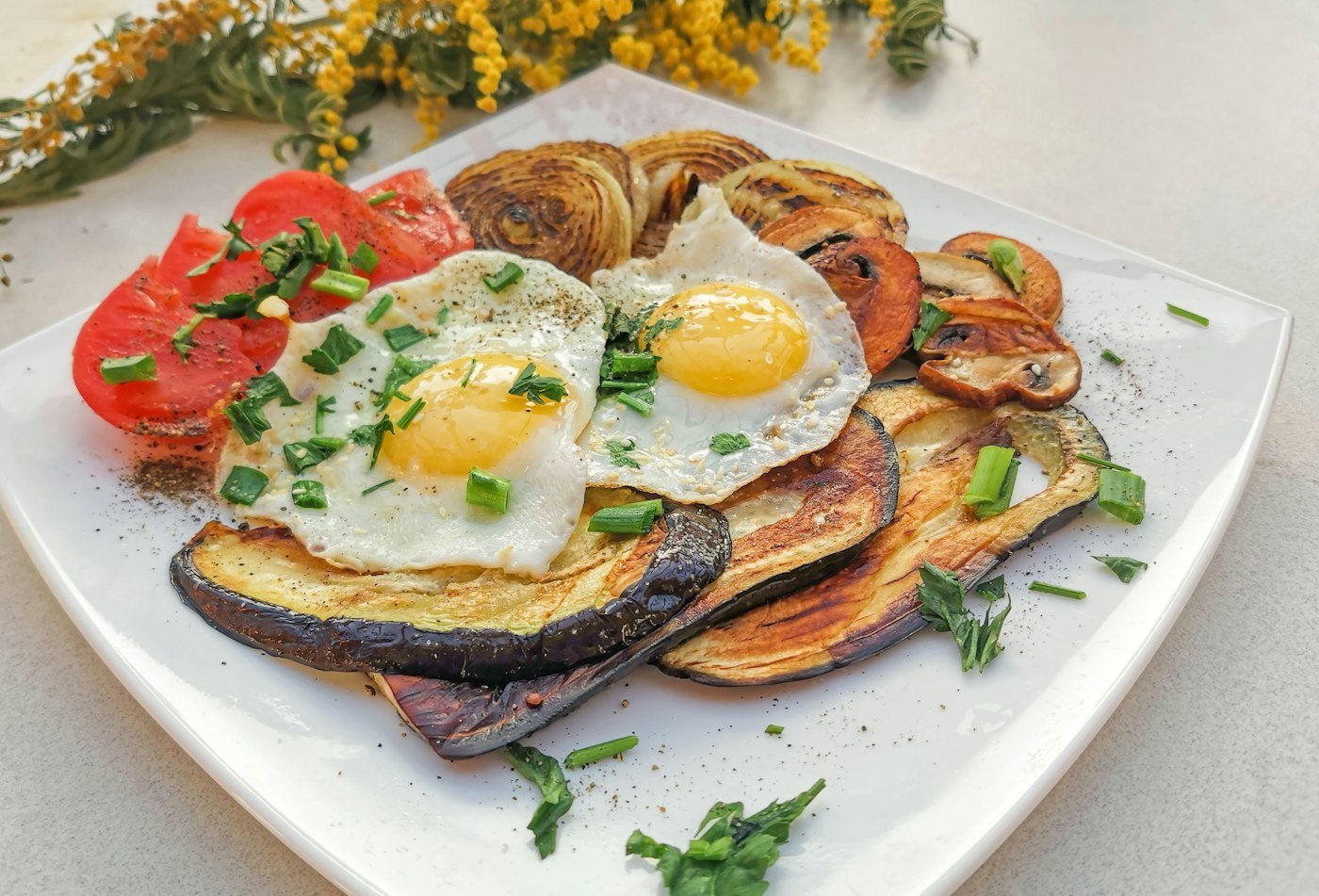
Look at the whole meal, not protein in isolation. Carbohydrates help replace glycogen after demanding training, fluids replace sweat losses, and ordinary foods provide fiber and micronutrients. A chicken-and-rice dinner or a tofu bowl with vegetables can be more useful than a giant shake that leaves the rest of the day’s nutrition neglected.
If training finishes just before bedtime, an ordinary dinner or convenient snack may be enough. If you train twice in one day, your total recovery needs can be higher and meal timing may deserve more attention. Match your choices to actual workload and appetite rather than assuming one universal post-workout clock.
Bodybuilding Shirts & Workout Gear
Bodybuilding shirts, tanks and gym gear for lifters chasing muscle, size, symmetry and the pump.


I'm Just Here Because I Like To Eat , Bros & Meme T-Shirt
Heavy lifts, good laughs, and a little “I'm Just Here Because I Like To Eat” energy.

Bro – Powered By Chicken Broccoli Rice Meme & Gains T-Shirt
Show some meal-prep attitude with a playful “Gym Bro” tee.

Patriotic – I Want You To Eat Your Damn Protein T-Shirt
Bring “Patriotic” humor to your next gym day.


Wheysted | GTA Parody Workout Sweater | Whey Protein Pu T-Shirt
Show some gym-day personality with “Wheysted”.

Swole DiCaprio The Great Gatsby Gym | Funny Cheersing P T-Shirt
Rep “Swole DiCaprio The Great Gatsby” humor in and out of the gym.

Fuel Your Gains Metallica Rock Music — Protein Shakes B T-Shirt
Add a playful “Fuel Your Gains Metallica Rock Music” touch to your casual rotation.

Aquaman Protein Diet Gym Funny Seafood Gains Crewneck P T-Shirt
Add a playful “Aquaman Protein Diet” touch to your casual rotation.

Protein Scarface Parody for Gym Bros, Lifters & Bodybui Hoodie
Show off your lifting humor in a laid-back “Protein” hoodie.
Protein quality, plant foods and supplements
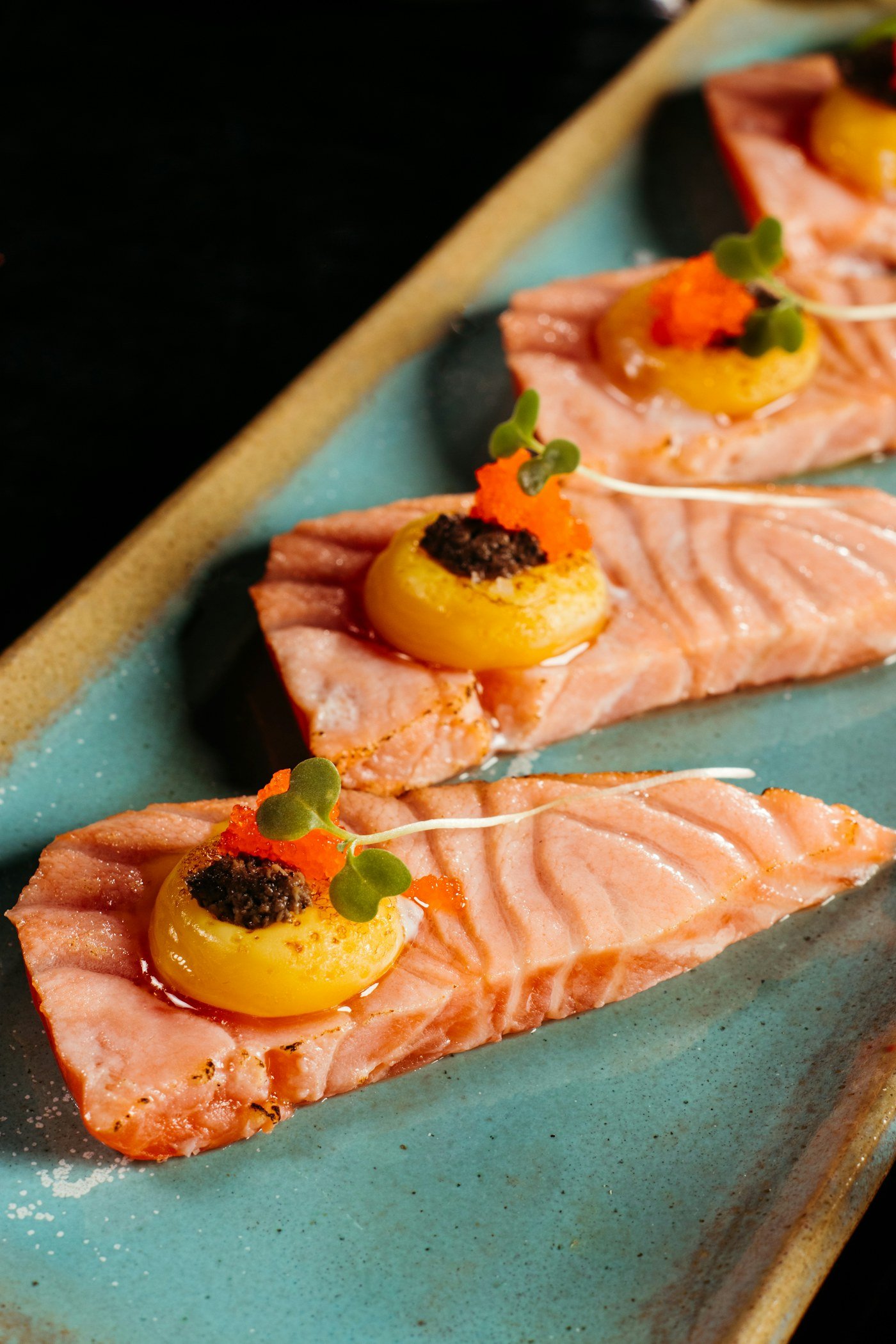
Protein sources differ in essential-amino-acid composition and digestibility. Dairy, eggs, fish and poultry provide complete amino-acid profiles. Soy foods also contain all essential amino acids, while legumes, grains, nuts and seeds can combine across the day to support adequate intake for people who eat mostly plants. A varied diet does not need every individual plate to achieve a mathematically perfect amino-acid profile.
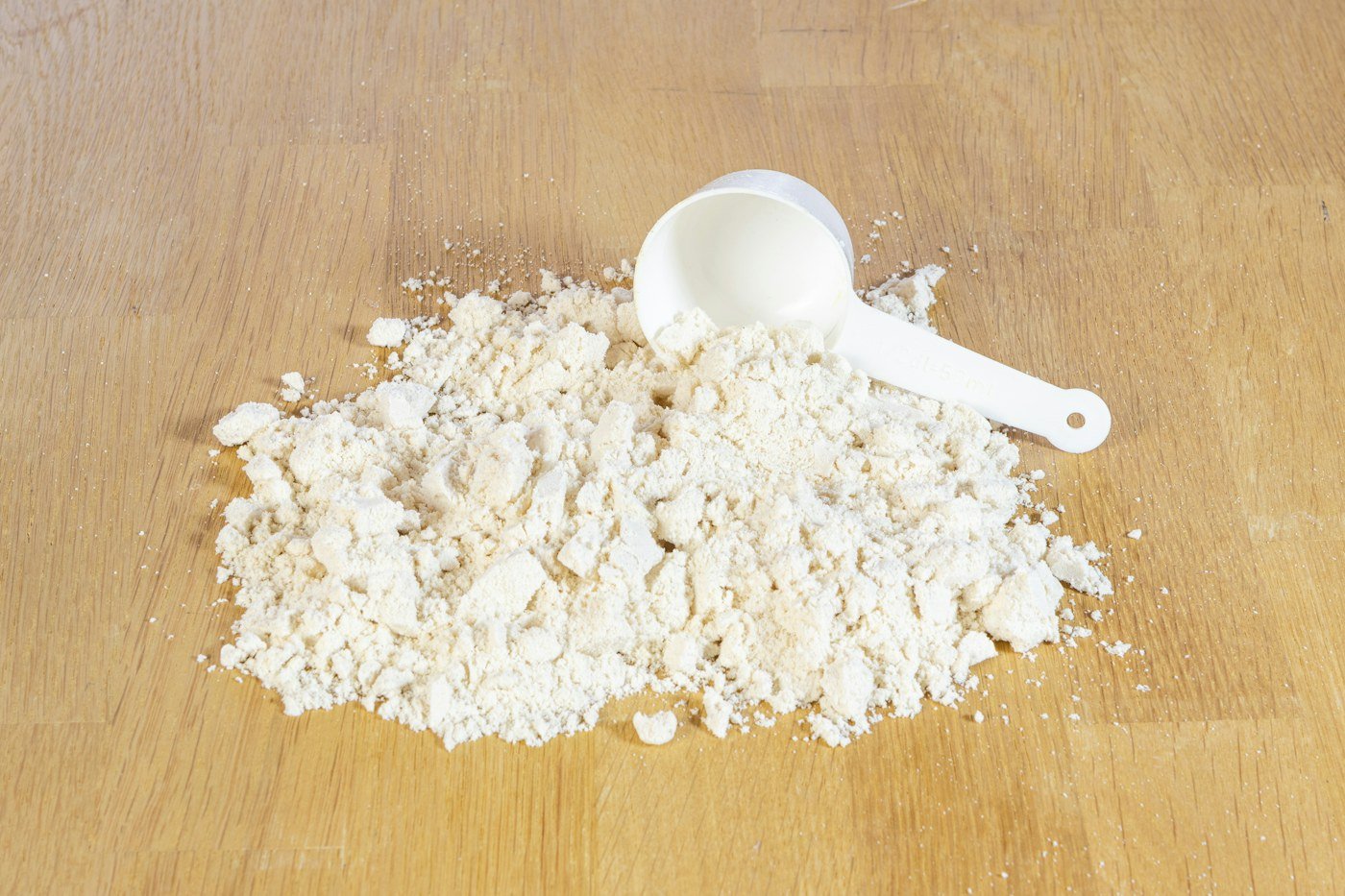
Whey powder is convenient because it mixes quickly and usually delivers a substantial amount of protein in a modest serving. It is not required for muscle growth. A scoop’s actual protein content depends on the nutrition label, not the size of the plastic scoop. Yogurt, eggs, beans, tofu and ordinary meals contribute to the same daily total.
Pre-sleep protein can be useful for someone who struggles to meet a daily goal or trains late. It is not a mandatory ritual; a late dinner already rich in protein may serve the same practical purpose. People with kidney disease or another condition requiring individualized protein limits should follow their clinical guidance rather than applying general athletic targets.
Whole foods bring nutrients that isolated powder may not provide. A salmon dinner supplies more than protein, and a tofu-and-vegetable meal offers different benefits. Supplements are most useful as a practical convenience, not a reason to neglect fruit, vegetables, fiber or overall dietary quality.
Equipment Worth Exploring
Explore equipment, accessories and gear from our carefully selected range.


Power Tower
Freestanding pull-up and dip station with adjustable handles for bodyweight training.

A flexible protein plan for real life
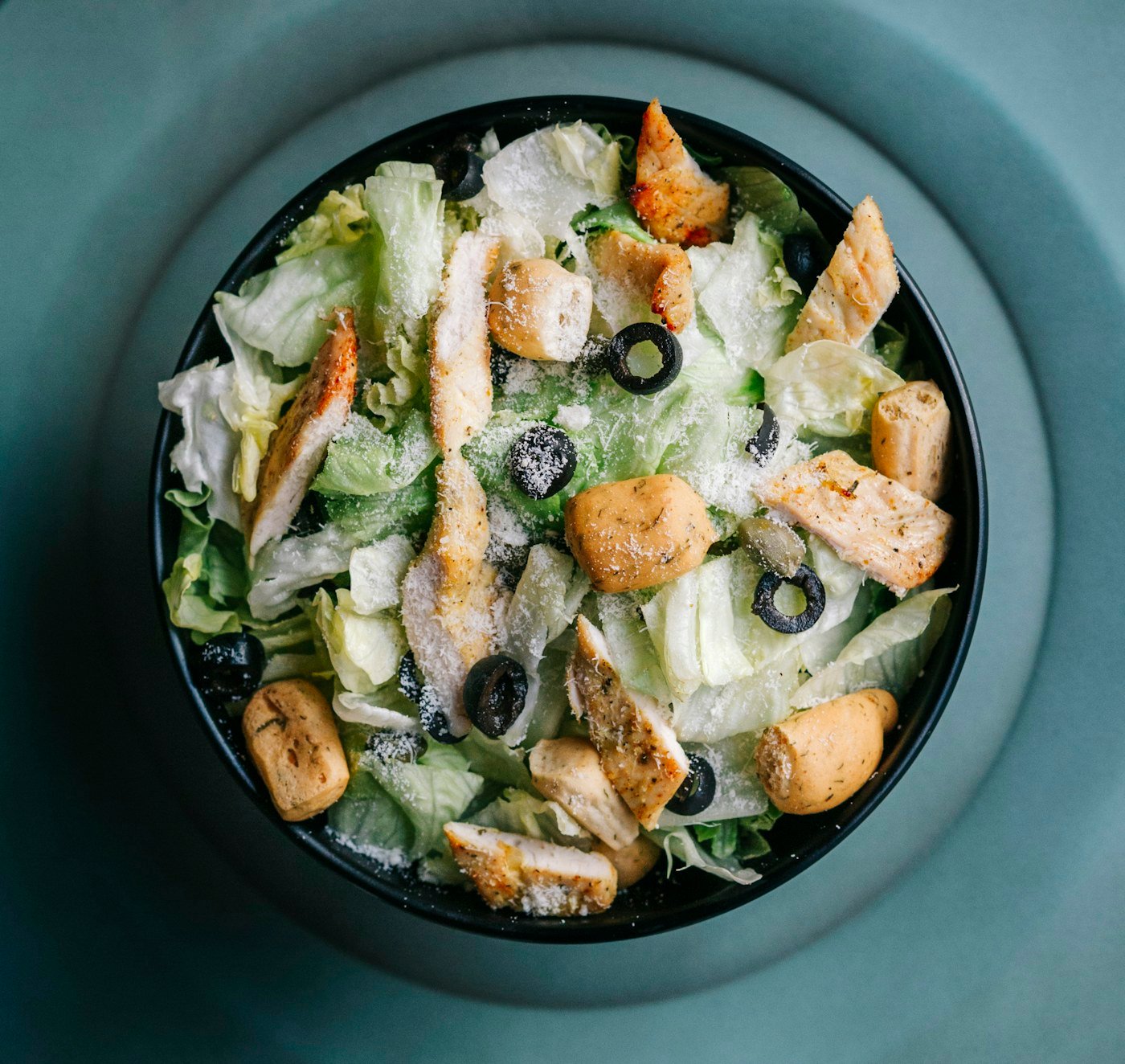
Start with a daily target and build a meal pattern you can maintain. For an 80-kilogram lifter using approximately 1.6 grams per kilogram, the goal is about 128 grams per day. Breakfast with 30 grams, lunch with 35 grams, dinner with 45 grams and a snack with 18 grams meets that total without any 100-gram serving. Another person might prefer two substantial meals and a shake.
Build meals from recognizable protein-containing foods, then check labels or a reliable nutrition tracker when accuracy matters. Eggs and yogurt can anchor breakfast; chicken, fish, tofu or beans can anchor lunch and dinner; a shake can bridge a gap on a busy day. A few days of tracking often shows whether the problem is low total intake, inconsistent meals or overestimating the protein in favorite foods.
The takeaway is reassuring but nuanced. A large protein meal is not automatically wasted, and the 100-gram experiment supports that conclusion. It does not prove enormous single meals outperform ordinary distribution for long-term hypertrophy. Prioritize progressive lifting, sufficient daily protein, adequate calories and a sustainable routine. Treat meal timing and serving size as flexible tools rather than rules that make training harder to enjoy.
If a workday unexpectedly compresses your meals, simply return to your usual pattern tomorrow. One oversized dinner will not erase progress, and one perfectly timed shake cannot compensate for consistently inadequate intake. Build a routine you can afford, enjoy and sustain alongside training.