Advertising disclosure: This page includes affiliate product links that may earn us a commission, as well as products from our own store.
Reps in Reserve vs Failure: How Hard Should You Train for Muscle?
How close to failure should you push a working set? The answer depends on the exercise, your technique, your goal and the cost of recovering for the next session. A hard set can be valuable without ending in a missed repetition, and the hardest possible set is not automatically the best one.
Repetitions in reserve, or RIR, gives lifters a practical way to describe effort without treating every set as a test. Combine it with evidence on muscle growth and strength, then use your logbook to make better decisions about when to push and when to leave a margin.
1. Reps in reserve is a measure of clean repetitions left
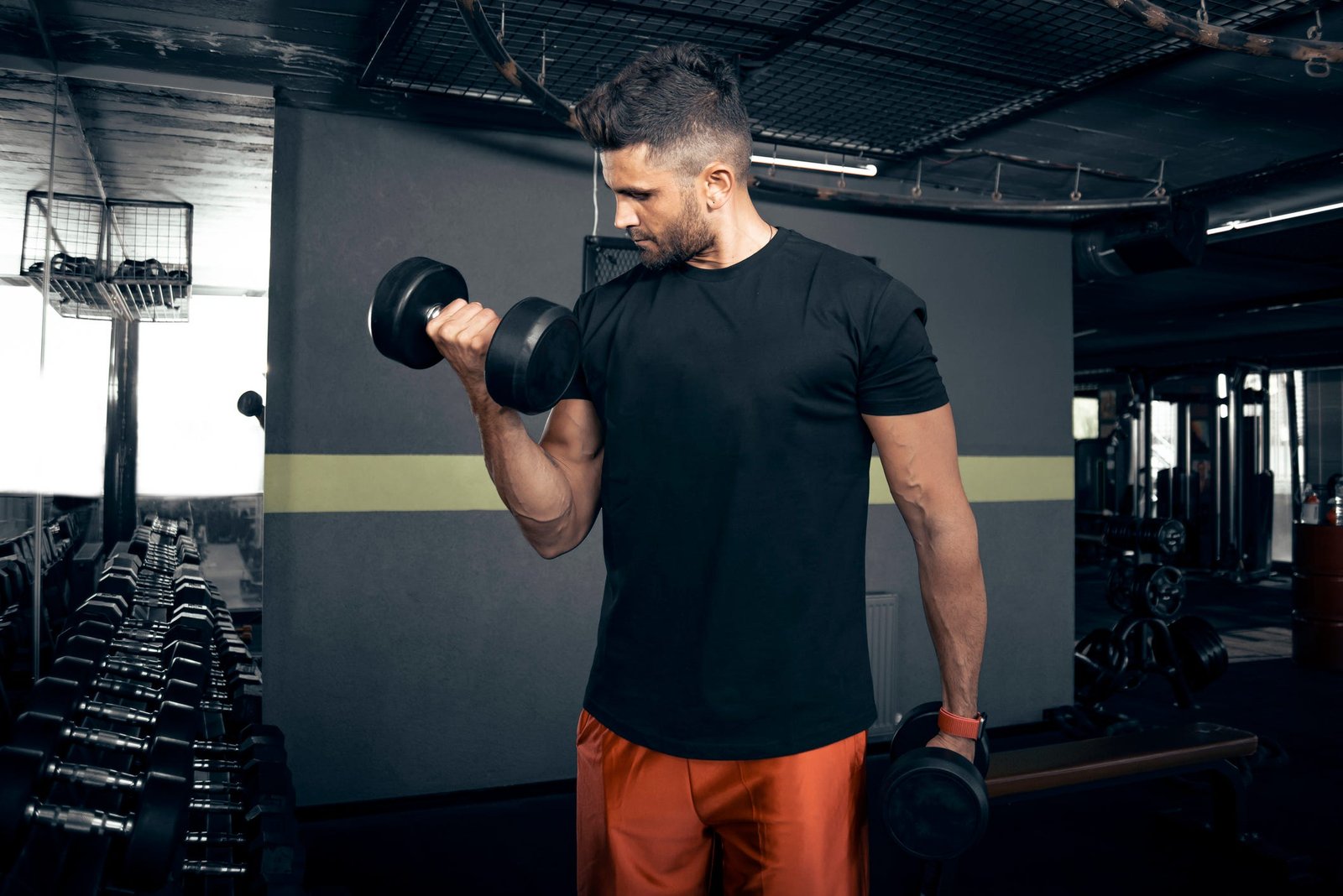
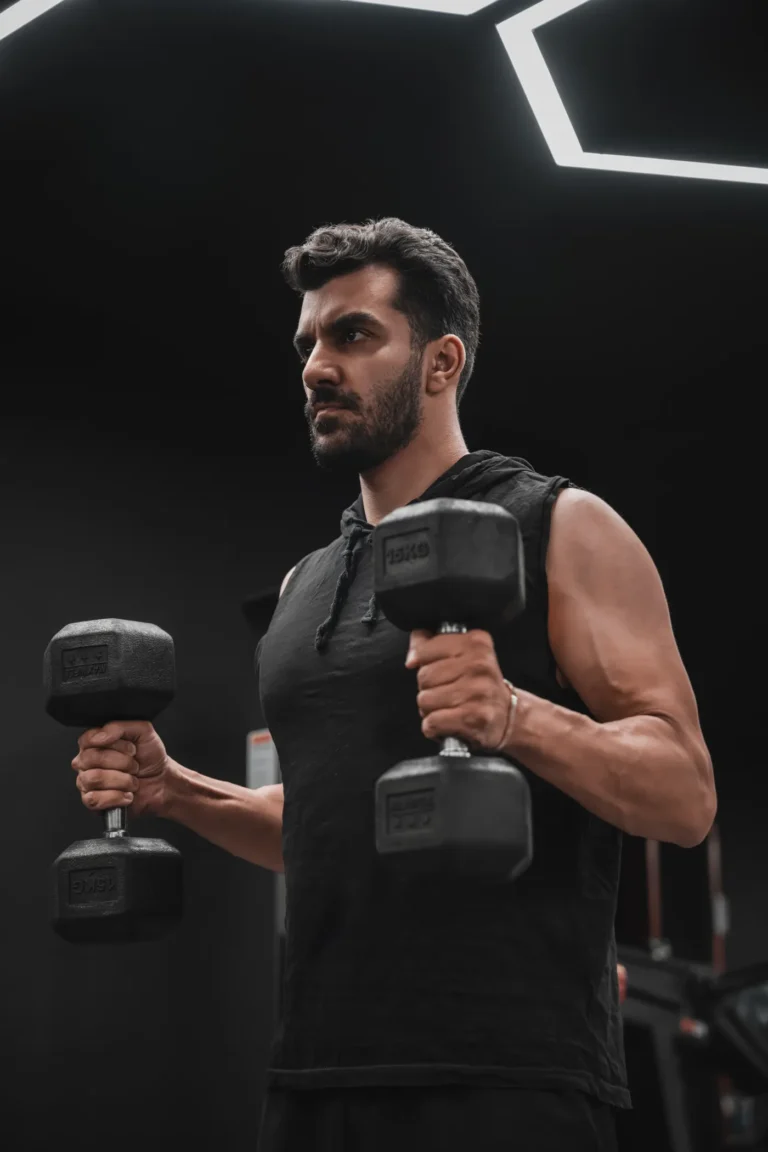
RIR describes how many more repetitions you estimate were possible when you stopped a set. Ten dumbbell curls with three clean repetitions still available count as roughly three RIR. If only one more strict rep was possible, the set was about one RIR. Zero RIR means you could not perform another full repetition with the intended technique and range of motion.
The word clean is important. A strict curl is not the same movement if you suddenly lean back and swing the hips. A squat stopped because the torso starts collapsing should not be extended just to discover whether a seventh repetition fails. Technical failure and momentary muscular failure are not identical events, and their practical boundaries differ by exercise.
RIR is not a laboratory measurement. It is an estimate influenced by experience, exercise familiarity, rep range, pain, arousal, and fatigue. A beginner may stop a set because it feels uncomfortable when several repetitions remain. An experienced lifter may judge an ordinary cable curl well but still misjudge a heavy unilateral squat. Record estimates without pretending they are precise to the decimal.
At the end of a working set, use a simple scale: three or more left, two left, one left, or none. Write the load and completed repetitions next to that estimate. For example, a set of 32-kilogram dumbbell curls for ten repetitions at two RIR is more informative than ten hard reps. A later increase might reflect greater strength, a harder effort, or both.
RIR is separate from the number of reps prescribed. An eight-rep set can be easy at four RIR or nearly maximal at zero RIR depending on load. Two lifters both completing twelve reps may be nowhere near the same effort. Use the last few repetitions to estimate the remaining capacity rather than labeling a set hard merely because its rep count was high.
2. The evidence separates the strength and hypertrophy questions
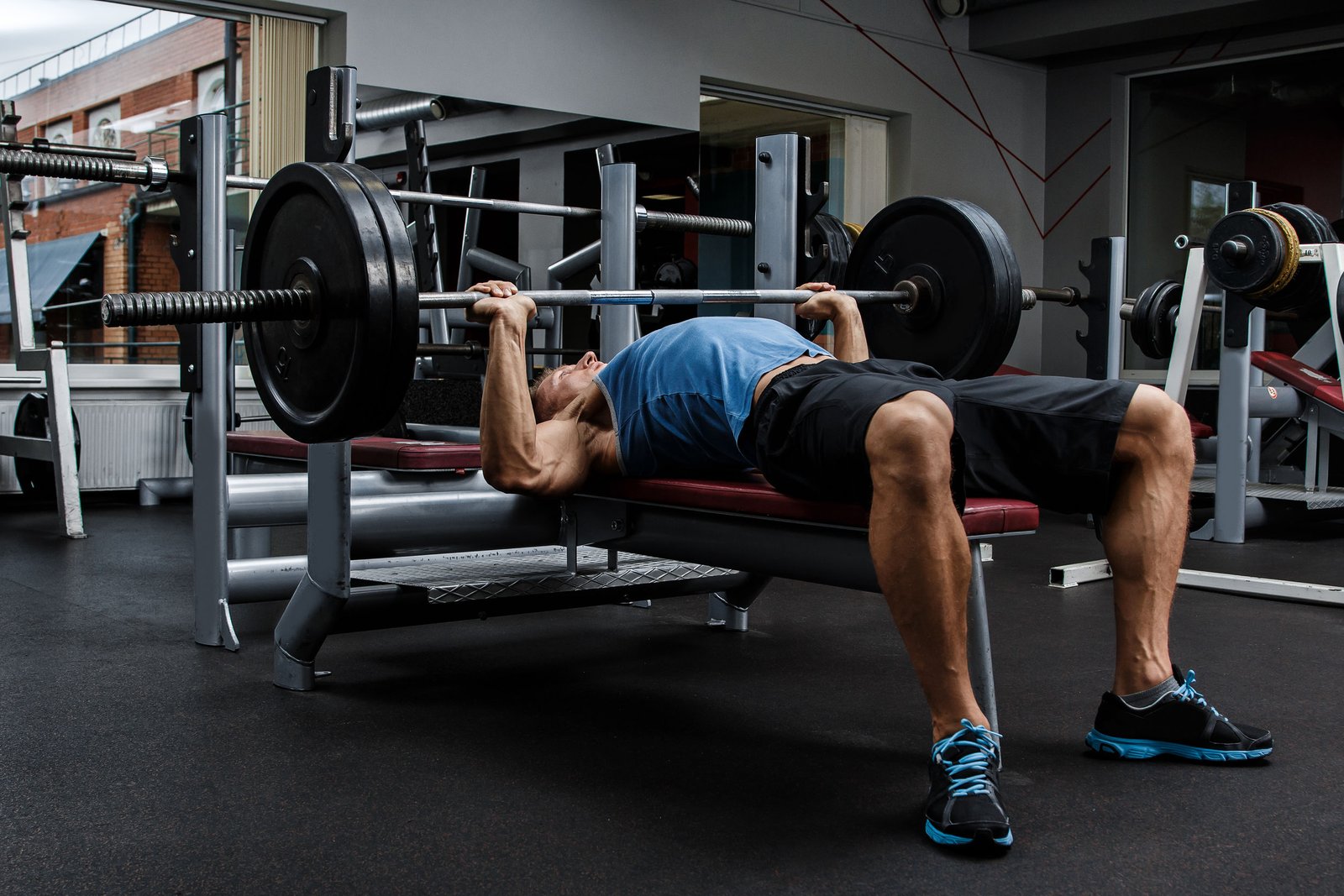
A 2024 synthesis examined estimated distance from failure across resistance-training studies instead of dividing every workout into only failure versus non-failure. Its exploratory models associated training closer to failure with greater muscle-size gains. The relationship with strength was much less clear: strength gains occurred across a broad range of estimated repetitions in reserve.
This does not establish that the final failed rep is a magic hypertrophy trigger. The synthesis estimated RIR from descriptions of earlier training protocols, because the underlying studies had not all directly measured each lifter’s remaining repetitions. Model fit was modest, and the exact dose-response curve is uncertain. Moving from very easy sets toward demanding work may matter more than the narrow difference between one RIR and zero RIR.
Other analyses comparing failure against non-failure have not consistently demonstrated that momentary failure produces superior muscle growth. That sounds inconsistent only if every non-failure set is assumed to be equally easy. Stopping a set two repetitions short is very different from stopping ten short. Research categories can hide that important distinction.
A small eight-week 2025 experiment randomized thirty-eight trained men to programs using different RIR ranges. Bench press strength improved meaningfully in groups that usually left a margin, while groups that included sets to failure had somewhat less favorable results. Squat data and estimates of muscle-size change were harder to interpret because of protocol feasibility and large variability. The lesson is caution, not a universal prohibition on hard sets.
In a separate 2026 study, nineteen resistance-trained adults trained preacher curls with one arm to failure and the other ending around one to three RIR. Both conditions improved measured muscle thickness and strength over eight weeks, and the differences between them were not clear. That is one small exercise-specific comparison, not a verdict for every muscle or training schedule.
The best interpretation is that training sufficiently close to failure can support hypertrophy while stopping short often preserves useful strength work. Exact optimal RIR remains uncertain. Workload, load selection, consistency, rest periods and individual recovery still shape the outcome more than the dramatic appearance of a final grinding repetition.

Equipment Worth Exploring
Explore equipment, accessories and gear from our carefully selected range.




FID Bench MAX
Adjustable bench offering flat, incline, and decline positions + adjustable headrest.

Competition Plates
Competition-style bumper plates for Olympic lifts and loaded strength training.


Multi Bench MBX-650 2.0
Adjustable multi-bench with roller adjustment, 15 backrest positions and accessory mounts.

Foldable Wall Rack
Wall-mounted folding squat rack designed to save floor space between workouts.

Rubber Hex Dumbbells
Rubber-coated hex dumbbell pairs with a stable shape for home and commercial strength training.
3. Isolation exercises are a controlled place to experiment
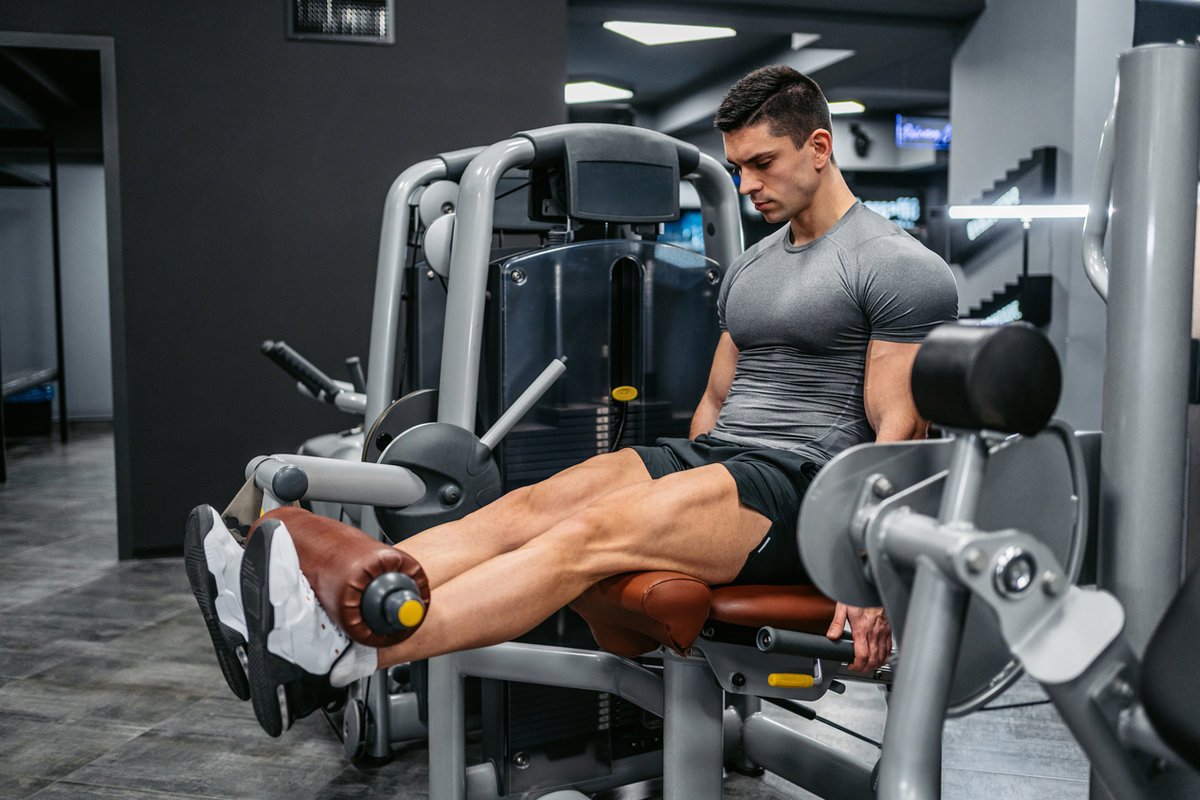
Leg extensions, curls and lateral raises are often easier places to explore low RIR than heavy squats or deadlifts. These lifts usually demand less whole-body stabilization, and a machine may be simpler to stop safely when the target muscle fatigues. That does not make every repetition to failure harmless, especially when a joint starts hurting or technique changes.
Imagine three sets of leg extensions. You could perform the first two at about two RIR and allow the final set to approach one RIR. Once in a while, a controlled final set to zero RIR may be reasonable if the exercise feels good and your following sessions recover normally. If your hips lift from the pad or the final rep turns into a swinging kick, you have exceeded the useful technical limit.
On curls, standardize the elbow position, shoulder movement and lowering phase. When a heavier dumbbell forces a new torso lean on every rep, the weight is no longer testing the same task. A slightly lighter load that permits ten strict reps can give you clearer progressive overload than a nominally heavier set where the range becomes shorter.
Local effort also creates local fatigue. Taking five different arm exercises to failure in a workout may irritate elbows or compromise the next session despite feeling less systemically exhausting than a maximal squat. Observe whether later sets lose repetitions despite enough rest, and whether soreness persists when that muscle is trained again.
A starting guideline for many bodybuilding accessories is one to three RIR for most sets, with optional failure on a familiar final set. This is a practical heuristic, not a universal research-established sweet spot. If your log improves at two RIR, pushing to zero every time is unlikely to be an automatic upgrade. If performance stalls because sets are consistently too easy, gradually increase effort before adding endless new exercises.

Bodybuilding Shirts & Workout Gear
Bodybuilding shirts, tanks and gym gear for lifters chasing muscle, size, symmetry and the pump.

Rep God Swole Shady Rap God Parody | Music Pullover T-Shirt
Add a playful “Rep God Swole Shady Rap God Parody” touch to your casual rotation.

Rep Dead Redemption Gym | Swole Cowboy Arthur Morgan Fu Hoodie
Stay casual and show some gaming attitude with “Rep Dead Redemption”.

Optimus Pump | Transformers Muscle Shirt | Robot Workou Tank Top
Your gym-day look, with a playful “Optimus Pump” twist.

Funny Gain Train Gym | Thomas The Tank Engine Meme Musc Tank Top
Show some personality between sets with “Gain Train”.


Vibranium Strength Tee
Bring “Vibranium Strength Captain America Gym Hero” humor to your next gym day.

Not Natty Strength & Tren Meme Decal Water Bottles & Sticker
Put “Not Natty” gym humor on your laptop, bottle, or gym gear.

Mutant Strength Wolverine X-Men Superhero Workout Bodyb Hoodie
Stay casual and show some superhero attitude with “Mutant Strength Wolverine X-Men”.


Funny LEGO Bodybuilder Gym | Muscle Shirt & Fitness Mem Tank Top
Bring “LEGO Bodybuilder” humor to your next lifting session.
4. Compound lifts deserve a larger margin for technique
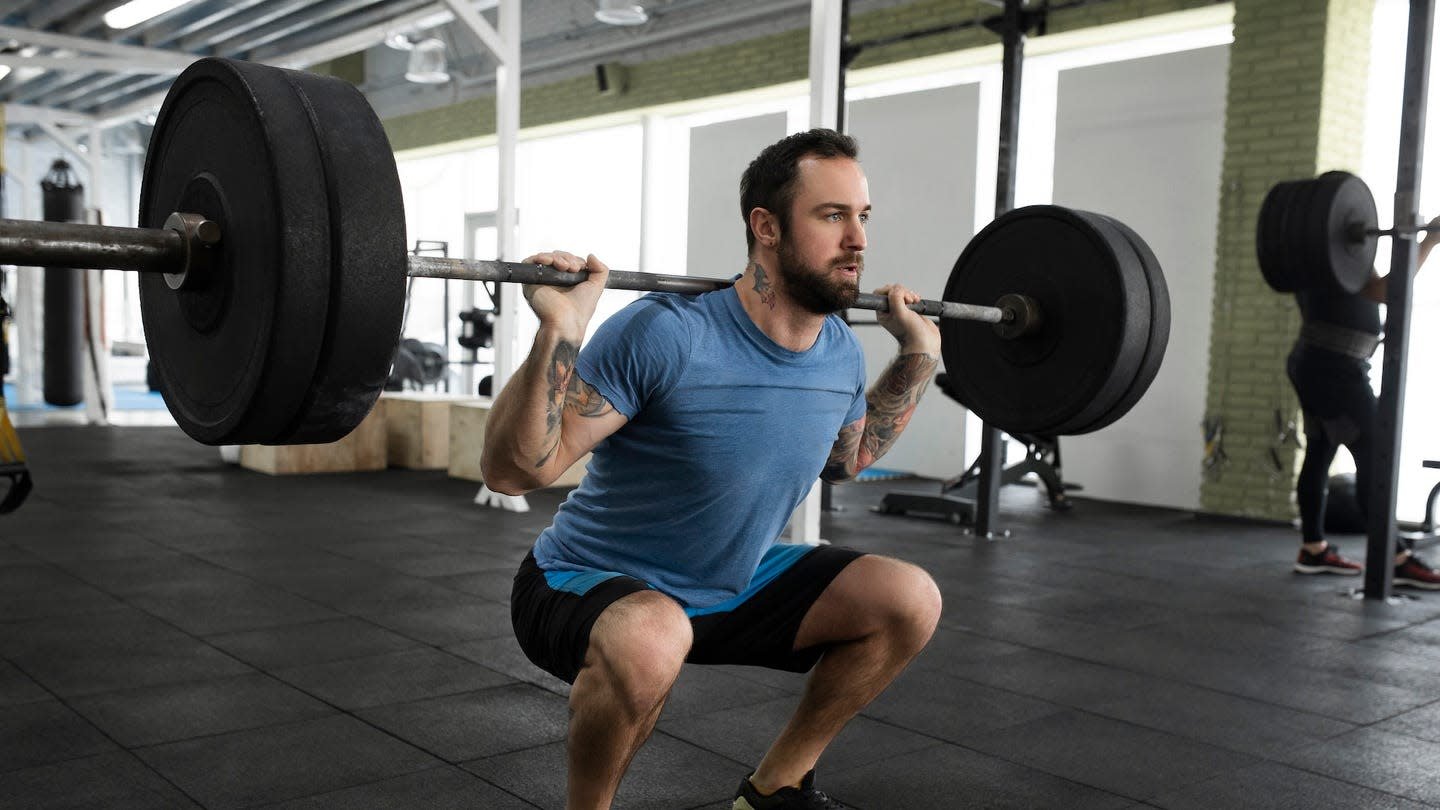
Squats, bench presses, deadlifts and demanding rows introduce limitations beyond the target muscle. Grip, torso bracing, bar balance, coordination and the ability to maintain position can determine where a set ends. Chasing absolute muscular failure may cost more fatigue than the extra repetition is worth, especially when it disrupts the quality of subsequent working sets.
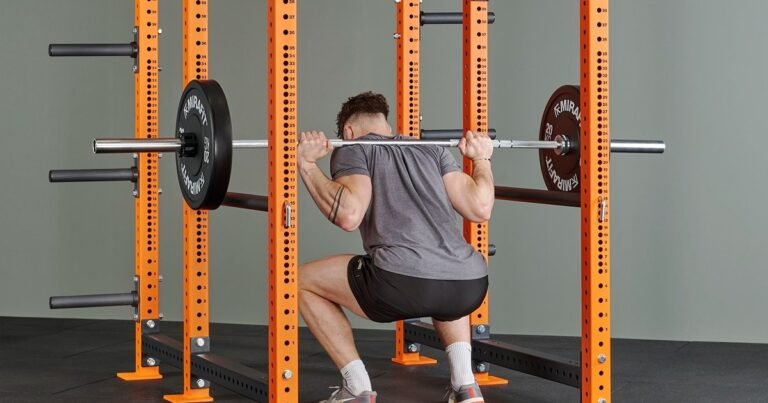
A squat set planned for six repetitions can become technically poor when rep five slows and rep six tips the lifter forward. You do not need to discover whether rep seven would fail. Proper rack safeties and qualified spotters are sensible precautions, but they are not a reason to treat an unstable grinder as an ideal training stimulus.
For ordinary compound work, roughly two to three RIR is a useful starting coaching range. An experienced lifter can move an occasional top set closer to one RIR without forcing every follow-up set there. Very heavy pulls, new lifts and recovery-limited weeks may require more margin. Pain, loss of control and unstable bar paths are reasons to stop regardless of the written target.
Strength gains also require practice. Three controlled bench press sets with a modest buffer may provide more high-quality repetitions than an opening all-out set that causes performance to collapse for the remaining work. That is a programming rationale, not proof that a specific RIR scheme is superior for everyone. Training should let you accumulate useful exposures over weeks.
Before pressing or squatting, check the safeties, setup and spotter arrangement. During the set, watch for diminishing range, shifting feet or the need for unexpected assistance. Record the session as smooth, slow or technically inconsistent. A repeatable lift at two RIR is a stronger foundation for progress than repeatedly mistaking unsafe technique for genuine muscular failure.
Evaluate your compound training across the block, not from one maximal-feeling day. Increasing weight or repetitions with similar technique and similar RIR is meaningful progress. If the bar moves worse and the next workout suffers, the fact that you pushed to zero RIR has not by itself made the program better.
Equipment Worth Exploring
Explore equipment, accessories and gear from our carefully selected range.


EZ Curl Barbell
Olympic EZ curl bar with angled grips for curls and triceps exercises.

Dual Hook EZ Curl Bar
Angled aluminum dual-hook cable bar for biceps curls and pulldown variations.

VForce Wall Trainer
Space-saving wall-mounted functional trainer with pivoting cable arms and variable resistance ratios.

Trinity Lat Machine LSW-850
Weight-stack pulldown tower offering three cable directions and adjustable seated support.


HUSLA Leg Extension Pad
Pad attachment designed to increase usable range of motion on compatible leg-extension machines.

GymPin D Handle Bar
Multi-use steel D-handle bar for cable rows, pulldowns and other cable exercises.

5. Use a four-week RIR progression, then reassess
Here is a flexible four-week example for two or three main lifts and a couple of accessories. It is an illustration for generally healthy lifters who already know their movements, not a clinical prescription or an experimentally established optimum. Keep the exercises and approximate rep ranges stable enough that changes in effort are meaningful. New lifters can keep an extra rep or two in reserve while learning form.
Week one is calibration. Perform two or three working sets of each main exercise at about three RIR. Keep accessory work around two RIR. Write down why the final repetition felt difficult: slower speed, grip fatigue, bracing, discomfort or actual target-muscle fatigue. If you later realize several more reps were possible, that makes next week’s estimate more useful.
In week two, aim for about two RIR on the main exercises and one or two on accessories, provided technique holds. Add a repetition when possible at the same load; increase weight modestly only when your rep range allows it. Avoid increasing weight, set count and proximity to failure simultaneously because you then cannot tell what caused the fatigue.
Week three can contain one familiar compound top set at approximately one RIR while follow-up sets finish around two RIR. A controlled final isolation set may reach zero RIR if you have no joint symptoms and recover well. The extra intensity is optional. Week four is a checkpoint: repeat a successful week or reduce hard sets and leave three to four reps in reserve when sleep, soreness or performance are poor.
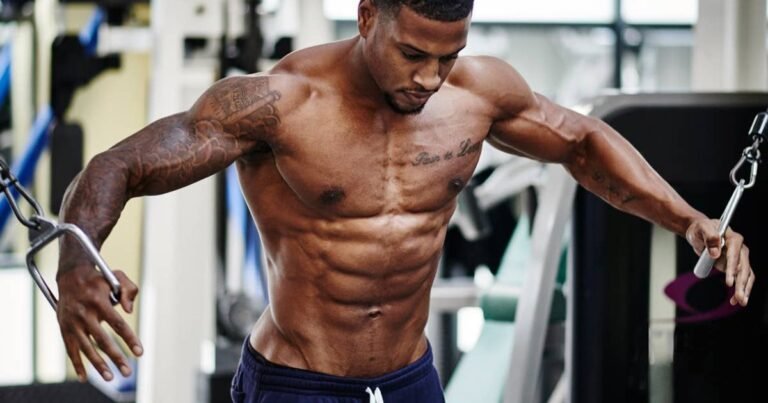
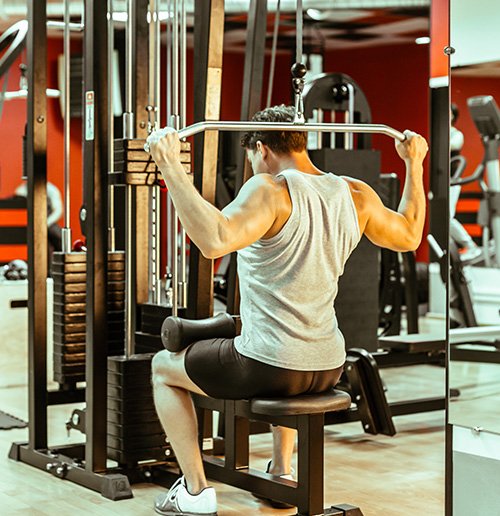
Imagine a lat pulldown with a target of eight to twelve repetitions. In week one you might complete ten clean repetitions at three RIR; week two eleven at two RIR; week three twelve at one RIR. That progression tells you more than simply choosing the heaviest stack setting. If the final rep requires swinging the body backward or shortening the pull, the apparent progress is not an equivalent clean repetition.
Track three signals alongside RIR: completed clean repetitions, consistent range of motion and performance at the next session. Improved reps with two left is progress. A worsening bar path or persistent soreness is a reason to back off, even when a plan says to push harder. For most lifters, useful training is the amount of challenging work they can repeat and recover from, not a ritual of exhausting every set.
Finally, make the scale your own through honest observation. Compare your estimated one-RIR sets against occasional safely supervised hard sets on familiar exercises when appropriate, and update your judgments. RIR becomes valuable when it helps you choose effort consistently; copied numbers without a meaningful sense of the remaining repetitions are just decoration in a logbook.
Powerlifting Shirts & Lifting Gear
Powerlifting shirts and gym gear for squat, bench and deadlift lifters who live for heavy numbers.

Master of PRs Master of Puppets Parody Metallica Heavy Tank Top
Bring “Master of PRs” humor to your next lifting session.

Squat You Must Star Wars Leg Day Meme Vest Tank Top
Bring “Squat You Must” humor to your next lifting session.

SIUUU Deadlift Cristiano Ronaldo Meme Football Fans & Tank Top
Add some deadlift attitude to training with “SIUUU Deadlift”.

Train Hard Gym | Funny Thomas The Tank Engine Workout D Sticker
Give your everyday gear a playful “Train Hard” twist.


Crazy Train Heavy Metal Workout Ozzy Osbourne Rock Musi Hoodie
Bring “Crazy Train” gym humor to lazy days and post-workout plans.

Train Hard Geek Harder Wizard Fantasy Swoleplaying T-Shirt
Show some gaming attitude with a playful “Train Hard Geek Harder Gym Wizard” tee.

Lift With Your Heart Valentine’s Day Gym with Heart-Sha T-Shirt
Show some gym-day personality with “Lift With Your Heart Valentine’s Day”.

Weight Plate Heartbeat Muscle Shirt Athletic Vest Worko Tank Top
Bring “Weight Plate Heartbeat” humor to your next lifting session.

Gym Is Cheaper Than Therapy Muscle Shirt Athletic Vest Tank Top
Bring “Gym Is Cheaper Than Therapy” humor to your next lifting session.