Advertising disclosure: This page includes affiliate product links that may earn us a commission, as well as products from our own store.
Can creatine help women navigating perimenopause sleep more consistently or think more clearly while lifting weights? A new randomized study makes the question worth asking, but the findings are more nuanced than a supplement advertisement. The encouraging signals involved brain oxygenation during a cognitive task and the regularity of sleep timing, not a dramatic improvement in memory scores.
Perimenopause can bring disrupted nights, temperature sensitivity, fatigue and the feeling that familiar workouts suddenly demand more recovery. Strength training remains useful through this transition. But does adding a familiar sports supplement change anything beyond gym performance? The latest experiment tested that combination rather than creatine in isolation.
What the six-week trial actually tested
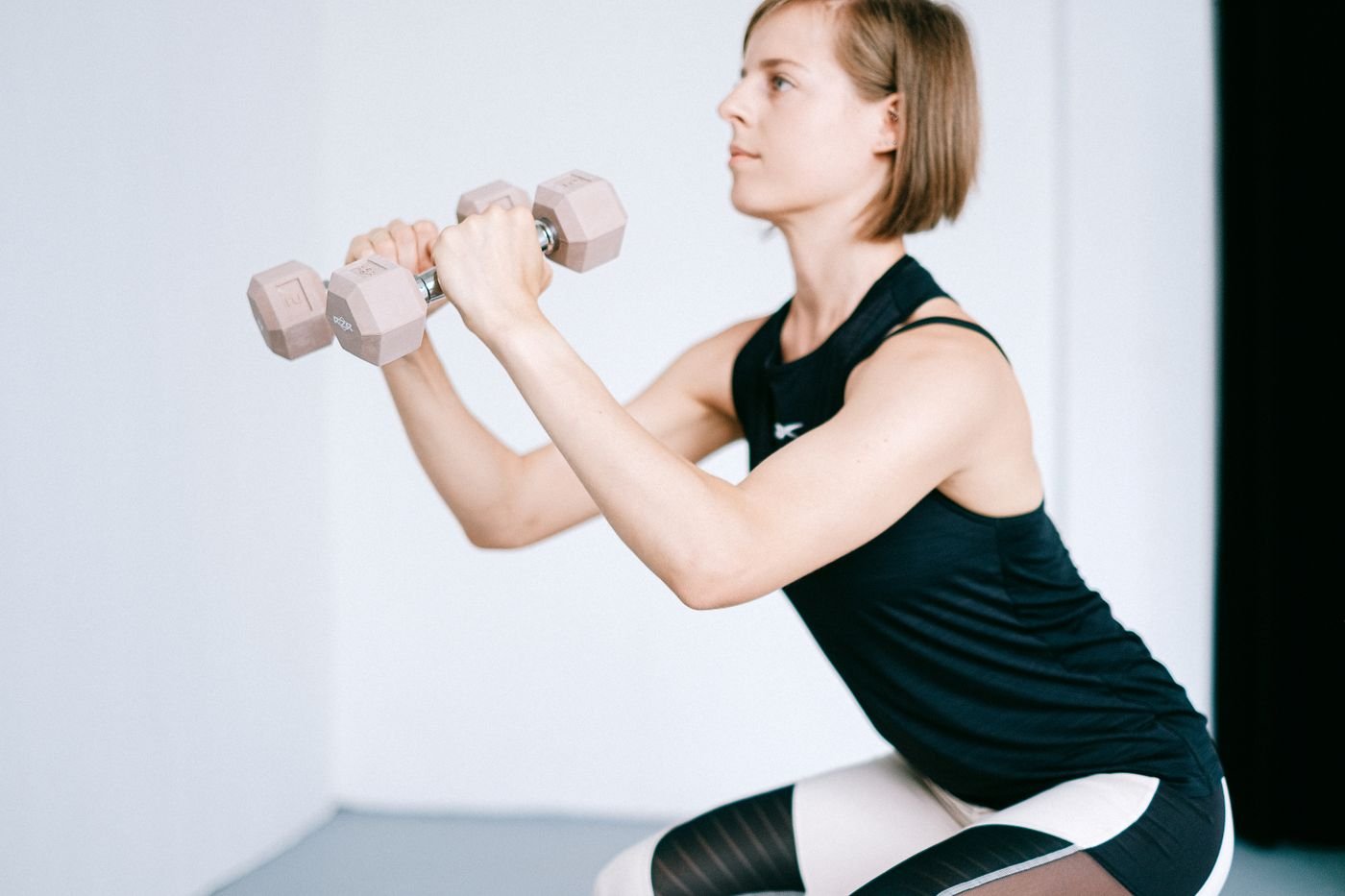
The October 24, 2026 study randomized 51 perimenopausal women, averaging about 46 years old, into three groups. Eighteen were assigned creatine monohydrate with training, 20 received placebo with training, and 13 formed a non-training control group. The two exercise groups performed progressive high-intensity resistance training twice weekly for six weeks.
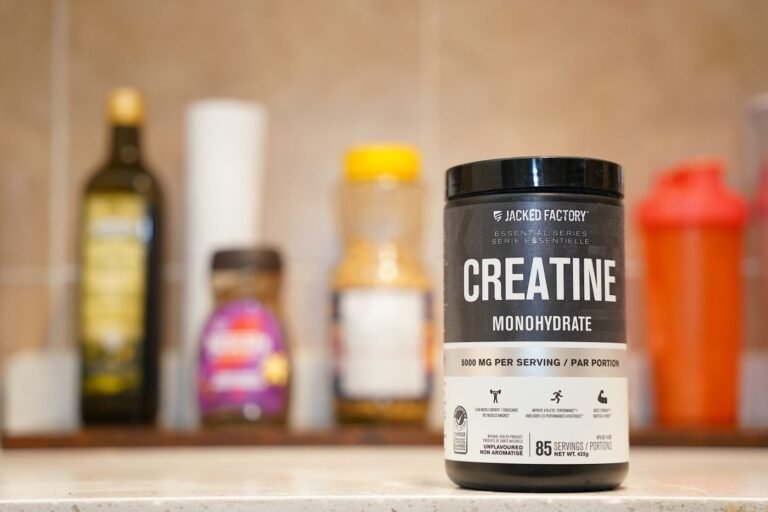
Participants taking creatine used 20 grams daily during a five-day loading period, followed by approximately 4.5 grams per day. Cognitive testing, oxygenation measurements over the prefrontal cortex, wrist-wearable sleep data and daily symptom reports supplied several different outcomes.
The design answers a specific question: does adding creatine to the same short strength-training program change selected measures? It does not reveal what creatine alone would have done without lifting. Nor does it establish what happens after six months, or whether findings apply equally to women after menopause or people with chronic health conditions.
The placebo-controlled training comparison is useful. But a modest number of participants divided into three groups can uncover promising signals while leaving uncertainty about how large, durable or widely applicable an effect might be. Those limits matter as much as the headline.
Brain oxygenation changed, but cognitive speed did not separate the groups

The brain result sounds impressive until two measurements are separated. Participants completed Stroop tasks, which test attention and the ability to manage competing information. Reaction times improved during the study, including congruent and incongruent conditions. Crucially, the researchers did not find a between-group advantage in those reaction-time improvements.
During the tasks, the team also measured prefrontal tissue oxygenation with functional near-infrared spectroscopy. In the creatine group, the reported change was approximately plus 0.32 percentage points, compared with about minus 1.62 in the placebo group. That group contrast was statistically significant. It is an intriguing physiological observation, but it is not equivalent to proving better everyday memory, reduced brain fog or protection against dementia.
Near-infrared spectroscopy estimates aspects of oxygenation in tissue close to the sensors. It is sensitive to measurement conditions and does not directly measure intelligence or cognitive health. A favorable signal during a laboratory task can generate hypotheses without demonstrating that someone will remember appointments better or concentrate longer at work.
Supplement headlines can easily collapse a biological marker and a meaningful human outcome into one claim. Here, the marker changed between groups; the measured reaction-time benefit did not clearly favor creatine. Both facts belong in the interpretation.
For someone experiencing mental fatigue during perimenopause, the result is a reason to follow larger studies, not a guarantee that powder will resolve cognitive symptoms. Regular exercise, adequate sleep opportunities and assessment of persistent symptoms remain separate priorities.
Equipment Worth Exploring
Explore equipment, accessories and gear from our carefully selected range.
VOLTRA
Compact digital cable trainer with smooth, adjustable resistance.

Go-Tone Pro
Portable digital cable trainer with up to 66 lb (30 kg) of adjustable resistance.


FID Bench MAX
Adjustable bench offering flat, incline, and decline positions + adjustable headrest.


GymPin Squat Wedges
Non-slip 15-degree squat wedges help elevate the heels for deeper quad-focused squats.
Sleep consistency improved more than the study proved about sleep quality
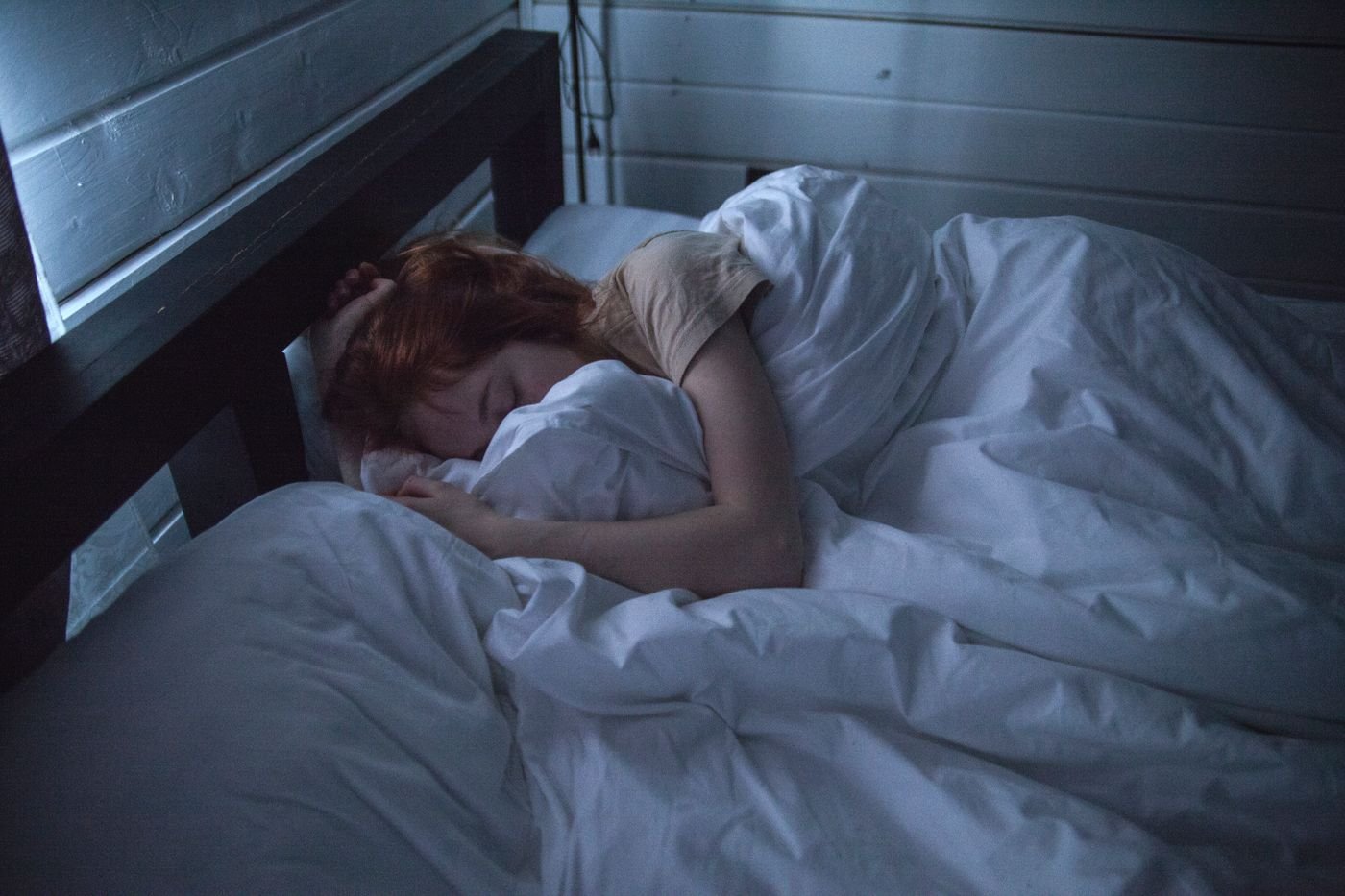
At week six, the creatine-plus-training group had a baseline-adjusted sleep-consistency score approximately 7.4 percentage points higher than the placebo-plus-training group. Sleep consistency generally describes how regularly sleep and wake timing occur. It is not the same as sleeping longer, getting more deep sleep or waking up refreshed.
This distinction matters during perimenopause, when someone can keep a disciplined bedtime yet still experience awakenings, night sweats or unrefreshing sleep. A more regular pattern might help, but the trial does not establish that creatine treats insomnia or menopause-related sleep disorders.
The researchers used wearable-derived nightly data and self-reported symptoms. Consumer wearables can reveal patterns, but sleep-stage estimates and proprietary scoring systems are not interchangeable with clinical assessment. The six-week window also leaves unanswered whether the difference persists after structured training ends.
An earlier small randomized study in naturally menstruating women found that creatine users slept longer on resistance-training days than placebo users. That experiment involved only 21 completers and did not find a broad improvement in chronic sleep-quality scores. Together, the studies suggest a possible connection between creatine, training and selected sleep measures, not a reliable cure for poor sleep.
A practical takeaway requires no supplement purchase: keep training times and sleep opportunities reasonably consistent for several weeks, and judge progress by how you feel alongside wearable data. If hot flashes, snoring, severe fatigue or insomnia remain disruptive, discuss them with a qualified clinician rather than relying on a device score.

Gym Girl Shirts & Workout Gear
Gym shirts, tanks and workout gear for women who lift, train hard and live the gym lifestyle.

Brains Beauty Booty – , Gains & Glutes T-Shirt
Heavy lifts, good laughs, and a little “Brains Beauty Booty” energy.

Booty Out Of This World – Girl Alien Meme Leg Day & T-Shirt
Show some gym-girl attitude with a playful “Booty Out of This World” tee.

Muscle Mommy Pink Gym Girl Crewneck for Women, Lifters T-Shirt
For laid-back days and gym-girl humor: “Muscle Mommy”.

Booty Building Mode Girl Sweater Squats & Leg Day T-Shirt
For laid-back days and gym-girl humor: “Booty Building Mode Gym Girl”.

Let It Grow Booty Builder Hip Thrust Meme Hoodie
Stay casual and show some gym-girl attitude with “Let It Grow”.

Beauty And The Biceps Meme Hooded Hoodie
Stay casual and show some gym-girl attitude with “Beauty And The Biceps”.

Muscle Mommy Gym – Peach Booty Training Muscle Shirt fo Tank Top
Bring “Muscle Mommy” humor to your next lifting session.

Adventure Girl Booty Builder Leg Day Meme Squats Vest Tank Top
Your gym-day look, with a playful “Adventure Girl” twist.

Muscle Mommy Muscle Club for Gym Girls, Lifters & Fitne Sticker
A fun “Muscle Mommy Muscle Club” touch for bottles, laptops, and lockers.

Pink Protein Shaker Bottle | Meme Decal Sticker
Stick a little “Pink Protein Shaker Bottle” humor on your favorite gear.
What about temperature sensitivity, fatigue and brain fog?
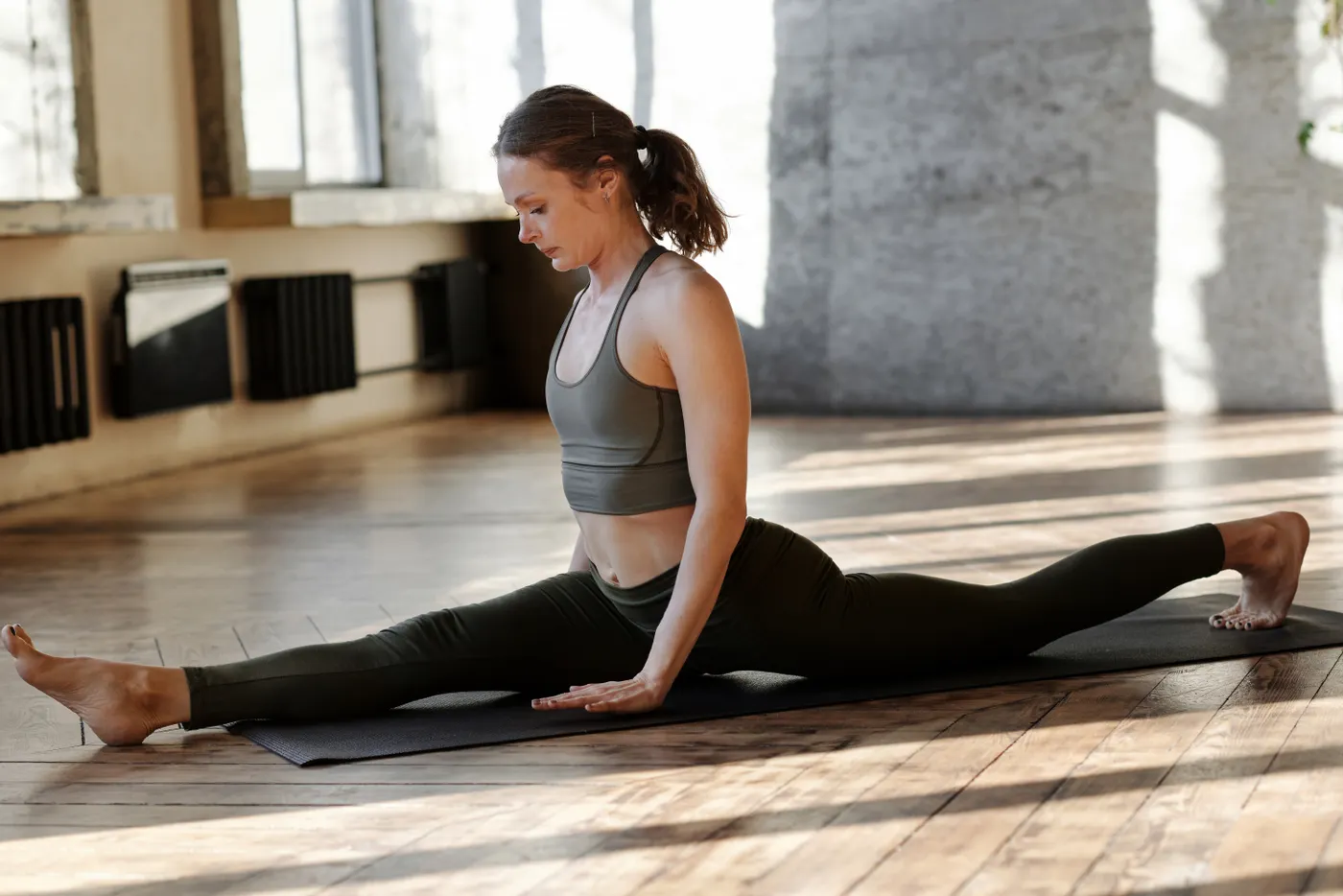
The researchers also tracked symptoms that matter in daily life: temperature sensitivity, fatigue, soreness, brain fog and bloating. They reported fewer days with temperature sensitivity in the creatine group relative to placebo. This is potentially interesting because temperature-related discomfort can interfere with sleep and willingness to exercise.
However, self-reported symptoms are not identical to clinically diagnosed hot flashes, and six weeks is too short to establish a long-term menopause treatment effect. Multiple outcomes were measured in a relatively small study. When many comparisons are made, some notable findings may not reproduce in a larger sample.
The trial combined creatine with progressive resistance training. Women in the placebo arm lifted too, so the most useful comparison is the extra effect associated with creatine under those conditions. A non-training control group provides context, but without a creatine-only arm, the experiment cannot fully separate supplementation from every interaction with exercise.
For women dealing with changing recovery demands, training adjustments should remain independent of a supplement decision. A difficult night can justify a lighter load, fewer hard sets or a longer warm-up. There is no reason to treat every session as a test of willpower when fatigue or joint symptoms change unexpectedly.
Temperature sensitivity, palpitations, persistent exhaustion and new sleep problems can have several explanations. Tracking frequency can make a healthcare conversation more productive, but a workout log cannot replace appropriate medical evaluation. The goal is to support strength and daily function without promising that a sports supplement will control the menopause transition.
How the new result fits the wider evidence
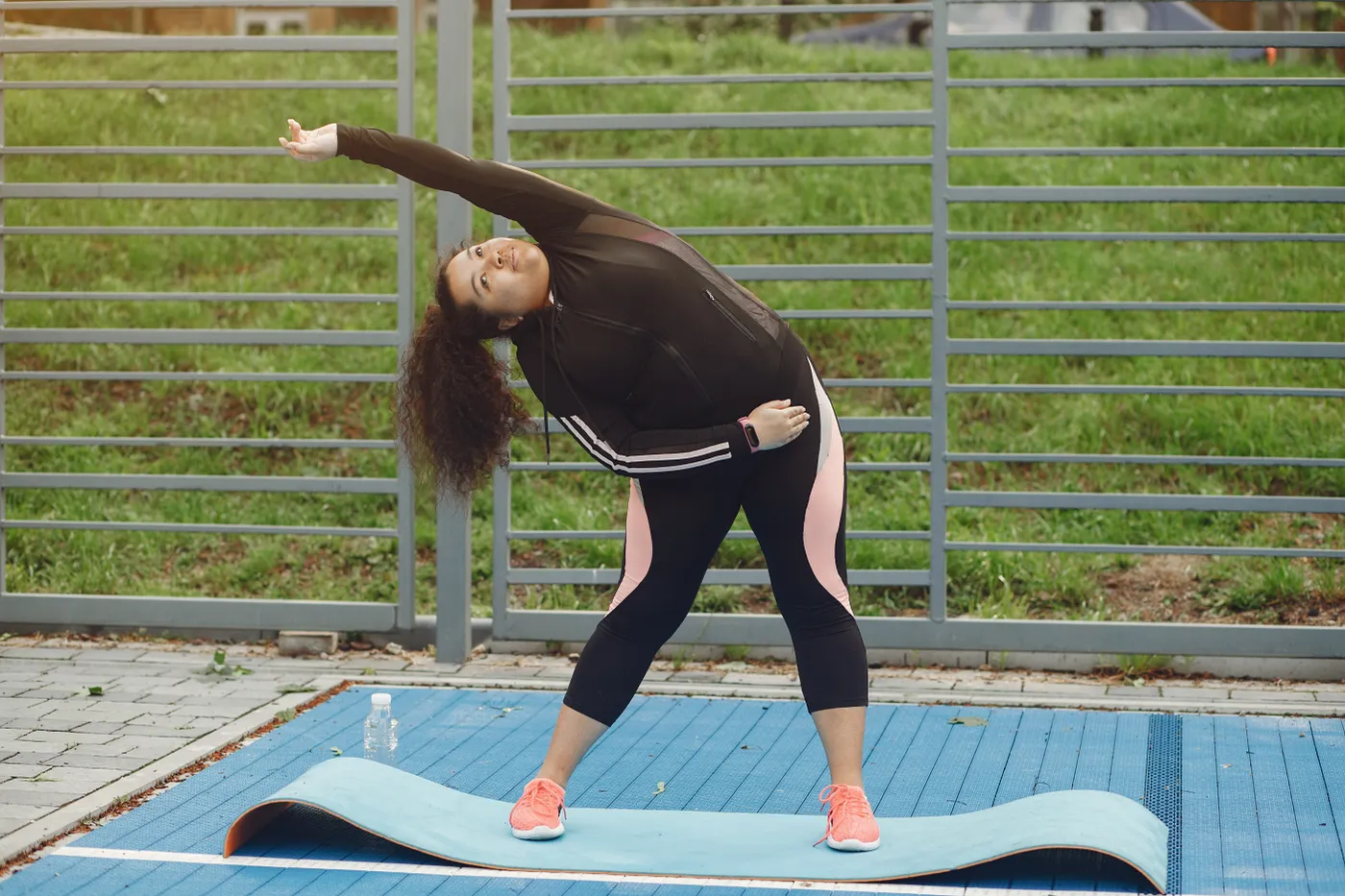
Creatine monohydrate has a much longer research history for repeated high-intensity exercise than for menopause-specific cognition or sleep. In muscle, creatine contributes to the phosphocreatine system, helping regenerate energy during brief, demanding efforts. That is why it has become familiar to resistance trainees. Brain-related applications are still evolving.
A separate 2026 pilot trial studied supervised resistance training over nine months in women around the menopause transition, without making creatine the central intervention. It reported reproductive-stage-specific improvements in selected cognitive tests, with different patterns in perimenopause and early postmenopause. That supports investigation of exercise for brain health, but it cannot be combined with the six-week creatine trial to claim both interventions always produce the same benefit.
An earlier trial in naturally menstruating women also linked creatine to longer sleep on workout days. Importantly, populations, devices, outcome definitions and study lengths differed. Agreement on a broad theme is useful; it is not independent replication of the precise 7.4-point sleep-consistency finding.
Reviews of creatine safety generally describe conventional maintenance doses around three to five grams daily as well tolerated in healthy adults. Loading is optional rather than a requirement for everyone. Individual circumstances matter. People with kidney disease, relevant medication use, pregnancy concerns or another condition affecting supplement decisions should seek personalized advice.
One caveat deserves attention: investigators in the new trial disclosed supplement-industry relationships, and wearable-data analysis involved a researcher employed by the device company. Disclosures do not automatically invalidate findings, but they strengthen the case for independent replication. Positive signals should not be mistaken for settled clinical recommendations.
Equipment Worth Exploring
Explore equipment, accessories and gear from our carefully selected range.


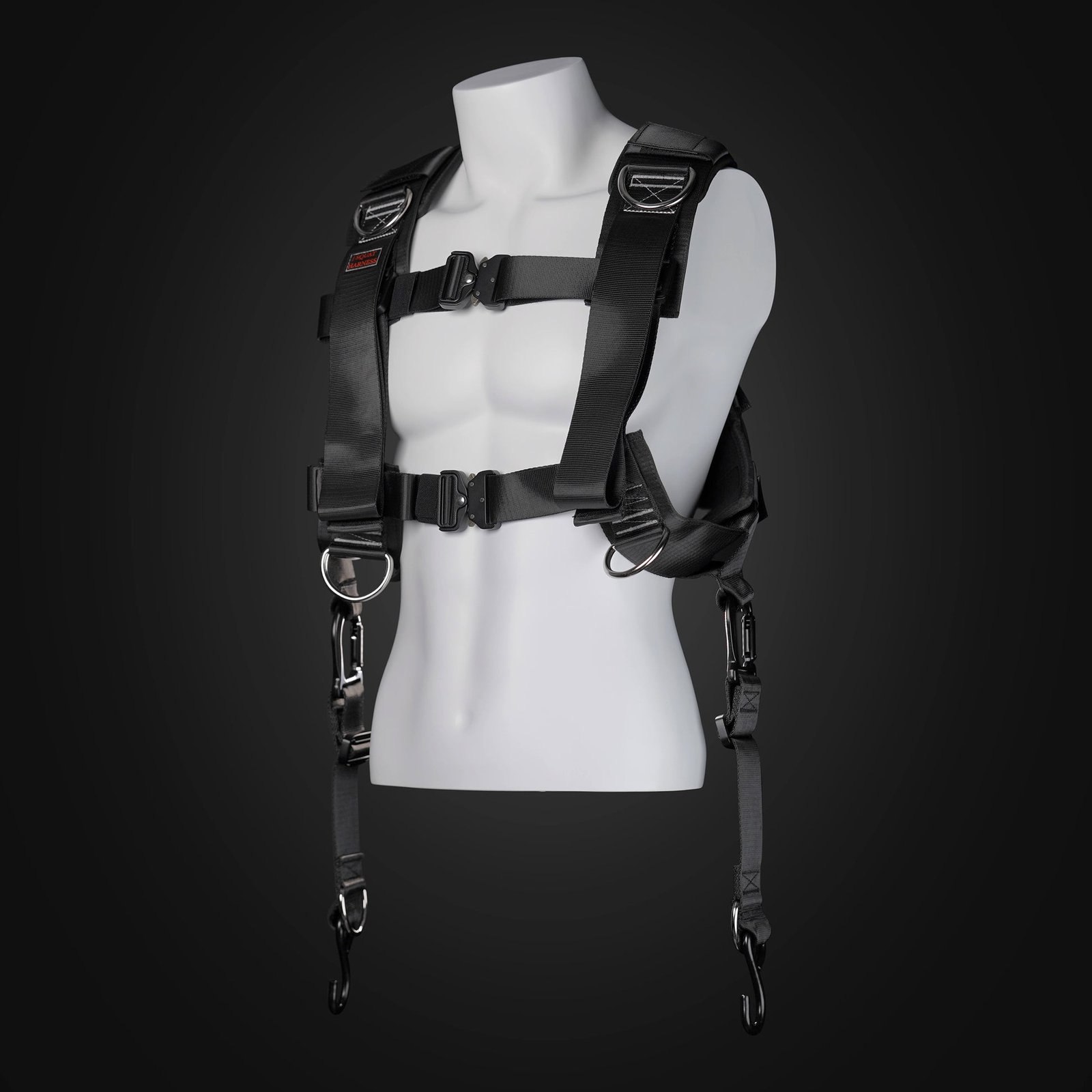
Squat Harness
Wearable harness for hands-free cable squats, sled work, and lower-body training.

GymPin Ergo Handles
Pair of ergonomic cable handles shaped for comfortable triceps and pulling exercises.
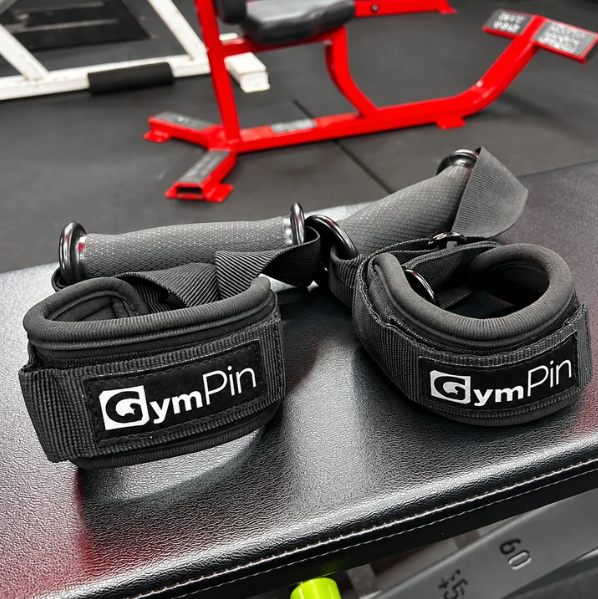
GymPin D Cuffs
Adjustable wrist cuffs with textured grips for supported cable-machine exercises.


A realistic twice-weekly strength plan during perimenopause
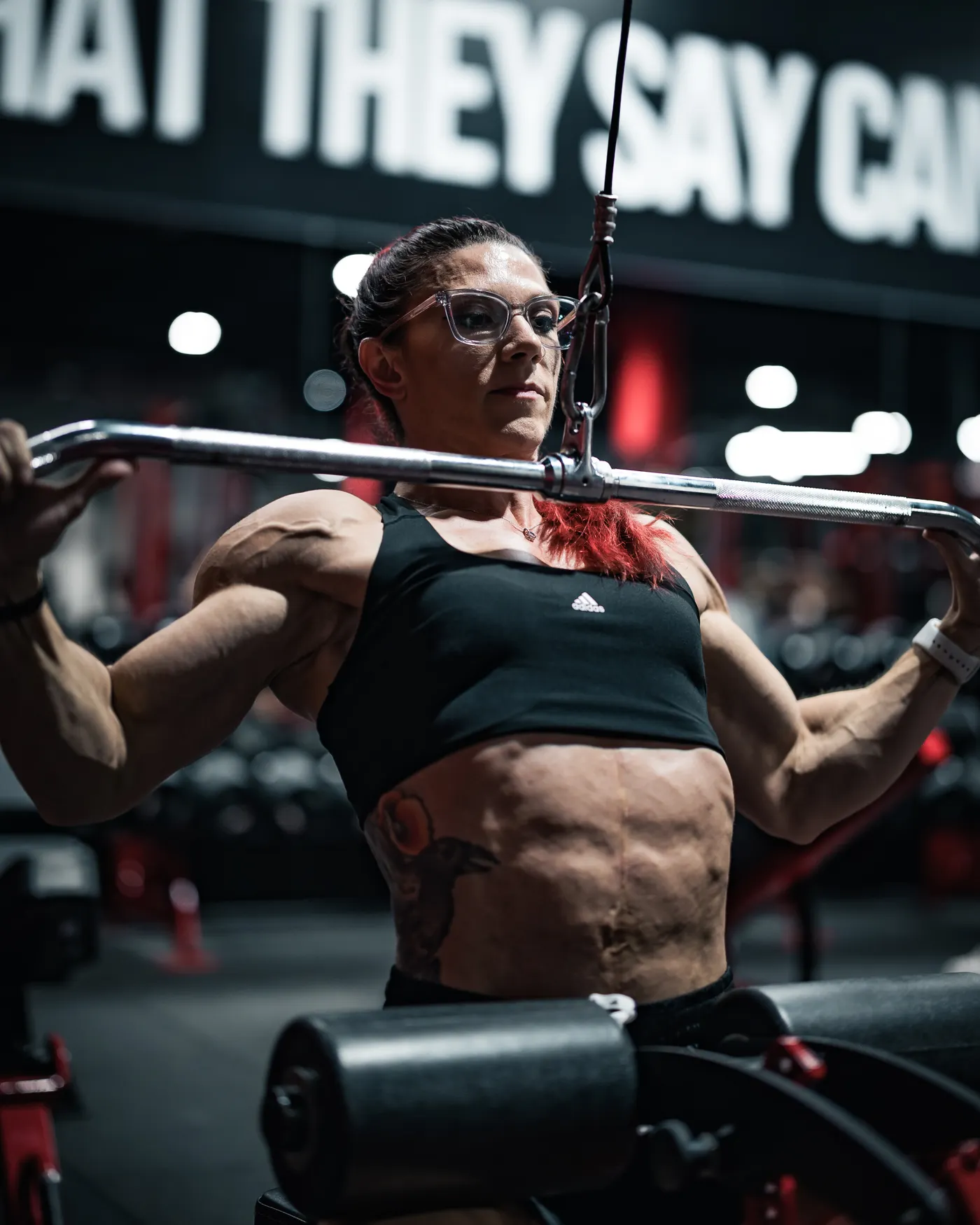
The most transferable element of the study is not its loading phase or its exact testing equipment. It is the manageable rhythm of two progressive resistance sessions per week. For a healthy beginner or returning lifter, a simple full-body structure can provide a useful starting point without requiring complicated machines.
Session A: begin with five to eight minutes of comfortable walking or cycling. Perform a squat-to-bench or goblet squat, a horizontal push such as an incline push-up or dumbbell press, a supported row and a light hip hinge. Start with two controlled sets of six to twelve repetitions per exercise. Rest long enough that technique stays consistent.
Session B: use the same warm-up, then train a step-up or split squat, a vertical or angled pull, a shoulder-friendly press variation and a glute bridge. Finish with a short carry or gentle trunk exercise if comfortable. Two sets per movement are sufficient initially; there is no prize for exhausting every muscle in one workout.
Leave at least a day between sessions. Choose weights that allow roughly two or three more technically sound repetitions at the end of most sets. Progress by making movements smoother, then adding a repetition, and only later increasing resistance. If you have been inactive, an easier first two weeks can make the next month more sustainable.
People with troublesome hot flashes, poor sleep or fluctuating energy can use a flexible effort target. On a good day, complete the planned sets. On a difficult day, reduce load or omit a set while keeping the habit. Persistent pain, dizziness or unusual symptoms warrant a pause and assessment. This is an illustrative fitness plan, not a rehabilitation prescription.
Creatine, if considered, belongs alongside the basics rather than ahead of them: consistent training, adequate food, sufficient protein, hydration and sleep opportunities. The research does not justify doubling doses to chase brain benefits. More is not automatically better, and the study’s loading phase is not a personalized recommendation.
Bodybuilding Shirts & Workout Gear
Bodybuilding shirts, tanks and gym gear for lifters chasing muscle, size, symmetry and the pump.

Creatine Monster – Bro Weightlifting, & Gains – Meme T-Shirt
Rep “Creatine Monster” humor in and out of the gym.


Powered By Creatine Breaking Bad Meme Sweater & Bros T-Shirt
For laid-back days and bodybuilding humor: “Powered By Creatine”.

Creatine Gym Cosmic Crewneck , Crazy Workout Sweater T-Shirt
Show some gym-day personality with “Creatine”.

Bear Protein : Hilarious Meme Hooded Hoodie
Stay casual and show some bodybuilding attitude with “Gym Bear Protein”.

Wheyhalla Viking Protein Lovers & Hoodie
Keep it laid-back with a little “Wheyhalla Viking” attitude.

Protein Diet Dark Humor Edgy Vest Tank Top
Train hard, laugh a little, and rep “Protein Diet”.


Protein Addict Gym | Breaking Bad Meme Workout Decal Sticker
Give your everyday gear a playful “Protein Addict” twist.

Funny Viking Gym – Blood Sweat Protein Shakes Workout D Sticker
Give your everyday gear a playful “Viking” twist.
What to track, and what the study cannot promise

For six weeks, a simple record can reveal more than an isolated good or bad day. Note training sessions completed, exercises and loads used, a brief energy rating, approximate bedtime and wake time, and whether disruptive temperature symptoms occurred. Review trends weekly rather than reacting to every wearable fluctuation.
Separate three questions. Can I train more consistently? Look at sessions completed and how manageable they felt. Am I sleeping better? Consider both timing and whether you wake rested. Am I functioning better? Think about concentration, mood and everyday energy, not only a laboratory-style brain metric. These outcomes overlap, but none substitutes perfectly for another.
The randomized study found a between-group difference in one prefrontal oxygenation measure and in sleep consistency after six weeks of creatine combined with twice-weekly lifting. It did not demonstrate a clear between-group improvement in Stroop reaction time. It was exploratory, relatively small and short, with several outcomes and disclosed industry relationships. It did not establish dementia prevention, guaranteed relief from brain fog or a universal treatment for menopause symptoms.
Those limitations do not erase the result. They define the next questions: do larger independent trials reproduce it, which women benefit, what happens without loading, and do differences translate into everyday life over months rather than weeks?
For now, resistance training offers a practical way to maintain strength through a changing life stage. Creatine may eventually prove useful for additional outcomes, but it deserves the same careful evaluation as any intervention. The best plan is one you can repeat, measure honestly and adjust to your health rather than to a headline.