Advertising disclosure: This page includes affiliate product links that may earn us a commission, as well as products from our own store.
GymPin MiniPin: Small Loading Jumps for Tight Cable Stacks
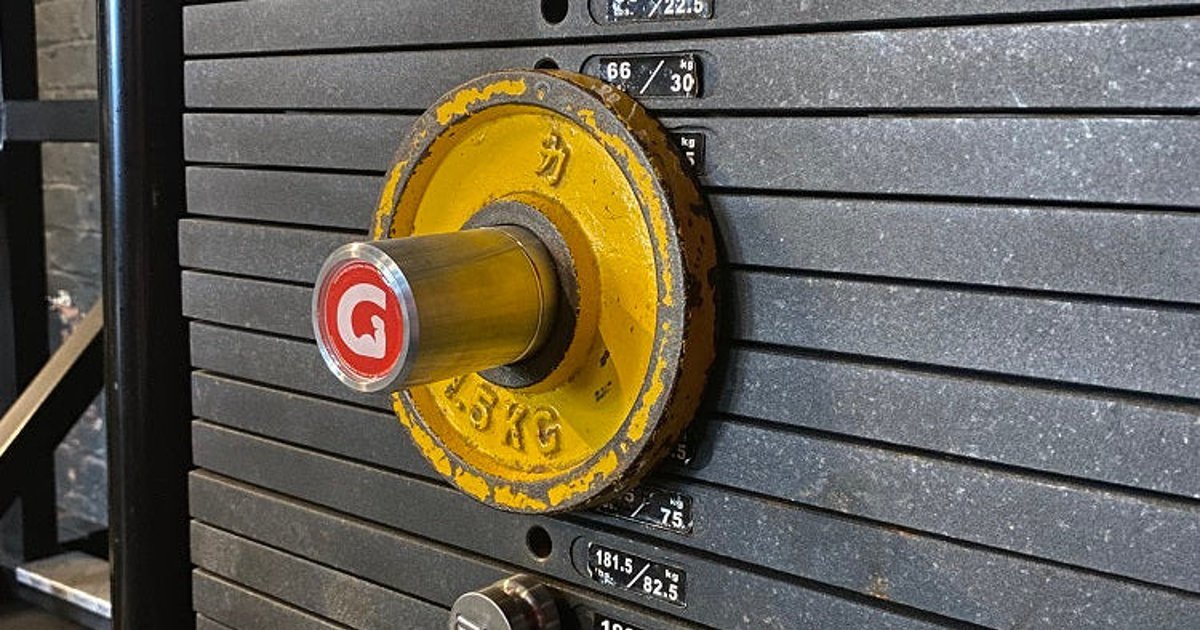
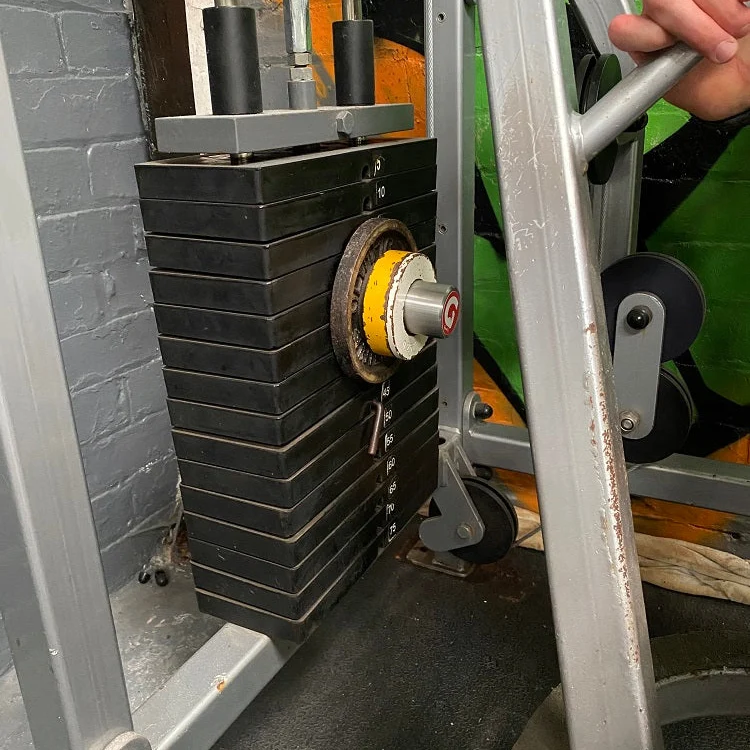
A cable stack can be challenging enough overall while still making progression awkward. One setting lets you finish every repetition cleanly; the next asks for a much bigger jump than you can repeat. On suitable machines, a small additional plate can bridge that gap. The GymPin MiniPin is a compact way to create that option, with an 80 mm loading sleeve designed for places where a longer extender would take up too much room.
The useful question is whether it fits your exact stack, plates and movement path. This is a specification-based buying and setup guide. It does not establish compatibility with a particular machine or claim a long-term durability test.
1. Start with the original selector pin
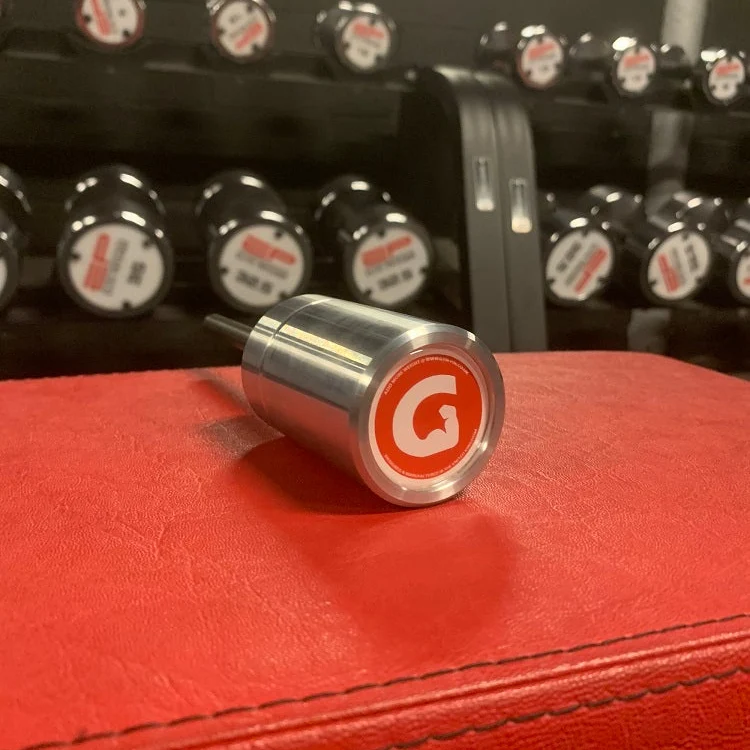
The MiniPin replaces the selector pin on a compatible weight-stack machine. Its narrow section enters the stack; its wider outer sleeve accepts an Olympic plate. That distinction matters because two different diameters are involved. The plate hole tells you what can slide onto the loading sleeve. The machine’s original selector pin tells you which narrow shaft belongs inside the stack.
The available selector diameters are 8 mm and 10 mm. Measure the straight metal shaft of the original pin with callipers, rather than choosing from a photograph or assuming every machine from one brand uses the same hardware. An 8 mm shaft is not an acceptable substitute for a correctly specified 10 mm pin simply because it passes through the hole.
The selector section is listed as 102 mm long. Diameter alone therefore does not finish the compatibility check: the shaft must also seat properly in the machine’s selection mechanism. Keep the original pin available, identify the exact machine model and consult its instructions. If insertion requires force or leaves the assembly sitting incorrectly, stop and resolve the mismatch before adding weight.
Take clear photographs of the original pin beside a ruler, the selector opening and the surrounding stack. Those pictures make a much more useful compatibility enquiry than “will this fit my cable machine?” They also help distinguish a restricted opening from a shroud that blocks the plate itself. Keep those measurements with the machine details so you can check the selected product variant before ordering.
2. Check the plate through the full movement path
The MiniPin’s loading sleeve is 80 mm long and 49.5 mm in diameter, intended for Olympic plates with a nominal 2-inch, or 50.8 mm, centre hole. A shorter sleeve reduces how far the assembly projects beside the stack. The plate still has its own thickness and outside diameter, so the sleeve measurement cannot describe the complete occupied space.
Check the stack at its resting position and throughout the travel required by your exercise. A nearby upright, pulley bracket, cable or protective guard may be clear at the bottom and become an obstruction higher up. Include space for your hands when fitting and removing the plate. An arrangement that can only be assembled by lifting a guard out of place needs a different solution.
Plate choice can change the answer. A thick bumper and a thinner metal plate of the same mass use different amounts of sleeve space. Their diameters can also differ. Measure the actual plate you plan to use, including the hub, rather than buying from a weight label alone. Follow the product’s current retention instructions and confirm the plate remains secure.
Where extra loading is permitted, begin with a light, controlled test and observe the complete path without putting hands near moving parts. Do not remove safety guards or improvise spacers to make a marginal combination work. The practical benefit of the MiniPin is a compact compatible setup; a frame contact point defeats that benefit.
3. Choose sleeve length separately from load capacity
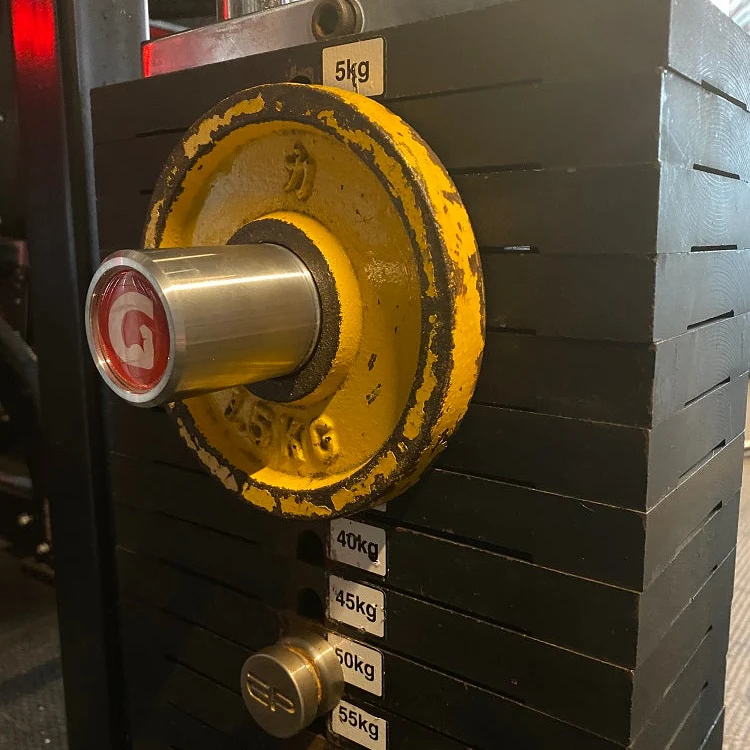
The main choice between the MiniPin and the Original GymPin is usable loading space. The MiniPin has an 80 mm sleeve; the Original’s is 155 mm. The KingPin extends that to 200 mm and uses a 10 mm selector shaft. Those dimensions describe different packaging options. They do not establish that a particular machine can safely carry every plate that fits.
A compact sleeve makes sense when one suitable plate provides the increment you need and the longer alternative would create a clearance problem. A longer sleeve may be useful when the intended, permitted arrangement requires more loading room. Buying extra sleeve length for its own sake can introduce an obstruction without improving the exercise.
Treat the attachment’s stated rating, the host machine’s permitted load, the cable and stack specifications, and the complete setup as separate checks. The lowest applicable limit governs. A stronger selector accessory does not upgrade the machine’s frame, cable, pulley hardware or intended use. Obtain the gym owner’s permission before adding equipment to a shared station.
Account for the accessory’s own mass when comparing closely spaced increments. The listed MiniPin weights are 494 g for the 8 mm version and 527 g for the 10 mm version. A 1 kg plate plus the pin therefore adds roughly 1.5 kg to the moving assembly, before accounting for the original selector pin it replaces. That is useful context for a training log, rather than a precision force measurement.

Equipment Worth Exploring
Explore equipment, accessories and gear from our carefully selected range.

GymPin MiniPin
Compact Olympic-plate loading pin for compatible cable stacks with limited clearance.

Original GymPin
Adds Olympic plates to compatible cable-machine weight stacks for extra resistance.

GymPin Mag Pin V2
Magnetic selector pin designed to secure weight selection on compatible pin-loaded machines.


VForce Lat Tower
Wall-mounted cable tower with pivot arms and adjustable 1:1 or 2:1 pulley ratios.

VForce Wall Trainer
Space-saving wall-mounted functional trainer with pivoting cable arms and variable resistance ratios.

Trinity Lat Machine LSW-850
Weight-stack pulldown tower offering three cable directions and adjustable seated support.

GymPin D Handle Bar
Multi-use steel D-handle bar for cable rows, pulldowns and other cable exercises.

Long Tricep ERGO Ropes
Extended triceps ropes with ergonomic grips for cable pressdowns and overhead extensions.
4. Record the machine ratio before interpreting the jump
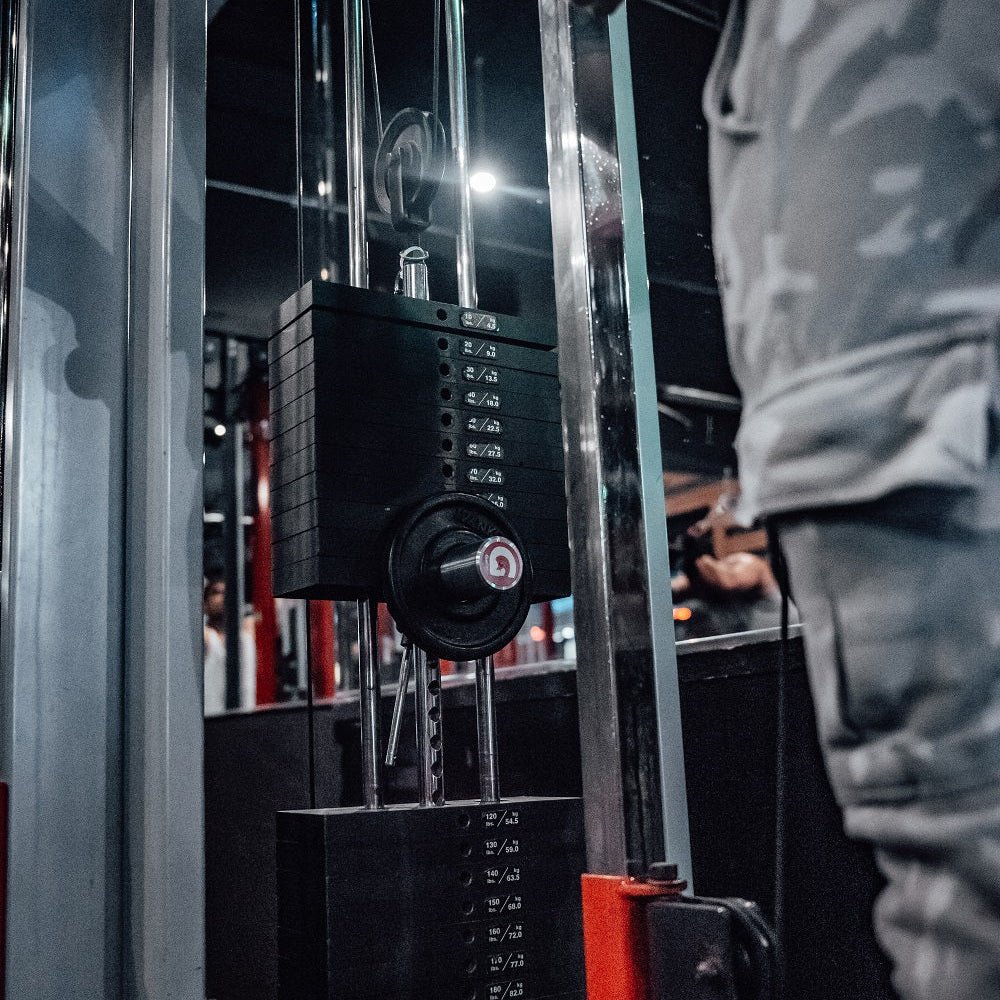
A plate adds mass to the stack assembly. The resistance felt at the handle also depends on the cable routing and mechanical advantage. Two machines displaying similar stack numbers can therefore feel different, even before friction, attachment weight and exercise position enter the comparison. Check what the equipment maker says its labels represent.
For an idealised 2:1 arrangement, a 2 kg increase in moving mass would produce roughly the gravitational resistance associated with 1 kg at the handle. A 1:1 arrangement would transmit approximately the full added weight. These are simplified examples of the stated ratios, not a calibration of your machine. Real equipment can label resistance differently, and pulling through one or two handles may change the configuration.
Keep the log practical: identify the machine, selected stack position, added plate, accessory and attachment. If you use a station with adjustable ratios, record that setting too. “Stack position six, MiniPin, 1.25 kg plate, same handle” is more reproducible than translating the entire setup into an apparently exact resistance number you have never measured.
Before judging the new increment, repeat the same stance, seat position and useful range of motion. If the added plate makes you shorten every repetition, swing your torso or lose control of the return, reduce the challenge. The objective is a manageable progression on a repeatable exercise, not a larger number assembled from several uncertain assumptions.
5. Use the smallest worthwhile change
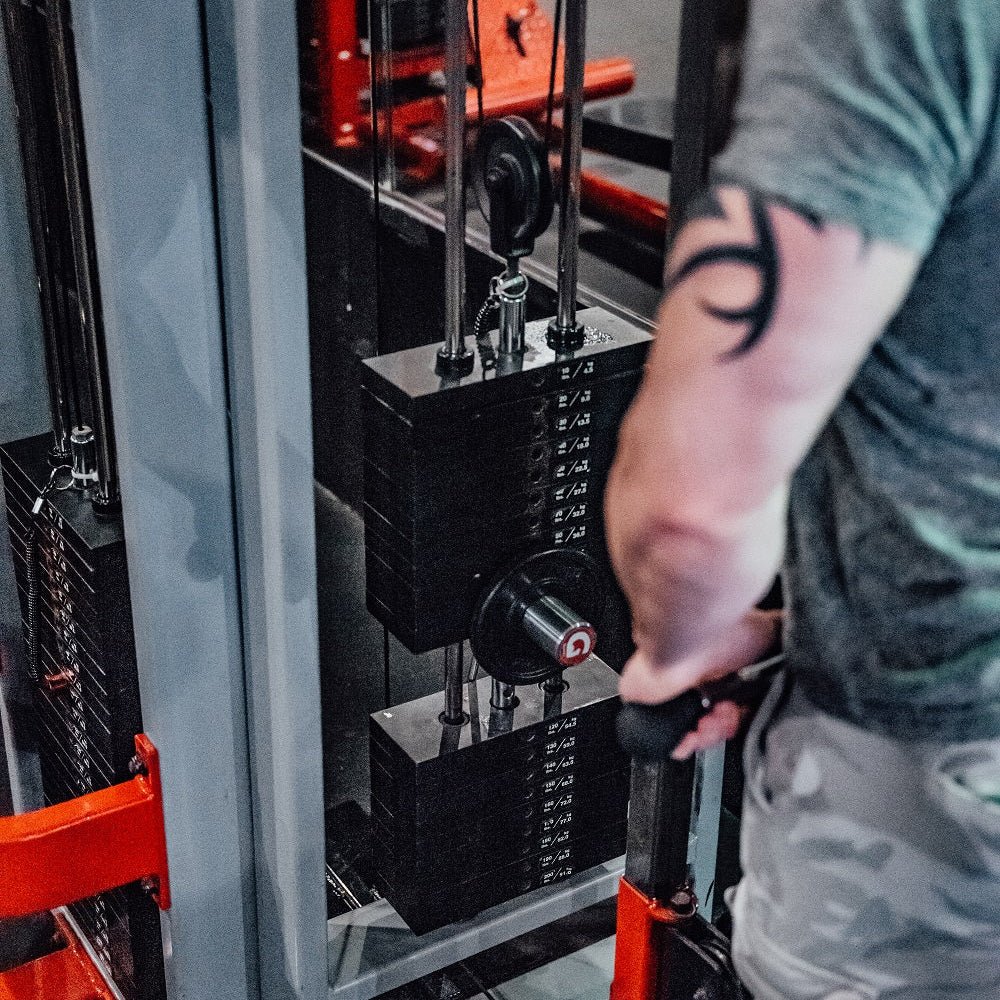
You do not need to exhaust a stack before a smaller increment becomes useful. The gap between two selector positions can be awkward on curls, lateral raises or other movements where a modest change in resistance is noticeable. On a compatible, approved setup, micro-loading can give you another step while keeping the exercise recognisable.
For example, use a manageable load for two sets within an 8–12 repetition range. Once both sets reach the upper end with consistent execution, try a small permitted increase and accept fewer repetitions initially. This is an illustrative progression method, not a special MiniPin protocol. Adding repetitions at the existing setting remains a useful option when another plate is unnecessary.
Inspect the pin, plate seating and surrounding equipment before every session. Return the stack under control and stop if anything shifts, bends, rubs or produces an unusual sound. Recheck clearance when you change the plate or exercise. Moving the pin to another machine means repeating the compatibility checks, even if the first station worked well.
The buying decision should follow the limitation. If you need a compact sleeve for a measured, permitted stack arrangement, the MiniPin is worth considering. If the original selector does not match, the plate contacts the machine, or additional loading is not approved, choose a different progression or station. The best purchase is the accessory that makes your existing training easier to repeat and advance.

Funny Gym Shirts & Workout Gear
Funny gym shirts, tanks, hoodies and workout gear for lifters who like training hard.

Process Over Everything Stoic – Meme Shirt Sigma T-Shirt
Bring “Process Over Everything Stoic Bodybuilding” humor to your next gym day.

Practice Stoicism Under The Barbell: Sigma Greek God T-Shirt
Make gym days more fun with “Practice Stoicism Under the Barbell:” style.

Meme – "Shhh I'M Doing Plate Math" Sweater & Jumper T-Shirt
Keep things casual with a little “"Shhh I'm Doing Plate Math" Workout Sweater” attitude.

Installing Muscles Meme – Jumper T-Shirt
Bring “Installing Muscles Gym Meme” humor to your everyday gym style.

Gymhead Lifting Is On My Mind Skull Vest Tank Top
Your gym-day look, with a playful “Gymhead” twist.

Lift Smart Brain Weight Plate Mind Muscle Connection 45 Sticker
Put “Lift Smart Brain Weight Plate” gym humor on your laptop, bottle, or gym gear.

Brain and Biceps Tee
Make gym days more fun with “Mind Muscle Perfection Brain and Biceps” style.

Safety Practice Safe Sets Hooded Jumper Top Hoodie
Show off your bodybuilding humor in a laid-back “Gym Safety” hoodie.

The Only Difference Between Good And Great Is One T-Shirt
Bring “The Only Difference Between Good And Great” humor to your next gym day.

One More Rep Shirt: Motivational & T-Shirt
Make gym days more fun with “One More Rep” style.