Advertising disclosure: This page includes affiliate product links that may earn us a commission, as well as products from our own store.
GymPin D Cuffs: Check Wrist Fit, Grip and Cable Compatibility First
GymPin D Cuffs combine a wrist cuff with a conventional hand-held grip. That makes them a different choice from both a basic D-handle and a grip-free cuff. The useful question is whether that extra wrist connection suits your exercises, your hands and the cable station you actually use.
This is a product and setup guide, not a hands-on verdict. The design can be described from the current listing and photographs; comfort, durability and performance in your own sessions still need evaluation. Start with the fit and connection rather than assuming that a new attachment automatically produces better repetitions.
1. Understand the two contact points before choosing the attachment
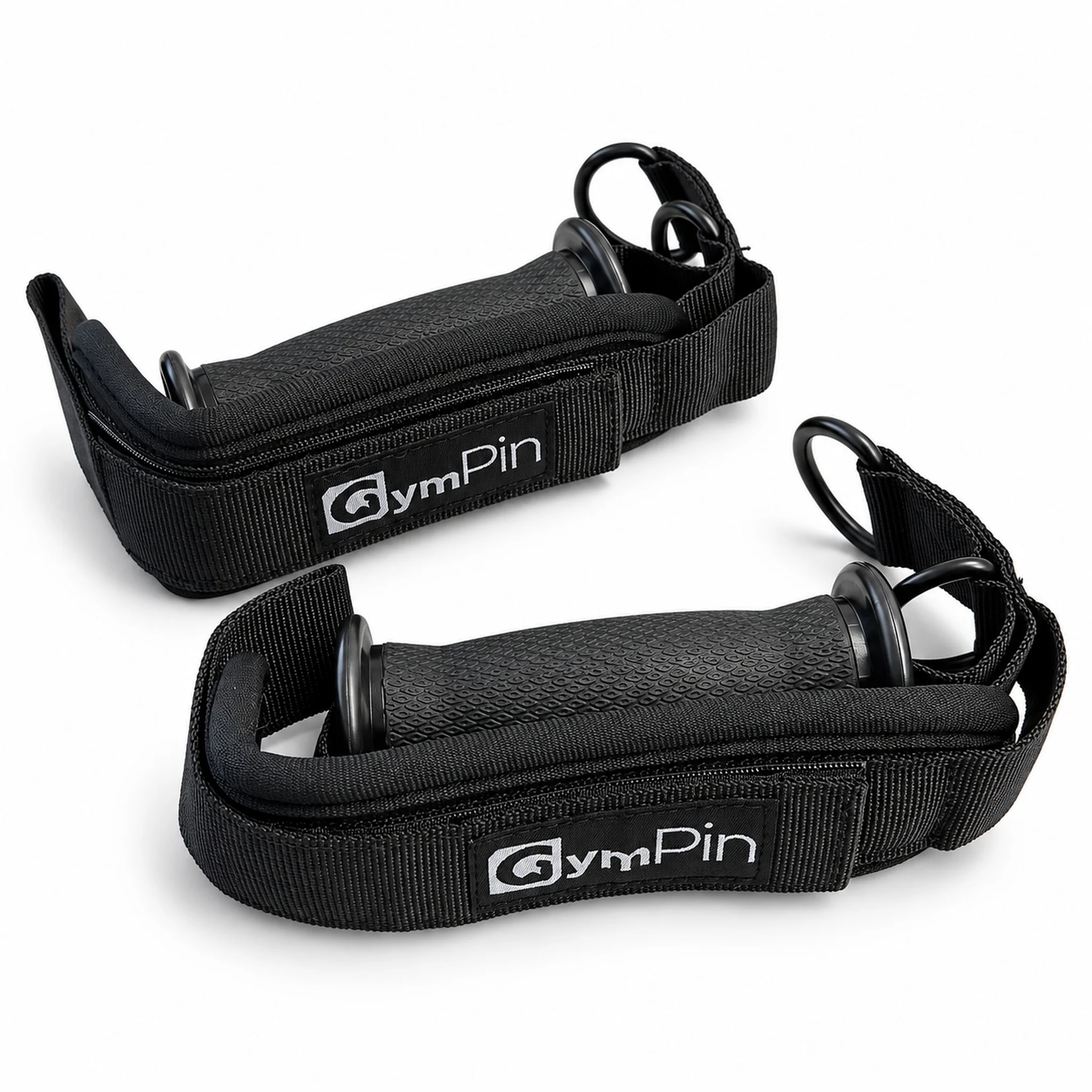
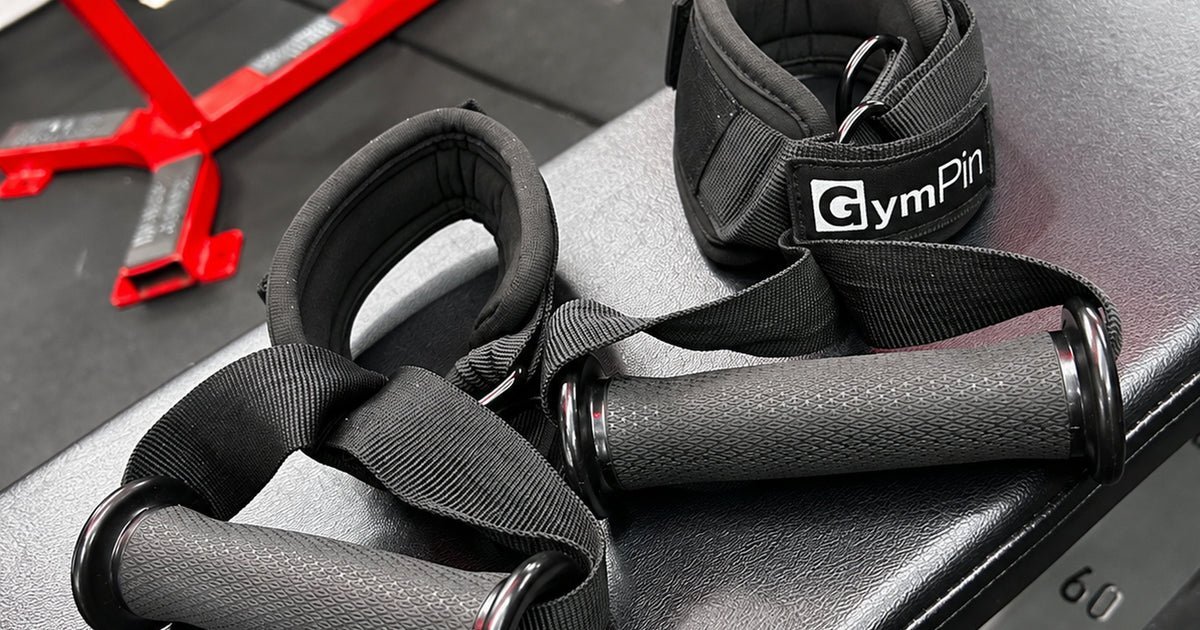
Each D Cuff has an adjustable padded wrist section and a textured cylindrical handle. You continue holding the grip while the cuff supplies an additional connection around the wrist. The attachments are sold as a matching pair, allowing single-side use or suitable work on both sides of a dual-pulley station.
A standard D-handle is simpler: your hand holds the grip without the added cuff. A grip-free wrist cuff removes the conventional handle. Neither arrangement is automatically obsolete because a combined version exists. They create different connections, and the practical preference can change between exercises.
Consider what you want to change in your present setup. Is the handle awkward to hold? Does its size suit your hand? Are you looking for an additional wrist connection while retaining a proper grip? Or do you specifically want an exercise arrangement that does not require holding a handle? Those are different shopping questions.
A cuff-and-handle design should not be treated as a medical wrist brace or a promise to solve discomfort. It also does not establish that the target muscle will work harder. If an attachment is uncomfortable, reassess the fit, load and movement rather than assuming that more support must make the position suitable.
Before buying, compare the actual product photos with the attachment you intend to replace. Look at the cuff, grip ends, webbing and connection rings. Product names can be similar across a range of fabric handles and standalone cuffs, so confirm the exact model and quantity instead of relying on a thumbnail alone.
2. Fit the cuff and test the connection with a light load
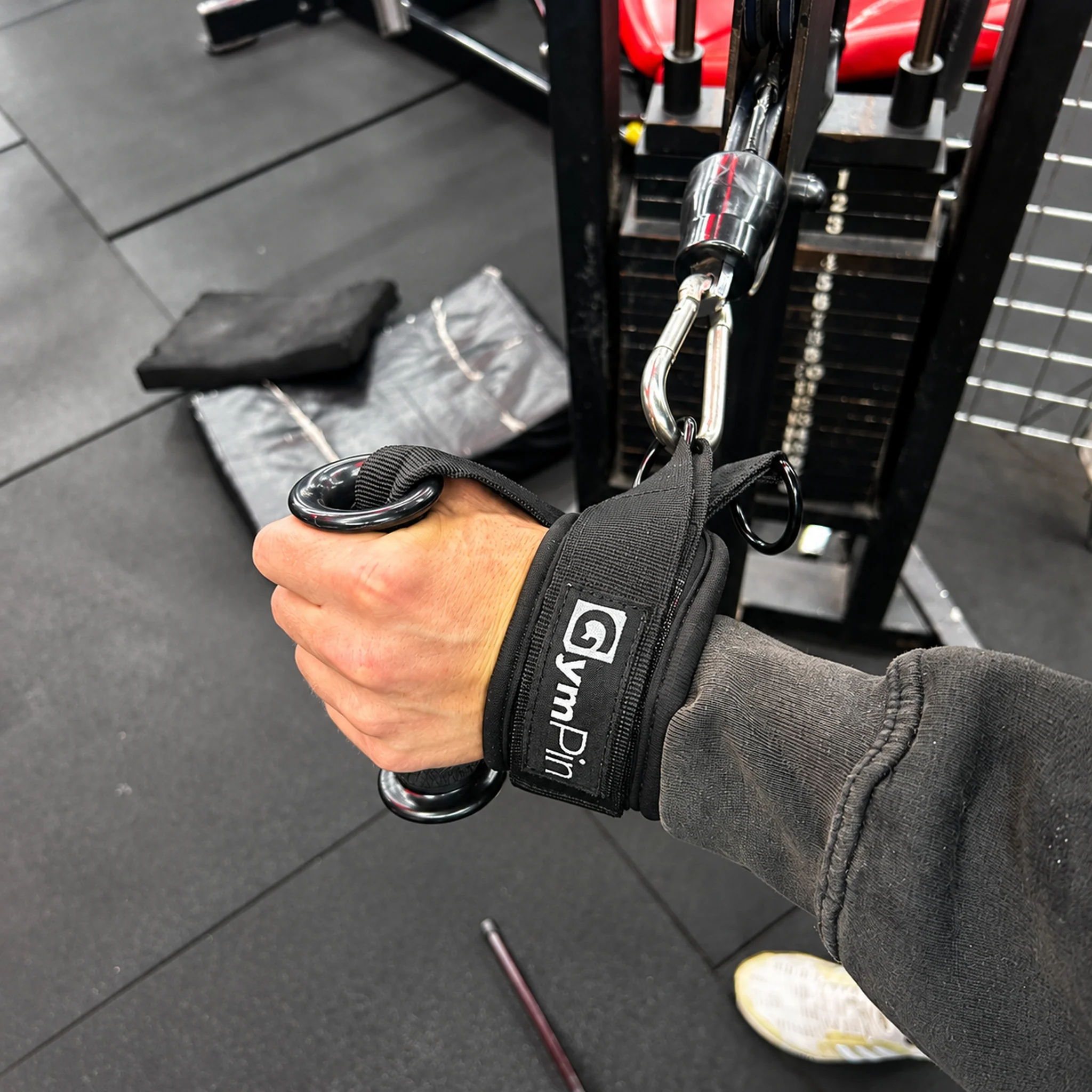
Position the padded section comfortably around the wrist and secure its hook-and-loop fastening. It should remain in place without painful pressure or restricted circulation. Take hold of the textured grip and check that you can hold it naturally rather than forcing the hand into an awkward angle.
Connect the intended metal ring to compatible cable hardware and confirm that the carabiner gate closes completely. Check that the webbing is not twisted and that the connection does not catch against the grip, cuff or surrounding machine parts. A ring that can be pushed into a clip is not necessarily a well-matched connection.
Use a light setting for the first movement check. Move through the range you intend to train and observe how the cuff and handle settle. Stop and adjust if the cuff slips, the fastening loosens or the position feels uncomfortable. Do not increase the load to make an uncertain setup feel more secure.
Check both attachments separately before using the pair. Your left and right wrist settings do not have to look identical to fit well. What matters is that each fastening is secure and each hand can follow the intended path without the cuff becoming the distraction.
Plan how you will finish the set as well as how you start it. Return the resistance under control, take the load off the attachment and disconnect appropriately before removing the cuff. Avoid reaching for a fastening while the cable is still pulling against it. Learning that sequence is part of evaluating the attachment.
3. Keep the grip, then choose exercises that suit the setup
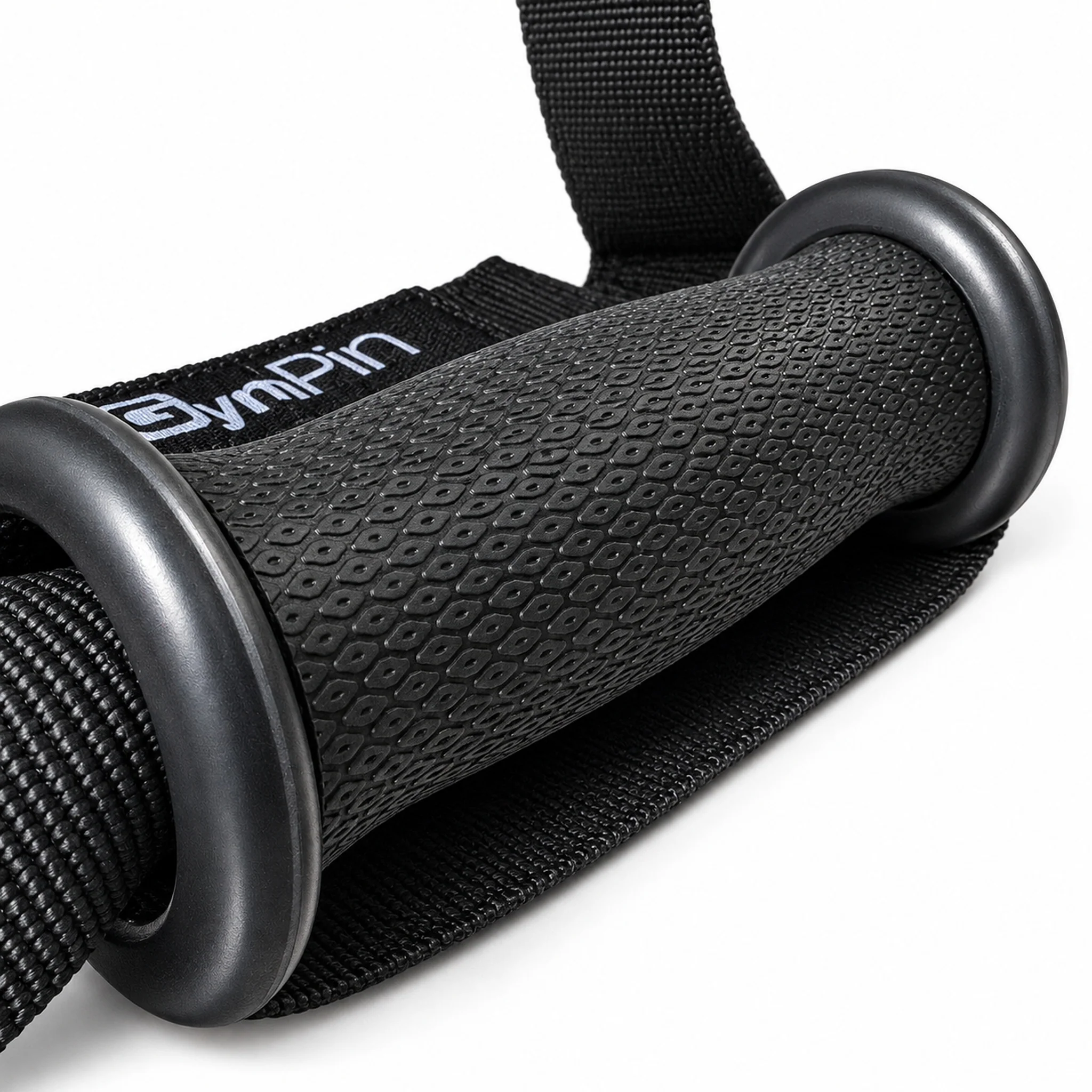
The retained hand grip is the central distinction. D Cuffs are not simply ankle cuffs renamed for upper-body use, and they should not be judged as though the handle disappears. Your grip position, wrist connection and cable direction remain part of the exercise.
Begin with a familiar cable movement. A controlled row can be a useful first comparison because you can keep your stance and torso position stable while assessing the attachment. Pull without turning the test into a body swing, then control the return. Compare it with your normal handle at a manageable load rather than making the first session a maximum-effort challenge.
For curls, keep the setup consistent enough to notice whether the grip and cuff work together comfortably. Avoid changing the pulley height, stance and working load at the same time. Otherwise, you will not know which change altered the feel of the repetition.
Lateral raises and flyes need their own checks. An attachment that feels comfortable on a row may not suit a different arm path. Use a light load, a comfortable range and a cable position that lets you move smoothly. Do not force a greater shoulder range simply because the hand feels more supported.
These are options to evaluate, not a claim that one handle is optimal for every muscle or movement. Keep a standard handle or another appropriate attachment available. If the combined cuff and grip improves convenience for one exercise but adds unnecessary setup to another, you can use it selectively instead of replacing every attachment in the session.

Bodybuilding Shirts & Workout Gear
Bodybuilding shirts, tanks and gym gear for lifters chasing muscle, size, symmetry and the pump.

Consistency Is Key Stoic Greek God Marble Sculpture T-Shirt
Make gym days more fun with “Consistency is Key Stoic Greek God Marble” style.

Every Day Is Arm Day
Make gym days more fun with “Every Day is Arm Day Octopus Gym Meme” style.

The Real Rocky Mountains – Bicep Mountain Meme Vest Mus Tank Top
Train hard, laugh a little, and rep “The Real Rocky Mountains”.

Be Happy Lift Heavy Happy Weights Emoji Weight Plate Hoodie
Show off your powerlifting humor in a laid-back “Be Happy Lift” hoodie.

Lift Eat Sleep Repeat Meme Sweater & T-Shirt
Bring “Lift Eat Sleep Repeat” humor to your everyday gym style.

One More Rep Shirt: Motivational & T-Shirt
Make gym days more fun with “One More Rep” style.


Safety Practice Safe Sets Sweater Jumper T-Shirt
Show some gym-day personality with “Gym Safety”.

Installing Muscles Meme – Vest Tank Top
Show some personality between sets with “Installing Muscles Gym Meme”.

Shirt – I'M Strong Barbell Heartbeat , Gymbro , & T-Shirt
Bring “I'm Strong Barbell Heartbeat” humor to your next gym day.
4. Check the cable station as carefully as the handle
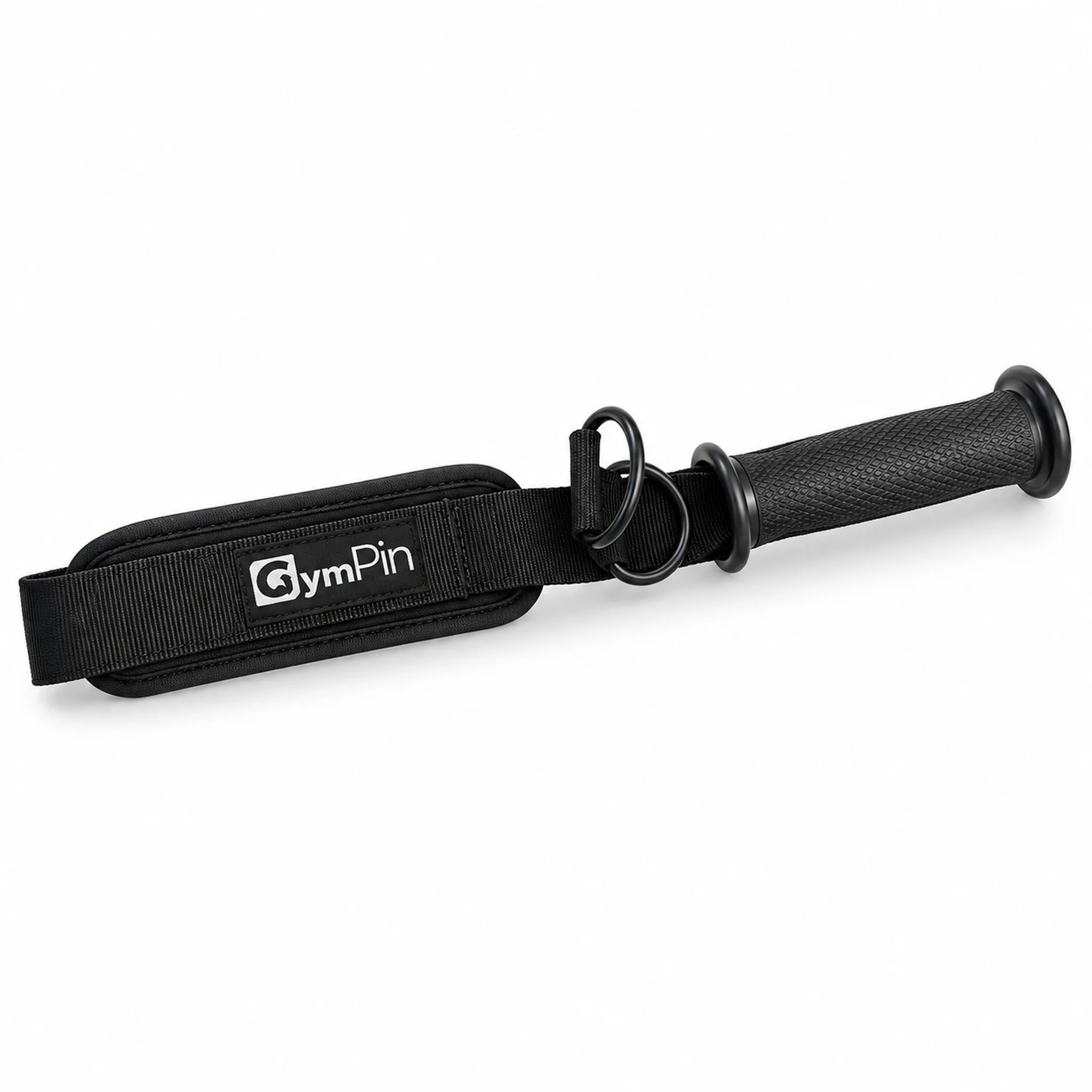
D Cuffs need compatible attachment hardware. Check the ring and clip arrangement on your actual machine, along with the available clearance and line of pull. The product is not a replacement cable, a pulley adapter or permission to exceed the equipment’s limits.
A pair of handles also does not turn a single cable outlet into two independently positioned pulleys. For bilateral flyes or similar movements, confirm that the station provides the intended setup. Think through where you will stand, how the cables will travel and whether the handles can move without crossing or striking anything.
For a row, pulley position changes the direction in which you pull. For a raise, your position relative to the machine changes the path across the body. For a fly, the available width and your stance affect the space you need. Solve those station questions before deciding that a different handle will solve the movement.
Do not infer a load rating from phrases such as heavy-duty webbing or reinforced construction. Use confirmed product information and the machine’s operating limits. If a critical compatibility or capacity detail is missing for your intended use, establish it before loading that arrangement heavily.
In a shared gym, check its rules for personal attachments and leave enough space for other users. At the end of a set, unload and disconnect in an orderly way rather than leaving a cuff attached where it can snag or obstruct the station. A compact accessory still needs a practical place in the workout.
5. Inspect the fastening and decide whether the extra setup earns its place
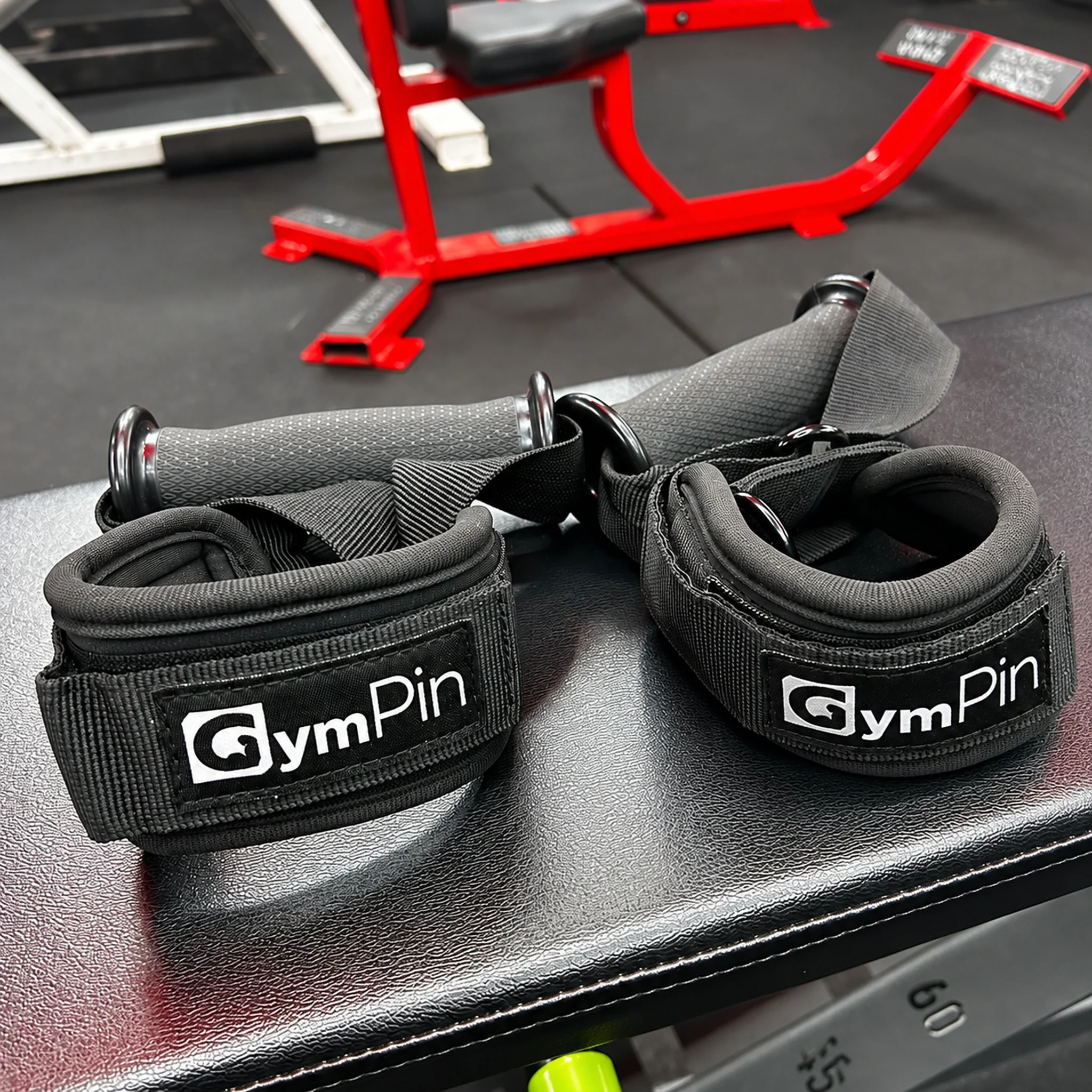
Before each session, inspect the cuff fastening, webbing, stitching, rings and grips. Look for loosening, fraying or damage rather than treating the brand name as a substitute for inspection. Stop using an attachment that slips or is damaged; do not hide a fastening problem by overtightening it.
For the first few sessions, keep your comparison simple. Record the exercise, cable height, working load and attachment choice. Note whether the cuff stays secure, whether the grip is comfortable and whether setting up and finishing the set are straightforward. Those observations are more useful than assuming that a novel connection must improve muscle growth.
Preserve the same range of motion and stopping rule when comparing repetitions. A better number after changing torso position or shortening the movement does not demonstrate an advantage from the attachment. Likewise, a comfortable first set does not establish long-term durability.
When checking an order, confirm that you are buying the pair, the exact D Cuff model and any additional hardware you actually need. Verify current availability and delivery terms in your region. Do not assume that a cable machine or carabiners are included just because they appear in a product-use photograph.
The sensible decision can be selective. D Cuffs may be worth considering when you want a wrist connection and a hand-held grip together. A standard handle may remain simpler for other movements, while a grip-free cuff serves a different requirement. Choose the connection that fits the exercise and your setup, then judge its usefulness through repeatable sessions rather than a blanket claim that one attachment replaces them all.

Equipment Worth Exploring
Explore equipment, accessories and gear from our carefully selected range.

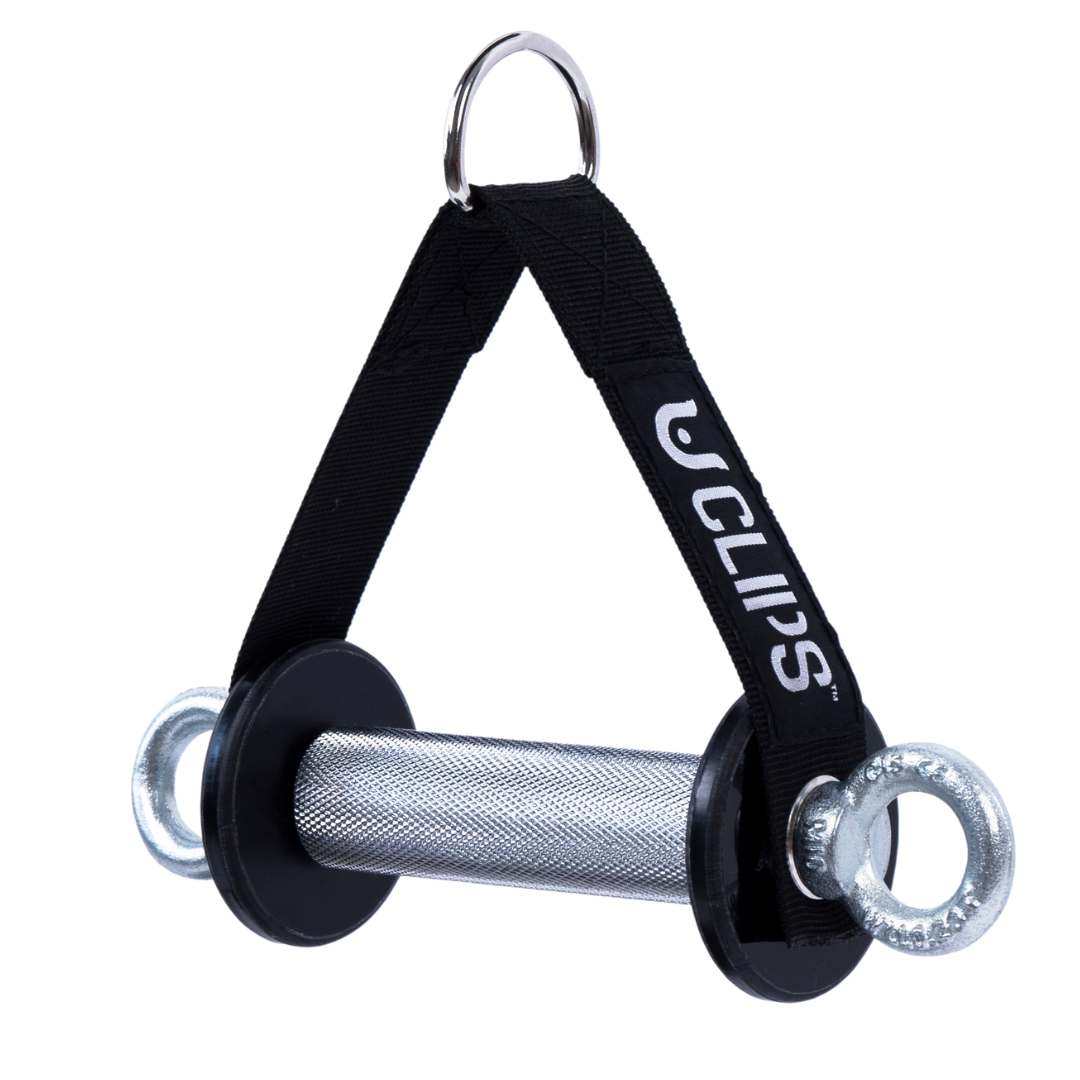
GymPin D Cuffs
Adjustable wrist cuffs with textured grips for supported cable-machine exercises.
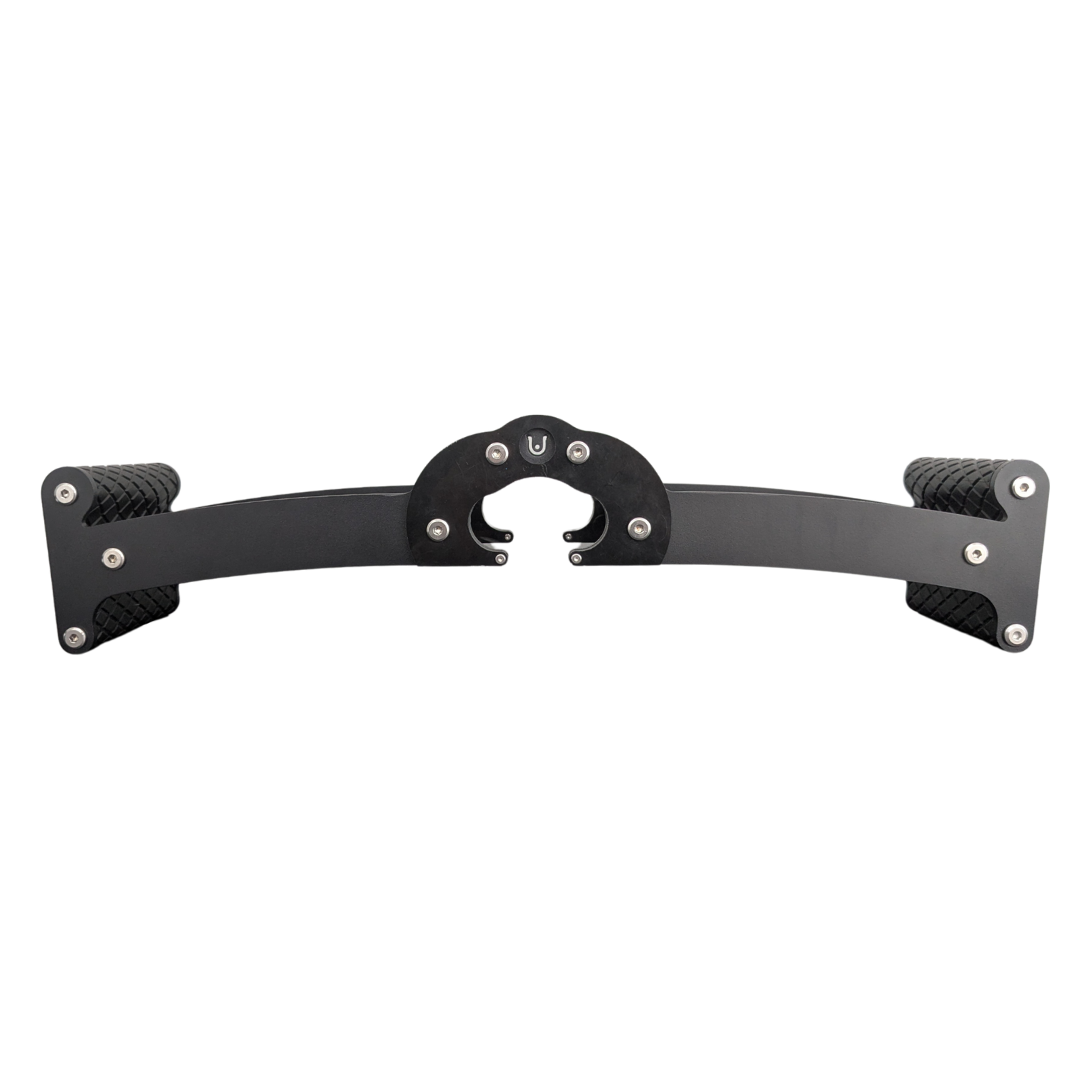
Back Bar
Multi-grip cable and landmine bar with a built-in deadlift jack.

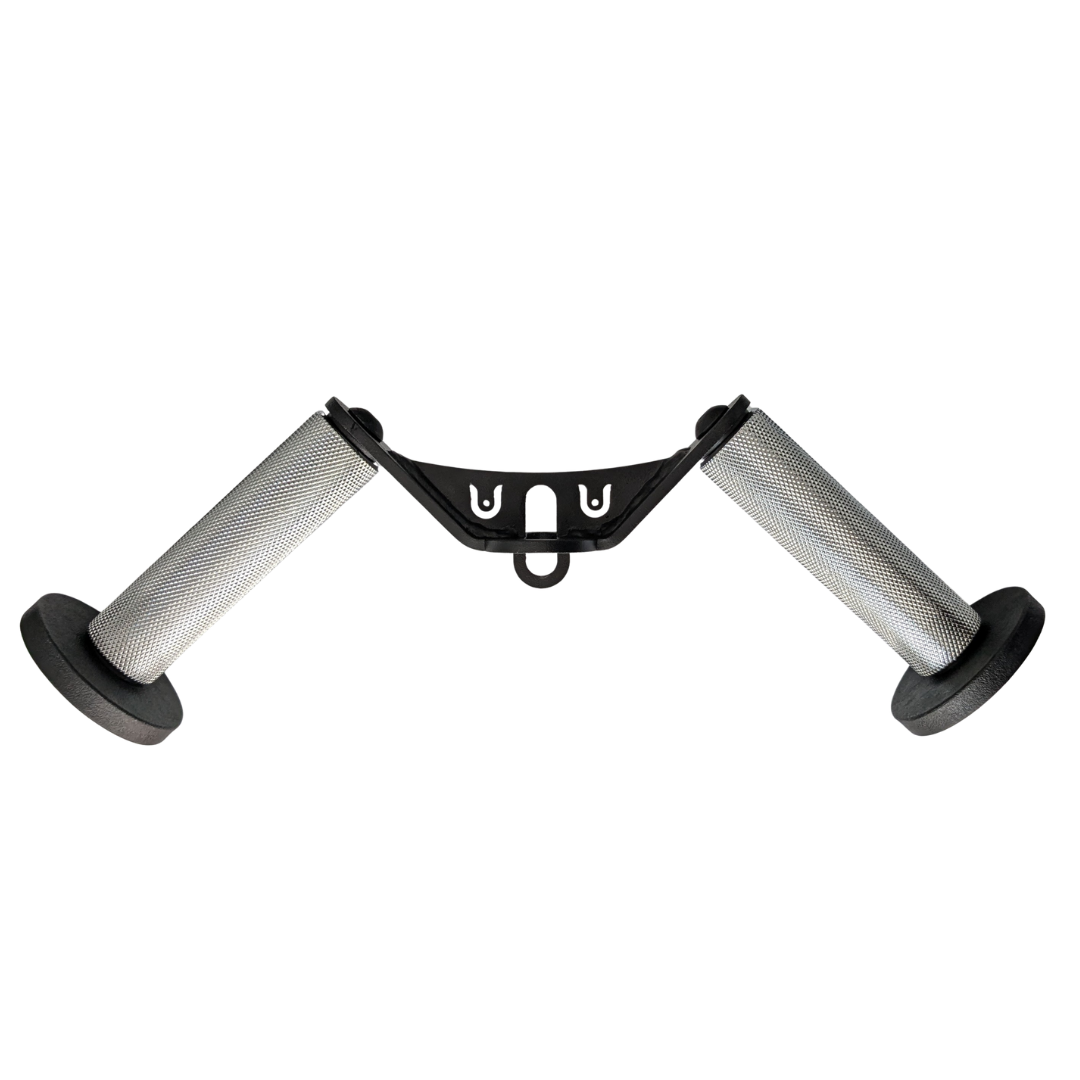
W Grip
Angled cable grip for comfortable rows, pushdowns, and curls.
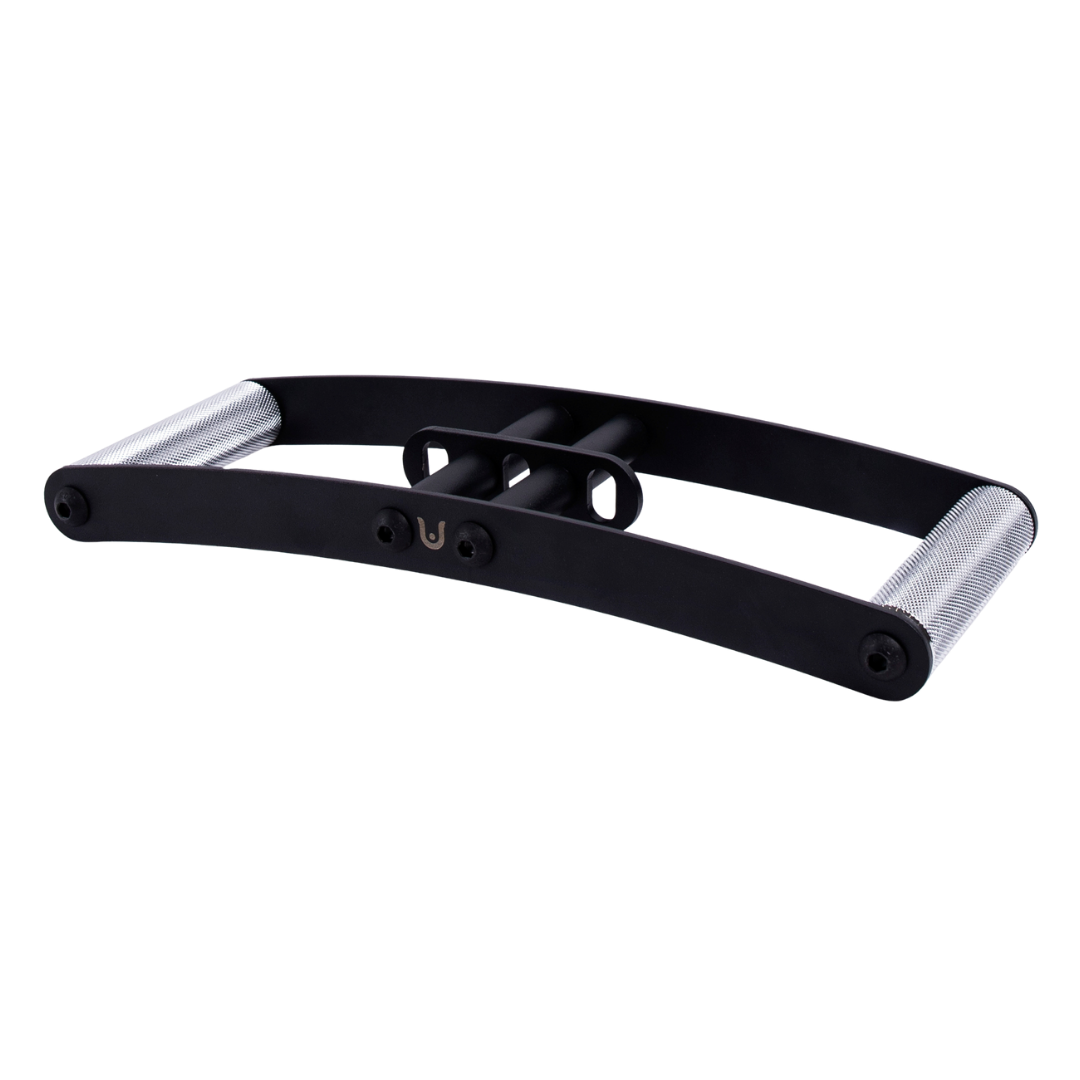
Horizon Grip
Ergonomic V-style cable grip for rows and back training.

Long Tricep ERGO Ropes
Extended triceps ropes with ergonomic grips for cable pressdowns and overhead extensions.

GymPin Ergo Handles
Pair of ergonomic cable handles shaped for comfortable triceps and pulling exercises.

Angles 90 Grips
Flexible grip attachments that allow natural wrist movement during pulling exercises.

Multi-Length Tricep Strap
Adjustable-length cable strap for triceps, biceps and upper-body cable exercises.