Advertising disclosure: This page includes affiliate product links that may earn us a commission, as well as products from our own store.
Some product links may be affiliate links. If you buy through them, Mind Muscle Perfection may earn a commission at no extra cost to you.
Barbell hip thrusts are often called the ultimate glute exercise, while back squats remain a foundation of lower-body strength. Does the extra glute contraction of a thrust actually translate to more muscle? A supervised nine-week comparison involving thirty-four adults offers an answer grounded in muscle measurements rather than gym mythology.
Both movements produced broadly similar glute growth. Squats generated more thigh development, while strength improvements followed the specific lift being practiced. The useful choice depends on whether you want glute size, total lower-body development, stronger squats or a sustainable combination.
Hip thrusts and back squats challenge the same muscles differently
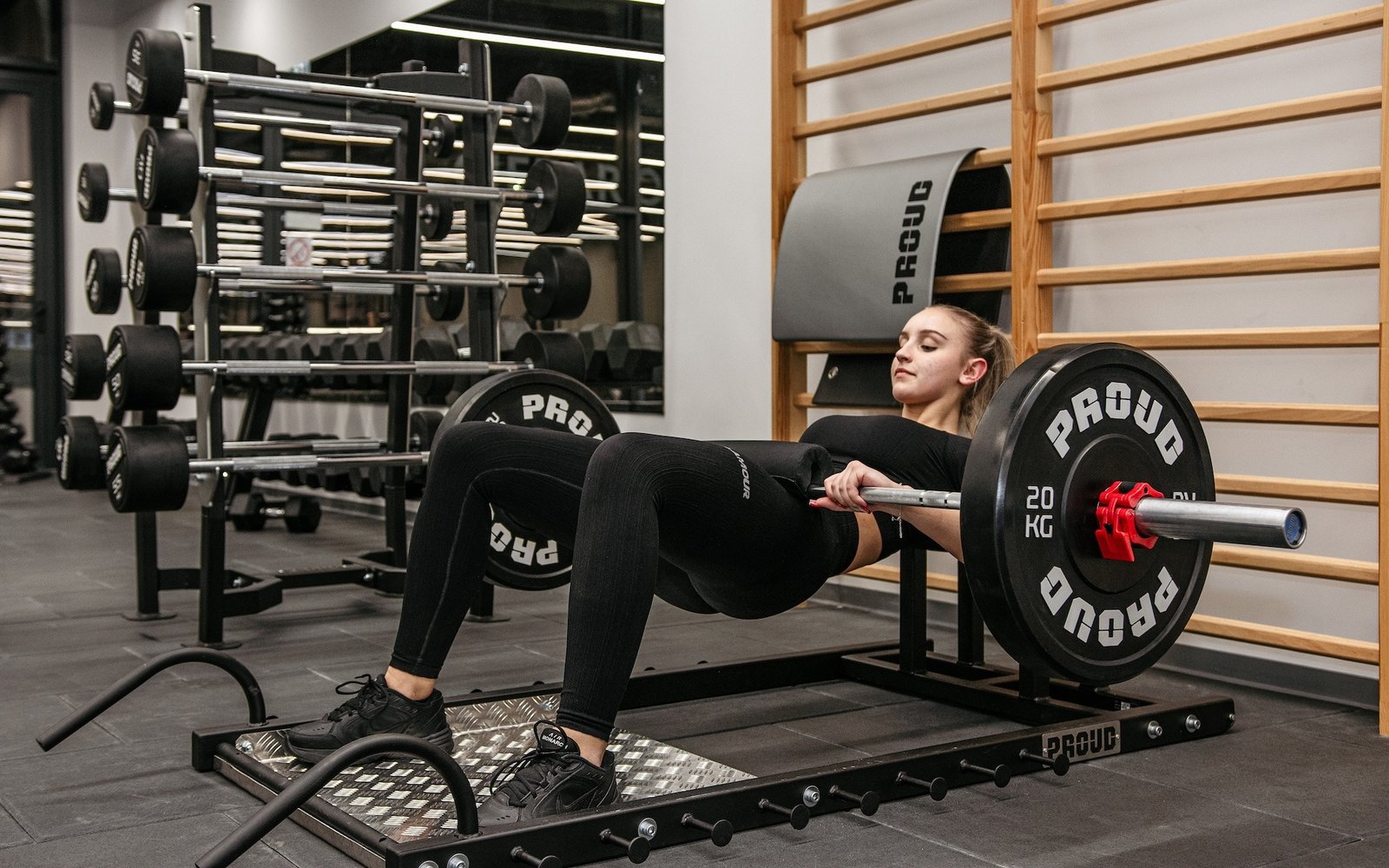
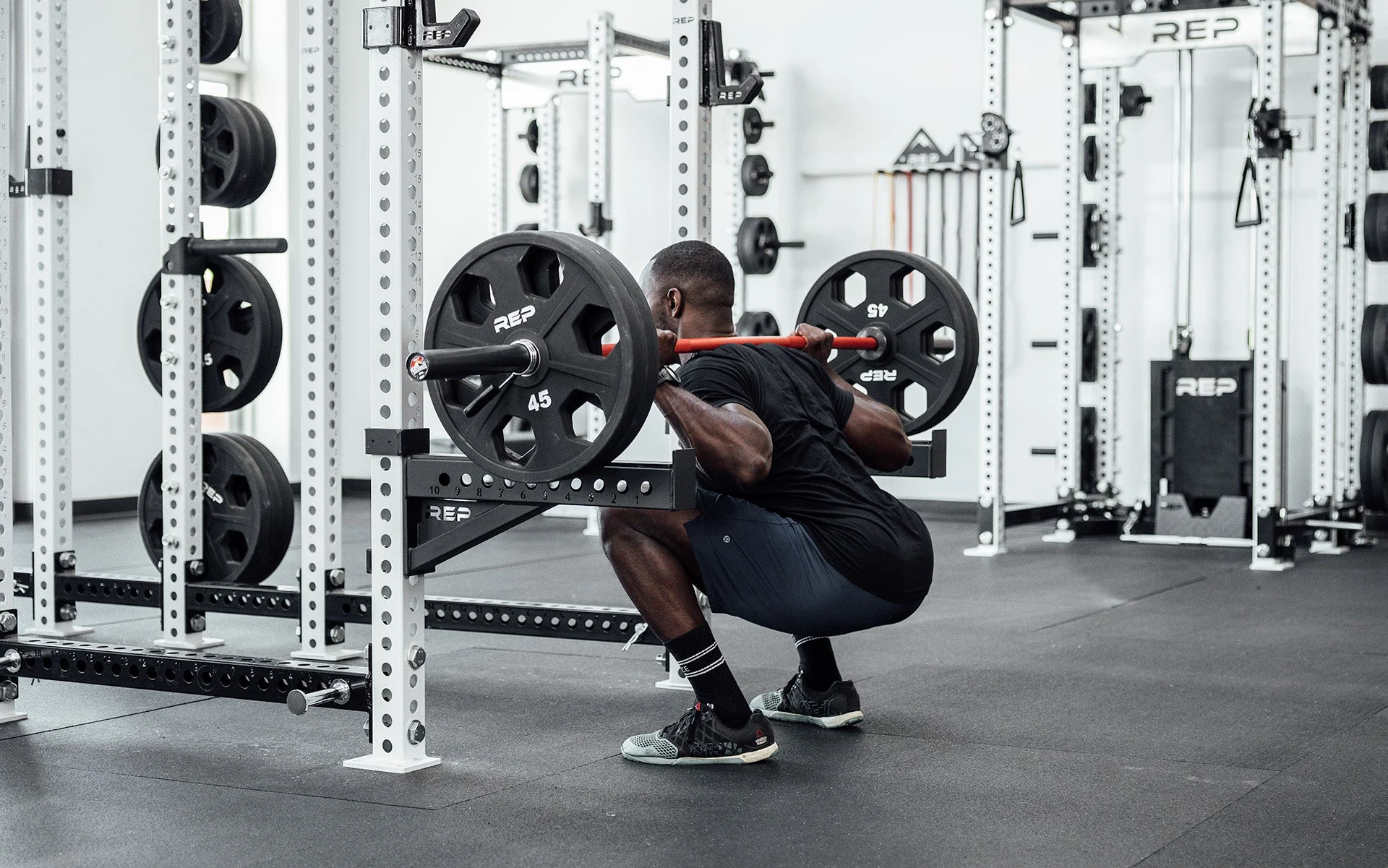
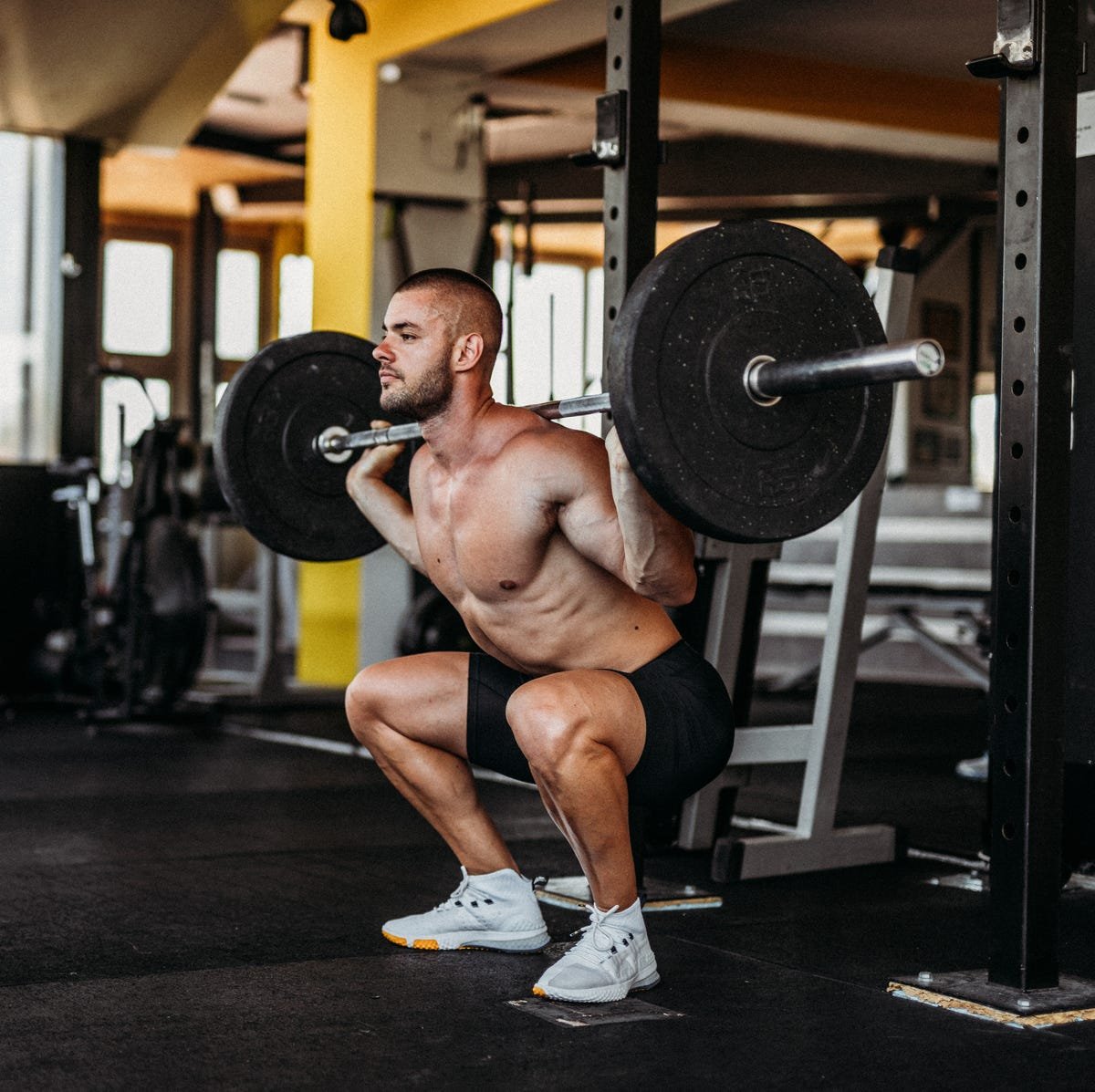
A loaded hip thrust and a back squat both demand hip extension, but the rest of the movement is different. During a squat, the knees and hips flex together while the body balances a barbell across a substantial vertical distance. Quadriceps, adductors and trunk muscles contribute alongside the gluteus maximus. The hip thrust supports the upper back and applies resistance across the pelvis, making hip extension the central task with less movement at the knee.
That distinction matters when a program is crowded. Squats can provide a strong glute stimulus while also delivering serious thigh work. Hip thrusts can add focused hip-extension sets without simply repeating another knee-dominant pattern. Neither exercise magically bypasses the need for appropriately challenging sets, progressive overload and recovery.
Anatomy, technique and equipment change how useful each exercise feels. A lifter with limited ankle mobility may prefer a squat variation that allows a comfortable depth. Another may find a dedicated hip-thrust machine steadier than balancing a bar across the hips. Select an exercise that you can perform consistently and improve over time, rather than assuming the heaviest-looking setup is the most effective.
What a nine-week experiment with 34 adults actually found
A randomized training experiment assigned 34 untrained college-aged adults to either a hip-thrust group of 18 or a back-squat group of 16. Over nine weeks, the participants completed roughly fifteen to seventeen supervised sessions. Researchers measured muscle cross-sectional area with magnetic resonance imaging and also tested strength. That combination is more useful for evaluating muscle growth than an isolated workout’s feeling of fatigue.
The upper, middle and lower regions of the gluteus maximus grew in both groups, without a clear overall difference between hip-thrust and squat training. Some estimates modestly favored thrusts, but the uncertainty was substantial. A relatively small, short trial in novices cannot establish that each movement produces identical gains for every advanced lifter.
Other parts of the legs were less similar. The squat group gained more quadriceps and adductor muscle area, with estimated between-group differences of around 3.6 and 2.5 square centimeters, respectively. That fits the demands of bending and extending the knee and hip in a loaded squat. Neither exercise produced meaningful hamstring growth in this trial, reinforcing the importance of separate hamstring work.
The practical interpretation is not that squat and hip thrust are interchangeable. It is that both can be credible glute-building choices, while the squat also supplies broader thigh development. If your weekly program already contains hard squats and leg presses, the added hip thrust may diversify work. If you have limited time and want both glute and quad stimulus, squatting may cover more objectives in fewer exercises.
Why a stronger glute contraction is not proof of more growth
Hip thrusts often produce high glute muscle-activation readings, and the experiment observed greater average activation during early hip-thrust work. Those electrical signals did not reliably predict which training group would gain more glute size. That is a useful caution for anyone choosing a workout entirely from a short clip showing an impressive muscle-activation graph.
Surface electromyography detects electrical activity through electrodes over muscle tissue. It does not directly measure all the mechanical forces experienced by individual fibers or the adaptive response across weeks. Electrode placement, normalization, surrounding tissue and the movement’s mechanics complicate exercise-to-exercise comparisons.
Feeling the glutes work is valuable as feedback when learning a hip thrust. But a burning sensation, visible pump or intense soreness cannot independently tell you that hypertrophy will be greater. A program should instead offer sufficient hard sets, a controllable range of motion, improving loads or repetitions and a schedule that you can recover from.
Use activation research to understand movement demands, not to give every exercise a permanent ranking. Track what happens to your training performance and body over months, not what feels most dramatic for thirty seconds.
Strength improvements followed the movement being practiced
Both groups improved strength, but the clearest advantages were exercise-specific. Squat trainees improved their three-repetition-maximum back squat more, whereas hip-thrust trainees improved their hip thrust more. The reported differences in improvement between groups were about fourteen kilograms on the squat and twenty-six kilograms on the hip thrust.
Those numbers are not a prediction of what an individual trainee will add. The participants were beginners whose technique and motor coordination were improving quickly. A trained powerlifter preparing for competition would require more directly applicable testing before switching their main exercise.
Strength changes in a separate deadlift test and an isometric wall-push assessment were broadly similar between groups. This suggests neither method clearly dominated those particular transfer tests in this small experiment. It does not prove that both movements transfer equally to sprinting, jumping, sport or every pulling variation.
If you want a bigger squat number, make squatting a regular priority. If you want a heavier hip thrust, practice that specific lift. If your aim is glute size, pay more attention to meaningful muscle work over time than to comparing the raw weight used in two exercises with different leverage and support.

Equipment Worth Exploring
Explore equipment, accessories and gear from our carefully selected range.

Studio Glute Drive
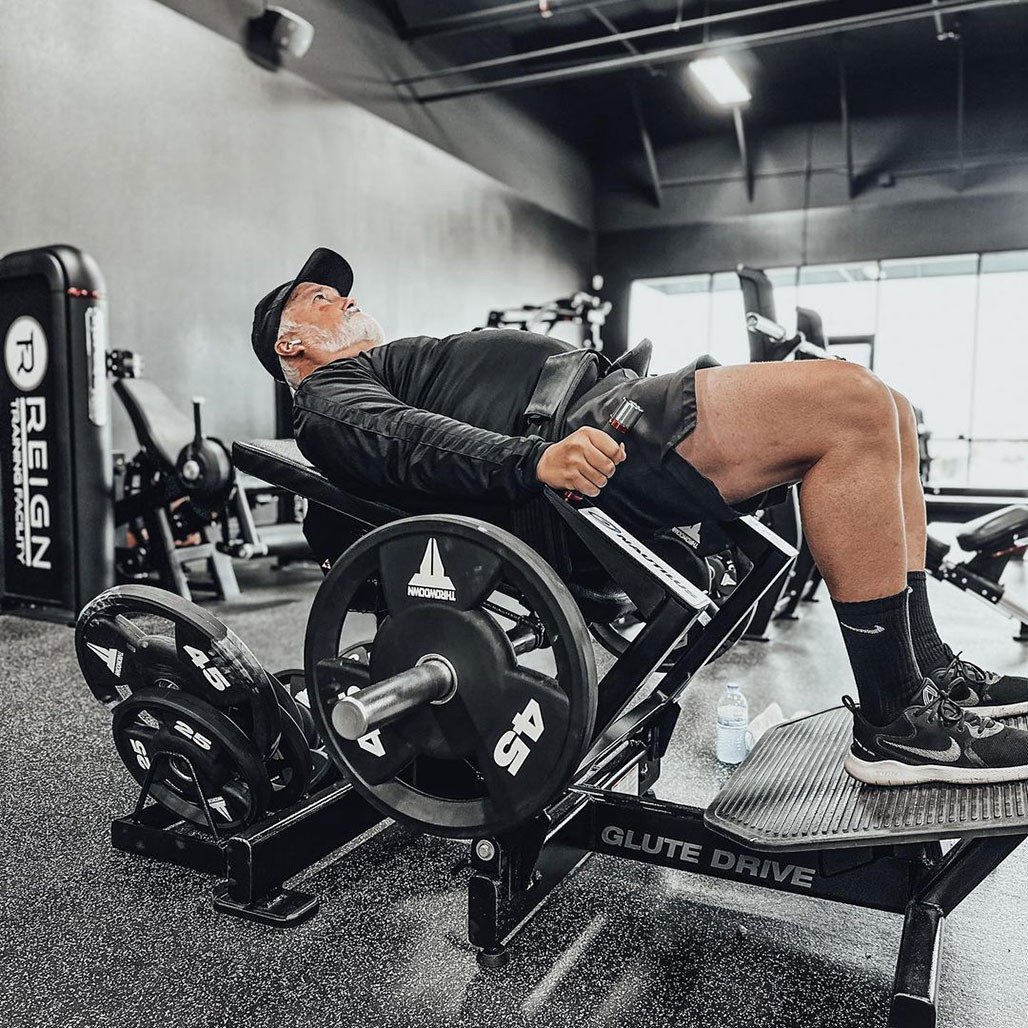
Plate-loaded hip-thrust machine with supported back pad and adjustable foot platform.

Studio V-Squat
Plate-loaded V-squat machine for supported lower-body strength training.

Standing Abductor
Plate-loaded standing hip abductor for targeted outer-glute and hip-stability training.

Belt Squat Collar
Heavy-duty collar adapter for compatible belt-squat and landmine bar setups.

GymPin Squat Wedges
Non-slip 15-degree squat wedges help elevate the heels for deeper quad-focused squats.

Safety Squat Handles
Barbell squat handles that reduce shoulder positioning demands during high-bar squats.


Set up the hip thrust for repeatable glute work

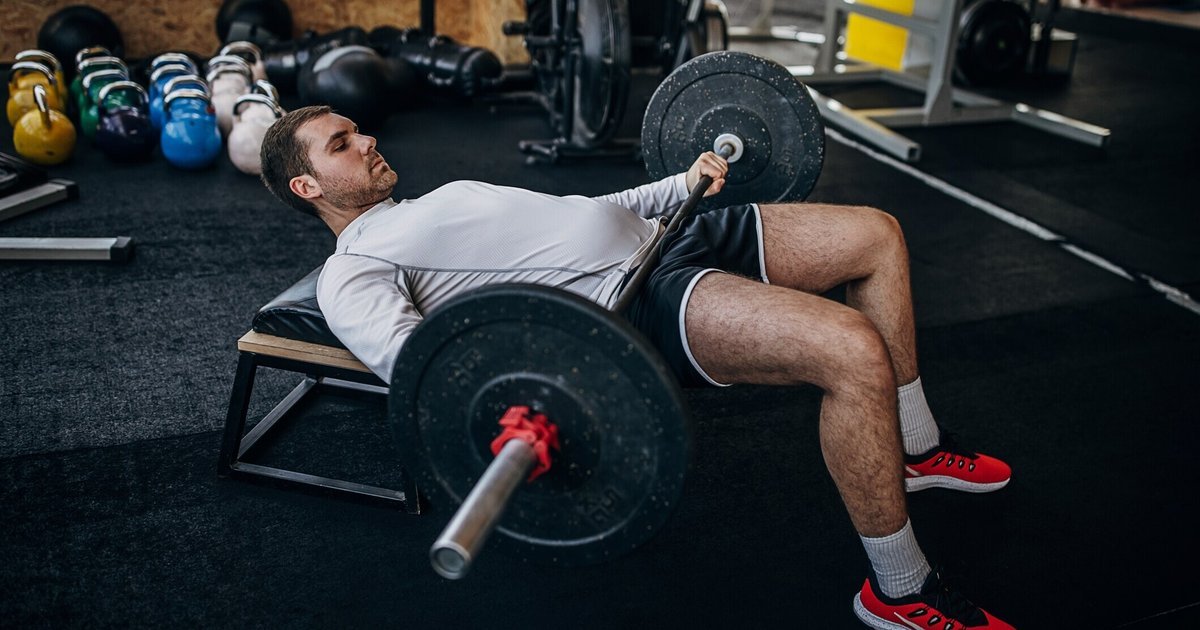
Use a stable bench that cannot slide, or choose a dedicated machine. Rest the upper back against the edge, plant the feet and position a padded bar or restraint across the pelvis. Warm up with unloaded repetitions until the setup is steady. Heavy loading is not a substitute for being able to keep the bench and bar in place.
Press through the whole foot and extend the hips until the torso and thighs approach a straight line. Avoid finishing by dramatically arching the lower back. Keep the ribs under control and the neck relaxed. A starting foot position that leaves the shins approximately vertical at lockout works for many people, but a small adjustment may make the motion more comfortable.
Lower the weight smoothly and repeat with a similar range of motion. A brief controlled pause near lockout can help you avoid bouncing. Two or three working sets of eight to fifteen repetitions with one to three technically good reps left in reserve offer a reasonable starting point for many lifters. Gradually raise the load after the repetitions become reliable.
If the bar is painful against the hips, add appropriate padding, change the machine setup or reduce the weight. Stop if you feel sharp joint pain. The goal is a repeatable challenge to the glutes, not a contest to stack the most plates.

Leg Day Shirts & Workout Gear
Leg-day gym shirts and workout gear for lifters who never skip squats, lunges and lower-body punishment.

Leg Day Gains Gym | LEGO Parody Workout For Squat & Dea Hoodie
Show off your leg-day humor in a laid-back “Leg Day Gains” hoodie.

Quadzilla Massive Quads Sweater Leg Day Squatting T-Shirt
Keep things casual with a little “Quadzilla” attitude.

Heavy Squatter Wizards Leg Day Meme , & Gains T-Shirt
Make gym days more fun with “Heavy Squatter Gym Wizards” style.

Coffee Shots & Heavy Squats for Leg Day, Lifting and Fi Tank Top
Add some leg-day attitude to training with “Coffee Shots & Heavy Squats”.

Leg Day Squats Deadlifts Decal Meme Vinyl Sticker
Give your everyday gear a playful “Leg Day” twist.

Negative Leg Day Review Leg Day Sucks Meme Squats, T-Shirt
Show some leg-day attitude with a playful “Negative Leg Day Review” tee.

Leg Day Is Calling You Squats & Deadlifts Meme Vest Tank Top
Your gym-day look, with a playful “Leg Day Is Calling You” twist.

Grim Reaper Deadlift Skeleton Bros & Leg Day Lovers Hoodie
Stay casual and show some leg-day attitude with “Grim Reaper Deadlift”.

Heavy Metal Skeleton Squat for Powerlifting, Bodybuildi T-Shirt
Show some gym-day personality with “Heavy Metal Skeleton Squat”.

Never Skip Leg Day | LEGO Muscle Shirt For Squats & Dea Tank Top
Train hard, laugh a little, and rep “Never Skip Leg Day”.
Combine squats, hip thrusts and hamstring exercises intelligently
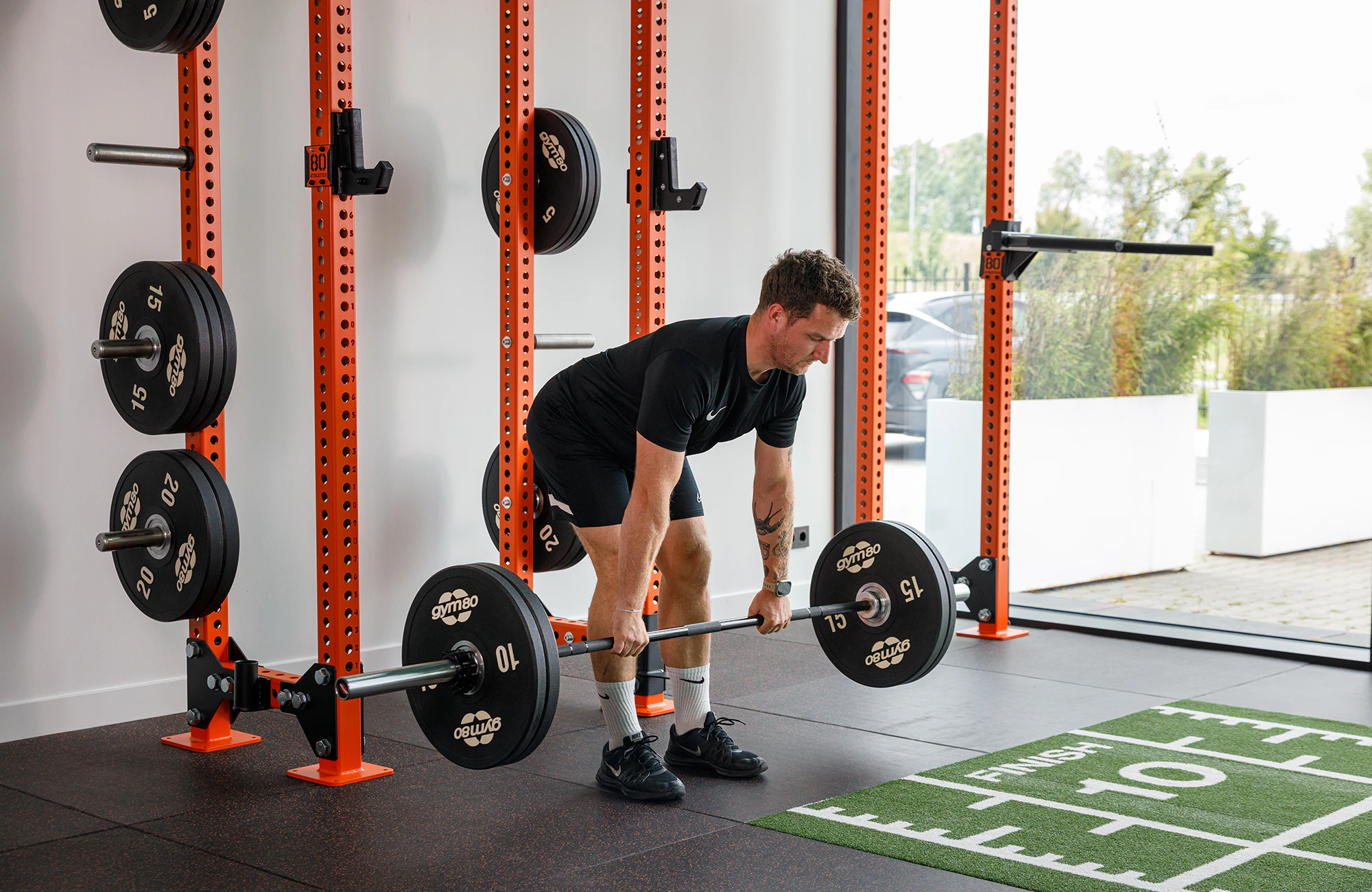
A balanced lower-body workout benefits from recognizing what each exercise does best. Back squats challenge the quads and adductors as well as the glutes. Hip thrusts can add hip-extension work with less direct knee-extension demand. A curl or hinge variation addresses the hamstrings, which did not gain much in the nine-week squat-versus-thrust trial.
For a two-day plan, session A might involve three squat sets of six to ten reps, two hip-thrust sets of eight to twelve and two hamstring-curl sets. Session B could feature three hip-thrust sets, two split-squat or leg-press sets and two controlled Romanian deadlift sets. These are examples, not compulsory weekly quotas. Adjust them around your experience and the rest of your training.
Perform squats with a stable stance, a braced torso and a comfortable, repeatable depth. Keep the feet grounded and let the knees track naturally while the hips and knees extend together on the ascent. Set the rack safeties correctly or use an appropriate spotter when lifting heavy. A goblet squat is a useful introductory alternative.
Allow enough recovery between demanding sets to maintain quality. Two to three minutes or more may be appropriate for hard compound sets, while accessories can sometimes use shorter breaks. If soreness, poor sleep or falling performance accumulates, reduce overlapping sets before adding new variations.
Equipment Worth Exploring
Explore equipment, accessories and gear from our carefully selected range.



FID Bench MAX
Adjustable bench offering flat, incline, and decline positions + adjustable headrest.


VForce 3IN1 Max
Six-post all-in-one rack with Smith machine, functional trainer, and variable-force cables.

Open Hex Bar
Open-frame trap bar with multiple handles for deadlifts, carries, and lower-body training.


Competition Plates
Competition-style bumper plates for Olympic lifts and loaded strength training.
Run a four-week experiment to find your useful combination
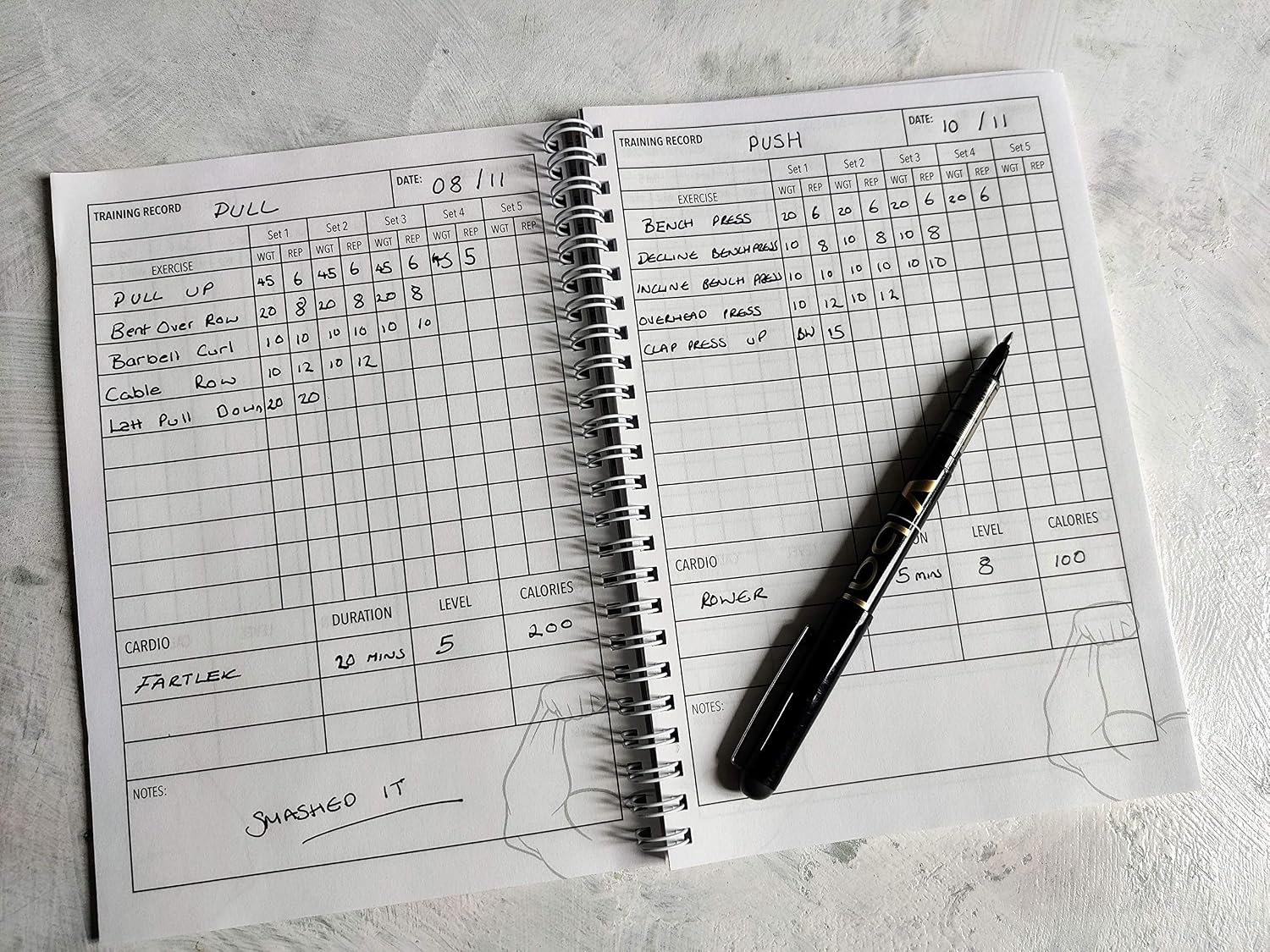
In week one, record your chosen squat and hip-thrust loads, sets, repetitions and the approximate number of repetitions you could have completed with good form. Write down your squat depth and hip-thrust top position, too. Without consistent movement standards, a heavier bar can make progress appear larger than it really is.
In week two, aim to add a controlled repetition to some sets without shortening the range of motion. In week three, increase the load slightly if you reach the top of the planned rep range with stable technique. In week four, compare performance, recovery, workout time and how consistently you could follow the plan.
Do not declare a winner for muscle growth after four weeks based on a mirror impression. The controlled comparison measured changes over nine weeks with imaging and still carried uncertainty. A short personal trial is better for learning which setup feels sustainable and which movement allows you to progress without excessive fatigue.
If hip thrusts aggravate your back despite a careful setup, select a machine variation or an alternative. If heavy squats dominate your recovery, modify volume, intensity or exercise order. Many lifters will benefit from keeping both exercises in different roles. Consistent, recoverable work matters far more than a universal best-exercise slogan.
Powerlifting Shirts & Lifting Gear
Powerlifting shirts and gym gear for squat, bench and deadlift lifters who live for heavy numbers.


7 Plates Squat Club Shirt – Meme & Leg Day Gains T-Shirt
Rep “7 Plates Squat Club” humor in and out of the gym.

Squats Leg Day Heavy Weights Meme – Essential Top T-Shirt
Bring “Squats Leg Day Heavy Weights” humor to your next gym day.

Deadlift Purple Skull for Powerlifters Heavy Weight Leg Hoodie
Show off your leg-day humor in a laid-back “Deadlift” hoodie.

Deadlift Flaming Skull Graphic , Hardcore Bodybuilding Tank Top
Add some deadlift attitude to training with “Deadlift”.

Zombie Deadlift Lifting Dead Halloween Meme Decal Sticker
Bring “Zombie Deadlift” attitude to your water bottle or laptop.

Squat You Must – Leg Day Meme , Top Gains T-Shirt
Heavy lifts, good laughs, and a little “Squat You Must” energy.

I Love Squats Meme Shirt Valentine'S Day Leg Day T-Shirt
Make gym days more fun with “I Love Squats” style.

Deadlift PR or Die Skull Graphic , Hardcore Halloween G T-Shirt
Bring “Deadlift” humor to your everyday gym style.

Deadlift Bloody Skull Graphic , Hardcore Horror Workout T-Shirt
Add a playful “Deadlift” touch to your casual rotation.