What the 14-Person Squat Experiment Actually Tested
How deep should you squat? Heavy partial repetitions, parallel squats and full-range squats all have supporters. A randomized crossover experiment published in July 2026 offers useful measurements, but not a universal verdict. Fourteen sports science students familiar with resistance training performed three different squat depths on separate days. Each participant acted as their own comparison, reducing some of the variability that occurs when different groups of lifters are compared.
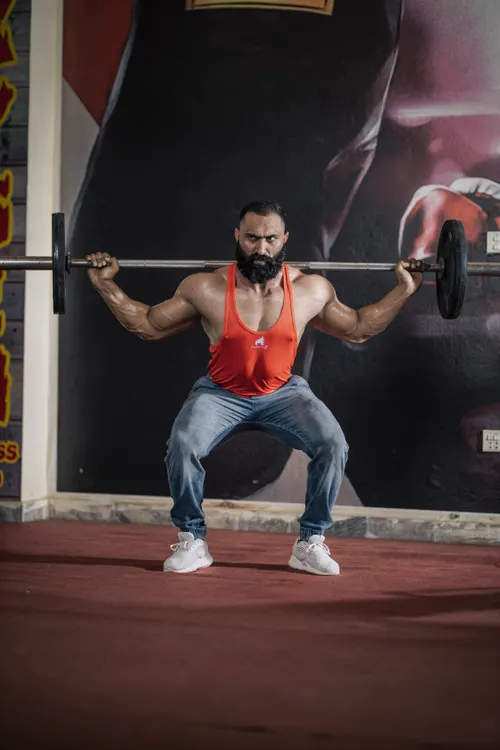
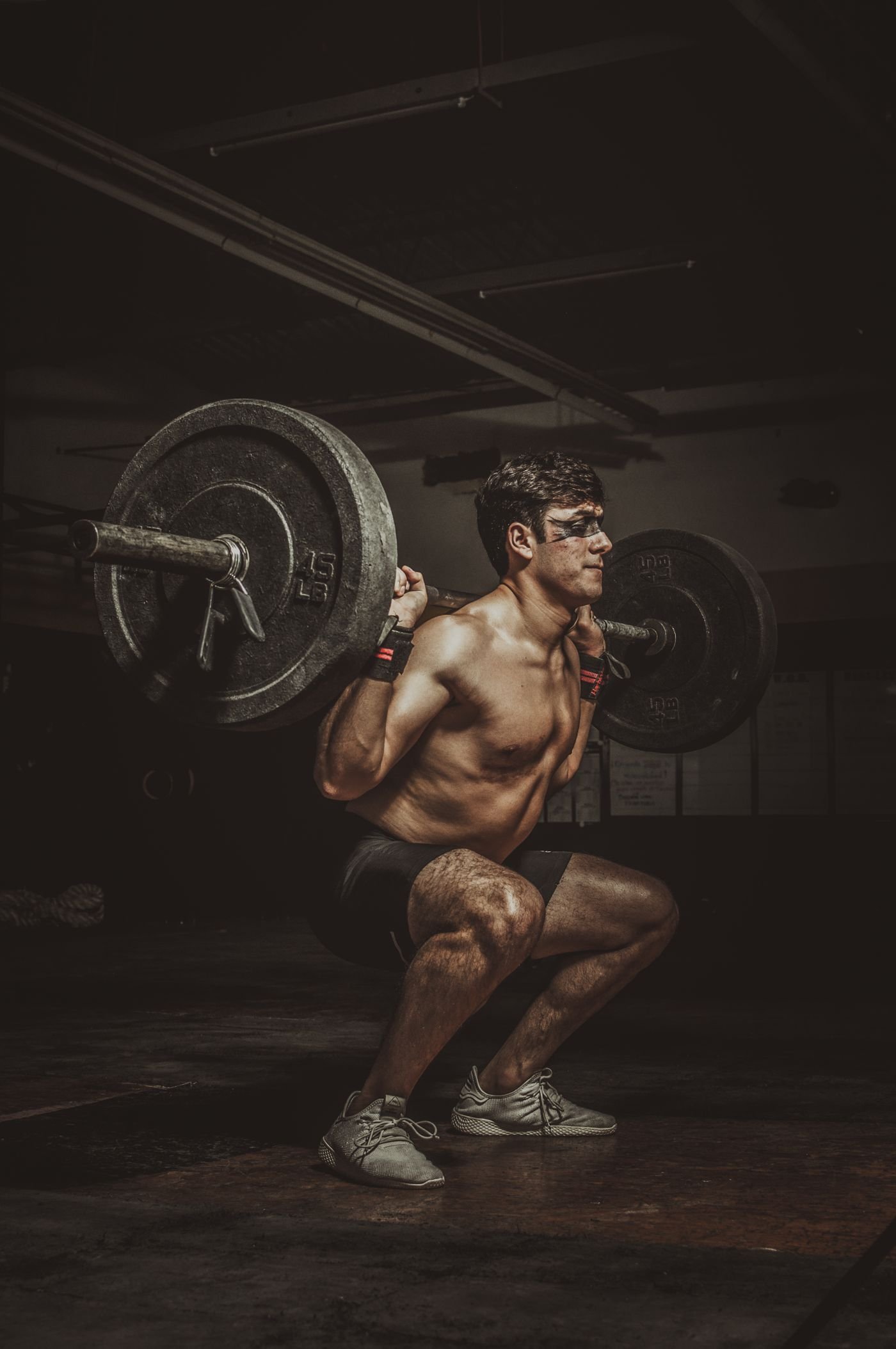
The researchers defined a partial squat at approximately 45 degrees of knee flexion, a parallel squat at about 90 degrees and a full squat at roughly 140 degrees. Participants completed three sets of five repetitions at their depth-specific five-repetition maximum, with three minutes between sets and 48 to 72 hours between sessions. This matters because the same person can generally handle much more weight when the movement is shorter. Average external loads were approximately 99.6 kilograms for partial squats, 76.4 kilograms for parallel squats and 50.7 kilograms for full squats.
Surface electrodes recorded activity in the vastus lateralis, rectus femoris and biceps femoris. Countermovement jump height was tested before the squats and five minutes after the final set. These were immediate measurements from individual sessions, not a long-term muscle-building intervention. Neither a heavier bar in a partial squat nor a larger electrical signal in a full squat directly proves which variation will build the most muscle over several months.
The experiment is best understood as a study of range, load and immediate neuromuscular demand. It does not establish that everyone needs an identical bottom position, or that partial squats are automatically ineffective.
What Greater Muscle Activation Does and Does Not Mean
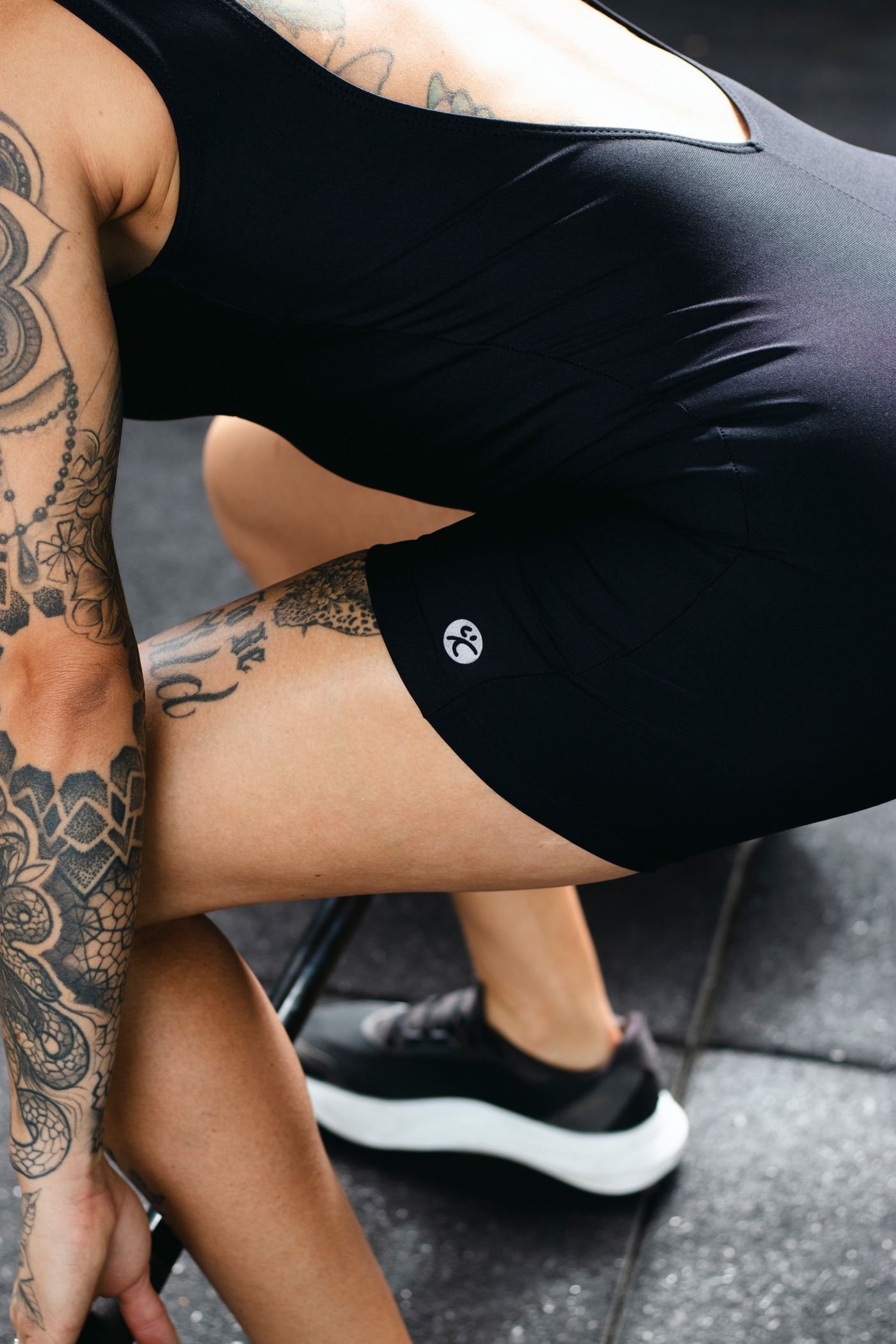
Across the measured muscles, mean and peak surface electromyography generally increased as squat depth increased. Rectus femoris and biceps femoris readings were highest during the full-squat condition, while vastus lateralis activity was strongest during full and parallel squats. The investigators found a significant depth effect, but their three electrodes covered only a fraction of the muscles contributing to a squat.
The tempting headline is that deeper squats must build more muscle. That conclusion goes beyond what electrical recordings can show. Surface EMG detects electrical activity near an electrode during a contraction. It is affected by joint position, fatigue, tissue properties, electrode placement and signal processing. It is not a direct measure of whole-muscle mechanical tension, effective training volume or future hypertrophy. A higher reading can be interesting without being a reliable prediction of how many millimeters a muscle will grow.
Depth-specific loading further complicates the comparison. The partial condition used nearly twice the average absolute load of the full condition. A short movement with a heavy bar and a longer movement with a lighter bar challenge the body differently. Bar weight alone is not a fair measure of training quality. A 100-kilogram quarter squat is not necessarily a better hypertrophy stimulus than a controlled 60-kilogram full squat, but the reverse cannot be assumed from a single EMG experiment either.
For most lifters, a controlled parallel or deeper squat provides substantial knee and hip movement and an easy-to-track progression. Partial repetitions can be used deliberately for a particular sticking point, sport demand or additional work. The goal should determine the range rather than an isolated ranking of muscle-activation readings.

Equipment Worth Exploring
Explore equipment, accessories and gear from our carefully selected range.


GymPin Squat Wedges
Non-slip 15-degree squat wedges help elevate the heels for deeper quad-focused squats.


Safety Squat Handles
Barbell squat handles that reduce shoulder positioning demands during high-bar squats.


FID Bench MAX
Adjustable bench offering flat, incline, and decline positions + adjustable headrest.

Belt Squat Collar
Heavy-duty collar adapter for compatible belt-squat and landmine bar setups.
The Jump Finding That Is Easy to Misread
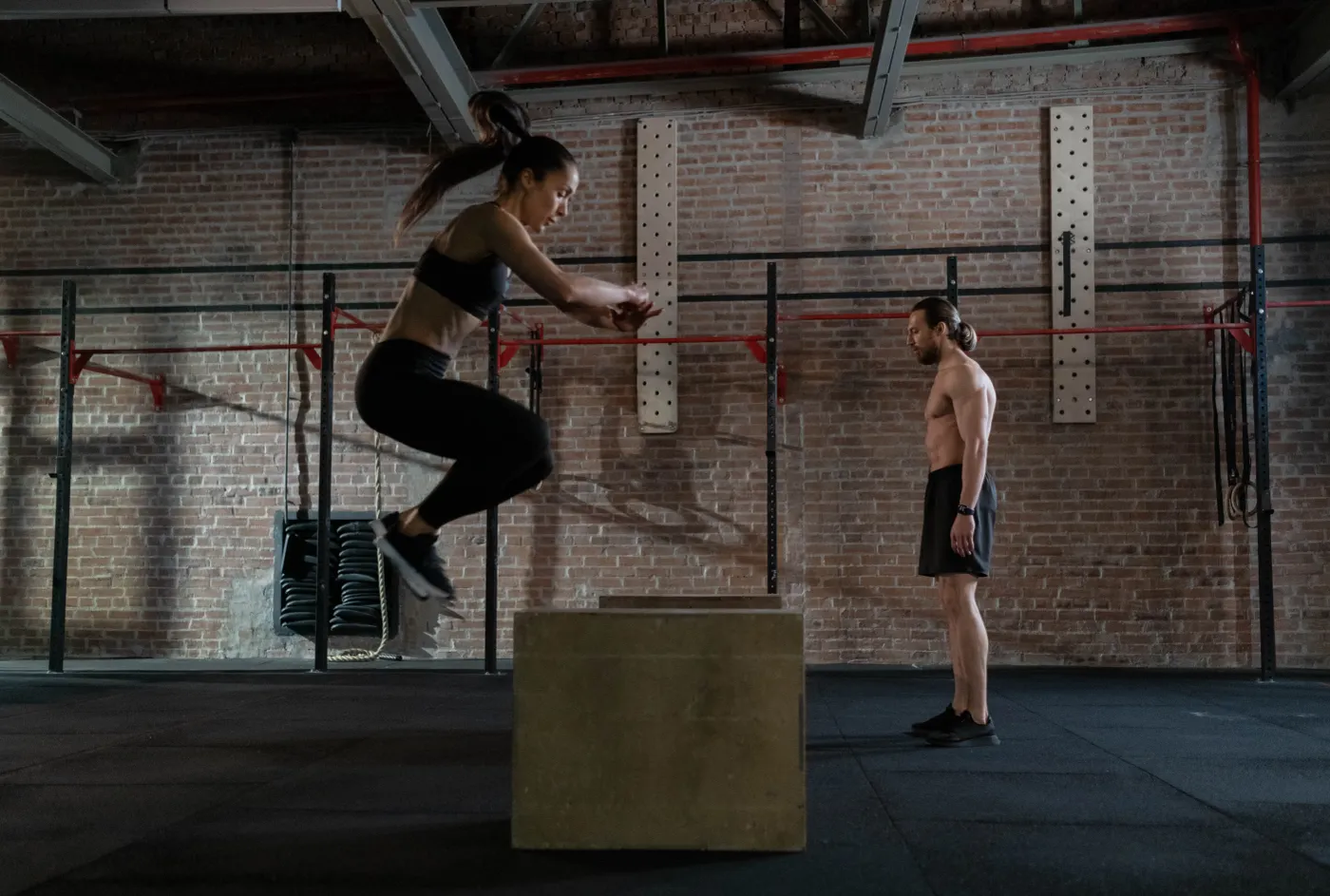
The most eye-catching result concerned countermovement jumps. Jump height improved significantly after the full-squat session compared with that condition’s own pre-session value. The within-condition probability value was 0.011. However, the changes in jump height were not significantly different between the three depth conditions. The comparison of those changes had a probability value of 0.268. Both findings can be true at once.
One condition may change from its own baseline while the differences between conditions remain too uncertain to identify a winner. Small samples, measurement noise and normal day-to-day variation all matter. It would be misleading to say that full squats reliably improve explosive jumping more than parallel or partial squats based on this experiment. The result suggests a possible immediate response, not a demonstrated advantage between methods.
Heavy contractions can temporarily improve readiness for explosive movement, but they also create fatigue. The balance depends on load, training history, the number of sets and the time allowed for recovery. Here the jump test took place five minutes after the final squat set. Testing after one minute or ten minutes might produce a different pattern, and different athletes may respond differently.
If jump performance is a goal, test a consistent sequence over several sessions. Warm up, perform a small amount of controlled heavy work if appropriate, recover, then complete a few high-quality jumps. Record jump height or another repeatable performance measure. If jumps consistently deteriorate after squats, reduce the preceding fatigue or separate the exercises. Do not assume that a deeper squat automatically creates better jumping on the same day.

Leg Day Shirts & Workout Gear
Leg-day gym shirts and workout gear for lifters who never skip squats, lunges and lower-body punishment.

Never Skip Leg Day Squats & Deadlifts Meme , Top T-Shirt
Show some leg-day attitude with a playful “Never Skip Leg Day” tee.

Shirt Squat Queen Leg Day Bros & Meme Gains T-Shirt
Bring “for Squat Queen” humor to your next gym day.

Squats Leg Day Heavy Weights Meme – Essential Top T-Shirt
Bring “Squats Leg Day Heavy Weights” humor to your next gym day.


My Leg Hurts Leg Day Sweater & Squat Meme Lovers T-Shirt
Keep things casual with a little “My Leg Hurts” attitude.

Invisible Booty To Visible Booty Squats & Leg Day Hoodie
Make your off-duty look more fun with “Invisible Booty To Visible Booty”.

Let It Grow Leg Day Decal Water Bottles & Gear Meme Sticker
Put “Let It Grow” gym humor on your laptop, bottle, or gym gear.

I Love Squats | Leg Day Pink Heart Plate Decal Meme Sticker
Put “I Love Squats” gym humor on your laptop, bottle, or gym gear.

Leg Day Is Calling You Squats, Deadlifts & Gains T-Shirt
Rep “Leg Day Is Calling You” humor in and out of the gym.

Motivation – Squats & Booty Builder Leg Day – Strong T-Shirt
Bring “Gym Motivation” humor to your next gym day.
What Longer-Term Research Adds to the Depth Debate
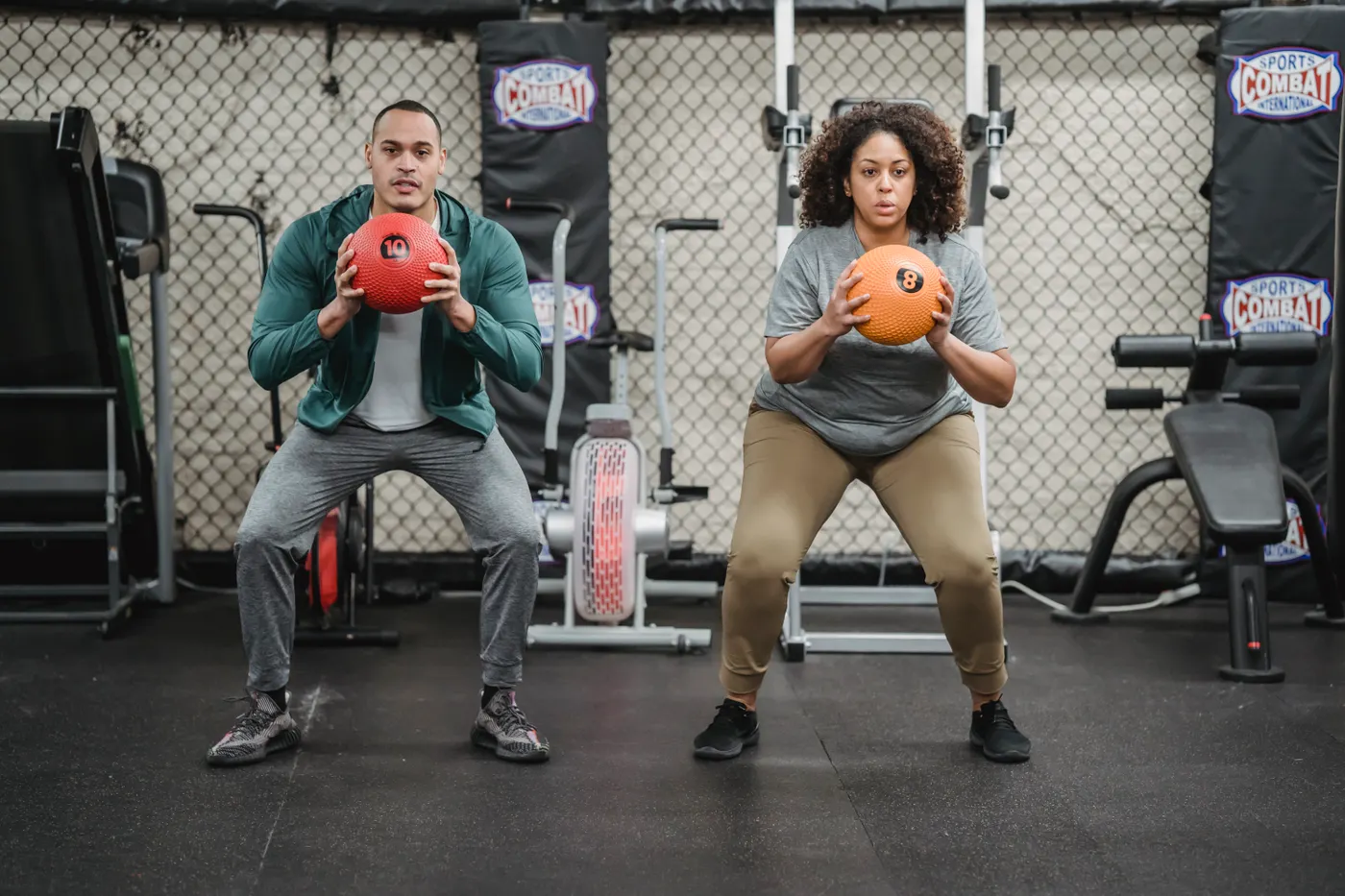
Immediate activation and long-term adaptation are different questions. In a ten-week training study of 17 men, full squats produced larger increases in gluteus maximus and adductor muscle volumes than half squats. Gluteus maximus volume rose by approximately 6.7% in the full-squat group and 2.2% in the half-squat group. Adductor volume increased by roughly 6.2% and 2.7%, respectively. Knee-extensor volume increased in both groups by about 4.9% and 4.6%, without a clear between-group difference for that outcome.
This is a more useful hypertrophy measurement than an acute EMG signal, but it still came from a small sample and a specific program. Deeper squatting appeared especially helpful for some hip muscles, not universally superior for every measured muscle. A separate ten-week experiment with 53 resistance-trained men compared full, parallel and half squats alongside a control condition. Full squats produced the broadest improvements across tested squat strengths and functional outcomes, parallel squats generally followed, and half squats were less effective in that program.
The half-squat group in that experiment also reported greater pain and stiffness. That observation deserves attention but should not be turned into a claim that all partial squats cause injuries. Loads, progression, individual tolerance and the training program affect the result. Other strength research has found that adding partial-range work to full-range squats can be useful for developing force at particular joint positions.
Think in terms of specificity. A powerlifter needs strength through a competition-legal depth; a field athlete may want a combination of general leg strength and explosive performance; a recreational lifter may prioritize muscle development and comfortable technique. Full or parallel squats can be a strong foundation while targeted partials remain a tool rather than a replacement for all deeper work.
How to Find a Squat Depth That Fits Your Body
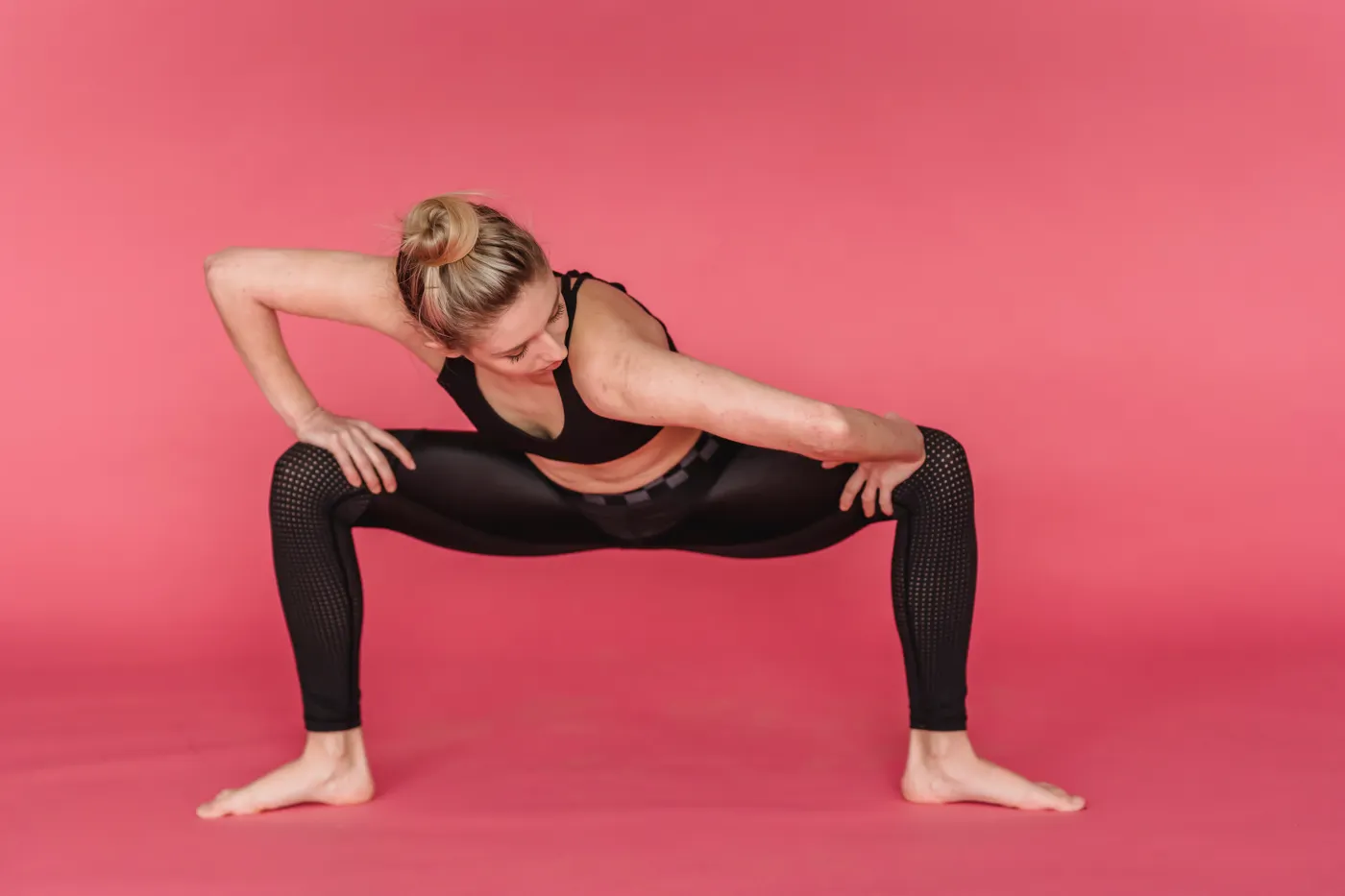
A full squat is not one fixed shape that every body must reproduce. Femur length, torso proportions, ankle mobility, hip anatomy, stance width, footwear and bar placement all influence how a lifter reaches the bottom. Two competent people can have different torso angles and knee travel while maintaining balance and control. The useful target is a repeatable range that fits the person and the training objective.
Begin with a bodyweight squat and find the lowest position where the entire foot stays supported, the descent remains controlled and you can rise without an unpredictable shift. Try small changes to stance width and toe angle. Knees may travel forward and generally should move in a direction compatible with the feet; there is no universal rule requiring them to remain behind the toes. If your heels rise early, evaluate ankle motion and consider a stable heel elevation rather than compensating with an uncontrolled forward lean.
Squat wedges or weightlifting shoes can help some lifters access more knee flexion, but they do not resolve every limitation. A box can provide a consistent depth reference, while goblet squats may make balance easier to learn. If deeper squatting produces sharp pain, pinching, instability or a loss of control, reduce load or range and seek individualized guidance when needed.
Neither shallow nor deep squats are inherently safe or dangerous in every situation. Joint forces change with load, angle and technique. Build control in the range you already own, then expand it gradually if comfortable. A barbell, dumbbell, Smith machine or stable cable setup can all support a sensible progression when matched to the movement and the lifter.
Equipment Worth Exploring
Explore equipment, accessories and gear from our carefully selected range.
VOLTRA
Compact digital cable trainer with smooth, adjustable resistance.

Go-Tone Pro
Portable digital cable trainer with up to 66 lb (30 kg) of adjustable resistance.

Squat Harness
Wearable harness for hands-free cable squats, sled work, and lower-body training.





A Two-Day Squat Plan for Strength and Useful Range
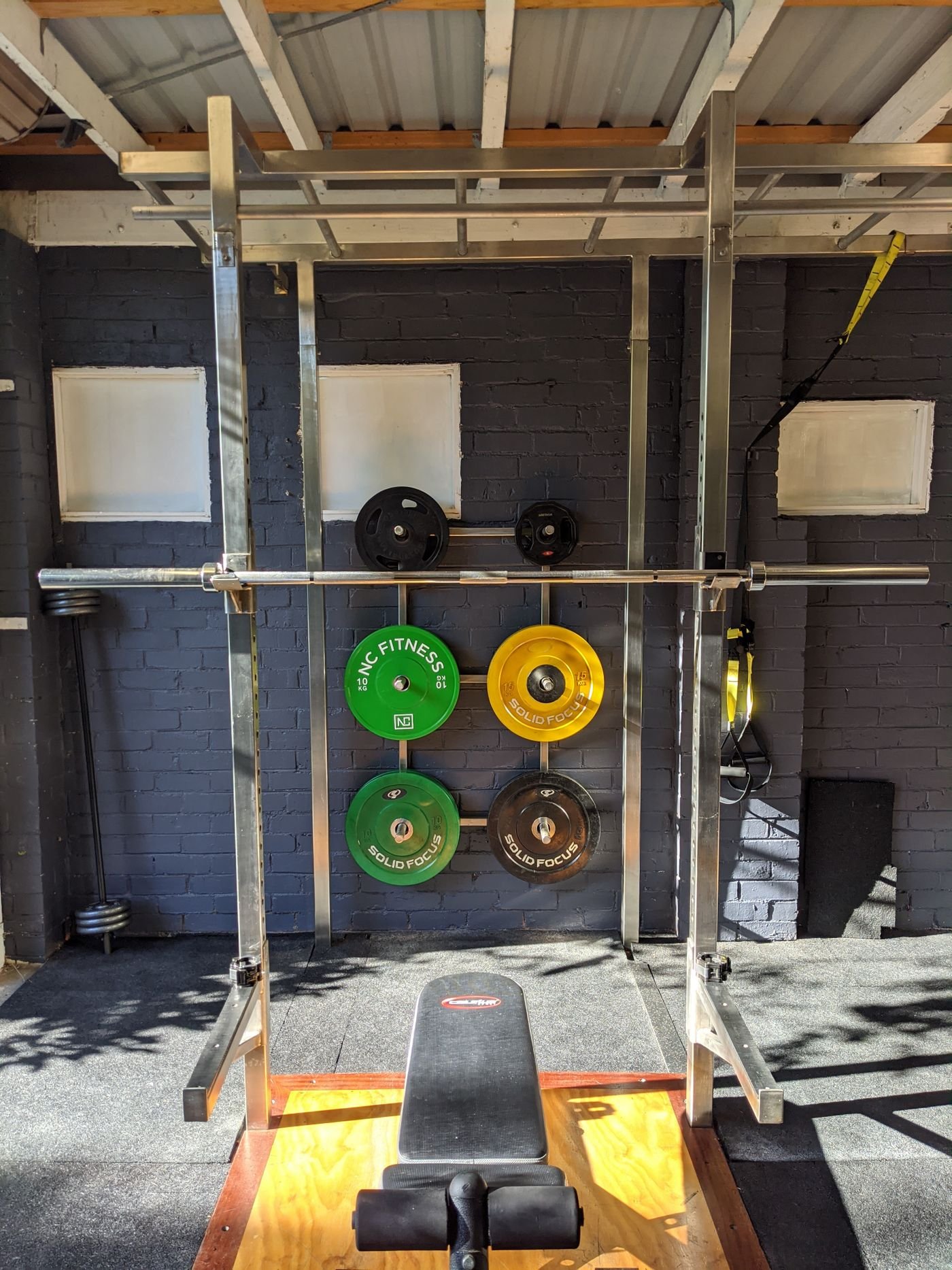
You can apply these findings without turning every workout into a laboratory test. This example is for a healthy lifter who already understands basic squat technique. Begin each session with five to eight minutes of easy movement, controlled bodyweight squats and progressively heavier warm-up sets. Use the same working depth often enough to make the training log meaningful.
Day A: repeatable full-range strength
- Back squat to your deepest comfortable repeatable depth: three sets of five to seven repetitions, finishing with roughly two good repetitions in reserve.
- Romanian deadlift: three sets of six to ten repetitions with a controlled hip hinge.
- Split squat or step-up: two sets of eight to twelve per leg, choosing a range that preserves balance.
- Optional calf raises: two sets of ten to fifteen.
Rest two to three minutes between demanding squat sets. Maintain stable foot pressure, a braced torso and a controlled descent. If the bottom position becomes noticeably shallower as the weight increases, hold the load steady and rebuild consistent technique.
Day B: volume, positioning and optional partials
- Paused squat or goblet squat: three sets of eight to ten, with a brief controlled pause near the bottom.
- Leg extension or another knee-dominant accessory: two or three sets of ten to fifteen.
- Hip thrust or another glute-focused movement: two or three sets of eight to twelve.
- Optional top-range partial squat: two moderate sets of four to six, only if you have a defined sticking-point or sport-specific reason.
Separate the sessions by at least two days when recovery requires it. Optional partials supplement rather than replace the primary squat pattern. They are not mandatory for hypertrophy, and heavier partial loads still require appropriate setup, safety bars and control.
Progress repetitions before load. When every working set reaches the upper end of its range at the intended effort and depth, increase resistance modestly. Avoid adding weight so aggressively that you unintentionally shorten the movement. These sets and repetitions are a practical programming example, not the protocol tested in the 14-person experiment.
Powerlifting Shirts & Lifting Gear
Powerlifting shirts and gym gear for squat, bench and deadlift lifters who live for heavy numbers.

3 Plates Squat Club : Essential Meme & Leg Day T-Shirt
Make gym days more fun with “3 Plates Squat Club” style.

Nice Rack – Squat Rack Meme & Gymbros Ultimate Top T-Shirt
Heavy lifts, good laughs, and a little “Nice Rack” energy.

Meme : Squat Rack Top Home T-Shirt
Make gym days more fun with “Powerlifting Gym Meme” style.

Don'T Fart Squats Sweater & Leg Day Meme T-Shirt
Show some gym-day personality with “Don't Fart Squats”.

Quadzilla Massive Quads Leg Day Squatting Meme Tank Top
Train hard, laugh a little, and rep “Quadzilla”.

Shirt – Squat Inspector Leg Day & Booty Gains – Meme T-Shirt
Make gym days more fun with “Squat Inspector” style.


Legday – Squats & Deadlifts , Meme Top Bros & T-Shirt
Bring “Legday” humor to your next gym day.

Not Recommended Leg Day 1 Star Review Squats Hoodie
Bring “Not Recommended Leg Day” gym humor to lazy days and post-workout plans.

A Four-Week Audit to Decide Which Range Works
Squat depth is useful as a training variable only when you track it consistently. For four weeks, record exercise variation, load, repetitions, perceived effort, rest periods and whether the intended depth was reached. Film one representative working set from a consistent side angle. The goal is not to diagnose every joint angle from a phone camera, but to identify obvious changes in depth, balance or bar path when the load rises.
Week 1: establish a comfortable reference depth and select loads that leave two or three quality repetitions in reserve. Week 2: add a repetition when technique allows, maintaining the same range. Week 3: increase load slightly only if depth and control remain comparable. Week 4: repeat a familiar working set and compare performance, comfort and consistency with the first week.
Judge progress with more than one outcome. Repeatable squat performance matters, but so do tolerance and progress toward the reason you train. Someone seeking muscle growth might track thigh measurements or longer-term body-composition trends, while recognizing that short-term fluctuations are noisy. Someone seeking jumping ability should measure jumps separately rather than assuming that deeper squats automatically improve them.
The July 2026 experiment found higher acute electrical activity in selected muscles during deeper squats, but no significant between-depth difference in jump-height changes. Longer-term studies add support for controlled full or parallel squats in many programs while leaving room for targeted partial work. Choose the deepest controlled range that serves your goal, then make that range stronger over time. Consistency, recovery and progressive overload matter more than winning an argument about one ideal squat depth for everyone.