What the 24-Trial Comparison Actually Measured
Is a single-leg exercise better than a squat with both feet planted? The question sounds simple until you ask: better at what? A July 2026 synthesis combined 24 randomized trials comparing unilateral training, in which one limb does most of the work, with bilateral training, in which both limbs contribute together. The review examined maximal strength, jumping, sprinting, change-of-direction performance and muscle growth. The answer changed depending on the test.
Single-limb training had a meaningful advantage for strength measured on one limb and for one-leg jump performance. Bilateral training had a smaller advantage when strength was tested with both limbs together. Neither approach established a clear overall advantage for hypertrophy, bilateral jumps, sprint speed or change-of-direction tests. That pattern is less surprising when you remember that strength is partly a learned skill: you get efficient at producing force in the positions and coordination patterns you practice.
The review included resistance exercises, plyometrics and some combined methods, not only classic bodybuilding sets. Trials lasted at least four weeks, but their participants, loads, movements and testing methods differed. Its effect sizes describe averages across studies, not a guarantee that a particular lifter will gain a specific number of kilograms. A useful interpretation is that training mode is a programming variable, not a loyalty test between split squats and back squats.
Strength Follows the Test You Practice
The clearest result was task specificity. The pooled advantage for unilateral strength was an effect size of 0.42, while unilateral jump performance favored one-limb training by 0.35. Bilateral strength favored two-limb training, with the comparison reported as an effect size of -0.28 when the analysis was oriented toward unilateral training. These are standardized differences, not percentages of strength gained. They also do not mean that single-leg exercises fail to improve a two-leg squat, or vice versa.
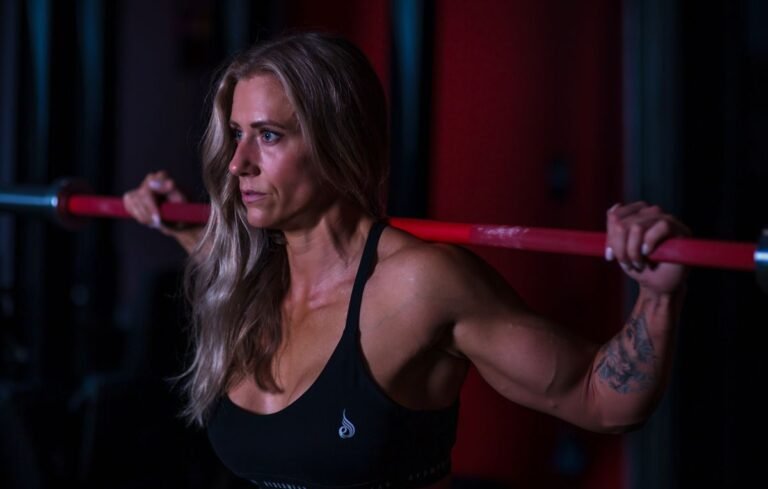
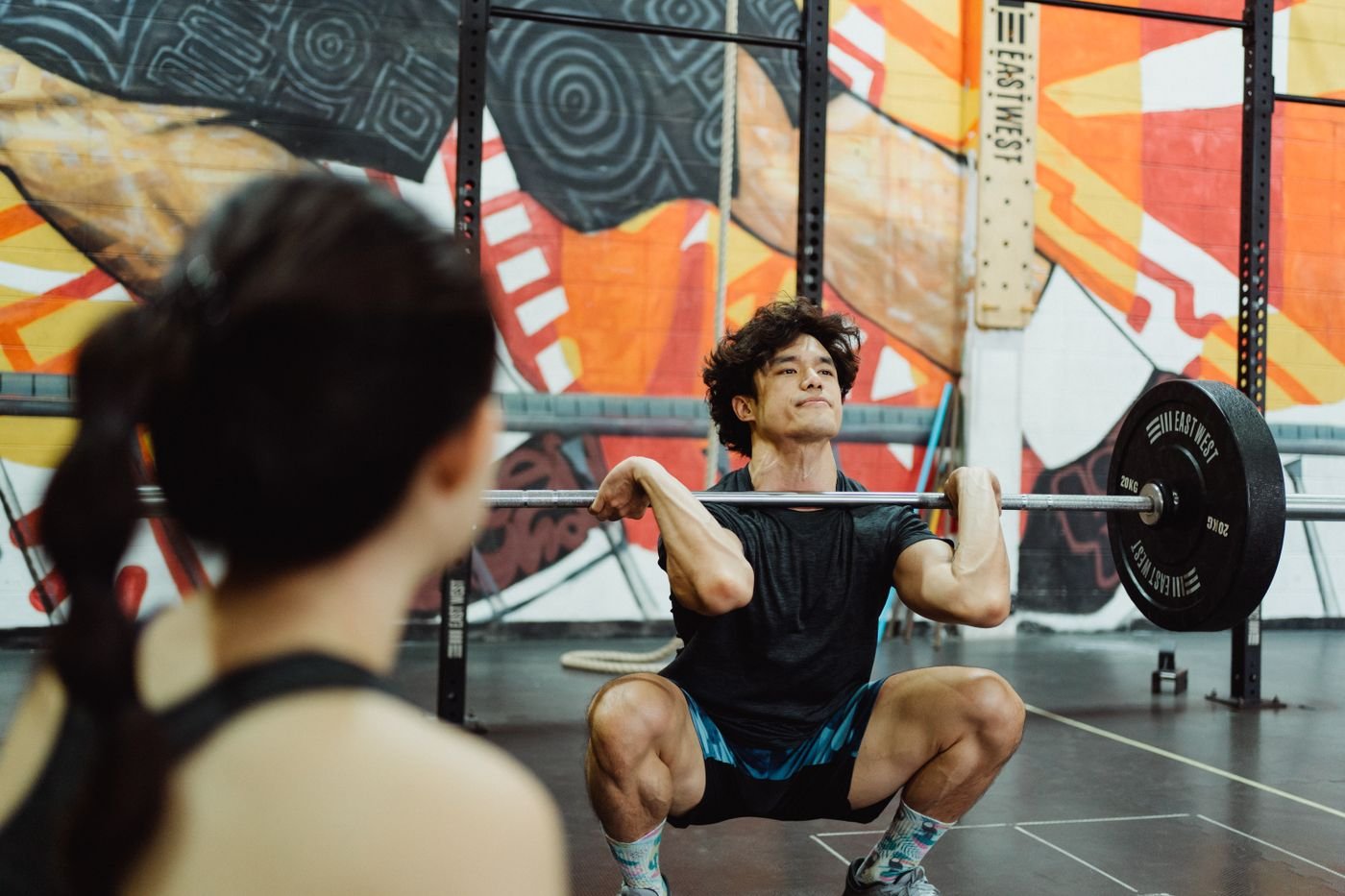
Think about a lifter who wants a heavier back squat. Practicing a stable barbell squat helps develop bracing, bar path, coordinated hip and knee extension, and comfort with substantial absolute load. Bulgarian split squats can still strengthen the quads and glutes, but the balance, stance and loading pattern are different. Someone preparing for a single-leg landing, by contrast, has a stronger reason to include work in a single-support position.
A separate ten-week experiment involving 34 previously untrained women compared unilateral, bilateral and deliberately asymmetric upper-body loading. All groups improved on multiple strength tests, but differences depended on the precise test. The bilateral group outperformed the asymmetric group on bilateral chest-press one-repetition maximum, while the unilateral group outperformed the asymmetric group on dominant-arm strength. This smaller experiment supports a practical caution: asymmetric loading is not automatically a superior shortcut to fixing differences between sides.
For most lifters, keep at least one stable bilateral lift if maximal two-limb strength matters. Add unilateral work when you want a specific single-limb capacity, need more targeted volume or prefer the movement’s joint position. Do not judge either approach only by the total weight printed on the plates.
Some product links may be affiliate links, which can support Mind Muscle Perfection at no additional cost to you.

Equipment Worth Exploring
Explore equipment, accessories and gear from our carefully selected range.


GymPin Squat Wedges
Non-slip 15-degree squat wedges help elevate the heels for deeper quad-focused squats.

Safety Squat Handles
Barbell squat handles that reduce shoulder positioning demands during high-bar squats.


Belt Squat Collar
Heavy-duty collar adapter for compatible belt-squat and landmine bar setups.
Muscle Growth Is Not a One-Leg Contest
For hypertrophy, the 24-trial synthesis did not find a statistically clear difference between unilateral and bilateral approaches. That is not proof of perfect equivalence. Muscle-growth measurements were less abundant than performance tests, and confidence intervals still leave room for effects that better-controlled future studies could detect. It is simply not justified to declare one format universally superior for building quads, glutes, hamstrings or upper-body muscle.
An earlier nine-study synthesis reached a similar broad conclusion: it found no clear difference in muscle growth between unilateral and bilateral resistance training, while strength gains favored the matching testing mode. For hypertrophy, the usual drivers still matter: challenging sets, adequate weekly volume, a usable range of motion, progressive effort, nutrition and recovery. Whether the exercise is one-sided or two-sided does not erase those fundamentals.
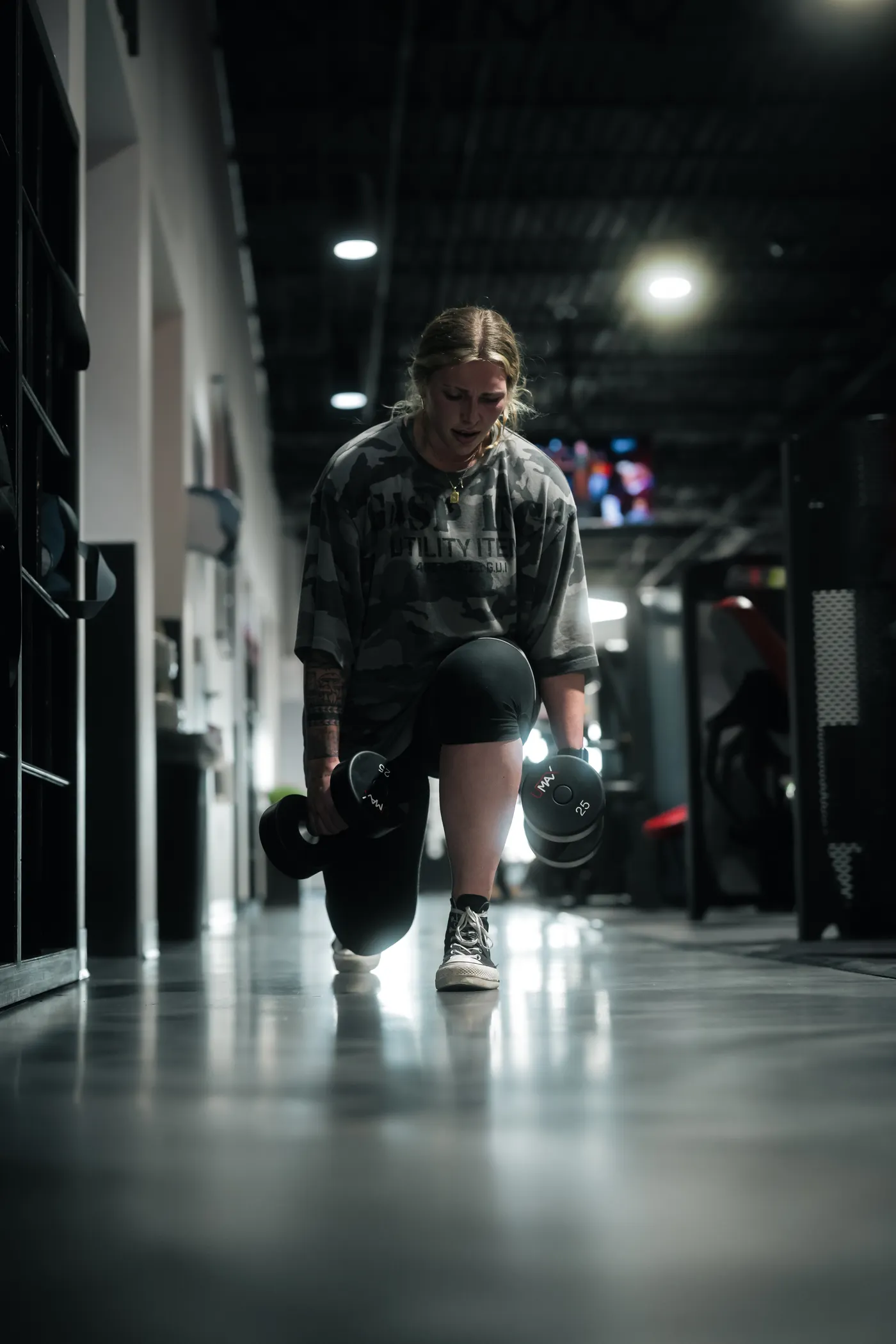
One-leg exercises can be remarkably demanding at modest external loads. A split squat can make the front leg work hard without needing a maximal barbell. That can be convenient when equipment or spinal loading tolerance limits a bilateral variation. But balance may become the bottleneck before the target muscle receives a hard enough stimulus. Holding a rack upright, using a stable bench for support or choosing a guided split-stance machine can make the exercise more productive rather than less legitimate.
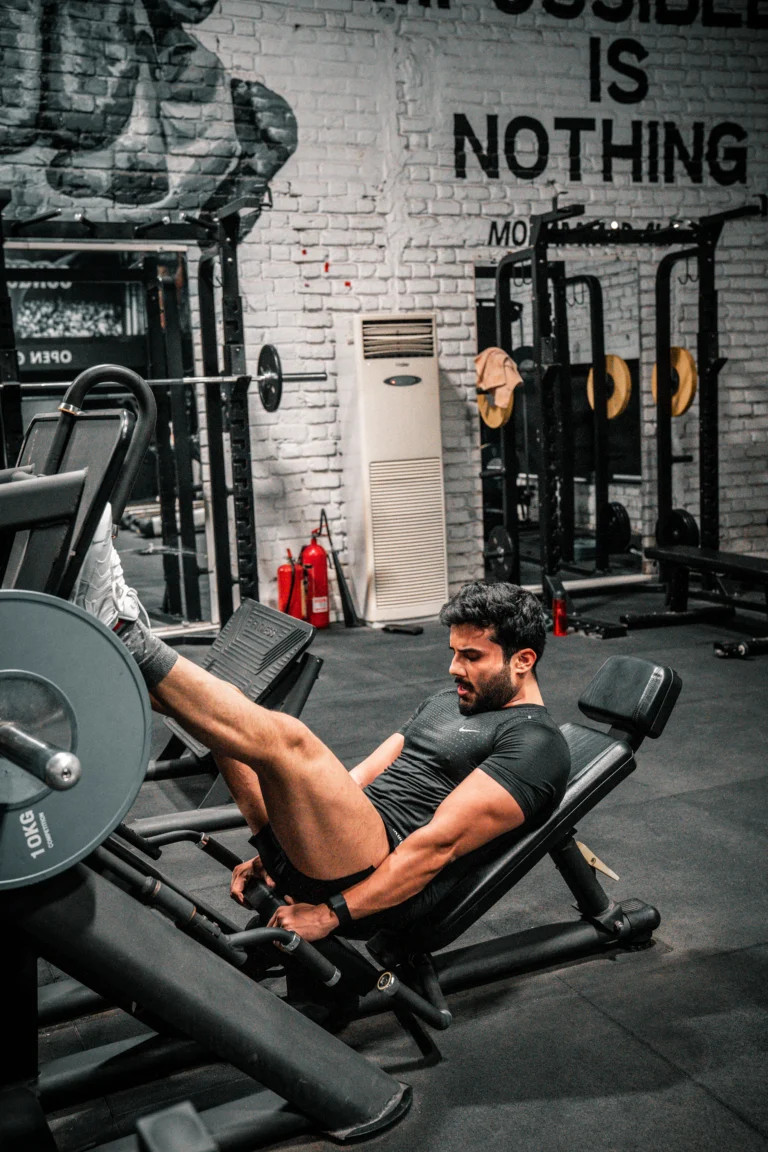
Two-leg exercises offer a different advantage: a stable platform often lets you apply heavier absolute loading and track progression more easily. For a quad-focused session, three hard sets of squats and two or three sets of split squats can coexist. Neither requires you to label the other redundant. If your glutes or quads are still recovering from the last session, adding more unilateral sets merely because they look lighter is not automatically smart.
Jumping, Sprinting and Cutting: Where One-Leg Work Helps
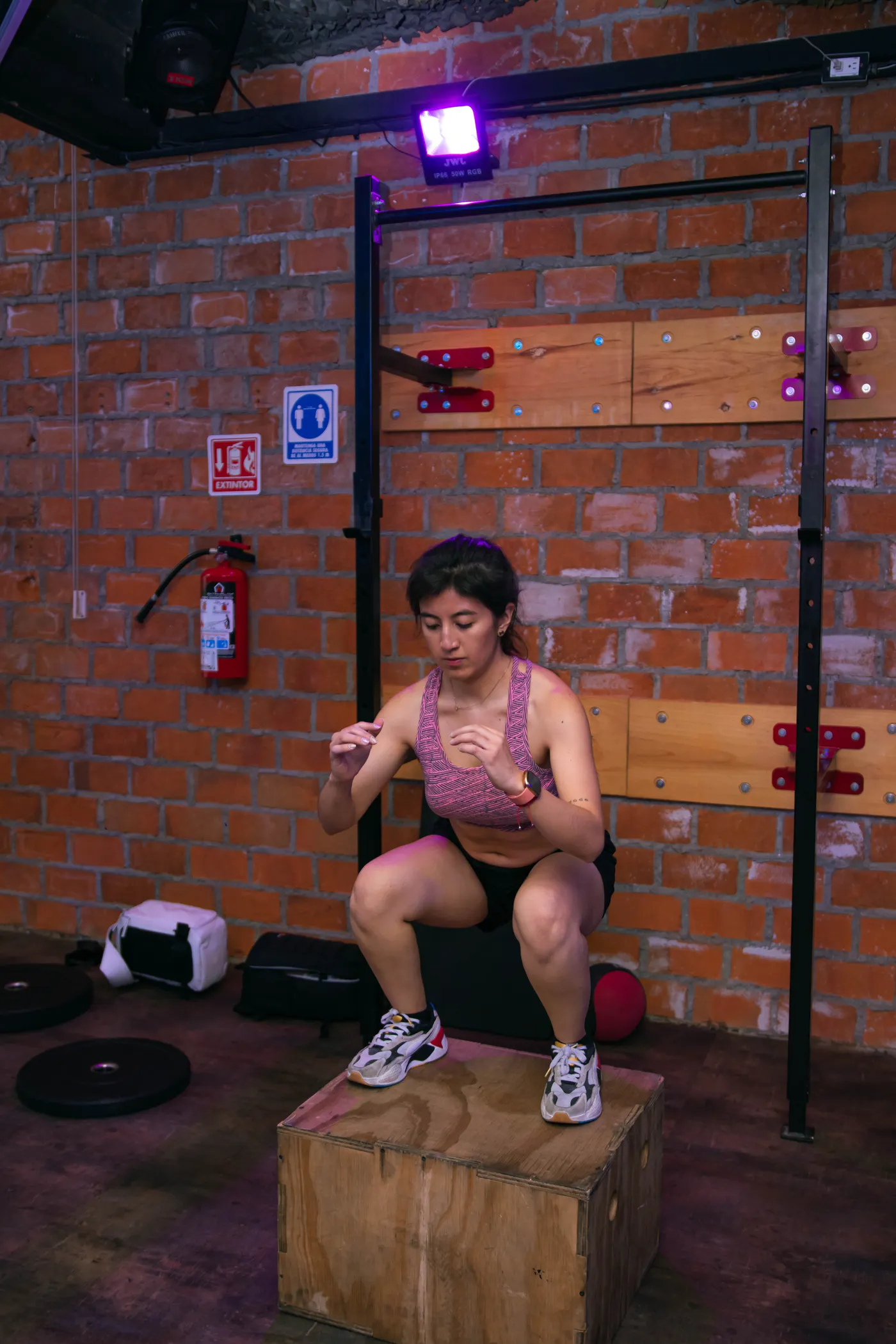
Sports performance adds another layer. Running alternates support between legs, while many jumps, decelerations and cuts involve a pronounced single-leg phase. It is reasonable to expect some value from single-limb strength and landing practice. The pooled results showed a benefit for unilateral jump tests, but not a clear overall difference for bilateral jump height, sprint performance or change-of-direction outcomes. This distinction matters because a stronger single-leg jump is not automatically a faster sprint.
Earlier analyses have also found that unilateral and bilateral training can produce different performance transfers depending on which tasks are tested. The direction of advantage is not identical across every review, partly because studies differ in populations, exercises and outcome definitions. The safest coaching conclusion is to match some training to the target skill while retaining a broader strength base. A field athlete may benefit from squats, lunges and landing drills; a powerlifter should not replace all bilateral barbell work with hops.
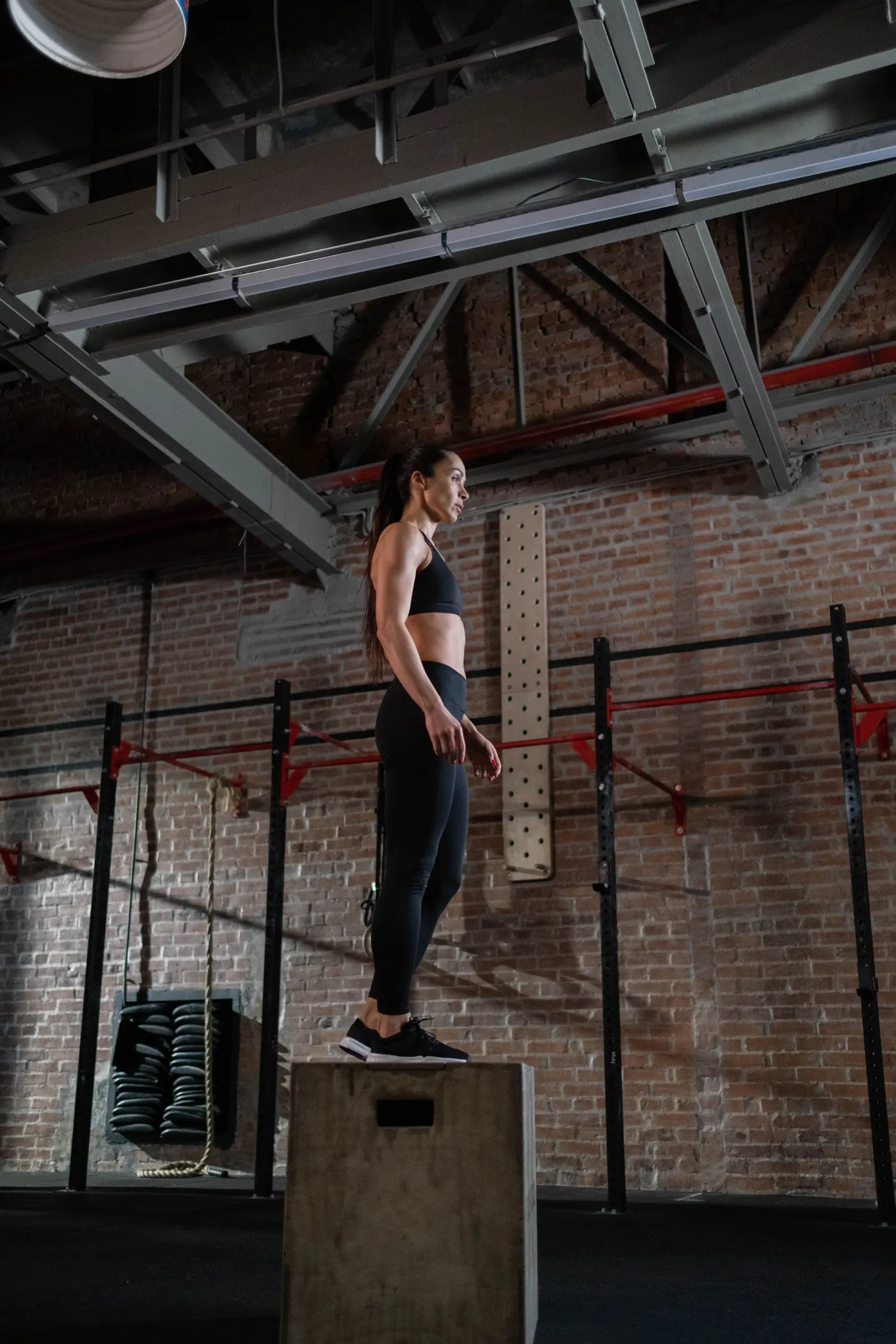
Start jumping drills with low volumes and excellent landing control. A step-down, low box step-up or controlled single-leg balance drill may be a better entry point than repeated maximal single-leg bounds. If the goal is speed, actual sprint practice and appropriate running mechanics still need a place in the program. Strength exercises support that work; they do not replace it.
For a recreational lifter who is not competing in a jumping sport, single-leg work is still valuable as an accessory. You can train coordination, expose left-right differences and accumulate leg volume without pretending that every lunge is a sprint-specific intervention. Choose the movement for a clear purpose, then assess whether it improves the performance measure you actually care about.

Leg Day Shirts & Workout Gear
Leg-day gym shirts and workout gear for lifters who never skip squats, lunges and lower-body punishment.

Fantastic Booty Leg Day Decal Water Bottles & Sticker
Stick a little “Fantastic Booty” humor on your favorite gear.

Booty Building Mode Sweater Leg Day & Squats Meme T-Shirt
Add a playful “Booty Building Mode” touch to your casual rotation.

Motivation – Barbell Meme Strong , Leg Day Squats & T-Shirt
Make gym days more fun with “Gym Motivation” style.

Thicc Booty Energy Squat Lovers & Leg Day Meme Hoodie
Show off your leg-day humor in a laid-back “Thicc Booty Energy” hoodie.

Quadzilla Massive Quads Sweater Leg Day Squatting T-Shirt
Keep things casual with a little “Quadzilla” attitude.

Leg Day No Thanks – Skip Legday Meme , Squats & T-Shirt
Heavy lifts, good laughs, and a little “Leg Day No Thanks” energy.


Leg Day Squats Deadlifts Decal Meme Vinyl Sticker
Give your everyday gear a playful “Leg Day” twist.

I Look Better Bent Over – Squats, Deadlifts & Booty T-Shirt
Show some leg-day attitude with a playful “I Look Better Bent Over” tee.

My Leg Hurts Leg Day Squat Lovers & Meme Fans Hoodie
Bring “My Leg Hurts” gym humor to lazy days and post-workout plans.
Choose Exercises by Goal, Not a Team Label
Consider the following practical pairings. For a stronger squat, prioritize a squat variation that matches your competition or gym goal, then add split squats or step-ups for targeted leg work. For stronger single-leg balance and control, reverse the emphasis: use supported split squats, step-ups and controlled single-leg hinges, while retaining some bilateral loading for general strength. For hypertrophy, select whichever variations let you train the target muscle hard with repeatable technique.
Squat versus split squat: a barbell squat gives a stable bilateral reference and straightforward progression. A rear-foot-elevated split squat makes the front leg work through a large range but demands careful stance setup. Keep the front foot planted, lower under control and avoid chasing depth that forces the pelvis to twist. The back foot provides support rather than doing the main lifting.
Deadlift versus single-leg hinge: a conventional or trap-bar deadlift is a useful bilateral strength exercise. A single-leg Romanian deadlift challenges hip control and posterior-chain loading, but balance can dominate. A kickstand RDL is a practical middle ground: the rear toe stays lightly down, so the working leg remains the focus without turning every rep into a balance test.
Two-arm versus one-arm upper-body work: presses and rows can be trained either way. A one-arm cable row can let you focus on each side’s path and effort. A bilateral row often allows more stable loading. Do not assume the one-arm variation will fix an imbalance unless you actually measure it over time. Compare the same exercise, range and technique on each side rather than comparing unrelated movements.
Equipment choice is secondary to exercise quality. Dumbbells, kettlebells, cables, barbells and machines all offer legitimate options. A bench, rack or sturdy support can improve consistency. The right tool is the one that lets you target the intended muscle and progress without unnecessary instability or discomfort.
Equipment Worth Exploring
Explore equipment, accessories and gear from our carefully selected range.


VOLTRA
Compact digital cable trainer with smooth, adjustable resistance.

Go-Tone Pro
Portable digital cable trainer with up to 66 lb (30 kg) of adjustable resistance.



A Two-Day Program Mixing Both Approaches
This example is for a healthy adult with basic lifting experience. Train on two nonconsecutive days, leaving at least one recovery day between them. Begin with five to eight minutes of light movement and a few progressively heavier warm-up sets. Working sets should generally finish with one to three good repetitions in reserve. If a movement causes sharp or persistent pain, stop and seek an appropriate assessment rather than pushing through it.
Day A: bilateral strength first
- Barbell squat or goblet squat: three sets of five to eight repetitions, two to three minutes of rest.
- Romanian deadlift or trap-bar deadlift: three sets of six to eight repetitions, two to three minutes of rest.
- Supported reverse lunge: two sets of eight to ten repetitions per leg, about 90 seconds of rest after both sides.
- Standing calf raise: two sets of ten to fifteen controlled repetitions.
- Optional one-arm cable row: two sets of eight to twelve per side.
Use a squat depth that is repeatable and comfortable rather than changing it each week to accommodate heavier weight. On lunges, start with the side that feels less coordinated, match the repetitions on the other side and avoid turning a modest difference into an exhausting corrective workout.
Day B: unilateral emphasis with bilateral support
- Supported Bulgarian split squat or front-foot-elevated split squat: three sets of eight to ten per leg, 90 to 120 seconds after both sides.
- Kickstand RDL or controlled single-leg RDL: three sets of eight to ten per leg.
- Leg press or squat variation: two sets of eight to twelve repetitions.
- Step-up to a low stable platform: two sets of six to eight per leg, slow lowering.
- One-arm dumbbell press or cable press: two sets of eight to twelve per side.
Do not double-count unilateral work as though each leg were a separate full workout. Three sets of split squats per leg are three working sets for each leg, not six sets for one leg. Rest long enough that balance and breathing do not become the limiting factor. If this plan is more than your current workload, begin with two sets of each main exercise and add volume gradually.
Keep weekly training volume roughly stable while experimenting with exercise mode. Otherwise, any change in progress may reflect a large change in sets rather than the switch from bilateral to unilateral work. A lifter already doing substantial sport practice or running may need fewer leg accessories, not more.
Four Weeks to Audit Your Progress
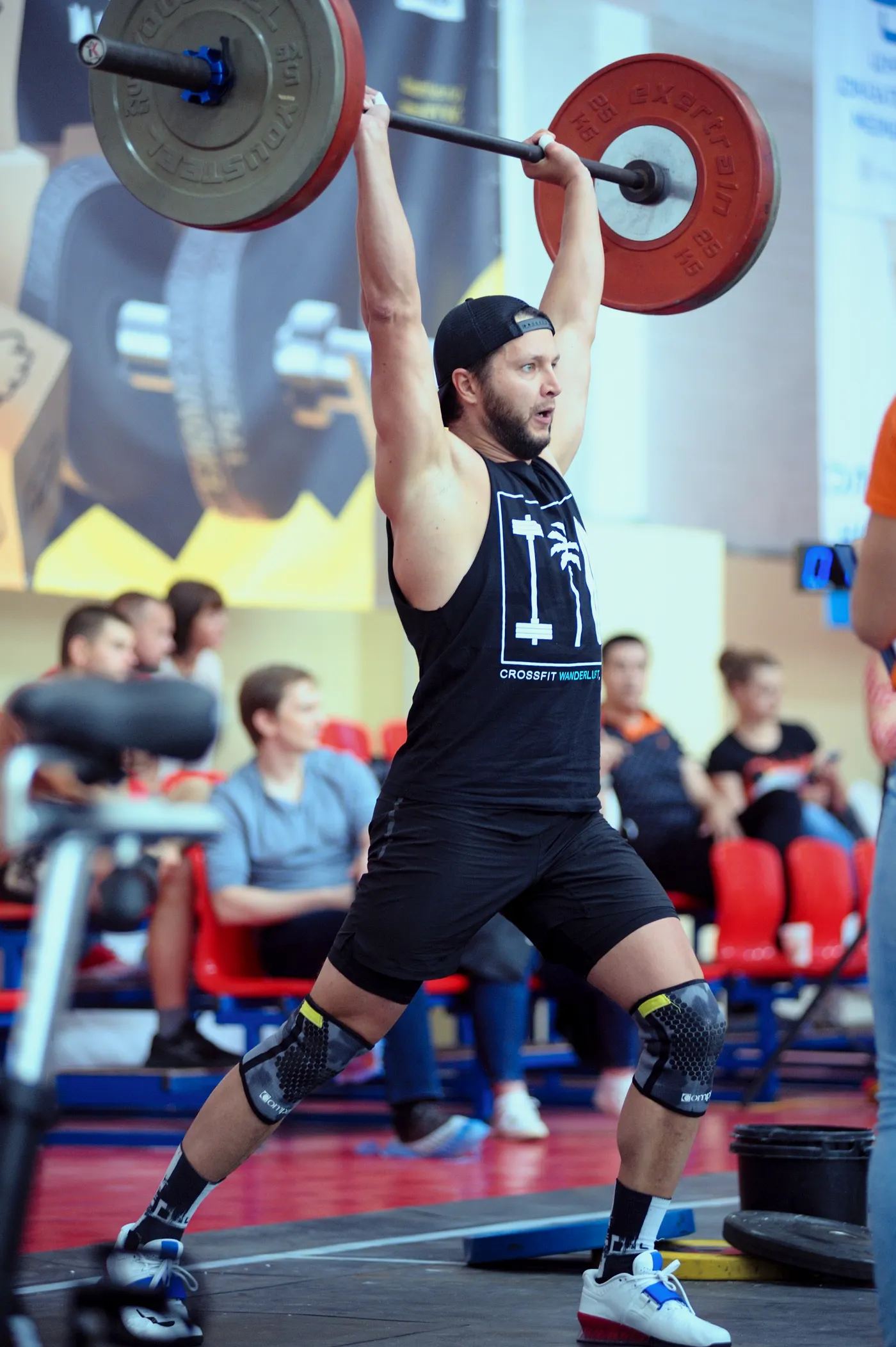
A good training comparison needs a consistent test. Before the first week, choose one bilateral measure, such as a controlled set of six squats at a given load, and one unilateral measure, such as eight split squats per leg with the same dumbbells. Record depth, stance, range, rest time and perceived effort. For a single-leg movement, note whether you needed hand support. A rep completed while wobbling wildly is not equivalent to a clean rep with stable balance.
Week 1: establish repeatable technique. Film one working set from a consistent angle, choose loads that leave about three reps in reserve, and record whether either side has a meaningful difference in control or repetitions. Avoid maximum testing.
Week 2: add one repetition per set where technique allows, or a small load increase if you are already at the top of the target range. Keep the exercise order and range of motion unchanged. If the weaker side struggles, do not automatically pile on extra sets; first make sure the stance and setup are comparable.
Week 3: maintain the progression while checking recovery. A modest rise in load or reps with similar perceived effort is a useful sign. If your squat improves but the single-leg hinge remains shaky, that does not invalidate the program. It may mean the hinge needs more skill practice or a more stable variation.
Week 4: repeat the original comparison under similar conditions. Look for cleaner repetitions, improved load tolerance, smaller left-right discrepancies and reasonable recovery. One week is too short to infer a measurable muscle-size advantage, and four weeks cannot settle long-term hypertrophy either. The purpose is to decide which exercises you can execute and progress consistently.
The central lesson is not that one leg beats two. Single-limb and two-limb training tend to reward the movement patterns they practice. Combine them when your goals include strength, muscle and useful movement capacity, and let measurable progress rather than internet slogans determine the balance.
Powerlifting Shirts & Lifting Gear
Powerlifting shirts and gym gear for squat, bench and deadlift lifters who live for heavy numbers.


Lift Heavy Sh*T – Essential & Gymbros T-Shirt
Show some powerlifting attitude with a playful “Lift Heavy Sh*t” tee.

Barbell Country Club Shirt Meme Top & T-Shirt
Heavy lifts, good laughs, and a little “Barbell Country Club” energy.


Heavy Enough Tee
Bring “If You're Not Scared It's Not Heavy Enough” humor to your next gym day.

Shirt – Deadlift – Meme Gains & Bros T-Shirt
Heavy lifts, good laughs, and a little “Deadlift” energy.

Deadlift Lovers Grim Reaper Sweater Powerlifters & T-Shirt
Add a playful “Deadlift Lovers Grim Reaper” touch to your casual rotation.

Skeleton Deadlift Decal Water Bottles & Gear Meme Sticker
Put “Skeleton Deadlift” gym humor on your laptop, bottle, or gym gear.

Dadlift Dads Meme Decal Water Bottles & Gear Sticker
Give your everyday gear a playful “Dadlift” twist.

Lift Heavy Be Happy Meme Bros & Gains Top T-Shirt
Show some powerlifting attitude with a playful “Lift Heavy Be Happy” tee.