Caffeine is a familiar pre-workout ritual, but the useful question is not whether it makes a lifter feel awake. It is whether a repeatable dose changes the quality of the work under the bar. Recent pooled evidence points to small improvements in movement speed and power during resistance exercise. That does not mean every caffeinated session produces a new personal record, and it certainly does not mean faster repetitions automatically build more muscle. The difference matters when deciding whether coffee, a capsule or no stimulant is the best choice for a particular training day.
What Caffeine Actually Changes During a Lift
In a 2025 synthesis of 12 studies involving 230 participants, acute caffeine intake improved average movement velocity during resistance exercise. The pooled standardized effect was 0.42 for mean velocity and 0.21 for mean power output. Both results favored caffeine, but they describe group averages across different exercises, loads and testing protocols—not a fixed percentage increase in anyone’s bench press or squat.
Movement velocity is how quickly the bar or resistance moves during a repetition. Power also depends on the force produced, so the two measures are related but not interchangeable. A lifter can move a light bar quickly without producing the same force as a slower heavy repetition. Most of the included experiments compared caffeine with placebo during a controlled session, often using the same external load in both conditions.
The velocity findings were not perfectly consistent. Between-study heterogeneity was high, which means the magnitude of the response varied substantially across protocols. Most participants were young adults, and the analysis was designed to assess immediate performance rather than months of training adaptation. It supports a modest short-term performance effect; it does not establish a long-term muscle-growth advantage.
The practical implication is narrow but useful: caffeine may make a fixed-load set move a little more briskly, particularly when fatigue would otherwise slow the repetitions. If your priority is explosive execution with sound technique, that could matter. If your priority is controlled hypertrophy work, the main variables are still challenging resistance, effort, total training and progression.
Bar Speed Is Not the Same as Maximal Strength or Muscle Growth
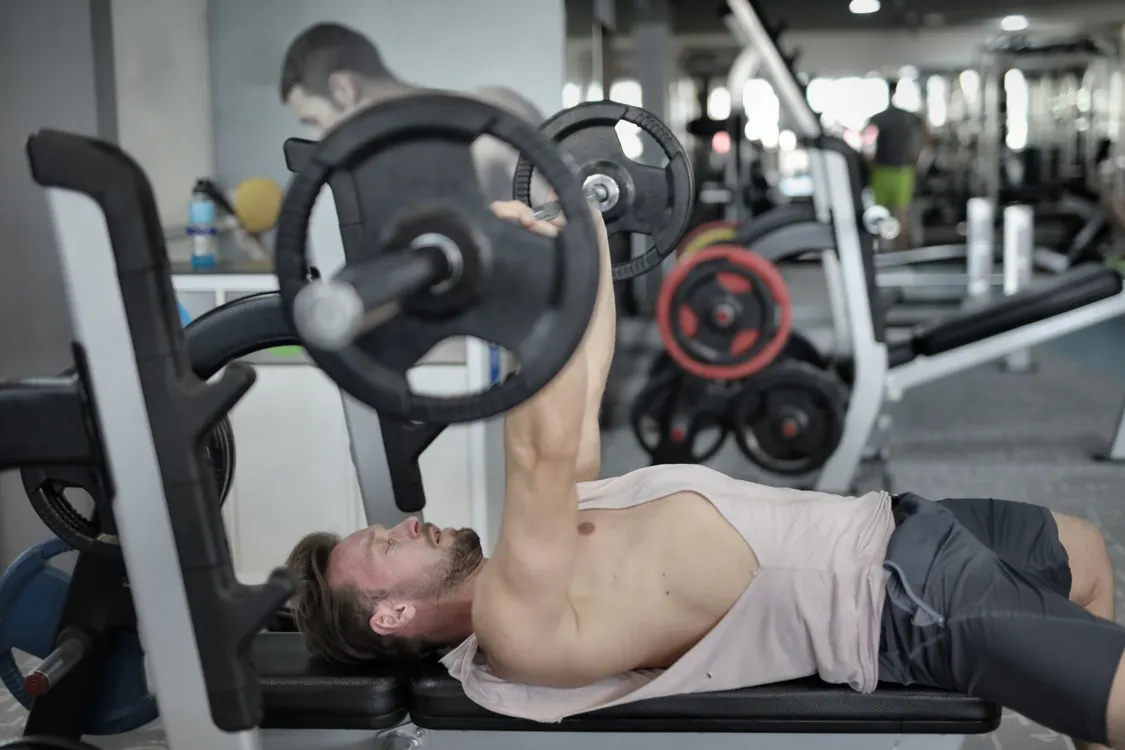
A faster repetition at a familiar load can reflect a useful performance change without proving that the muscles became stronger overnight. Maximal strength is normally tested with the heaviest load a person can complete under a standardized technique. Bar speed at submaximal loads measures a different expression of performance. Caffeine can influence alertness, perceived effort and the ability to produce force quickly, while a long-term strength increase requires repeated training adaptations.
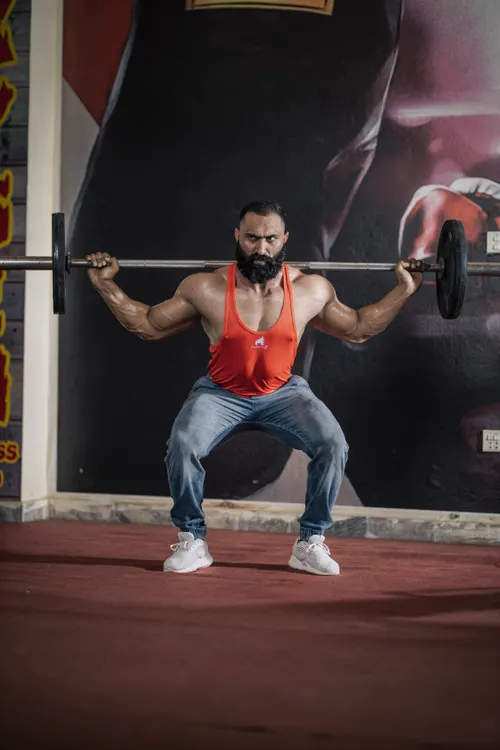
Suppose two sessions use the same squat load for five repetitions. In one session the bar rises more quickly and the final repetition feels easier. That is encouraging, but it is not permission to add weight automatically if depth, balance or bracing deteriorates. A faster bar should be treated as feedback alongside repetition quality and effort, not as the sole goal of the workout.
The distinction becomes especially important for hypertrophy. Muscle growth develops over weeks and months of appropriately challenging training, recovery and nutrition. A single faster set does not show that a muscle experienced more growth-promoting stimulus. It may allow a lifter to maintain output across a demanding session, but that possible pathway still needs direct long-term evidence.
For power-focused athletes, modest velocity improvements can be meaningful when technique and load are consistent. For recreational lifters, the value is more conditional: caffeine may help on an occasional demanding day, but it should not turn every session into a test of how stimulated you can feel. Use the same warm-up, similar rest periods and consistent equipment when comparing performance.

Equipment Worth Exploring
Explore equipment, accessories and gear from our carefully selected range.


FID Bench MAX
Adjustable bench offering flat, incline, and decline positions + adjustable headrest.
Dose and Timing: More Caffeine Is Not Automatically Better
Common exercise research protocols use roughly 3–6 milligrams of caffeine per kilogram of body mass, often around 60 minutes before training. For an 80-kilogram lifter, that conventional research range would equal 240–480 milligrams. Those numbers describe study protocols, not a sensible starting recommendation for every person. Higher doses increase the chance of shakiness, stomach upset, anxiety, rapid heartbeat and disrupted sleep.
Some evidence suggests lower doses can help, although the minimum reliable dose remains uncertain. A cautious trial might begin with an amount already tolerated in normal life rather than immediately copying a high-dose laboratory protocol. The best practical dose is not necessarily the one producing the largest acute effect in a pooled analysis; it is the smallest useful amount that does not create disproportionate side effects or damage the following night’s sleep.
Timing depends on the form consumed and individual metabolism. Capsules and ordinary coffee are often studied about an hour before exercise, while some faster-absorbing forms have been tested closer to the session. A fixed sixty-minute rule is therefore a starting reference, not a biological deadline. If a person already drinks caffeine daily, total intake from all drinks and supplements matters more than the label on one pre-workout product.
Body-mass dosing also deserves perspective. A very heavy lifter should not assume that multiplying body weight by the upper end of a research range makes an enormous dose appropriate. Medical conditions, medication interactions, pregnancy, age, stimulant sensitivity and the timing of training can change the risk-benefit calculation. The goal is a better workout, not a stimulant tolerance contest.
Coffee, Capsules and Pre-Workout: What Actually Matters
Caffeine itself is the common active ingredient across coffee, tablets, many energy drinks and numerous pre-workout powders. The delivery method changes convenience and how confidently a person can estimate the dose. A clearly labeled single-ingredient capsule is easier to standardize than a large café drink whose caffeine content varies with bean, serving size and preparation. Coffee can still work perfectly well if the amount and timing are reasonably consistent.
Multi-ingredient pre-workouts complicate interpretation. Some include several stimulants or ingredients that cause tingling, flushing or a subjective rush. Feeling an intense sensation is not evidence that bar velocity, power or strength improved. Compare the declared caffeine content with other daily sources, and avoid stacking products without knowing the combined amount.
Food and hydration can also influence how a session feels. A person training after poor sleep, little food and insufficient fluids may attribute an ordinary improvement from eating breakfast to a stimulant. A useful self-test keeps the meal, workout, warm-up and training time as similar as practical. Record the actual caffeine amount rather than relying on labels such as ‘extreme energy’ or ‘maximum focus.’
There is no requirement to buy a supplement to apply the evidence. If you already enjoy coffee and tolerate it, a consistent small serving may be the simplest option. If you dislike caffeine, have unpleasant side effects or train late, a stimulant-free session can be the better performance decision over the whole week. Training quality depends on more than one ingredient.

Powerlifting Shirts & Lifting Gear
Powerlifting shirts and gym gear for squat, bench and deadlift lifters who live for heavy numbers.

Coffee Shots & Heavy Squats for Caffeine Lovers, Liftin T-Shirt
Show some leg-day attitude with a playful “Coffee Shots & Heavy Squats” tee.

Caffeine & Weights Tee
Show some powerlifting attitude with a playful “Caffeine & Weights” tee.

Pre-Workout Gym Cosmic Graphic , Caffeine Workout T-Shirt
Make gym days more fun with “Pre-Workout” style.

Caffeine Skull Hardcore Coffee Gym Shirt Energy Workout T-Shirt
Make gym days more fun with “Caffeine Skull” style.

Coffee and Weights for Coffee Lovers, Lifters and Bodyb T-Shirt
Make gym days more fun with “Coffee and Weights” style.

Spit Preworkout In My Mouth Shirt Meme & T-Shirt
Rep “Spit Preworkout In My Mouth” humor in and out of the gym.

Be Happy Lift Heavy Happy Weights Emoji Weight Plate Sm T-Shirt
Make gym days more fun with “Be Happy Lift” style.
Lift Heavy – Hardcore Heavy Metal Gym Shirt for Powerli T-Shirt
A t-shirt featuring the Lift Heavy – Hardcore Heavy Metal Gym Shirt for Powerlifting and Bodybuilding artwork, bringing lifting-inspired humor and distinctive gym graphics to your everyday gear.

Shirt – I'M Strong Barbell Heartbeat , Gymbro , & T-Shirt
Bring “I'm Strong Barbell Heartbeat” humor to your next gym day.

Lift Together Grow Stronger Buddies Friendship Workout T-Shirt
Make gym days more fun with “Lift Together Grow Stronger” style.
Habitual Caffeine Use, Individual Response and Women
Not everyone responds to caffeine in the same way. Habitual consumption, sleep, anxiety sensitivity, genetics and the type of exercise can all change the experience. The 2025 resistance-exercise analysis reported larger average velocity responses in participants with lower habitual caffeine consumption, but its subgroup comparisons do not establish a simple rule that daily coffee drinkers never benefit. Differences between groups may reflect study design and small samples as well as biology.
Women have historically been underrepresented in some performance research. A 2026 synthesis focused on female participants examined 24 studies and found a small average benefit for maximal strength, with an estimated effect around 0.17. Muscular endurance showed a larger average estimate but also substantial uncertainty and poor predictability across protocols. Movement-speed evidence was especially limited. The useful conclusion is not that women require a different fixed dose; it is that confidence in precise sex-specific claims remains limited.
Similarly, a bigger average effect in one subgroup should not be converted into a guarantee for an individual lifter. The best way to learn whether caffeine helps is to compare several similar sessions rather than judge one dramatic workout. Training history, menstrual-cycle symptoms, stress and the preceding night’s sleep may all vary from day to day and obscure a small stimulant effect.
If caffeine reliably improves your focus and the quality of demanding sets without impairing sleep, that may be enough to justify occasional use. If it only makes you feel wired while technique becomes rushed, the subjective buzz is not a training advantage. Individual outcomes deserve more weight than a headline about the average participant.
Equipment Worth Exploring
Explore equipment, accessories and gear from our carefully selected range.


VOLTRA
Compact digital cable trainer with smooth, adjustable resistance.

Go-Tone Pro
Portable digital cable trainer with up to 66 lb (30 kg) of adjustable resistance.


The Sleep and Recovery Trade-Off Can Erase the Appeal
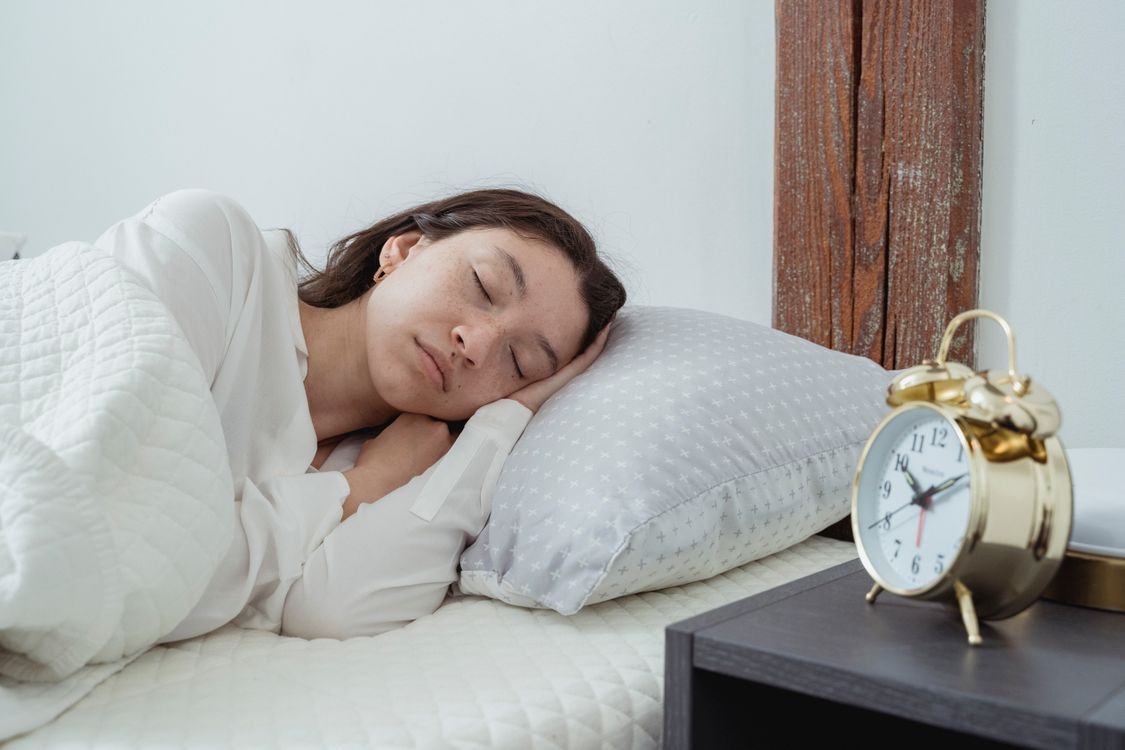
The strongest argument against indiscriminate pre-workout caffeine is not that it never helps performance. It is that the same dose can outlast the session. A 2025 synthesis of 22 controlled crossover trials involving 956 adults found caffeine exposure reduced average total sleep time by about 35 minutes, lowered sleep efficiency by roughly 4.7 percentage points and delayed sleep onset by about eight minutes. These are pooled effects across varied doses and schedules, not a forecast for every evening coffee.
Recovery research adds an important nuance. A 2026 synthesis of exercise-related caffeine trials found some improvement in functional performance during recovery but poorer sleep-related recovery. Its sleep domain was based on only four independent studies involving 40 unique participants, so the exact size of that effect is uncertain. The broader pattern is still worth respecting: a stimulant can make today’s training feel easier while creating a cost after the gym closes.
Sleep affects alertness, motivation, learning and the ability to perform consistently. It is therefore unwise to judge caffeine only by the best set of the day. If a late session leads to poor sleep, next-day fatigue and a larger caffeine dose, the apparent short-term solution may reinforce the problem. Earlier intake, a smaller amount or skipping caffeine on evening training days are reasonable experiments.
People differ in how long they feel caffeine and how it affects their sleep. Falling asleep easily does not necessarily mean sleep quality was unaffected. Watch your bedtime, waking time, perceived restfulness and training consistency over several days. The goal is a sustainable week of good sessions, not one unusually fast set followed by two tired mornings.
A Practical Way to Test Caffeine Without Chasing the Buzz
Start with a baseline. Choose one repeatable exercise—such as a squat, bench press or row—and record the load, repetitions, rest periods and how hard the set felt across two or three ordinary sessions. If you have a reliable velocity tracker, use it consistently; if not, note rep quality and the point at which technique or speed noticeably deteriorates. Do not pretend a subjective impression is a laboratory-grade measurement.
Next, test a modest, familiar caffeine amount before a comparable session at a time that will not threaten sleep. Keep your warm-up, exercise order, meal timing and approximate training time similar. Avoid changing several variables at once. If the session is clearly better, repeat the comparison rather than declaring victory after one workout. Placebo expectations, ordinary day-to-day variability and motivation can all influence performance.
Use caffeine selectively for sessions where power, concentration or hard efforts matter most. It does not need to accompany every mobility session, technique practice or lighter workout. If your hands shake, your heart races, you feel anxious or your sleep worsens, reduce the amount or stop using it. People with relevant medical concerns should not copy aggressive stimulant protocols from athletic experiments.
The final decision is practical: does a small, repeatable dose improve training enough to justify its cost in comfort, money and recovery? The research supports a modest acute advantage for bar speed and power on average. It does not replace sensible loading, progressive programming, food or sleep. If caffeine fits your routine, treat it as an optional tool; if it does not, the fundamentals still work.
Funny Gym Shirts & Workout Gear
Funny gym shirts, tanks, hoodies and workout gear for lifters who like training hard.

Shirt: This Is Your Body On Caffeine – Meme Top T-Shirt
Make gym days more fun with “: This Is Your Body On Caffeine” style.
Coffee and Weights Retro Cartoon Graphic for Coffee-Lov T-Shirt
A t-shirt featuring the Coffee and Weights Retro Cartoon Graphic for Coffee-Loving Lifters artwork, bringing lifting-inspired humor and distinctive gym graphics to your everyday gear.

Swole Siren Starbucks Coffee And Gains Meme T-Shirt
Make gym days more fun with “Swole Siren Starbucks Coffee and Gains” style.

Shirt – Hilarious Pre- – Meme , & Gains T-Shirt
Show some lifting attitude with a playful “Hilarious Pre-Workout” tee.

Focus Stoic Bodybuilder Greek God Marble Sculpture T-Shirt
Heavy lifts, good laughs, and a little “Focus Stoic Bodybuilder Greek God Marble” energy.

Mind Muscle Perfection Brain and Biceps Gym for Science Tank Top
Bring “Mind Muscle Perfection Brain and Biceps” humor to your next lifting session.

Caffeine Gym Cosmic Graphic , Coffee Workout T-Shirt
Make gym days more fun with “Caffeine” style.

I Love Pre- Bro Weightlifting Meme T-Shirt
Bring “I Love Pre-workout Gym Bro Fitness” humor to your next gym day.

Be Stronger Than Your Excuses – Motivational T-Shirt
Rep “Be Stronger Than Your Excuses” humor in and out of the gym.

Shirt – Lifting Is My Therapy Bros & – Barbell Meme T-Shirt
Make gym days more fun with “Lifting Is My Therapy” style.
Some product links may be affiliate links, which can support Mind Muscle Perfection at no additional cost to you.