Rest periods are a programming tool, not a contest to see how quickly you can start your next set. The right break depends on the exercise, the target repetitions and how much performance declines from one set to the next.
1. What research actually says about rest between sets
A 2024 meta-analysis pooled nine randomized studies and 19 measurements of muscle growth. Longer rests showed a small possible benefit compared with breaks of a minute or less, but the uncertainty was substantial. The review did not detect a clear extra hypertrophy advantage beyond approximately 90 seconds. These averages cannot determine the best interval for every lifter or exercise.
When rest is extremely short, the repetitions completed across multiple hard sets can fall. This may reduce useful training work even though the workout feels more exhausting. A sensible starting point is 90 to 180 seconds for demanding muscle-building sets, adjusted according to repetition quality and fatigue.
2. Why the next set matters more than the stopwatch
Hard repetitions temporarily reduce force output. Breathing, local fatigue and the ability to brace do not all recover at the same speed. Resting longer does not remove every trace of fatigue, but it can help preserve the repetitions you intended to perform.
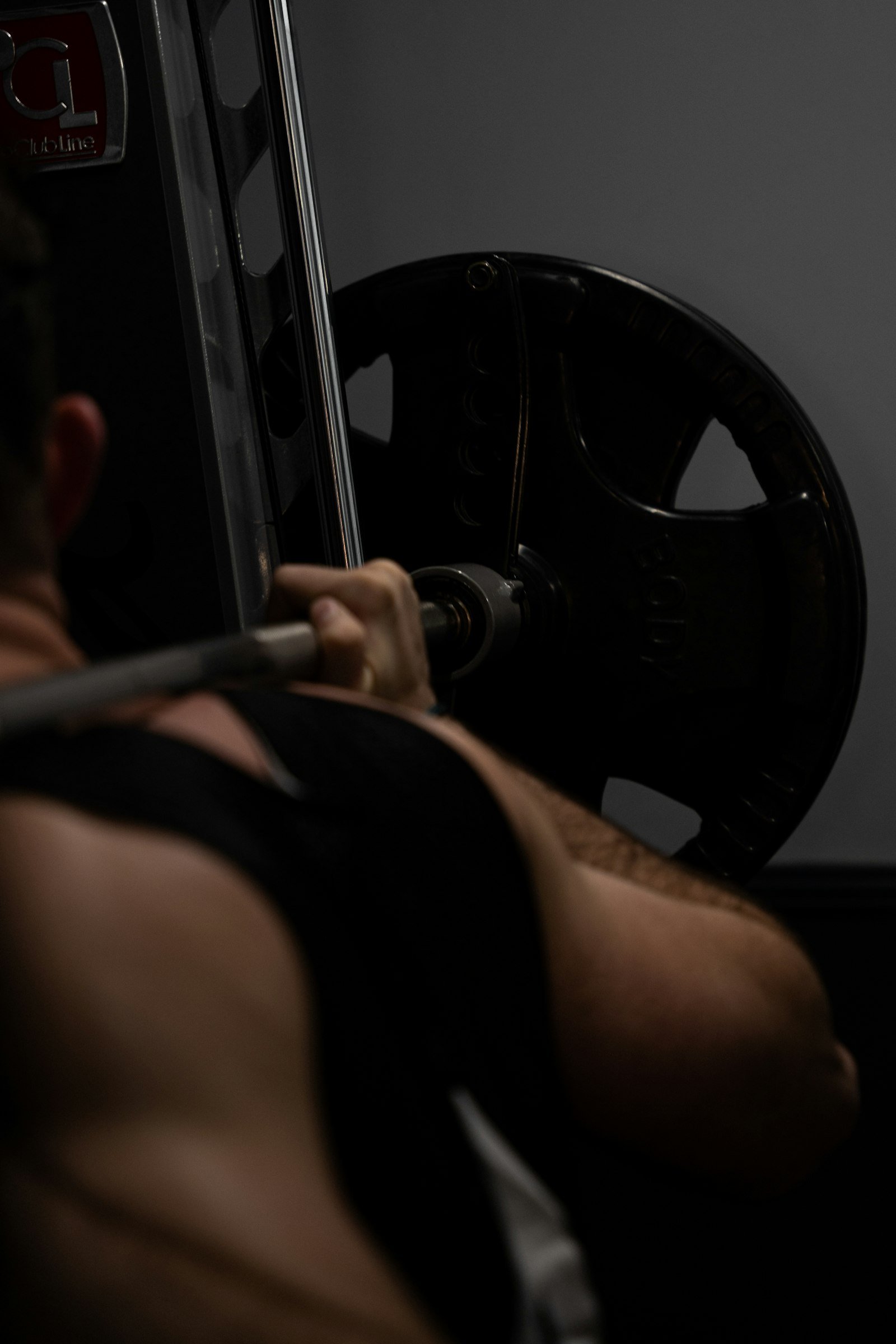
Imagine three squat sets with the same weight. With inadequate rest, repetitions might fall from 10 to 6 to 4. With better recovery, they might be 10, 9 and 8. These are illustrative numbers, not results from a specific study. The second pattern contains substantially more work at the planned load.
If a target is eight to ten repetitions and your next set suddenly yields only five, try adding 30 to 60 seconds before the following set. Also consider whether the first set was too close to failure. The objective is not to feel completely fresh, but to perform the next set with stable technique and enough capacity to reach its intended purpose.
Longer breaks have a cost: one additional minute across 15 rest periods adds 15 minutes to a session. Spend that time where it protects performance, rather than applying the same interval to every movement.

Equipment Worth Exploring
Explore equipment, accessories and gear from our carefully selected range.


FID Bench MAX
Adjustable bench offering flat, incline, and decline positions + adjustable headrest.


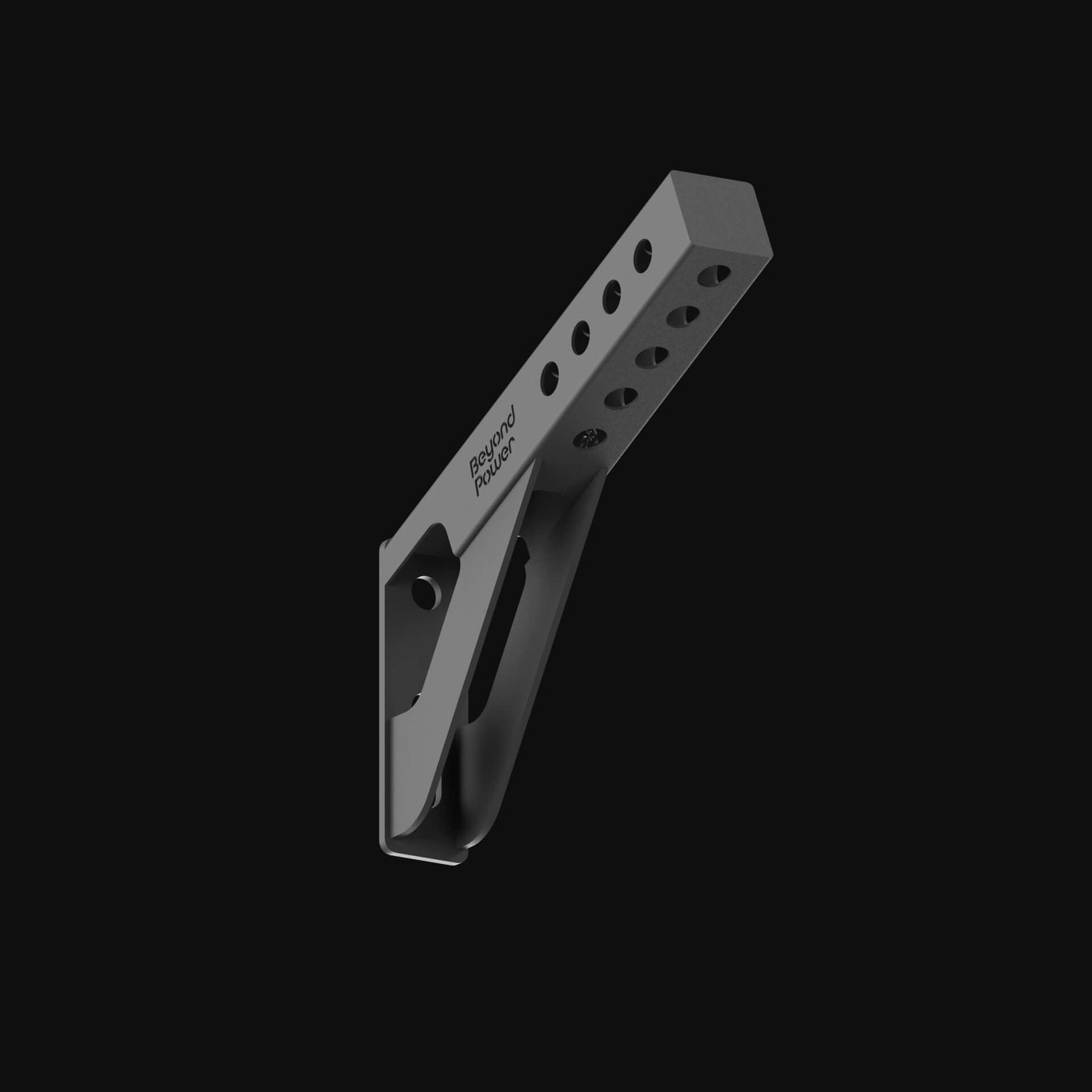
Safety Squat Handles
Barbell squat handles that reduce shoulder positioning demands during high-bar squats.
3. Heavy squats and presses: when longer rest earns its place
For heavy compound exercises, two to four minutes is a reasonable starting range. Squats, deadlifts, barbell rows and bench presses demand coordinated effort across multiple joints. If your breathing is elevated or your bracing is compromised, forcing another heavy set because a one-minute timer expired is a poor trade.
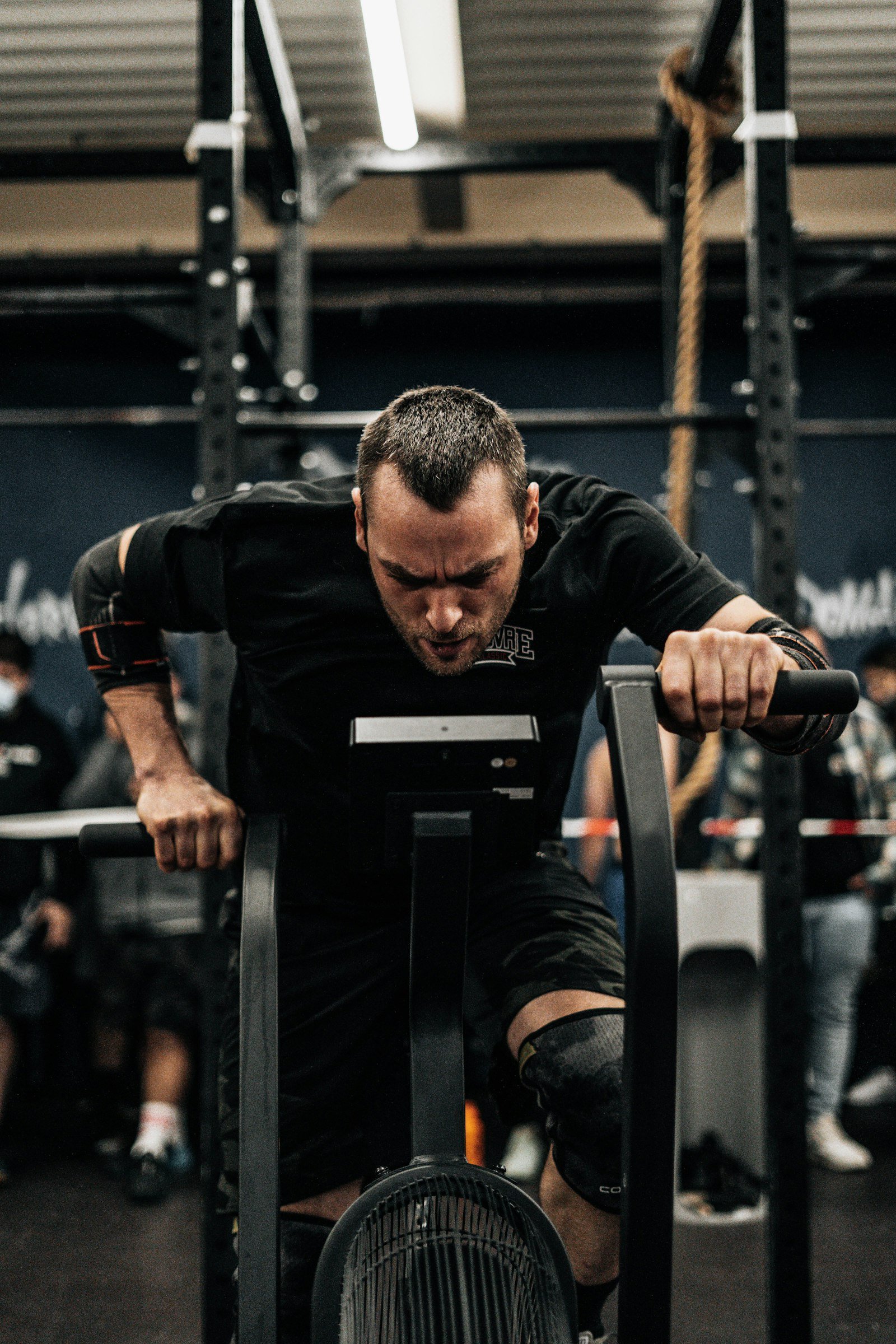
In a 2016 randomized trial, 21 resistance-trained men followed eight weeks of training with either one-minute or three-minute rest intervals. The longer-rest group improved maximal squat and bench-press strength more, and showed greater anterior-thigh muscle thickness. The result supports adequate recovery for demanding lifts, but the sample was small and does not establish one perfect interval for everyone.
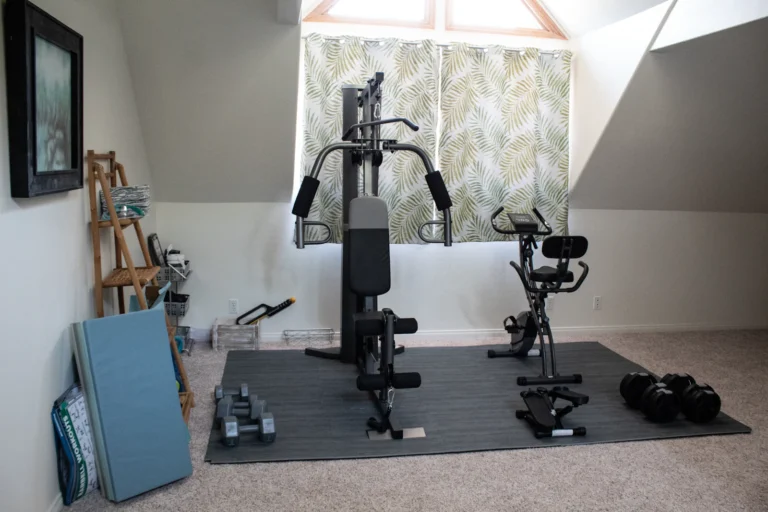
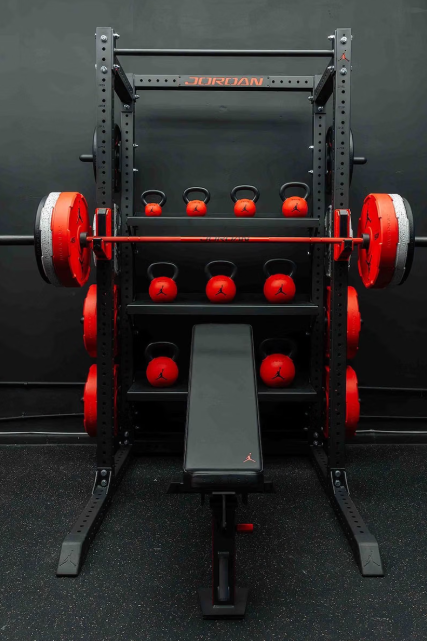
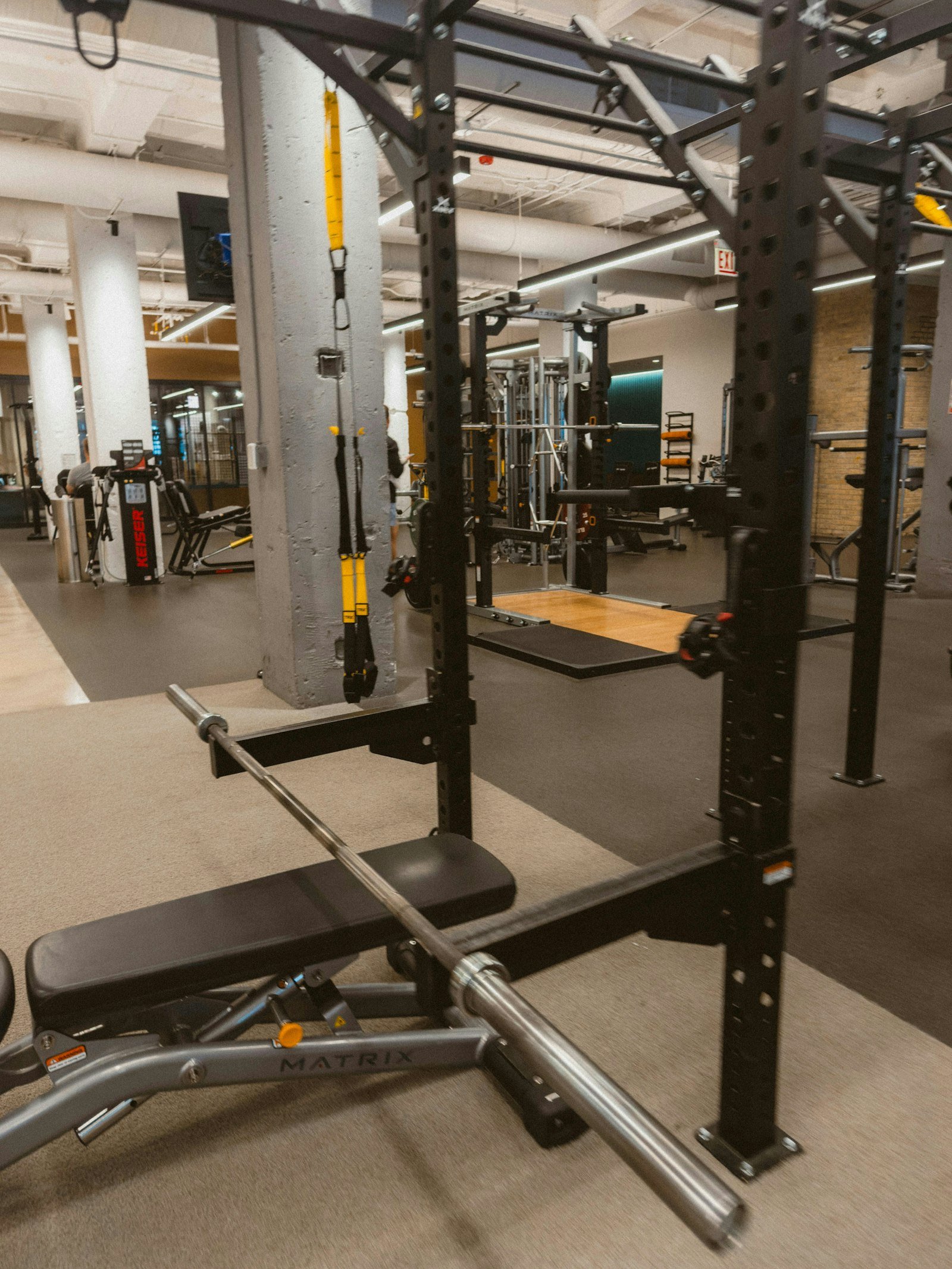
Home-gym safety matters too. Set rack safeties before squatting or benching, keep the floor clear, and avoid rushing back under a loaded bar while dizzy. If you train alone without reliable spotting, choose exercises and loads you can exit safely. Rest is not a substitute for a safe setup.
Try about three minutes after hard sets of five squats and two to three minutes after challenging bench presses. Light warm-up sets may require less; a final warm-up before a heavy top set may require more. Let technique and performance decide.

Powerlifting Shirts & Lifting Gear
Powerlifting shirts and gym gear for squat, bench and deadlift lifters who live for heavy numbers.

Gymhead Skull Plate – , Meme Shirt Bros & T-Shirt
Make gym days more fun with “Gymhead Skull Plate” style.

Bootybuilder Gym Girl Funny Workout T
Show some gym-girl attitude with a playful “Bootybuilder Gym Girl” tee.

My Bench Press Is Stuck Tee
Heavy lifts, good laughs, and a little “My Bench Press is Stuck Funny Horror” energy.


Shirt – Squat Bench Deads Gains T-Shirt
Heavy lifts, good laughs, and a little “Squat Bench Deads” energy.


9 Plates Bench Club : Exclusive Meme & Gymbro T-Shirt
Show some powerlifting attitude with a playful “9 Plates Bench Club” tee.


4. Dumbbells, cables and isolation work: shorter rests can be practical
Not every set taxes the whole body like a heavy squat. Lateral raises, curls, triceps extensions and many machine exercises may be repeated productively after 60 to 120 seconds, especially when loads are moderate. That is a programming option, not a promise that shorter rests always produce the same result.
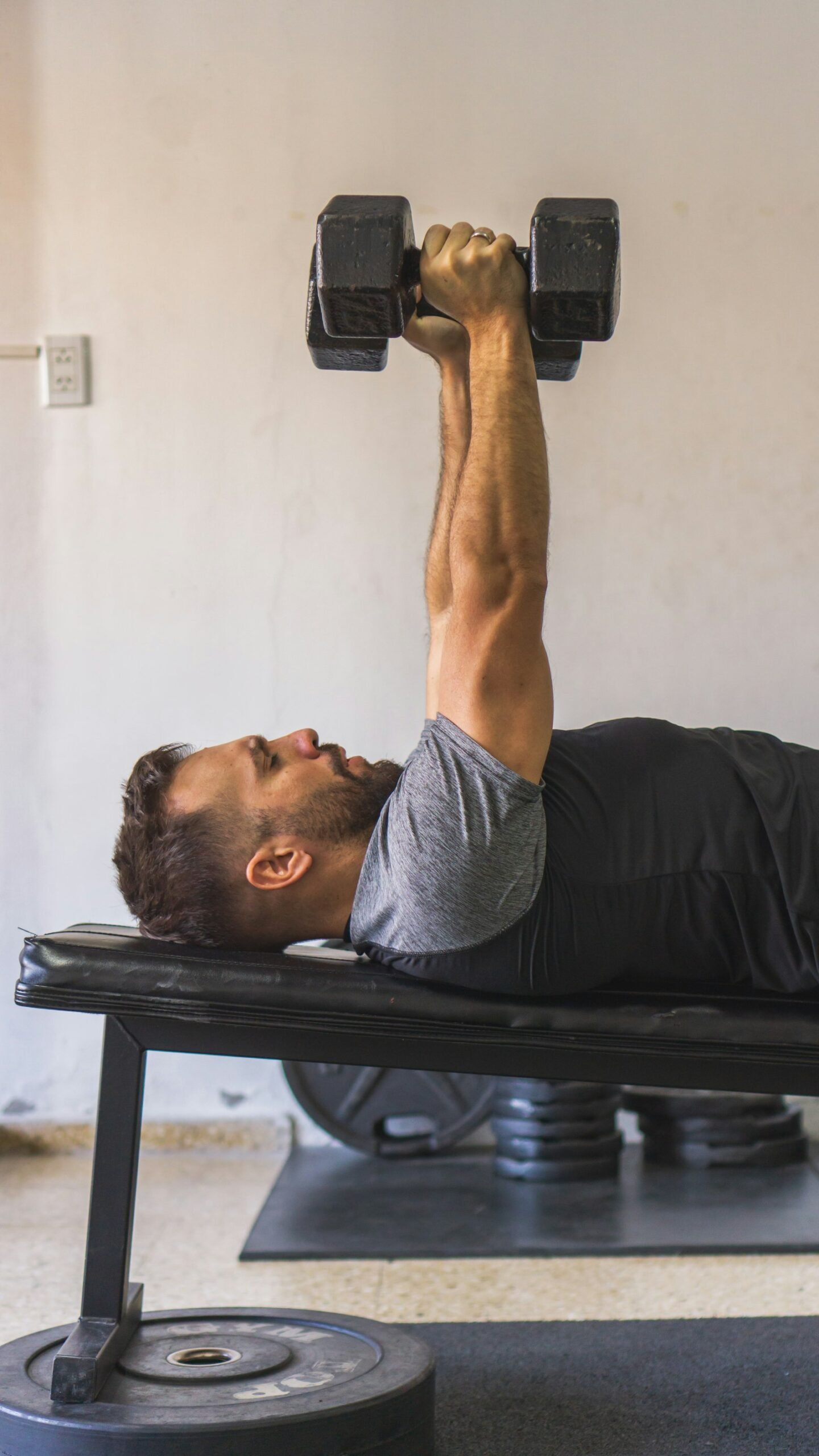
For example, three sets of ten cable curls with 90 seconds between sets may fit neatly into a home workout. If the second set drops to six repetitions, either extend rest or reduce the load. If all three sets remain controlled and near the target, the interval may be sufficient. A demanding dumbbell press usually deserves more recovery than a light curl even though both use dumbbells.
Exercise selection changes the equation. A cable machine can make quick transitions convenient, but switching handles and adjusting pulley height also takes time. Count that setup time as part of the recovery period rather than starting a separate timer only after everything is ready. For single-arm work, the opposite arm is often resting while one side trains; keep the interval consistent from the end of one side’s set to its next turn.
Shorter rest can increase the sensation of a pump or burning muscles. Those sensations are not direct measures of muscle growth. Preserve controlled repetitions, appropriate effort and progressive loading instead of deliberately chasing fatigue. When technique deteriorates, lengthen the break rather than treating the timer as a command.
5. Supersets save time, but they do not make recovery disappear
A home gym rewards smart exercise pairing. Instead of standing idle after a chest set, you might perform a row before returning to pressing. This is an opposing-muscle superset. It can reduce total session time because different muscles take turns doing the primary work, but the second exercise still creates systemic fatigue.
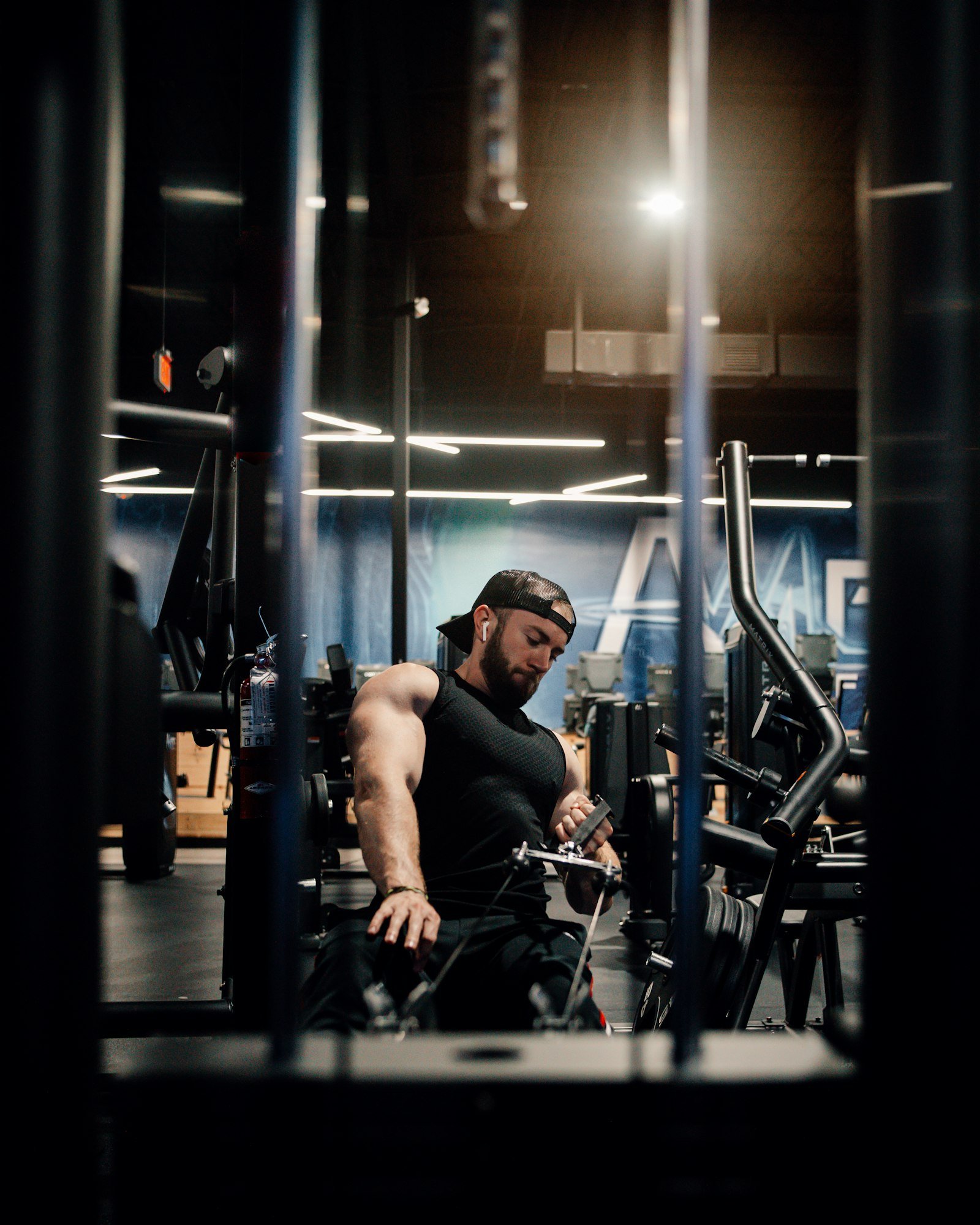
A 2024 randomized trial comparing supersets with traditional training found broadly similar body-composition improvements over ten weeks, while some pulling-strength gains favored the traditional approach. The superset sessions were much shorter. This suggests a useful time-efficiency tradeoff, not that supersets are superior for every strength goal.
Try dumbbell bench press followed by a cable row, then rest 90 to 120 seconds before repeating the pair. If the pressing and pulling both deteriorate, lengthen the interval or separate the exercises. Avoid pairing two technically demanding lifts that compete heavily for trunk stability, such as heavy squats and heavy bent-over rows, merely to save minutes.
Another option is to alternate lower-body and upper-body exercises. A squat followed by a light band pull-apart can keep you occupied without heavily taxing the same muscles. Yet moving plates, changing rack heights and swapping handles consumes real time; an efficient plan should minimize those transitions.
Supersets are especially attractive when the alternative is skipping training altogether. Keep the big lifts high-quality and use clever pairings for accessory work rather than making every set an exhausting circuit.
Equipment Worth Exploring
Explore equipment, accessories and gear from our carefully selected range.
VOLTRA
Compact digital cable trainer with smooth, adjustable resistance.

Go-Tone Pro
Portable digital cable trainer with up to 66 lb (30 kg) of adjustable resistance.
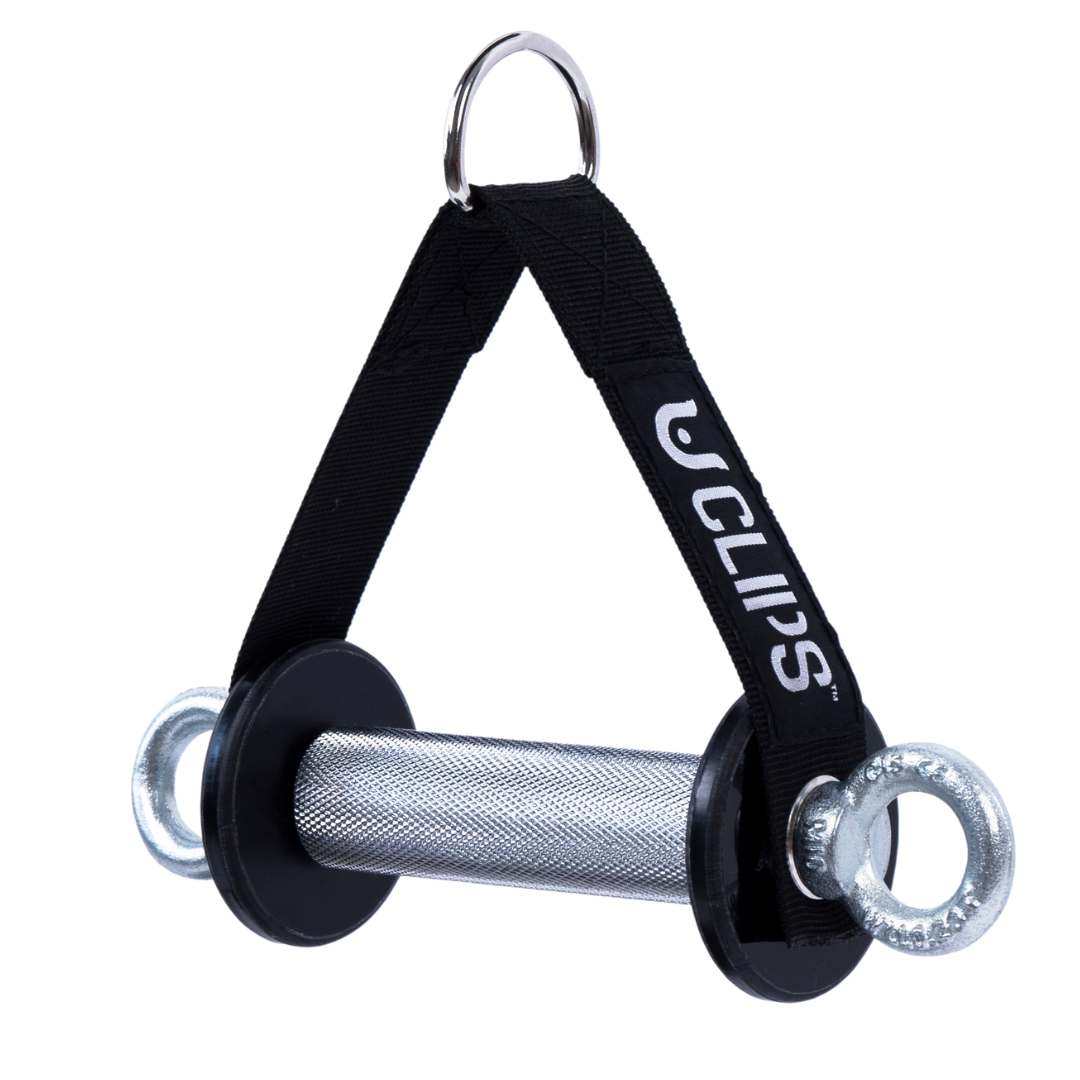
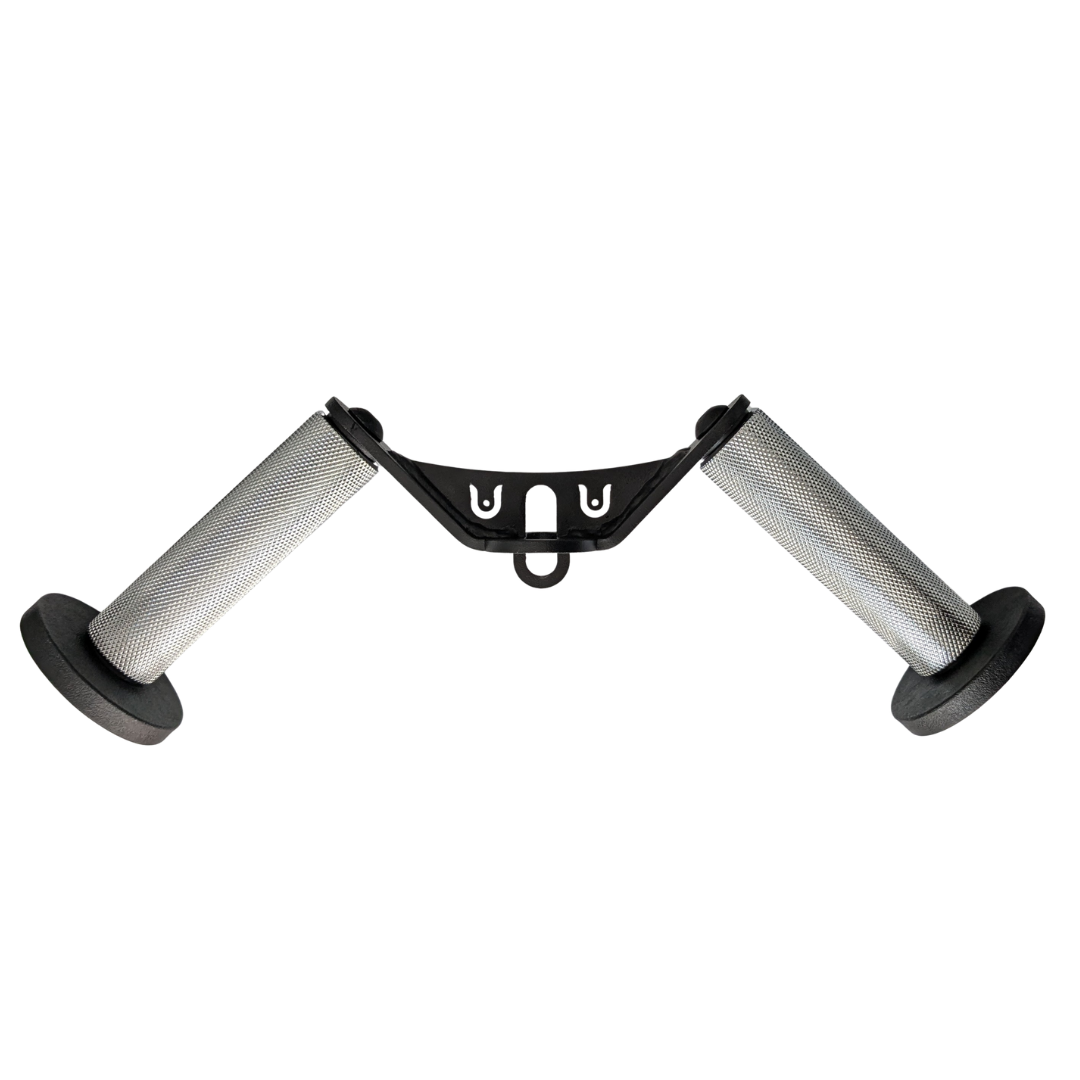
W Grip
Angled cable grip for comfortable rows, pushdowns, and curls.
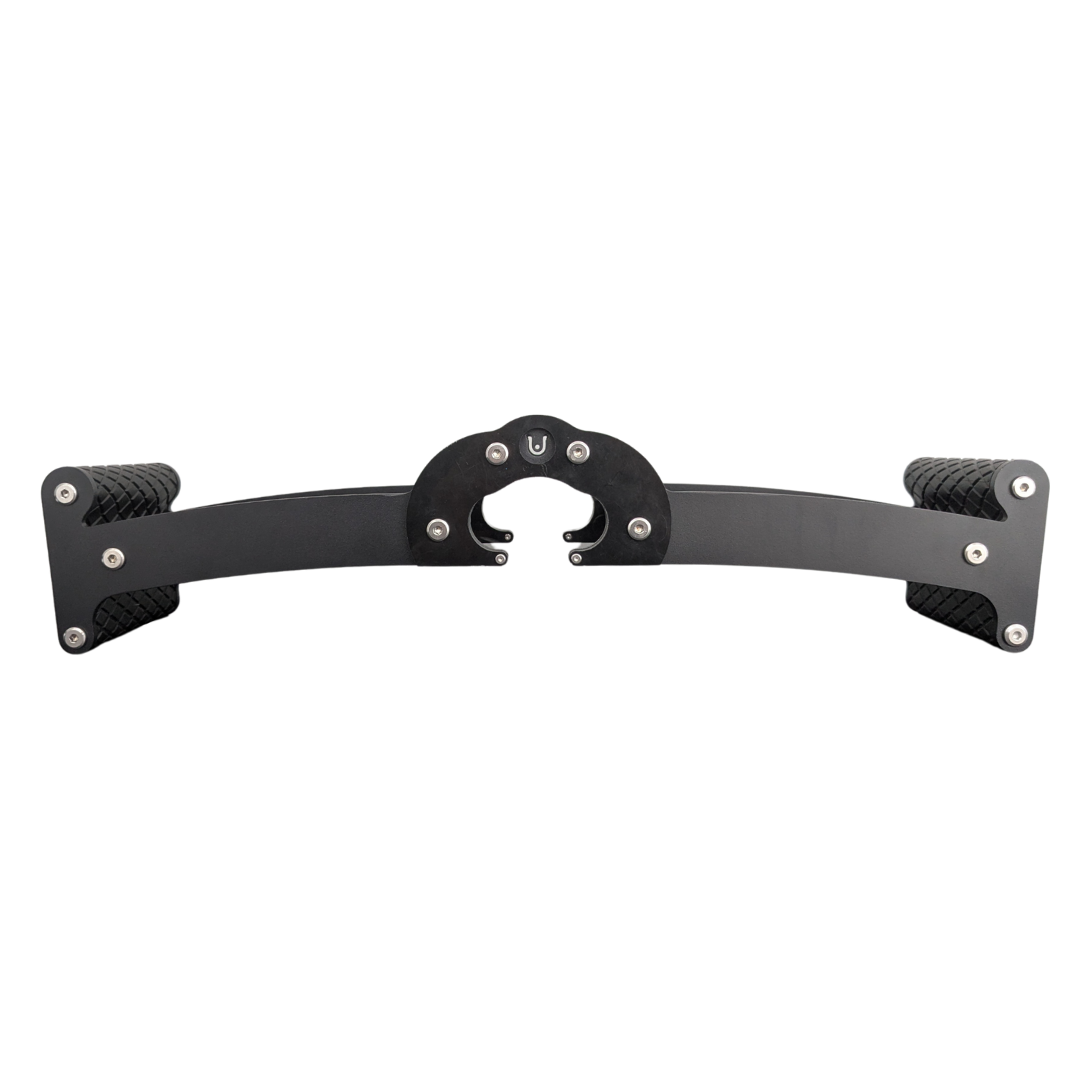
Back Bar
Multi-grip cable and landmine bar with a built-in deadlift jack.
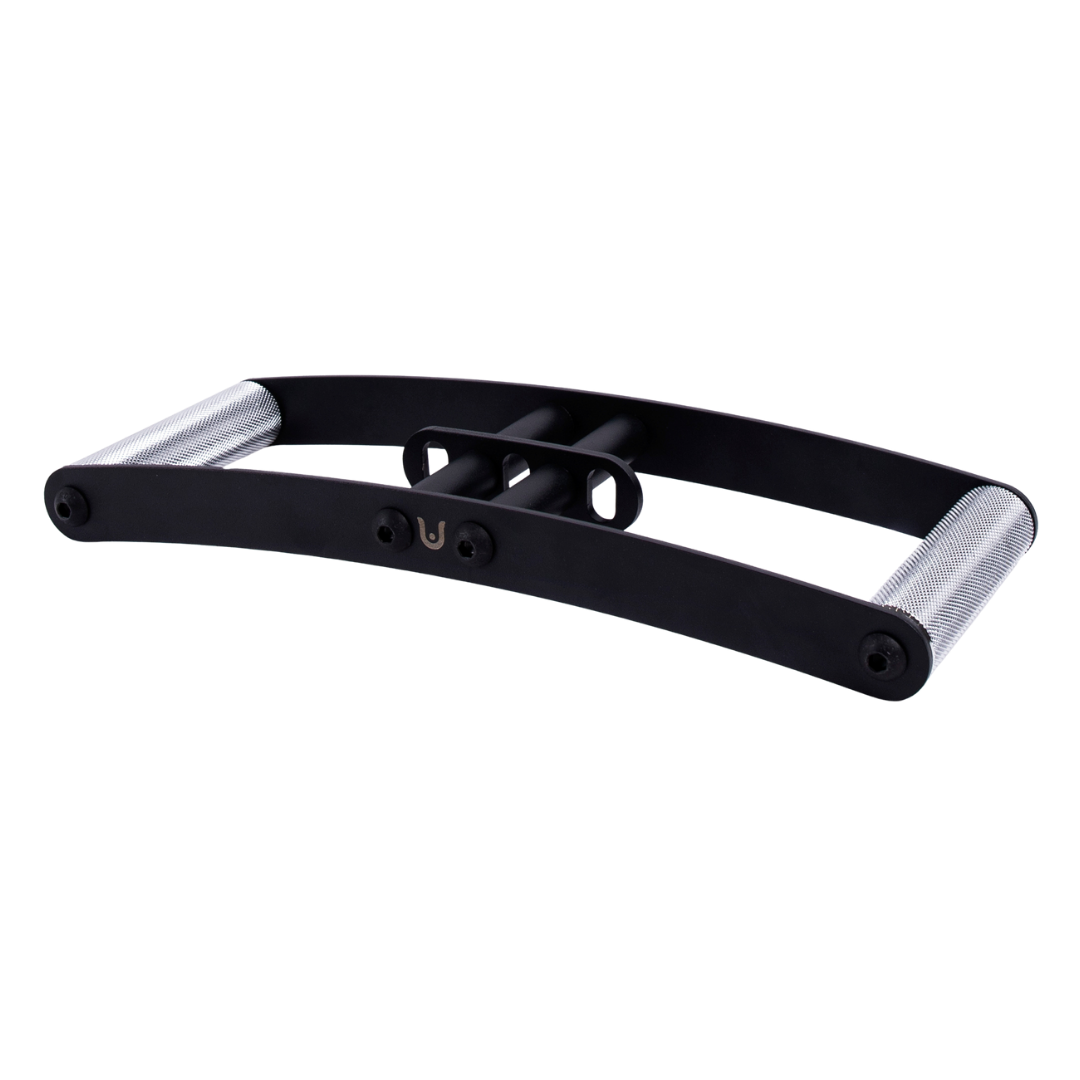
Horizon Grip
Ergonomic V-style cable grip for rows and back training.


Original GymPin
Adds Olympic plates to compatible cable-machine weight stacks for extra resistance.

GymPin MiniPin
Compact Olympic-plate loading pin for compatible cable stacks with limited clearance.
6. A practical 45-minute home-gym workout with realistic rest periods
Here is a template for someone with a rack or adjustable dumbbells and a cable or band option. It prioritizes two demanding movements, then pairs simpler accessories. The time estimates are approximate; changing plates, warming up and walking between stations count toward the session.
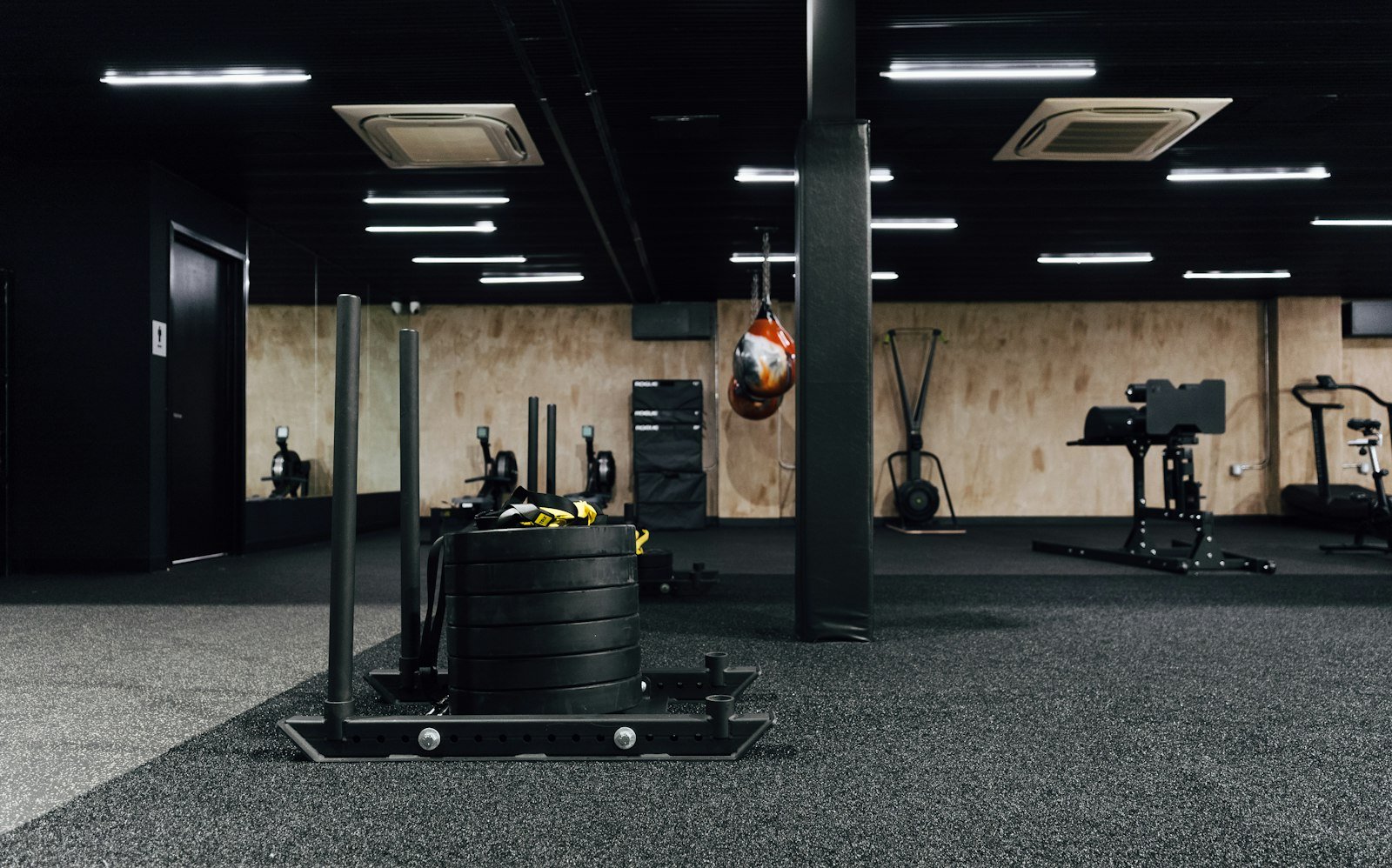
Session A: squat, push and pull
- Warm up, 6 minutes: easy movement, a few unloaded squats and progressively heavier practice sets.
- Squat, 3 sets of 5–8: rest 2–3 minutes between hard sets. Use safeties and leave room for controlled repetitions.
- Dumbbell or barbell bench press, 3 sets of 6–10: rest about 2 minutes, longer if your next set drops sharply.
- Cable row and lateral raise, 2–3 paired rounds: perform the row, then the raise; rest about 90 seconds after the pair.
With sensible equipment placement, this can fit roughly 40–50 minutes. If the session runs long, reduce a low-priority accessory round before shortening recovery so aggressively that your main lifts suffer.
Session B: hinge, overhead press and accessories
- Warm up, 6 minutes: hinge pattern practice, shoulder mobility within comfortable range and gradual loading.
- Romanian deadlift, 3 sets of 6–8: rest 2–3 minutes. Stop each set before back position or grip control breaks down.
- Overhead press or incline press, 3 sets of 6–10: rest 2 minutes, or longer after a particularly challenging set.
- Lat pulldown and curl, 2–3 paired rounds: use about 90 seconds after the pair and avoid rushing cable adjustments.
Perform the sessions on nonconsecutive days, then adjust weekly frequency and total sets to your recovery and experience. The template is a starting framework, not an individualized prescription. If you have only 30 minutes, complete the warm-up and two primary lifts, then use the remaining time for one accessory pair. A shorter complete session beats a rushed session in which heavy technique degrades.
For progression, keep the same load until all prescribed sets reach the upper end of the repetition range with controlled form and a consistent effort level. Then increase resistance by the smallest practical increment. If performance drops repeatedly despite adequate rest, review sleep, total weekly training load and whether the target weight is appropriate.
7. Build a rest-time rule you can actually repeat
The simplest method is to log the exercise, load, repetitions, estimated repetitions in reserve and rest duration for a few weeks. If your third set collapses while the first is consistently strong, increase recovery by 30–60 seconds and see whether performance becomes more stable. If every set is comfortable, you may be able to shorten the break slightly or raise the load.
Use a watch or phone timer as a reminder, not an automatic starting signal. Set it when the last repetition ends, then include any equipment changes in the elapsed rest time. On a compact cable machine, changing attachments may already provide a useful break. In a garage gym, the walk to a plate rack and the time spent loading a bar also count. Consistent tracking makes comparisons meaningful.
Do not confuse rest between sets with rest between training days. A 90-second break is about immediate performance; a day off or a lighter session addresses longer-term recovery. Also avoid treating sweating, soreness or breathlessness as proof that a session was effective. The better indicators are repeatable technique, appropriate effort and progress over time.
Bottom line: start around 90–180 seconds for typical muscle-building sets, give heavy compounds two to four minutes when necessary, and use shorter breaks strategically for lighter accessories or well-chosen supersets. Individualize using the next set’s performance. The best rest interval is long enough to protect the work you intended, but no longer than your goal and schedule require.
Bodybuilding Shirts & Workout Gear
Bodybuilding shirts, tanks and gym gear for lifters chasing muscle, size, symmetry and the pump.

Skinny Bitch Chris Bumstead Motivation – & Gains – T-Shirt
A t-shirt featuring the Skinny Bitch Chris Bumstead Motivation – & Gains – Meme Bros design for lifters who appreciate gym-themed style.


Off Season Rest Day – Meme , Gymbro, – Relaxing T-Shirt
Show some lifting attitude with a playful “Off Season Rest Day” tee.

Anti Social Gymbro Club – , Meme Shirt, T-Shirt
Bring “Anti Social Gymbro Club” humor to your next gym day.


Body Under Construction Meme , Gymbro Top T-Shirt
Bring “Body Under Construction” humor to your next gym day.


Hustle for That Muscle Greek God Tee
Show some lifting attitude with a playful “Hustle For That” tee.

Lift King Lion – , & Gymbros – Meme T-Shirt
Bring “Lift King Gym Lion” humor to your next gym day.