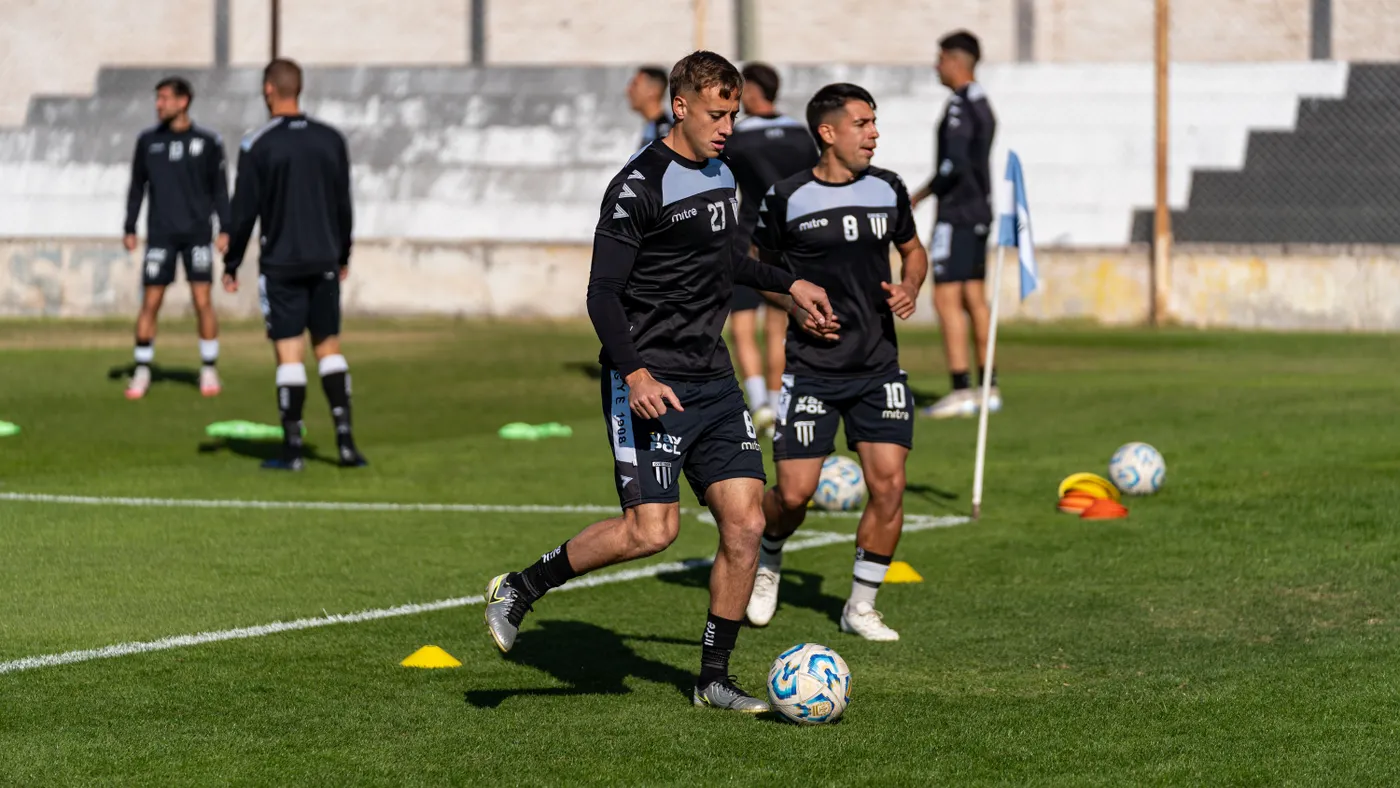
Growing athletes need consistent fuel, not a perfect diet
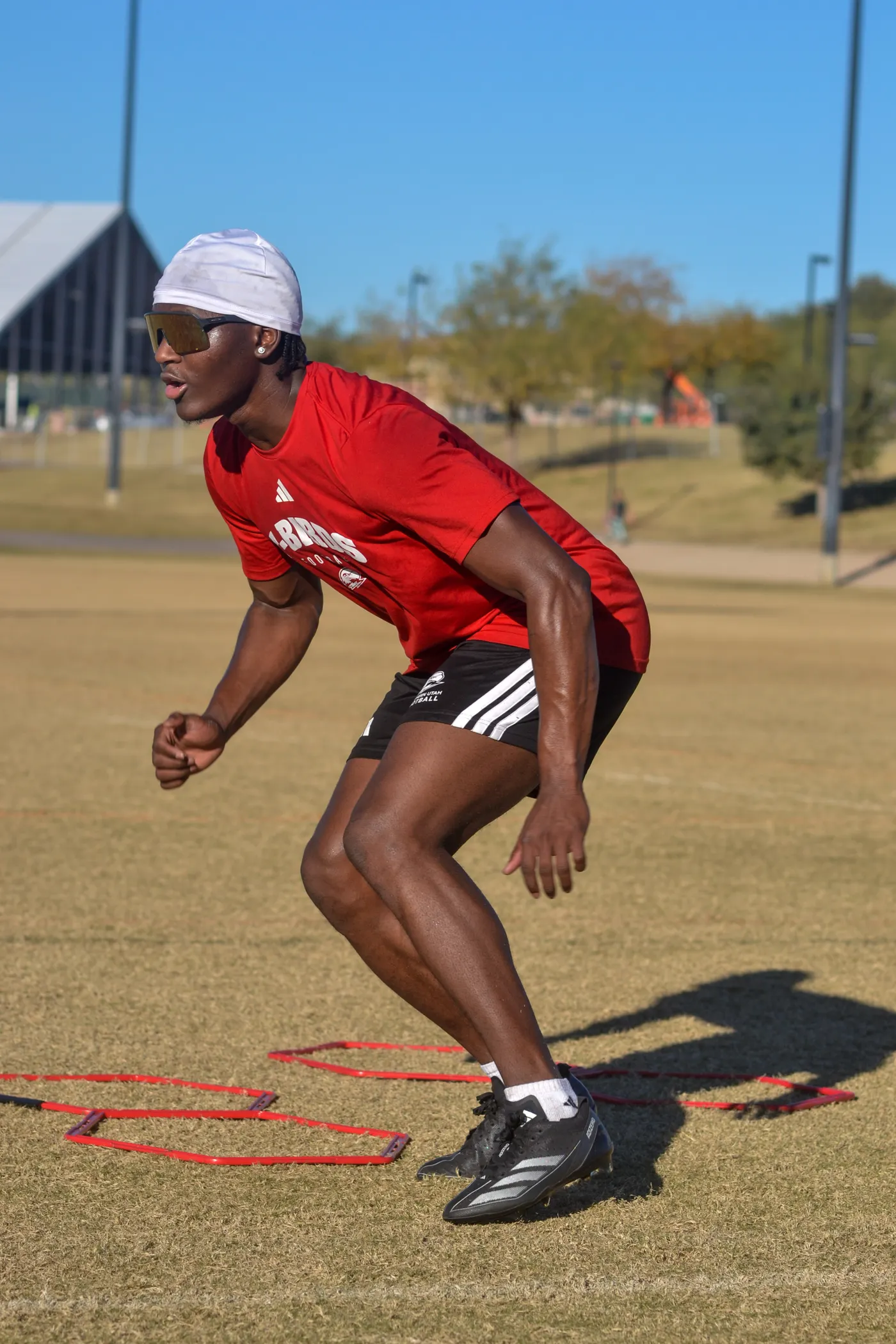
An athlete who is still growing has two simultaneous jobs: building a healthy body and supporting the demands of practice, competition, school and ordinary life. Nutrition plans that focus only on the next workout miss the first job. Adolescents need enough total energy to grow, enough carbohydrate to support activity, regular protein-containing meals, and a wide range of foods that supply minerals and vitamins. A dramatic supplement routine cannot compensate for skipping meals or spending most of the school day hungry.
The challenge is practical. A student may leave home before sunrise, have limited time to eat between classes, and go directly to a two-hour practice. Families have different budgets, school cafeterias offer different choices, and teenagers do not always control when food is available. A useful plan therefore begins with access and routine, not a spreadsheet full of exact grams. A packed sandwich and fruit that actually get eaten are more valuable than a sophisticated meal plan that stays on the kitchen counter.
Youth athletes are not simply smaller adult bodybuilders. Their energy requirements vary with growth, body size, maturity, training volume and sport. One teenager may be playing several matches a week while another lifts twice and spends the remaining days in class. Appetite can also change quickly during growth spurts. Coaches and parents should watch for sustained fatigue, unusually poor recovery, persistent hunger, repeated illness, difficulty concentrating or changes in growth and mood rather than assuming every athlete needs the same intake.
The central approach is uncomplicated: make drinking water easy, put nourishing foods within reach, avoid starting long school or training days with no breakfast, and have something sensible available after practice. The following guide turns those priorities into repeatable choices. It is general education for healthy young athletes, not an individualized prescription for someone with a medical condition, eating disorder or diagnosed nutrient deficiency.
Hydration starts before the first whistle
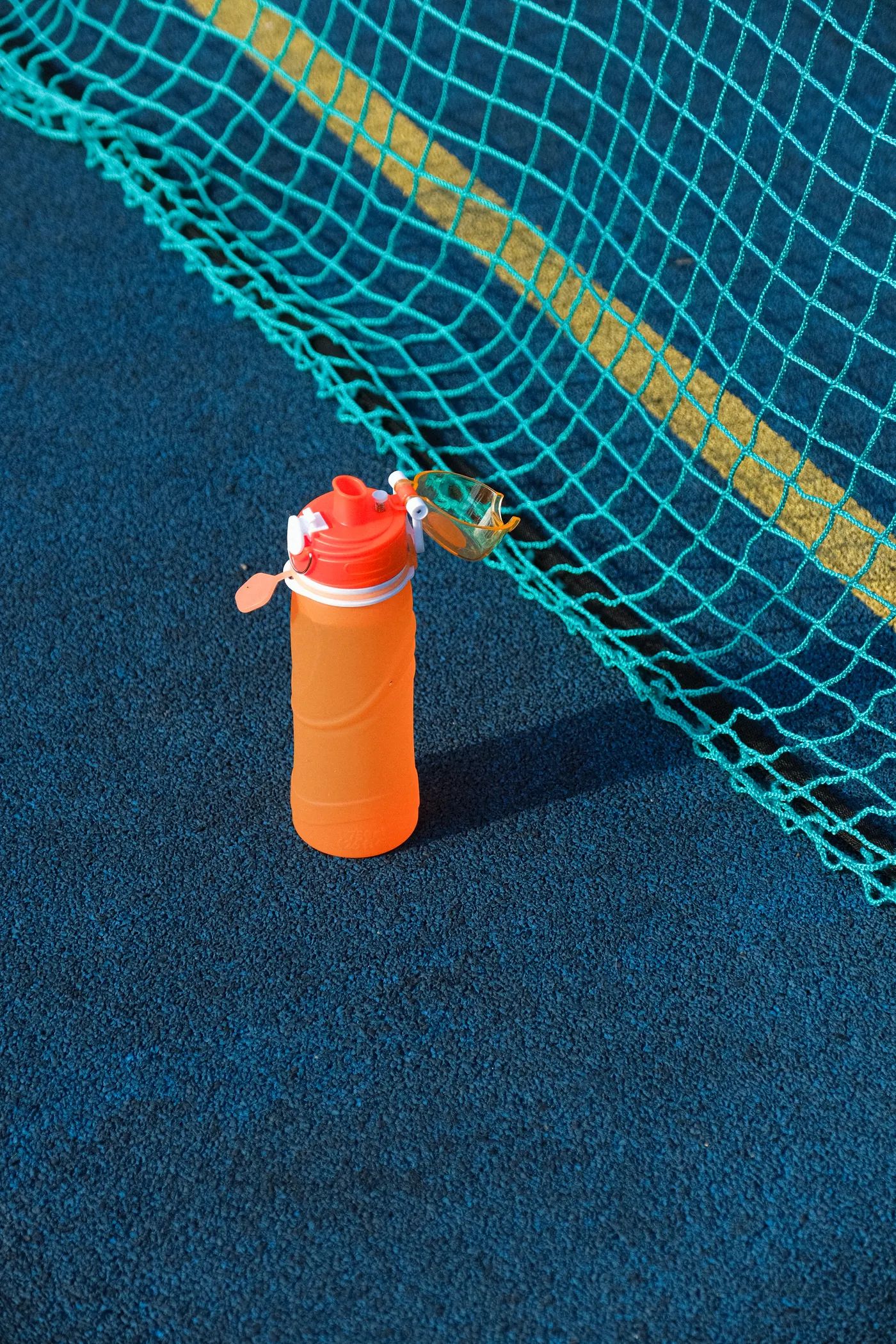
Hydration is easier to manage as a habit than as an emergency response to thirst. A reusable bottle at school, water with meals and access to fluids during training cover much of the ordinary need. Athletes exercising in heat, wearing heavy protective equipment or practicing for a long time may need more frequent opportunities to drink. The useful question is not whether a brightly colored drink looks athletic; it is whether the athlete has adequate fluid available before, during and after activity.
Water is the default choice for routine sessions. For prolonged, demanding exercise or repeated competition in hot conditions, a carbohydrate-electrolyte drink can sometimes be practical. That does not mean every short workout requires one. Sweet sports drinks add energy, which can be useful during sustained activity but unnecessary during a light skill session. Energy drinks are a different category altogether: their caffeine and stimulant content make them a poor substitute for water, especially for minors.
Fluid needs are individual, so rigid instructions to drink an enormous amount are unhelpful. A teenager should have permission to take regular water breaks, particularly in hot weather, and should not be encouraged to ignore thirst. Very dark urine, headache, dizziness and unusual fatigue can signal that fluid intake needs attention, although no single sign perfectly diagnoses dehydration. Drinking excessive amounts rapidly can also be dangerous. For a healthy athlete, a steady routine is preferable to extreme preloading or forcing down liters immediately before practice.
After a sweaty session, replace fluids gradually alongside a normal meal or snack. Salty foods can help replace sodium when substantial sweating has occurred, but supplement powders are not automatically required. Coaches should make hydration part of the session plan: bottles nearby, breaks built in, and extra care during tournaments when travel and excitement disrupt usual eating and drinking. If an athlete becomes confused, faints or develops severe heat symptoms, stop activity and seek urgent medical assessment rather than treating it as a routine hydration issue.

Equipment Worth Exploring
Explore equipment, accessories and gear from our carefully selected range.


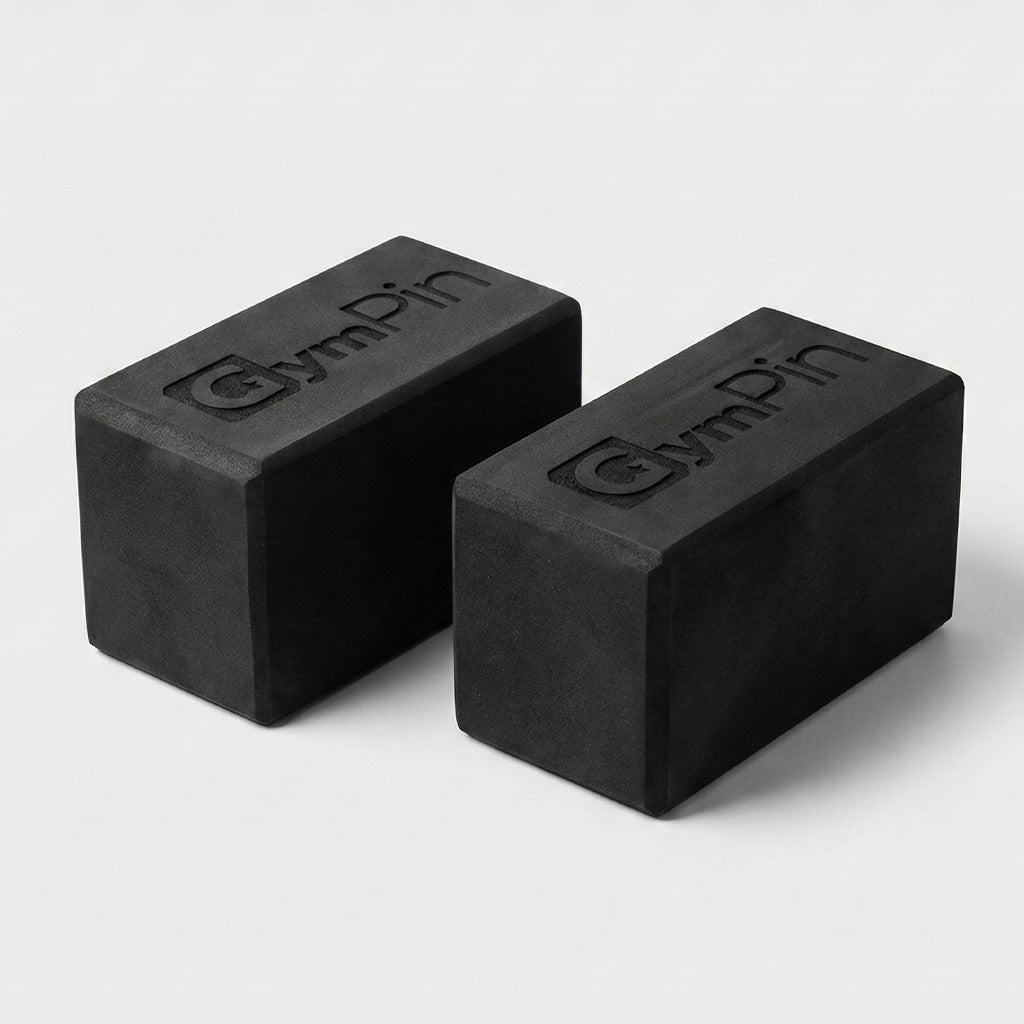
GymPin Starting Blocks
Portable high-density foam blocks for adjusting machine starting positions and range of motion.


Apple Watch Ultra 3
Rugged 49 mm smartwatch with cellular connectivity, GPS and fitness tracking.

Powerbeats Fit
Secure-fit wireless workout earbuds with active noise cancellation and a charging case.


Carbohydrates power practice; plants fill nutritional gaps
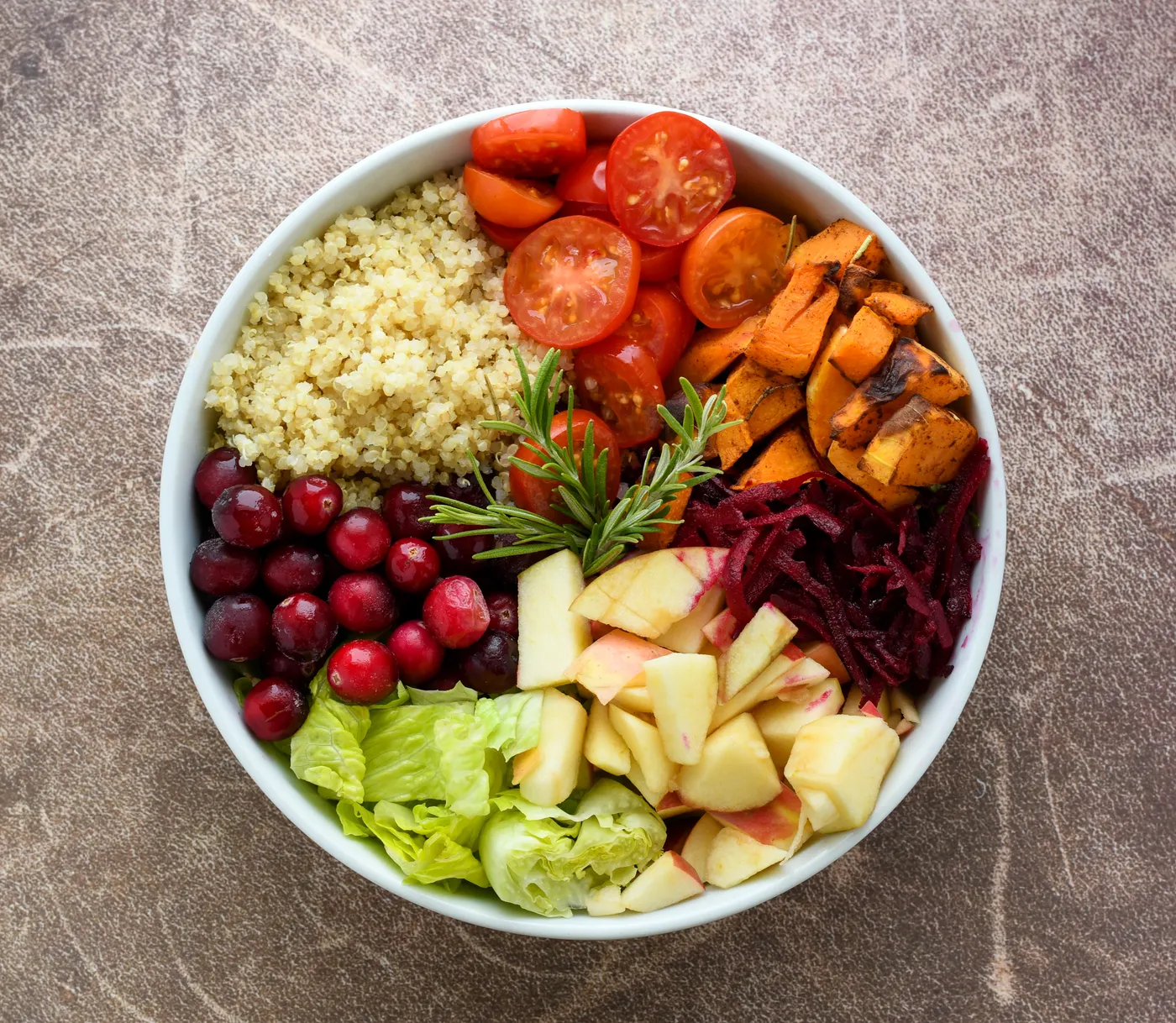
Carbohydrate is not an enemy of athletic performance. It is a readily available fuel for running, repeated accelerations, hard lifting and many team-sport sessions. Whole-grain bread, rice, potatoes, oats, fruit and other familiar foods can all contribute. The best pre-practice choice depends on timing: a substantial meal several hours before activity may be comfortable, while a banana, toast or another easily digested snack can make more sense close to the start.
A young athlete who trains after school might eat lunch at noon, then have a small snack before a late-afternoon practice. That simple bridge can prevent the long energy gap created by lunch-to-dinner schedules. High-fiber foods are valuable over the day, but a huge serving of beans or raw vegetables immediately before intense running may upset the stomach. Timing and tolerance matter as much as a food’s reputation for being healthy.
Colorful plant foods contribute fiber, potassium, folate and many other nutrients. Aim for variety across the week rather than obsessing over a single so-called superfood. Frozen berries, canned beans, seasonal apples, carrots, lentils and whole grains can be affordable staples. A lunchbox with a sandwich, fruit and vegetables can be more realistic than an elaborate fresh bowl prepared every morning. If an athlete dislikes one vegetable, offering another is better than turning meals into a daily argument.
Food quality and adequate quantity belong together. A large salad alone may not provide enough energy for someone training hard and growing quickly. Pair produce with carbohydrate, protein and fats. For example, rice with beans and vegetables, pasta with a protein source and tomato sauce, or a sandwich with fruit and yogurt provides more complete fuel. Nutrition should support a healthy relationship with food; athletes do not need to earn meals through exercise or classify ordinary foods as moral failures.

Funny Gym Shirts & Workout Gear
Funny gym shirts, tanks, hoodies and workout gear for lifters who like training hard.

Pancake Weight Plate 45LB Plate Pancakes & Weights Brea T-Shirt
Show some powerlifting attitude with a playful “Pancake Weight Plate” tee.

Waffles Weight Plate 45LB Plate Waffles & Weights Break Hoodie
Keep it laid-back with a little “Waffles Weight Plate” attitude.

Broccolift Eat Broccoli Lift Decal Water Bottles & Sticker
Put “Broccolift” gym humor on your laptop, bottle, or gym gear.

Pink Protein Shaker | Meme Pullover for Bodybuilding Ga Hoodie
Bring “Pink Protein Shaker” gym humor to lazy days and post-workout plans.

Funny Viking Gym – Blood Sweat Protein Shakes Workout V Tank Top
Bring “Viking” humor to your next lifting session.

Weights Breakfast Pancake Weight Plates Decal Morning Sticker
Stick a little “Weights For Breakfast” humor on your favorite gear.

Fuel Your Gains Metallica — Protein Shakes Rock Music B Sticker
Bring “Fuel Your Gains Metallica” attitude to your water bottle or laptop.

Protein In The Jar Hooded Pullover Gym Apparel Metallic Hoodie
Stay casual and show some metalhead attitude with “Protein In The Jar”.

Blue Protein Shaker Bottle : Decal For Water Bottles & Sticker
Stick a little “Blue Protein Shaker Bottle” humor on your favorite gear.

Pancake Kettlebell – Breakfast Gains Meme Jumper Pullov T-Shirt
Show some gym-day personality with “Pancake Kettlebell”.
Protein and key minerals matter more than supplement hype

Protein helps support growth and the repair and adaptation of active tissues. Regular servings of eggs, dairy, fish, meat, tofu, lentils, beans or other protein-rich foods can usually cover the need without specialized powders. Research reviews suggest that some actively training adolescents may benefit from roughly 1.2 to 1.6 grams per kilogram of body weight per day, but that is a broad research range, not a target every teenager must count. Total energy intake, growth and individual circumstances matter. More protein is not automatically better if it displaces carbohydrate or other nutrients.
Distributing protein across breakfast, lunch, dinner and a snack can be easier than trying to consume most of it late at night. A breakfast containing eggs or yogurt, a sandwich or bean dish at lunch, and a normal family dinner may already provide a useful pattern. Families with dietary restrictions can use legumes, soy foods, seeds and other suitable alternatives. A qualified sports dietitian can help when training demands, allergies or food access make the pattern difficult.
Iron deserves particular attention because it supports oxygen transport and low iron stores can affect energy and endurance. Iron-rich foods include meat, beans, lentils and leafy greens; vitamin-C-rich foods eaten alongside plant sources can improve absorption. Persistent fatigue should not trigger blind iron supplementation. Testing and treatment belong with a clinician because excess iron is harmful and fatigue has many possible causes.
Calcium and vitamin D are also important during the years when the skeleton is developing. Adolescents aged nine to eighteen generally have a calcium recommended dietary allowance of 1,300 milligrams daily; the US recommended dietary allowance for vitamin D is 15 micrograms, or 600 IU, for ages one through seventy. Milk, fortified alternatives, yogurt, calcium-set tofu and certain greens can contribute calcium, while fortified foods and some fish supply vitamin D. These numbers describe nutrient requirements, not a reason to start high-dose supplements. Dietary assessment and medical advice are preferable when deficiency is suspected.
Breakfast makes a demanding school-and-sport day easier
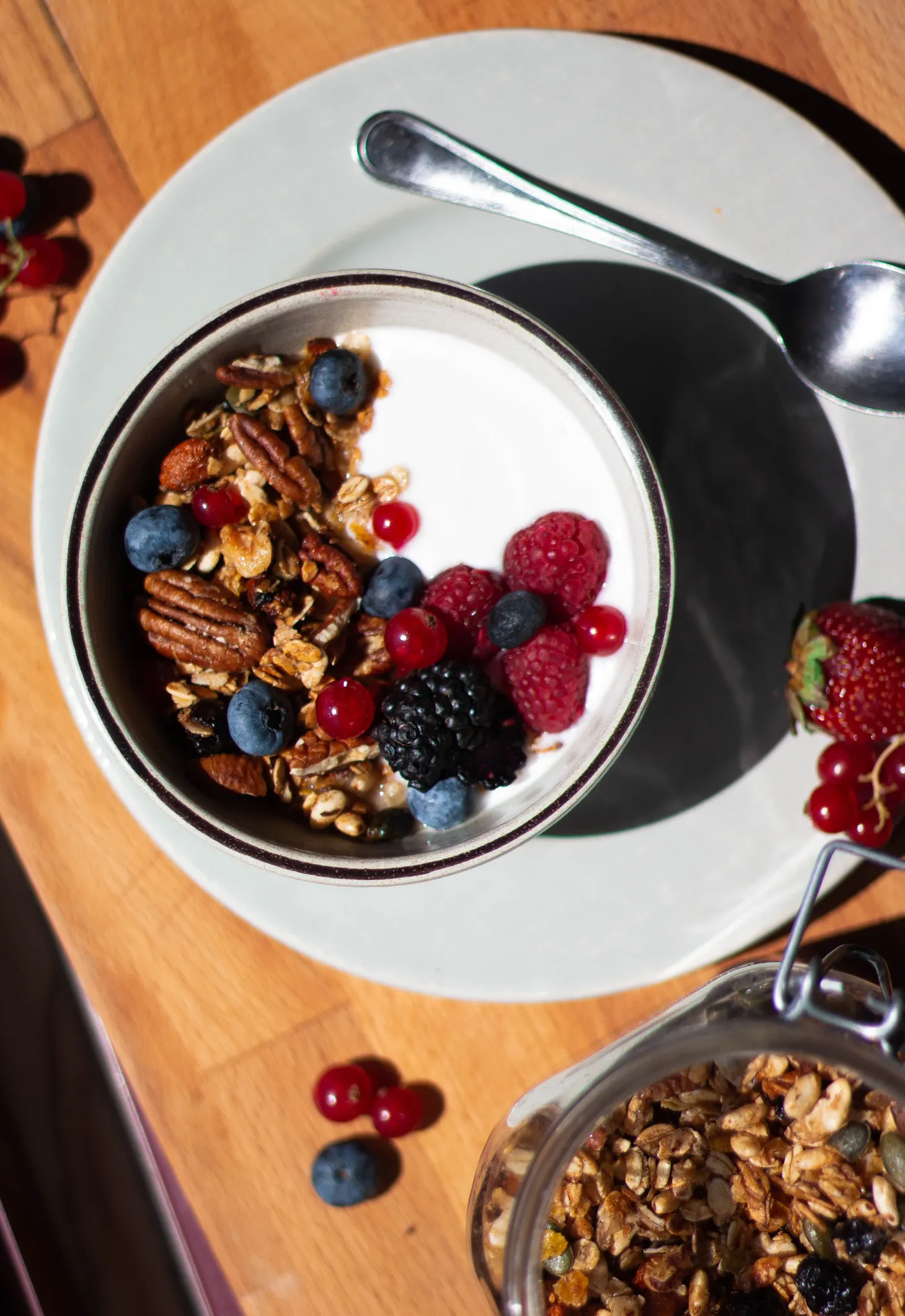
Breakfast is not a magic anabolic window. Its practical advantage is that it creates another opportunity to eat enough food before a day filled with classes, commuting and practice. Skipping it can make an already busy schedule harder to fuel, particularly when the next chance to eat is hours away. Evidence about breakfast and exercise performance is mixed and depends on the activity, previous meals and habitual patterns; it is misleading to promise that one breakfast will improve every sprint or lift.
A useful breakfast combines a carbohydrate source with some protein and fluid. Oats with milk or a fortified alternative and fruit, eggs with toast, yogurt with cereal, or a simple sandwich all work. A teenager who wakes with little appetite might start with something smaller and pack a second snack for later. The goal is a routine the family can sustain, not an elaborate plate prepared at five in the morning.
Early practices create a different problem. Eating a large meal minutes before running may feel uncomfortable, while starting completely unfueled after a short night may leave an athlete sluggish. A banana, a slice of toast, a few crackers or another familiar easy-to-digest food before practice can be an option. Follow with a more substantial meal containing carbohydrate and protein once training ends. Individual tolerance matters; experiment during ordinary practices, not for the first time on competition day.
Sleep belongs in this discussion because rushed mornings often begin the night before. Adolescents generally need eight to ten hours of sleep per night, and late screen use or irregular bedtimes can make breakfast preparation harder. Packing a bottle and snack the evening before, setting a consistent wake-up time and keeping easy breakfast foods available can improve the odds that nutrition actually happens. No supplement can fully replace sufficient sleep, adequate meals and a manageable training schedule.
Equipment Worth Exploring
Explore equipment, accessories and gear from our carefully selected range.
VOLTRA
Compact digital cable trainer with smooth, adjustable resistance.

Go-Tone Pro
Portable digital cable trainer with up to 66 lb (30 kg) of adjustable resistance.


FID Bench MAX
Adjustable bench offering flat, incline, and decline positions + adjustable headrest.

GymPin Squat Wedges
Non-slip 15-degree squat wedges help elevate the heels for deeper quad-focused squats.


Recovery drinks, caffeine and post-practice priorities
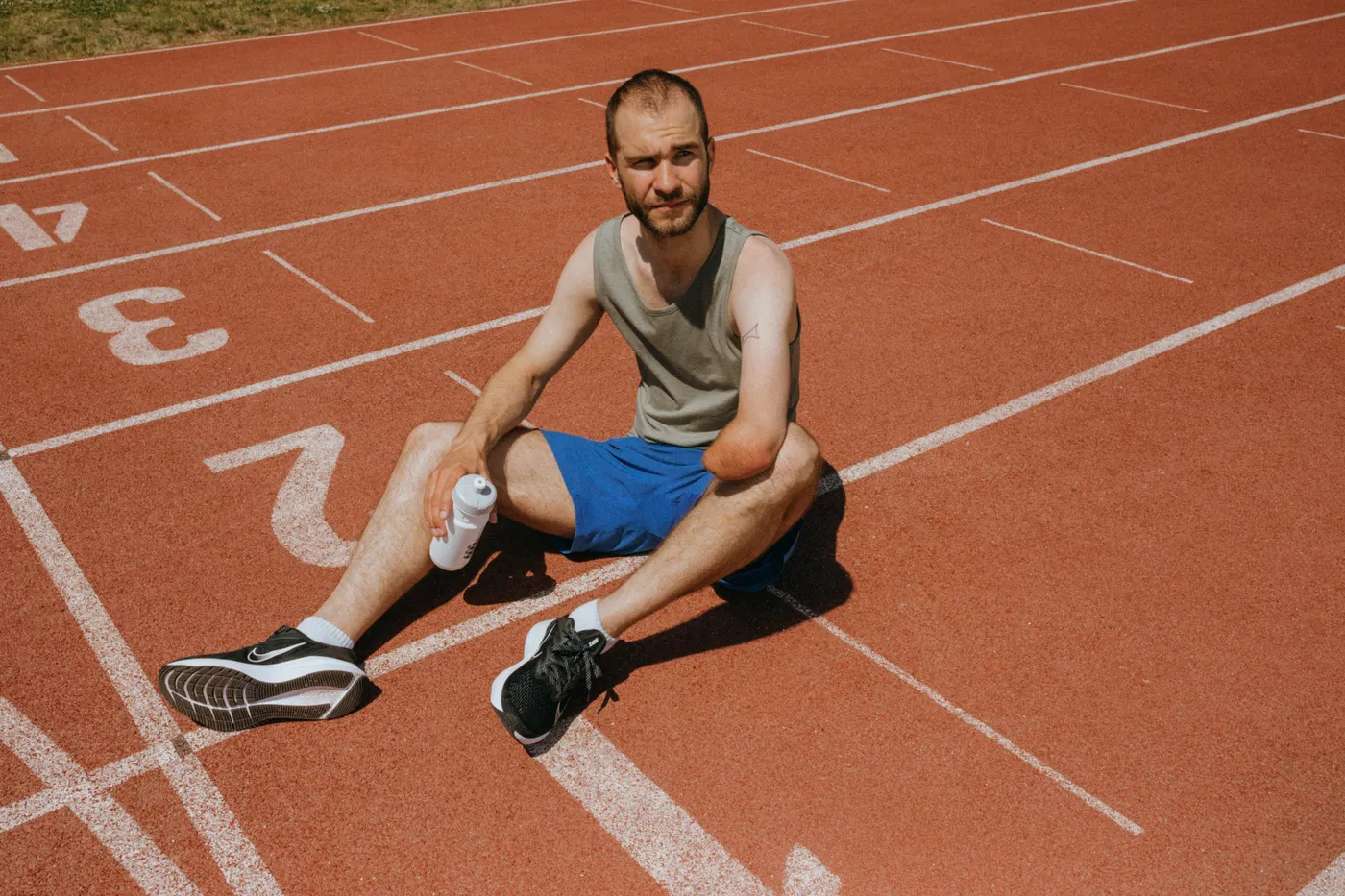
Recovery after practice starts with replacing what the session used: fluid, energy and the opportunity to eat a normal meal. Carbohydrate helps replenish glycogen, protein supplies amino acids, and water replaces fluid losses. The amount and urgency depend on the next session. An athlete training again within a few hours may need a convenient snack sooner; someone heading home for dinner can often recover perfectly well with ordinary food.
Chocolate milk is one accessible example, not a required sports product. A field study of 103 high-school athletes compared chocolate milk with a carbohydrate drink during five weeks of summer strength training. Both groups trained, and the milk group had a larger average improvement in a combined squat-and-bench measure. The trial was relatively short and the beverages differed in more than one nutritional component, so it cannot prove chocolate milk is uniquely superior. Milk alternatives, yogurt, sandwiches, rice bowls and other foods can serve the same practical goal when they fit dietary needs.
Energy drinks should not be confused with recovery nutrition. A cross-sectional study involving thousands of young people found associations between caffeine use and some health characteristics, but observational associations do not establish that caffeine caused them. The broader concern remains sensible: high-caffeine drinks can disrupt sleep, cause uncomfortable symptoms and encourage athletes to mask tiredness rather than address its cause. Minors should not be encouraged to use caffeine as a performance shortcut. Coaches should avoid treating stimulants as part of a routine team nutrition plan.
Protein powders, pre-workouts and elaborate supplement stacks are not the starting point for adolescent athletes. Product quality and ingredient claims vary, and some supplements can contain substances that are inappropriate or prohibited in sport. If a family believes a supplement is needed because of a diagnosed deficiency, restricted diet or demanding competition schedule, a pediatric clinician or qualified sports dietitian should assess the situation. Most young athletes will gain more from a reliable snack, water access, sleep and sensible practice loads than from a new tub of powder.
Functional Fitness Shirts & Workout Gear
Functional-fitness shirts, tanks and workout gear for athletes who train strength, conditioning and everything in between.

Watermelon Kettlebell – Fruit Themed Workout Vest Muscl Tank Top
Train hard, laugh a little, and rep “Watermelon Kettlebell”.

For Whom the Bell Curls Tank
Your gym-day look, with a playful “For Whom The Bell Curls” twist.

Hells Kettlebells Hells Bells Parody AC/DC Heavy Metal Tank Top
Your gym-day look, with a playful “Hells Kettlebells” twist.

Super Kettlebell Hooded Pullover Superman Kettlebell Tr Hoodie
Stay casual and show some superhero attitude with “Super Kettlebell”.

Pineapple Kettlebell – Kettlebell Meme Decal for Water Sticker
A fun “Pineapple Kettlebell” touch for bottles, laptops, and lockers.

Dia De Los Muertos Kettlebell – Day of the Dead Jumper T-Shirt
Add a playful “Dia De Los Muertos Kettlebell” touch to your casual rotation.

Strawberry Kettlebell – Kettlebell Meme Jumper Pullover T-Shirt
Bring “Strawberry Kettlebell” humor to your everyday gym style.

Heavy Metal Gym – Funny Kettlebell Rock Music Vest Musc Tank Top
Add some metalhead attitude to training with “Heavy Metal”.

Kettlebell Rap God | Slim Shady Workout Pullover T-Shirt
Keep things casual with a little “Kettlebell Rap God” attitude.

Heart Shaped Kettlebell Valentine’s Day Gym for Kettleb T-Shirt
Show some gym-day personality with “Heart Shaped Kettlebell Valentine’s Day”.
Build a school-day fueling routine and review it over four weeks
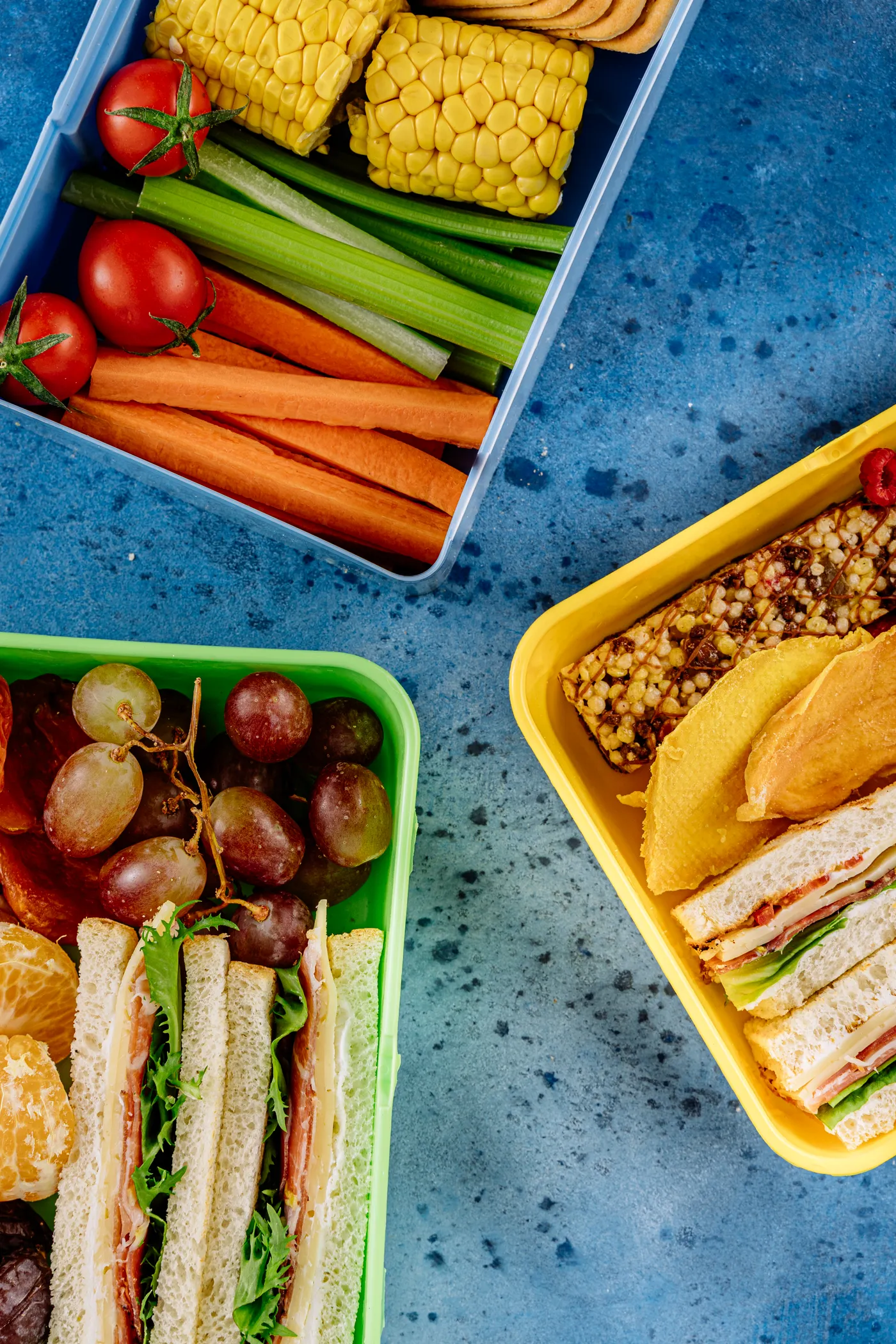
A realistic school-day plan can be flexible without being vague. Before school, offer breakfast and a drink. Pack water plus a snack that can survive the commute. At lunch, include a satisfying carbohydrate source, protein and some produce. Before afternoon training, eat a small familiar snack if lunch was several hours earlier. After practice, drink and have a snack or dinner containing both carbohydrate and protein. None of these meals needs to be expensive, photogenic or identical every day.
Consider an example day: oats, yogurt and berries at breakfast; a sandwich and fruit at school; rice, beans and vegetables at lunch; a banana before practice; and a family dinner with potatoes, vegetables and a protein source afterward. Swap foods for allergies, culture, budget and preference. On rest days, continue eating adequately for growth rather than using food restriction as compensation for lower activity. On tournament days, plan extra portable options because long travel and irregular schedules can make normal meals difficult.
For a four-week habit check, start by noting which meals and water breaks are routinely missed, without counting calories or weighing a young athlete. During week one, make a bottle and a pre-practice snack reliably available. In week two, improve breakfast access or add a portable alternative. In week three, add variety to lunches and plan a post-practice option. In week four, ask whether energy, concentration, enjoyment and recovery feel more consistent. The objective is better routines, not body-weight targets.
Parents and coaches should be alert to persistent dizziness, repeated injuries, unusual fatigue, rapid weight change, food anxiety or signs of delayed growth and seek qualified help when they appear. Young athletes deserve a supportive environment in which performance and health are not reduced to appearance. The best fueling plan is the one that provides enough energy, protects a healthy relationship with food and remains workable through school, sport and ordinary family life.