Creatine is usually discussed as a supplement for people who lift. A 2026 experiment asked a more surprising question: what happens when middle-aged adults take creatine without joining a structured exercise program? The findings included improvements in some measures of lean tissue and physical performance, but the headline needs careful reading. Lean tissue is not the same as newly built muscle fibers, and this trial was not a substitute-for-training experiment.
That distinction matters if you are considering creatine for healthy aging, returning to the gym after a break, or simply trying to maintain strength through a busy decade. Here is what the participants actually did, what the measurements can tell us, and how to turn the evidence into sensible decisions without overselling a powder.
What the 12-week trial actually tested
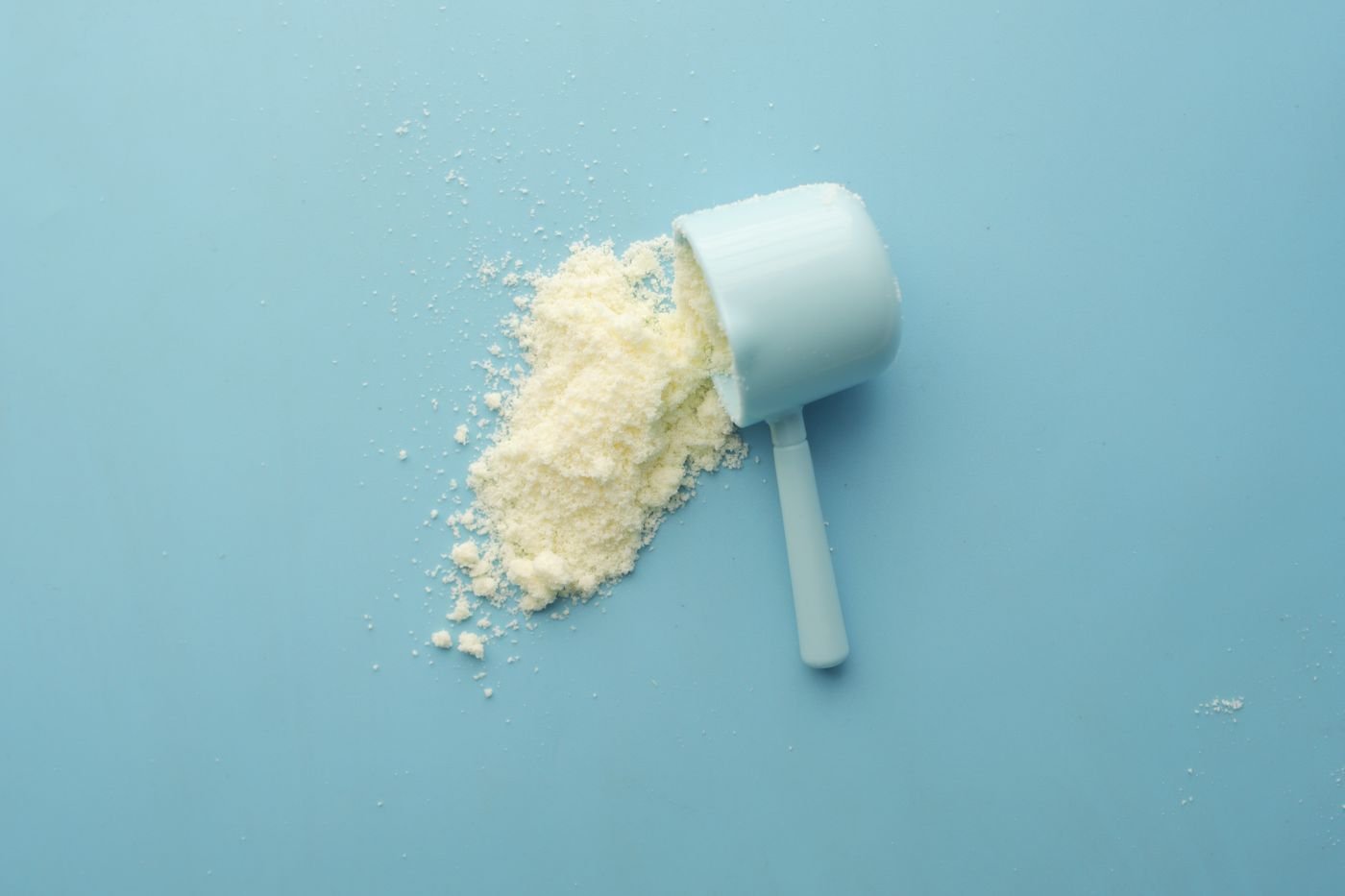
The study enrolled 73 sedentary adults and analyzed 64 who completed the intervention. Participants were 45 to 65 years old, with an average age of about 54.5; 40 were women and 24 were men. The trial lasted 12 weeks, with measurements at baseline, week six, and week twelve. The supplement was creatine monohydrate at 10 grams per day, divided into two five-gram servings, compared with a matching placebo.
There is an important detail in the design: people chose whether to enter a non-exercise condition or a combined exercise-and-diet condition. Creatine versus placebo was randomized within those conditions, but participation in the exercise program itself was not randomly assigned across the entire sample. That means differences between the two lifestyle conditions cannot be treated as a clean randomized comparison of exercising versus not exercising.
Researchers assessed body composition with dual-energy X-ray absorptiometry, usually called DXA, alongside strength, muscular endurance, cognitive tasks, blood markers, questionnaires, and other outcomes. This is broader than a study that simply checks body weight. It is also a reason to be selective when interpreting results: when many outcomes are tested in a modest sample, isolated positive findings may be less stable than a clear, consistently replicated primary endpoint.
For a practical reader, the useful question is not whether creatine magically replaces training. It is whether supplementation can produce measurable changes under specific conditions, and how confidently those changes can be attributed to muscle tissue, performance, or long-term health.
What changed without structured exercise?

In the non-exercise condition, the investigators reported improvements with creatine in lean tissue mass, selected strength and muscular-endurance measures, and some metabolic and cognitive markers. The study therefore adds a useful signal: creatine may have effects worth examining beyond its familiar role in repeated hard exercise. But a signal is not proof that an inactive person can build substantial contractile muscle without providing a training stimulus.
There are three reasons for restraint. First, DXA estimates lean soft tissue, which includes water and other non-fat components; it does not directly count new muscle fibers. Second, creatine can increase water held within muscle, especially during early supplementation. Third, the participants were relatively healthy adults in a controlled 12-week study, not a representative sample of everyone over 45, including people with major chronic illness or severe mobility limitations.
It would also be a mistake to convert changes in test performance into an exact promise of everyday function. A stronger result on one laboratory task does not automatically mean fewer falls, faster walking, better independence, or greater longevity. Those are separate outcomes that require longer and larger studies.
If you do not currently train, the study offers a reason to keep an open mind about creatine, not a reason to postpone exercise. Resistance training supplies mechanical loading, skill practice, and progressively challenging movement patterns that a supplement cannot replicate. Creatine may influence energy availability and measurements of lean mass; lifting remains the main controllable stimulus for developing strength and muscle function.

Equipment Worth Exploring
Explore equipment, accessories and gear from our carefully selected range.


FID Bench MAX
Adjustable bench offering flat, incline, and decline positions + adjustable headrest.


VOLTRA
Compact digital cable trainer with smooth, adjustable resistance.

Go-Tone Pro
Portable digital cable trainer with up to 66 lb (30 kg) of adjustable resistance.

Why the exercise-and-diet group tells a different story
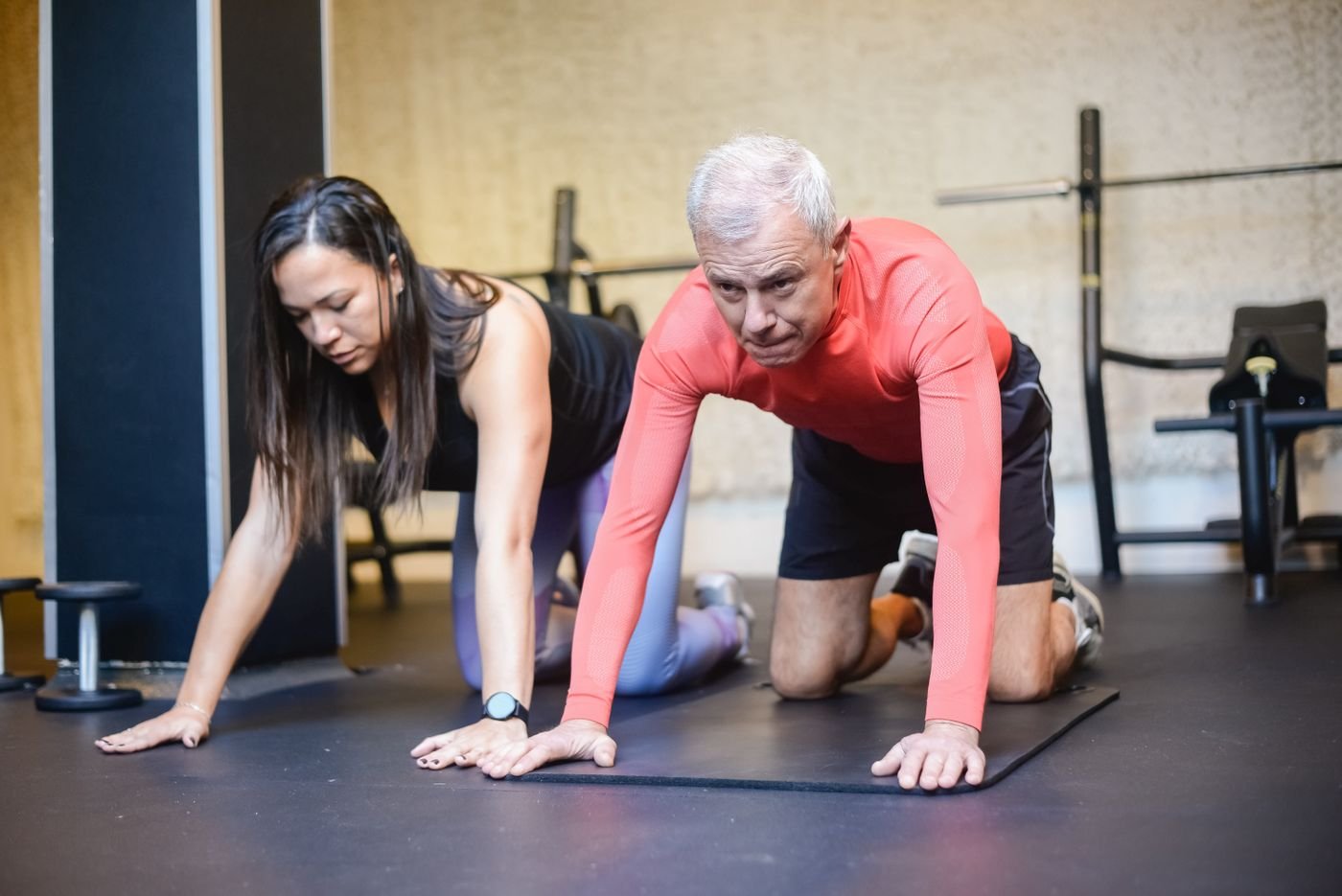
The second condition combined a structured training program with dietary intervention aimed at weight loss. Participants taking creatine in that condition showed favorable changes in lean tissue, strength, endurance, and body-fat percentage. This is interesting for people who want to reduce fat while protecting training performance, but it does not isolate creatine from every other behavior. Training exposure, energy intake, adherence, and starting fitness all matter.
Imagine two people whose scale weight drops by three kilograms. One keeps lifting, consumes adequate protein, and maintains strength. The other cuts calories aggressively and stops challenging the major muscle groups. Their identical scale change could conceal very different changes in lean mass and function. This is why body composition and performance should be interpreted together, rather than treating a single percentage as the whole story.
Previous pooled evidence in older adults generally supports a modest additional strength benefit when creatine is paired with resistance training. Yet the literature is not perfectly consistent on how much extra muscle mass or physical function supplementation adds. Some reviews find larger lean-tissue gains; more recent analyses find the strength signal clearer than the mass or function signal. Differences in age, training program, dosage, study duration, and measurement methods likely contribute to that spread.
For someone already lifting, creatine can be a reasonable optional adjunct. It is not a replacement for sufficient training effort, progressive overload, food, sleep, or recovery. For someone who is dieting, the sensible priority is to preserve resistance training and avoid an unnecessarily large calorie deficit. A supplement can be considered after those fundamentals are in place.

Bodybuilding Shirts & Workout Gear
Bodybuilding shirts, tanks and gym gear for lifters chasing muscle, size, symmetry and the pump.

Creatine Gym Cosmic Graphic , Crazy Workout Shirt T-Shirt
Make gym days more fun with “Creatine” style.

Creatine Miami Crime Gym Parody , Bodybuilders & Movie T-Shirt
Show some gym-day personality with “Creatine”.

Powered By Creatine Breaking Bad Meme & Bros Tank Top
Add some lifting attitude to training with “Powered By Creatine”.

Funny Sniffing Creatine Gym | Hilarious Sweater | Gym M T-Shirt
Bring “Sniffing Creatine” humor to your everyday gym style.

Wheynie The Pooh Bodybuilders & Hooded Hoodie
Make your off-duty look more fun with “Wheynie The Pooh”.

Free Protein Gym | Sarcastic Workout For Bodybuilding & Hoodie
Stay casual and show some lifting attitude with “Free Protein”.

Brotein Bar Gym | Funny Protein Bar Meme Workout Decal Sticker
Bring “Brotein Bar” attitude to your water bottle or laptop.

Protein King Gym | Funny Burger King Parody Workout | E Hoodie
Keep it laid-back with a little “Protein King” attitude.

This Is Your Body On Protein Shirt – Meme & Top T-Shirt
Bring “This Is Your Body On Protein” humor to your next gym day.

Creatine Monster Cookie Monster Meme Decal Water Sticker
Put “Creatine Monster” gym humor on your laptop, bottle, or gym gear.
Lean mass is not the same as new muscle tissue

One of the easiest mistakes in supplement coverage is to equate a rise in DXA lean mass with an equal amount of new muscle protein. DXA divides the body into broad compartments such as bone mineral, fat, and lean soft tissue. It is valuable for tracking trends under consistent conditions, but it cannot distinguish every gram of contractile muscle from water, glycogen, and other components of lean tissue.
Creatine is stored in muscle and contributes to rapid energy buffering through the phosphocreatine system. Supplementation can raise muscle creatine stores, which often increases intracellular water. That is not inherently a bad change, nor does it mean all lean-mass gains are meaningless. It simply means that a one-kilogram increase in lean mass over a few weeks should not be advertised as one kilogram of newly grown muscle fibers.
For better self-monitoring, use a small set of repeatable signals: body weight averaged across several mornings, waist measurement, a few consistent exercise performances, and how your clothes fit. If you have access to DXA, compare scans under similar hydration and timing conditions. A home bioimpedance scale can be useful for broad trends, but daily muscle-mass readings are too sensitive to fluid shifts to justify precise claims.
There is another measurement trap. If creatine improves your ability to complete extra high-quality repetitions, the downstream training benefit may develop over weeks and months. That is different from an immediate increase in lean tissue after starting supplementation. Separate the short-term water-and-energy effects from the long-term adaptations to progressive resistance exercise.
The practical takeaway is simple: track strength and function alongside body composition. A supplement that moves a scanner number but does not improve your training or daily capability should not automatically be called a muscle-building breakthrough.
Ten grams in the trial does not mean everyone needs ten
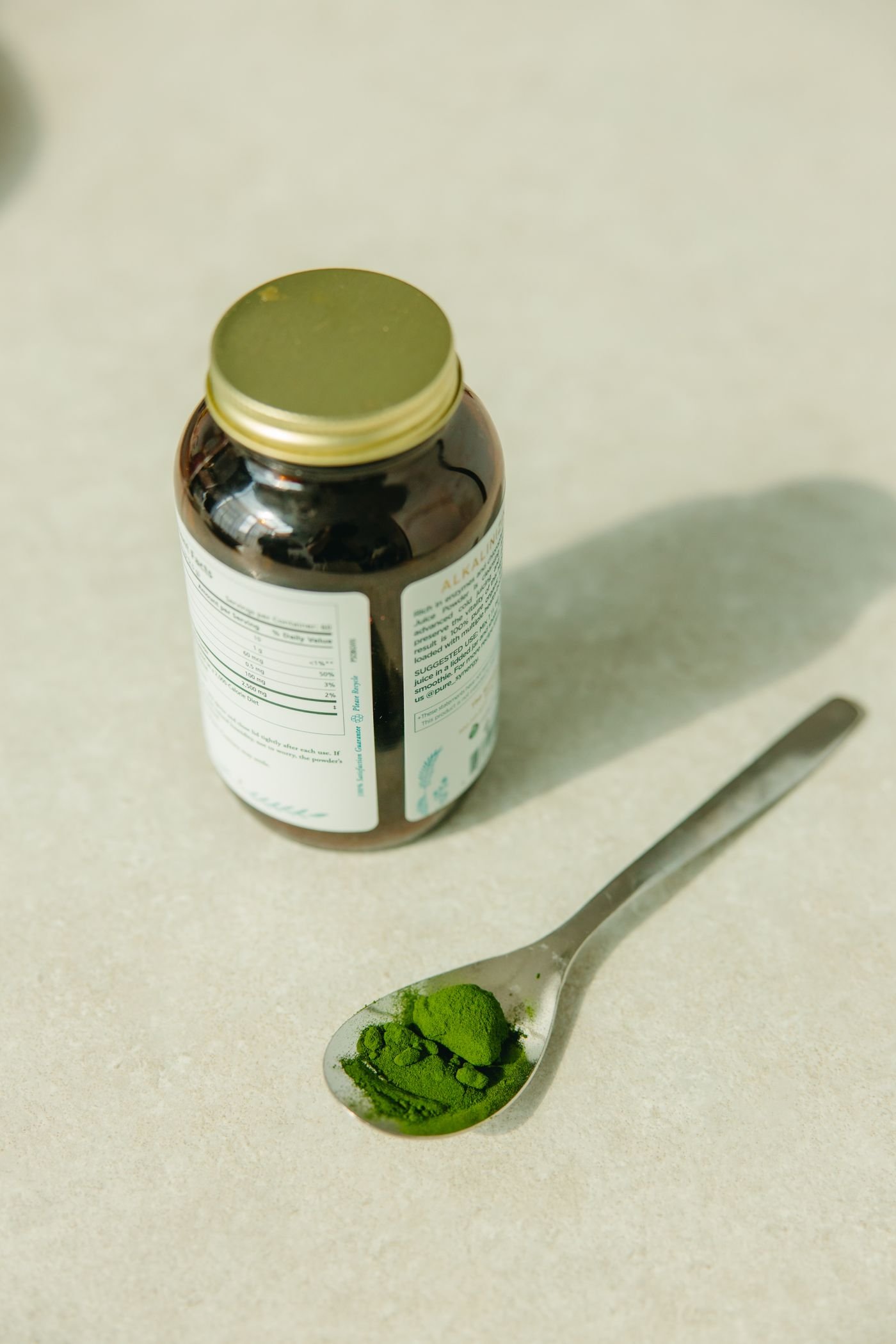
The intervention used 10 grams of creatine monohydrate daily. That dose matters when comparing its results with common advice. A widely used maintenance approach is three to five grams per day. Some protocols use a short loading phase of around 20 grams per day, split into several doses, followed by maintenance; others skip loading and allow stores to rise more gradually. The 2026 trial does not establish that 10 grams is superior for every adult or that more always produces more muscle.
Creatine monohydrate is the best studied form. Expensive formulations should not be assumed to outperform it without direct comparative evidence. A simple ingredient list, accurate serving size, and independent quality testing are more useful shopping criteria than exaggerated claims about absorption or rapid transformations.
Safety deserves the same precision. A large review of hundreds of human trials did not find a meaningful overall increase in reported side effects compared with placebo. That is reassuring for generally healthy participants under studied conditions, but it does not mean every individual should start without considering medical history. People with kidney disease, relevant medications, or complex health conditions should discuss supplementation with a qualified clinician. Gastrointestinal discomfort can occur, especially with larger servings.
Also distinguish the supplement from the diet around it. Creatine is not a protein powder and does not replace dietary protein, energy, or micronutrients. A person can meet a creatine routine perfectly and still under-eat, recover poorly, or fail to progress in training. Conversely, someone who eats well and trains consistently can improve without taking creatine at all.
Use the trial as evidence about one specific 12-week protocol, not as a universal dosage prescription or a reason to buy a premium blend.
Equipment Worth Exploring
Explore equipment, accessories and gear from our carefully selected range.


Power Tower
Freestanding pull-up and dip station with adjustable handles for bodyweight training.

Leather Lifting Straps
Padded leather straps support grip during heavy rows, deadlifts and pulling exercises.


GymPin Squat Wedges
Non-slip 15-degree squat wedges help elevate the heels for deeper quad-focused squats.
A practical four-week plan that does not depend on supplements
If your goal is strength, begin with a program that you could continue even if you never used creatine. Three nonconsecutive full-body sessions per week work well for many adults, while two sessions are a reasonable starting point when time or recovery is limited. Choose a squat or sit-to-stand pattern, a hip hinge, a push, a pull, and a carry or trunk exercise. Start with variations that you can control safely.
Week 1: Perform two working sets per exercise, generally six to twelve controlled repetitions, with approximately two to four repetitions left in reserve. Record the load, reps, and any discomfort. If you are returning after a long break, one set may be enough for the first session. The point is to establish technique and a repeatable baseline, not to chase soreness.
Week 2: Repeat the same movement patterns. Add one or two repetitions where form remains stable, or increase resistance slightly once you reach the top of your chosen rep range. Keep the majority of sets shy of failure. Rest long enough that your breathing and grip are ready for the next quality set.
Week 3: If recovery is good, add a third set to one or two priority movements rather than increasing every exercise at once. For example, make the squat and row three sets while keeping the hinge, press, and carry at two. On off days, add comfortable walking or other low-impact activity without turning every day into a maximal workout.
Week 4: Compare your first-week and fourth-week performance using the same exercises and similar technique. A small improvement in repetitions or load is useful. If joints feel irritated, sleep has deteriorated, or performance is falling, hold the volume steady or reduce it temporarily. Progress is the accumulation of manageable training weeks, not a single heroic session.
Someone who chooses to use creatine can keep the same training log and note when supplementation began. Avoid interpreting the first few days of scale-weight change as proof of hypertrophy. Keep hydration, food intake, and measurement timing reasonably consistent. If you are older, deconditioned, or managing a medical condition, begin with professional guidance and movements suited to your current capacity.
Funny Gym Shirts & Workout Gear
Funny gym shirts, tanks, hoodies and workout gear for lifters who like training hard.

Lift Heavy Be Happy Meme Bros & Gains Top T-Shirt
Show some powerlifting attitude with a playful “Lift Heavy Be Happy” tee.

Consistency Is Key Stoic Greek God Marble Sculpture T-Shirt
Make gym days more fun with “Consistency is Key Stoic Greek God Marble” style.

Progressive Overload Milo Tee
Bring “Progressive Overload Milo Bull” humor to your next gym day.

I Want You To Lift Heavy Gym | Funny Uncle Sam Patrioti Hoodie
Stay casual and show some powerlifting attitude with “I Want You To Lift”.

Be Stronger Than Your Excuses Motivational Workout Pull Hoodie
Make your off-duty look more fun with “Be Stronger Than Your Excuses”.

Up The Weights Sweatshirt
Bring “Up The Weights Iron Maiden” humor to your everyday gym style.

Viking Gym – Funny Norse Workout Vest Muscle Shirt & St Tank Top
Bring “Viking” humor to your next lifting session.


Massquatch Bigfoot Sasquatch Decal Water Bottles & Sticker
A fun “Massquatch Bigfoot” touch for bottles, laptops, and lockers.

Shirt – Train Hard Gains – Meme , & Workouts T-Shirt
Bring “Train Hard Gains” humor to your next gym day.
What this study can and cannot tell us about aging

The strongest reading of this experiment is narrower than the most exciting headline. In 64 completers aged 45 to 65, a 12-week creatine protocol produced favorable changes in selected outcomes, including some measures in people who did not join the structured exercise-and-diet condition. The results justify further investigation. They do not establish that supplementation alone prevents age-related muscle loss, replaces resistance training, or improves lifespan.
Several limitations matter. The sample was small, the intervention was relatively short, the lifestyle conditions were self-selected, and the researchers examined many outcomes. The participants were not a random sample of all older adults. Some cognitive and biomarker results were exploratory, so they should not be turned into promises about memory or disease prevention. The study also involved disclosed relationships and supplement provision that readers should consider when weighing the evidence, even though those facts do not automatically invalidate the findings.
Longer trials would help distinguish early fluid-related changes from durable muscle adaptations, identify which populations benefit most, and compare ordinary maintenance doses with the higher intake used here. Independent replication would be especially valuable for outcomes beyond strength and body composition.
For now, the hierarchy remains sensible: train regularly at an appropriate level, eat enough high-quality food, sleep adequately, and measure progress with more than a scale. Creatine monohydrate may be a useful, relatively well-studied option for some adults, but its value is best judged as part of that larger routine. A promising result without exercise is interesting science; it is not a shortcut that makes movement optional.
Some product links may be affiliate links, which can support Mind Muscle Perfection at no additional cost to you.