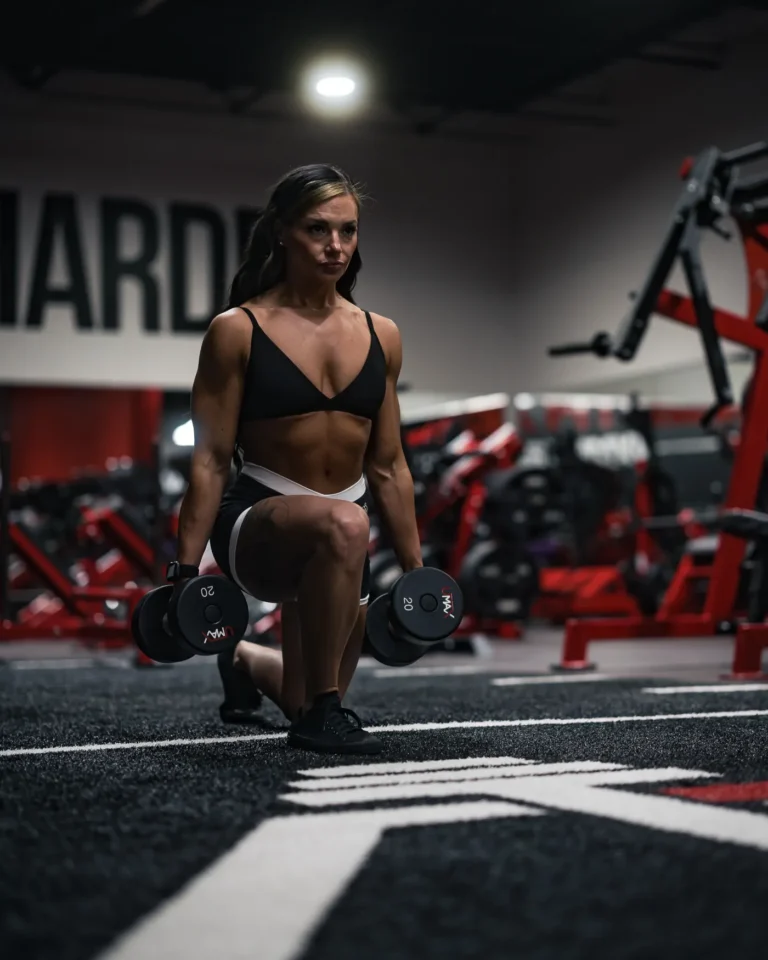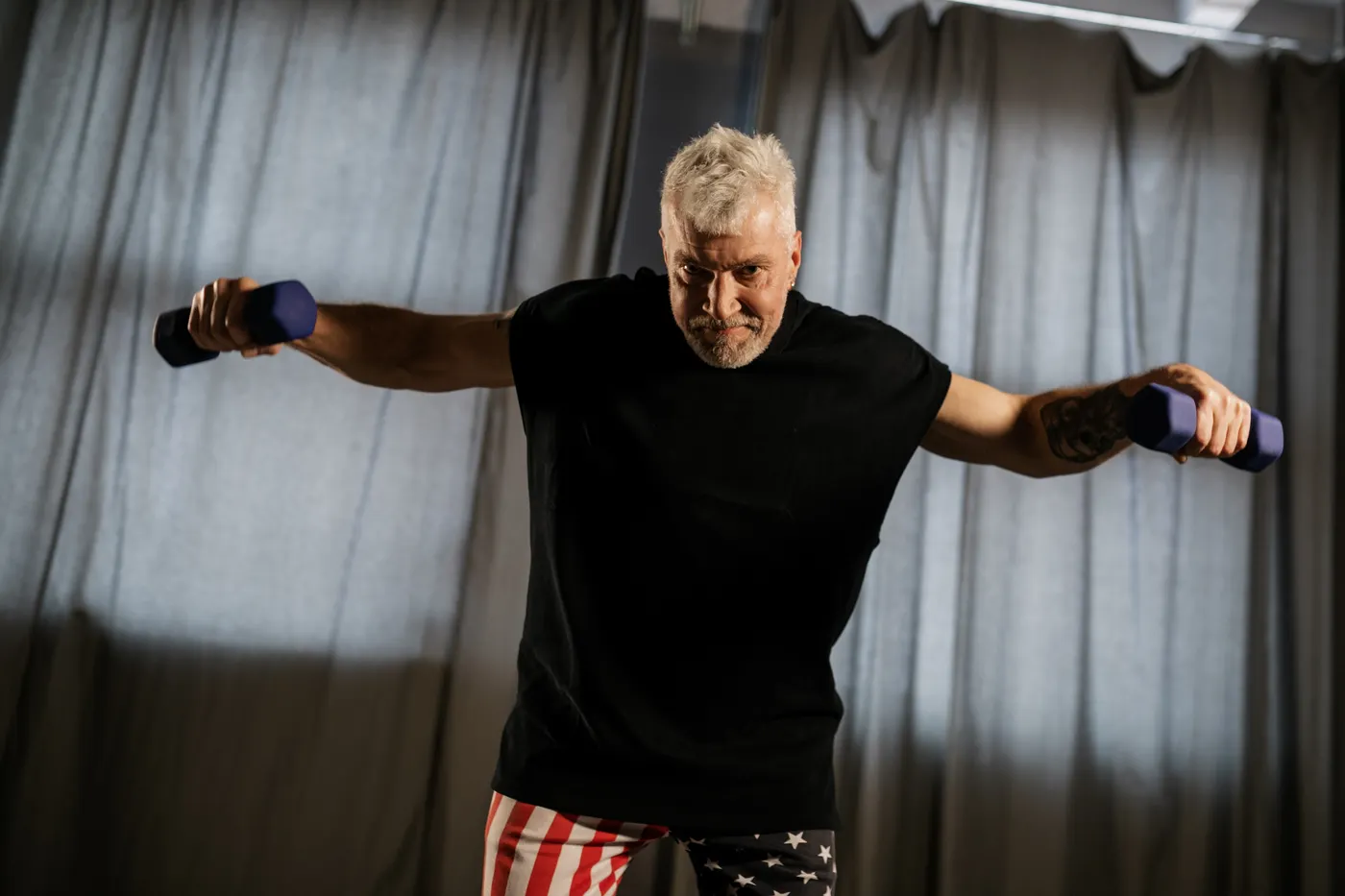
Can a vegetarian diet build muscle as effectively as an omnivorous diet after age 55? A randomized trial published online in September 2026 offers a more useful answer than the familiar argument about whether plant protein is good or bad. Older adults in both groups gained muscle and improved functional strength during twelve weeks of lifting. Yet the vegetarian group consumed less protein, and the trial did not establish that its muscle gains were sufficiently close to those of the omnivorous group.
Improvement within both groups is not proof that the two diets performed identically. Equally, failing to demonstrate noninferiority does not mean vegetarian eating prevents muscle growth. The important question is what people actually ate while following the same broad training schedule.
1. What the twelve-week experiment tested
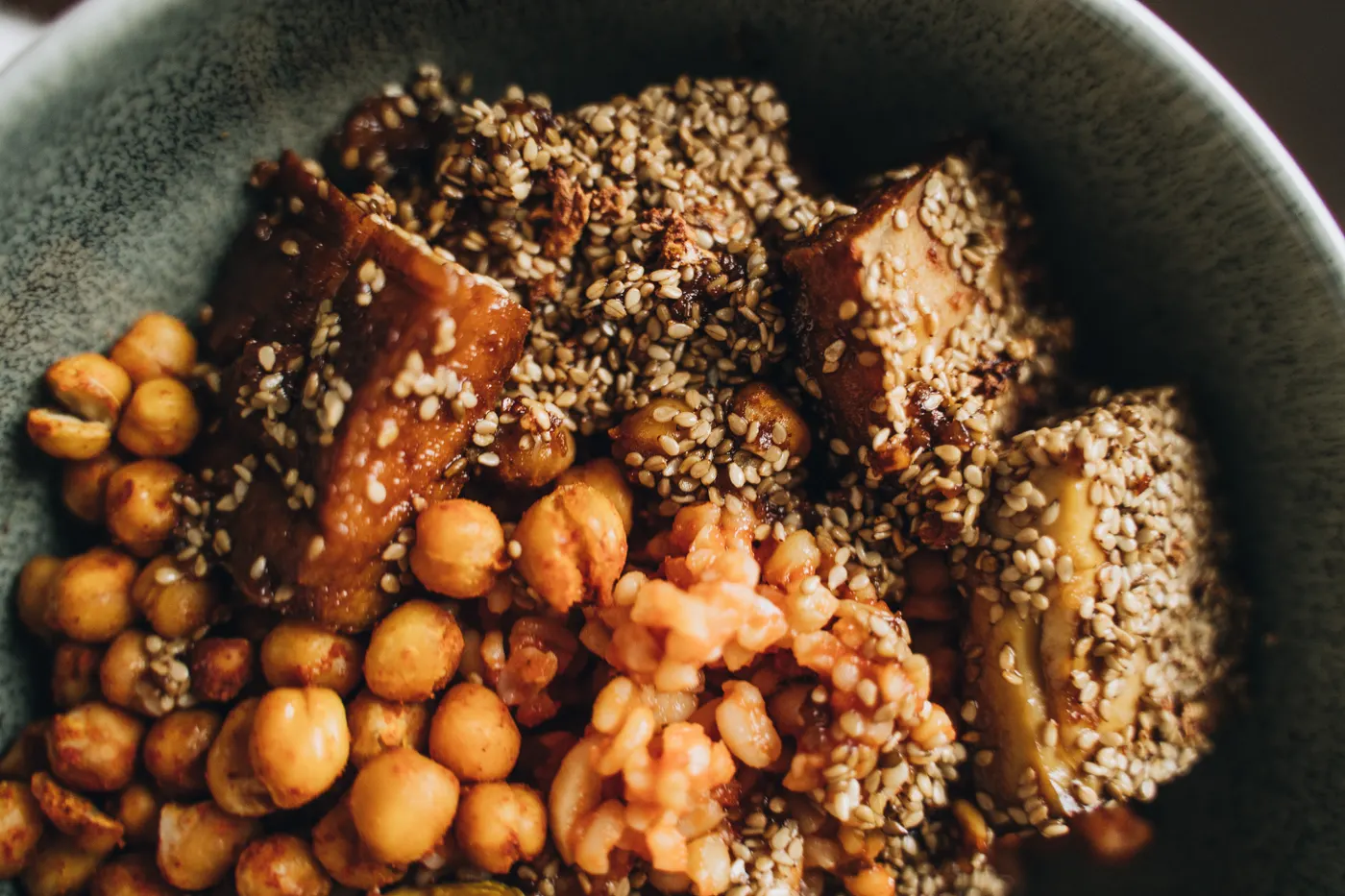
The randomized trial enrolled 108 adults aged 55 or older. Their median age was 66, and 58 percent were women. Participants received dietary counseling and completed resistance training three times weekly for twelve weeks. One group followed a lacto-ovo vegetarian diet, which included eggs and dairy but excluded meat and fish. The other group followed an omnivorous diet.
Participants chose their own meals rather than receiving identical packaged foods. Both groups were encouraged to reach at least 1.2 grams of protein per kilogram of body weight daily. Vegetarian participants aimed to get at least 60 percent of their protein from plants; omnivorous participants aimed for at least 60 percent from animal sources. These are different eating patterns, but they do not guarantee matched protein intakes.
Researchers assessed food records and appendicular muscle mass—the lean tissue in arms and legs—using DXA scans. They also measured leg-press strength, chair-stand performance and grip strength. Importantly, the study was designed to test whether the vegetarian approach was noninferior within prespecified margins, not simply whether either group improved over time. That distinction determines how its results should be interpreted.
2. The muscle gains were real, but the protein gap matters
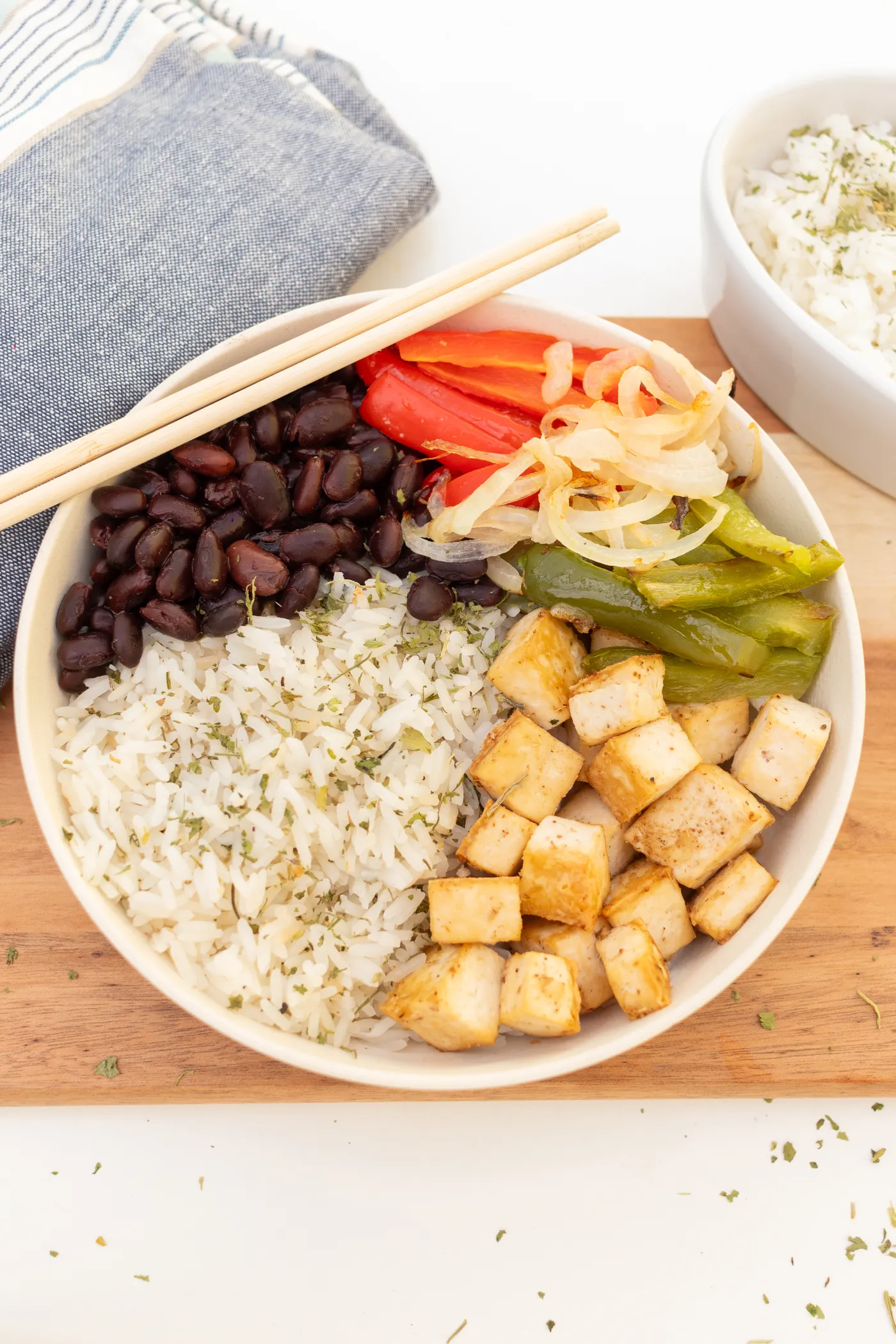
At the end of the intervention, average protein intake was approximately 1.24 g/kg/day in the vegetarian group and 1.58 g/kg/day in the omnivorous group. For someone weighing 80 kg (176 lb), that is roughly 99 versus 126 grams daily—a difference of about 27 grams, or one substantial protein-rich snack.
Estimated appendicular muscle mass increased by 0.38 kg (0.84 lb) in the vegetarian group and 0.66 kg (1.46 lb) in the omnivorous group. Both groups had statistically significant gains from their own starting points. However, the between-group estimate was −0.33 kg for the vegetarian arm, and its confidence interval did not satisfy the study’s prespecified noninferiority criterion. The investigators therefore could not establish that vegetarian eating produced muscle gains close enough to those of omnivorous eating under their chosen margin.
That is narrower than saying meat is essential. Total protein was not matched between the groups, so the experiment cannot isolate whether the difference was caused by amino-acid composition, overall protein quantity, meal choices or adherence. A vegetarian diet deliberately providing 1.58 g/kg might have yielded different results; this trial did not test that specific comparison.
It is also inaccurate to dismiss the difference merely because both groups improved. The trial’s primary statistical question was about how close the outcomes were, not whether the vegetarian group gained any muscle. Its confidence interval and predefined margin are therefore central to the conclusion.
3. Strength and everyday function add another perspective
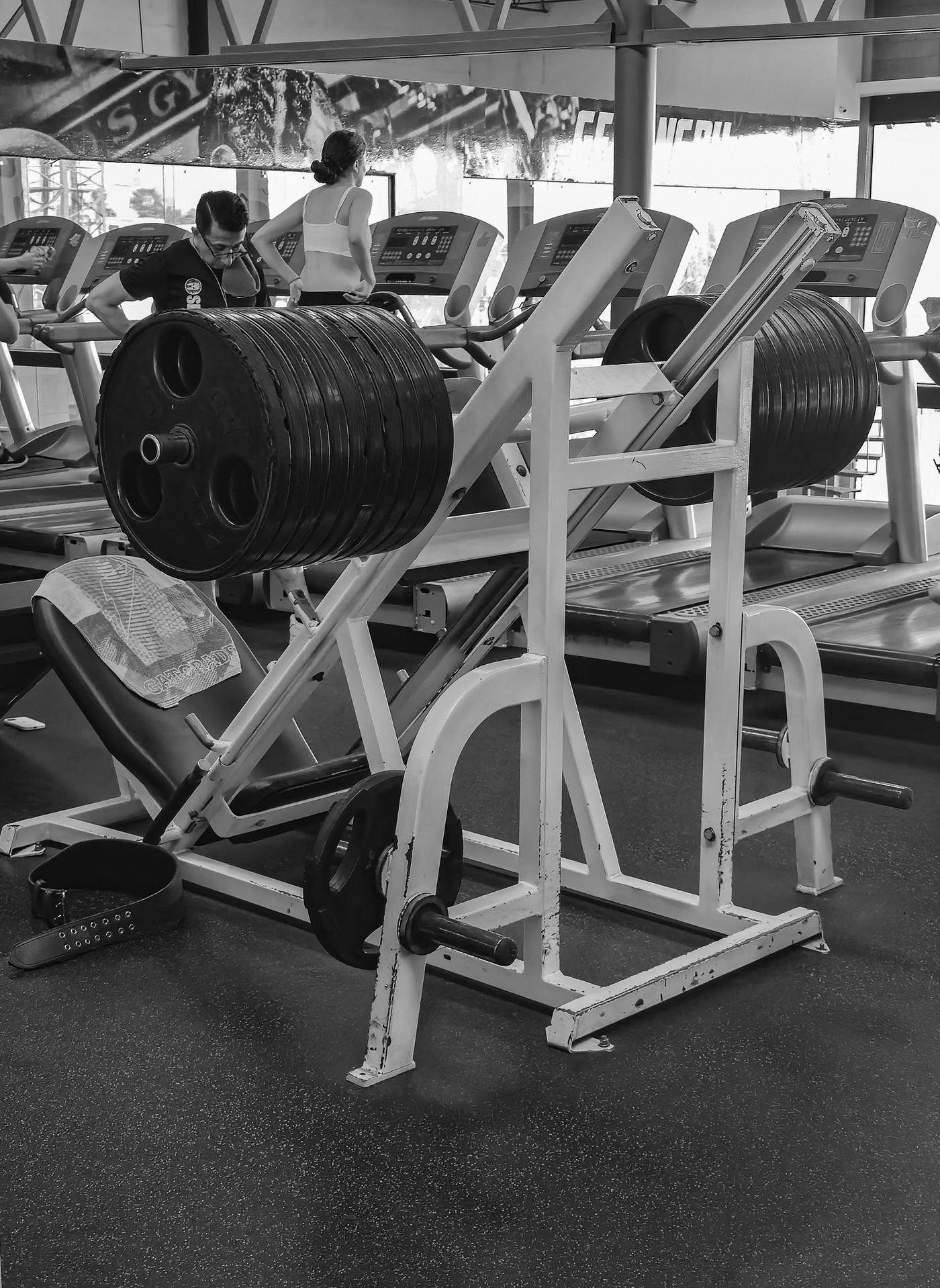
Both groups improved leg-press strength and chair-stand performance, without a detected between-group difference on those outcomes. That matters because older adults often care more about climbing stairs, carrying shopping, getting out of a chair and remaining independent than about a number on a body-composition scan.
However, no statistically significant difference is not the same as proof of equivalence. Muscle size, exercise skill, nervous-system adaptations and functional performance are connected but not interchangeable. A twelve-week lifting program can improve how effectively someone uses existing muscle before large structural changes appear. DXA estimates lean tissue; it does not directly count individual muscle fibers, and changes in hydration can affect readings.
The practical signal is that resistance exercise helped both groups. Three weekly sessions supplied a repeated reason to maintain and build strength. Nutrition supported that stimulus rather than replacing it. A separate trial in younger adults found similar gains on deliberately high-protein vegan and omnivorous diets, while another 2026 trial involving older adults raised concerns about lower protein intake during self-selected vegan eating. Those populations, menus and study designs differ, so the findings should not be treated as interchangeable.
For someone choosing where to invest effort, consistent progressive lifting, enough energy and sufficient daily protein are more actionable starting points than declaring one dietary identity the universal winner.

Equipment Worth Exploring
Explore equipment, accessories and gear from our carefully selected range.


FID Bench MAX
Adjustable bench offering flat, incline, and decline positions + adjustable headrest.


GymPin Squat Wedges
Non-slip 15-degree squat wedges help elevate the heels for deeper quad-focused squats.

4. Choosing a workable protein target after 55
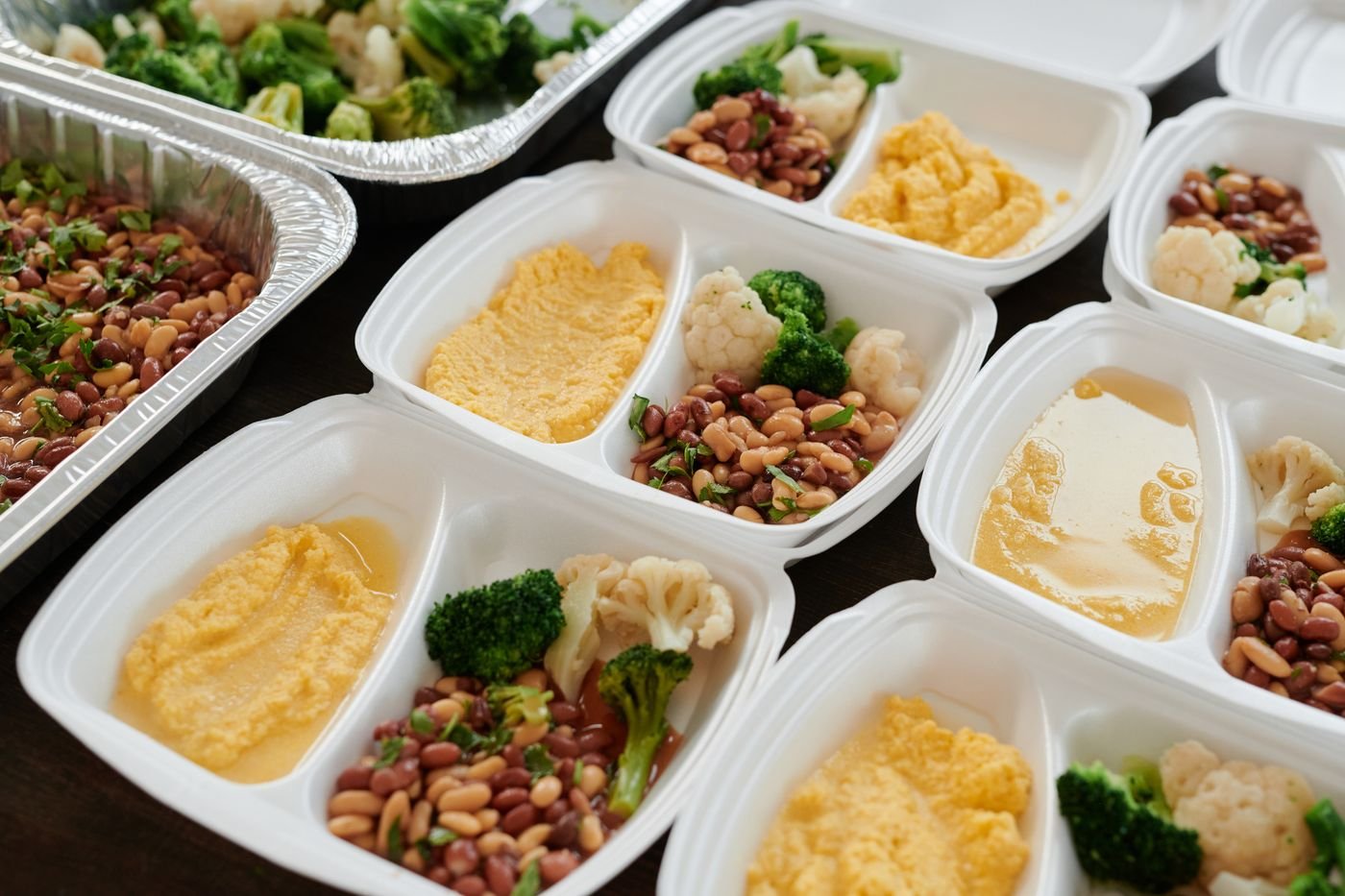
The experiment set a minimum goal of 1.2 g/kg daily, which both groups achieved on average. It is a useful reference for many healthy older lifters, not a universal prescription. Body size, medical conditions, appetite, calorie intake and exercise demands can change an appropriate target. People with chronic kidney disease or a medically prescribed protein restriction should seek individualized advice rather than adopting a gym recommendation.
For illustration, 1.2 g/kg means 72 grams at 60 kg (132 lb), 96 grams at 80 kg (176 lb), and 120 grams at 100 kg (220 lb). At 1.5 g/kg those amounts become 90, 120 and 150 grams. A higher target is not automatically better, but it may create a practical buffer when a vegetarian menu contains many nutritious yet relatively low-protein foods.
Build protein into ordinary meals rather than saving nearly all of it for dinner. Breakfast might include eggs, high-protein yogurt or fortified soy foods. Lunch could combine tofu with legumes and grains. Dinner might include tempeh, lentils, dairy or another concentrated protein source. Exact values vary widely by product and portion, so labels are more reliable than assumptions based on a food’s healthy reputation.
Beans, nuts, seeds and grains all contribute valuable nutrients, but some deliver comparatively little protein for their calories. When appetite is limited, a more concentrated source can be easier than simply adding a bigger bowl of food. A supplement can be convenient but is not compulsory if regular meals meet the goal.

Bodybuilding Shirts & Workout Gear
Bodybuilding shirts, tanks and gym gear for lifters chasing muscle, size, symmetry and the pump.

Plants & Weights 45LB Plate Plant Fitness Barbell Worko Sticker
Put “Plants & Weights 45LB Plate” gym humor on your laptop, bottle, or gym gear.

Broccolift Eat Broccoli Lift Sweater Gains Meme T-Shirt
For laid-back days and meal-prep humor: “Broccolift”.

– I'M Just Here Because I Like To Eat Sweater & Food T-Shirt
Show some gym-day personality with “I'm Just Here Because I Like To Eat Workout”.

Eat Big Lift Big Get Big Bulking Season Pizza Chef T-Shirt
Heavy lifts, good laughs, and a little “Eat Big Lift Big Get Big” energy.

Protein In The Jar Crewneck Gym Apparel Pullover Sweate T-Shirt
Add a playful “Protein In The Jar” touch to your casual rotation.

Fuel Your Gains Metallica Rock Music — Protein Shakes M Tank Top
Your gym-day look, with a playful “Fuel Your Gains Metallica Rock Music” twist.

I So I Can Eat Cookies Hooded Hoodie
Bring “I Workout So I Can Eat Cookies Hooded” gym humor to lazy days and post-workout plans.

Protein Miami Gym Meme for Bodybuilders, Lifters & Movi T-Shirt
Show some gym-day personality with “Protein”.

Work Hard Eat Hard Donut Dumbbell Donuts Barbell T-Shirt
Show some gym-day personality with “Work Hard Eat Hard Donut Dumbbell Donuts”.

Low Carb Diet Adult Humor Sweater Meme Top T-Shirt
Show some gym-day personality with “Low Carb Diet”.
5. The strength routine is still the main event
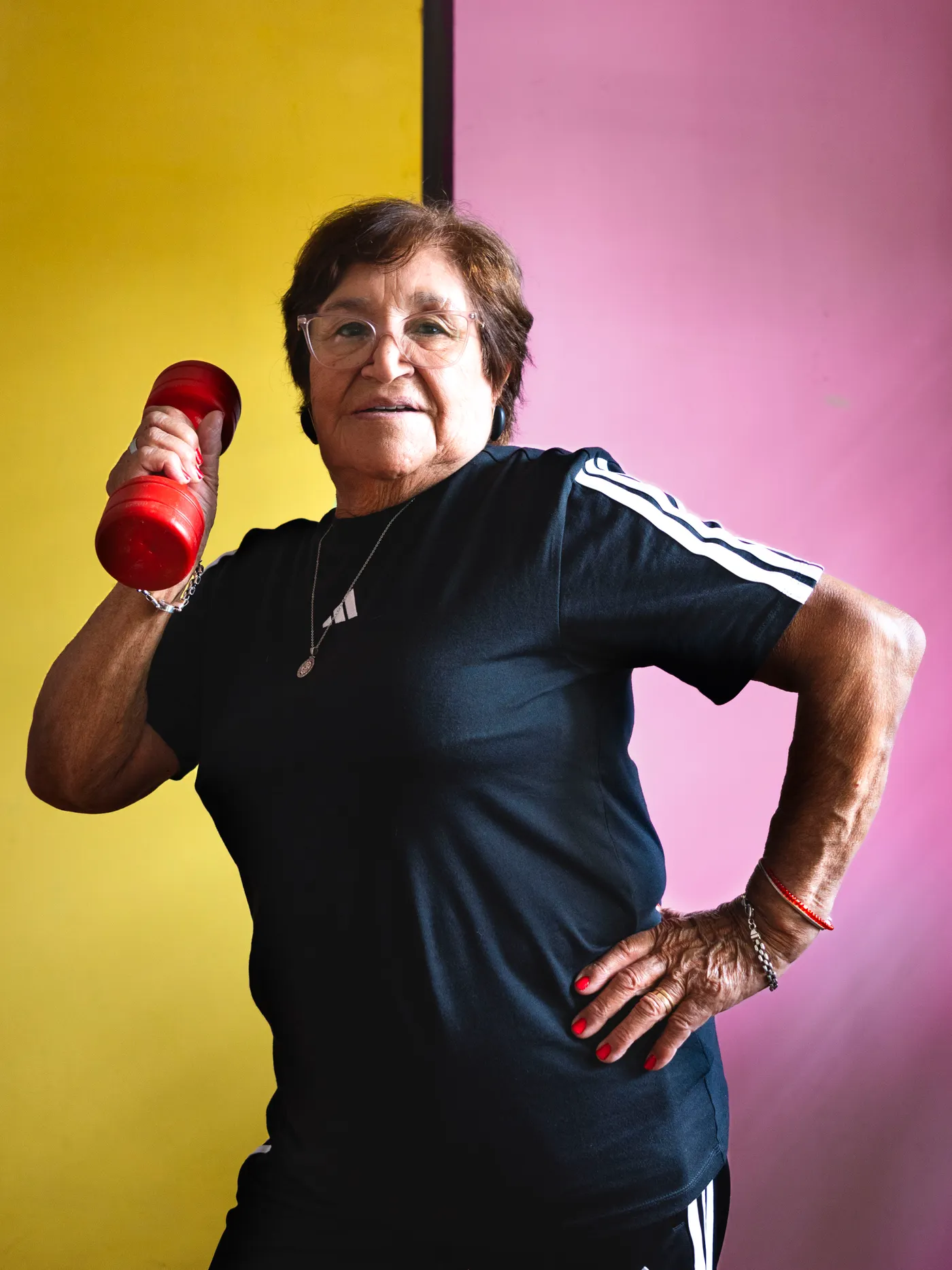
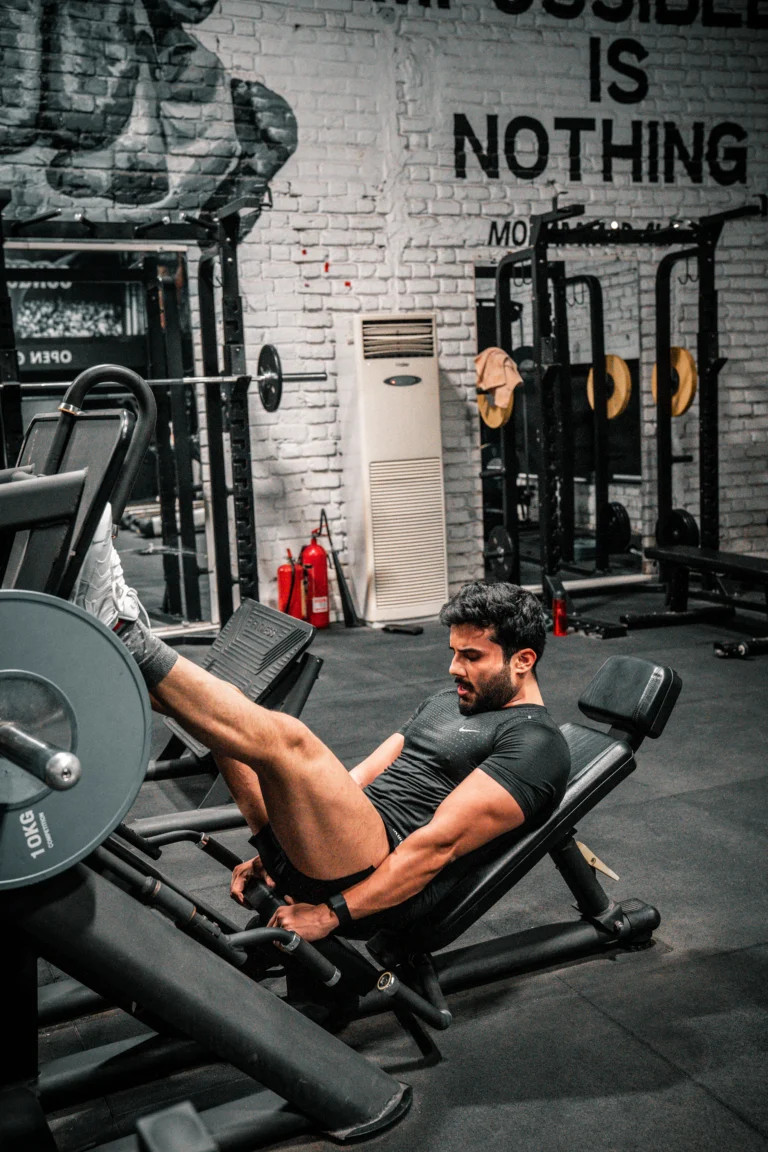
Training three times a week is a practical template. Each session can include a knee-dominant movement such as a squat or leg press, a hip hinge, one upper-body push, one pull and an optional carry or balance exercise. Select movements that suit mobility, equipment, experience and medical advice instead of forcing every beginner into the same barbell lifts.
For someone starting out, two or three controlled working sets per exercise with a few repetitions left in reserve may be manageable. Add repetitions before increasing resistance, and make only small load changes when technique remains consistent. A person returning after months away may need fewer sets for the first two weeks. More advanced lifters can work harder, but progressive overload only helps when recovery is adequate.
An illustrative week could be Monday: leg press, seated row, chest press and calf raise; Wednesday: hip hinge, assisted pulldown, comfortable shoulder press and a carry; Friday: squat variation, supported row, incline push-up and chair stands. This is an example, not a reproduction of the trial protocol. Joint pain, balance concerns or recent illness may require a modified plan.
Track practical progress: more repetitions at the same weight, easier chair stands, steadier balance or the ability to carry everyday items. Body weight alone cannot distinguish muscle gain from shifts in fat or water. Several months of repeatable progress reveal more than one difficult workout or one scan.
Equipment Worth Exploring
Explore equipment, accessories and gear from our carefully selected range.
VOLTRA
Compact digital cable trainer with smooth, adjustable resistance.

Go-Tone Pro
Portable digital cable trainer with up to 66 lb (30 kg) of adjustable resistance.

Power Tower
Freestanding pull-up and dip station with adjustable handles for bodyweight training.


GymPin Ergo Handles
Pair of ergonomic cable handles shaped for comfortable triceps and pulling exercises.


HUSLA Leg Extension Pad
Pad attachment designed to increase usable range of motion on compatible leg-extension machines.
6. A realistic vegetarian training-day menu
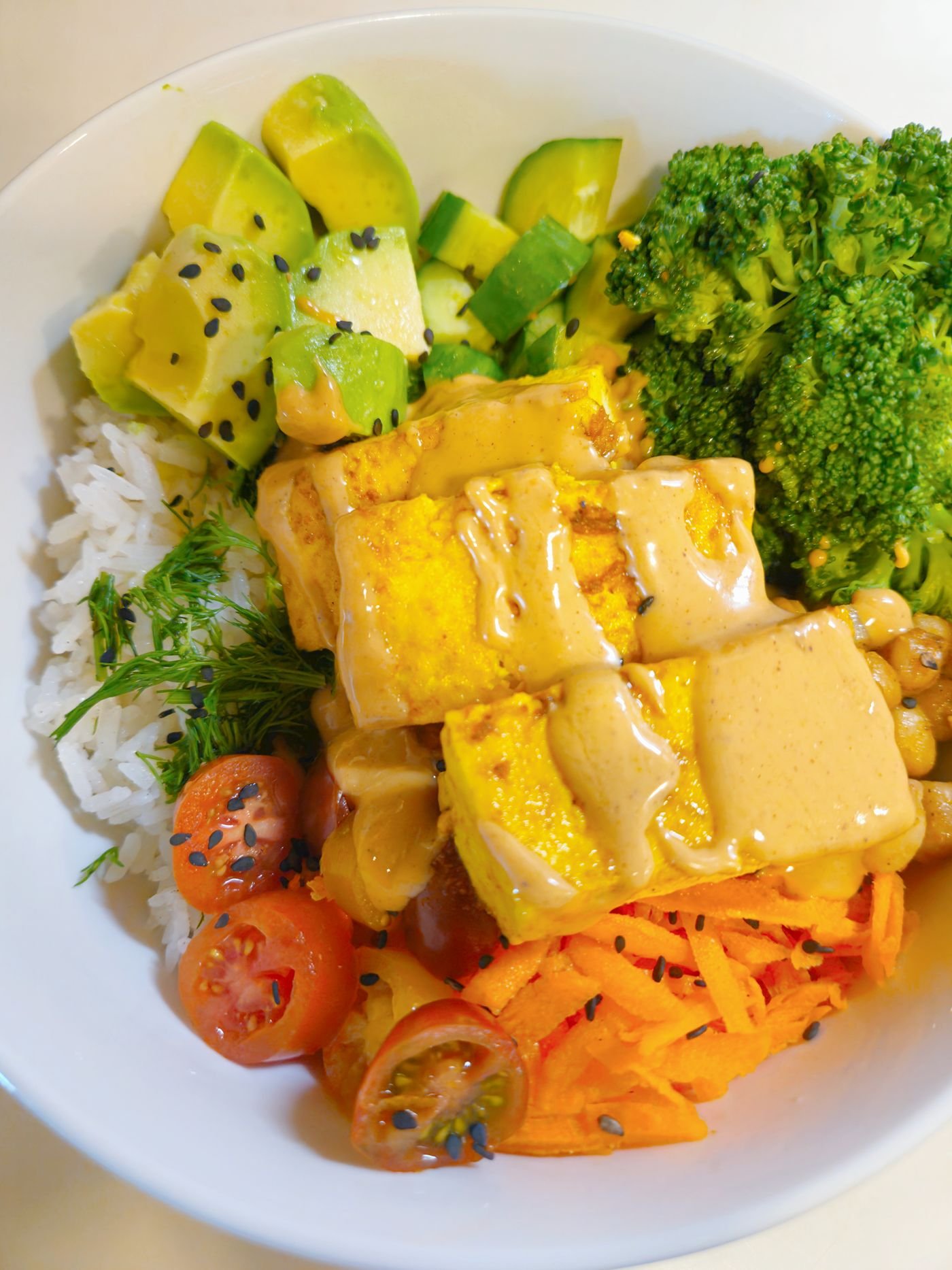
Imagine an 80 kg (176 lb) older adult planning roughly 100–120 grams of protein daily as an illustrative range. Breakfast could feature high-protein yogurt or soy yogurt, oats and seeds. Lunch might include a substantial tofu portion with chickpeas, vegetables and rice. A snack could be cottage cheese, edamame or a protein-rich soy drink. Dinner could pair lentils with tempeh, eggs or another concentrated source. The exact totals depend on portions and labels.
A rice-and-vegetable bowl can be filling without providing much protein; adding tofu or tempeh changes the calculation. Peanut butter and nuts are nutritious but calorie-dense, so using them as the main protein source can make high targets inconvenient. Soy foods, dairy, eggs and combinations of legumes and grains provide different ways to balance cost, taste and amino-acid intake.
Plan one reliable protein-rich ingredient in advance, then vary vegetables, sauces and grains so meals remain enjoyable. If a food causes digestive discomfort, substitute another source instead of abandoning the dietary pattern. Energy intake matters too: a large unintended calorie deficit can make building muscle difficult regardless of where the protein comes from.
A dietitian can tailor meals for allergies, poor appetite, digestive issues or medical conditions. The trial tested lacto-ovo vegetarian eating rather than a strict vegan diet; those patterns offer different food options and should not be assumed to perform identically.
Funny Gym Shirts & Workout Gear
Funny gym shirts, tanks, hoodies and workout gear for lifters who like training hard.

Macro Biceps Hoodie
Show off your superhero humor in a laid-back “Macro Biceps Ant Man” hoodie.

Workout for Tacos Sweatshirt
Keep things casual with a little “I Work Out So I Can Eat Tacos” attitude.

Pizza Cheat Day Pizza Weight Plate Sweater & Bulking T-Shirt
Show some gym-day personality with “Pizza Cheat Day”.

Eat More Whole Foods Donuts – Junk Food Meme Jumper Pul T-Shirt
For laid-back days and donut-loving humor: “Eat More Whole Foods Donuts”.

Cheersing Protein Shakes | Swole DiCaprio Great Gatsby T-Shirt
Add a playful “Cheersing Protein Shakes” touch to your casual rotation.

Funny Patriotic Gym – Uncle Sam Eat Your Protein 4th Ju T-Shirt
Bring “Patriotic” humor to your everyday gym style.

Lift Smart Brain Weight Plate Mind Muscle Connection 45 Sticker
Put “Lift Smart Brain Weight Plate” gym humor on your laptop, bottle, or gym gear.

Protein Monster – Protein Lovers, & Bros – Meme T-Shirt
Heavy lifts, good laughs, and a little “Protein Monster” energy.

Weights & Protein Shakes Tee
Bring “Heavy Weights and Protein Shakes” humor to your next gym day.

Protein Gym Cosmic Crewneck , Macros Workout T-Shirt
Show some gym-day personality with “Protein”.
7. What the evidence means for your next twelve weeks
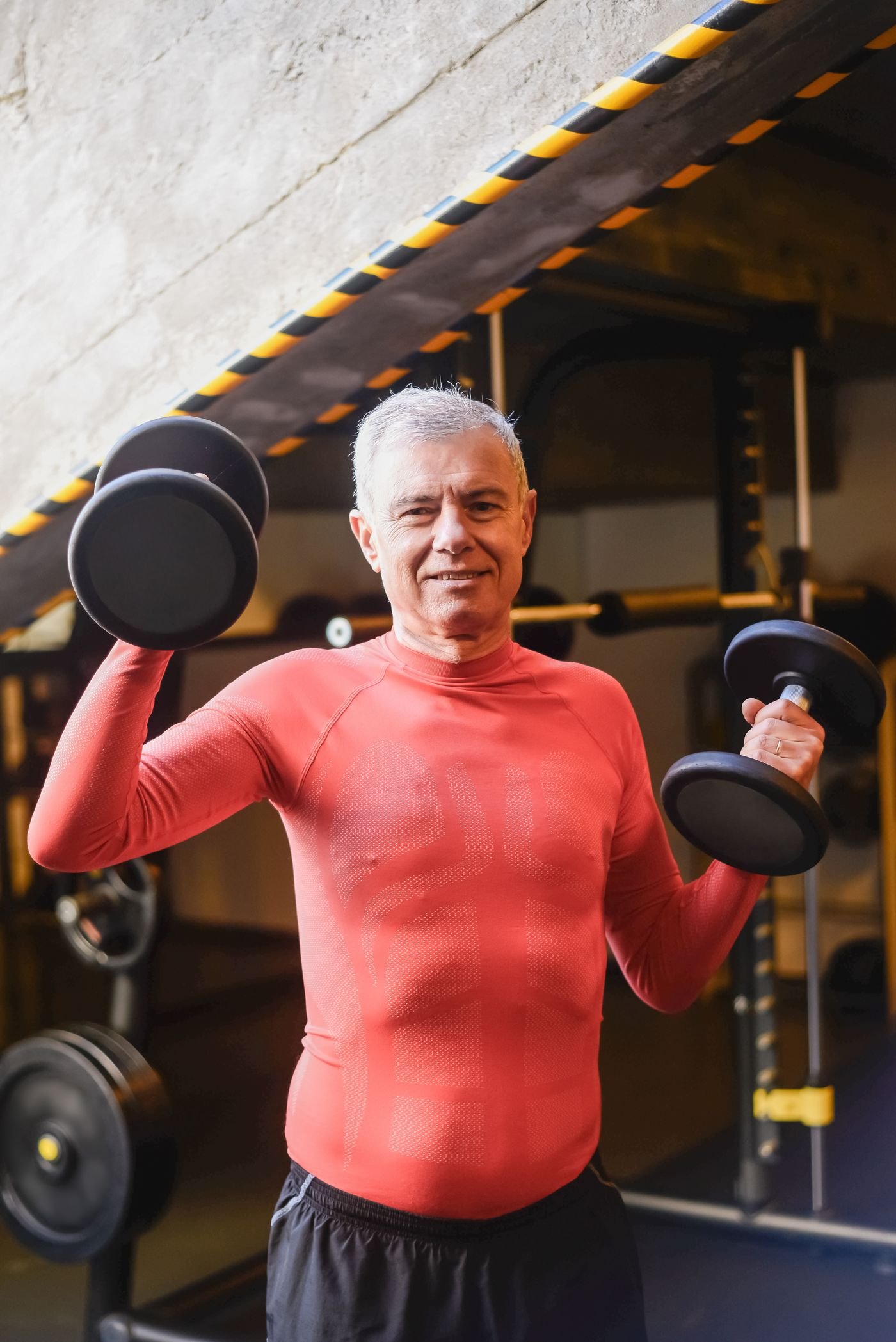
Three conclusions can coexist. Older adults can improve muscle mass and strength while following a vegetarian diet and lifting regularly. In this particular trial, the vegetarian group consumed less protein and noninferiority for muscle mass was not established. And the study cannot determine what would happen if vegetarian and omnivorous participants consumed exactly the same total protein, because that was not what they achieved.
The strongest diet is one that works in daily life. If vegetarian eating suits your preferences, make protein-rich foods deliberate rather than incidental. If you eat animal products, the word omnivore is no substitute for balanced meals, adequate protein and a consistent program. Either approach can underperform when appetite, planning or training is insufficient.
For the next twelve weeks, choose two or three repeatable strength sessions, set a reasonable protein target with clinical advice when appropriate, and check whether your normal meals actually deliver it. Monitor exercise performance, energy, recovery and everyday tasks as well as body weight. If progress stalls, review calories, protein intake, training quality and sleep before blaming an entire dietary pattern.
The useful question is not whether plants or animal foods win an abstract contest. It is whether the meals you actually eat supply enough energy and protein to support the strength work you actually perform. This trial makes the gap between a dietary label and achieved intake visible without settling every question about protein sources.