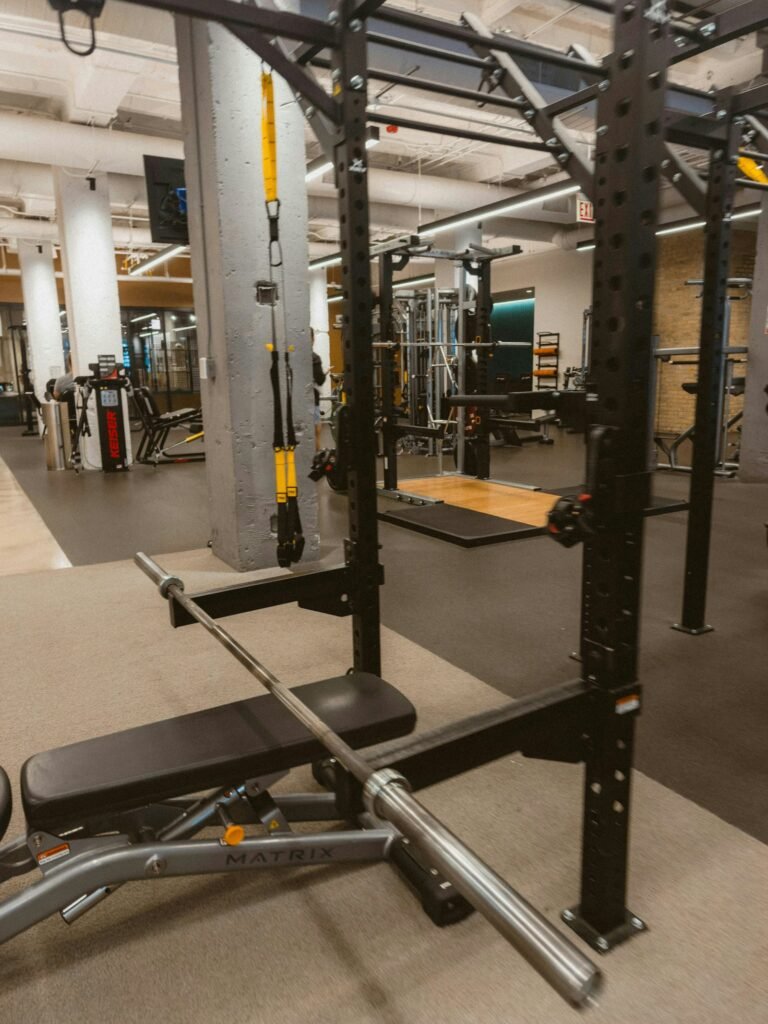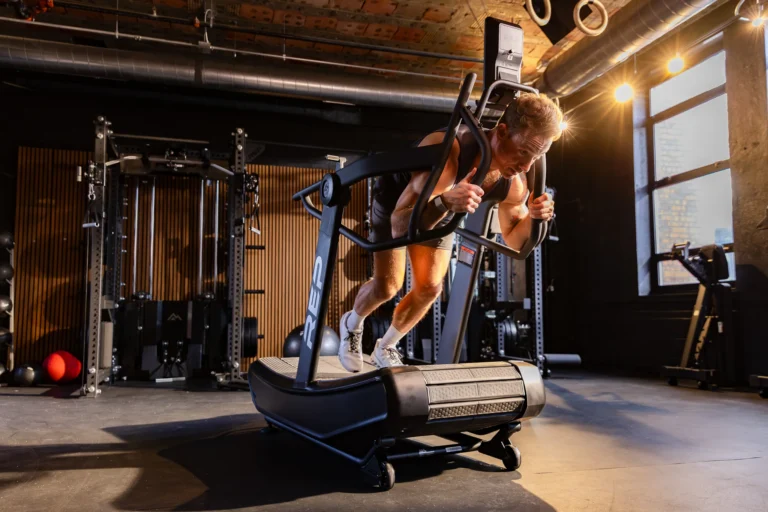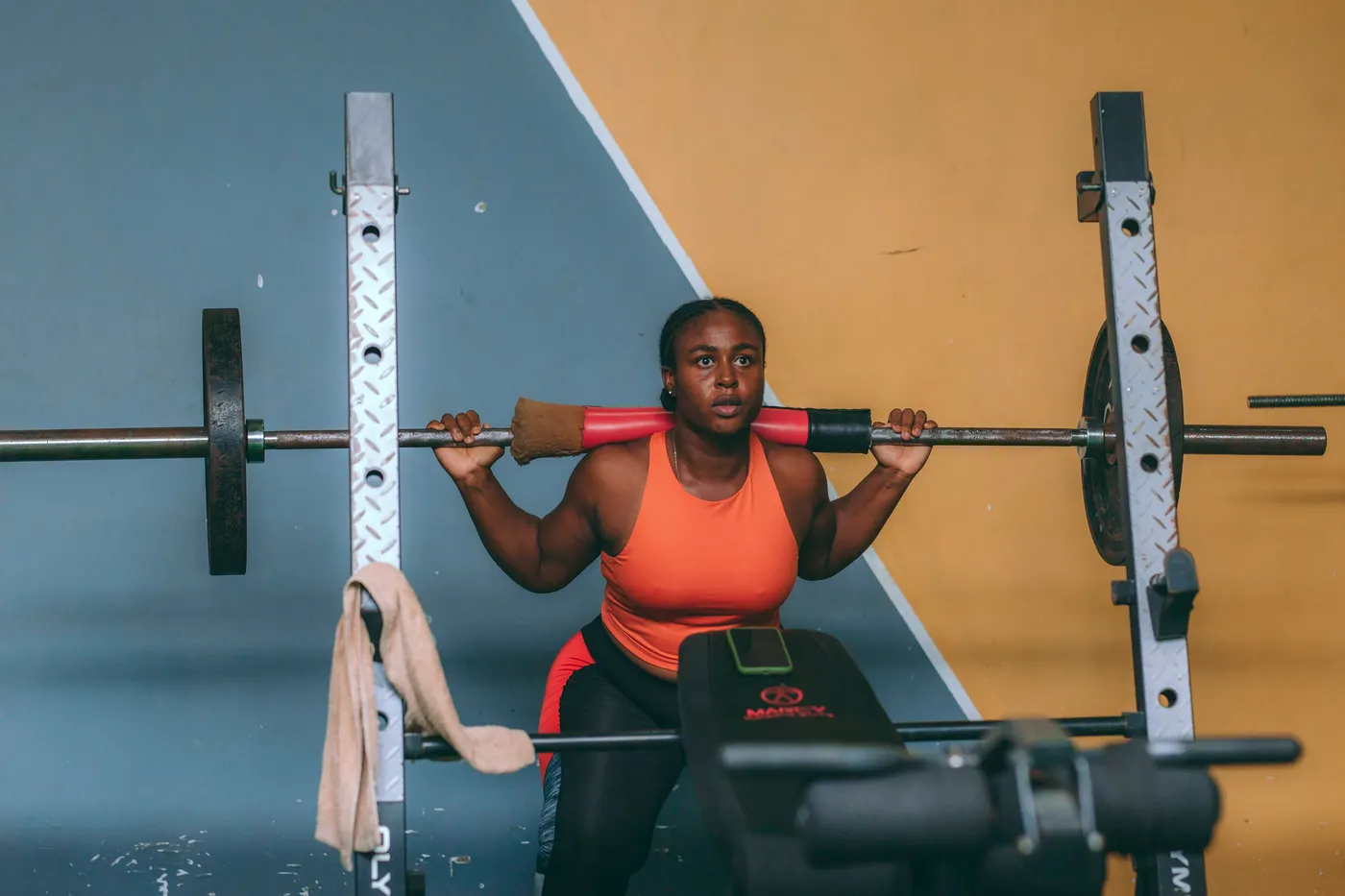
Which is safer: a bodybuilding workout, a powerlifting session, Olympic lifting, or a circuit full of kettlebells and carries? The answer depends on what is being measured, who is training, and how the work is programmed. Injury statistics can help put risks into perspective, but they are not a universal league table for deciding which exercises everyone should avoid.
A useful comparison starts with a simple distinction: a sport practiced at competitive intensity is not the same exposure as a recreational lifter performing a few sets of the same movement. Your goals, skill, fatigue, previous injuries, and willingness to progress gradually matter at least as much as the name of the training style.
Why the “safest workout” question needs context
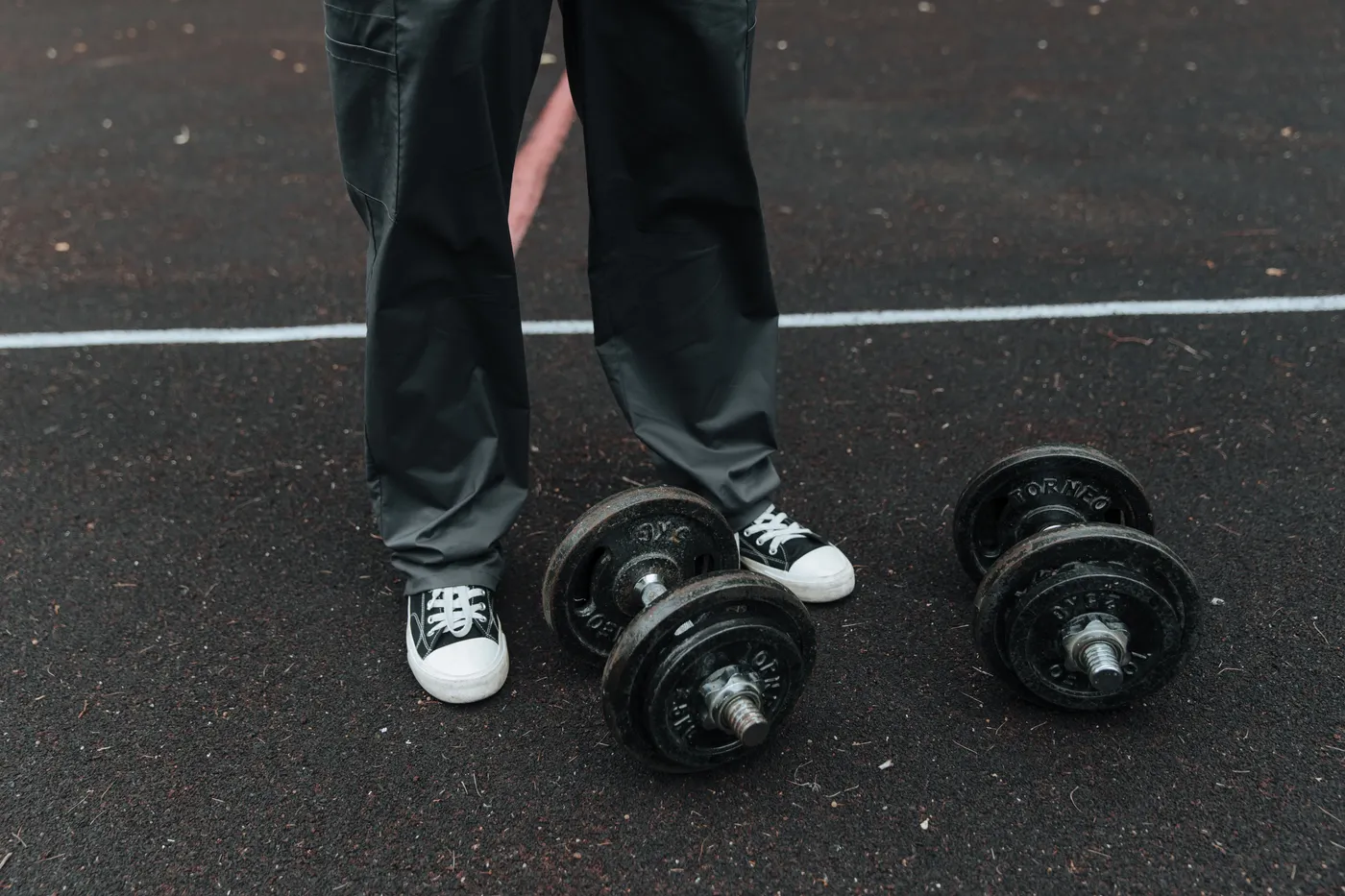
Resistance training offers a remarkably broad menu. A beginner might use a stable machine, a recreational bodybuilder might combine dumbbells and cables, a powerlifter might practice heavy squat singles, and a strongman competitor might carry an awkward implement over uneven ground. All are resistance exercise, but the exposures are different.
The important distinction is between relative risk and absolute danger. An activity can record more injuries per training hour than another while still being a reasonable pursuit for a prepared athlete. Likewise, a movement with a low average injury rate can be a poor choice for someone whose current pain, mobility, or experience makes that particular movement difficult to control.
A review covering 28 reports found lower reported injury prevalence in traditional strength training than in several competitive strength sports. That is a useful population-level pattern, not proof that every machine exercise is safe or every heavy barbell is dangerous. The studies involved different participants, training demands, and injury definitions, and some disciplines had very limited data.
For a lifter seeking muscle, strength, and long-term consistency, the practical question is not “Which sport wins the safety ranking?” It is “What combination of exercises gives me enough stimulus without repeatedly exceeding my current capacity?” That reframing makes room for both conservative training and ambitious goals. You can pursue heavier lifts, explosive movements, or conditioning as skills you build rather than tests you must pass every session.
We will compare the reported numbers, explain their limitations, and build a four-week example that preserves progressive overload without making fear of injury the center of your training.
What injury statistics actually measure
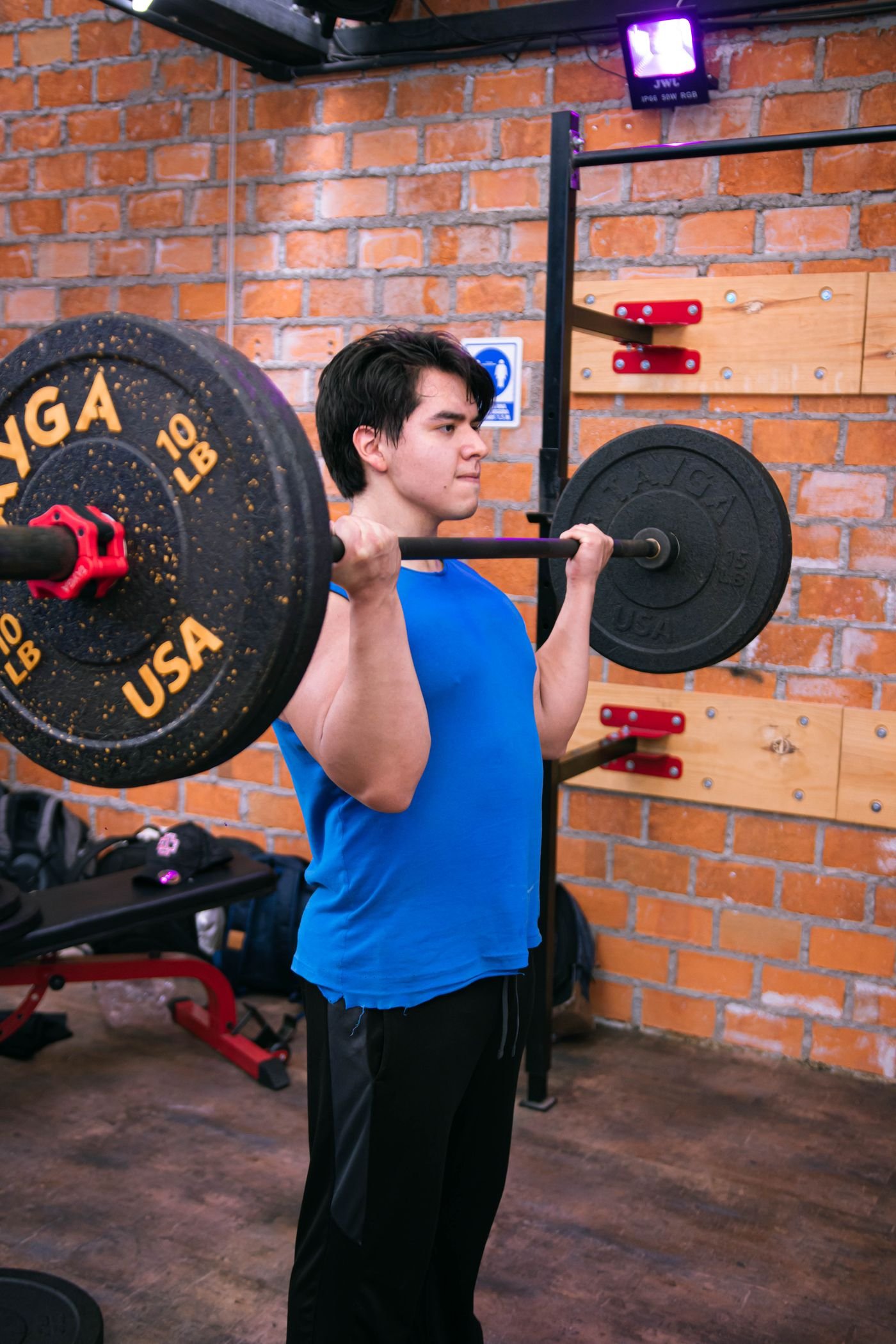
Two statistics appear repeatedly in strength-sport discussions, but they answer different questions. Incidence describes new injuries over a specified exposure, often injuries per 1,000 training hours. Prevalence describes how many people report an injury or injury-related problem during a defined period. A high prevalence does not automatically mean a high hourly risk, especially when the observation period is long.
Imagine 100 lifters who each train for 100 hours. Together they accumulate 10,000 hours. If 20 injuries occur during that exposure, the calculated incidence is two injuries per 1,000 hours. But if 20 people report a shoulder problem that started at any point over the past year, that is a different kind of statistic. The two figures cannot be swapped or compared as if they share a denominator.
Definitions create another problem. One project might count only injuries requiring medical care or time away from training. Another might include pain that makes an athlete reduce load, skip an exercise, or alter technique. Both are meaningful, but they capture different burdens. A minor elbow irritation and a serious acute injury should not be treated as interchangeable simply because both appear in a count.
Exposure is not always measured consistently either. Some studies use training diaries; others estimate weekly hours from memory. A powerlifting meet, a technical Olympic lifting practice, and an ordinary gym session may involve different proportions of rest, heavy attempts, and actual muscular work within the same clock hour. A clean-looking rate can therefore conceal considerable uncertainty.
Selection matters too. Competitive athletes may train more often and have years of accumulated aches. People with a recent injury may be more inclined to answer a survey. Those who have stopped training because of pain might not be captured at all. Age, experience, coaching, and previous injury are rarely distributed identically across disciplines.
These limitations do not make injury research useless. They tell us to use ranges, ask what counted as an injury, and resist declaring a single exercise inherently safe or unsafe. The best number is one that helps you make a better decision, not one that wins an argument on social media.
It also helps to ask what a reported rate means in real life. A rate of three injuries per 1,000 training hours is a population estimate, not a promise that every person will experience an injury after 333 hours. Some athletes train for years without a reportable problem, while others have several setbacks. Risk is distributed unevenly because exposure, previous injuries, and circumstances differ. Treat the figure as a way to compare groups with caution, not a countdown timer for your own training.
Finally, do not confuse a research definition with a medical diagnosis. A study that records any pain interfering with training may include a temporary flare that resolves after modifying a session. Another study may count only problems diagnosed by a clinician. Both can be important for athletes, but a reader who sees a large prevalence percentage should first find out whether it represents a serious injury, a training modification, or any pain during a broad observation period. That distinction is especially important when headlines turn complicated data into a ranking.

Equipment Worth Exploring
Explore equipment, accessories and gear from our carefully selected range.


FID Bench MAX
Adjustable bench offering flat, incline, and decline positions + adjustable headrest.


GymPin Squat Wedges
Non-slip 15-degree squat wedges help elevate the heels for deeper quad-focused squats.

Leather Lifting Straps
Padded leather straps support grip during heavy rows, deadlifts and pulling exercises.

Why traditional strength training often looks favorable
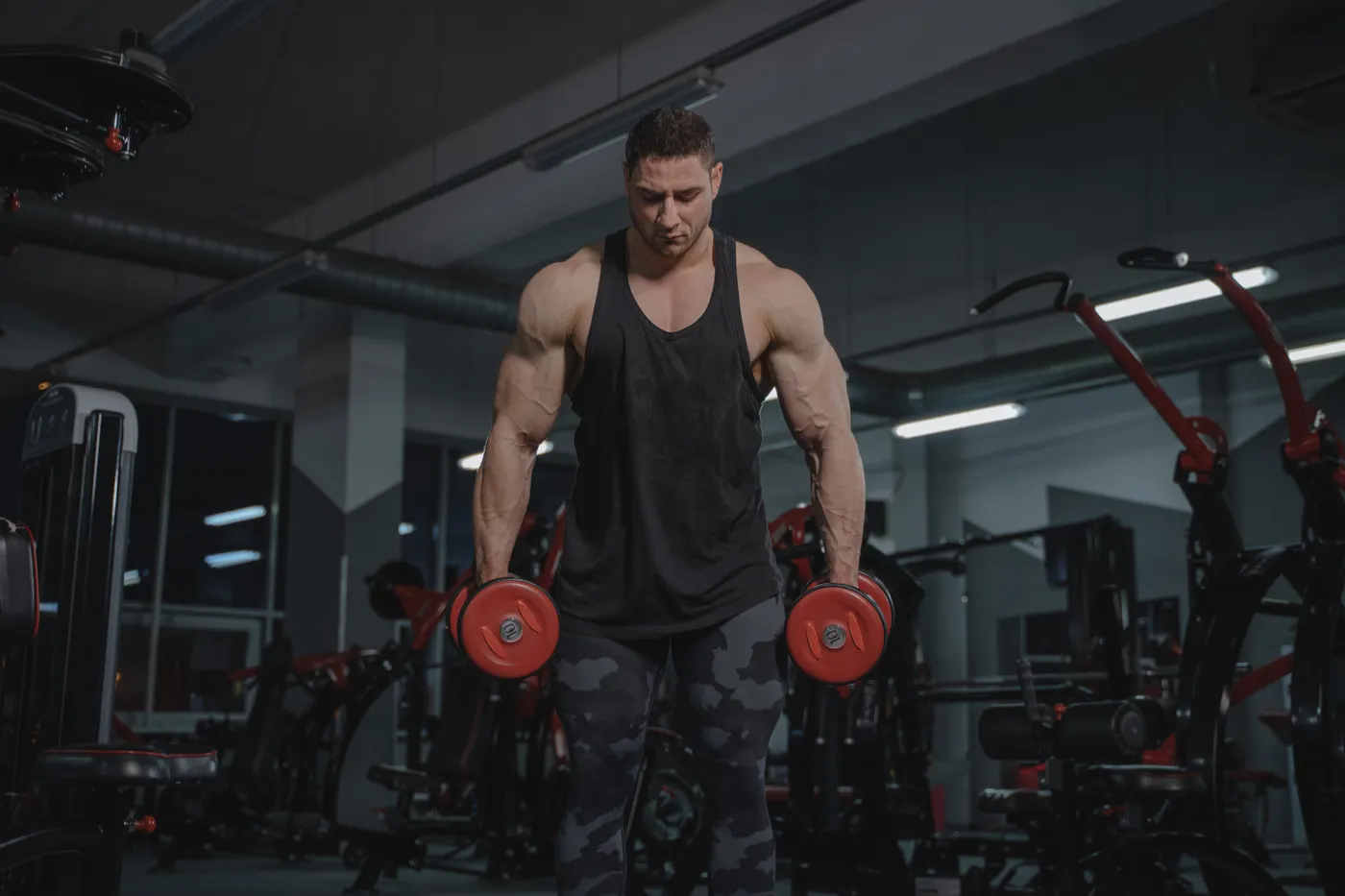
In the available comparisons, general resistance training and bodybuilding-style lifting tend to show lower reported injury burdens than some competitive strength disciplines. One summary put bodybuilding injury incidence around 0.24 to 1.0 injuries per 1,000 hours. Another review reported an average injury prevalence of 12.6% for traditional strength training, but did not establish a comparable incidence rate for that group. Those are not two ways of expressing the same result.
There are plausible practical reasons for a favorable pattern. A typical muscle-building program allows exercise choice, adjustable ranges of motion, controlled repetition speed, and a variety of equipment. A person can challenge the quadriceps with a squat, leg press, or split squat, and can train the chest with a barbell, dumbbells, cables, or a machine. That flexibility makes it easier to work around an uncomfortable movement while keeping the intended muscle under load.
It would be a mistake, however, to credit moderate repetitions or machines with magical protection. A lifter can aggravate a joint by piling too much volume onto a supposedly easy exercise. A poorly controlled set of fifteen can be more troublesome than a technically solid set of five. Fatigue, abrupt load changes, and repeated exposure to a painful range deserve attention regardless of the equipment used.
For hypertrophy, you usually do not need to demonstrate maximal strength every week. Sets that are challenging while leaving a small reserve of repetitions can provide meaningful stimulus. Use an exercise that you can repeat with stable technique, log its performance, and increase difficulty in manageable steps. If a machine provides a more comfortable path for your anatomy, that is a valid reason to use it. If free weights feel excellent and you control them well, there is no evidence-based requirement to abandon them.
The strongest feature of a sustainable bodybuilding approach is not the absence of heavy weights. It is the ability to adjust exercise selection, intensity, and weekly workload without losing sight of the goal. A sensible program has room for progression and room for recovery, rather than demanding that every set become a personal-record attempt.

Powerlifting Shirts & Lifting Gear
Powerlifting shirts and gym gear for squat, bench and deadlift lifters who live for heavy numbers.

PR or ER – Hardcore Deadlift Gym Vest for Powerlifters Tank Top
Bring “PR or ER” humor to your next lifting session.

If The Bar Ain't Bending You're Just Pretending – Power Tank Top
Add some powerlifting attitude to training with “If The Bar Ain't Bending You're Just”.

Barbell Crossed Weights 45LB Plate Hardcore Crewneck T-Shirt
For laid-back days and powerlifting humor: “Classic Barbell Crossed Weights 45LB Plate”.

I Love Bench Press | Heart Weight Plate Hooded For Ches Hoodie
Keep it laid-back with a little “I Love Bench Press” attitude.

I Love Deadlifts Gym | Pink Heart Weight Plate Funny Wo Sticker
Put “I Love Deadlifts” gym humor on your laptop, bottle, or gym gear.

Deadlift Skull Explosion Muscle Shirt for Powerlifting Tank Top
Bring “Deadlift Skull” humor to your next lifting session.

Flaming 45LB Weight Plate Fire Barbell Lifting Style Hoodie
Keep it laid-back with a little “Flaming 45LB Weight Plate” attitude.

Weight Plate Heartbeat Muscle Shirt Athletic Vest Worko Tank Top
Bring “Weight Plate Heartbeat” humor to your next lifting session.


Muscle Daddy Pink Barbell Plate Gym Decal and Fitness F Sticker
Put “Muscle Daddy” gym humor on your laptop, bottle, or gym gear.
Powerlifting and Olympic lifting: demanding does not mean reckless
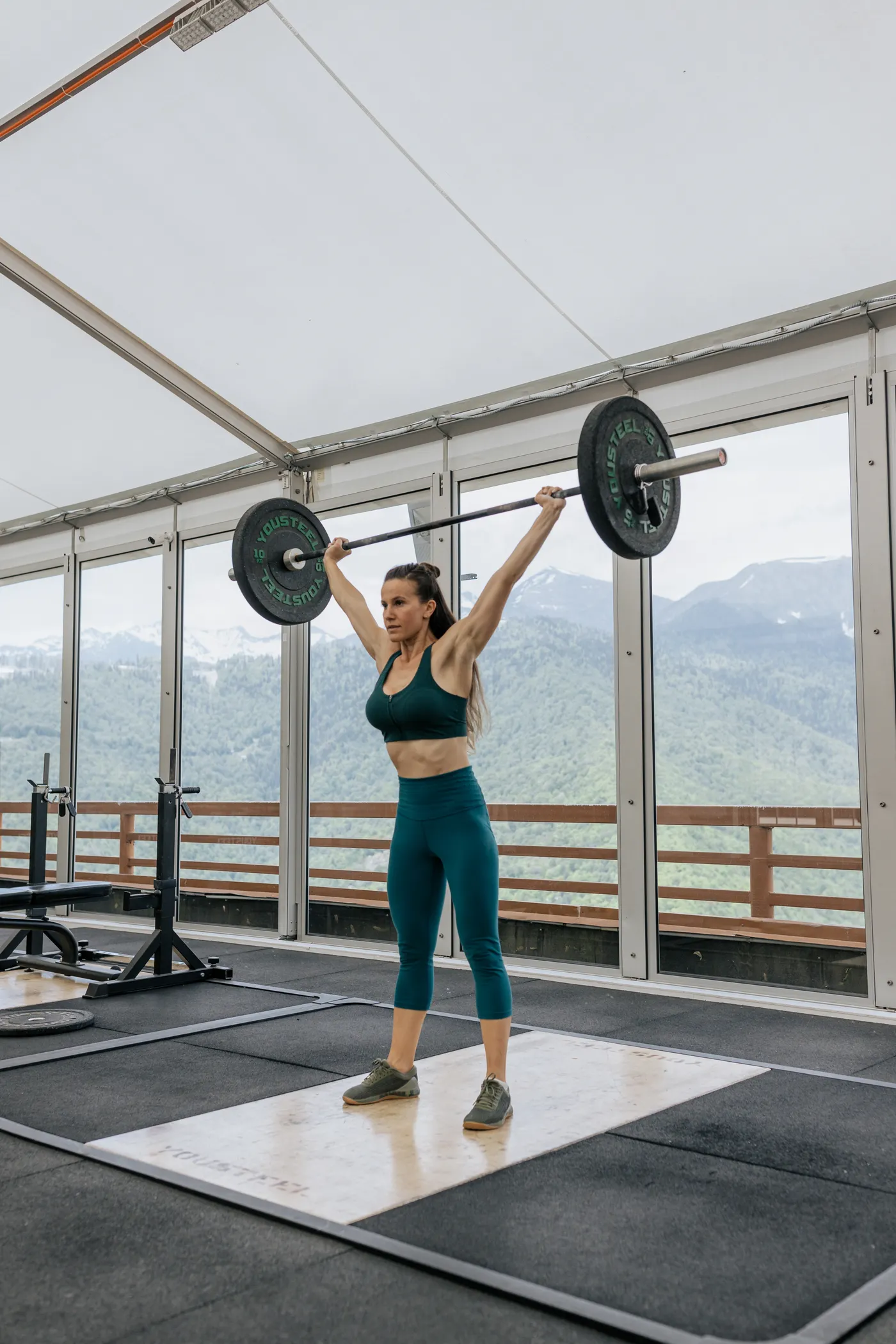
Competitive barbell sports involve specific skills and performance targets. Powerlifting emphasizes the squat, bench press, and deadlift; Olympic-style weightlifting emphasizes the snatch and clean and jerk. Both reward technical consistency under challenging loads, but the demands differ. One requires precision around heavy attempts in relatively constrained lifts, while the other also requires rapid acceleration and catching a moving bar.
An updated review that brought together 17 reports estimated Olympic weightlifting injury incidence at roughly 2.4 to 3.3 injuries per 1,000 training hours. For powerlifting, the reported range was approximately 1.0 to 4.4. These overlapping ranges do not establish a definitive winner. They also should not be interpreted as the risk of one particular squat, deadlift, or snatch performed by a recreational athlete.
Commonly reported problem areas included the lower back, shoulders, knees, elbows, and hands, with the pattern differing by discipline. The useful response is not to panic about these joints; it is to respect the demands placed on them. A competition-specific movement deserves deliberate practice, a stable setup, and a progression matched to the athlete’s skill and recovery.
Consider the deadlift. A recreational lifter may improve hinge strength with sets of five to eight at a controlled effort. A competitor may need heavier singles and a specific competition setup. The underlying movement pattern is related, but the weekly loading and performance pressure are not identical. A lifter who simply wants stronger hips and back can also choose a trap bar, blocks, or a Romanian deadlift if those options better fit the goal.
For technical Olympic lifts, separate learning from testing. Practice receiving positions and bar path with manageable weights before adding load. When speed or coordination deteriorates, extending the session may deliver little useful practice. Coaches can help, particularly with movements whose errors are difficult to feel in real time.
Neither sport is automatically unsuitable for ordinary adults. The sensible conclusion is that competitive intensity and technical demands warrant appropriate preparation, not that barbells are a category of equipment to fear.
Strongman, carries, and fast circuits need their own rules
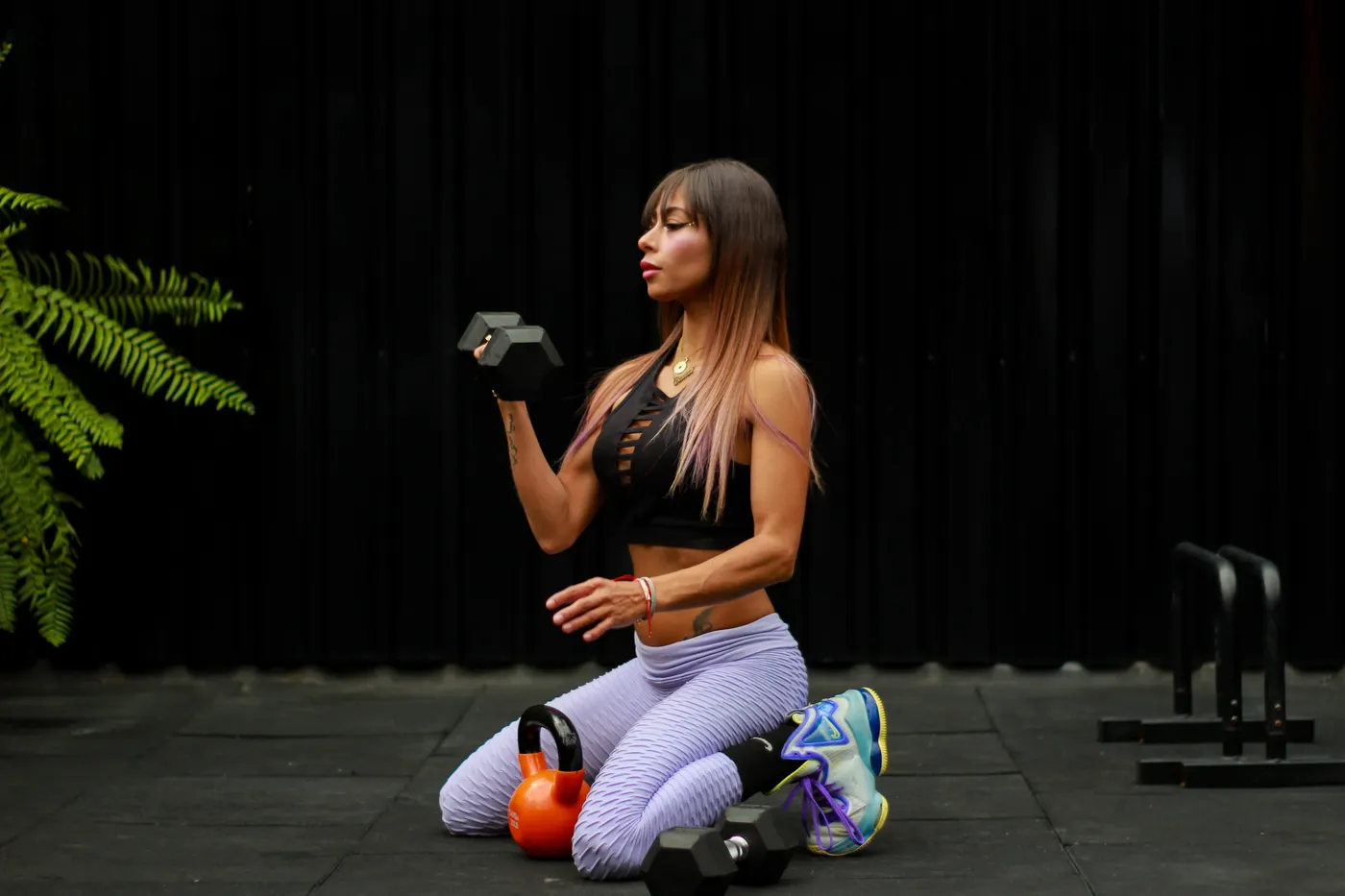
Strongman training adds another layer of complexity: objects can be awkward to grip, their center of mass may shift, and events may involve walking, loading, dragging, or repeated lifts against a clock. One review reported about 5.5 injuries per 1,000 training hours and an injury prevalence of 82% in strongman participants. But the strongman estimate came from very limited research, including just one relevant study in that review. It cannot support a precise prediction for every athlete or event.
High-intensity functional training also combines movements with very different demands. A circuit of rowing, step-ups, and controlled carries is not equivalent to one that asks for complex barbell repetitions at the end of a breathless workout. The label on the session tells you much less than the exercises, loading, technical complexity, and rest periods.
Loaded carries are a good example of how to borrow useful elements without copying competition demands. A moderate farmer carry on a clear, level route can develop grip and trunk control. Begin with a distance that allows steady steps, breathing, and posture. Progress one variable at a time: load, distance, or number of trips. You do not need to start with an object so heavy that every step becomes a scramble.
Similarly, kettlebell swings can be valuable when a lifter understands the hinge and can repeat the movement with control. They are not mandatory for strength or fat loss. A Romanian deadlift, cable pull-through, or hip thrust may be a more appropriate hinge option while technique is developing.
Under fatigue, select movements that remain predictable. If a fast circuit turns a technically demanding lift into a race against the clock, reduce the load, lower the complexity, or separate the skill work from conditioning. A workout can feel athletic without requiring maximal effort on every station.
Ultimately, sport-specific preparation is worthwhile when you actually want to compete or master the discipline. For general fitness, choose the benefits you value and scale the exposure. The freedom to simplify is an advantage, not a compromise.
Equipment Worth Exploring
Explore equipment, accessories and gear from our carefully selected range.


VOLTRA
Compact digital cable trainer with smooth, adjustable resistance.

Go-Tone Pro
Portable digital cable trainer with up to 66 lb (30 kg) of adjustable resistance.


Safety Squat Handles
Barbell squat handles that reduce shoulder positioning demands during high-bar squats.

Seven practical ways to manage lifting risk without training timidly
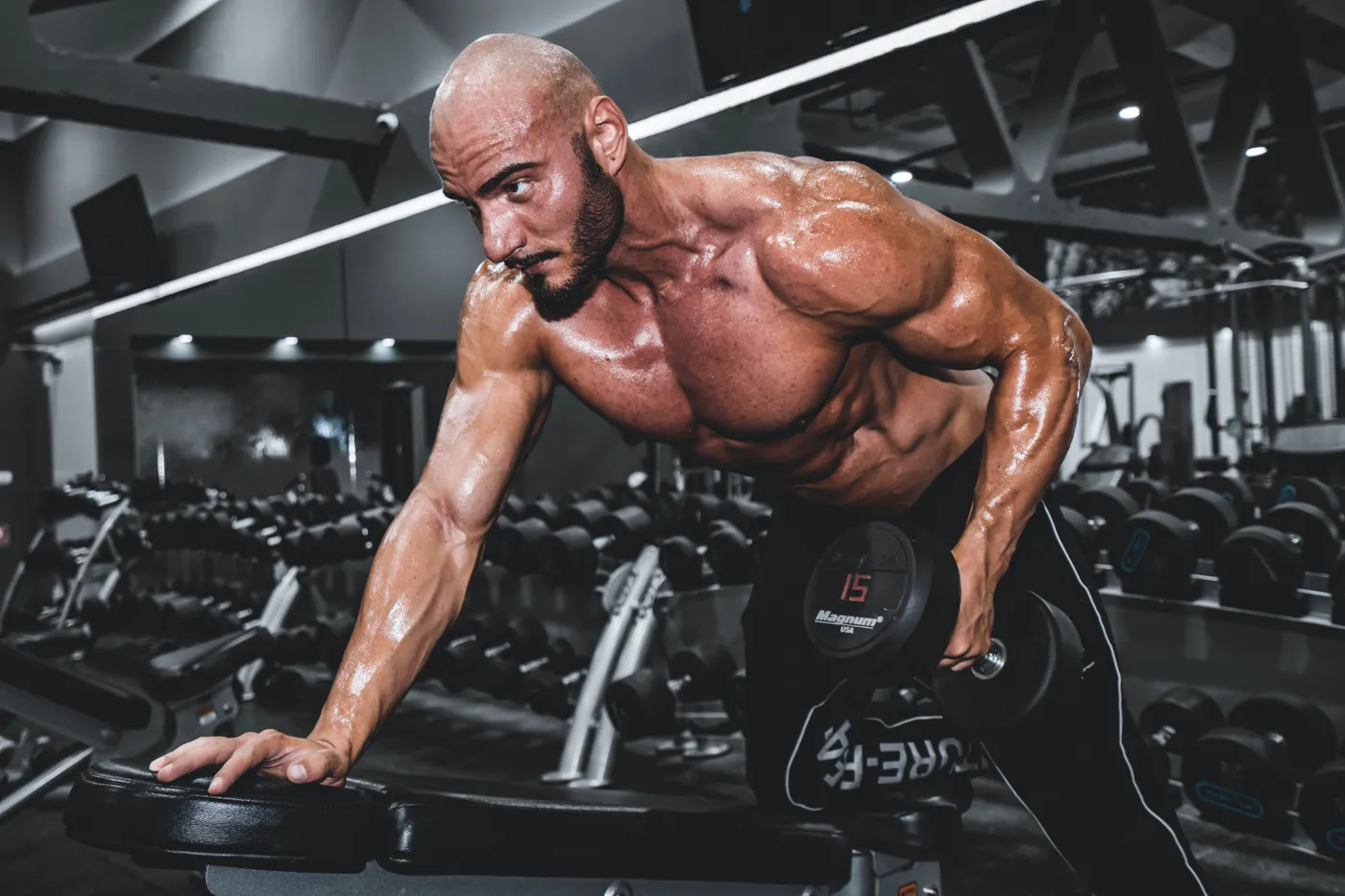
1. Start with a repeatable baseline. Pick exercises you can perform with consistent setup and range of motion. A movement that changes dramatically from rep to rep is difficult to load progressively. Record the working weight, repetitions, and a brief note on effort before adding more.
2. Change one major variable at a time. Adding sets, increasing weight, extending range, and reducing rest in the same week makes it hard to identify what your body is responding to. Keep most of the program stable and progress the smallest variable that will move you forward.
3. Separate hard training from maximal testing. A demanding set does not have to be an all-out single or a failure set. Many useful working sets can finish with one to three good repetitions still available. The exact reserve depends on the movement, experience, and objective, but there is little reason to make every session a contest.
4. Match technique demands to fatigue. Do explosive or highly technical work while fresh. Place slower, simpler accessory movements later. If coordination deteriorates, shorten the set or change the exercise rather than insisting on the planned number at any cost.
5. Warm up for the task you are doing. A short general warm-up followed by progressively heavier practice sets is usually more useful than an elaborate routine unrelated to the session. For a squat day, rehearse squatting. For pressing, prepare the shoulders and practice the pressing path.
6. Distinguish exertion from warning signs. Working muscles can burn, and unfamiliar training can produce delayed soreness. Sharp pain, sudden loss of function, swelling, numbness, or symptoms that worsen with continued loading call for a different response. Stop the aggravating movement and seek qualified assessment when appropriate. Do not use a generic internet pain rule to diagnose an injury.
7. Protect recovery and consistency. Schedule rest, sleep adequately, and avoid stacking unfamiliar high-intensity sessions. When life stress or fatigue rises, reducing a set or two is often smarter than forcing a previously planned peak. The goal is a program you can train through for months, not a single heroic workout.
These principles are useful across bodybuilding, powerlifting, and recreational strength work. They do not guarantee that an injury will never happen. They improve your ability to control the training decisions that are actually under your influence.
Bodybuilding Shirts & Workout Gear
Bodybuilding shirts, tanks and gym gear for lifters chasing muscle, size, symmetry and the pump.

Swole Scientist Bro Science | for Bodybuilding & Powerl Hoodie
Bring “Swole Scientist Bro Science” gym humor to lazy days and post-workout plans.

Shirt – Genetics Genie & Gymbros – Top & Gains T-Shirt
Rep “Genetics Genie” humor in and out of the gym.

Meat Mountain Shirt – Gymbro , & Gains T-Shirt
Bring “Meat Mountain” humor to your next gym day.

Muscle Mommy Pink Gym Graphic for Women, Female Lifters Tank Top
Add some gym-girl attitude to training with “Muscle Mommy”.

No Days Off for Lifting, Bodybuilding, Powerlifting and T-Shirt
For laid-back days and powerlifting humor: “No Days Off”.

Gym Makes Me Happy Muscle Shirt Athletic Vest Who Love Tank Top
Show some personality between sets with “Gym Makes Me Happy”.

It'S All Genetics Natty & Bros Tank Top
Train hard, laugh a little, and rep “It's All Genetics”.

Funny Lift Time Gym | Muscle Shirt For Gym Bros & Bodyb Tank Top
Train hard, laugh a little, and rep “Lift Time”.

Pink 45LB Weight Plate Barbell Lifting Style Hoodie
Keep it laid-back with a little “Pink 45LB Weight Plate” attitude.

Rep God Gym | Funny Workout Sweater for Powerlifting & T-Shirt
Add a playful “Rep God” touch to your casual rotation.
A four-week plan for building strength with manageable exposure
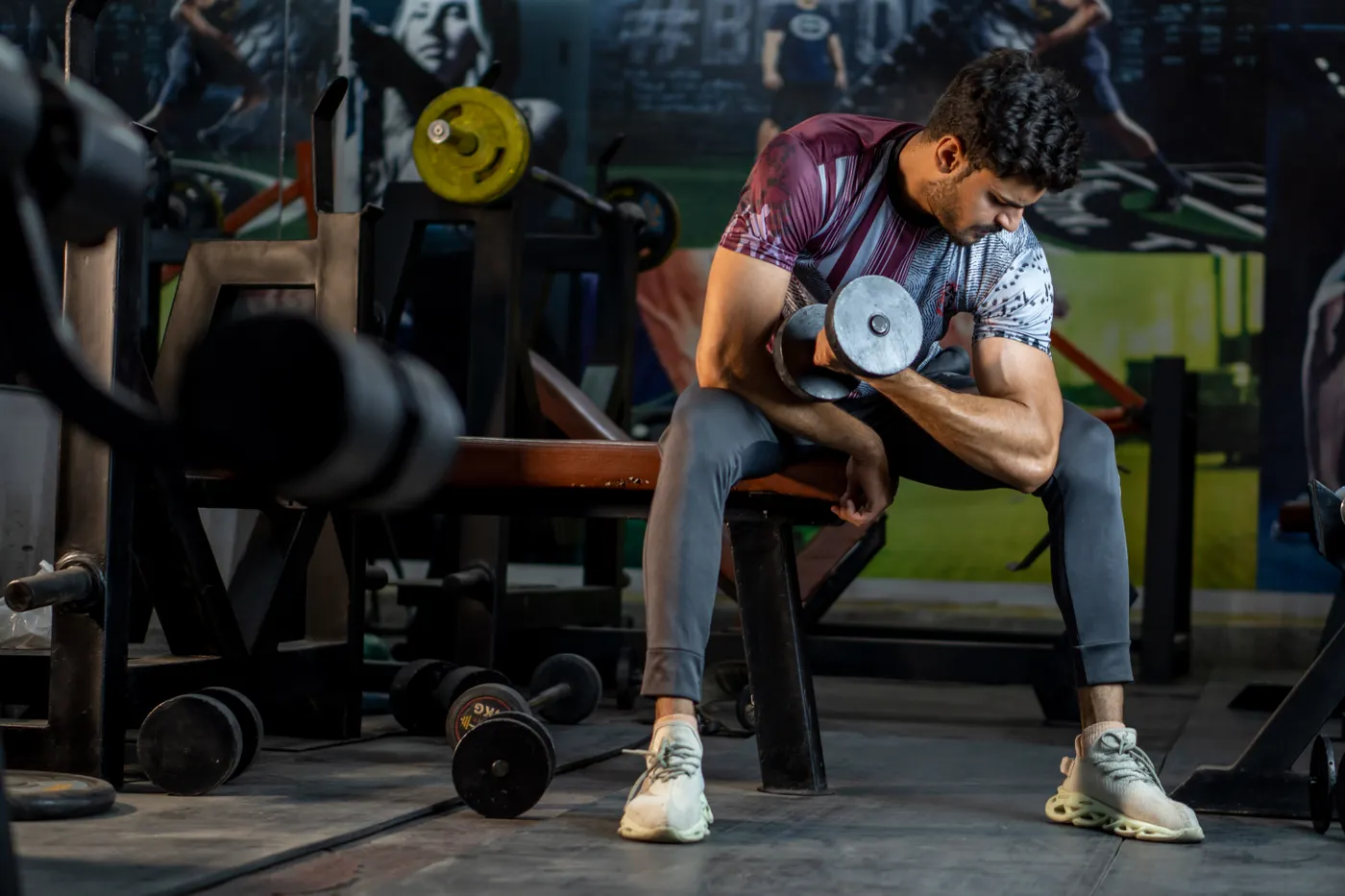
This example is designed for a generally healthy adult with basic lifting experience, not someone returning from an acute injury. Train two or three nonconsecutive days per week. Use the same movement categories each session, alternating exercise variations when helpful: squat or split squat, hip hinge, horizontal or vertical push, row or pulldown, and a carry or simple trunk movement. If you are new to lifting, start with two days and seek coaching for unfamiliar techniques.
Week 1 – establish control. Perform two working sets for each main movement, usually six to twelve repetitions. Choose loads that leave roughly three comfortable repetitions in reserve. For carries, use short trips with stable posture. Note any exercise that feels awkward and substitute a comparable movement before trying to force progress.
Week 2 – earn more repetitions. Keep the exercises and loads mostly unchanged. Add one repetition to sets where technique remained consistent and recovery was comfortable. Avoid chasing the top of the range by cutting depth or rushing the eccentric. If you are already at the upper end, keep the repetitions and improve consistency instead.
Week 3 – add a modest challenge. Increase load slightly on one or two movements where you have reached the planned rep target cleanly. Alternatively, add one set to a lagging movement pattern, but not both a major load jump and a large volume jump across the entire program. Leave at least one easier day between demanding lower-body sessions.
Week 4 – consolidate rather than prove yourself. Repeat the week-three workload if it felt manageable. If fatigue has accumulated, reduce working sets by about one-third and maintain controlled movement quality. Compare your logs: did you lift more, complete more good repetitions, or feel more technically consistent? Those are useful indicators even without a new one-repetition maximum.
A sample two-day rotation could use Day A: squat, bench or push-up, row, Romanian deadlift, and farmer carry; and Day B: split squat, overhead press, pulldown, hip thrust, and anti-rotation hold. On a third day, repeat the session that best matches your priorities with fewer sets. Equipment can vary: a stable machine, dumbbell, cable, or barbell is acceptable if it supplies the intended movement and a repeatable progression.
How to make the plan fit a compact home gym: If you have only adjustable dumbbells and a bench, use goblet squats or split squats, Romanian deadlifts, dumbbell presses, supported rows, and suitcase carries. With a cable trainer, substitute cable rows, pulldowns, and anti-rotation presses. With a rack and barbell, use squats, bench presses, and deadlift variations where they feel technically appropriate. None of these setups requires a weekly maximum test to make measurable progress. Your equipment should support the program rather than dictate an unnecessary degree of difficulty.
When to change the plan: If a lift repeatedly produces pain, first stop aggravating it and reconsider the exercise, load, range of motion, and recent training volume. A different implement or angle may let you train the same general pattern more comfortably, but persistent or worsening symptoms deserve assessment by a qualified professional. If soreness is simply greater than expected after a new session, avoid adding more novelty or volume immediately. Give yourself time to observe how you respond before deciding that the program needs another progression.
What to track beyond the weight on the bar: Log sets and repetitions, perceived effort, sleep quality, and whether the next session felt recovered. A one-line note such as “all reps controlled, two in reserve, no discomfort” can be more useful than an elaborate spreadsheet of meaningless numbers. Over four weeks, the combination of steady performance and tolerable recovery is a better sign of sustainable training than any isolated personal record. The same record can reveal when fatigue has been accumulating before it turns into a forced break.
The takeaway is straightforward. Population injury statistics favor caution about high-demand training, but they do not dictate your individual exercise menu. Build skill, use sensible loads, adjust when recovery or pain changes, and choose the kind of lifting you can enjoy and repeat. That is how a safety-conscious approach becomes a strength-building approach rather than a reason to stop training.