Most core exercises ask your torso to move: crunch, bend, rotate or lift. The Pallof press reverses that challenge. A cable or resistance band pulls sideways while you press your hands forward, and your job is to keep your trunk facing straight ahead. It is a simple way to train resistance to unwanted rotation, but it works best when you understand what the exercise can and cannot accomplish.
The Pallof press can complement squats, carries, unilateral presses and sports training. It is not a guaranteed solution for back pain, a replacement for heavy lifting or a shortcut to visible abs. The benefit is a controlled, progressively loadable task that makes your trunk manage an off-center force. Here is how to set it up, choose a useful difficulty and fit it into a complete strength program.
1. What anti-rotation training actually means
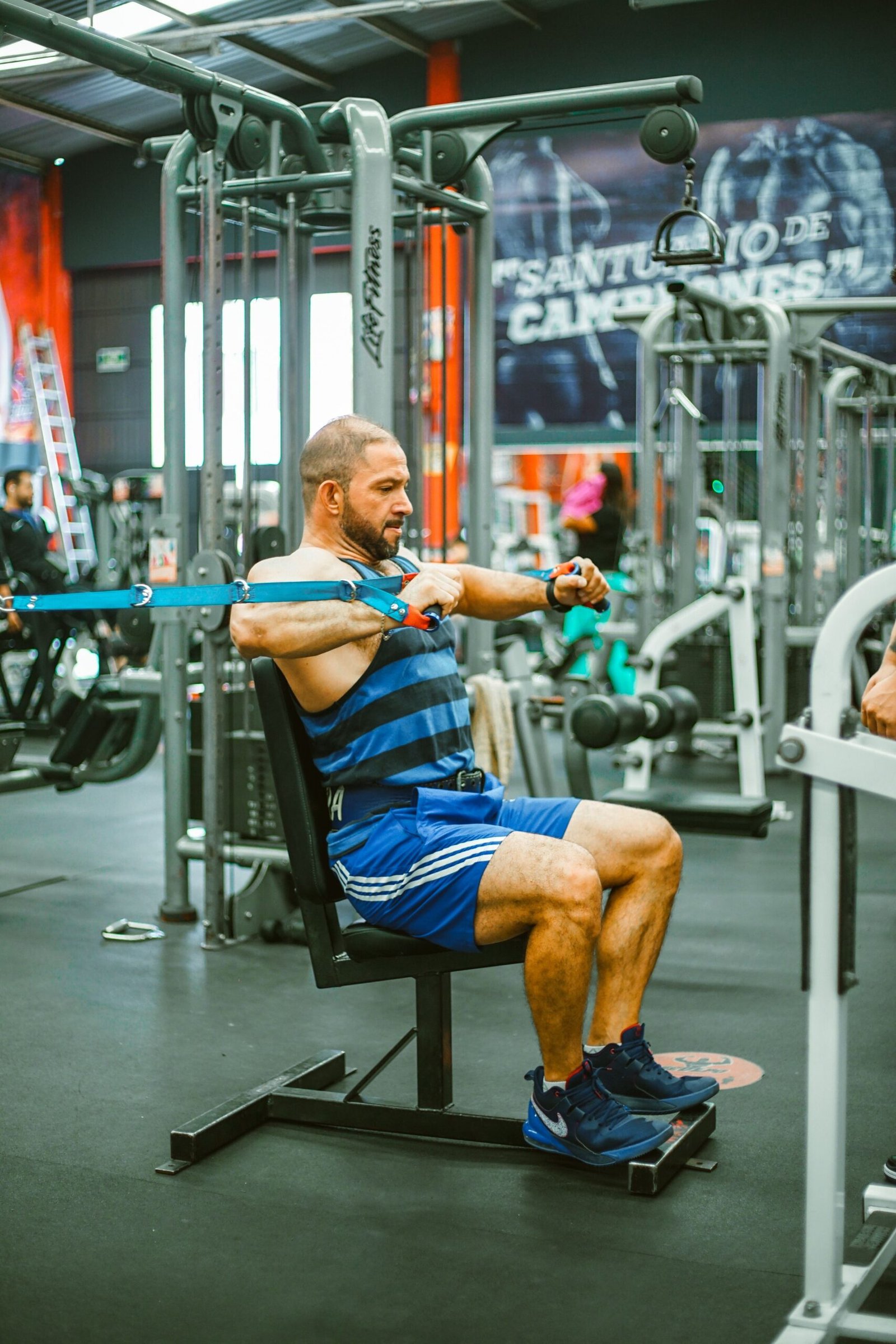
Stand sideways to a cable machine and hold a handle at your chest. The cable pulls your hands toward the machine. When you extend your arms, the force acts farther from your trunk, creating a larger turning demand. Your obliques and other trunk muscles work to prevent your shoulders and pelvis from following that pull. The exercise looks like a chest press, but the main task is resisting rotation rather than pushing a heavy load forward.
This is one of several categories of trunk training. Anti-extension work, such as a controlled plank or rollout, resists an excessive arch. Anti-lateral-flexion work, such as a suitcase carry, resists side bending. Anti-rotation work resists twisting. None is automatically the best form of core training. Each asks the torso to solve a different mechanical problem, and a balanced program can include all three.
The movement does not require a perfectly rigid spine in daily life. Real movement includes natural rotation and changing postures. In this drill, keeping the torso quiet is a deliberate constraint that makes the resistance measurable. Treat it as a training skill rather than proof that all spinal motion is bad.
2. Set up the cable Pallof press step by step
Set a cable pulley roughly at mid-chest height and attach a single handle. Stand sideways to the stack, hold the handle with both hands and take a small step away until the cable is already under tension. Position your feet about hip-width apart, soften the knees and keep the ribs stacked over the pelvis. The machine should be to one side of your body, not behind you.
Bring your hands to the center of your chest and brace gently as though preparing for someone to nudge your torso. Press the handle straight forward until your arms are nearly extended. Pause for two to four seconds while breathing normally, then bring the hands back without letting your shoulders twist toward the machine. Complete the planned repetitions, turn around and train the opposite direction.
Start with a surprisingly light load. If the cable turns your torso, makes you lean dramatically or forces you to hold your breath, the weight is too high for the purpose of the drill. You should be able to identify the same foot position and press distance from rep to rep. A useful starting dose is two sets of eight controlled presses per side, with a brief pause at full reach.
One detail changes the difficulty substantially: the distance between your hands and your trunk. Extending the arms lengthens the lever, so the same stack weight can feel much harder at full reach. Rather than immediately increasing weight, make your pauses steadier and your arm extension more consistent. That is genuine progression.
3. Bands, half-kneeling and standing: choose the right version
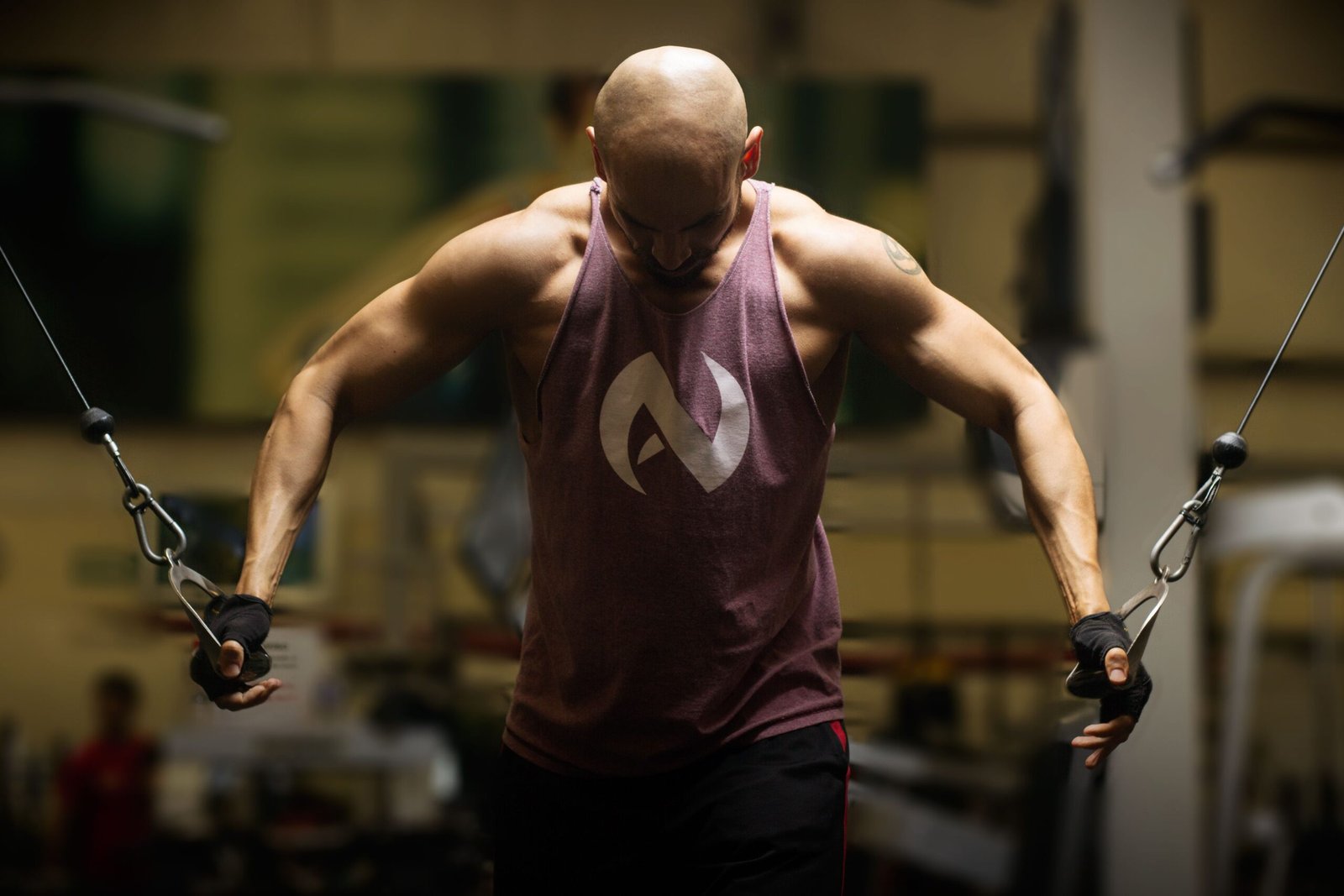
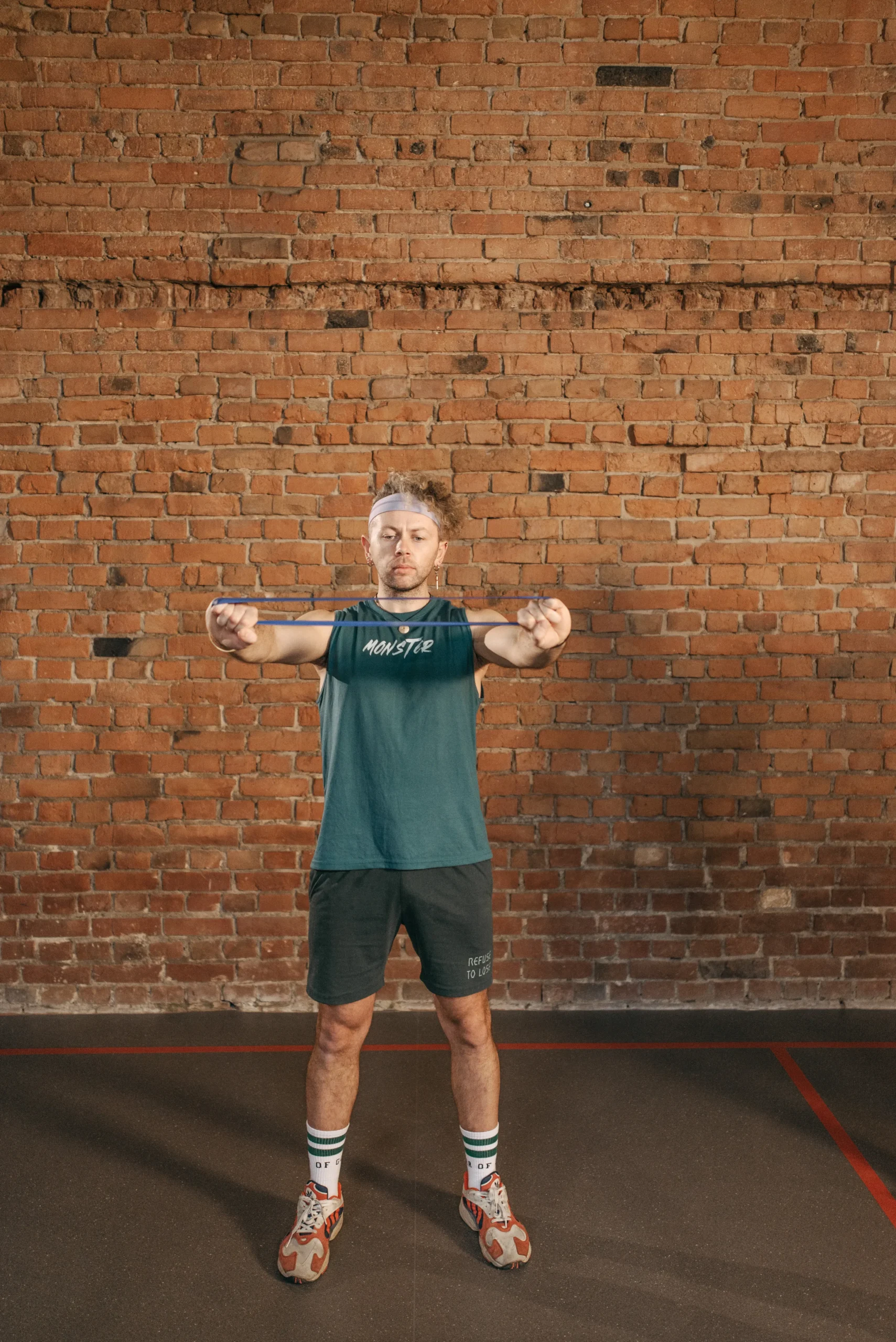
A resistance band anchored securely to a rack or fixed post can reproduce the basic sideways pull. Bands get harder as they stretch, so tension changes across the movement and with your distance from the anchor. A cable stack generally offers more repeatable incremental loading. Neither is inherently superior for everyone; the best choice is the one you can anchor safely and progress consistently.
Half-kneeling changes the balance and hip demands. Put one knee on a pad and the other foot forward, keep the pelvis level and press the handle forward without leaning. Some lifters find this easier because they can focus on the trunk; others find the narrower base more demanding. A wide standing stance is often the simplest starting point. Try both and use the position that lets you resist rotation without compensating.
Split-stance presses make the legs work harder to keep your body square. A tall-kneeling press removes some lower-leg contribution while asking you to control the hips. You can also hold the arms extended for 10 to 20 seconds instead of performing repetitions. Isometric holds are useful when you want a clear stability challenge without adding repeated arm motion.
Do not confuse a more unstable position with a better training stimulus. A stance so narrow that you spend the whole set catching your balance may reduce the useful anti-rotation load. Research examining different Pallof press positions confirms that body position and support surface change the postural challenge; it does not prove that the hardest-looking version produces the best long-term strength outcome.

Equipment Worth Exploring
Explore equipment, accessories and gear from our carefully selected range.
VOLTRA
Compact digital cable trainer with smooth, adjustable resistance.

Go-Tone Pro
Portable digital cable trainer with up to 66 lb (30 kg) of adjustable resistance.

GymPin D Cuffs
Adjustable wrist cuffs with textured grips for supported cable-machine exercises.
U Clips
Versatile gym clips for barbell, landmine, and attachment setups.
Horizon Grip
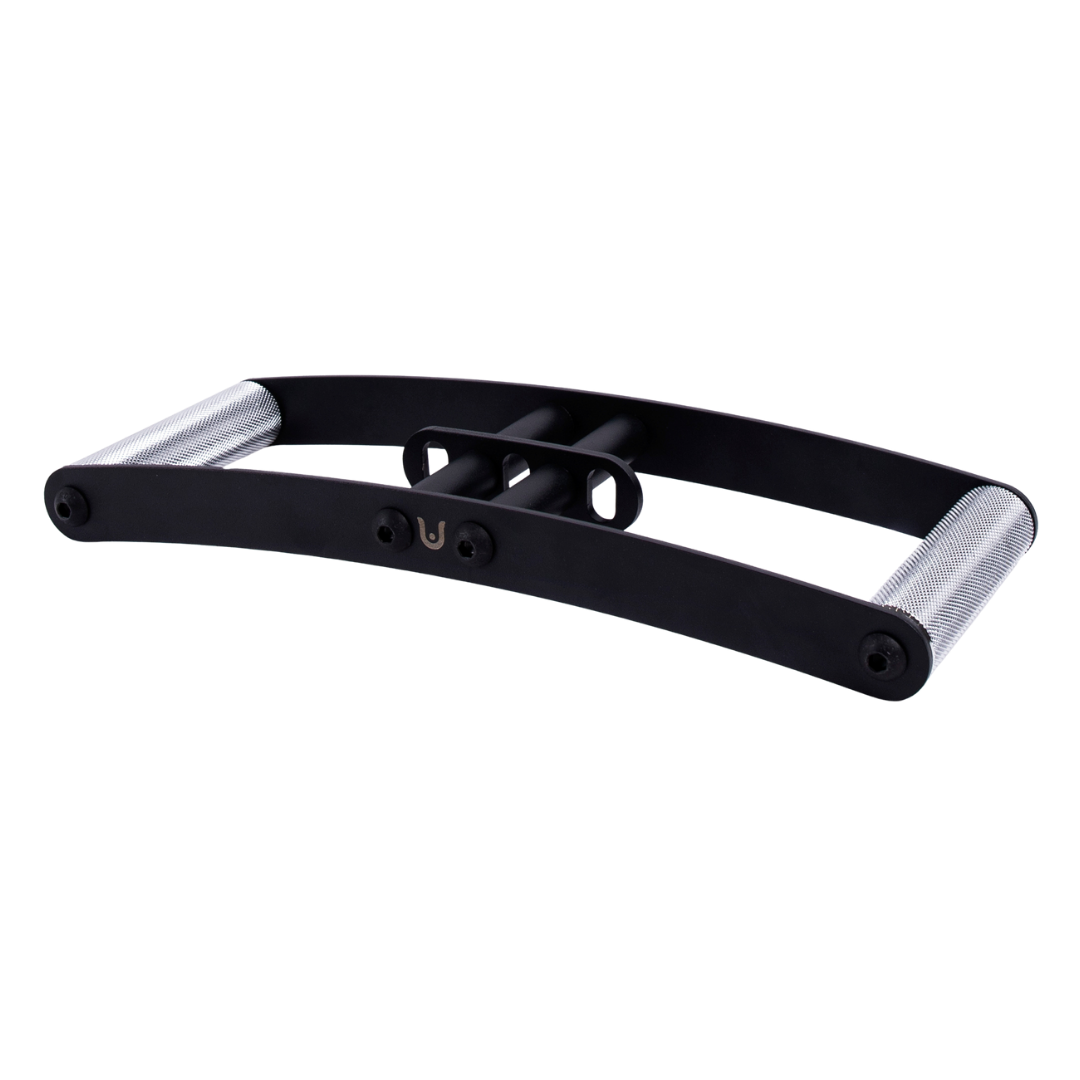
Ergonomic V-style cable grip for rows and back training.


GymPin Ergo Handles
Pair of ergonomic cable handles shaped for comfortable triceps and pulling exercises.


4. Common mistakes that make the exercise less useful
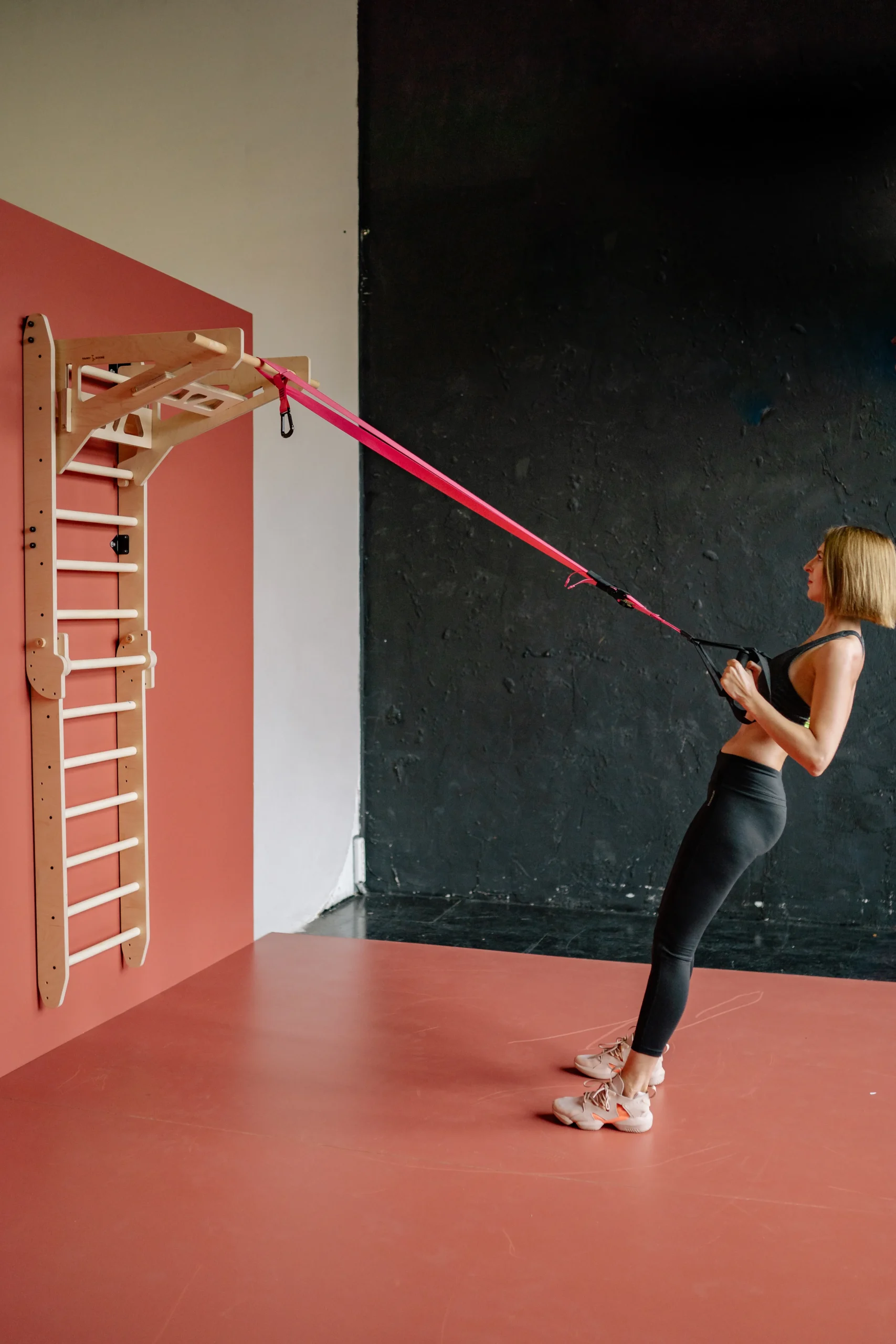
The most obvious mistake is letting the shoulders rotate toward the pulley as the hands move forward. That turns the drill into a different movement and makes the load harder to compare between sessions. Face a point directly ahead, keep the sternum and pelvis approximately aligned and stop the press before control breaks. Small natural adjustments are fine; exaggerated twisting is not the goal.
A second mistake is overloading. The Pallof press is not a competition to see how much cable-stack weight you can move. A lighter weight held at full arm extension may create a cleaner challenge than a heavy weight pressed only halfway. Shrugging the shoulders, arching the lower back or leaning away from the cable are signs that the chosen setup may be too demanding.
Breathing matters as well. You do not need a maximal breath hold for a modest anti-rotation accessory exercise. Exhale gently during the press, take a small breath during the hold if needed and maintain enough abdominal tension to keep the torso steady. If you become dizzy or cannot breathe normally, stop and reduce the challenge.
Finally, avoid performing all your repetitions on one side simply because that direction feels easier. Work both directions with similar effort and quality. A slight difference between sides is common and does not automatically indicate injury. Keep the exercise symmetrical unless a qualified professional has given you a different plan for a specific condition.

Funny Gym Shirts & Workout Gear
Funny gym shirts, tanks, hoodies and workout gear for lifters who like training hard.

Six Pack Tacos Gym Tee
Rep “Check Out My Six Pack Tacos Gym Meme” humor in and out of the gym.

Meme I Have Abs-Olutely No Idea What I'M Doing T-Shirt
For laid-back days and bodybuilding humor: “I Have Abs-olutely No Idea What I'm Doing”.

Spartan Warrior Tee
Bring “Spartan Warrior Bodybuilder White Marble” humor to your next gym day.

Intensity Stoic Sigma Greek God Marble Statue – Meme T-Shirt
Show some lifting attitude with a playful “Intensity Stoic Sigma Greek God Marble” tee.

Diligence Greek God Tee
Heavy lifts, good laughs, and a little “Diligence Greek God Marble Sculpture” energy.

In My Lifting Era Meme Shirt – The Ultimate T-Shirt
Bring “In My Lifting Era” humor to your next gym day.

Shirt Lovers – & – Meme , & Gains T-Shirt
Show some lifting attitude with a playful “for Gym Lovers” tee.

Break the Stereotype Tee
Show some gym-girl attitude with a playful “Break The Stereotype Gym Girl” tee.

Gymhead Skull Plate Water Bottles Laptop Decal Sticker
Put “Gymhead Skull Plate Funny Powerlifting” gym humor on your laptop, bottle, or gym gear.

Fight Your Inner Demon Decal Water Bottles & Sticker
Put “Fight Your Inner Demon” gym humor on your laptop, bottle, or gym gear.
5. How to progress without turning it into a different lift
Progression can be as simple as pressing farther, pausing longer or performing more controlled repetitions before adding weight. Start with two sets of eight per side, holding each full extension for about two seconds. When that feels stable, move toward ten or twelve repetitions, or extend the hold to four seconds. Only then consider a small weight increase or a stronger band.
Changing stance is another progression, but it should be purposeful. A split stance or half-kneeling position can expose a different balance demand. A single-leg version is much more difficult to standardize and may turn the set into a balance test. Use it only when that matches your training goal, and do not sacrifice the original anti-rotation task to make the exercise look advanced.
For athletes, a slow press can build awareness of resisting a sideways pull. Later, a coach might add controlled perturbations or faster arm movements while maintaining trunk position. Those variations require more coordination, and their transfer to throwing, sprinting or contact sports is not automatic. They are pieces of a larger strength-and-skill program rather than substitutes for actual sport practice.
Keep a simple log: cable load or band, distance from anchor, stance, repetitions and hold duration. The record is especially useful with bands because taking two steps farther away can change the resistance more than switching from one nominal band color to another. A repeatable setup makes improvements easier to interpret.
6. Pallof press versus planks, carries and rotational work
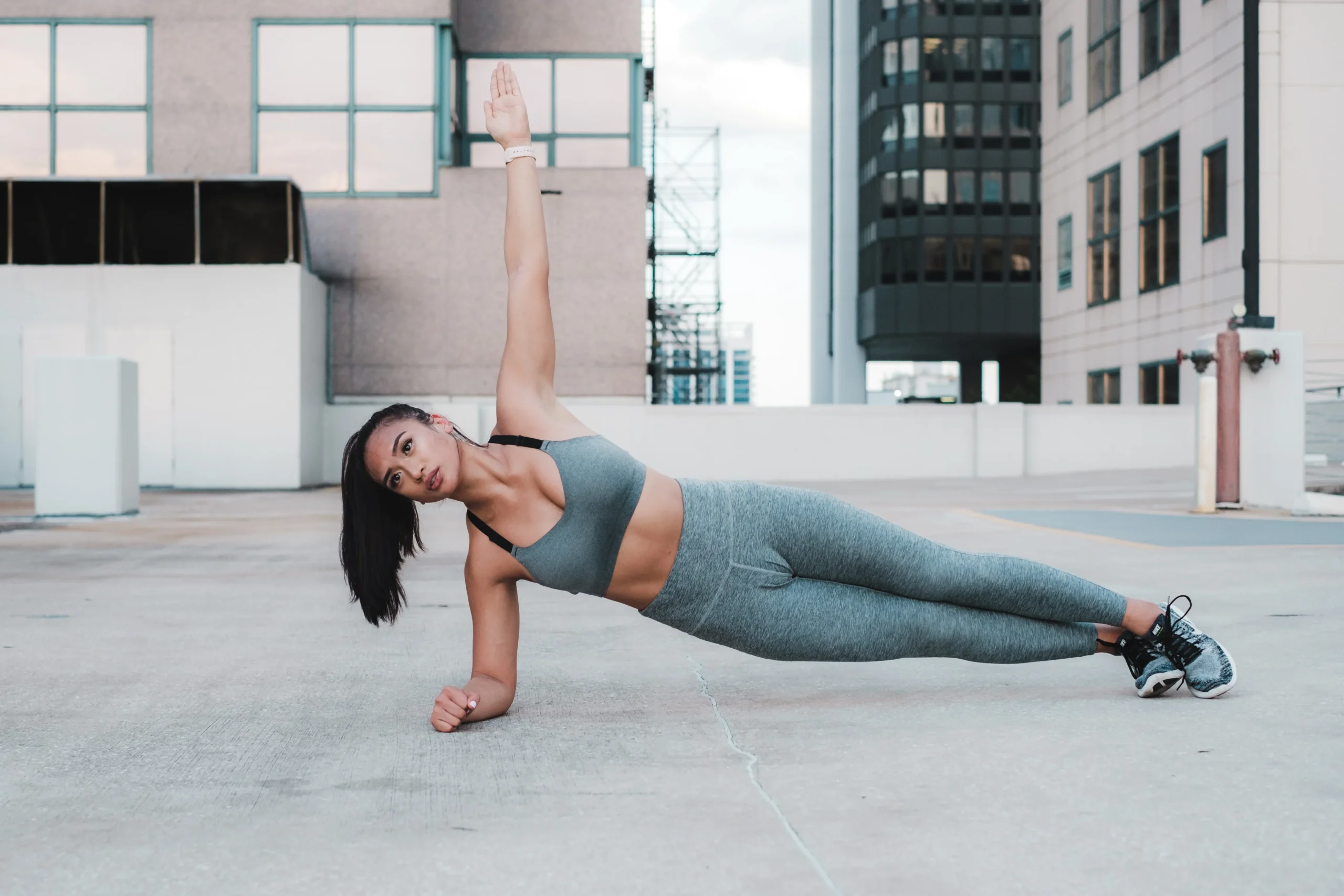
A plank challenges you to resist extension under bodyweight. A side plank adds a strong lateral support demand. A suitcase carry asks the trunk to resist side bending while you walk with an offset load. The Pallof press adds a distinct horizontal turning force. These exercises overlap in the muscles they recruit, but their mechanical demands differ enough that choosing only one leaves other capacities less directly trained.
Rotational movements also deserve a place when your sport or goals require them. A cable chop, landmine rotation or medicine-ball throw trains producing or controlling rotation rather than simply resisting it. You do not need to choose between movement and stability. A useful program can include controlled rotation, anti-rotation and conventional compound lifting at different times.
Unilateral pressing can also create trunk demands. A one-arm dumbbell press asks your body to manage asymmetrical loading, and carries expose that challenge while moving. Research on unilateral resistance exercise shows that trunk muscle activity can differ from bilateral versions. That supports exercise variety, but higher short-term muscle activation does not automatically prove superior long-term gains or reduced injury risk.
If your primary goal is larger abdominal muscles, progressive resistance and adequate total training remain important. If your goal is better control during loaded movement, prioritize repeatable positions and gradually harder anti-movement tasks. Visible abs are largely a separate body-composition question; no single anti-rotation exercise can spot-reduce abdominal fat.
Equipment Worth Exploring
Explore equipment, accessories and gear from our carefully selected range.

Safety Squat Handles
Barbell squat handles that reduce shoulder positioning demands during high-bar squats.


7. A practical two-day anti-rotation core plan
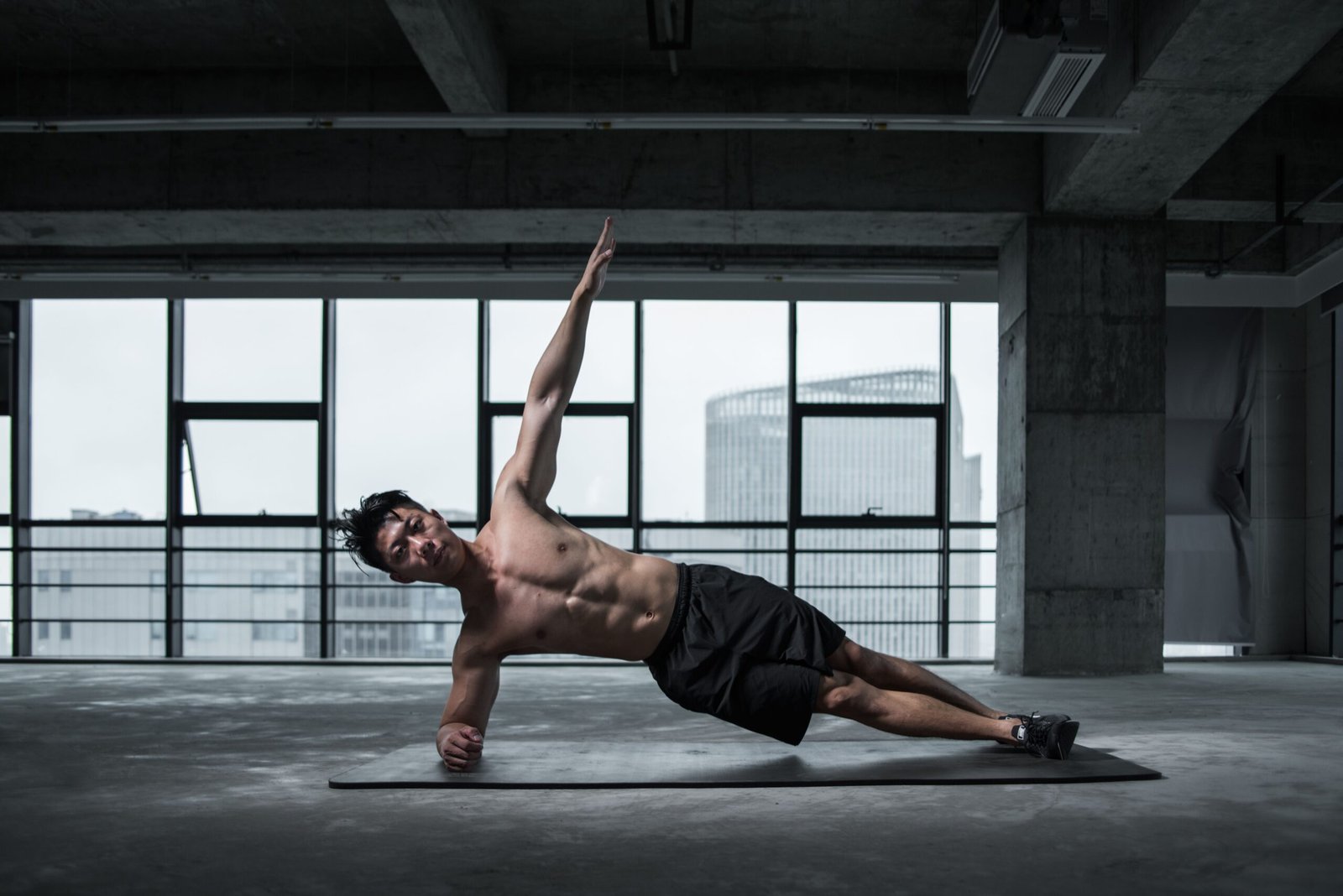
Day A, after your main strength work: Perform cable Pallof presses for two or three sets of eight to twelve repetitions per side, pausing two or three seconds at full extension. Follow with two sets of controlled side planks for 15 to 30 seconds per side. Rest enough to keep your position consistent. This pairs horizontal anti-rotation with a lateral-support challenge without demanding an elaborate core circuit.
Day B, on another training day: Perform band Pallof holds for two or three sets of 15 to 25 seconds per side, then add two or three short suitcase carries per arm. Choose a carry load that allows you to walk tall without leaning. If you are new to carries, use a shorter distance and build it gradually. The goal is a trunk that resists unwanted motion while you move, not a race to finish the set.
Two weekly sessions are a sensible starting point for many healthy exercisers. Add a third brief session only if it fits your overall workload and recovery. If you already squat, deadlift, row and carry regularly, you may need very little extra trunk work. Quality and progressive challenge matter more than collecting dozens of nearly identical abdominal exercises.
If you have persistent back pain, radiating symptoms, unexplained weakness or a condition that limits exercise, get individualized guidance. A Pallof press can be modified for comfort, but it should not be presented as a proven stand-alone treatment for every back problem. The useful takeaway is simple: anchor the resistance securely, press without twisting, progress the lever or load gradually and pair anti-rotation with other forms of trunk strength.
Functional Fitness Shirts & Workout Gear
Functional-fitness shirts, tanks and workout gear for athletes who train strength, conditioning and everything in between.

Viva La Resistance Bands , Meme Shirt, Top T-Shirt
Make gym days more fun with “Viva La Resistance Bands” style.

Shirt – Day Of The Dead Kettlebell – Dia De Los T-Shirt
Bring “Day of the Dead Kettlebell” humor to your next gym day.


Shirt – Watermelon Kettlebell , Gymbros & Meme Lovers T-Shirt
Rep “Watermelon Kettlebell” humor in and out of the gym.


Shirt – Blue Macaroon Kettlebell , Gymbros & Meme T-Shirt
Rep “Blue Macaroon Kettlebell” humor in and out of the gym.

Shirt – Pink Macaroon Kettlebell Bros, & Meme Lovers T-Shirt
Heavy lifts, good laughs, and a little “Pink Macaroon Kettlebell” energy.


Kettlebell Skull Tee
Heavy lifts, good laughs, and a little “Kettlebell Skull Gym Meme” energy.

Vitruvian Kettlebell Tee
Heavy lifts, good laughs, and a little “Vitruvian Man With Kettlebells” energy.