Advertising disclosure: This page includes affiliate product links that may earn us a commission, as well as products from our own store.
The 12-Week Trial Looked Beyond Visible Muscle
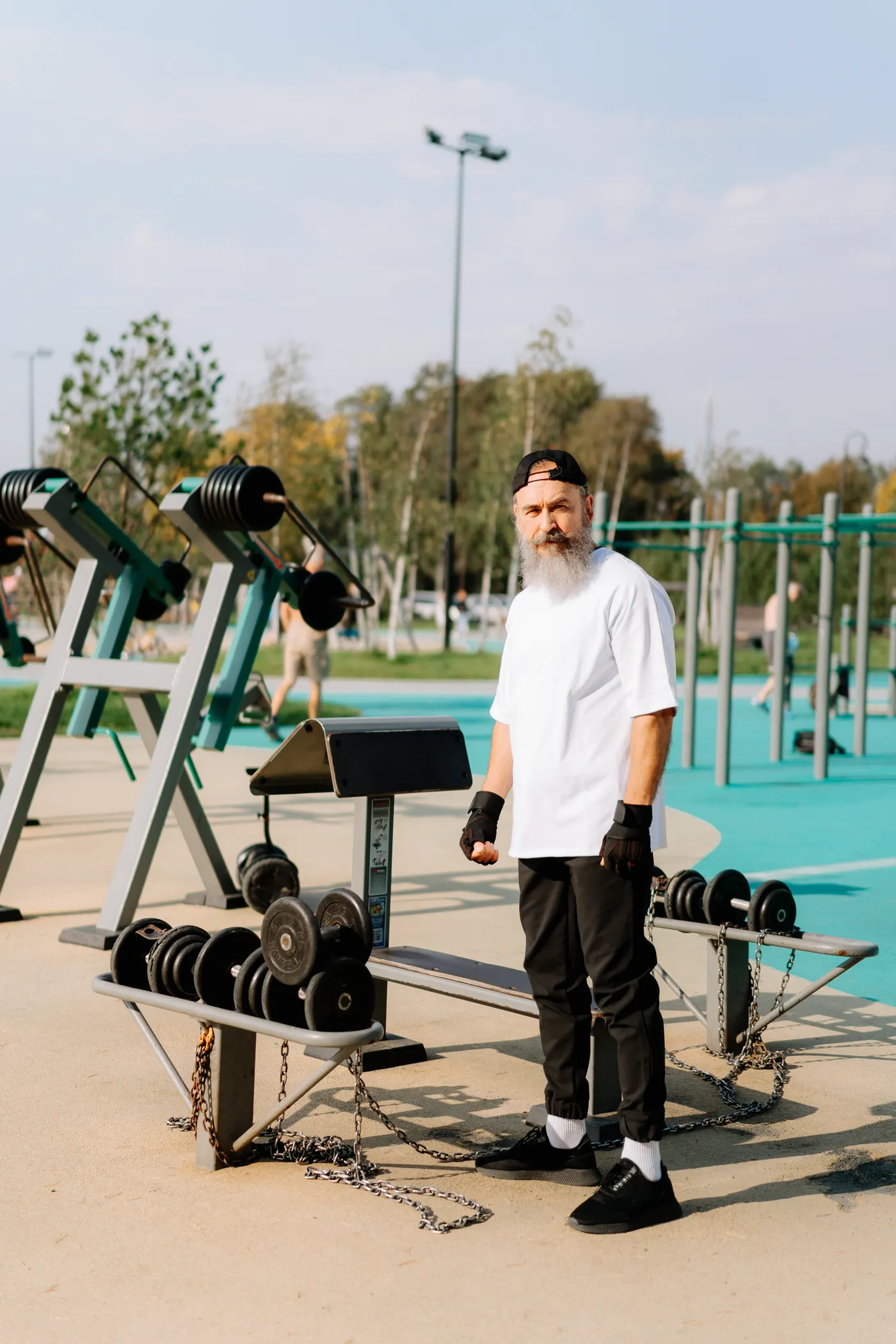
Can ordinary strength training help the muscles involved in breathing? A randomized clinical trial published in October 2026 offers an encouraging answer, with important limitations. Sixty community-dwelling adults aged 60 to 75 were assigned to either a control group or a supervised resistance-training group, with thirty allocated to each. The exercise group trained three times per week for twelve weeks. Before and after the intervention, researchers assessed respiratory muscle pressure, grip strength, chair-rise performance, oxygen saturation and selected blood biomarkers.
The unusual part is the choice of primary outcome. Instead of focusing only on how much weight people could lift, the trial measured how forcefully participants could breathe in and out. These are useful physiological tests, especially in a population where strength and functional capacity may decline with age. They are not the same thing as a lung disease diagnosis, however, and they do not tell us everything about aerobic endurance.
The intervention was supervised and sustained. This was not a test of one heavy workout, a particular gym gadget or a breathing supplement. The result is best understood as evidence about a structured program repeated over three months. Some measures changed more convincingly than others, and a small trial cannot tell us how every older adult will respond.
That is still an interesting finding for lifters of any age. Training is usually discussed in terms of muscle size, bone health or daily function. The trial asks us to consider another dimension: whether progressive whole-body exercise may also strengthen the system that helps move air and stabilize the trunk.
What the Breathing-Muscle Measurements Really Mean
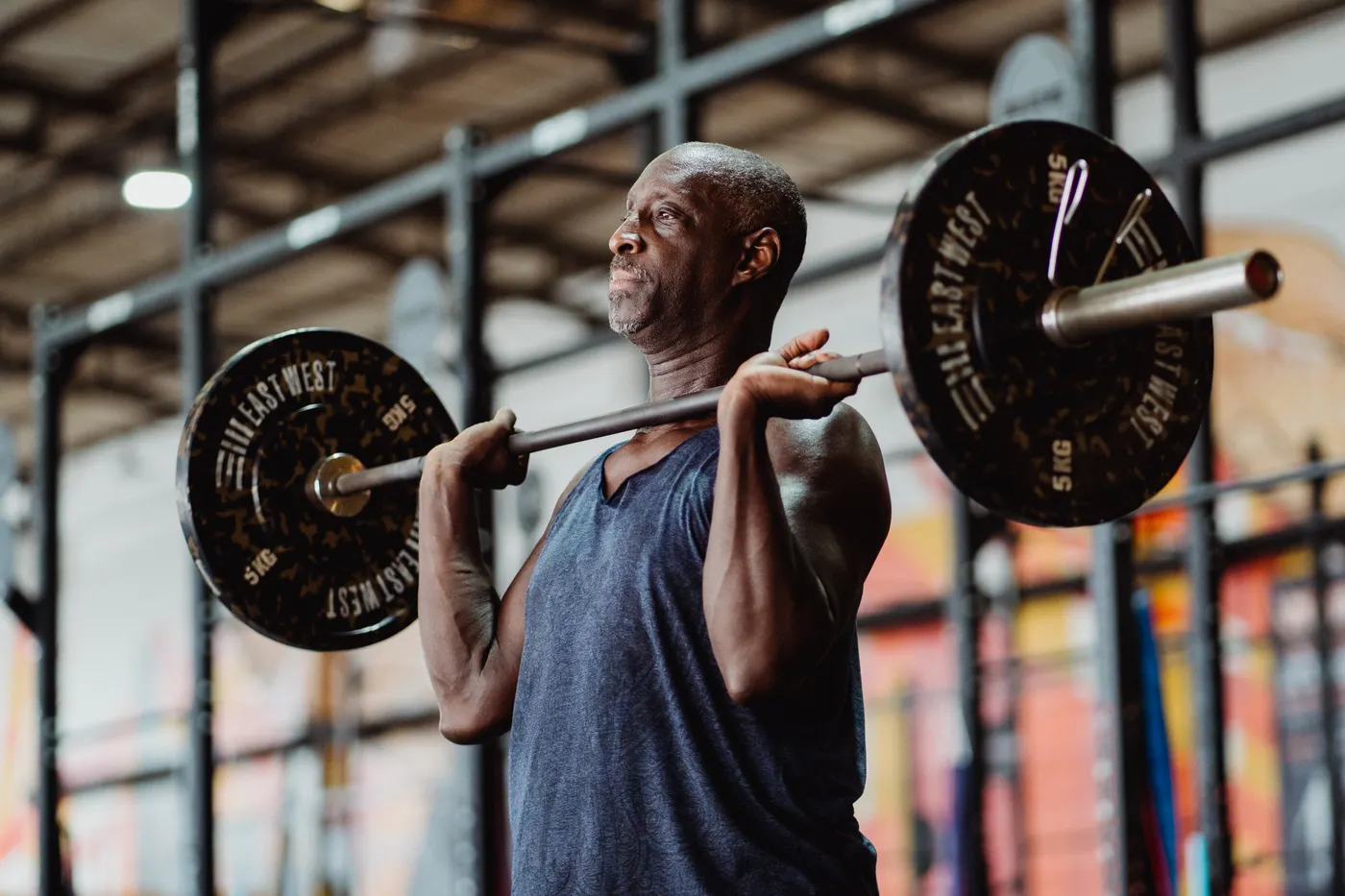
The strongest finding was improved maximal inspiratory pressure and maximal expiratory pressure in the resistance-training group. Inspiratory pressure measures the force generated when drawing air inward against resistance. Expiratory pressure measures forceful exhalation. The trial reported meaningful group-by-time effects for both measures, supporting an improvement in respiratory muscle strength over twelve weeks.
Those outcomes should not be translated into claims that lifting increases lung volume by a fixed percentage, cures shortness of breath or prevents respiratory disease. Respiratory muscle pressure is one part of breathing physiology. Lung capacity, gas exchange, aerobic fitness and symptom burden are different measurements. Someone can become stronger at generating pressure without every aspect of cardiopulmonary health improving in parallel.
Why might conventional lifting affect these muscles? The diaphragm, abdominal wall and surrounding trunk musculature participate in breathing and in managing pressure during loaded movement. Rows, squats, carries and presses all require some degree of coordinated trunk activity. The researchers did not isolate which mechanism produced the respiratory changes, so it would be speculation to credit one exercise or one style of bracing.
Dedicated inspiratory-muscle training is also a separate intervention. Earlier randomized work using resisted breaths showed that breathing-specific exercise can improve inspiratory pressure in older adults, but that does not make general strength training a replacement for prescribed pulmonary rehabilitation. For a generally healthy person, the practical lesson is that progressive lifting may provide benefits beyond the muscles we see. Persistent breathlessness, wheezing or chest discomfort still warrants medical assessment.

Equipment Worth Exploring
Explore equipment, accessories and gear from our carefully selected range.
VOLTRA
Compact digital cable trainer with smooth, adjustable resistance.
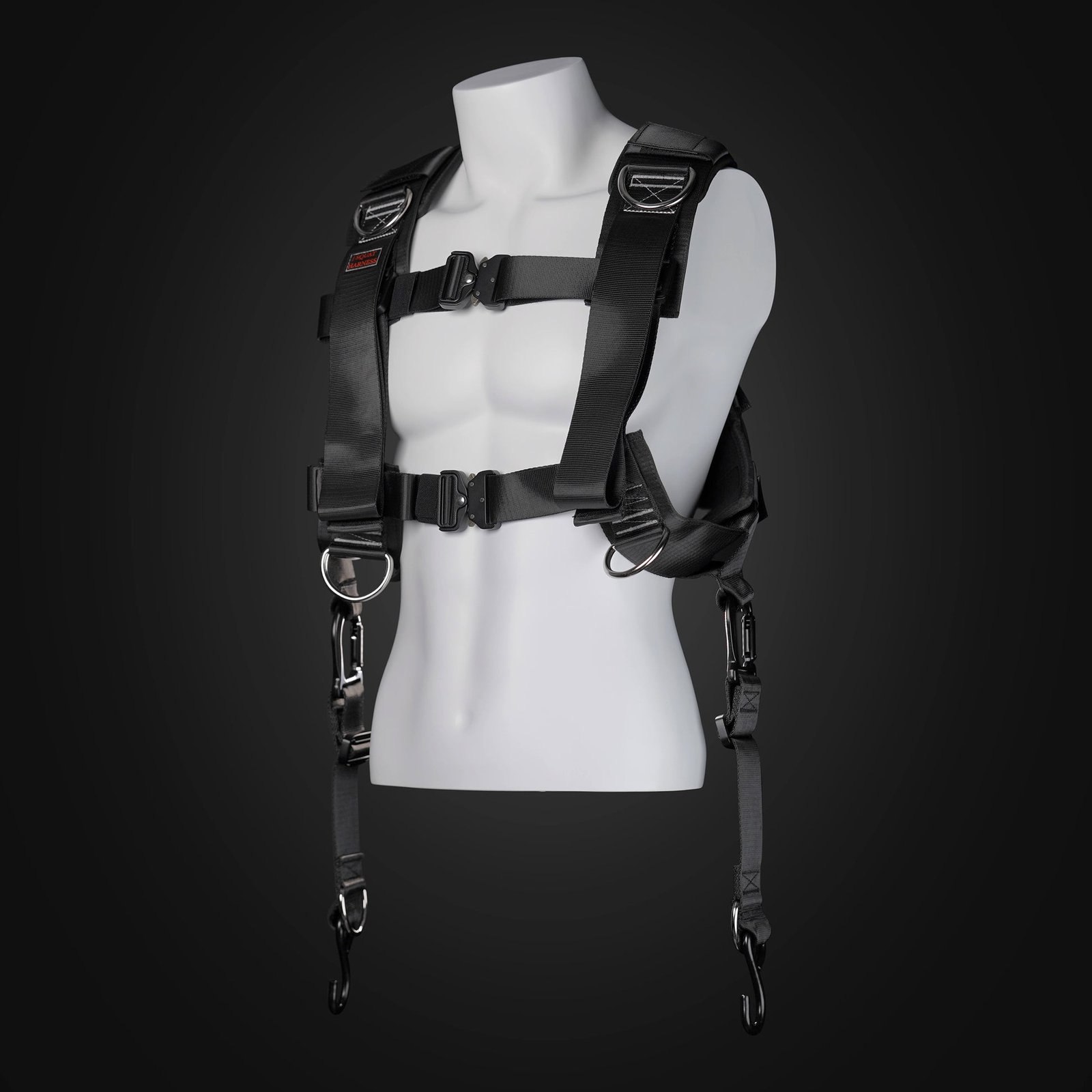
Squat Harness
Wearable harness for hands-free cable squats, sled work, and lower-body training.

GymPin Squat Wedges
Non-slip 15-degree squat wedges help elevate the heels for deeper quad-focused squats.

Belt Squat Collar
Heavy-duty collar adapter for compatible belt-squat and landmine bar setups.

HUSLA Leg Extension Pad
Pad attachment designed to increase usable range of motion on compatible leg-extension machines.


Grip, Chair Rises and Everyday Performance
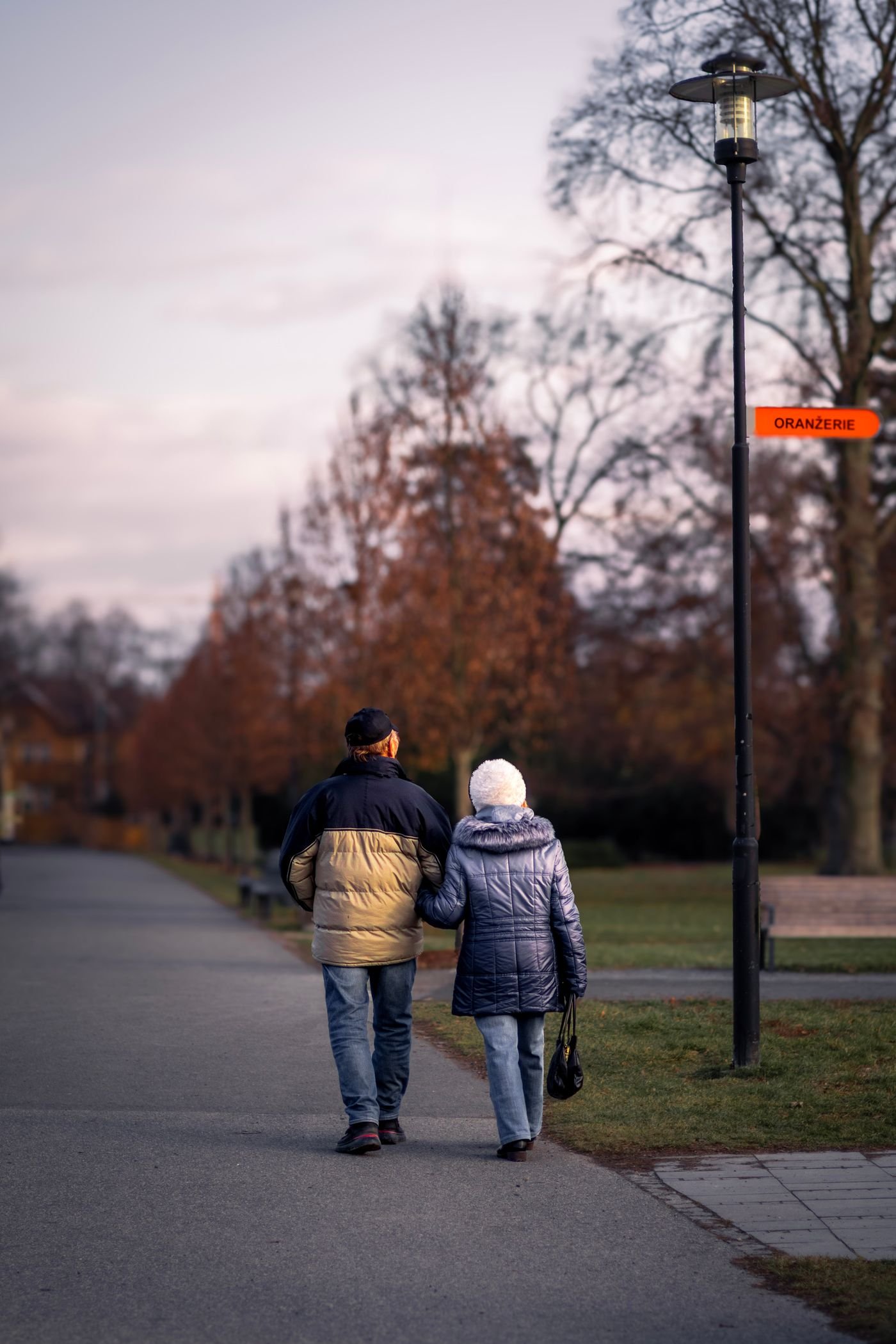
Breathing-muscle strength was not the only result. The training group also improved handgrip strength and performance on a one-minute sit-to-stand test. Grip strength is a convenient measure of force production, while repeated chair rises challenge the legs, hips, coordination and ability to sustain effort. Both connect more closely to everyday tasks than a photograph of someone’s physique.
There is a statistical caveat that deserves attention. The trial’s chair-rise result looked favorable in the initial analysis, but the between-group advantage was attenuated after adjustment for a baseline difference between the groups. That means it is reasonable to describe a promising functional improvement, not to promise a precise number of extra chair rises from twelve weeks of training. Similarly, the paper discussed less exercise-related oxygen desaturation, but not every oxygen-saturation comparison showed a clear between-group effect.
For an older lifter, it makes sense to monitor practical performance alongside the gym log. Can you stand from the same sturdy chair with less effort? Carry shopping bags more comfortably? Walk a familiar route without needing as many breaks? Those are meaningful observations even if they are not substitutes for standardized laboratory tests.
Keep comparisons fair. Use the same chair height, similar footwear and a consistent warm-up. Do not push a chair-rise test to exhaustion if balance is uncertain. A stable support or professional supervision may be appropriate. The purpose is to identify gradual progress, not to turn every daily activity into a maximal effort.

Leg Day Shirts & Workout Gear
Leg-day gym shirts and workout gear for lifters who never skip squats, lunges and lower-body punishment.

I Love Squats | Valentine's Leg Day with Black Heart We T-Shirt
Show some leg-day attitude with a playful “I Love Squats” tee.

I Love Deadlifts | Valentine's Workout Sweater With Hea T-Shirt
For laid-back days and deadlift humor: “I Love Deadlifts”.

Never Skip Leg Day Gym | LEGO Workout Decal for Water B Sticker
Stick a little “Never Skip Leg Day” humor on your favorite gear.

Mermaid Leg Day Female & Leg Day Lovers Hooded Hoodie
Keep it laid-back with a little “Mermaid Leg Day” attitude.

Skeleton Deadlift Powerlifters & Deadlift Lovers Tank Top
Add some deadlift attitude to training with “Skeleton Deadlift”.

Funny Squatbucks Gym | Starbucks Parody Workout | Leg D Hoodie
Bring “Squatbucks” gym humor to lazy days and post-workout plans.

Wonderbar Leg Day Parody | Oasis Workout Crewneck Pullo T-Shirt
Add a playful “Wonderbar Leg Day Parody” touch to your casual rotation.

Deadlift Skull Cyberpunk Gym Shirt for Powerlifting Leg T-Shirt
Make gym days more fun with “Deadlift Skull” style.

Deadlift Skull Gym Gold Heavy Metal Crewneck for Powerl T-Shirt
Show some gym-day personality with “Deadlift Skull”.

Deadlift Pink Skull Gym Decal for Powerlifting Leg Day Sticker
Give your everyday gear a playful “Deadlift” twist.
Inflammation and Klotho: Why the Biomarker Story Needs Restraint
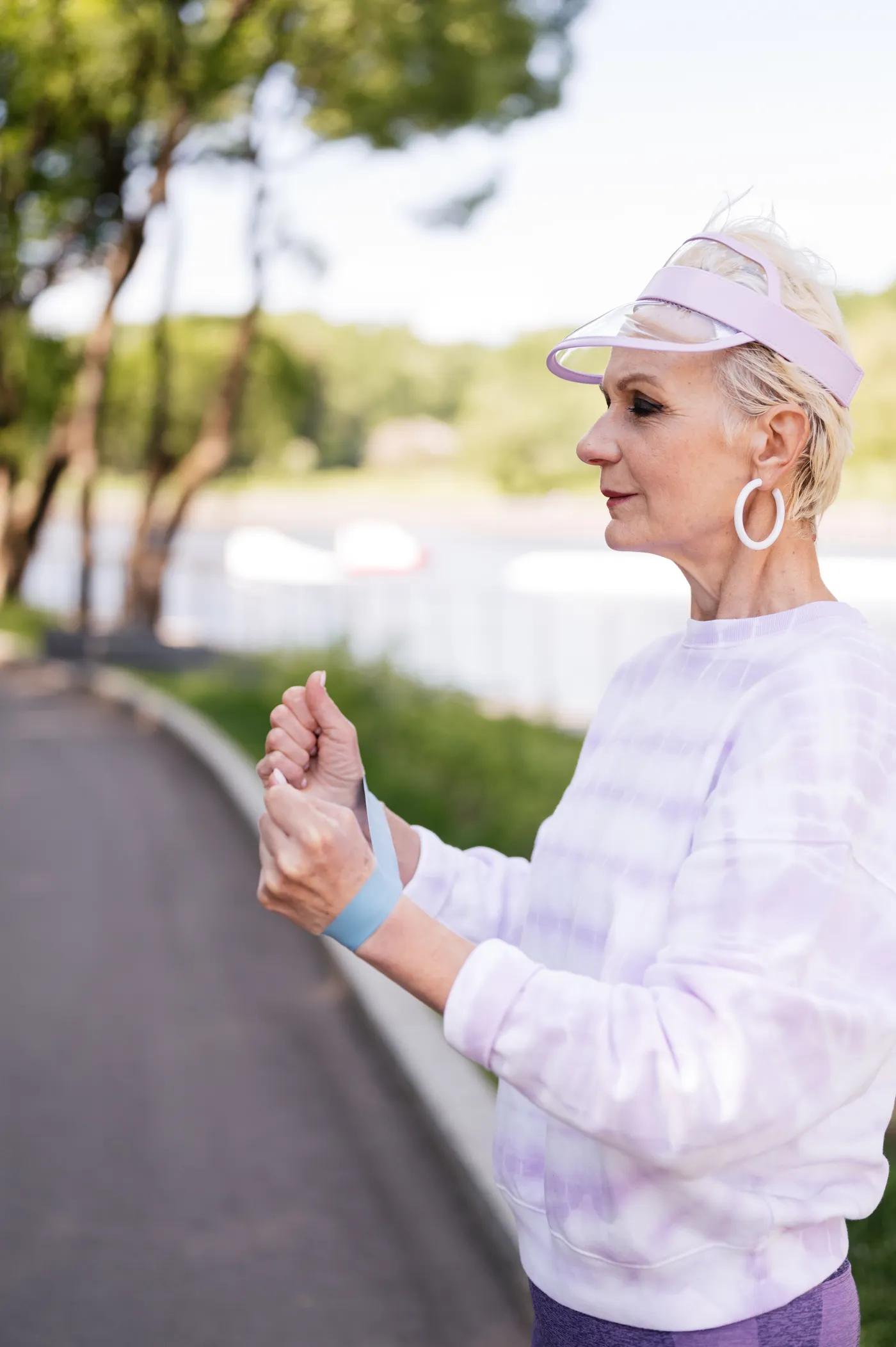
Several blood measurements also changed after training. The exercise group showed lower circulating IL-6 and higher IL-10 and alpha-Klotho. IL-6 and IL-10 are signaling proteins involved in immune regulation; alpha-Klotho is studied in connection with aging-related biological processes. These findings are interesting because they appeared alongside changes in physical function.
But a blood marker is not a clinical outcome. An increase in alpha-Klotho does not prove that a participant aged more slowly, extended their lifespan or lowered their risk of a specific disease. A twelve-week trial cannot establish whether a change in a circulating protein will remain years later. Exercise affects immune signaling in complex ways, and the meaning of any one measurement depends on timing, population and context.
The wider evidence is mixed rather than uniformly dramatic. One systematic review of resistance-training trials in older adults found a clearer pooled reduction in C-reactive protein than in every cytokine. A broader synthesis reported favorable average effects across groups of inflammatory markers, but that does not mean every marker improves in every individual study. The 2026 results add a useful piece of evidence without resolving those uncertainties.
There is no reason for a recreational lifter to buy an unvalidated biological-age test or choose exercises based on a single cytokine. A sustainable routine, manageable recovery and improved daily performance are more practical targets. The biomarker changes should encourage further research, not be repackaged as a cure for aging or a guarantee of improved immunity.
Building a Sensible Resistance-Training Routine
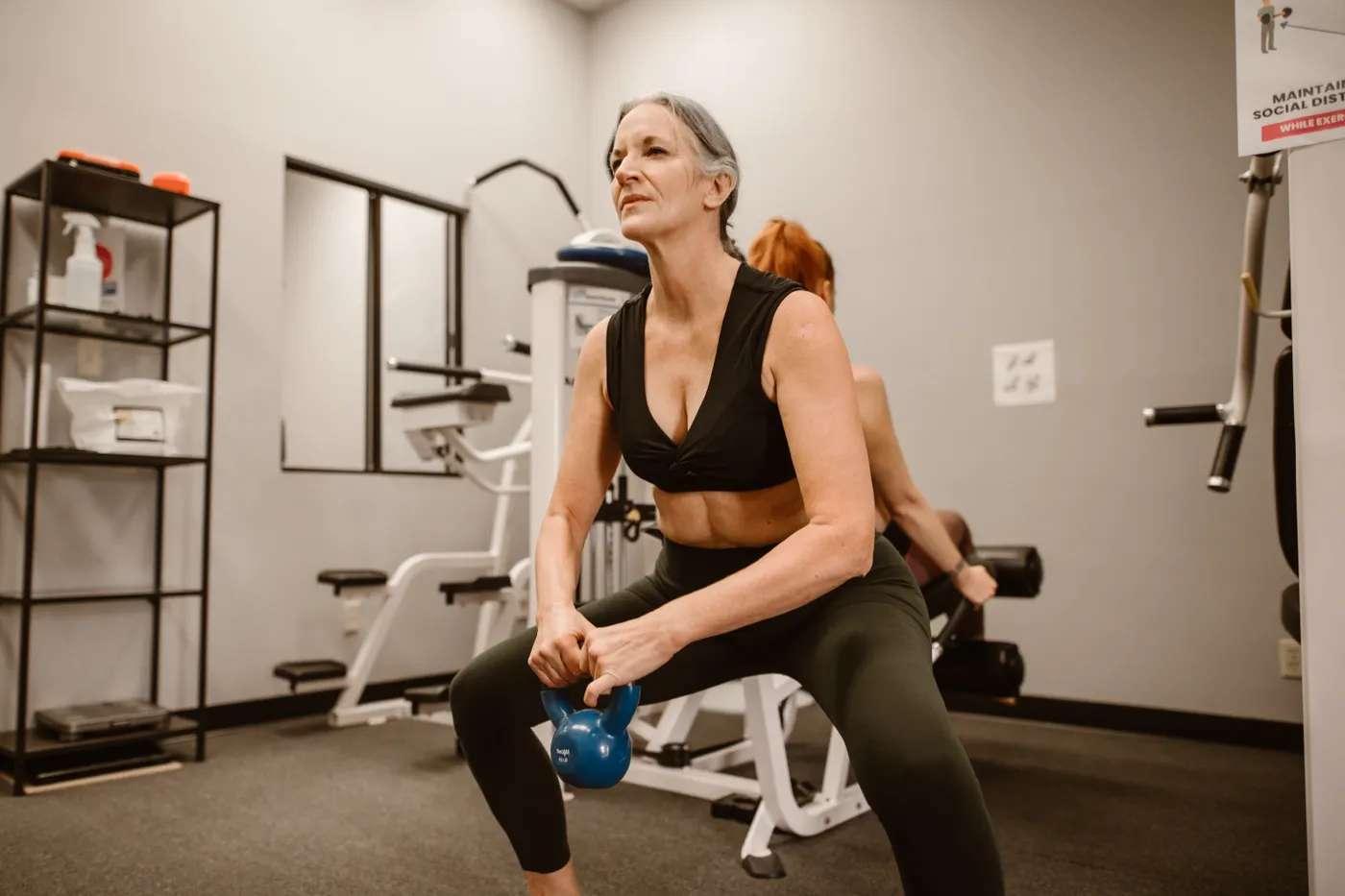
The trial’s most transferable ingredients were regular sessions, supervision and progressive resistance. It does not demonstrate that a particular machine, handle, rep tempo or exercise produced the breathing-muscle gains. A general strength routine can cover a knee-dominant movement, a hip hinge, a push, a pull and an optional carry. The best versions depend on mobility, experience, available equipment and comfort.
For a beginner, a chair rise or supported squat may be more appropriate than an unsupported heavy barbell squat. A light cable row or resistance-band row trains pulling strength without requiring a complex setup. A wall push-up, dumbbell press or machine press can provide a scalable pushing movement. The aim is to build a repeatable stimulus, not to imitate a competitive lifter’s program.
Two sets of eight to twelve controlled repetitions per exercise are a reasonable conservative starting point for many otherwise healthy adults. Leave several repetitions in reserve, breathe naturally and avoid prolonged straining. Increase repetitions before load when technique is still developing. More experienced lifters can use heavier resistance, but there is no evidence from this study that maximal loading is necessary for the respiratory findings.
Equipment can make training easier to organize, particularly when a bench, adjustable weights, bands or cable machine allow small load changes. It does not transform a routine into medical therapy. Anyone with unstable heart or lung symptoms, recent surgery, severe balance problems or specific medical restrictions should seek individualized guidance rather than relying on a general article for clearance.
Equipment Worth Exploring
Explore equipment, accessories and gear from our carefully selected range.


FID Bench MAX
Adjustable bench offering flat, incline, and decline positions + adjustable headrest.


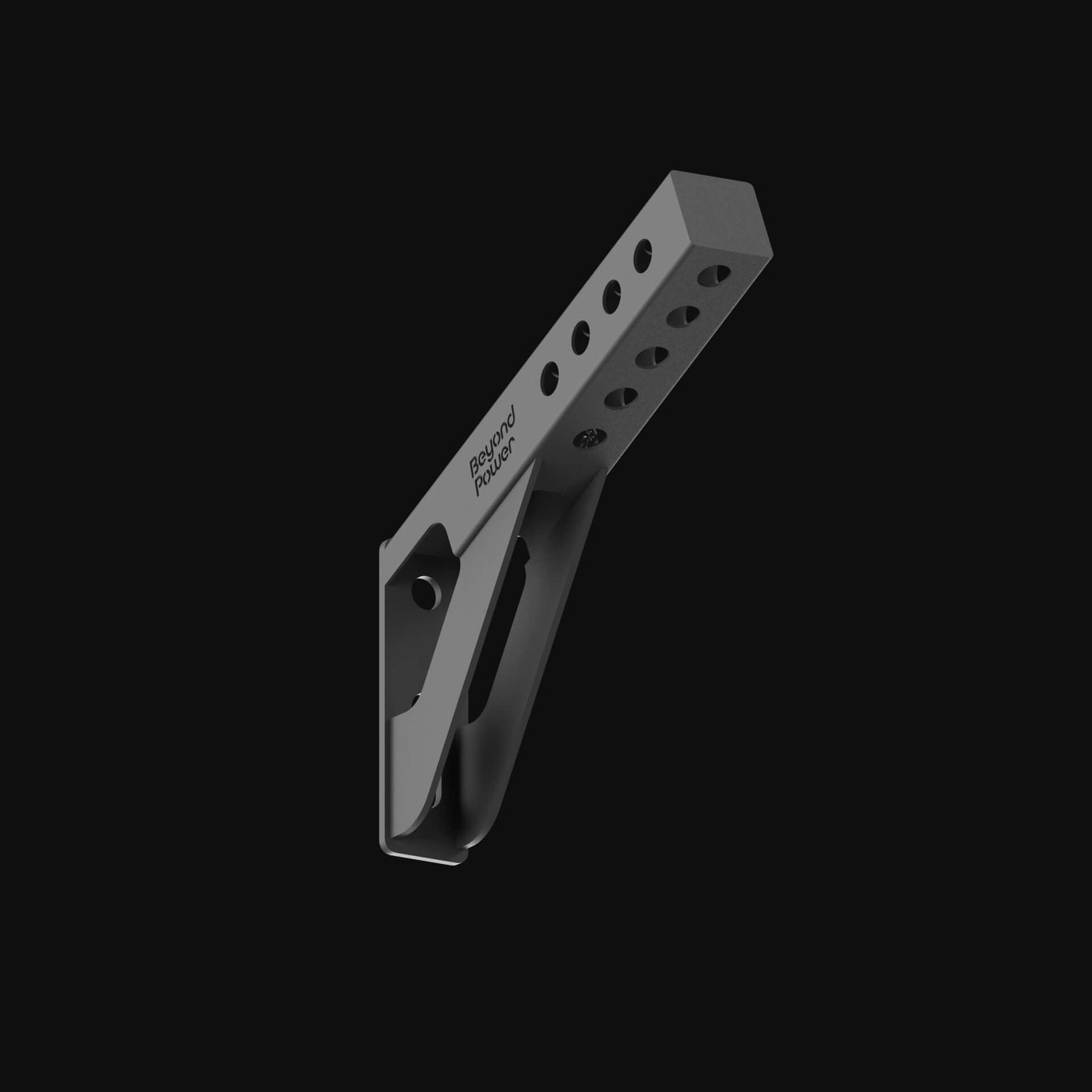

Go-Tone Pro
Portable digital cable trainer with up to 66 lb (30 kg) of adjustable resistance.
A Four-Week Starting Plan You Can Actually Repeat
The following is a conservative introduction, not a reproduction of the twelve-week supervised trial. For an otherwise healthy adult returning to exercise, start with two nonconsecutive strength sessions each week. A third can be added if recovery, balance and scheduling permit. Walking and balance practice remain valuable alongside lifting.
Week 1: Begin with five minutes of comfortable walking or cycling. Complete one or two sets of supported chair rises, a light row, an incline push-up and a comfortable hip hinge. Aim for eight to ten controlled repetitions. Stop each set before technique deteriorates. Note the effort and how you feel the following day.
Week 2: Repeat the same movements twice. Add a few repetitions to one or two exercises, or move from one set to two where appropriate. Keep breathing naturally. If a movement aggravates a joint, shorten the range of motion or substitute a comfortable variation instead of forcing the planned number.
Week 3: Consider a third session only if the previous weeks have been well tolerated. Progress one variable at a time: a slightly stronger band, a small dumbbell increase or a more controlled movement. Include easy walking on separate days and brief supported balance practice if safe.
Week 4: Maintain the schedule and compare the quality of your chair rises, the loads you can control and the number of completed sessions with week one. If progress is steady, extend the plan gradually toward twelve weeks. Older-adult activity recommendations also include aerobic movement and balance training; lifting does not replace them. A plan that gets completed is better than an ambitious one abandoned after a few workouts.
Funny Gym Shirts & Workout Gear
Funny gym shirts, tanks, hoodies and workout gear for lifters who like training hard.

It's Gym O'Clock | Workout Sweater & Gym Bros | Fitness T-Shirt
Add a playful “It's Gym O'Clock” touch to your casual rotation.

Neverest – Muscle Mountain Workout Crewneck Jumper Pull T-Shirt
Add a playful “Neverest” touch to your casual rotation.

Lift Wag Repeat Shirt – Dog Meme & Top T-Shirt
Bring “Lift Wag Repeat” humor to your next gym day.

No Excuses Mermaid Decal Water Bottles & Equipment Sticker
Stick a little “No Excuses Mermaid” humor on your favorite gear.

Sleeping Booty Bootybuilding Meme Princess Tank Top
Show some personality between sets with “Sleeping Booty”.

Grunge Gains Repeat Hooded Pullover Nirvana Fans Hoodie
Stay casual and show some lifting attitude with “Grunge Gains Repeat”.

Grip Training Get A Grip Hoodie
Show off your lifting humor in a laid-back “Grip Training” hoodie.

Sweet Home Gym Tank
Show some personality between sets with “Lynyrd Skynyrd Sweet Home Gym Patriotic”.


The Real Everest – Muscle Mountain Vest Athletic Shirt Tank Top
Show some personality between sets with “The Real Everest”.
What We Can Conclude—and What Still Needs Research
The strongest conclusion is straightforward: in a randomized trial of sixty adults aged sixty to seventy-five, twelve weeks of supervised resistance training improved measured inspiratory and expiratory muscle pressures. Several other measures, including grip strength and selected blood biomarkers, moved in favorable directions. Not every functional or oxygen-related result remained conclusive after appropriate adjustments.
The study was relatively small and short, and it did not establish fewer respiratory illnesses, improved survival or a treatment effect in people with diagnosed pulmonary disease. It also cannot identify which exercise was responsible for the pressure changes. Larger trials, longer follow-up and more diverse participants would help establish how durable and clinically meaningful these adaptations are.
For a practical training log, record three categories: consistency, including completed sessions; gym performance, including repetitions and controllable load; and daily function, including walking tolerance and chair-rise comfort. Compare trends over several weeks instead of judging one tired day. Sleep, nutrition and recovery make the routine easier to sustain, even though this particular trial did not prove that any specific recovery habit caused its respiratory results.
There is no need to train to breathlessness or chase soreness to make progress. If exercise triggers chest pain, dizziness, unusual shortness of breath or other concerning symptoms, stop and seek professional advice. The encouraging message is simpler: consistent, progressive resistance exercise may support more than visible muscle, and its everyday value does not depend on exaggerated anti-aging claims.
Some product links may be affiliate links, which can support Mind Muscle Perfection at no additional cost to you.