Advertising disclosure: This page includes affiliate product links that may earn us a commission, as well as products from our own store.
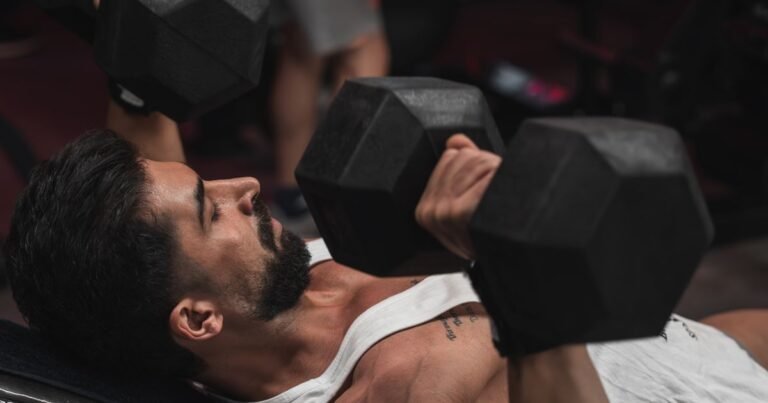
Can lighter weights with blood-flow restriction produce a manageable cardiovascular response in older lifters? A randomized 2026 experiment compared the immediate recovery from conventional heavier resistance exercise and cuff-assisted low-load exercise in young and older adults. The findings are useful, but they are not a blanket declaration that blood-flow restriction is safe for everyone.
Why light weights with cuffs feel different
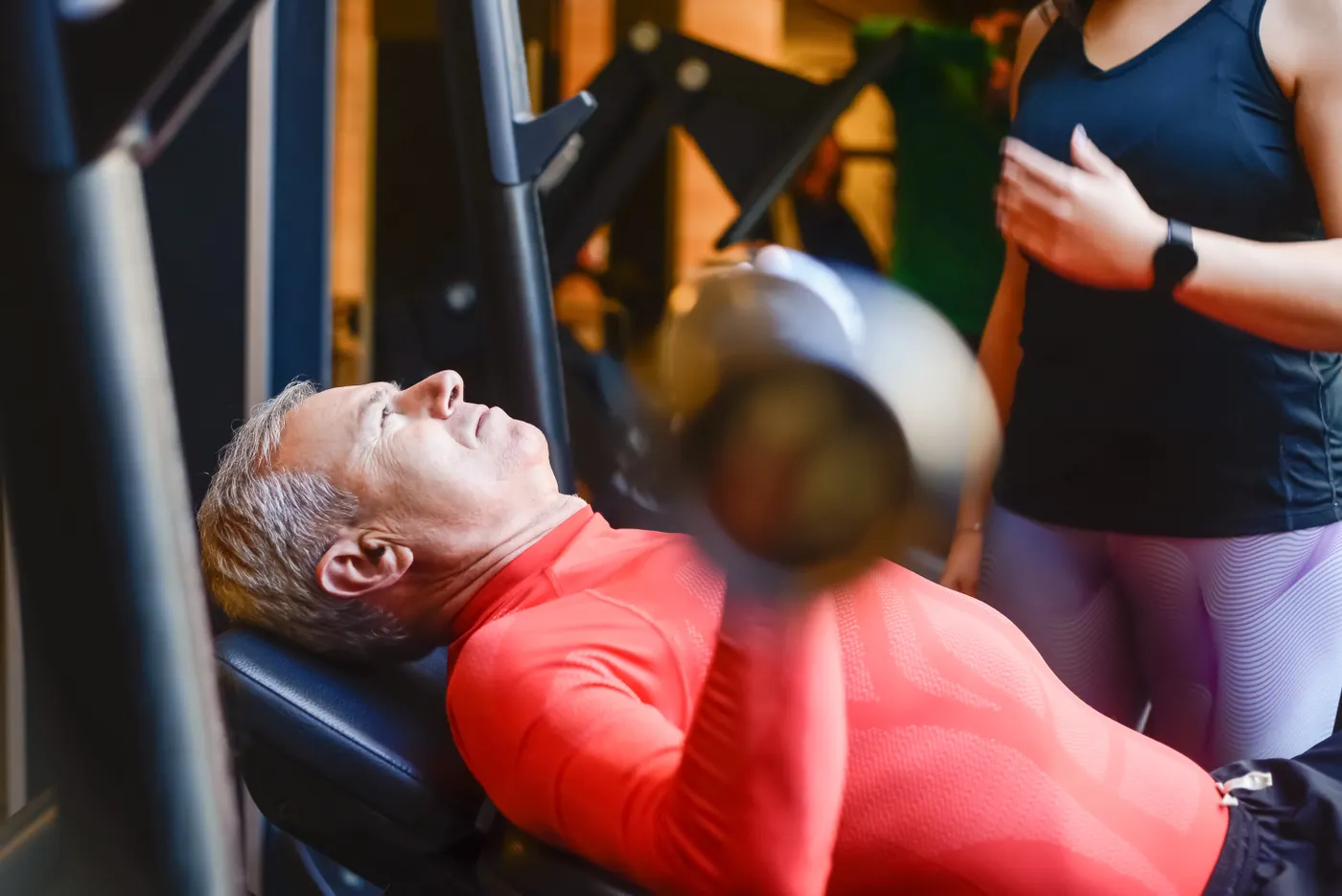
Ordinary light-load training asks muscles to produce less external force than a heavy set. Blood-flow restriction, or BFR, changes that experience by applying a calibrated cuff high on a working limb. The cuff reduces venous return while permitting some arterial inflow. During repeated contractions, the working muscle encounters a different local metabolic environment, and a modest dumbbell can become surprisingly demanding.
This matters because some older adults cannot comfortably use heavy weights. Joint symptoms, limited tolerance, a period of reduced activity or supervised rehabilitation may make lower external loads attractive. The possibility of building muscle without lifting near-maximal weights is worth investigating. Yet a large muscle pump, burning sensation or high perceived effort is not proof of superior training adaptation.
There are also several different outcomes to consider. Muscle size, maximal strength, arterial function, blood pressure and long-term cardiovascular health are not interchangeable. An intervention can help one outcome without improving all the others. The new study addressed the short recovery window after a single exercise session, not whether years of BFR training prevent cardiovascular disease.
That distinction is the starting point for interpreting the results. A cuff is not an ordinary compression sleeve, and tightening an improvised strap is not a substitute for an individualized, supervised protocol. The right comparison is between the actual exercises and monitoring used in the experiment, not between slogans about heavy and light lifting.
Inside the 38-person randomized crossover experiment
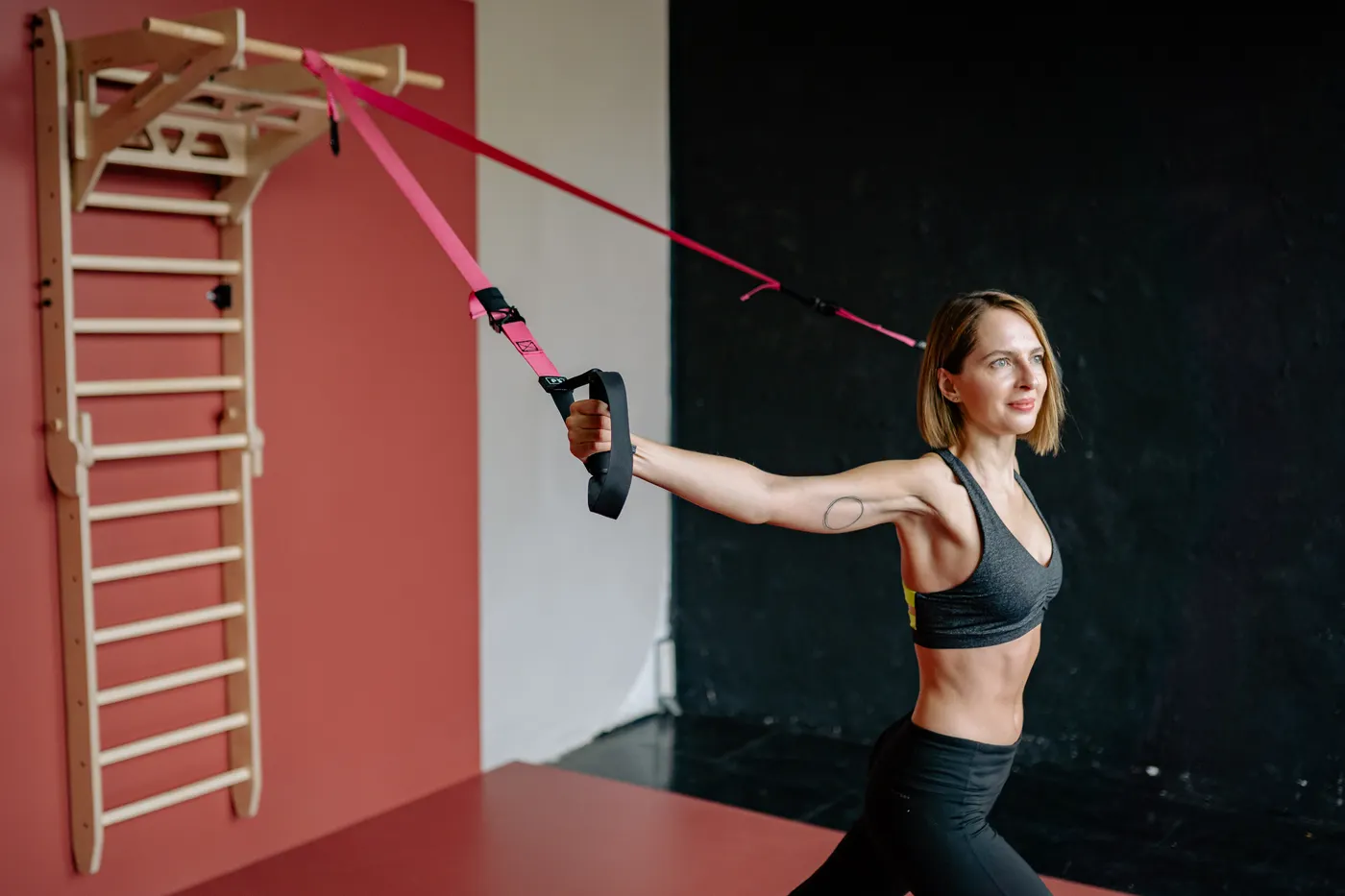
The trial included 19 younger adults with a mean age of approximately 22 and 19 older adults averaging approximately 70. Participants completed three conditions in randomized order: conventional high-intensity resistance exercise, low-intensity exercise with BFR and a no-exercise control session. A crossover design allows participants to serve as their own comparison across conditions, reducing some individual variability.
The heavier session consisted of three sets of ten repetitions at about 75% of one-repetition maximum. The restricted low-load session used four sets of twenty repetitions at about 30% of maximum, with continuous cuff occlusion during the exercise. The conditions therefore differed in repetitions, loading and cuff use. They were complete training protocols, not identical sessions with one isolated variable changed.
Researchers assessed central and peripheral vascular responses at rest and then five and thirty minutes after exercise. Oscillometric pulse-wave analysis provided estimates including total peripheral resistance, aortic reservoir function and the subendocardial viability ratio. These physiological measures help characterize circulation, but they do not directly measure future heart attacks, clot formation or long-term health outcomes.
Thirty-eight participants can provide a controlled first look at an acute response. It is not a large enough sample to exclude uncommon adverse events, and a thirty-minute follow-up cannot describe what happens over months of repeated training. The experiment is best understood as a carefully measured snapshot rather than a complete safety evaluation.

Equipment Worth Exploring
Explore equipment, accessories and gear from our carefully selected range.


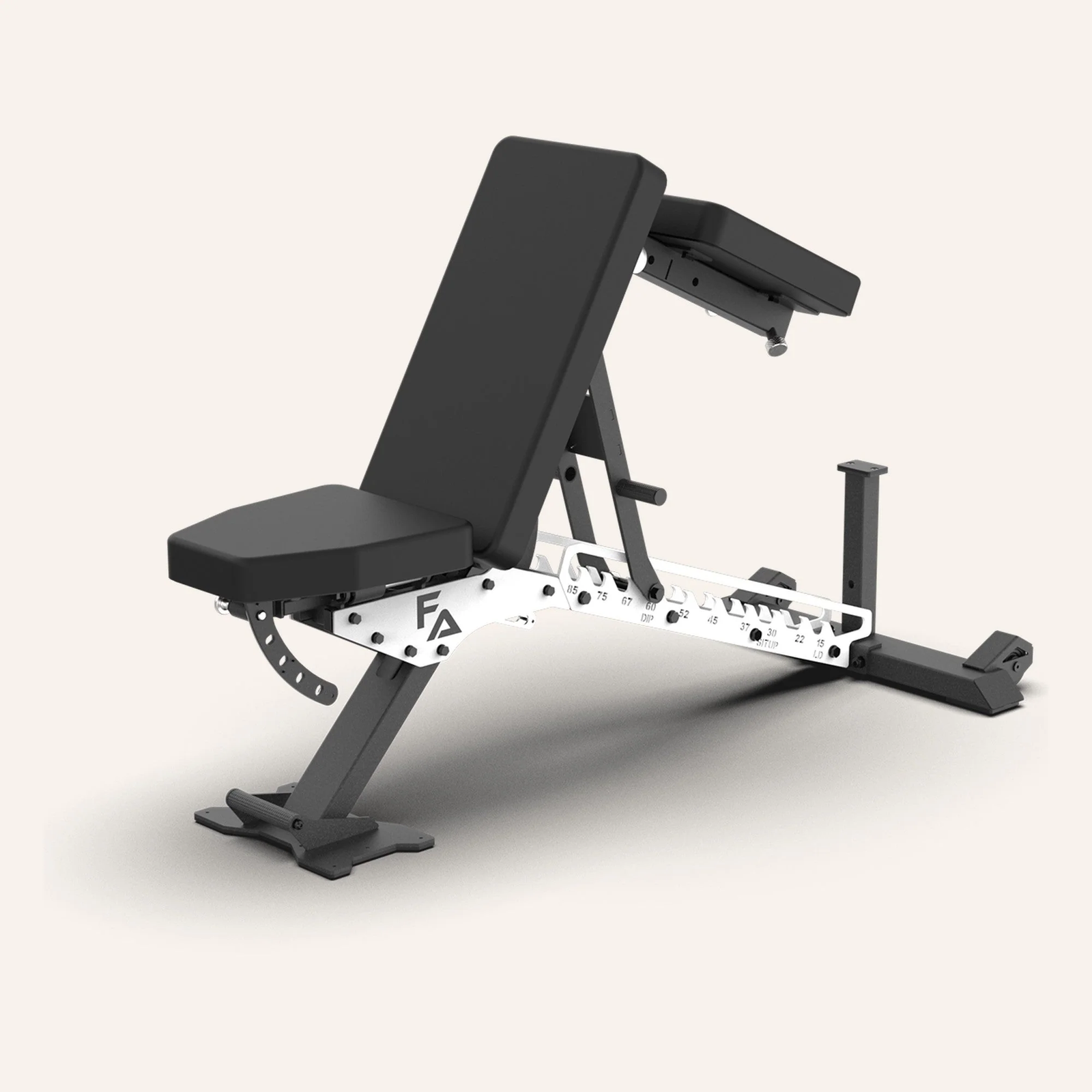
FID Bench MAX
Adjustable bench offering flat, incline, and decline positions + adjustable headrest.


GymPin Squat Wedges
Non-slip 15-degree squat wedges help elevate the heels for deeper quad-focused squats.
What changed at five and thirty minutes
In the older group, neither heavier lifting nor cuff-assisted light lifting significantly altered the reported total peripheral resistance, aortic reservoir function or subendocardial viability ratio across the observed recovery period. The two exercise protocols did not show meaningful differences for those outcomes. This is encouraging within the tested population, but a nonsignificant difference is not proof of equivalence or zero risk.
The younger adults showed a different response to the heavier session. At five minutes, reported total peripheral resistance was lower by about 0.176 peripheral resistance units, aortic reservoir function by 11.9%, and the subendocardial viability ratio by 47.1% relative to the relevant comparison. Some differences persisted at the thirty-minute reading. The BFR low-load session produced comparatively minor changes in these measured variables.
It would be a mistake to interpret those percentages as an individual participant losing almost half their heart’s oxygen supply. The subendocardial viability ratio is a modeled physiological index, not a direct measurement of a heart attack or coronary obstruction. Changes in peripheral resistance can also reflect normal adjustments after exercise. Most measured variables approached their resting values within thirty minutes.
The key finding is not that one workout is universally safer. Rather, cardiovascular responses depended on age group and exercise protocol. Lower external weight did not simply translate into one uniform pattern of circulatory recovery. That is precisely why acute measurements and participant characteristics matter when assessing specialized training methods.

Funny Gym Shirts & Workout Gear
Funny gym shirts, tanks, hoodies and workout gear for lifters who like training hard.


Grit & Gains Greek God Tee
Show some lifting attitude with a playful “Grit & Gains Stoic Greek God Marble” tee.

Train Like A Machine – Iron Man Inspired Bros & T-Shirt
Rep “Train Like A Machine” humor in and out of the gym.

Gains O'Clock | Workout Sweater & Gym Bros | Fitness Me T-Shirt
Bring “Gains O'Clock” humor to your everyday gym style.

– Muscle Inflation Graph Meme Hooded | Gymbro Economics Hoodie
Bring “Muscle Inflation Graph Meme Hooded” gym humor to lazy days and post-workout plans.

Funny Hustle For That Muscle Gym | Greek God Meme Muscl Tank Top
Train hard, laugh a little, and rep “Hustle For That”.

Knight Of The Iron Weights Medieval Tank Top
Bring “Knight of the Iron Weights” humor to your next lifting session.

Heart Weight Plate Valentine'S Day Lovers T-Shirt
Rep “Heart Weight Plate” humor in and out of the gym.

Gains Or Go Extinct Gym | Funny Dinosaur T-Rex Workout Sticker
Put “Gains Or Go Extinct” gym humor on your laptop, bottle, or gym gear.

Vincent van Gains – Gym is Art Meme Pullover Jumper T-Shirt
Add a playful “Vincent van Gains” touch to your casual rotation.
Why one supervised session cannot settle safety

A small experiment that detects no major acute problem cannot establish the safety of BFR for people with uncontrolled hypertension, vascular disease, a history of thrombosis or other important medical conditions. The study did not monitor participants for years, and it could not reliably capture rare complications. The absence of a detected problem in this setting should not be turned into a promise that serious problems cannot occur.
Healthy older participants are also not interchangeable with every person over sixty. Fitness level, medication use, cardiovascular history, mobility and the reason for avoiding heavy exercise can all affect the appropriate training choice. Someone returning to training after a minor break is in a different situation from someone recovering from major surgery or managing unstable heart symptoms.
Methodology adds another limit. The heavier and lighter sessions differed in repetitions and resistance, and cuff use was only one of those differences. The trial assessed vascular variables at five and thirty minutes; it did not measure long-term arterial remodeling, changes in blood pressure over a training program or the probability of clinical events.
Therefore, the careful conclusion is that the tested BFR protocol produced short-term vascular responses comparable to conventional heavier exercise in this older sample. It supports further study and may inform professional practice. It does not justify unsupervised restriction training, arbitrary cuff pressure or replacing a conventional program that is already effective and well tolerated.
Muscle growth, strength and vascular recovery answer different questions
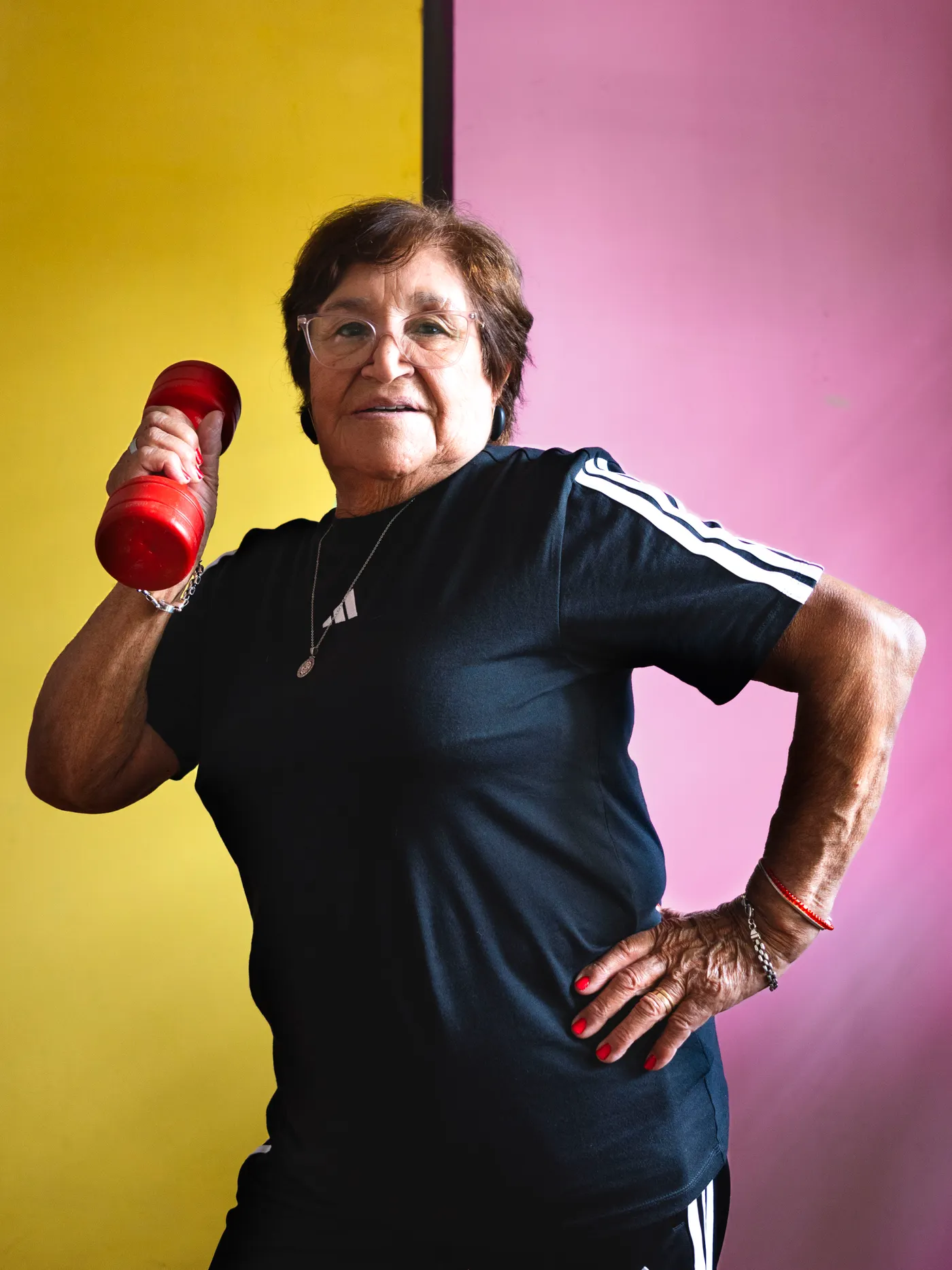
Broader research provides a reason to investigate low-load BFR. In older adults, trials suggest that restriction combined with light resistance can improve quadriceps size and strength compared with very light training alone. Some syntheses report muscle-size changes approaching those of traditional heavier training. However, the studies are generally small and vary in cuff settings, exercise selection, supervision and duration.
Maximal strength may tell a different story. Lifting a heavy weight is partly a practiced skill involving coordination, confidence, motor-unit recruitment and the ability to produce high force. Conventional heavier exercise often retains an advantage for maximal strength even when lighter training provides a meaningful muscle stimulus. A bigger muscle does not automatically translate into equal performance on a one-repetition-maximum test.
A 2026 synthesis of six trials involving 197 older adults reported promising lower-limb outcomes, but none of the trials was rated at overall low risk of bias. Another recent review found no clear difference in muscle mass between BFR low-load and high-load training, while strength outcomes tended to favor heavier loading. The authors did not claim the two methods had been proven equivalent.
For healthy adults who tolerate ordinary progressive lifting, the sensible foundation remains consistent resistance training with manageable progression. BFR can be considered a specialized alternative when heavy loads are unsuitable, rather than a mandatory upgrade. The vascular recovery study complements this broader picture but cannot answer the separate question of which method builds more muscle over months.
Equipment Worth Exploring
Explore equipment, accessories and gear from our carefully selected range.
VOLTRA
Compact digital cable trainer with smooth, adjustable resistance.

Go-Tone Pro
Portable digital cable trainer with up to 66 lb (30 kg) of adjustable resistance.


GymPin Ergo Handles
Pair of ergonomic cable handles shaped for comfortable triceps and pulling exercises.


Who needs professional screening before considering BFR
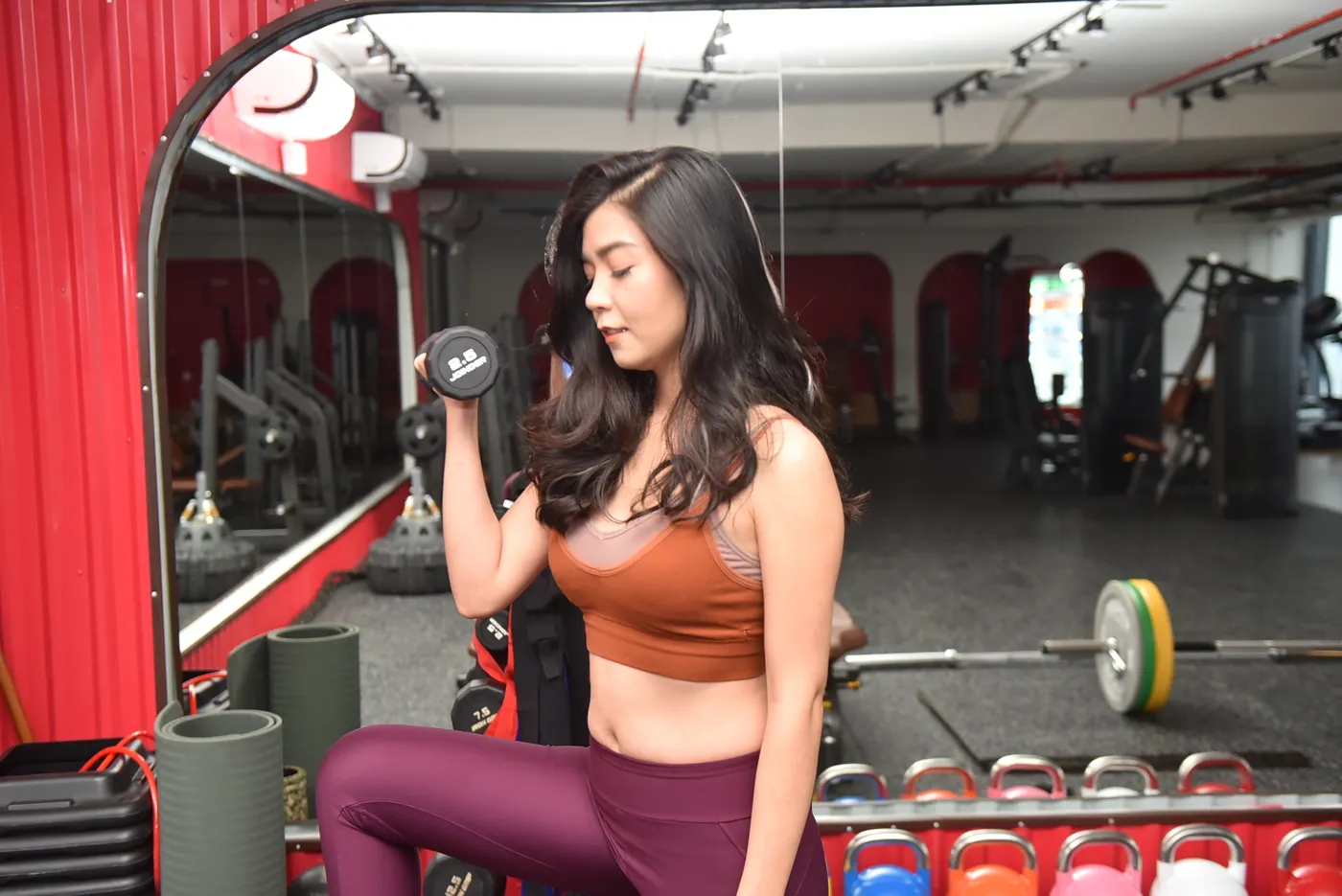
Blood-flow restriction is most defensible when it solves a specific problem: a person needs a muscle stimulus but cannot currently tolerate much external resistance. Examples may include selected rehabilitation plans or carefully assessed older adults. It is less compelling as a novelty for someone who can already train effectively with dumbbells, barbells or machines.
A qualified clinician or appropriately trained practitioner should review relevant cardiovascular and vascular history, blood pressure, medications, symptoms and exercise tolerance. People with previous clotting events, vascular disorders, poorly controlled cardiovascular conditions or unexplained limb symptoms should not improvise cuff training. A professional can determine whether restriction is appropriate at all.
Equipment and technique matter. Research protocols use calibrated cuffs and individualized pressure assessment, not an elastic strap tightened until it feels difficult. Excessive pressure, prolonged restriction or inappropriate exercise intensity can create avoidable risks. Severe pain, unusual numbness, marked discoloration, faintness or persistent symptoms require stopping and seeking appropriate medical guidance.
None of the acute findings supplies a safe universal cuff pressure, duration or frequency. We therefore do not recommend a do-it-yourself restriction prescription. Ordinary low-load exercise without cuffs remains available: supported movements, controlled repetitions, comfortable range of motion and progressive loading can provide useful training while avoiding the additional complexity of restriction.
Bodybuilding Shirts & Workout Gear
Bodybuilding shirts, tanks and gym gear for lifters chasing muscle, size, symmetry and the pump.

Determination Stoic Gymbro : Sigma Bodybuilder T-Shirt
Heavy lifts, good laughs, and a little “Determination Stoic Gymbro Graphic” energy.

Science Based Lifting Rick And Morty Inspired Hoodie
Bring “Science Based Lifting” gym humor to lazy days and post-workout plans.

Journey Of The Stoic : Sigma Bodybuilder Marble T-Shirt
Show some lifting attitude with a playful “Journey of the Stoic Lifter” tee.

Gains Time Gym | Funny Workout & Bodybuilding | Fitness Hoodie
Show off your lifting humor in a laid-back “Gains Time” hoodie.

Evolution Of The Stoic : Vintage Greek God T-Shirt
Make gym days more fun with “Evolution of the Stoic Lifter: Vintage” style.

Gymhead Mind Muscle Connection Bodybuilders & Bros Tank Top
Show some personality between sets with “Gymhead”.

Lift With Me Renaissance Michelangelo Sistine Chapel T-Shirt
Show some gym-day personality with “Lift With Me Gym Renaissance”.

Shirt: Plants Weight Plate & Plant Lovers T-Shirt
Show some powerlifting attitude with a playful “Pump Cover” tee.

Action Stoic Gains Shirt Sigma Bodybuilder Marble T-Shirt
Rep “Action Stoic Gains” humor in and out of the gym.

Composure Stoic Lifting : Sigma Bodybuilder & Greek T-Shirt
Bring “Composure Stoic Lifting” humor to your next gym day.
A four-week low-load strength plan without improvised cuffs
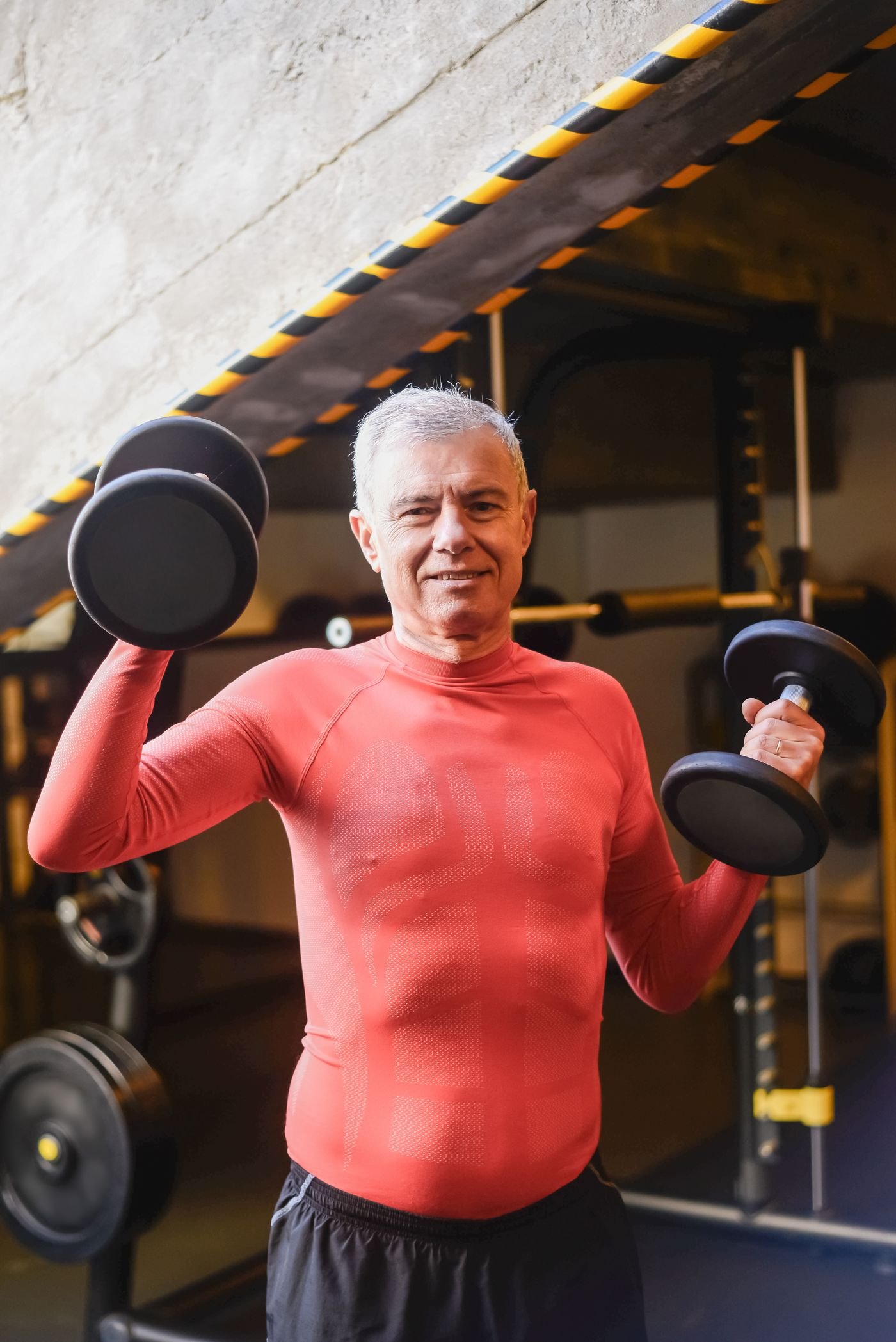
Readers who want manageable resistance can start with a conventional two-day full-body framework. This example is for adults cleared to exercise, not an individualized rehabilitation prescription. Select movements that feel stable and leave several clean repetitions in reserve. The aim is repeatable training, not a maximal burning sensation.
Week 1: On two nonconsecutive days, perform one or two sets of a supported squat or sit-to-stand, a light row, a comfortable press, a hip hinge or bridge, and a calf raise. Aim for roughly eight to fifteen smooth repetitions per set, resting as needed. Choose a chair, bench or other stable support if balance is a concern. End the session while technique remains reliable.
Week 2: Repeat the same movement patterns and add one or two repetitions where form is still controlled. Record the resistance, completed repetitions and perceived effort. A simple log is more informative than chasing soreness. If a movement is uncomfortable, change the range or variation instead of pushing through sharp pain.
Week 3: If recovery is good, increase selected exercises to two or three sets. Keep the remaining work stable if fatigue accumulates. Progression can mean better control or more repetitions before it means a heavier weight. People returning after inactivity often benefit from consistency more than rapid increases in training volume.
Week 4: Review the log. Where an exercise has become easier, add a small amount of weight, a few repetitions or a slightly larger comfortable range of motion. If symptoms or unusual fatigue persist, hold steady and obtain individualized advice. A sustainable plan should remain manageable beyond the fourth week.
For people already working with a rehabilitation professional, ask whether conventional low-load exercise meets the current goal before considering BFR. The new vascular study provides a useful short-term comparison, but it does not replace medical screening or the fundamentals of strength training: appropriate load, good technique, recovery and gradual progression.
Some product links may be affiliate links, which can support Mind Muscle Perfection at no additional cost to you.