Advertising disclosure: This page includes affiliate product links that may earn us a commission, as well as products from our own store.
A specialist deadlift bar earns its place when it solves a specific training or competition problem. The Cerberus Deadlift Bar offers a thin gripping shaft and a long overall profile, but those features also affect room layout, comparisons with previous lifts and suitability for your event. Before buying, match the complete implement to the job you need it to perform.
This is a specification and buying guide, rather than an MMP hands-on test. It focuses on the US-listed model and practical checks you can make before ordering. A dramatic product description cannot tell you how the bar will feel in your hands or whether your meet will use it.
Decide what a specialist bar needs to change
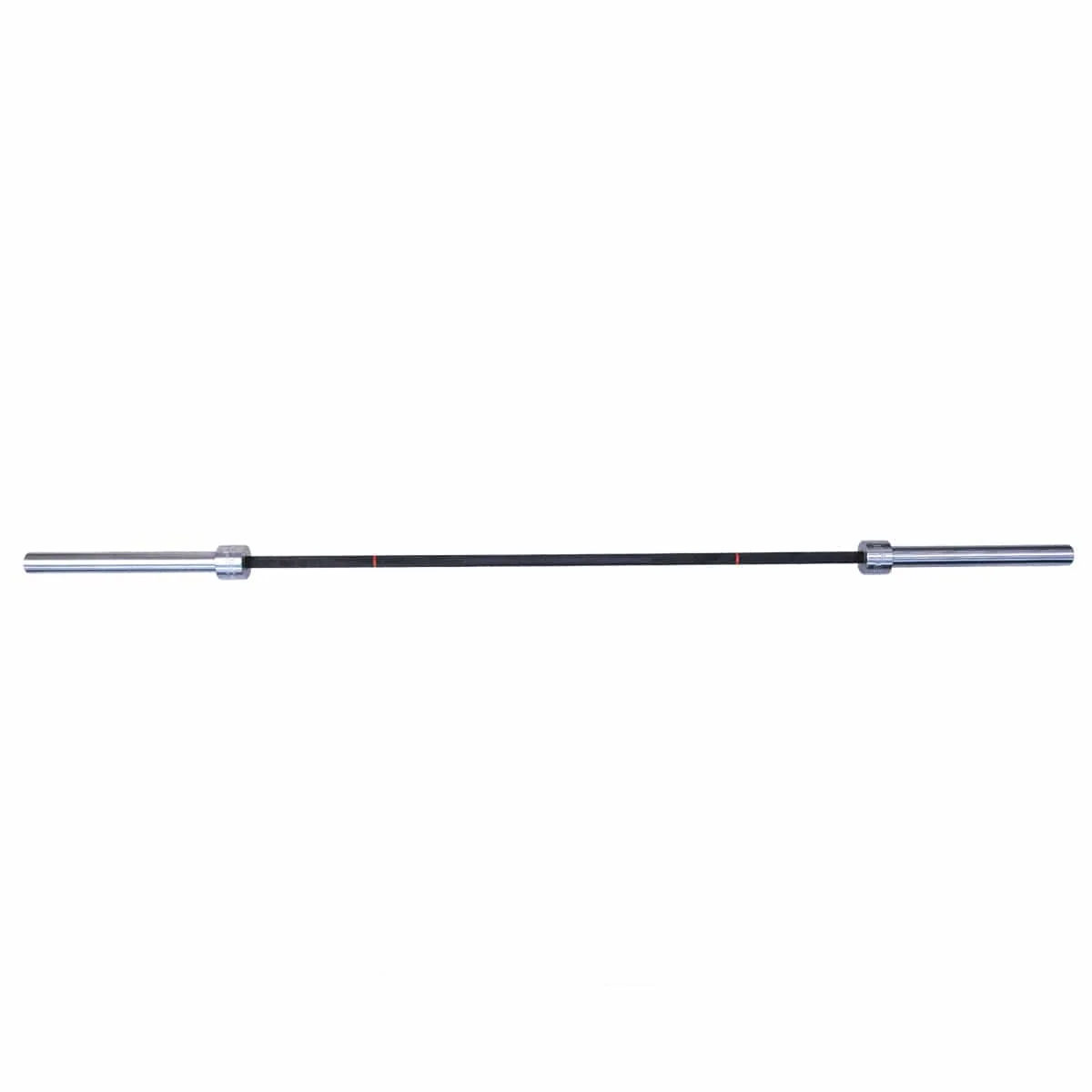
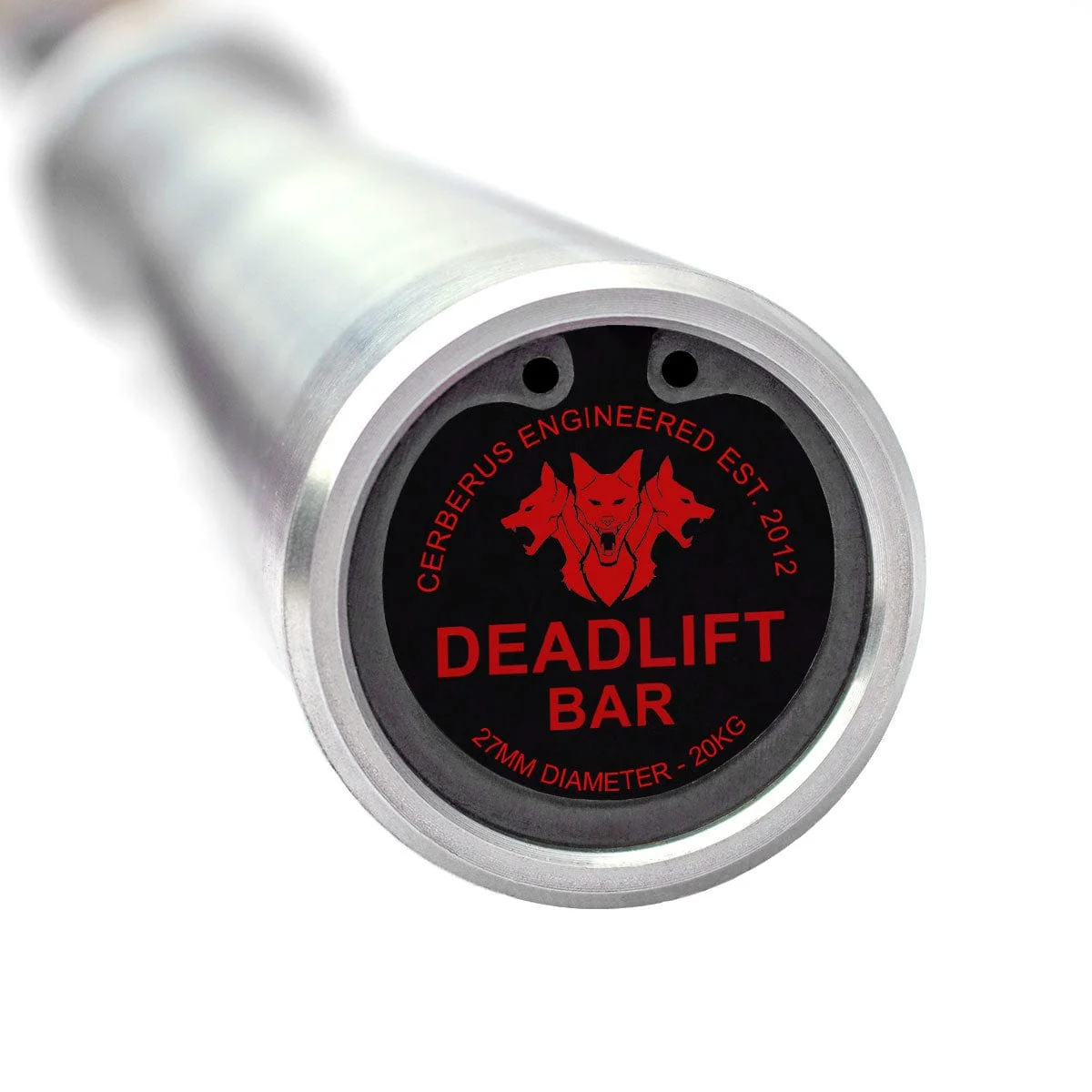
The listed bar weighs 20 kg, has a 27 mm shaft and measures 2,400 mm overall. Its loadable sleeves are listed at 440 mm each. That combination identifies a dedicated deadlift implement; it should not be treated as a general-purpose bar chosen solely because it carries a large load rating.
Start by writing down your actual reason for considering it. Perhaps you compete on a specialist bar and want practice with that type of equipment. Perhaps you already own a general bar and want a different pulling implement. Those are clearer buying reasons than expecting an unspecified increase in your deadlift.
Changing bars creates a different comparison. Record the model, grip, plates, starting height and use of straps alongside the load. Keep a new series of entries when you first change equipment. A heavier successful pull can be encouraging without proving that the bar alone caused the difference or that every previous training number transfers directly.
The contrast becomes obvious with a much thicker implement. Our guide to keeping Apollon’s Axle deadlifts comparable explains why bar identity and grip conditions belong beside the weight. The same habit helps when the change is less visually dramatic, such as moving between two straight bars.
If you have only tried your gym’s familiar bar, arrange a sensible opportunity to handle a specialist one before committing. Assess the grip and setup with manageable work. You do not need a maximum attempt to discover that you dislike a particular surface or lack space to load it comfortably.
Make the first training entries descriptive: the chosen bar, total load, completed repetitions and how the set ended. For example, “all planned reps completed with straps” preserves more useful information than “new bar PR.” Keep unfamiliar equipment practice separate from a formal strength test, and review several comparable sessions before changing the rest of your program around one memorable workout.
Check the event before trusting an approval label
A product’s powerlifting markings do not establish universal competition eligibility. The 2026 IPF technical rules limit overall bar length to 2.2 m and shaft diameter to 28–29 mm. The listed 2.4 m length and 27 mm shaft therefore fall outside those dimensions. That is a concrete reason to check your federation before buying this as meet-specific equipment.
The US listing also carries a USPA approval label. However, USPA says its former Approved Equipment List ended on January 1, 2024; featured-vendor inclusion does not guarantee every product passes the applicable equipment checks. Do not turn a badge on a retail page into a promise about your particular event.
Ask the organizer which bar will actually be used, whether equipment is supplied and which current rules apply. Save the answer with your event information. Knowing that a federation permits a category of specialist bar still leaves the exact meet implement unresolved.
For a private training space, competition compliance may be less important than whether you enjoy using the bar. Keep that distinction explicit in your budget. A specialist purchase can be worthwhile for training without becoming the closest available preparation for every powerlifting platform.
Match the knurling and finish to your routine
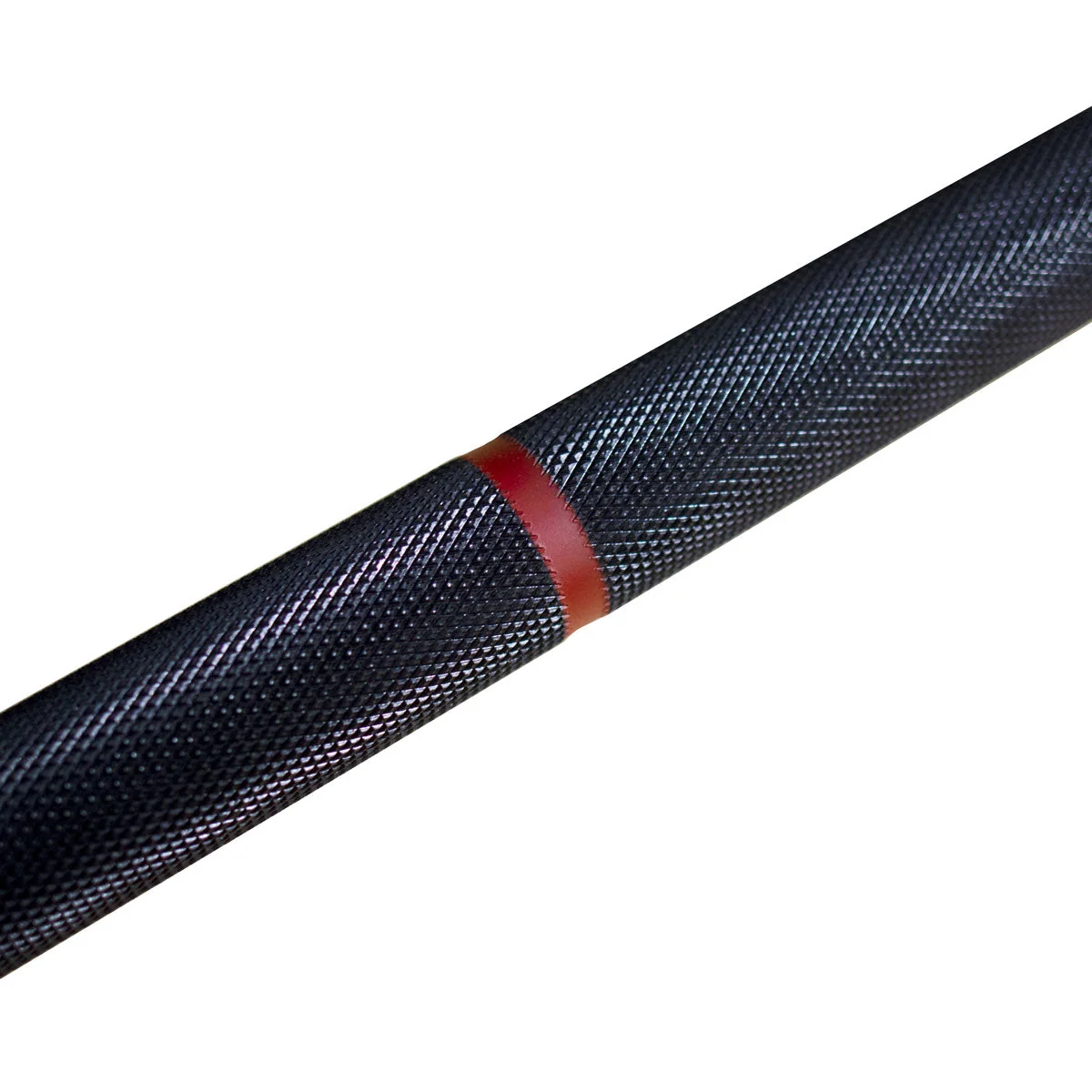
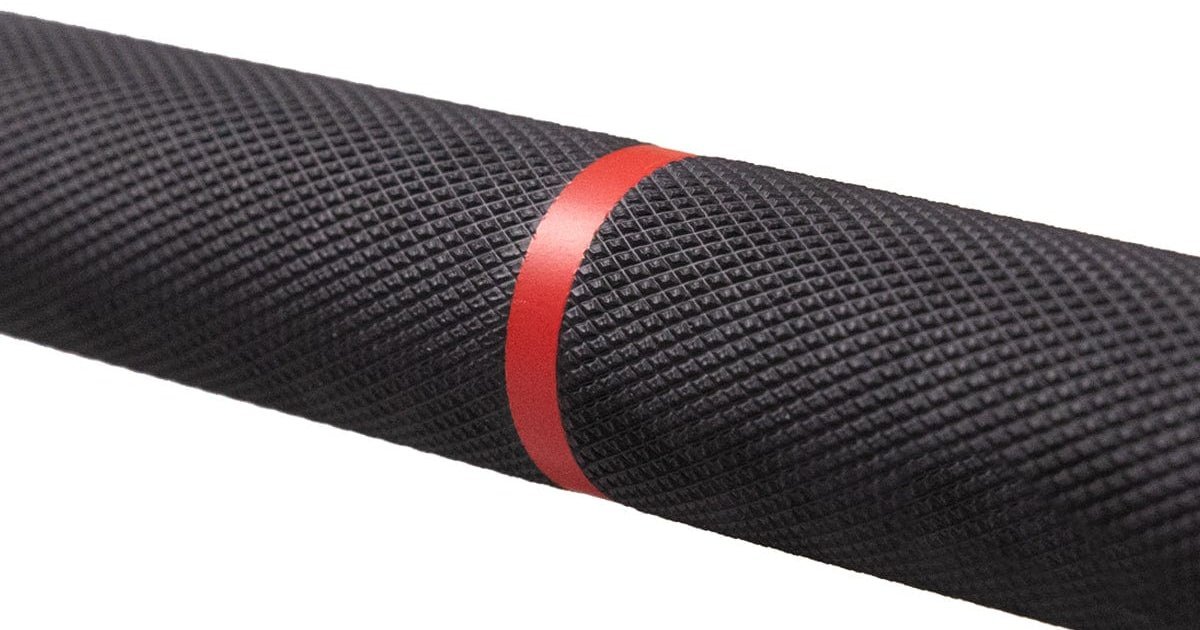
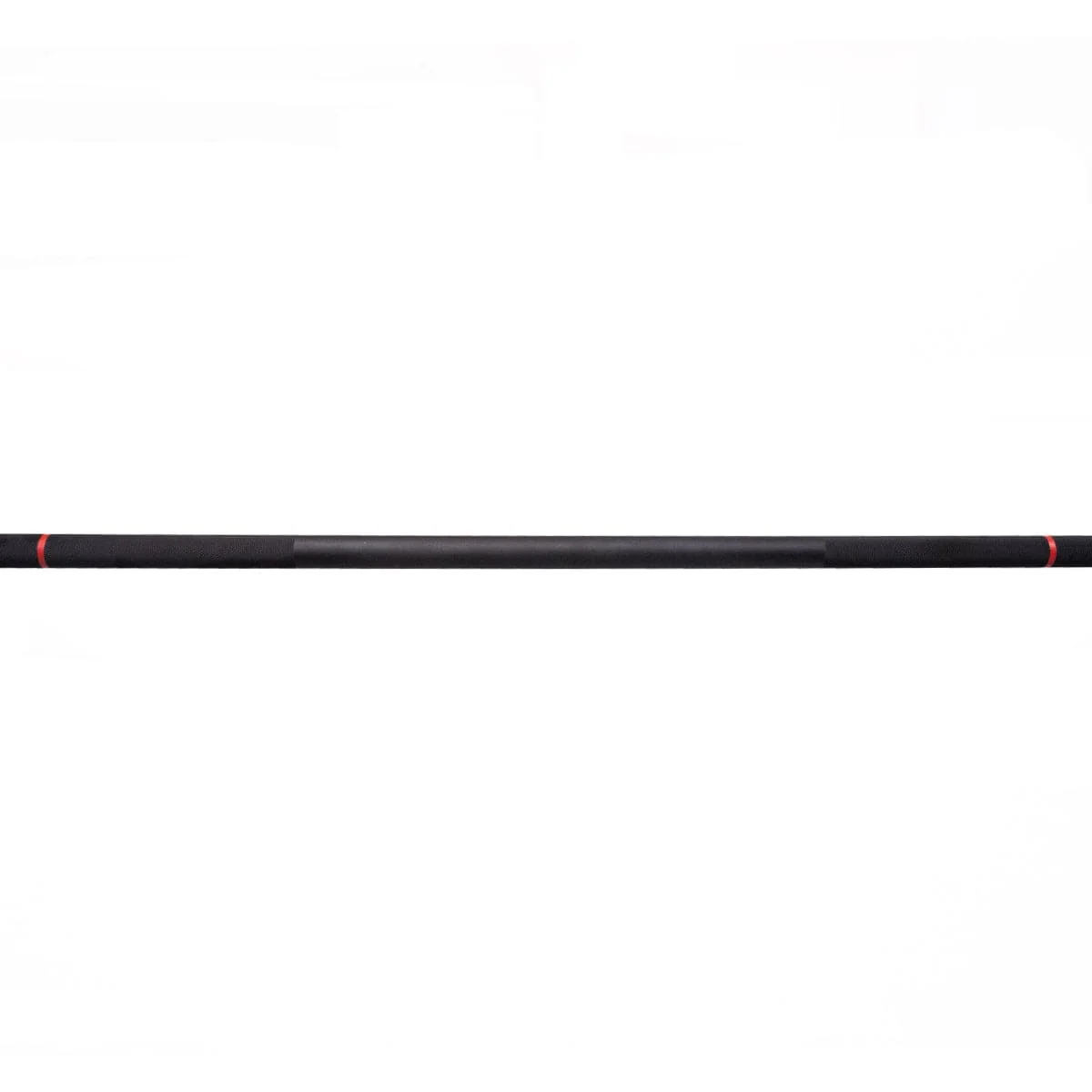
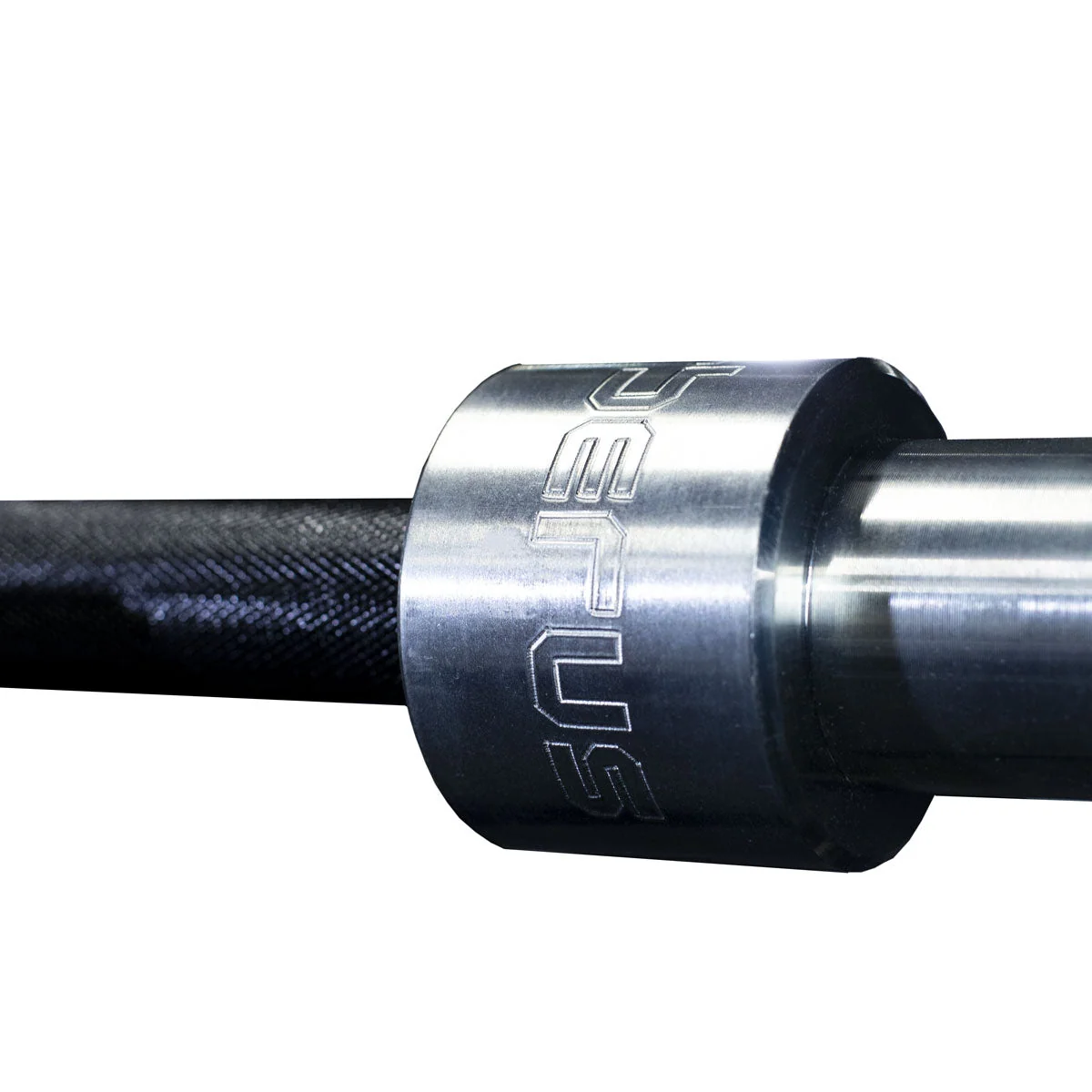
Cerberus lists aggressive knurling, powerlifting rings and no center knurl, with a black-zinc shaft and bright-zinc sleeves. These describe the contact surface and construction. They do not establish how comfortable repeated sets will feel to a particular lifter.
Consider the whole session rather than judging the grip from one enthusiastic squeeze. Your warm-ups, working sets and assistance exercises may create different demands. Check where your hands actually sit relative to the knurled area and markings, then decide whether that arrangement suits your usual stance and grip.
Chalk is another variable to keep visible. Use an allowed format and follow both the gym’s rules and the bar’s care instructions. Our lifting-chalk format and cleanup guide covers the practical differences between application methods. It is useful context before deciding that a different bar is the only answer to a slipping grip.
Plan where cleaning equipment and closed chalk containers will live. Keep residue off nearby walking surfaces, and use the manufacturer’s recommended cleaning method for the finish. Do not assume a brush or chemical suitable for a different bar is appropriate here. A realistic maintenance routine is part of owning the equipment.
Inspect the received bar before loading it. Photograph unexpected damage and contact the seller instead of modifying the surface or dismantling a new sleeve immediately. Product photographs establish what the model looks like; they cannot establish the condition of the individual item delivered to you.

Powerlifting Shirts & Lifting Gear
Powerlifting shirts and gym gear for squat, bench and deadlift lifters who live for heavy numbers.

Gym Thou Art Not Yet Ripped Medieval Knight Deadlift Fi Hoodie
Show off your medieval humor in a laid-back “Thou Art Not Yet Ripped Medieval Knight” hoodie.

Bending Bars Meme Breaking Bad Vest Tank Top
Add some lifting attitude to training with “Bending Bars Gym Meme”.

Deadlift Snake Skull – Hardcore Powerlifting Muscle Shi Tank Top
Bring “Deadlift Snake Skull” humor to your next lifting session.

Heavy Metal Deadlift – Skeleton Gym Crewneck for Powerl T-Shirt
Add a playful “Heavy Metal Deadlift” touch to your casual rotation.

7 Plates Deadlift Club Meme Motivational T-Shirt
Rep “7 Plates Deadlift Club” humor in and out of the gym.

Defy Gravity Isaac Newton Deadlift Meme Science T-Shirt
Heavy lifts, good laughs, and a little “Defy Gravity” energy.

Zombie Deadlift Lifting Dead Halloween Hooded Hoodie
Stay casual and show some Halloween attitude with “Zombie Deadlift”.

Praise The Deadlift Holy Lifting Meme & Fans Hoodie
Keep it laid-back with a little “Praise The Deadlift” attitude.

Nice Try Gravity Astronaut Deadlift – , Gymbros & T-Shirt
Rep “Nice Try Gravity Astronaut Deadlift” humor in and out of the gym.

Gym The Bar Does Not Lie Medieval Knight Barbell Decal Sticker
Give your everyday gear a playful “The Bar Does Not Lie Medieval Knight” twist.
Measure the loading space and your plate stack
A 2.4 m bar needs more thought than a measurement between two walls. Mark its full length on the floor, then walk through loading plates, fitting collars and moving around both ends. Include doors, storage posts, benches and the space another person needs to pass without entering your lifting area.
Check the route into the room as well. A bar that fits the final lifting position may be awkward to turn through a narrow doorway or store between sessions. Plan its resting location before delivery so it does not become a loose obstacle beside the platform.
For example, centering a 2.4 m bar across a 3.2 m clear span leaves 0.4 m beyond each end. That subtraction is a layout illustration, not a recommended safety clearance. Try the actual loading movement in that space, including bending to pick up plates. If the arrangement feels cramped, moving storage or choosing another station matters more than the fact that the bare bar technically fits.
Measure the actual plates you intend to use. Add their thickness on one sleeve, then account for the intended collar and any required clearance. As an arithmetic illustration, five plates measuring 60 mm thick occupy 300 mm before adding a collar. That says nothing about their mass; thickness and weight answer different questions.
Use your own measurements rather than assuming every bumper plate matches that example. A stated sleeve length is not a complete loading plan. Check plate bores and collar requirements with the relevant manufacturers, and leave room for secure retention rather than trying to exploit every millimeter.
A shorter straight bar or an open trap bar may solve a different space or exercise problem. Compare those alternatives on their own dimensions and intended use. Neither is an automatic substitute for the Cerberus model or a guarantee of equivalent competition preparation. The equipment picks below are options to investigate, with compatibility checked individually.

Equipment Worth Exploring
Explore equipment, accessories and gear from our carefully selected range.


Open Hex Bar
Open-frame trap bar with multiple handles for deadlifts, carries, and lower-body training.


Competition Plates
Competition-style bumper plates for Olympic lifts and loaded strength training.

Grip Plates
Rubber-coated weight plates with handholds for loading barbells and machines.

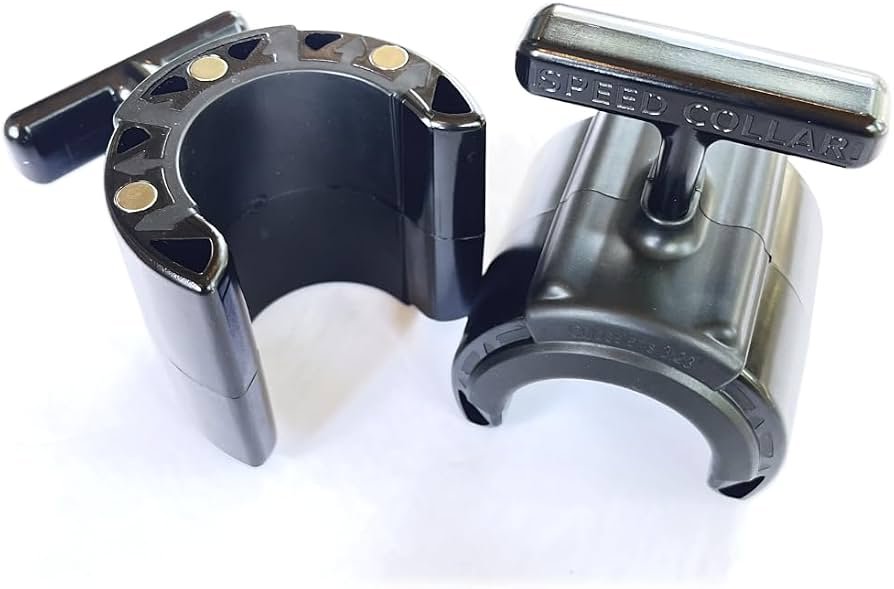
Speed Collar
Quick-release collars designed to secure weight plates on standard two-inch Olympic bars.
Price the ownership, including the warranty conditions
Compare the delivered total in your market, including any plates, collars or storage you still need. A regional listing price is not a universal landed cost. Confirm stock, freight arrangements and the return procedure for your address before ordering a long, heavy item.
Keep optional extras separate from essential ones in that comparison. Existing suitable plates may make the bar a straightforward addition; replacing an entire plate collection changes the decision substantially. Also ask how damage discovered on arrival should be reported, and retain the packaging until you have completed the seller’s recommended receipt checks.
The advertised three-year functional warranty has conditions. Published bar guidelines exclude dropping during deadlifts, discourage rack pulls and exclude cosmetic issues and rust. Confirm the applicable regional terms with the seller; do not infer permission for a particular use from the warranty headline.
Write a brief decision note before buying: intended exercise, event requirements, available space, existing equipment and complete delivered cost. If a specialist bar addresses those points clearly, the purchase has a defensible training purpose. If the main attraction is simply a more exciting specification sheet, try the equipment first and keep using a setup that already supports your training.