Blood-flow restriction training promises a difficult muscular stimulus with light resistance. That sounds attractive when heavy equipment is unavailable or joints cannot tolerate conventional loading. But does putting cuffs around the limbs actually improve results when the alternative is a well-structured bodyweight workout?
A September 2026 randomized trial tested that practical question in sedentary adults with overweight or obesity. After six weeks of remotely supervised training, both groups improved lower-body strength, but adding blood-flow restriction showed no clear advantage. The important distinction is between a result in this specific program and a universal verdict on the technique. Here is what the trial measured, why the findings matter and how to build a useful progression without confusing equipment with effort.
What the six-week home-training trial actually compared
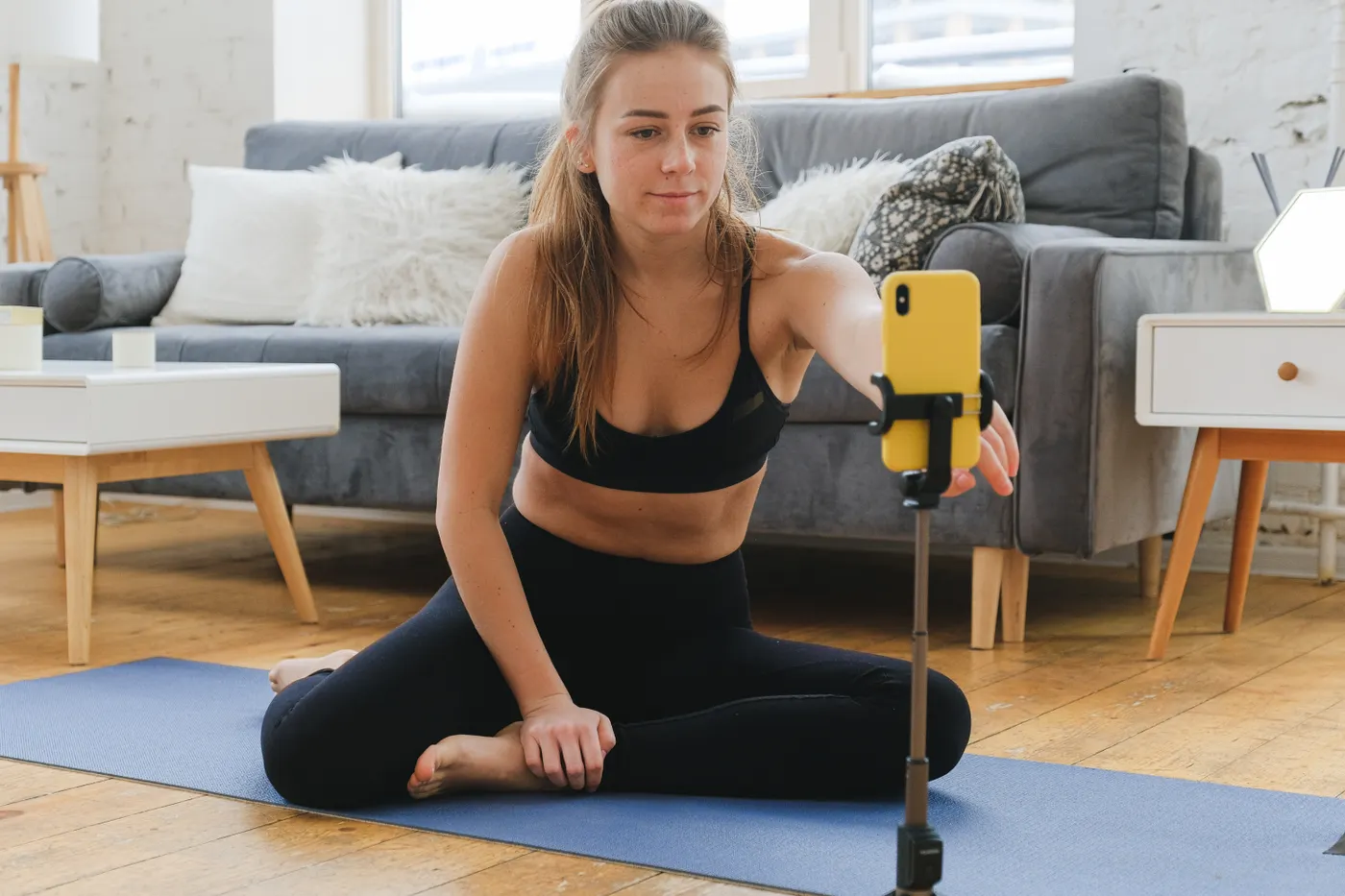
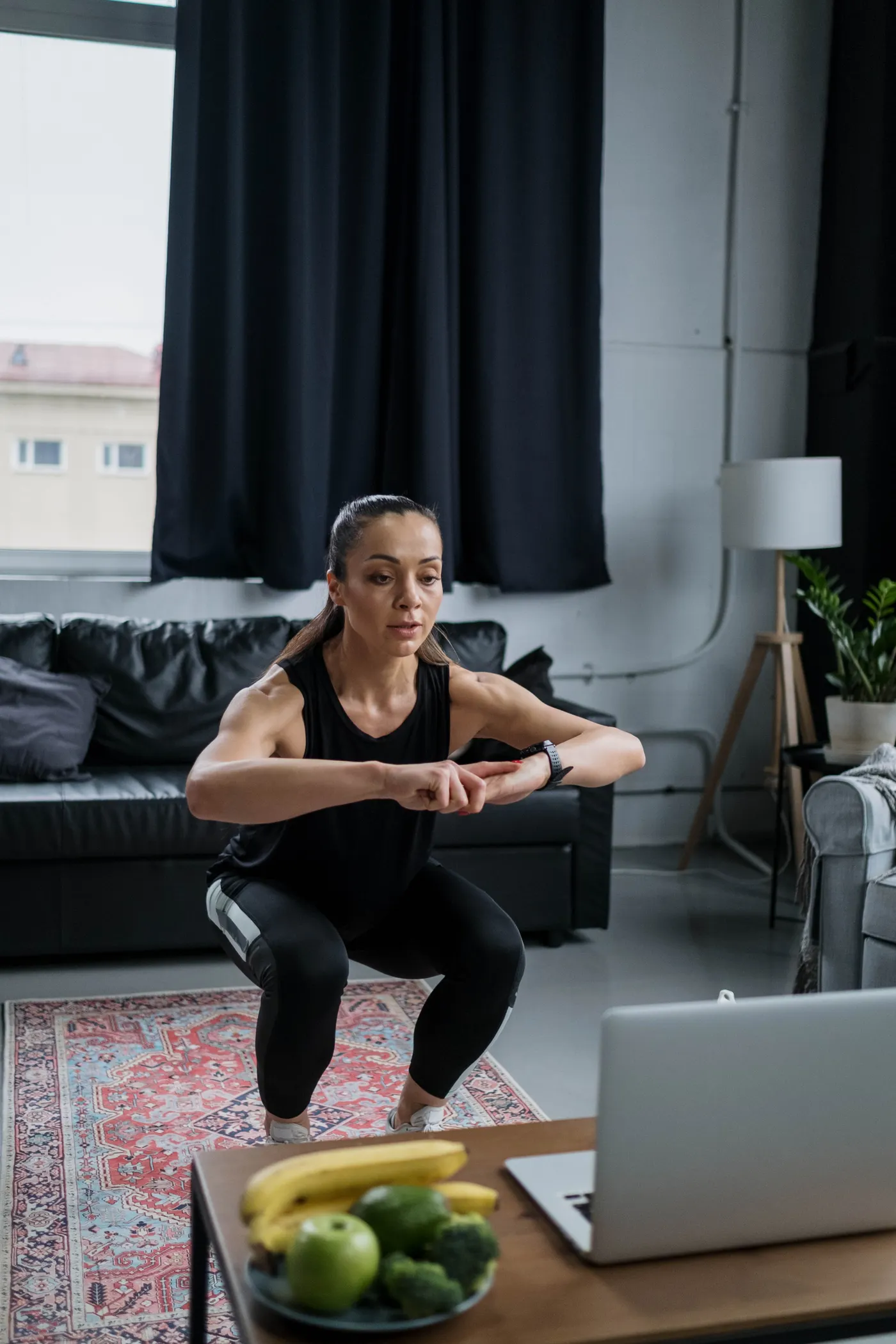
The study recruited thirty adults, with twenty-seven completing the final assessments. The participants were generally middle-aged, sedentary and living with overweight or obesity. Thirteen completed the blood-flow restriction condition and fourteen performed the same bodyweight routine without cuffs. Both groups trained by live video supervision three times each week for six weeks, so the comparison was about the added restriction rather than the existence of exercise.
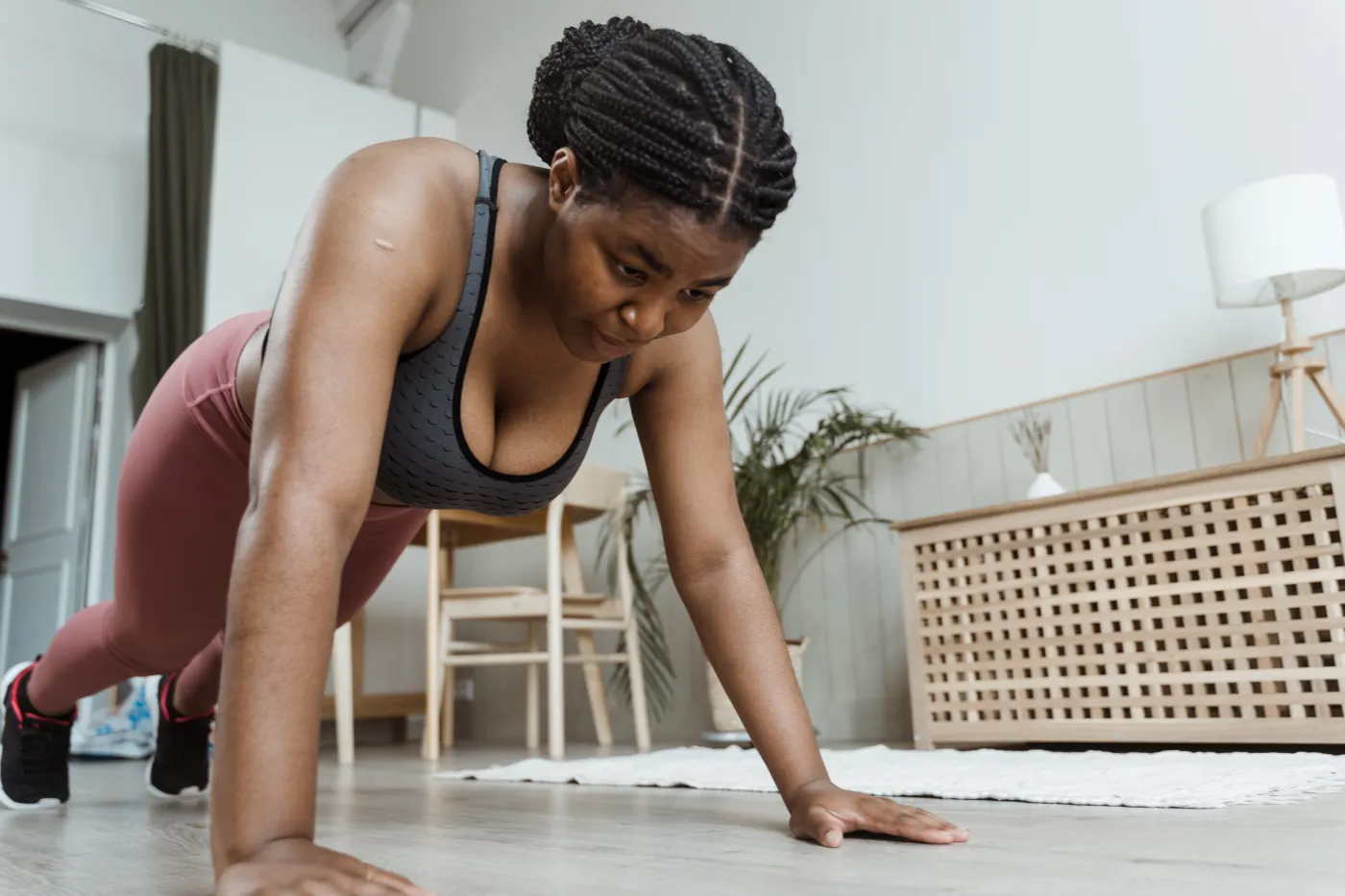
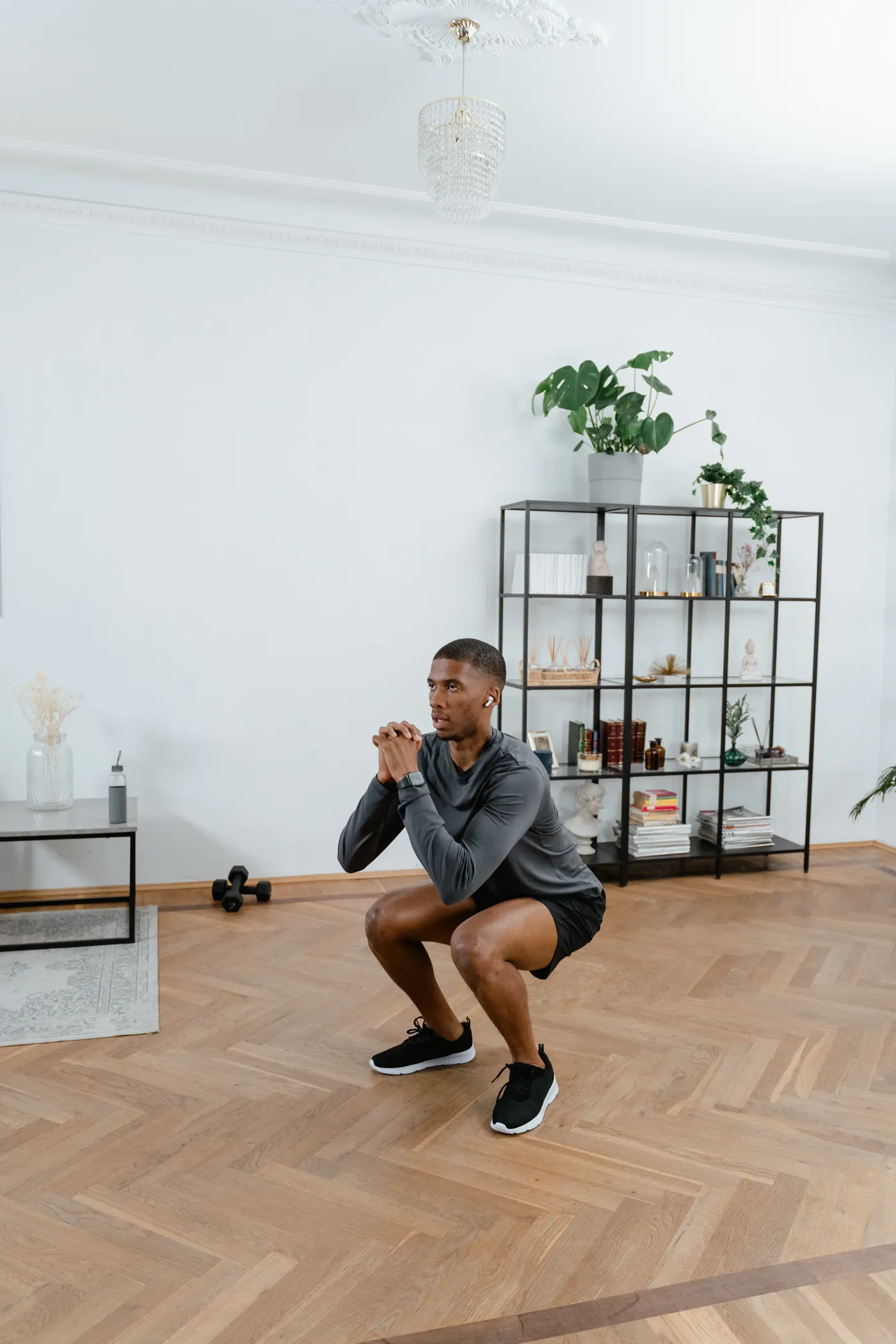
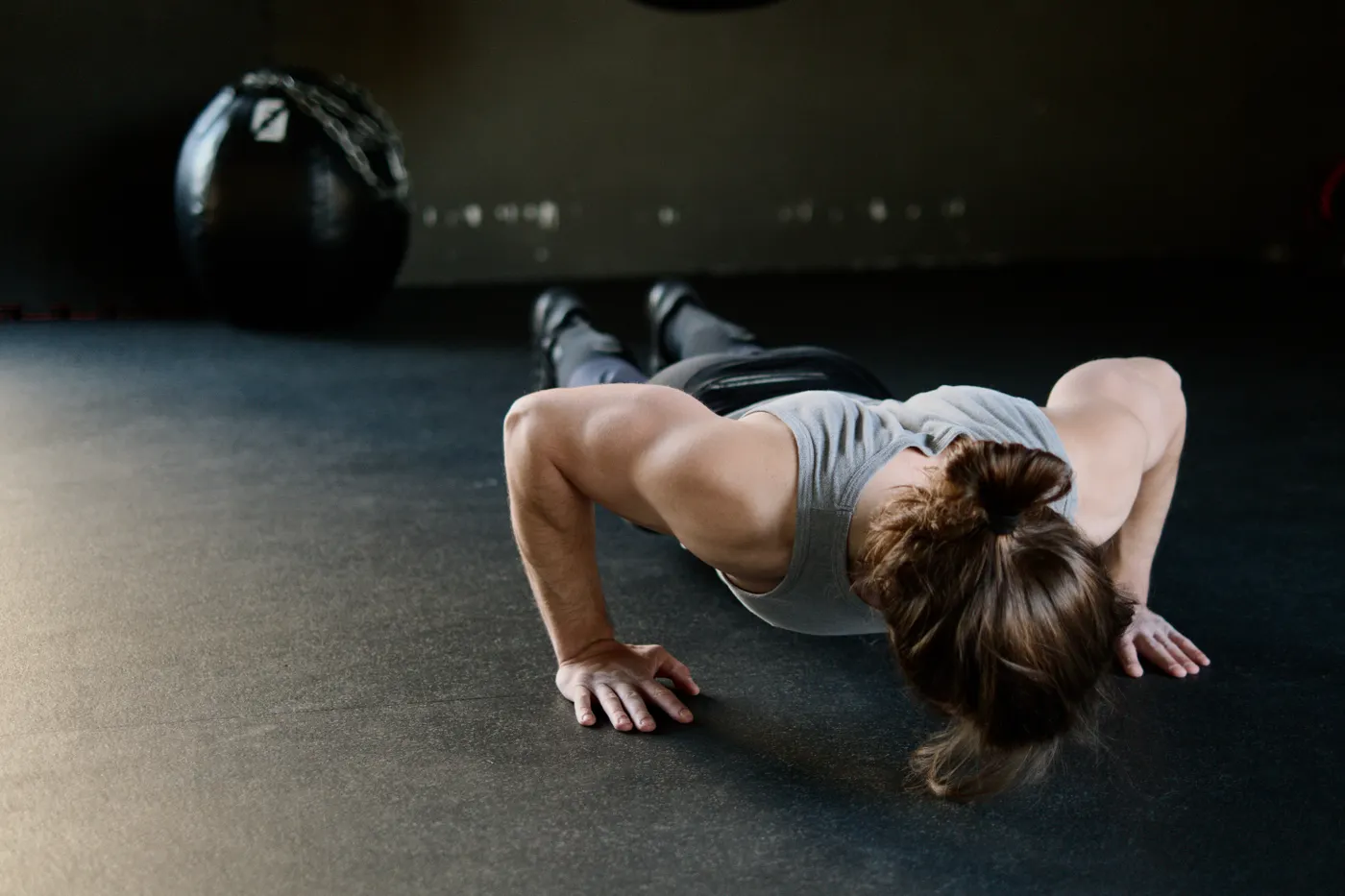
Each thirty- to thirty-five-minute session combined seven familiar movements: standing arm curls, calf raises, push-ups, hip raises, air squats, box steps and front lunges. Participants completed three sets per exercise, with repetitions varying from ten to thirty. The tempo was deliberately controlled, and rest periods shortened over time. That gives the training enough structure to be meaningful even though the exercises were not heavy barbell lifts.
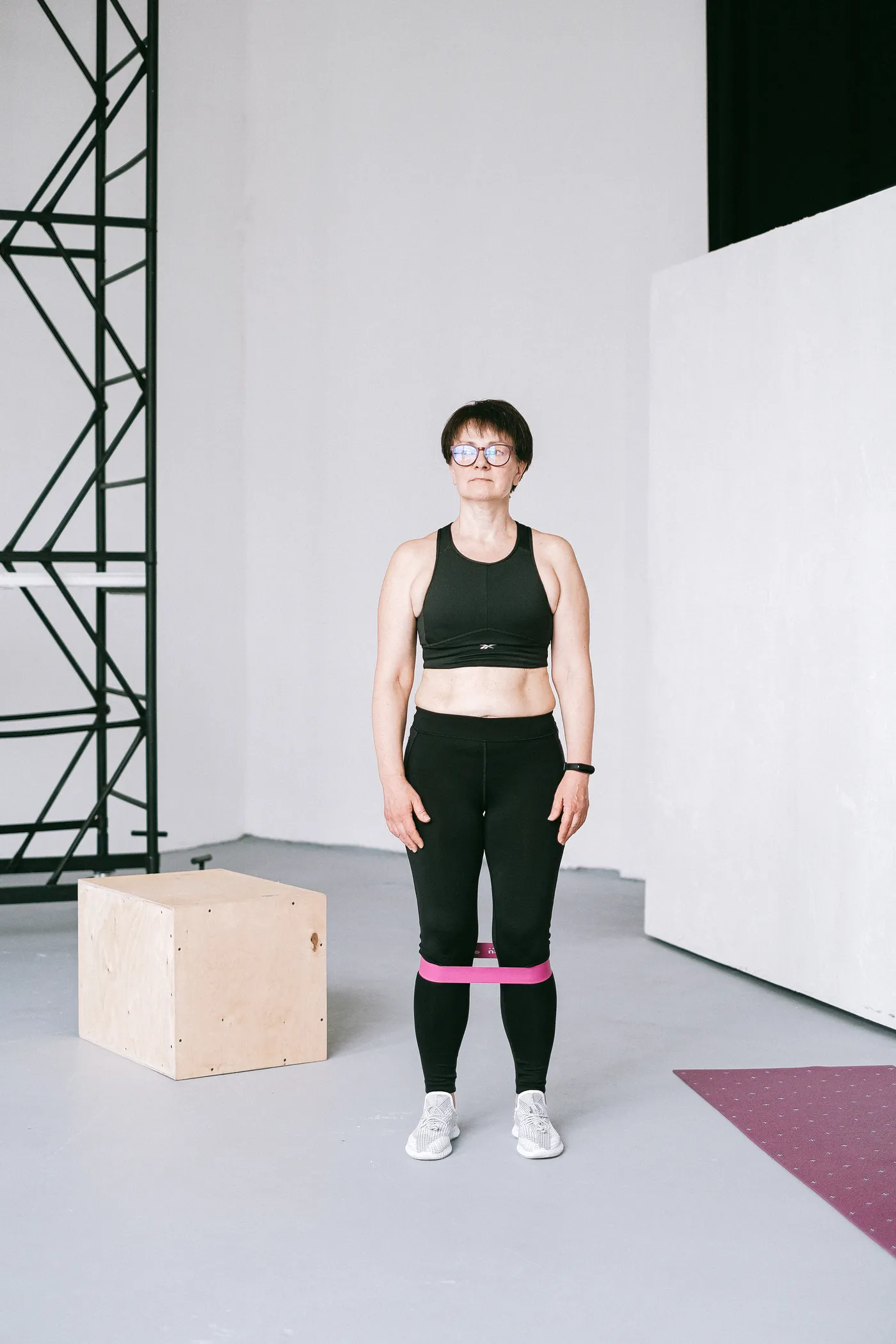
The cuff group received fitting and placement instruction during an initial in-person visit, then used the supplied pneumatic cuffs in the supervised sessions. The investigators applied fixed absolute pressures rather than determining each person’s individual arterial occlusion pressure. Those research-specific settings are not a home-use prescription and should not be copied. All twenty-seven completers attended the planned eighteen sessions, and the trial reported no adverse events among them.
Strength was assessed with knee-extension and knee-flexion testing; body composition with DXA; metabolic measures with blood samples; and walking function with treadmill biomechanics and energy-cost measurements. This breadth is useful because an intervention can improve strength without necessarily changing fat mass, blood markers or walking efficiency over a short period.
Both groups improved leg strength, but cuffs did not outperform
The clearest positive finding was improved knee-extensor and knee-flexor performance after the training program. Isometric knee-extension peak torque rose from an average of 186 to 222 newton-metres in the cuff group and from 183 to 204 newton-metres in the ordinary-training group. The groups also improved on several concentric strength tests performed at different movement speeds.
Those raw changes do not establish that cuffs worked better. The critical statistical test asks whether the change over time differed reliably between groups. It did not: the researchers found no significant group-by-time interaction for the strength outcomes. The practical reading is that a repeatable bodyweight routine improved measured leg strength in previously inactive adults, while this particular BFR addition did not demonstrate extra benefit.
That distinction matters whenever a marketing claim highlights a large percentage improvement in one group. A participant who improves by twenty percent with cuffs may still have improved substantially without them. To establish a unique benefit, the comparison needs to account for both groups and the uncertainty around their changes. A small study can also miss a real but modest difference, so no detected advantage is not proof that the two methods are perfectly equivalent.
These were not experienced lifters pursuing maximal squat numbers. Early strength gains in less-trained people can reflect learning, coordination and improved ability to produce force as well as muscular adaptations. The trial supports the value of beginning resistance training, not the idea that light bodyweight sessions replace every goal-specific strength program.

Equipment Worth Exploring
Explore equipment, accessories and gear from our carefully selected range.


Power Tower
Freestanding pull-up and dip station with adjustable handles for bodyweight training.


FID Bench MAX
Adjustable bench offering flat, incline, and decline positions + adjustable headrest.


Muscle mass, blood markers and walking did not tell the same story
Both groups showed a small increase in trunk lean mass, while total and regional arm and leg lean mass did not change significantly. Body mass and fat mass also remained broadly unchanged. Six weeks is a short window for judging meaningful body-composition changes, especially when the program was not paired with a controlled dietary intervention.
Small shifts in two blood markers went in an unfavourable direction: average HDL cholesterol decreased and HbA1c increased. The researchers described these changes as statistically detectable but clinically negligible in this sample. They do not establish that the training caused harmful metabolic effects, and they certainly do not show that BFR improves glucose control or fat loss in this setting. Nutrition, measurement variability and the duration represented by HbA1c all complicate interpretation.
The walking tests were similarly unremarkable. Preferred walking speed, gait mechanics and the energy cost of treadmill walking did not show meaningful improvements. A set of squats, steps and lunges challenges the legs, but it is not the same stimulus as sustained aerobic work or progressive walking practice. Specific outcomes need specific training exposure.
For a person starting exercise, this is a useful reminder to keep separate scorecards. Record strength repetitions and exercise difficulty for resistance training, walking duration or pace for aerobic fitness, and body-composition measures only when the time frame and measurement method justify them. A better squat is a genuine result even if a six-week scan or blood panel barely changes.

Calisthenics Shirts & Street Workout Gear
Calisthenics and bodyweight-training gear for pull-ups, dips, handstands and street-workout athletes.

T-Rex Hates Push Ups Decal for Water Bottles Laptops Ca Sticker
Put “T-Rex Hates Push Ups” gym humor on your laptop, bottle, or gym gear.


Always Pull Yourself Up Crewneck Calisthenics Pullover T-Shirt
Bring “Always Pull Yourself Up” humor to your everyday gym style.

Big Dip Energy Decal for Water Bottles Laptops Dip Love Sticker
Give your everyday gear a playful “Big Dip Energy” twist.

Pull Up or Shut Up Hooded Pullover for Calisthenics Pul Hoodie
Keep it laid-back with a little “Pull Up or Shut Up” attitude.

Be Stronger Than Your Excuses Motivational Workout for Sticker
A fun “Be Stronger Than Your Excuses” touch for bottles, laptops, and lockers.

Turn Off Gravity Funny Calisthenics Gym Muscle Shirt fo Tank Top
Bring “Turn Off Gravity Funny Calisthenics” humor to your next lifting session.

Human Flag Crewneck Calisthenics Pullover Sweater Worko T-Shirt
Bring “Human Flag” humor to your everyday gym style.

Calisthenics Heartbeat Hoodie
Keep it laid-back with a little “Calisthenics Heartbeat” attitude.

Lord of the Calisthenics Rings Gollum Gym Meme | Funny T-Shirt
Make gym days more fun with “Lord of the Calisthenics Rings Gollum” style.
Why other BFR studies can show benefits without contradicting this trial
Blood-flow restriction is not simply a gimmick. Across broader research, low-load resistance exercise performed with carefully controlled restriction can increase muscle size and strength. It may be valuable when a person cannot lift heavier loads, especially in selected rehabilitation or load-management contexts under professional supervision. The key question is what BFR is being compared with and how precisely it is delivered.
Comparisons against very easy low-load exercise can favour BFR because restriction adds a training stimulus. Comparisons against appropriately challenging traditional resistance exercise often find similar muscle-growth outcomes, although study populations, loads and protocols vary. The recent remote trial tested one cuff system and one six-week bodyweight program, not every cuff, pressure method, rehabilitation setting or athlete population.
An important design difference is pressure individualization. Limb circumference, cuff width, blood pressure and tissue characteristics influence the restriction achieved by a given pressure. The remote trial used fixed pressures, meaning two people assigned the same setting might not have received the same relative stimulus. That limits what can be concluded about individualized clinical BFR protocols.
Think of BFR as a specialized method rather than a mandatory upgrade. If a normal exercise variation already provides adequate resistance and can be progressed safely, adding cuffs may not solve a real problem. If heavier loading is temporarily unsuitable, a clinician or qualified practitioner may find a carefully screened low-load approach useful. Both statements can be true.
Five limitations that should temper a sweeping headline
First, the completed sample was only twenty-seven people. That is enough to detect some large within-group changes but leaves considerable uncertainty around smaller differences between interventions. The correct conclusion is that extra benefit was not demonstrated, not that a benefit is impossible in every population.
Second, participants were inactive adults aged roughly thirty to sixty with elevated body mass, rather than trained lifters, adolescents or older rehabilitation patients. Their baseline conditioning and rapid early adaptation matter. Third, the trial lasted six weeks. This captures the start of a training journey, not a full hypertrophy cycle or long-term maintenance.
Fourth, cuff pressures were not tailored to each participant’s measured arterial occlusion pressure. This introduces variation in the effective dose of restriction. Fifth, the study had no dietary intervention, and the groups differed in their sex distribution at baseline. Sensitivity analyses did not overturn the main between-group finding, but neither feature makes the study perfectly controlled.
The investigators also had to supervise movement remotely, which can limit their view of exercise technique and effort. Attendance was excellent, but a completed video session does not quantify every repetition’s mechanical tension. These limitations are reasons to interpret the result proportionately, not reasons to discard the observed strength improvements.
A practical three-day bodyweight plan without cuffs
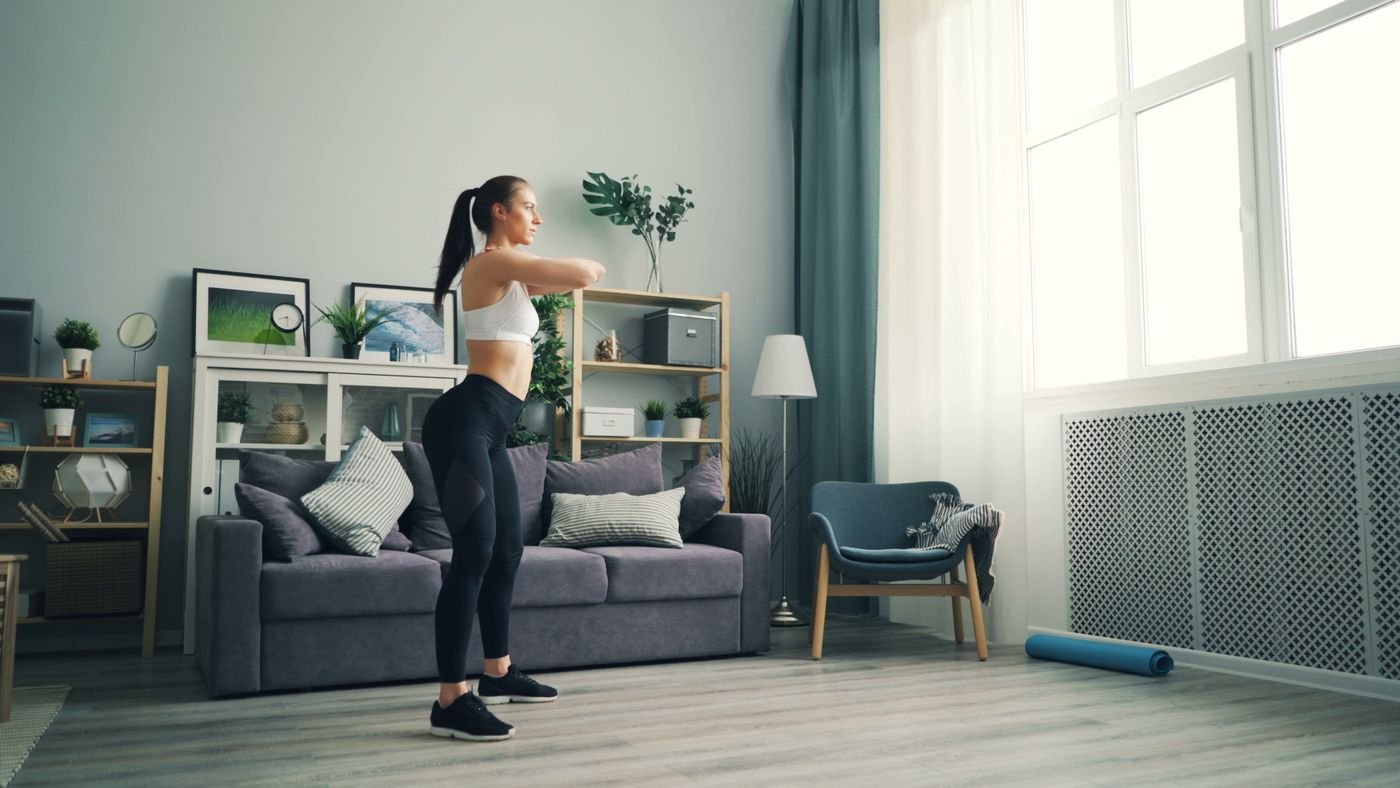
Most healthy beginners can take the most useful lesson from the trial without buying anything: train consistently, cover several movement patterns and make the exercises progressively more demanding. The following is a general example, not the trial’s exact protocol or an individualized prescription. Start with two sessions if three is too much, and seek professional guidance when health conditions or symptoms make exercise uncertain.
Day A – squat and push: after a few minutes of easy movement, perform two or three sets of chair squats or air squats for eight to fifteen controlled repetitions. Follow with incline push-ups against a stable surface for six to twelve reps, hip bridges for ten to fifteen and standing calf raises for twelve to twenty. Rest enough to keep the last repetitions clean. A higher support surface makes the push-up easier; a lower stable support makes it harder.
Day B – single-leg control: use supported split squats or reverse lunges for six to twelve repetitions per side, then step-ups on a stable low platform, hip bridges and a pulling exercise using properly anchored equipment if available. Avoid improvising with unstable furniture or unsecured bands. A supported variation is a sensible starting point when balance is limiting the target muscles more than strength.
Day C – repeat and progress: repeat the easier of the two sessions, or use the same movement patterns with one small change. Add a repetition, extend the controlled range of motion, increase resistance safely or choose a slightly harder variation when the current exercise is consistently manageable. Keep one or more repetitions in reserve initially. Track a few objective measures rather than making every workout an all-out test.
Include regular walking or other aerobic activity separately. A bodyweight strength session does not automatically satisfy the full aerobic activity target. Consistency, gradual progression and realistic recovery matter more than copying the most intense protocol seen online.
Equipment Worth Exploring
Explore equipment, accessories and gear from our carefully selected range.

Go-Tone Pro
Portable digital cable trainer with up to 66 lb (30 kg) of adjustable resistance.
VOLTRA
Compact digital cable trainer with smooth, adjustable resistance.


GymPin Squat Wedges
Non-slip 15-degree squat wedges help elevate the heels for deeper quad-focused squats.

Who should consider BFR, and what should come first?
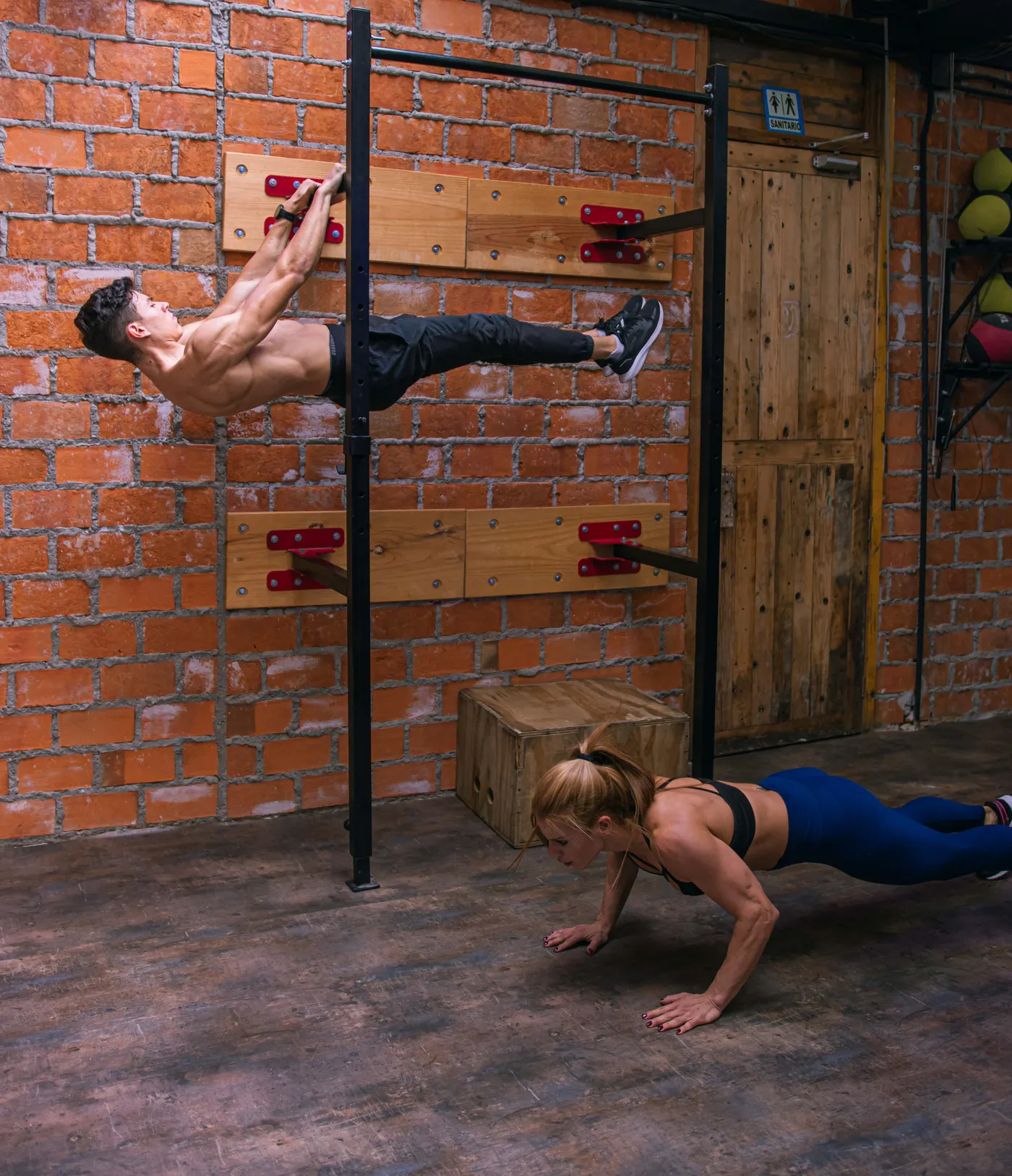
If you can already train comfortably with bodyweight, dumbbells, machines or cables, start by making those sessions effective. Choose exercises that cover the major muscles, work through a comfortable range, build enough challenge to require adaptation and repeat them often enough to improve. A stable training log is more informative than how unusual the equipment looks.
Blood-flow restriction adds a distinct safety and dosing question. It should not be improvised with elastic wraps or arbitrary tightness. People with vascular disease, a history of blood clots, uncontrolled blood pressure or other relevant medical conditions need appropriate clinical screening before considering it. Numbness, unusual pain, dizziness or other concerning symptoms are reasons to stop and seek professional assessment. The fixed research cuff pressures reported in the trial are not instructions for readers.
For a rehabilitation patient who cannot tolerate heavier loads, professionally prescribed BFR may have a place. For a healthy novice whose main barrier is starting, a few well-chosen resistance exercises are simpler and already supported by the trial’s outcome. Neither approach replaces walking, broader physical activity or individualized medical care when needed.
The bottom line is narrower and more useful than either hype or dismissal: in twenty-seven sedentary adults completing a six-week supervised bodyweight program, both groups gained measured leg strength, and cuffs showed no additional advantage. Build the basic training habit first. Consider specialized tools only when they address a real limitation and can be used appropriately.
Leg Day Shirts & Workout Gear
Leg-day gym shirts and workout gear for lifters who never skip squats, lunges and lower-body punishment.

I Love Squats | Leg Day Pink Heart Plate Decal Meme Sticker
Put “I Love Squats” gym humor on your laptop, bottle, or gym gear.

Never Skip Leg Day Flamingo – Fitness Meme Pullover Jum T-Shirt
Keep things casual with a little “Never Skip Leg Day Flamingo” attitude.

Never Skip Legday – Chicken Legs Meme , , & Leg Day T-Shirt
Heavy lifts, good laughs, and a little “Never Skip Legday” energy.

Legday Gains Squats & Deadlifts , Top & Bros T-Shirt
Bring “Legday Gains” humor to your next gym day.

Leg Day Is Calling You Squats, Deadlifts & Gains T-Shirt
Rep “Leg Day Is Calling You” humor in and out of the gym.


Today Is Gonna Be The Day | Wonderwall Leg Day Workout Hoodie
Stay casual and show some leg-day attitude with “Today Is Gonna Be The Day”.

Leg Day No Thanks Skip Leg Day Meme Decal Water Sticker
Give your everyday gear a playful “Leg Day No Thanks” twist.

Heavy Squatter Gym Wizards | Funny Harry Potter Workout T-Shirt
Bring “Heavy Squatter Gym Wizards” humor to your everyday gym style.
Some product links may be affiliate links, which can support Mind Muscle Perfection at no additional cost to you.