Advertising disclosure: This page includes affiliate links that may earn us a commission at no additional cost to you.
Canned tuna is one of the easiest ways to rescue a day when you have trained hard but have not prepared a proper meal. Open a tin, add something from the cupboard or fridge, and you can have a substantial lunch in minutes. The catch is that a can is not a standard unit of protein, and relying on the same fish at every meal is not a particularly thoughtful nutrition strategy.
For lifters, the better approach is to understand what is actually in the drained portion, build complete meals around it, and rotate tuna with other protein sources. That is more useful than simply counting cans or treating the leanest possible lunch as automatically the best one.
How much protein is actually in a can of tuna?
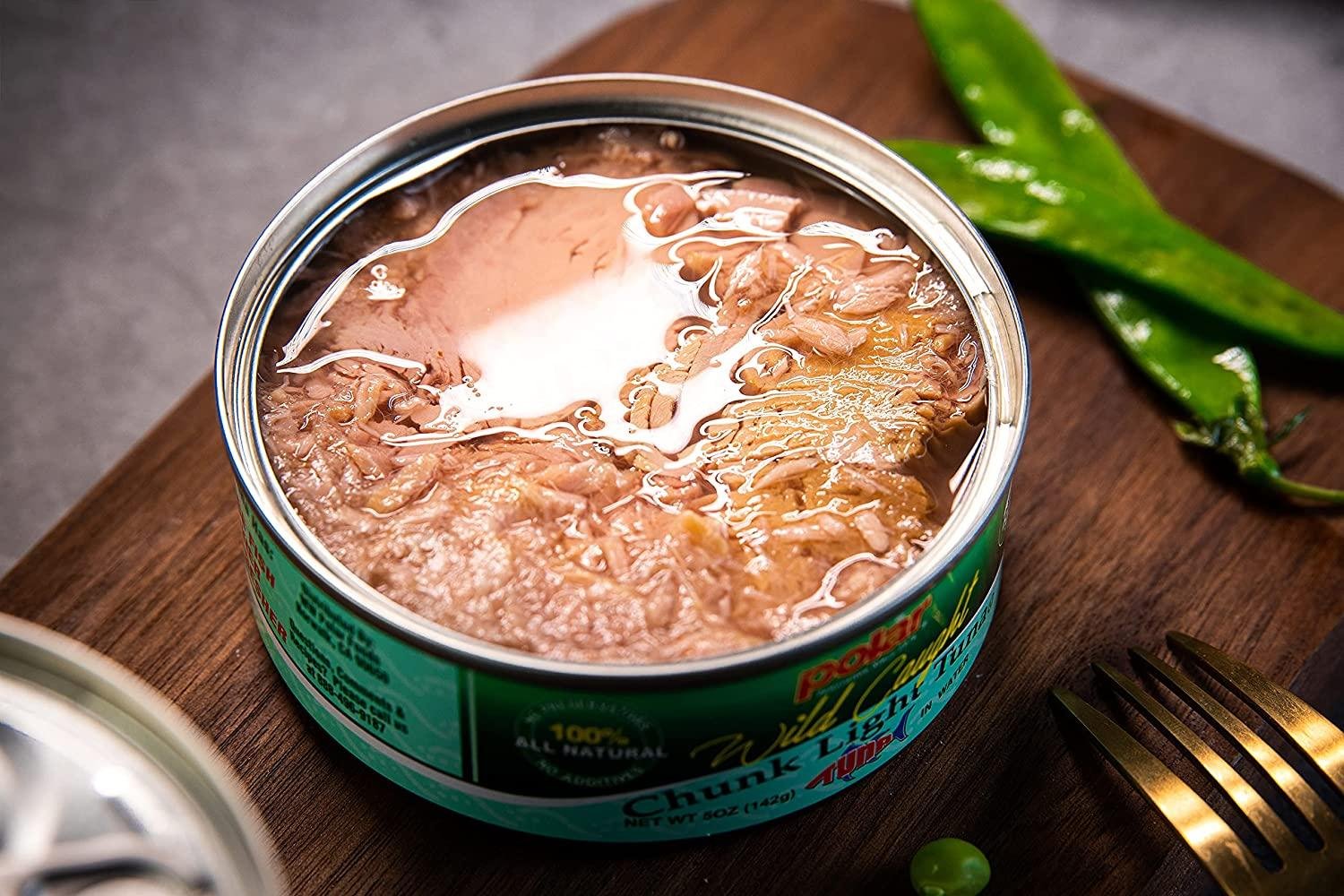
The number printed prominently on the front of a tin may describe its net weight, including the packing liquid. Your actual serving of fish can weigh considerably less. The nutrition panel may give information for the whole drained can, for a specified serving, or for 100 grams. These are not interchangeable.
Consider a real 5-ounce can of light tuna packed in water that specifies a 113-gram drained serving, 20 grams of protein and 90 calories. Its nominal net weight is about 142 grams, so assuming you are eating 142 grams of fish would overstate the serving. A different product could contain substantially more protein at the same nominal can size. Neither the size of the tin nor the term chunk light guarantees identical nutrition.
When comparing cans, use the protein in the amount you will actually eat. If the nutrition panel gives 24 grams of protein per 100 grams of drained fish and you drain out 110 grams, the calculation is 24 multiplied by 1.1, or 26.4 grams. If a tin has three servings and each serving contains 16 grams of protein, the entire tin supplies 48 grams, assuming you eat all three servings. Check whether the serving size is based on drained or undrained weight before applying that calculation.
For the price comparison, divide the price by the total grams of protein you will eat. A hypothetical $1.50 can with 25 grams of protein costs six cents per gram, whereas a $1.20 can with only 16 grams costs 7.5 cents per gram. The cheaper can is not always the cheaper source of protein. Our guide to reading food labels and calculating protein value explains the same method for other groceries.
Water-packed versus oil-packed: which fits your training diet?
Water-packed tuna is generally a straightforward option if you want protein without much added fat. Oil-packed tuna is often richer and may make a simple meal more satisfying. The relevant comparison is between the actual labels, not the assumption that all oil-packed products are unsuitable for cutting.
In one matched example, a 113-gram drained portion of water-packed light tuna provides 90 calories and 20 grams of protein, while the corresponding oil-packed product provides 160 calories and the same 20 grams of protein. That is a difference of 70 calories before adding bread, rice, dressing or other ingredients. Other brands may differ, and draining does not necessarily remove all the oil.
If you are trying to maintain a modest calorie deficit, water-packed tuna gives you more room for the rest of the meal. You could add a portion of rice and a measured spoonful of dressing instead of automatically taking the oil that comes in the tin. If you are struggling to eat enough during a gaining phase, the oil-packed version may be an appealing way to increase energy intake without making the portion much larger.
Look at sodium too. A label might list 360 milligrams in one drained can, and a salty dressing, pickles or cheese can add more. Compare like-for-like products and use a lower-sodium option if that fits your needs. There is no reason to force yourself to eat plain tuna straight from the tin for the sake of a fitness goal; season it and make the meal enjoyable enough to repeat.
Why mercury matters when you eat tuna regularly
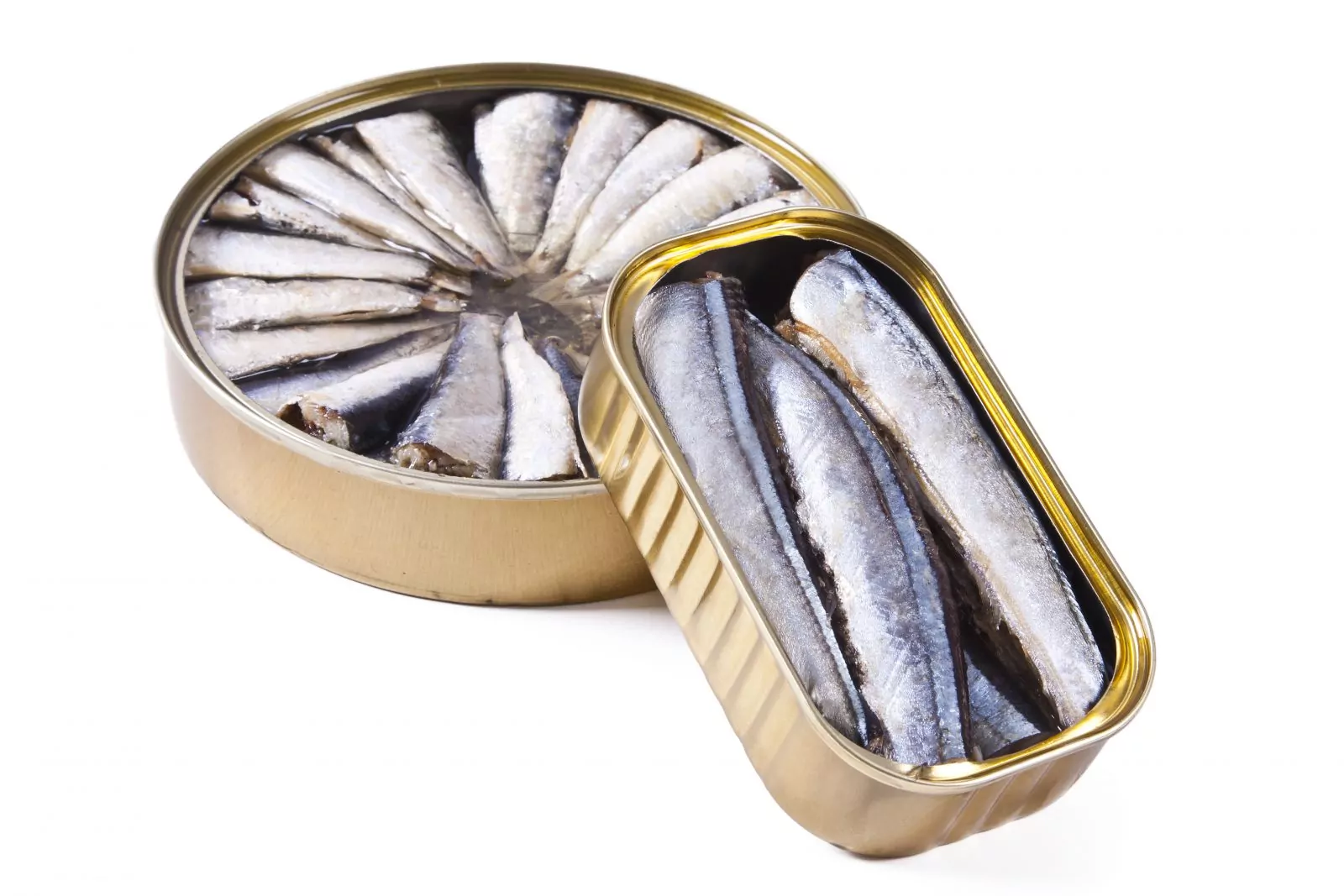
Tuna is a fish, not an unlimited protein supplement. Mercury exposure depends in part on which species you eat and how much you consume over time. Canned light tuna is generally a lower-mercury choice than white or albacore tuna. Albacore typically contains around three times as much mercury as canned light tuna, although individual fish and products vary.
For people who are pregnant, may become pregnant or are breastfeeding, US fish-consumption guidance places canned light tuna in its lowest-mercury choice category and albacore in a more restrictive category. It recommends two to three weekly servings from the lowest-mercury category or one weekly serving from the next category, with an adult serving defined as four ounces before cooking. Children have separate, smaller serving recommendations. These are population-specific recommendations, not a universal weekly tuna prescription for every lifter.
For other adults, the practical lesson is still to choose a variety of fish and not make several tins of the same tuna an automatic daily habit. Salmon and sardines can provide alternative seafood meals, and eggs, dairy, poultry, tofu and legumes make it easier to diversify protein intake further. Draining, rinsing or cooking tuna does not reliably eliminate mercury from its flesh.
If you are pregnant, breastfeeding, feeding a child or have a medical reason to monitor exposure, use the relevant guidance for your location or discuss your intake with a qualified clinician. Your body weight, the size of the servings and the kinds of fish you eat all matter; a generic gym meal plan cannot substitute for that assessment.

Funny Gym Shirts & Workout Gear
Funny gym shirts, tanks, hoodies and workout gear for lifters who like training hard.

Now Sushi Later Shirt – & Gymbros Seeking Gains T-Shirt
Rep “Gym Now Sushi Later” humor in and out of the gym.

Aquaman Protein Diet Gym Funny Seafood Gains Pullover H Hoodie
Stay casual and show some lifting attitude with “Aquaman Protein Diet”.

Funny Protein Shaker Bottle : Gym Meme Pullover For Fit T-Shirt
Keep things casual with a little “Protein Shaker Bottle” attitude.

Protein King Gym | Funny Burger King Parody Workout Dec Sticker
Put “Protein King” gym humor on your laptop, bottle, or gym gear.

Eat Your Chicken – Chicken Bro Protein Meme Vest Muscle Tank Top
Show some personality between sets with “Eat Your Chicken”.

Everything Hurts And I'M Hungry Motivation Hooded Hoodie
Bring “Everything Hurts And I'm Hungry” gym humor to lazy days and post-workout plans.

I'm Into Fitness Fitness Burrito In My Mouth – Workout Sticker
Put “I'm Into Fitness Fitness Burrito In My” gym humor on your laptop, bottle, or gym gear.

Bulking Season Pizza Chef Eat Big Lift Big Tank Top
Show some personality between sets with “Bulking Season Pizza Chef”.

Bulking Over Being Lean Tee
Show some carb-loving attitude with a playful “for Bulking Over Being Lean” tee.

Brotein Bar Gym | Funny Protein Bar Meme Workout For Gy Hoodie
Stay casual and show some bodybuilding attitude with “Brotein Bar”.
Three tuna meals that do more than hit a protein number
A good training meal has a role in the rest of your day. Tuna alone may cover part of your protein intake, but it supplies little carbohydrate and, depending on the packing method, may not provide much energy. An athlete planning a demanding evening session has different needs from someone fitting a quick lunch into a quiet rest day.
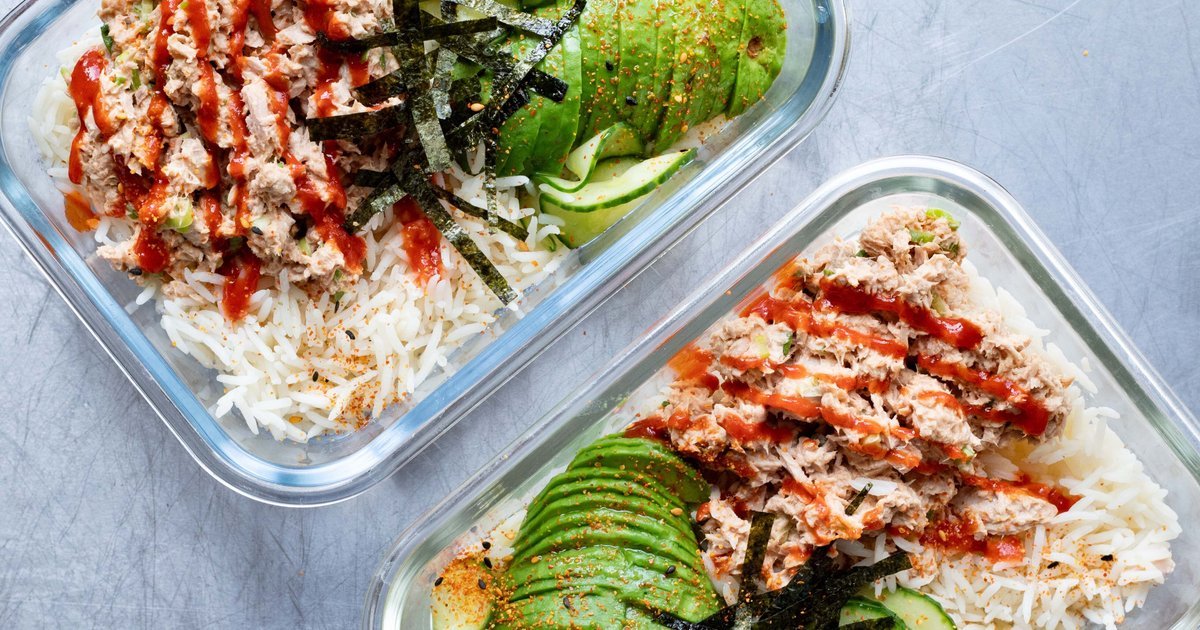
Rice bowl: drain a can of tuna and serve it with a measured portion of cooked rice, cucumber, shredded carrots and a little sauce. Add edamame if you want a larger protein serving and avocado if you need more energy. Use more rice when you need carbohydrate to support a demanding training day, and less if the rest of the day’s meals already cover your energy needs.
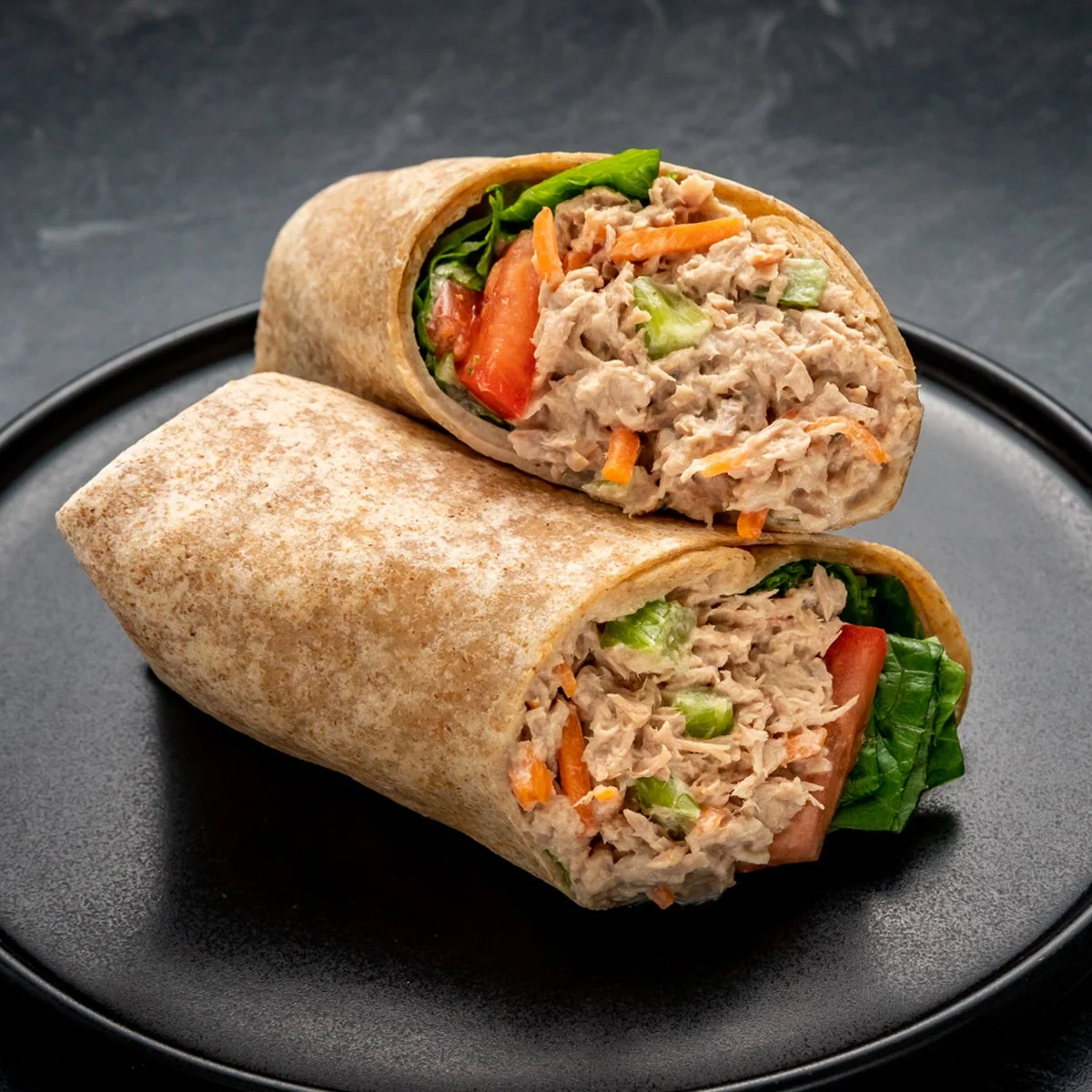
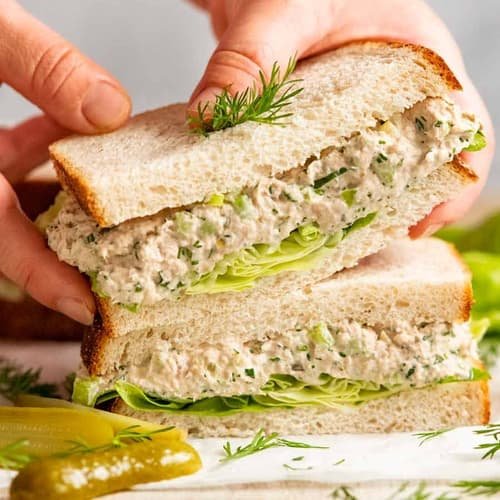
Sandwich or wrap: mix tuna with plain yogurt or a measured amount of mayonnaise, mustard, pepper and chopped onion. Add lettuce, tomato and a whole-grain wrap or bread. This is a convenient option for a lunch break when you cannot heat up food. A can that gives you 20 grams of protein may need an additional protein-rich ingredient or another meal later in the day to reach your own target.
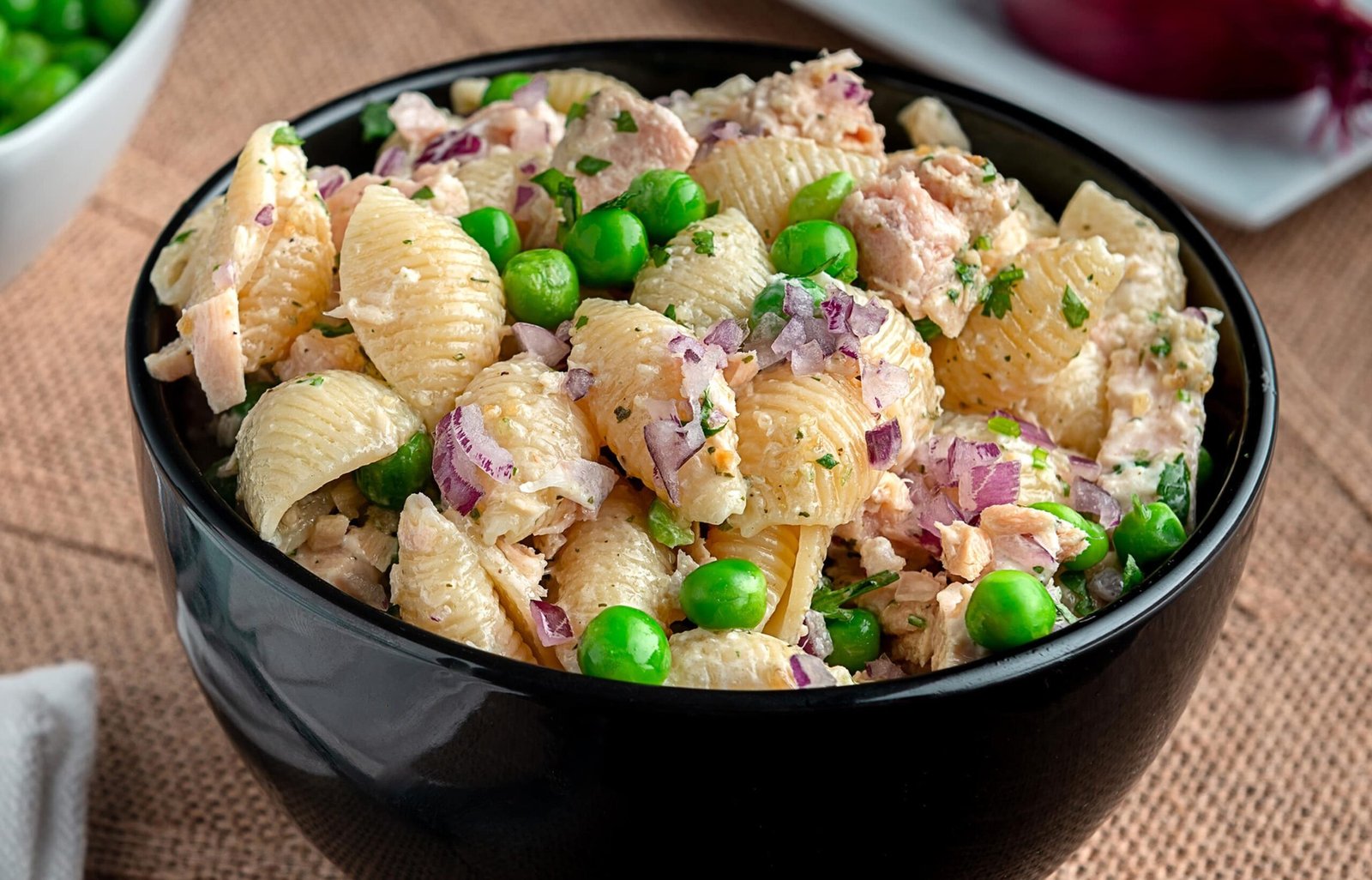
Pasta salad: combine chilled cooked pasta, drained tuna, peas, chopped vegetables and a dressing of your choice. Divide the finished mixture into portions based on the amounts you actually added. For example, two cans supplying 25 grams of protein each contribute 50 grams to the whole batch; dividing it evenly into four containers gives 12.5 grams of protein from tuna per container, before the pasta, peas or other ingredients. This is why a recipe described as high-protein can still be a fairly modest serving when split into many portions.
Make tuna one option in a repeatable weekly rotation
Protein intake works best as part of a broader plan. Research pooling resistance-training trials suggests that around 1.6 grams of protein per kilogram of body weight per day is a useful reference point for healthy adults seeking muscle gain, rather than a requirement to keep increasing intake indefinitely. It is not a sharp individual threshold and may not fit everyone. At 80 kilograms, that reference would be about 128 grams per day. A 20-gram can of tuna would cover only part of that amount.
Instead of trying to meet the entire target at lunch, consider what breakfast, dinner and snacks already contribute. If you are regularly short of protein, identify two or three convenient options you actually like and keep them available. A rotating lunch menu could include a tuna rice bowl, chicken and potato salad, a yogurt-based meal, tofu and rice, and a salmon or sardine sandwich. The purpose is not to ban tuna but to make it unnecessary to depend on it.
Food storage matters just as much as the ingredient list. Once opened, refrigerate unused tuna and prepared meals promptly in covered containers. As a general food-safety practice, refrigerate perishables within two hours, or within one hour in temperatures above 90°F (32°C). Use refrigerated leftovers within three to four days, or sooner if a product or local guidance specifies a shorter period. Keep a packed lunch cold rather than leaving it in a gym bag or warm car.
Finally, keep your emergency protein options separate from your planned meals. An unopened tin can be handy when your schedule falls apart, but having several convenient alternatives means the emergency does not need to become your entire diet. Choose the tuna that fits your label, budget and calorie needs, pair it with the other nutrients your training requires, and let the rest of the week’s meals provide variety.