Advertising disclosure: This page includes affiliate product links that may earn us a commission, as well as products from our own store.
Most lifters try to squeeze another rep from a hard set by improving technique, adding muscle, sleeping better, or programming more intelligently. A newer training experiment asks a much stranger question: what if the brain also benefits from being challenged during the workout? It sounds counterintuitive because anyone who has struggled through a distracted session knows that mental fatigue can make ordinary weights feel heavier.
In a randomized trial involving 22 recreational athletes with at least a year of lifting experience, one group mixed demanding thinking exercises into ordinary gym training. Another group performed the same physical workouts but rested instead of doing those mental tasks. After four weeks, the combined-training group showed a larger increase in the total number of tested repetitions to failure. That does not mean a phone puzzle automatically adds muscle or replaces proper exercise. The worthwhile finding is more specific: structured cognitive challenges may alter how well a person tolerates effort in demanding muscular-endurance tests.
How 22 gym-trained adults tested the idea
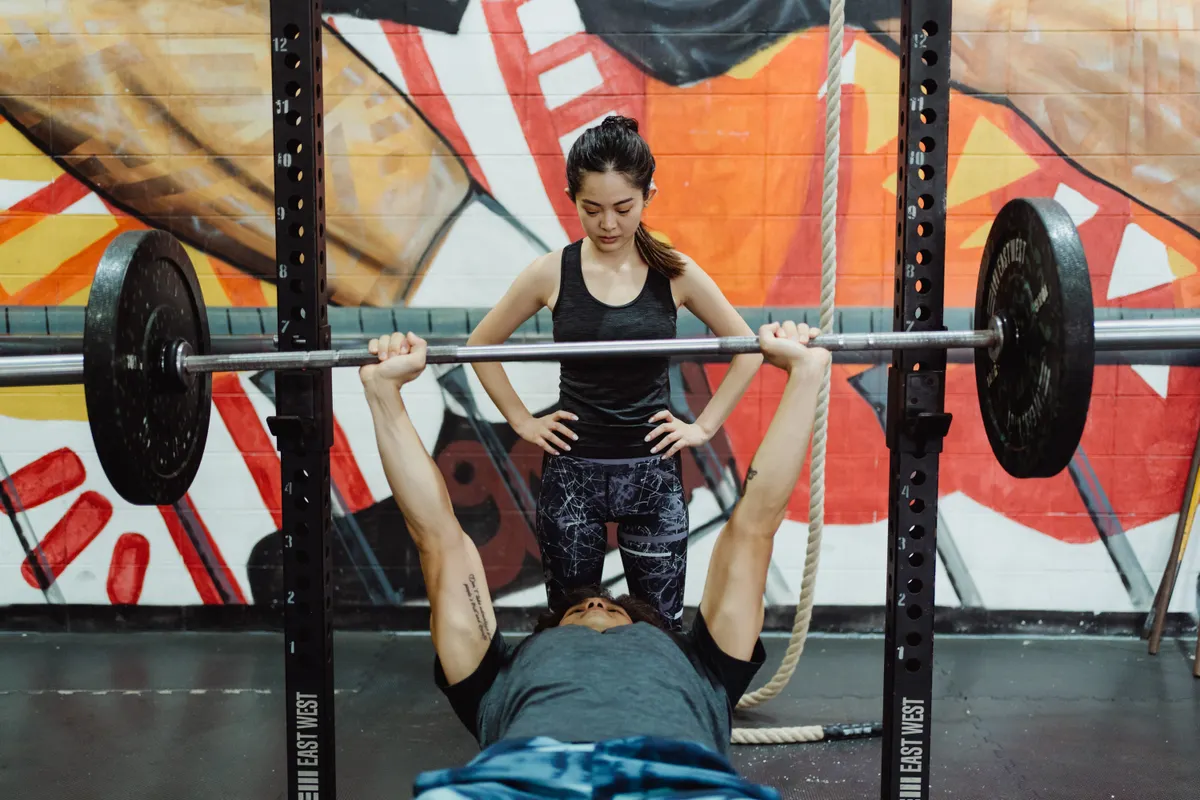
The participants were 14 men and eight women, averaging roughly 21 years old. They already had experience lifting and current gym memberships, so the comparison is more relevant to recreational trainees than a trial involving people who had never touched a barbell. Random assignment placed 10 people in the brain-endurance condition and 12 in exercise-only training.
Everyone attended laboratory tests before and after an intervention of 12 remotely completed gym sessions. Those training sessions ran three times per week for four weeks. In the gym, both groups followed the same upper-body and core exercise routine. The distinction came during the short periods around exercise sets: the combined-training group performed challenging cognitive tasks using an app, while the comparison group took restful breaks.
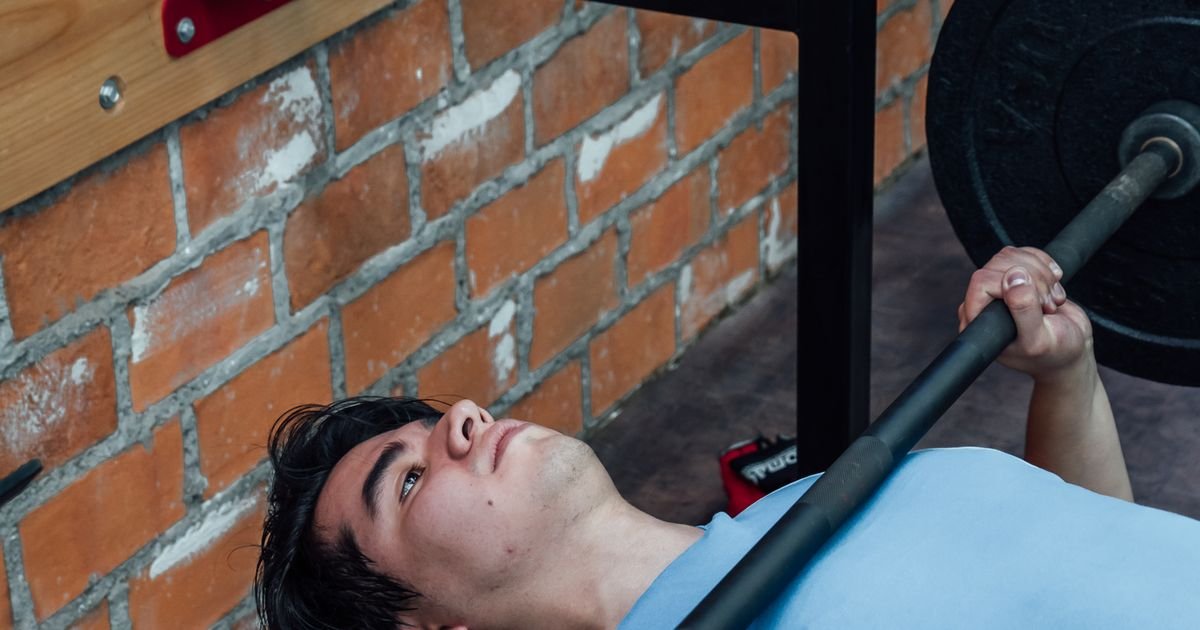
The physical outcomes were not vague impressions of having a good workout. Testing required repetitions to technical failure in three specified movements: flat barbell bench press, preacher curls, and repeated squat jumps. The bench and preacher protocols involved loads equivalent to 75% of an estimated one-repetition maximum, and the jump test was paced by a metronome. Those constraints matter because the experiment measured repeatable task endurance, not every kind of strength or athletic ability.
A controlled comparison of two active training groups is more informative than a before-and-after testimonial. Both groups trained physically, and everyone could improve simply by practicing the movements or becoming familiar with the tests. The question is whether adding the cognitive workload produced improvement beyond that common training effect.
The numbers: 50% more total reps, but an important qualifier
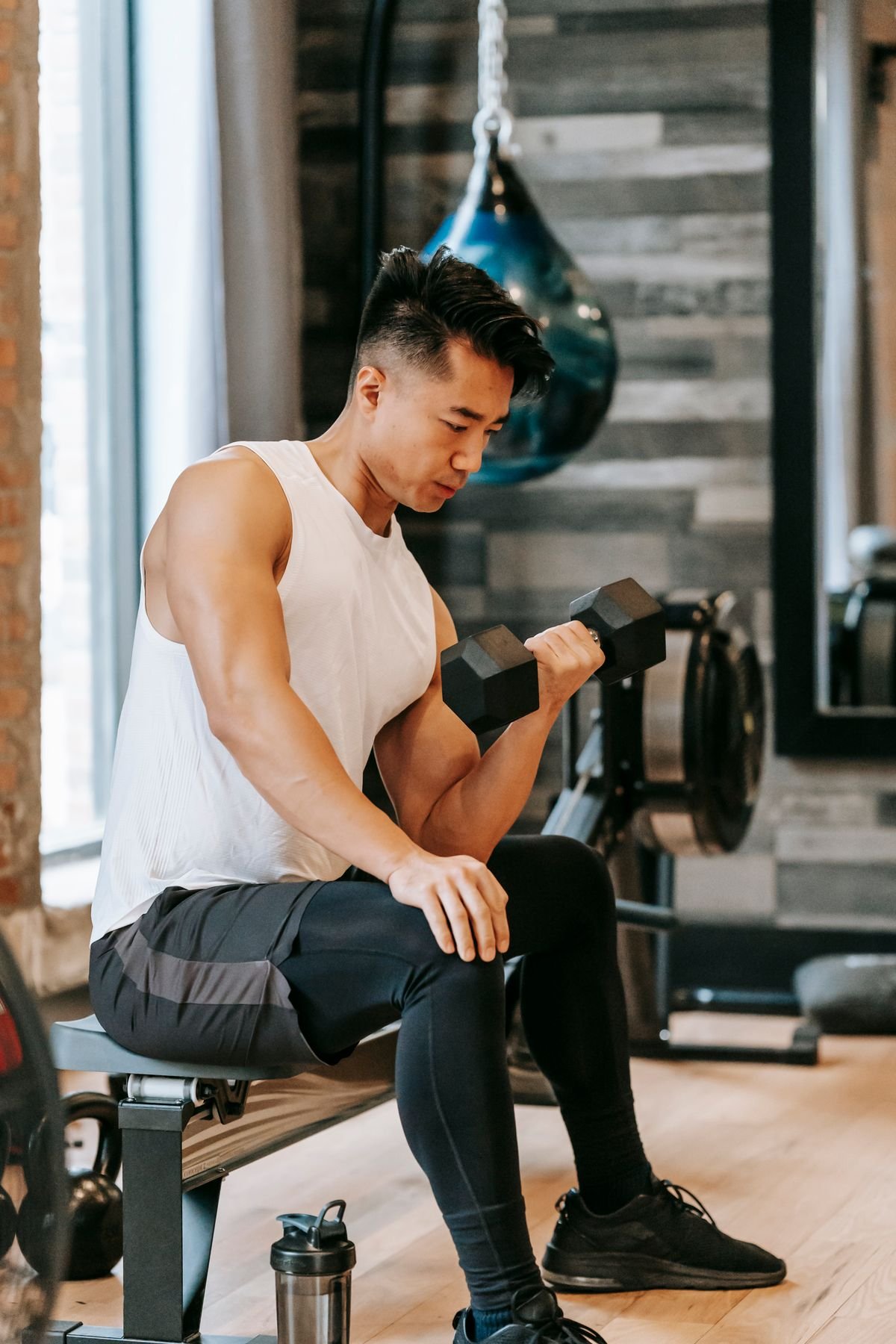
The headline result concerns all three movements together. The combined-training group increased total repetitions by approximately 50% from baseline, compared with about 13% for the exercise-only group. That difference was statistically significant between groups. It was a meaningful outcome, although the sample was small enough that the precise size of the advantage remains uncertain.
Looking separately, the brain-endurance group improved bench-press repetitions by 33%, preacher-curl repetitions by 93%, and squat-jump repetitions by 28%. The exercise-only group changed by approximately 13%, 30%, and 12% respectively. The dramatic preacher-curl percentage is particularly tempting to put in a headline, but a larger percentage in one group does not automatically establish a statistically reliable difference between groups on that individual exercise.
The between-group tests supported an advantage for the combined total and for squat-jump repetitions. They did not establish a clear between-group superiority for bench press or preacher curls considered separately. The correct interpretation is therefore narrower than saying the mental drills definitively boosted every lift: the overall endurance score favored the combined approach, while individual movement comparisons varied.
These were repetitions to failure at defined loads and tempos. Neither a stronger single-repetition maximum nor an increase in muscle cross-sectional area was the main result. If your primary goal is a heavier one-rep bench or bigger arms, the study supplies an interesting mechanism to explore, not a direct guarantee.

Equipment Worth Exploring
Explore equipment, accessories and gear from our carefully selected range.


FID Bench MAX
Adjustable bench offering flat, incline, and decline positions + adjustable headrest.


Rubber Hex Dumbbells
Rubber-coated hex dumbbell pairs with a stable shape for home and commercial strength training.



Competition Plates
Competition-style bumper plates for Olympic lifts and loaded strength training.

What the jump, bench and curl tests really measure
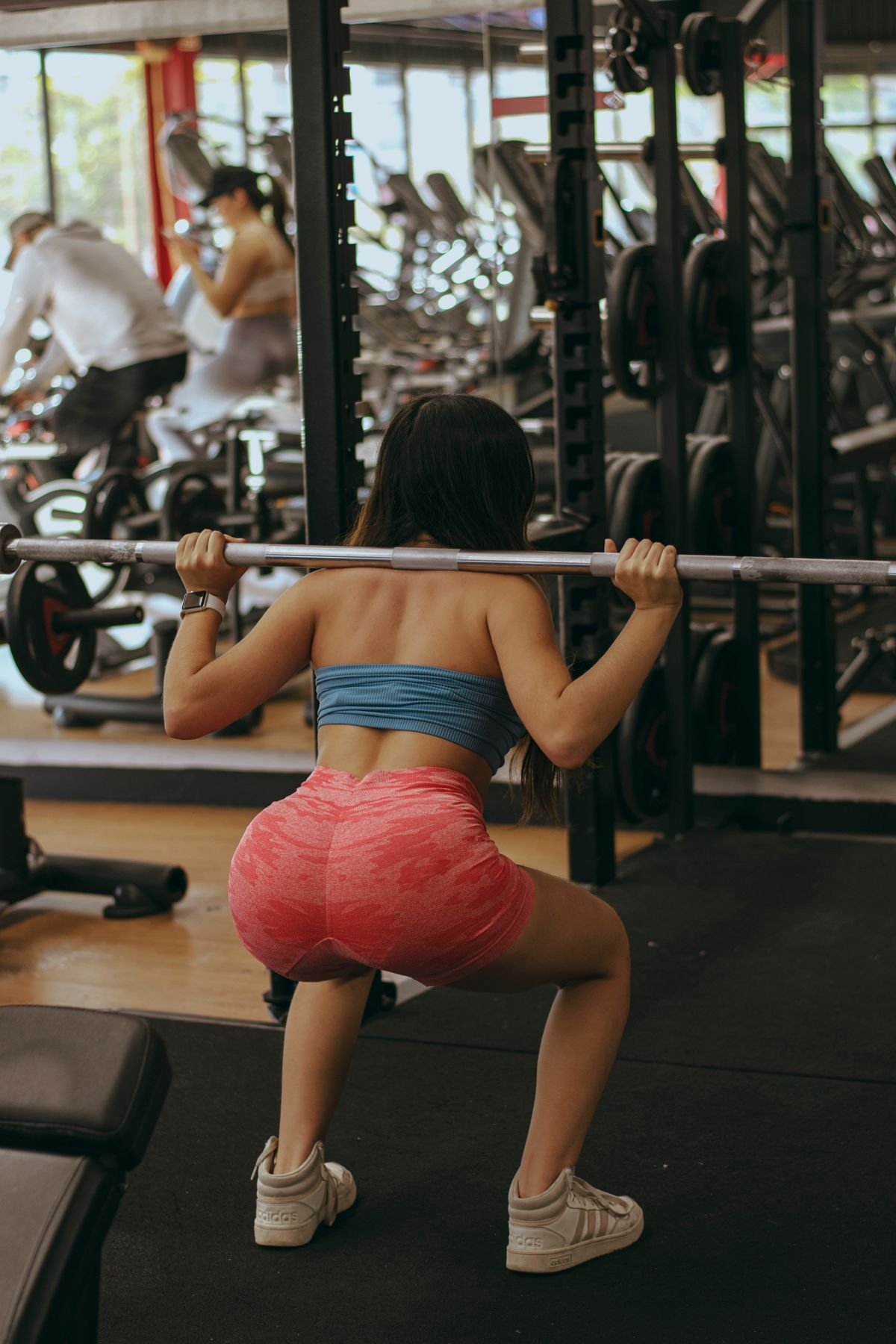
The squat-jump outcome deserves attention because it was one of the clearest between-group differences. Participants repeated a bodyweight jumping motion at a prescribed rhythm until they could no longer meet the required tempo or movement standard. That combines local muscular work with pacing, concentration, and the willingness to sustain a hard task.
Unlike a power test that measures the height of one maximal jump, a repeated-jump test is primarily an endurance challenge. Completing more jumps does not necessarily mean each jump was higher or more explosive. The distinction matters for sports programming. A field athlete interested in maintaining repeated efforts might care about it; an athlete seeking a single maximal vertical leap needs different measurements.
The bench and curl results also have an important exercise-specific context. Bench pressing recruits several muscle groups and requires stable technique as fatigue accumulates. Preacher curls constrain body position and isolate the elbow-flexion task more closely. A change in movement efficiency, pacing, or willingness to endure discomfort may affect how many repetitions a lifter completes without indicating equal changes in tissue size.
All three tests are legitimate outcomes, but none translates directly to a promise of better performance in a meet, on a playing field, or during every set of a bodybuilding workout. Specificity still matters: practice and progressive loading remain the foundation of gym results.

Powerlifting Shirts & Lifting Gear
Powerlifting shirts and gym gear for squat, bench and deadlift lifters who live for heavy numbers.

7 Plates Bench Club Shirt & Meme T-Shirt
Rep “7 Plates Bench Club” humor in and out of the gym.


Alabama State Of Mind – USA Map T-Shirt
Make gym days more fun with “Alabama Gym State of Mind” style.

Psychosocial Lifting Club Shirt Slipknot Heavy Metal T-Shirt
Show some metalhead attitude with a playful “Psychosocial Lifting Club” tee.

Shirt Powerlifters – Avengers Superhero Bros & Meme T-Shirt
Bring “for Powerlifters” humor to your next gym day.

Shirt & – Avengers Superhero Bros & Gains T-Shirt
Show some superhero attitude with a playful “for Athletes & Lifters” tee.

Swole Wars: The Last Rep Meme – Shirt T-Shirt
Heavy lifts, good laughs, and a little “Swole Wars: The Last Rep Gym Meme” energy.

Guns Gains Glory Patriotic Eagle Meme Hoodie
Bring “Guns Gains Glory” gym humor to lazy days and post-workout plans.

Lift You Must Star Wars Yoda Meme Hoodie
Stay casual and show some powerlifting attitude with “Lift You Must”.

Spit Preworkout In My Mouth Pre- Meme T-Shirt
Add a playful “Spit Preworkout In My Mouth” touch to your casual rotation.
Why the thinking drills were a full training dose
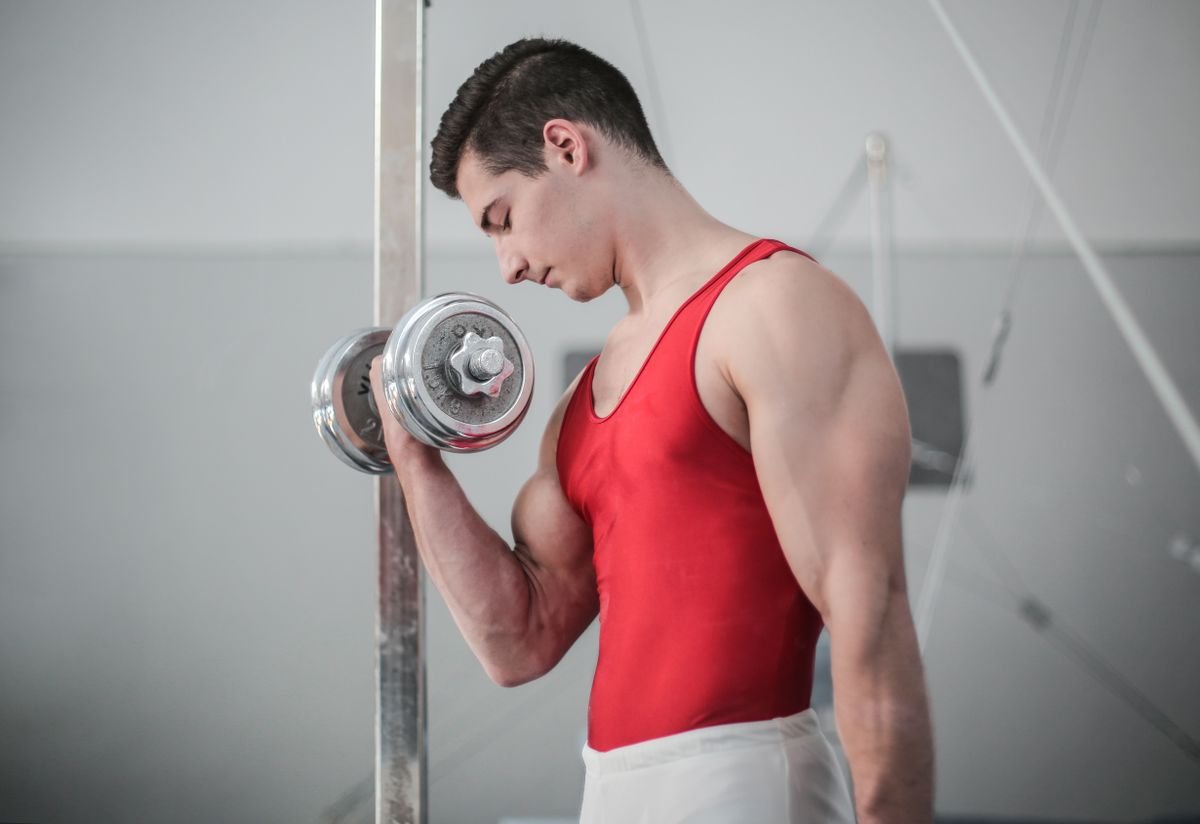
The mental work was not a casual brain teaser done once before a workout. The combined group accumulated roughly 33 minutes of demanding cognitive exercises within a training session, in addition to about an hour of physical exercise. Tasks challenged working memory, response inhibition, and attention using activities such as remembering sequences and switching responses under time pressure.
That is a considerable addition to a session. It has a time cost, and it makes the workout feel very different from a normal rest-and-lift routine. The people in the trial followed a structured schedule repeatedly across four weeks, so its findings cannot be assigned to a random crossword between two curls or a few minutes of scrolling on a phone.
The proposed explanation is that repeated exposure to hard thinking during physical effort may change the way exercise difficulty is perceived or tolerated later. That is a plausible training hypothesis rather than proof that the muscles themselves gained a special adaptation. A separate, larger randomized experiment with resistance and jump exercises found advantages particularly when athletes were tested after cognitive fatigue; broader reviews suggest potential benefits but also point to heterogeneity and limitations in the evidence.
This is also why ordinary phone distraction should not be equated with brain-endurance training. Social media, messages, or videos may break concentration and extend rest periods without delivering a controlled challenge. Purposeful, measurable cognitive tasks and random stimulation are not interchangeable.
Perceived effort fell, but interpretation needs care
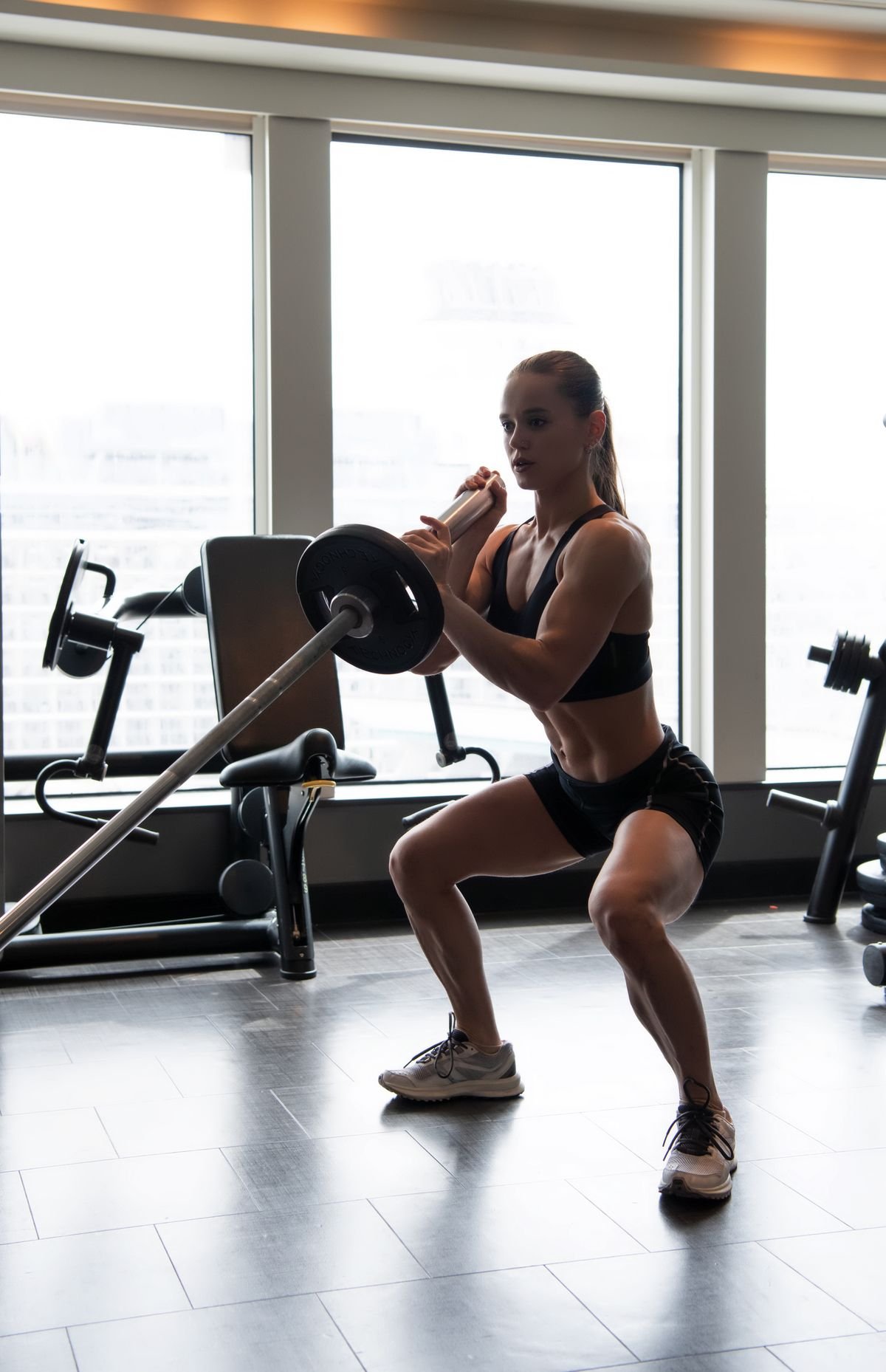
The researchers asked participants to rate perceived exertion after completing 10 bench-press and preacher-curl repetitions. The combined-training group reported a 22% reduction in bench-press effort ratings and a 12% reduction in curl ratings across the study. The exercise-only group showed smaller numerical reductions, about 9% and 3%. Those patterns are consistent with the idea that the same work could eventually feel more manageable.
However, a rating is subjective and the sample contained only 22 participants. The individual effort comparisons were not a clean, definitive proof that every lifter’s perception changed more with the combined intervention. A later pooled analysis of several studies did not find a statistically significant overall effect on perceived exertion, even while some physical-performance outcomes favored brain-endurance programs. Individual studies and aggregate evidence need to be interpreted together.
Consider the practical analogy of repeating a difficult set at a familiar load. You might perform more repetitions because you are physically stronger, because your movement has improved, because you rest differently, or because a given discomfort feels less threatening. Those explanations are not mutually exclusive. This trial is designed around tolerance of demanding work, but it cannot completely separate all the possible contributors.
Lower effort ratings also do not make poor form acceptable. If a lifter feels unusually comfortable and continues beyond a safe technical limit, the ability to push longer can become a liability. Training judgment and consistent standards still have to lead.
Equipment Worth Exploring
Explore equipment, accessories and gear from our carefully selected range.
VOLTRA
Compact digital cable trainer with smooth, adjustable resistance.


VForce Wall Trainer
Space-saving wall-mounted functional trainer with pivoting cable arms and variable resistance ratios.


GymPin Ergo Handles
Pair of ergonomic cable handles shaped for comfortable triceps and pulling exercises.


VForce 2IN1
Half rack and pivot-arm functional trainer with switchable 1:1 and 2:1 pulley ratios.


VForce 3IN1
All-in-one rack combining an adjustable Smith machine, functional trainer, and free-weight station.
What the experiment cannot prove about size or maximal strength
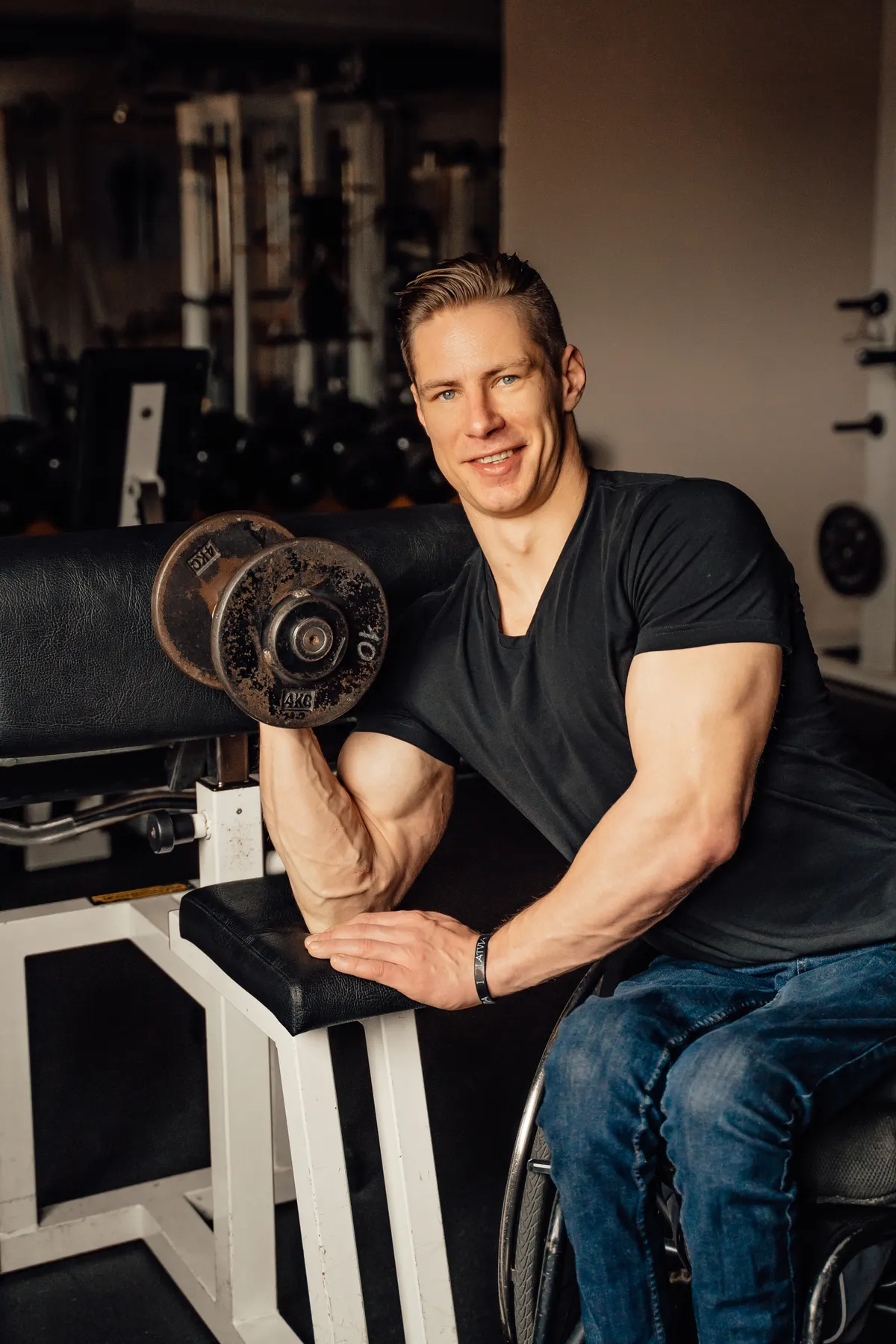
It would be a mistake to sell this experiment as a hypertrophy shortcut. The program did not demonstrate that mentally demanding breaks grew larger biceps, produced additional chest muscle, improved testosterone, or replaced the ordinary stimulus of hard resistance training. It tested muscular endurance over a specific four-week period, with short follow-up and small groups.
One important caveat is the comparison of 10 versus 12 people. A few unusually responsive participants can strongly influence a percentage change when the denominator is small. The volunteers were young recreational gym users, not representative samples of competitive powerlifters, older adults, or every bodybuilder. The training duration also leaves unanswered whether effects would persist or improve over months.
Another consideration is mental freshness. Some earlier work shows that these interventions may be especially useful when a test follows demanding cognitive activity. It is not yet established that adding mental stress helps equally during a fully fresh, heavy maximal-strength session. A useful program should respect the task being trained rather than chase every interesting new method.
The evidence is promising enough to justify further studies and cautious individual experimentation. It is not strong enough to claim all people should replace recovery time with attention games, particularly during high-stakes lifting or when sleep and general fatigue are already poor.
Bodybuilding Shirts & Workout Gear
Bodybuilding shirts, tanks and gym gear for lifters chasing muscle, size, symmetry and the pump.

Massquatch Bigfoot Sasquatch & Meme Fans Tank Top
Show some personality between sets with “Massquatch Bigfoot”.

Swoler Express Shirt – Christmas Train Hard T-Shirt
Heavy lifts, good laughs, and a little “Swoler Express” energy.

Spit Preworkout In My Mouth Savage Sweater Meme T-Shirt
Show some gym-day personality with “Spit Preworkout In My Mouth”.

Sprinkling Preworkout Breaking Bad Meme Hoodie
Stay casual and show some bodybuilding attitude with “Sprinkling Preworkout”.


Venom Is My Preworkout Shirt Superhero Comic Book , T-Shirt
Rep “Venom Is My Preworkout” humor in and out of the gym.

Anger Is My Preworkout Tee
Heavy lifts, good laughs, and a little “Anger Is My Preworkout” energy.


Mona Lifta Mona Lisa Artistic Meme Hooded Hoodie
Keep it laid-back with a little “Mona Lifta” attitude.
How to test the concept without wrecking your workouts
If your main goal is a bigger bench, a consistent progressive training plan remains the priority. If you are curious about muscular endurance, make the experiment controlled and modest. Start with one or two low-risk accessory sessions each week instead of adding demanding mental tasks to your heaviest or most technically complex sets.
Choose a simple measurable outcome: for example, controlled repetitions at a familiar submaximal weight, with the same exercise, load, tempo, warm-up, and rest interval each time. Log repetitions and how hard the set felt. For a trial period, experiment with a brief structured working-memory or response-switching task during a designated non-critical recovery period, while keeping other training variables stable. This is an individual idea inspired by the study, not the tested 33-minute protocol.
Stop the experiment if it worsens concentration, disrupts technique, reduces rest quality, or makes a session unsafe. Between-set breathing, hydration, nutrition, and simply getting mentally ready for a heavy attempt are legitimate uses of rest. They should not be sacrificed to make an ordinary workout more complicated.
The practical lesson is not that thinking hard builds muscle by itself. It is that endurance performance reflects more than tissue capacity, and the brain’s response to effort may be trainable. For lifters, the most valuable habit is still to measure the outcome you actually care about, separate one kind of performance from another, and keep your plan recoverable over the long term.