A falling scale number can be an important part of GLP-1-assisted weight management, but it cannot tell you whether your legs are stronger, whether carrying groceries feels easier or whether you are preserving the capacity to move independently. Medication-assisted weight loss changes appetite and body weight; it does not replace the need to use your muscles.
The good news is that a useful resistance-training plan does not require advanced equipment or marathon workouts. Two repeatable full-body sessions, adequate nutrition and a simple performance log can be a reasonable starting point. The evidence also deserves careful interpretation: a change in lean mass on a scan is not the same thing as a direct measurement of muscle function.
What Weight-Loss Scans Actually Measure
Body composition includes fat mass and lean mass. Lean mass is not a synonym for skeletal muscle: it also contains water, organs and other nonfat tissues. Consequently, a scan showing less lean mass after weight loss cannot tell us precisely how much functional muscle was lost. That distinction matters when dramatic percentages are shared without context.
A 72-week body-composition substudy from a major tirzepatide trial included 160 adults with baseline and follow-up DXA measurements. In the treatment group, average body weight declined 21.3%, fat mass 33.9% and lean mass 10.9%. Roughly three quarters of the lost weight was fat and one quarter lean tissue. The placebo group showed a similar proportional division despite losing much less weight overall.
These group averages do not predict an individual’s response to semaglutide, tirzepatide or another treatment. They do not prove that a medication selectively damages muscle, either. They do demonstrate why strength, daily function and adequate food intake belong in the conversation alongside body weight.
Begin with practical baselines: how many controlled chair stands feel comfortable, what load you can row for eight repetitions and how stairs or carrying shopping bags feel. These are not clinical tests, but they provide useful information that a scale misses.
Why Function Matters More Than a Single Lean-Mass Number
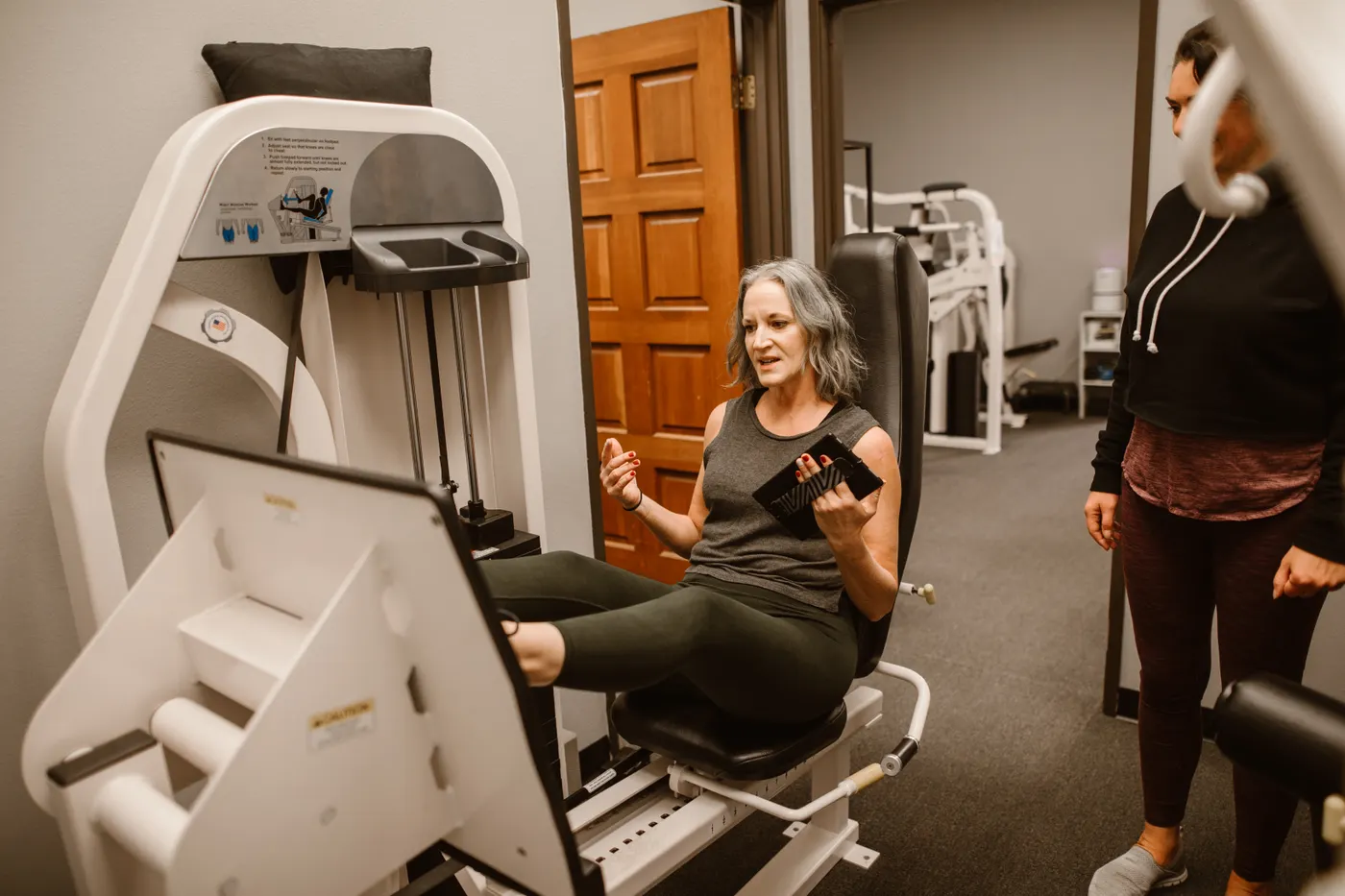
A prospective semaglutide study followed adults with obesity for up to a year. Among 106 participants who completed follow-up, mean body weight declined about 13% at month twelve. Lean mass initially decreased by around three kilograms at month seven before stabilizing, while average handgrip strength improved by approximately 4.5 kilograms by month twelve.
That does not establish that a particular lifting program prevented muscle loss. The study was not a randomized comparison of strength-training plans, and clinical histories varied. Still, it shows why strength and lean-tissue measurements can move in different directions. Someone may lose weight and become more capable at a task, or maintain weight while becoming weaker.
Researchers are now directly testing whether resistance exercise, protein supplementation or both help preserve muscle during semaglutide and tirzepatide treatment. One 2026 randomized-trial protocol plans to enroll 232 adults, compare four intervention groups and measure quadriceps size with MRI. A protocol describes planned methods, not completed results. It would be misleading to announce that the combined approach has already won.
Until more direct trials are complete, the strongest practical advice comes from broader resistance-training evidence: repeated progressive exercise helps develop strength and physical function. It is a sensible habit to establish during weight management, but it cannot guarantee zero lean-tissue loss in every person.

Equipment Worth Exploring
Explore equipment, accessories and gear from our carefully selected range.


FID Bench MAX
Adjustable bench offering flat, incline, and decline positions + adjustable headrest.



VOLTRA
Compact digital cable trainer with smooth, adjustable resistance.

Go-Tone Pro
Portable digital cable trainer with up to 66 lb (30 kg) of adjustable resistance.

The Two-Day Beginner Routine
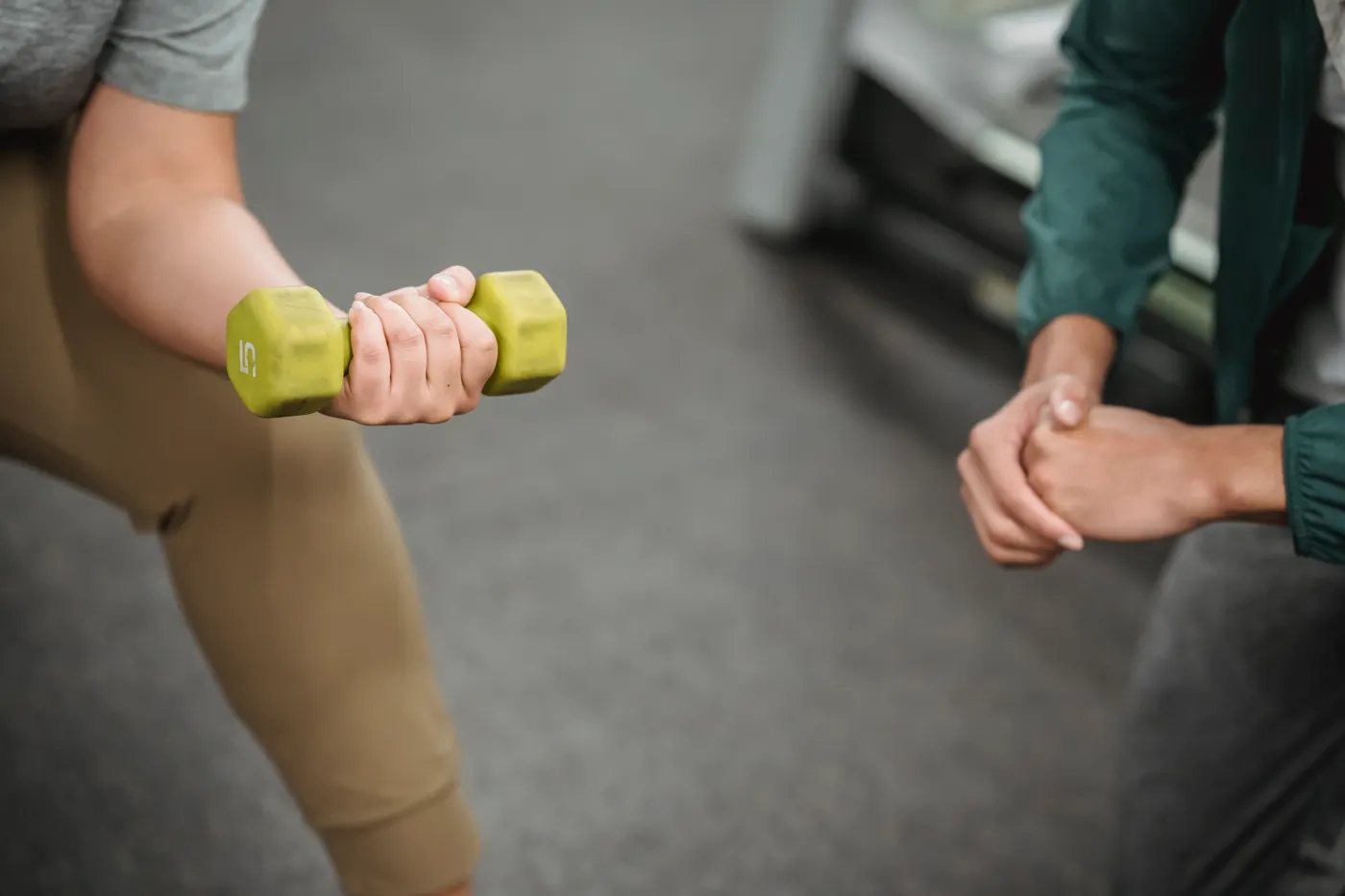
Schedule two nonconsecutive sessions, such as Monday and Thursday. Start with one or two sets per movement and allow comfortable rest. Machines, dumbbells and bodyweight variations can all work. Choose movements that feel stable and repeatable instead of trying to prove how much you can lift on day one.
Workout A: sit-to-stand or supported squat, two sets of six to ten; chest press or incline push-up, two sets of eight to twelve; supported row, two sets of eight to twelve; finish with a short, comfortable carry or balance exercise. A leg press can substitute for the squat if it suits your mobility and equipment.
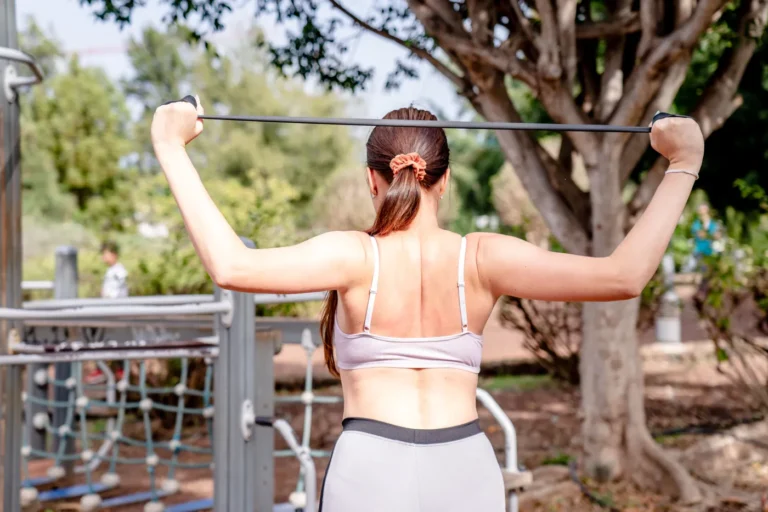
Workout B: glute bridge or light dumbbell hip hinge, two sets of eight to twelve; supported split squat or low step-up, two sets of six to ten each side; lat pulldown or resistance-band row, two sets of eight to twelve; finish with a gentle anti-rotation hold or dead bug.
Pick a load that leaves roughly two or three good repetitions in reserve. The final repetition should be challenging without forcing a breakdown in technique. Take longer rests if needed. Someone who has been inactive for years may begin with just one set of three movements and build from there.
The aim is not to finish exhausted. It is to make a modest, repeatable demand on the muscles and recover well enough to return. If balance, joint pain or another condition limits exercise choices, use supported variations and seek individualized instruction.

Funny Gym Shirts & Workout Gear
Funny gym shirts, tanks, hoodies and workout gear for lifters who like training hard.

Shirt – Make It Gain – Gymbro & Meme Fans T-Shirt
Make gym days more fun with “Make It Gain” style.

Shirt – Gains O'Clock – Time Meme & Gymbros T-Shirt
Heavy lifts, good laughs, and a little “Gains O'clock” energy.

Hello Lifty Cat , & Gains Meme Top T-Shirt
Show some lifting attitude with a playful “Hello Lifty Gym Cat” tee.

Mr. Lean Meme – & Gymbros – Top & T-Shirt
Make gym days more fun with “Mr. Lean Gym Meme” style.

Shirt – Train Hard Gains – Meme , & Workouts T-Shirt
Bring “Train Hard Gains” humor to your next gym day.

I Lifted Today Patriotic – 4th Of July Shirt & USA Sticker
Give your everyday gear a playful “I Lifted Today Patriotic” twist.

Mona Lisa Mona Lifta – Meme , & Gains – Bro Humor T-Shirt
Show some powerlifting attitude with a playful “Gym Mona Lisa Mona Lifta” tee.


Shirt – Brotein Bar – Meme & Gains – & Gymbros Top T-Shirt
Bring “Brotein Bar” humor to your next gym day.

Shirt – Squad Gains Gymbros, , Meme Top & Gains T-Shirt
Bring “Squad Gains” humor to your next gym day.
Progress Without Turning Every Session Into a Test
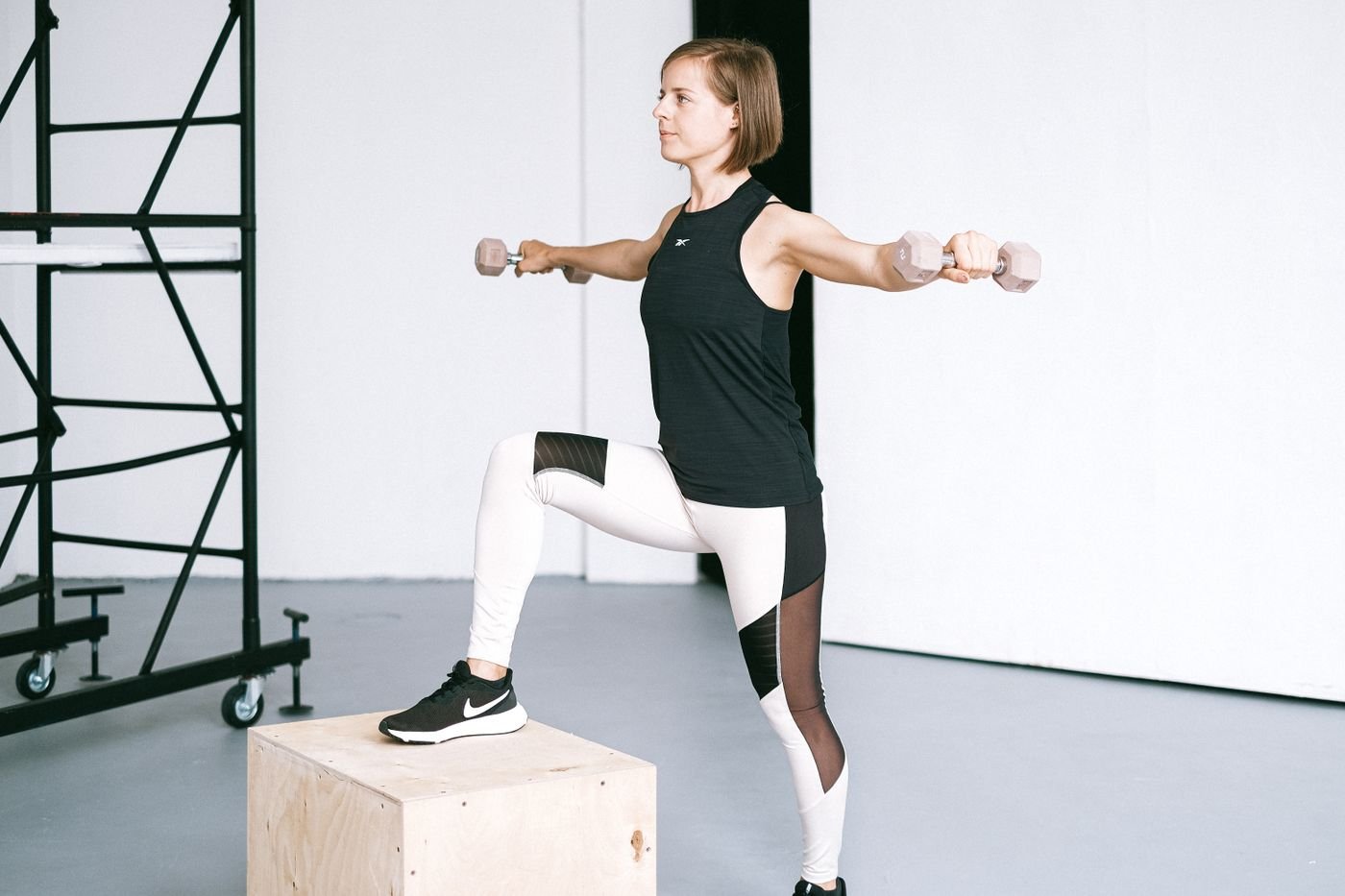
Progressive overload means increasing the challenge when your body is ready. For beginners, that can mean smoother technique, a longer comfortable range of motion or one additional repetition. Adding weight is only one option. It is not necessary to reach muscular failure to make training worthwhile.
A straightforward double-progression method works well. Suppose the target is eight to twelve repetitions. Keep the load steady until you can complete your planned sets at twelve clean repetitions with some effort still available. Then increase weight by the smallest practical increment and work upward through the range again.
Record the exercise, load, repetitions and perceived effort. If a session goes badly, avoid interpreting one result as proof that treatment is costing you muscle. Sleep, stress, unfamiliar equipment and ordinary daily variability all influence performance. Look for trends across several comparable workouts.
If reduced appetite, nausea or fatigue makes a session unexpectedly difficult, shorten it, reduce the load or choose gentle movement. Do not try to compensate with an all-out workout. Medication changes belong with the prescribing clinician, not the gym plan.
On nonlifting days, comfortable walking or cycling can support cardiovascular health. Keep intensity manageable enough that it does not repeatedly interfere with the next strength session. The goal is sustainable activity, not a contest to burn the most calories.
Protein and Recovery When Appetite Is Lower
Appetite suppression can make it easier to eat less protein along with fewer total calories. Strength training provides a stimulus, but recovery still depends on sufficient energy and nutrients. Neither a protein shake nor an aggressive athlete-style diet automatically solves that problem.
Start with a protein-containing food at meals: yogurt, eggs, fish, poultry, tofu, beans or another option you tolerate. If large meals are uncomfortable, smaller meals and snacks may be easier. A convenient shake can supplement food, but it does not replace a varied diet or individualized medical nutrition advice.
Protein requirements vary with age, body size, kidney health, activity and clinical circumstances. A very high grams-per-kilogram target based on current body weight can be impractical for someone living with substantial obesity. A registered dietitian can help choose a sensible target and a workable eating pattern.
A current randomized-trial protocol is investigating a target of 1.6 grams per kilogram per day alongside resistance exercise, but results have not yet been reported. That target is part of a research design, not a universal rule for everyone taking a GLP-1 medication.
Hydration, sleep and tolerable food intake deserve attention. If vomiting, dehydration or persistent nausea make eating or exercising difficult, contact your care team. Trying to force an intense workout while under-fueled is not an effective recovery strategy.
Equipment Worth Exploring
Explore equipment, accessories and gear from our carefully selected range.




Power Tower
Freestanding pull-up and dip station with adjustable handles for bodyweight training.


When to Modify Training or Ask for Medical Guidance
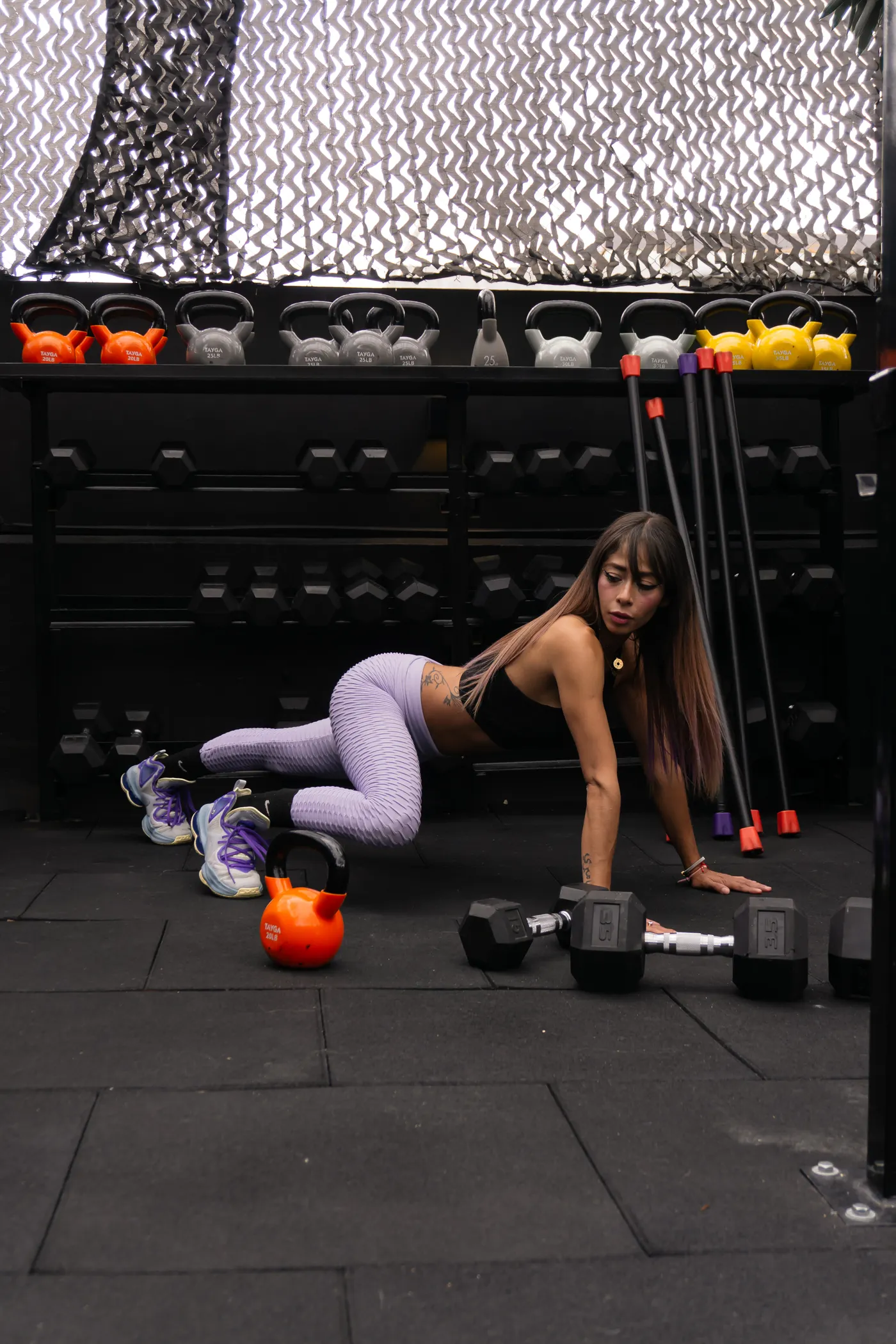
A useful routine adapts to the person rather than demanding the same performance every week. Someone new to exercise might begin with ten minutes. An experienced lifter might keep familiar movements but temporarily reduce sets while adapting to a large energy deficit. Neither approach is a failure.
Use a practical traffic-light check. Green: usual energy, stable technique and no concerning symptoms; complete the session. Amber: poor sleep, low appetite or mild fatigue; reduce volume or use lighter weights. Red: fainting, severe dizziness, chest pain, persistent vomiting, severe abdominal pain or other worrying symptoms; stop and seek appropriate medical care.
People taking other glucose-lowering drugs may have additional exercise considerations, including low blood glucose. Those with heart disease, recent injuries, a history of falls or significant mobility limitations should obtain individualized guidance. Never alter prescribed medication or dose based on a general fitness article.
Mild soreness after unfamiliar movements is possible, but soreness is not proof that a workout was productive. Radiating pain, worsening joint symptoms or repeated loss of balance are reasons to reassess and get help.
A competent trainer or clinician can adapt the movement selection to your current ability and clinical circumstances. The goal is not to achieve a particular gym aesthetic. It is to preserve and develop the capacity to perform everyday tasks while other health goals move forward.
Bodybuilding Shirts & Workout Gear
Bodybuilding shirts, tanks and gym gear for lifters chasing muscle, size, symmetry and the pump.

Bodybuilder – Meme & Gymbros – Top Gains & Humor T-Shirt
Rep “Bodybuilder” humor in and out of the gym.

Shirt – Tyrannosaurus Flex T-Rex Dinosaur – Meme Top T-Shirt
Rep “Tyrannosaurus Flex T-Rex Dinosaur” humor in and out of the gym.

Wheyhalla Viking Protein – Meme Lovers, & Gains – Top T-Shirt
Heavy lifts, good laughs, and a little “Wheyhalla Viking Protein” energy.

Bear Protein Bear Meme , & Bros Hilarious T-Shirt
Heavy lifts, good laughs, and a little “Gym Bear Protein Bear” energy.

Strong Back Bodybuilder Tee
Show some lifting attitude with a playful “Strong Back Bodybuilder” tee.

Motivation – Squats & Booty Builder Leg Day – Strong T-Shirt
Bring “Gym Motivation” humor to your next gym day.

No Excuses Mermaid Strong , Leg Day Meme & T-Shirt
Make gym days more fun with “No Excuses Mermaid” style.


Jurassic Pump Dinosaur – Meme , & Gymbro Gains T-Shirt
Rep “Jurassic Pump Gym Dinosaur” humor in and out of the gym.

Shirt – Guns N Poses – Rock Music & Huge Arms Meme T-Shirt
Rep “Guns N Poses” humor in and out of the gym.
A Four-Week Check-In Beyond the Scale
Four weeks is enough to establish a routine and notice early changes in skill, but not enough to prove that muscle tissue has grown or been preserved. Use this as a practical audit rather than a clinical trial.
Week one: complete two short sessions. Record the load and repetitions for a squat variation, a press and a row. Note one everyday task such as standing from a chair or carrying groceries. Establish a baseline for appetite, energy and recovery without obsessing over daily fluctuations.
Week two: repeat the same movements. Add a repetition where technique remains controlled. Check whether you can include a tolerable protein source at meals. If intake or recovery is consistently poor, raise it with your care team rather than improvising an extreme diet.
Week three: progress one variable at a time. Add a set to one exercise or make a small load increase when repetitions reach the top of the target range. Do not simultaneously double training volume, add intense cardio and restrict food further.
Week four: compare like with like. Are repetitions, load, walking comfort or everyday tasks improving? Is recovery adequate for the next session? If scale weight falls while strength repeatedly deteriorates, investigate nutrition, sleep, programming and clinical factors rather than assuming weakness is inevitable.
The useful principle is simple: medically supervised weight management and resistance training address different but compatible goals. Track body weight with appropriate clinical tools and track physical capacity with repeatable movements. A sustainable plan makes room for both.