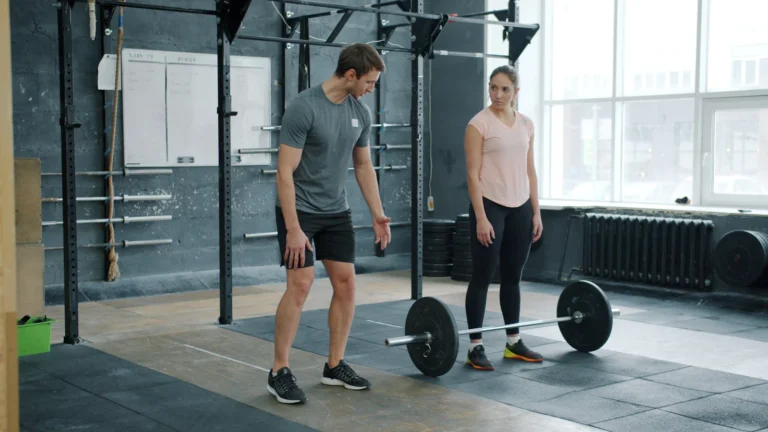
Can you lose fat, gain strength and still do cardio? Yes. The useful question is how much aerobic work supports your lifting instead of crowding it out. Here is a practical six-week framework for combining both without turning body recomposition into a cycle of exhaustion.
Recomposition needs two engines, not a cardio ban

Body recomposition means trying to reduce fat mass while preserving or adding muscle. It is not the same as making the bathroom scale fall as quickly as possible. A smaller waist and better performance can coexist with an almost unchanged scale reading because fat and muscle do not change at the same rate. The central challenge is to provide a credible growth or maintenance signal to muscle while creating conditions that allow stored energy to be used.
Resistance training provides that signal. Progressive sets of squats, hinges, presses, pulls and loaded carries tell the body that strength and lean tissue are useful. Adequate protein and recovery support the process. Cardio supplies a different adaptation: stronger aerobic capacity, better tolerance for sustained work and, often, a manageable addition to daily energy expenditure. None of those effects requires turning every session into a punishing interval workout.
A recent training discussion published in October 2026 revived the question of whether aerobic exercise belongs in a recomp plan. The useful answer is conditional, not ideological. A sensible amount of cycling, walking or running can coexist with muscle building. The amount that becomes counterproductive depends on how hard you lift, how much you eat, how well you recover and how aggressively you pursue fat loss.
Begin by defining the outcome. For a newer lifter with extra body fat, modest fat loss and visible strength gains may be realistic together. For an experienced, already lean lifter, gaining significant new muscle during a large deficit is less likely. In either case, treat cardio as a supporting tool rather than a replacement for progressive resistance work.
What concurrent-training research actually says
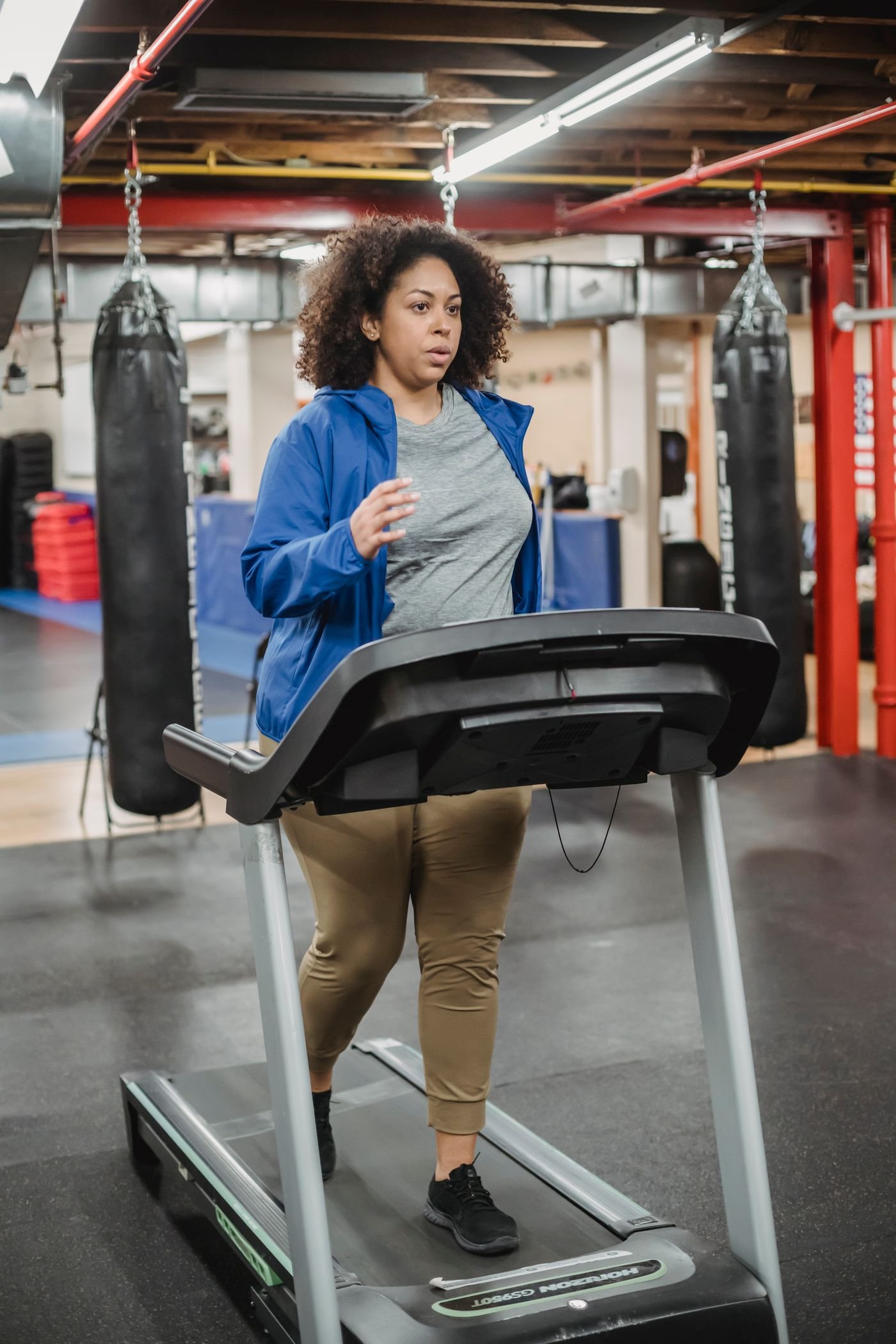
The fear that cardio automatically destroys gains comes from a real but frequently exaggerated concept: interference. Strength and endurance training create partly different demands. When total workload becomes excessive, hard endurance sessions may leave legs tired for squats, reduce lifting quality or make recovery harder. That is a programming problem, not evidence that a brisk walk makes muscle disappear.
Research comparing concurrent aerobic and resistance training with lifting alone generally finds that muscle size and maximal strength can improve with both approaches. Some analyses detect a small disadvantage for explosive strength, particularly when competing sessions are packed close together. These averages do not guarantee an identical response for every athlete, and study designs differ in participant experience, running or cycling modality, session frequency and how outcomes were measured.
Another distinction matters: losing fat is not the same outcome as increasing muscle. Adding aerobic work can help people expend more energy, but it does not replace an appropriate food intake. An extra workout can be neutralized by increased hunger or less movement during the rest of the day. Likewise, rapid weight loss can make strength sessions feel worse, regardless of whether the deficit was created with a treadmill or smaller meals.
For most recreational lifters, a practical starting point is two or three easy-to-moderate cardio sessions per week, roughly 20–40 minutes each, while continuing to lift. That is a starting experiment rather than a universal optimum. Adjust from actual strength performance, fatigue and adherence. If your lower-body lifts deteriorate after introducing repeated hard runs, first change the dose or scheduling before deciding cardio itself is incompatible with your goal.

Cardio Shirts & Workout Gear
Cardio and conditioning gym gear for runners, endurance athletes and anyone who earns the sweat.

Negative Cardio Review Cardio Sucks Running , Meme T-Shirt
Heavy lifts, good laughs, and a little “Negative Cardio Review” energy.

Cardio Kills Gains Shirt 'S Meme & Top T-Shirt
Rep “Cardio Kills Gains” humor in and out of the gym.

Anti Cardio Cardio Club Shirt Meme & Top T-Shirt
Bring “Anti Cardio Cardio Club” humor to your next gym day.

Cardio Heartbeat Hoodie
Show off your cardio humor in a laid-back “Cardio Heartbeat” hoodie.

Exercise I Thought You Said Extra Fries Vintage Fast Fo Hoodie
Show off your cardio humor in a laid-back “Exercise I Thought You Said Extra Fries” hoodie.

Hybrid Athlete – HYROX Training Crewneck for Strength & T-Shirt
Show some gym-day personality with “Hybrid Athlete”.

Your Mom Is My Cardio – Edgy Meme Muscle Shirt Vest For Tank Top
Train hard, laugh a little, and rep “Your Mom Is My Cardio”.


Triathlon – Iron Man Medieval Knight Swim Bike Run Deca Sticker
Give your everyday gear a playful “Triathlon” twist.

Anti Cycling Cycling Club – Ironic Cardio Meme & T-Shirt
Show some cardio attitude with a playful “Anti Cycling Cycling Club” tee.
Protect the lifting stimulus before adding minutes

Recomposition is easiest to sabotage by making the calorie-burning portion of training more important than the muscle-preserving portion. Keep a repeatable strength plan that covers major movement patterns at least twice weekly. A three-day full-body program or four-day upper/lower split both work. The exact split matters less than sufficient challenging sets, stable technique and the ability to progress over time.
On full-body days, place demanding lifts early. A squat or hinge, a horizontal press, a row, a vertical pull and a small accessory block form a straightforward foundation. Leave about one to three repetitions in reserve on most working sets, using the final repetitions to judge effort. If the same load becomes easier, add a rep or a small amount of weight rather than chasing failure in every exercise. A short logbook entry makes this visible over weeks.
Do not confuse a temporary reduction in scale weight with improved body composition. Water and glycogen can shift sharply after a hard session, particularly when carbohydrate intake changes. Track a rolling weight average, waist measurements, training performance and consistent progress photos over several weeks. These signals are more informative together than a single morning weigh-in.
Protein intake matters because energy restriction raises the importance of preserving lean tissue. Many active adults can use roughly 1.4–2.0 grams of protein per kilogram of body mass per day as a broad evidence-informed range, then adjust for training demands, preferences and clinical circumstances. This is not a reason to slash carbohydrates to zero: lifting and endurance work both benefit from adequate fuel. If training quality falls and hunger becomes intrusive, the deficit may be too aggressive.

Equipment Worth Exploring
Explore equipment, accessories and gear from our carefully selected range.
VOLTRA
Compact digital cable trainer with smooth, adjustable resistance.

Go-Tone Pro
Portable digital cable trainer with up to 66 lb (30 kg) of adjustable resistance.


FID Bench MAX
Adjustable bench offering flat, incline, and decline positions + adjustable headrest.


Choose cardio that leaves room to recover

Walking is often the easiest addition because it is accessible, easy to regulate and unlikely to leave a trained lifter sore for days. A brisk outdoor walk, an incline treadmill session or a short bike ride can accumulate useful aerobic work without requiring a complicated program. If you are sedentary outside the gym, adding ordinary movement may offer a better return than jumping straight into high-intensity intervals.
Cycling and elliptical work can also be useful when running creates substantial leg fatigue or impact discomfort. Running remains a valid choice if you enjoy it and tolerate it well; there is no need to abandon a sport simply because you want to build muscle. The key is matching the volume to your existing training. Someone already running four times a week needs a different plan from a person who lifts three times and barely walks.
Use the talk test to keep most aerobic sessions moderate: breathing should be elevated, but you can still speak in sentences. Intervals can be included once or twice weekly if your conditioning goal warrants them, yet a hard interval session is another demanding workout. It is not free calorie expenditure. When strength is the priority, place difficult running or cycling away from heavy leg sessions when possible.
Short bouts count. Ten minutes after lunch and another fifteen in the evening can be easier to sustain than a single long block. Daily activity also helps make a routine resilient when life interrupts the perfect schedule. Start with an amount you can repeat for a month, not the most exhausting session you can survive once.
Two weekly templates for different schedules

Three-day lifting week: On Monday, perform a full-body strength session with a squat, press and row. Walk 20–30 minutes on Tuesday. On Wednesday, lift again with a hinge, vertical pull and single-leg movement. Thursday can be an easy cycle or brisk walk for 25–35 minutes. Friday is your third full-body session, and Saturday can include a longer enjoyable walk, swim or bike ride. Keep Sunday flexible for rest or gentle movement.
Four-day lifting week: Use an upper-body session Monday, lower-body Tuesday, upper-body Thursday and lower-body Saturday. Place an easy aerobic session Wednesday and another Friday or Sunday. If you want one hard interval session, put it after an upper-body day or on a day where it will not compromise the next heavy leg workout. Start with one hard conditioning day, not three.
In either template, choose a few anchor lifts to monitor. If your squat, row and press remain steady or improve over six weeks while your waist measurement trends downward, the combination is probably doing its job. If strength falls across several sessions, sleep deteriorates and your legs feel permanently heavy, reduce cardio intensity, adjust your food intake or lower total training volume.
These schedules are examples rather than prescriptions. A parent with only three available training windows may combine a short 15-minute easy ride after two lifting sessions instead of adding separate days. An endurance athlete may retain more aerobic training and accept slower hypertrophy progress. The best plan is the one whose competing demands are explicit and manageable.
Equipment Worth Exploring
Explore equipment, accessories and gear from our carefully selected range.


Power Tower
Freestanding pull-up and dip station with adjustable handles for bodyweight training.
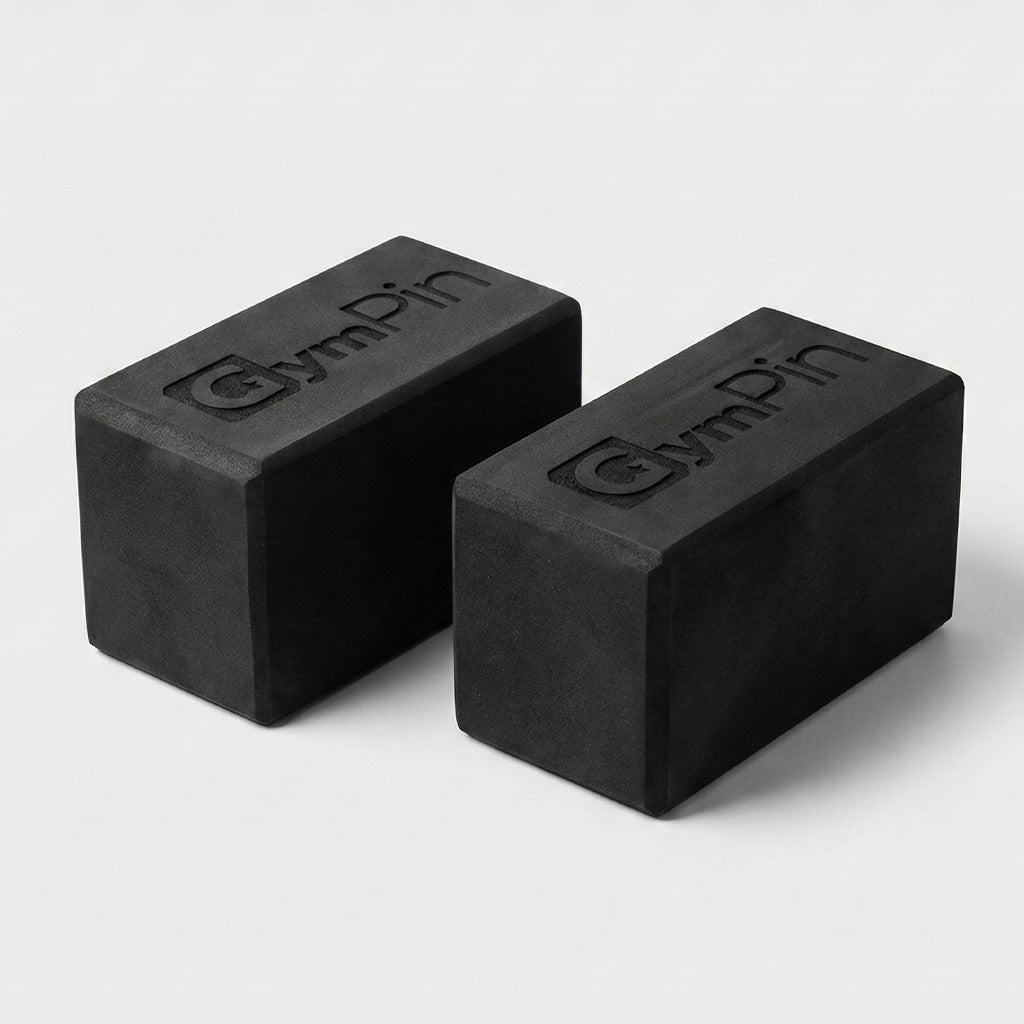
GymPin Starting Blocks
Portable high-density foam blocks for adjusting machine starting positions and range of motion.

Squat Harness
Wearable harness for hands-free cable squats, sled work, and lower-body training.

Use a six-week adjustment loop instead of guessing

Weeks 1–2: Keep your existing strength plan unchanged and add only two moderate cardio sessions of 20–25 minutes. Record the working weights and repetitions of three anchor exercises, average daily steps, sleep and perceived leg fatigue. Keep calorie intake consistent enough that you can interpret what happens. Do not introduce a new crash diet, a new lifting split and a new sprint program simultaneously.
Weeks 3–4: If strength and recovery are stable, extend one cardio session by ten minutes or add an easy third session. If fat loss is already moving at a sustainable pace, there is no obligation to add more. If you are losing weight rapidly and lifts are deteriorating, consider eating more rather than adding still more exercise. The goal is to preserve performance while gradually changing body composition.
Weeks 5–6: Recheck waist measurement, rolling weight average, strength trends and adherence. You may decide that walking plus lifting is enough. You may enjoy cycling more than the treadmill. You may find that a single weekly interval workout adds fitness without undermining recovery. Keep the parts that work and remove the parts that only make the calendar look impressive.
There is no single ideal rate of fat loss for everyone. Larger deficits tend to increase the risk of fatigue and lean-mass loss, especially in already lean people. If you are underweight, have a history of disordered eating, are pregnant, or have a medical condition that affects exercise or nutrition, individual guidance matters more than a generic recomp template. Do not treat exhaustion or persistent pain as evidence that a program is effective.
Bodybuilding Shirts & Workout Gear
Bodybuilding shirts, tanks and gym gear for lifters chasing muscle, size, symmetry and the pump.


Bulking Season – & Fast Food Meme – Burgers & Gains T-Shirt
Show some burger-loving attitude with a playful “Bulking Season” tee.

OnlyGains Meme Vest Bros Athletic Top & Tank Top
Bring “OnlyGains Gym Meme” humor to your next lifting session.

Funny Gains Time Gym | Muscle Shirt & Gym Bros | Fitnes Tank Top
Bring “Gains Time” humor to your next lifting session.

Lift Eat Repeat Weightlifting & Hooded Hoodie
Keep it laid-back with a little “Lift Eat Repeat” attitude.

Bulking Season Donut Dumbbell Donuts Barbell Bulk Hoodie
Make your off-duty look more fun with “Bulking Season Donut Dumbbell Donuts”.

Installing Muscles Meme – Jumper T-Shirt
Bring “Installing Muscles Gym Meme” humor to your everyday gym style.


Muscle Mommy Pink Gym Design for Women, Female Lifters Sticker
Put “Muscle Mommy” gym humor on your laptop, bottle, or gym gear.

GymRat Ingredients Label Meme Decal Sticker
A fun “GymRat Ingredients Label” touch for bottles, laptops, and lockers.
How to tell when cardio is helping—or getting in the way

Look for a pattern rather than one dramatic day. Useful signs include steady or improving repetitions at familiar loads, a gradual reduction in waist size when fat loss is desired, better tolerance for stairs and walks, and recovery that feels predictable. The scale can be stubborn when muscle, water and glycogen fluctuate. That does not automatically mean the plan has failed.
Warning signs are also patterns: several consecutive lifting sessions below your normal performance, unusually high resting fatigue, persistent soreness, poor sleep, worsening mood or an inability to recover between leg sessions. These signs do not diagnose overtraining or low energy availability on their own. They are reasons to review the combined demands of training, nutrition and life stress—and to seek medical assessment when symptoms are persistent or concerning.
For a compact home gym, the practical setup can be simple. A stable adjustable bench, a pair of dumbbells or a cable trainer can cover most strength work; a jump rope, bike or nearby walking route can cover conditioning. Expensive equipment does not substitute for progressive sessions and consistent habits. Choose tools that make the plan easier to repeat, not tools that force a more complicated routine.
The bottom line is that resistance training and cardio are partners with different jobs. Lifting gives your body a reason to retain and build muscle. Aerobic work builds endurance and can help manage energy expenditure. Appropriate food intake and recovery make both sustainable. Keep those roles clear, and you can pursue a leaner, stronger body without treating every cardio minute as a threat to your gains.