Is a wider pull-up grip better for your back, or does changing the handle angle matter more? A new biomechanical experiment gives a more useful answer than the familiar “wide for width, narrow for thickness” gym rule. Grip geometry can change muscle activity and the forces around the shoulder, but no single setup has been proved best for every lifter. The practical goal is to find a grip you can train hard, repeat consistently and tolerate comfortably.
1. What the 21-man pull-up experiment actually measured
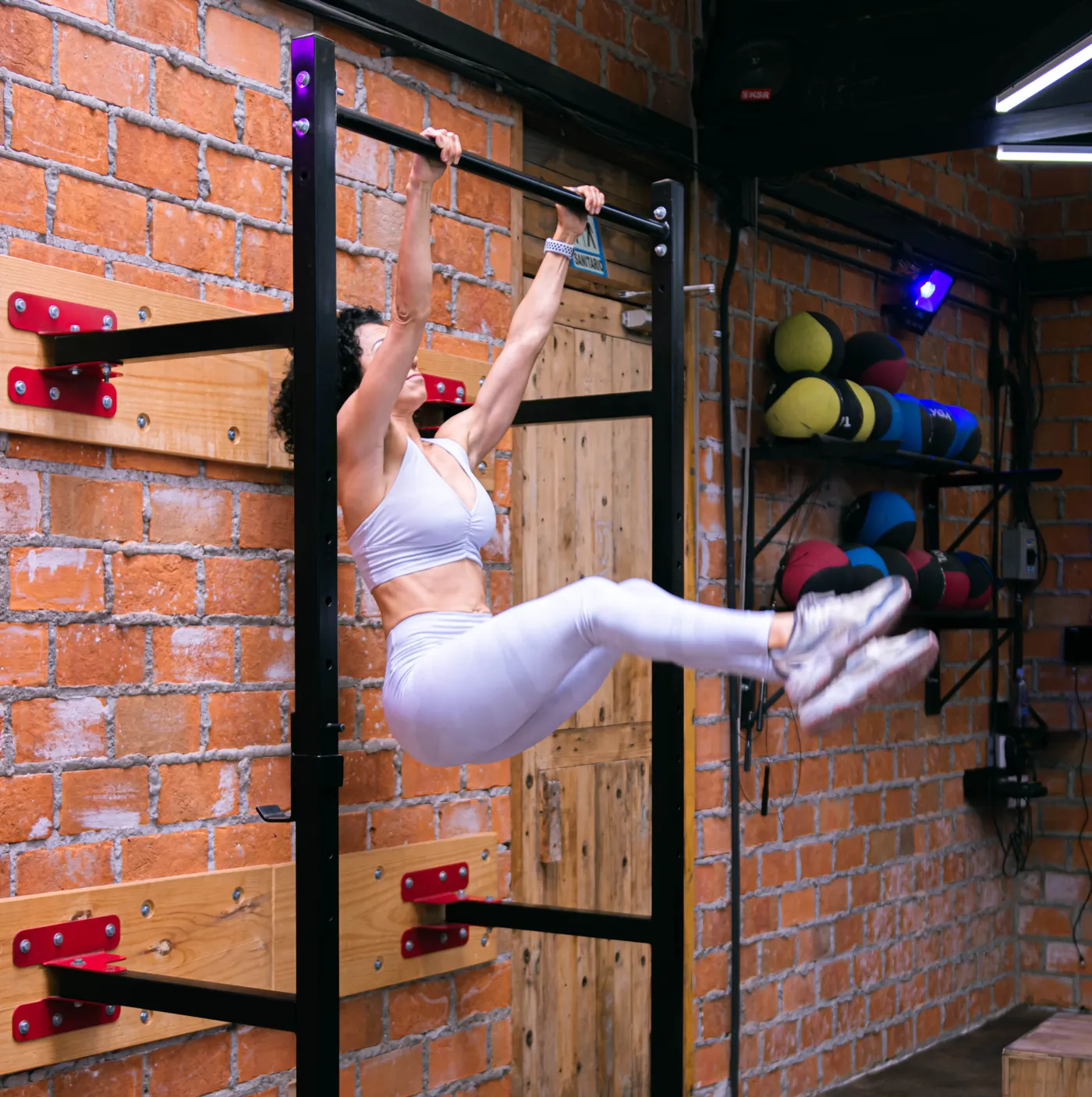
Twenty-one male participants performed six pull-ups under ten grip conditions in a semi-randomized sequence. The experiment varied hand spacing and handle angle, including angles of 0, 15 and 30 degrees. Researchers measured surface electrical activity in key muscles, tracked body movement and recorded forces on the bar. A musculoskeletal model was then used to estimate joint angles and net shoulder moments.
One combination of a wide hand position and a pronounced 30-degree angle increased measured activity in the pectoralis major and rectus abdominis, by approximately 14 and 15 percentage points of maximal voluntary isometric contraction. Straight, zero-degree handles were associated with greater activation in the latissimus dorsi, infraspinatus and lower trapezius in parts of the analysis. The widest hand position also increased the modeled shoulder net joint moment by approximately 7 percent.
Those findings describe a brief exercise test. The experiment did not assign lifters to months of different grips, measure increases in back-muscle thickness, or track shoulder injuries. Higher electrical activity does not automatically translate into greater hypertrophy. A joint moment is a mechanical estimate, not a direct measurement of tissue damage or injury probability.
The sample was limited to men and the testing conditions were specific. Results may help explain why two grips feel different, but cannot guarantee the same activation changes for every beginner, woman, climber or person with restricted shoulder motion. Treat the numbers as clues about movement, not instructions to replace a successful program overnight.
2. Why hand spacing changes the movement
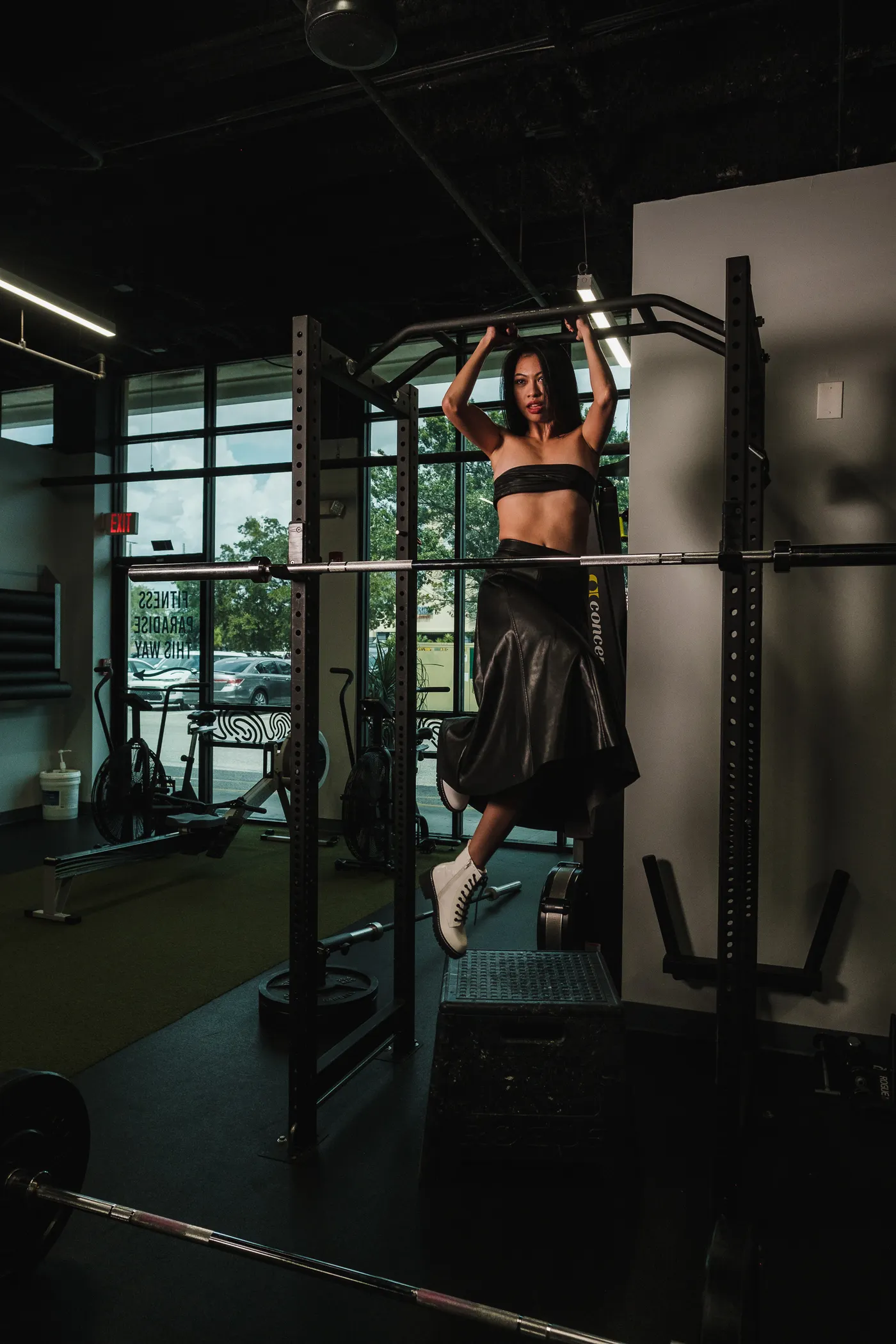
During a pull-up, the hands stay fixed while the body moves toward the bar. Moving the hands apart changes the path available to the elbows, upper arms and shoulder blades. It may also alter the distance traveled and the direction of the force you apply. That is why comparing grips requires more than counting how high the chin rises.
An extremely wide grip can shorten the apparent vertical travel while making the bottom position less comfortable. A narrower grip may allow a longer movement and a more natural elbow path for some lifters. Neither observation proves that narrow grips always grow more muscle. The individual joint angles, range of motion, training effort and amount of useful work still matter.
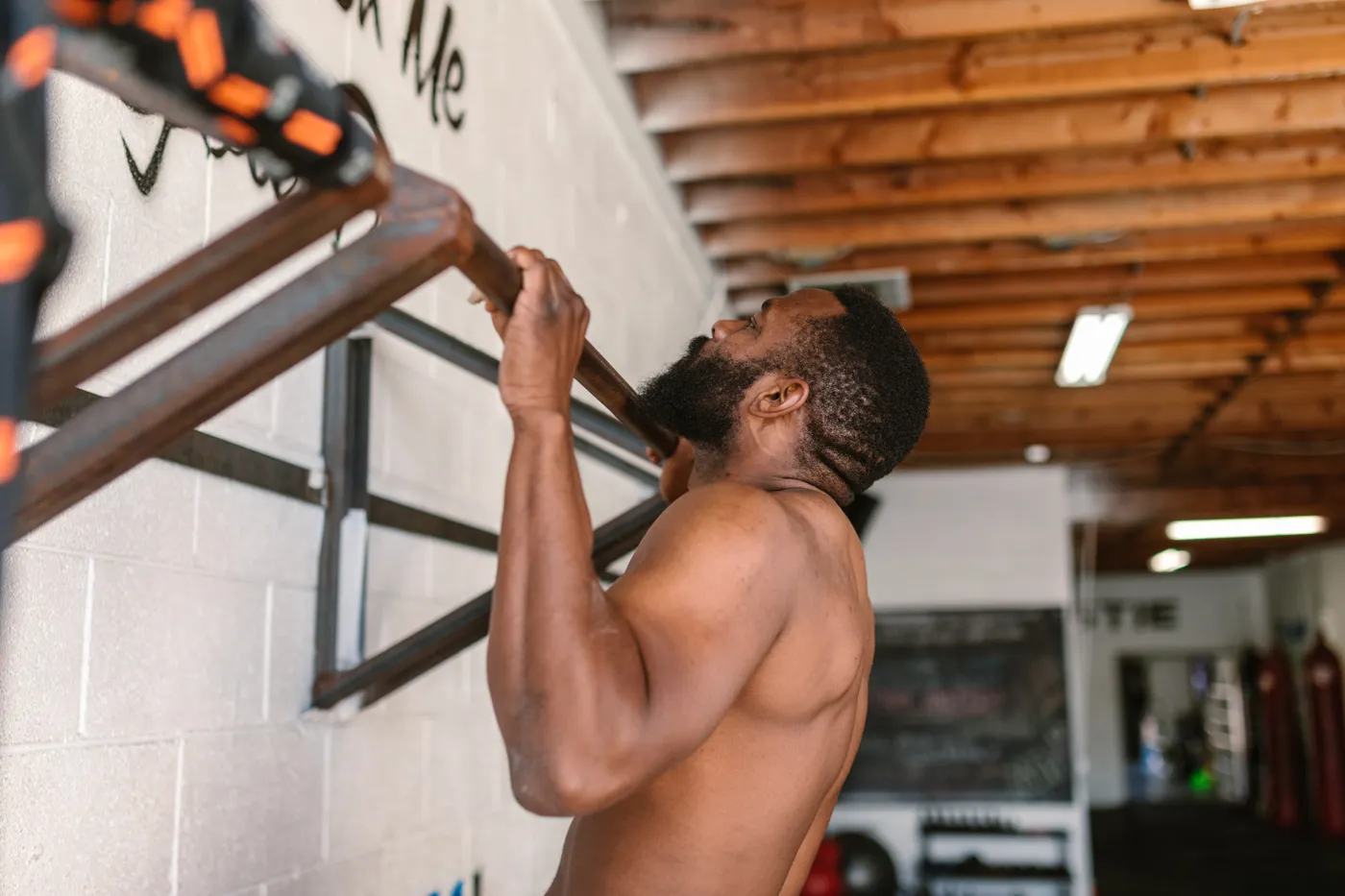
Begin with a shoulder-width or modestly wider grip. Start from a controlled overhead position, pull the elbows toward the sides of the torso and rise without craning the neck. If widening the hands produces pinching, uncontrolled swinging or a drastically shortened range, move them closer. If a wider position feels stable and allows a repeatable range, it can be a legitimate option.
To test two widths, keep the assistance, added load, rest period and repetition tempo as similar as possible. Film from the same position and compare the bottom, middle and top of each repetition. Note how many clean reps you complete before technique changes. A grip that consistently delivers more high-quality work may be more useful than one that produces a single impressive repetition.
Grip width is a variable, not an identity. You do not need to reach for the outermost handles to prove that you are training your back effectively. Build your decision around performance, comfort and the ability to progress.

Equipment Worth Exploring
Explore equipment, accessories and gear from our carefully selected range.


Angles 90 Grips
Flexible grip attachments that allow natural wrist movement during pulling exercises.

Leather Wrist Grips
Padded leather lifting grips help support the hands and wrists on heavy pulling exercises.

Leather Lifting Straps
Padded leather straps support grip during heavy rows, deadlifts and pulling exercises.
3. Straight, angled and neutral handles are different choices
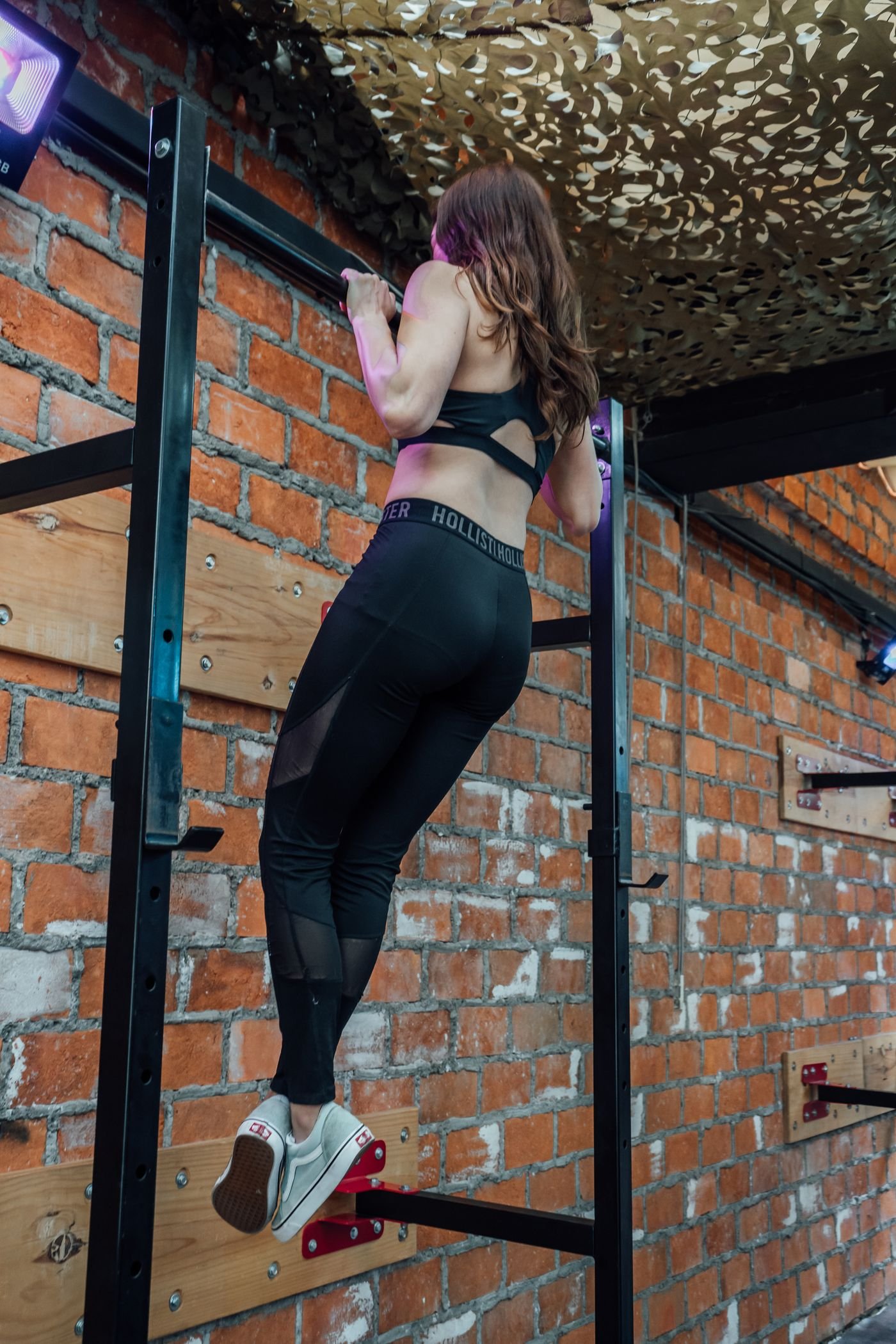
Handle angle changes how the hands, wrists and forearms meet the bar. A straight bar fixes the hand orientation, while angled handles can change wrist rotation and elbow tracking. Parallel neutral handles may feel easier to use when a fully pronated straight-bar grip is uncomfortable. Two bars of the same width can therefore create noticeably different pulling experiences.
In the new experiment, changing angle altered the measured activation pattern. That does not mean angled handles are a chest-building exercise while straight handles are exclusively for lats. The findings depended on the combination of width and angle, and the researchers observed only short-term movement and activation. The lats, elbow flexors, shoulder stabilizers and trunk still contribute across ordinary pull-up variations.
Choose one main grip for repeated practice and a second position if it adds something useful. A pronated pull-up is a practical baseline when your goal is improving a standard pull-up test. Neutral-grip repetitions can be a comfortable alternative for additional volume. Supinated chin-ups also have a place if the elbows and shoulders tolerate them.
Rotating grips every set makes it harder to tell whether you are progressing. Rotating them deliberately across two sessions is simpler. Keep the first movement consistent for several weeks, then compare your quality of motion, repetitions and recovery. The second grip should complement the first rather than merely create novelty.
No grip switches individual muscles on or off. Small changes in activation should not be marketed as a guaranteed shortcut to bigger lats, and no handle angle has been established as universally protective against shoulder pain.

Calisthenics Shirts & Street Workout Gear
Calisthenics and bodyweight-training gear for pull-ups, dips, handstands and street-workout athletes.

Pull Up Or Shut Up Decal for Water Bottles Laptops Cali Sticker
Stick a little “Pull Up Or Shut Up” humor on your favorite gear.

Funny Calisthenics Gym Hooded Pullover for Bodyweight W Hoodie
Stay casual and show some lifting attitude with “Calisthenics”.

Calisthenics Heartbeat Decal Human Flag Fitness Gymbros Sticker
Give your everyday gear a playful “Calisthenics Heartbeat” twist.

Always Pull Yourself Up Crewneck Calisthenics Pullover T-Shirt
Bring “Always Pull Yourself Up” humor to your everyday gym style.


Calisthenics Hanging Out Crewneck
Bring “Calisthenics Is My Idea of Hanging Out” humor to your everyday gym style.

Calisthenics Evolution Sweatshirt
Keep things casual with a little “Calisthenics Evolution” attitude.

Turn Off Gravity Funny Calisthenics Gym Crewneck Pullov T-Shirt
Show some gym-day personality with “Turn Off Gravity Funny Calisthenics”.

Big Dip Energy Crewneck Pullover Sweater for Calistheni T-Shirt
Show some gym-day personality with “Big Dip Energy”.

Mystery Calisthenics Shirt T-Shirt
Bring “Mystery Calisthenics” humor to your next gym day.
4. A higher shoulder moment is not an injury prediction
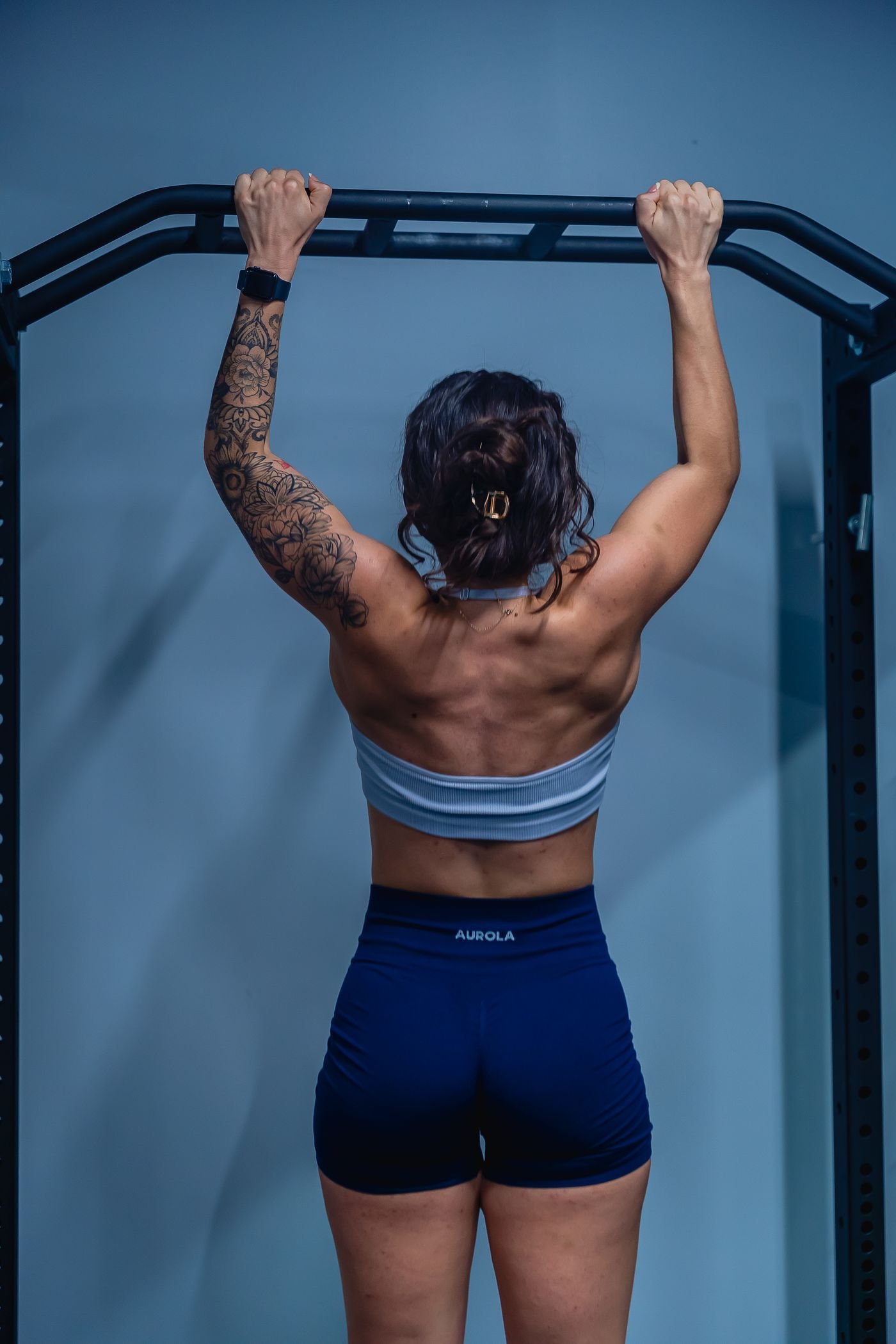
The approximately 7 percent higher modeled shoulder moment with the widest grip deserves attention, but it does not mean injury risk rises by 7 percent. A net joint moment describes a rotational mechanical demand around the joint. It does not directly reveal the load on each tendon, ligament or muscle, and it cannot diagnose pain.
Pull-ups also require the shoulder blades to move around the rib cage as the arms travel overhead. Hand orientation and grip width can change that movement. However, an unusual movement pattern is not automatically harmful, and the absence of discomfort in one repetition does not prove that a variation is safe under unlimited fatigue.
Use a simple screening sequence before adding difficult sets. Hang or perform assisted repetitions in the new grip. Check whether you can descend without dropping abruptly, move through a comfortable overhead position and pull without twisting one shoulder ahead of the other. If a position causes sharp pain, instability or worsening symptoms, stop that variation rather than trying to force adaptation.
Avoid locking the shoulder blades rigidly down for every centimeter of a pull-up. They need coordinated movement. Maintain enough trunk tension to limit uncontrolled swinging, but allow the shoulders to travel naturally through the range you can control. A comfortable range is preferable to a forced bottom position that creates pain.
Persistent shoulder symptoms call for individual assessment, not an internet rule that every person should use the same width. For healthy lifters, gradual loading, repeatable technique and sensible volume are better habits than treating one grip as injury-proof.
5. Build a repeatable rep before chasing activation
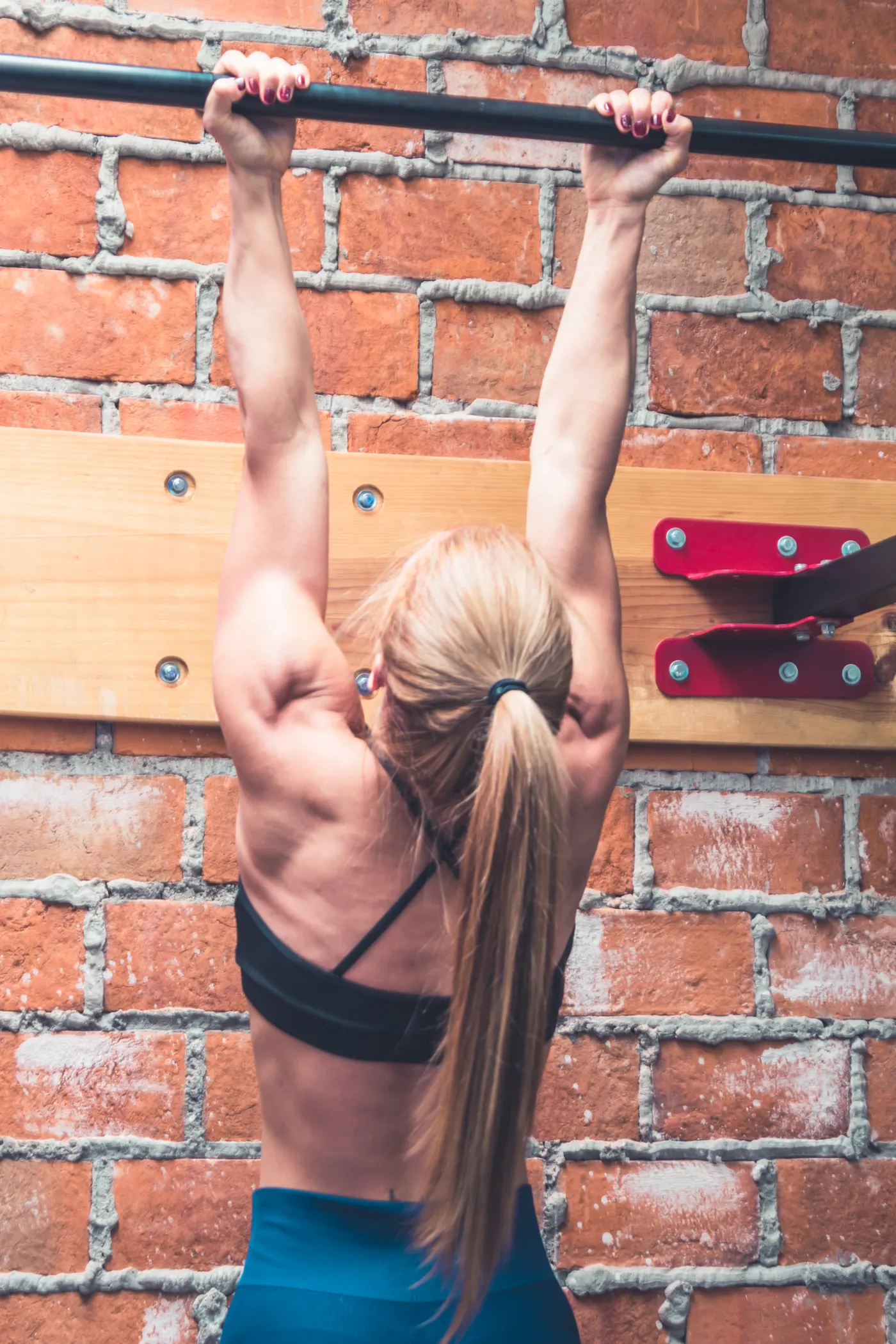
Begin each repetition with a secure grip, feet clear of the floor and a controlled overhead position. Brace the trunk enough to prevent uncontrolled arching, then pull by bringing the elbows down. Keep the head neutral instead of reaching the chin forward to fake the final centimeters. Lower under control to the range you can repeat on the next rep.
You do not need to force a painful dead hang or pretend a short partial equals a full repetition. Define a sensible standard for your mobility and strength, and use that same standard when comparing progress. If your range shortens across sets, record the change honestly. Quality matters more than an inflated repetition total.
Common errors include kicking the legs to start every rep, shrugging suddenly, dropping from the top, twisting toward the stronger arm and using a different path on each repetition. When those errors appear, reducing load or increasing assistance is often more productive than experimenting with a more exotic grip.
For demanding strength sets, rest long enough to maintain performance. Two to three minutes or longer can be useful when repetitions are challenging. Easier practice sets can use shorter breaks, provided the movement does not deteriorate. If you always train to absolute failure, fatigue may obscure whether a grip change helped.
Keep a short log of grip, hand spacing, assistance or added weight, reps, estimated reps in reserve and any discomfort. Compare several sessions, not one unusually strong set. A grip that lets you accumulate technically consistent work is a practical winner even when another variation produces a slightly different electrical signal.
Equipment Worth Exploring
Explore equipment, accessories and gear from our carefully selected range.
VOLTRA
Compact digital cable trainer with smooth, adjustable resistance.

Go-Tone Pro
Portable digital cable trainer with up to 66 lb (30 kg) of adjustable resistance.
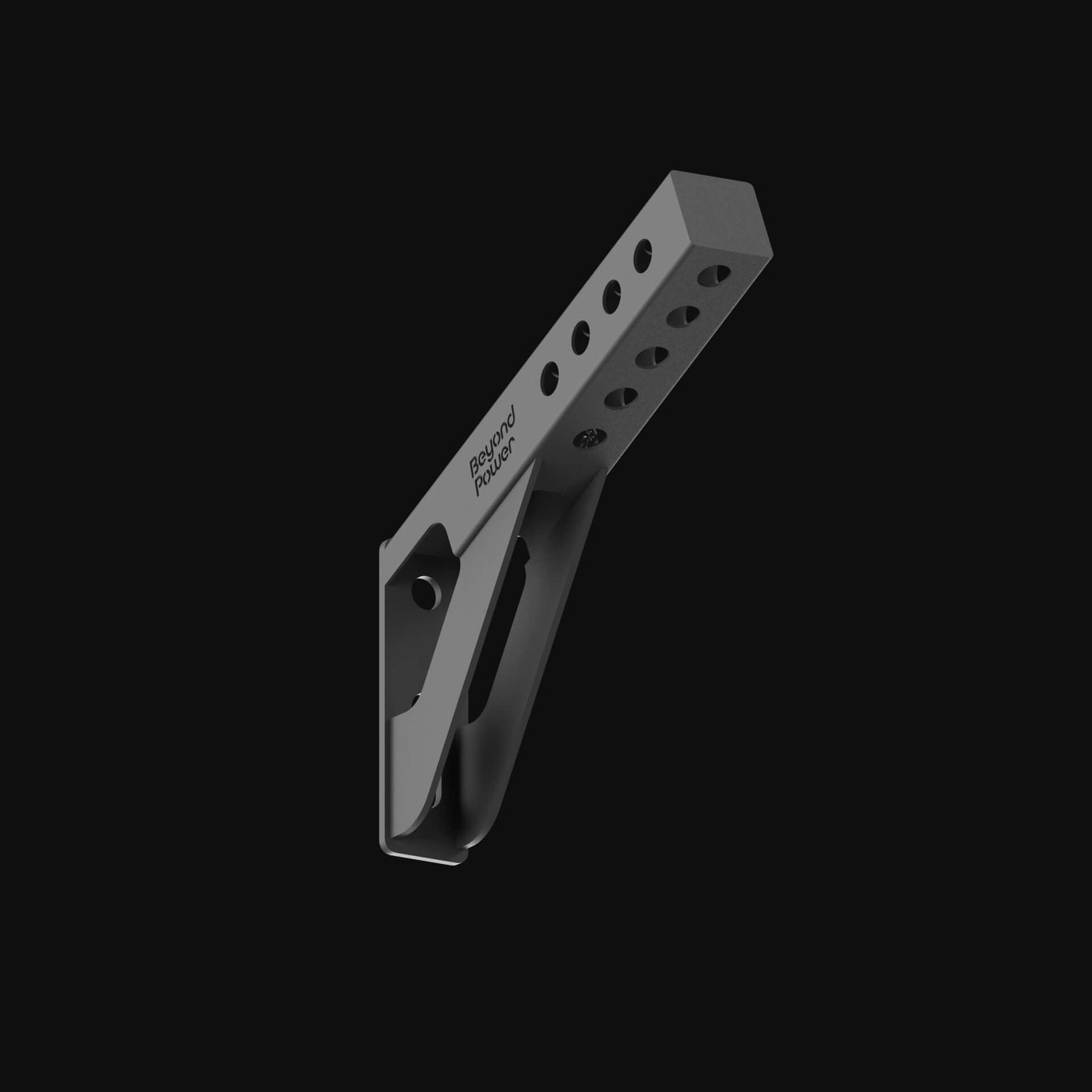
Back Bar
Multi-grip cable and landmine bar with a built-in deadlift jack.
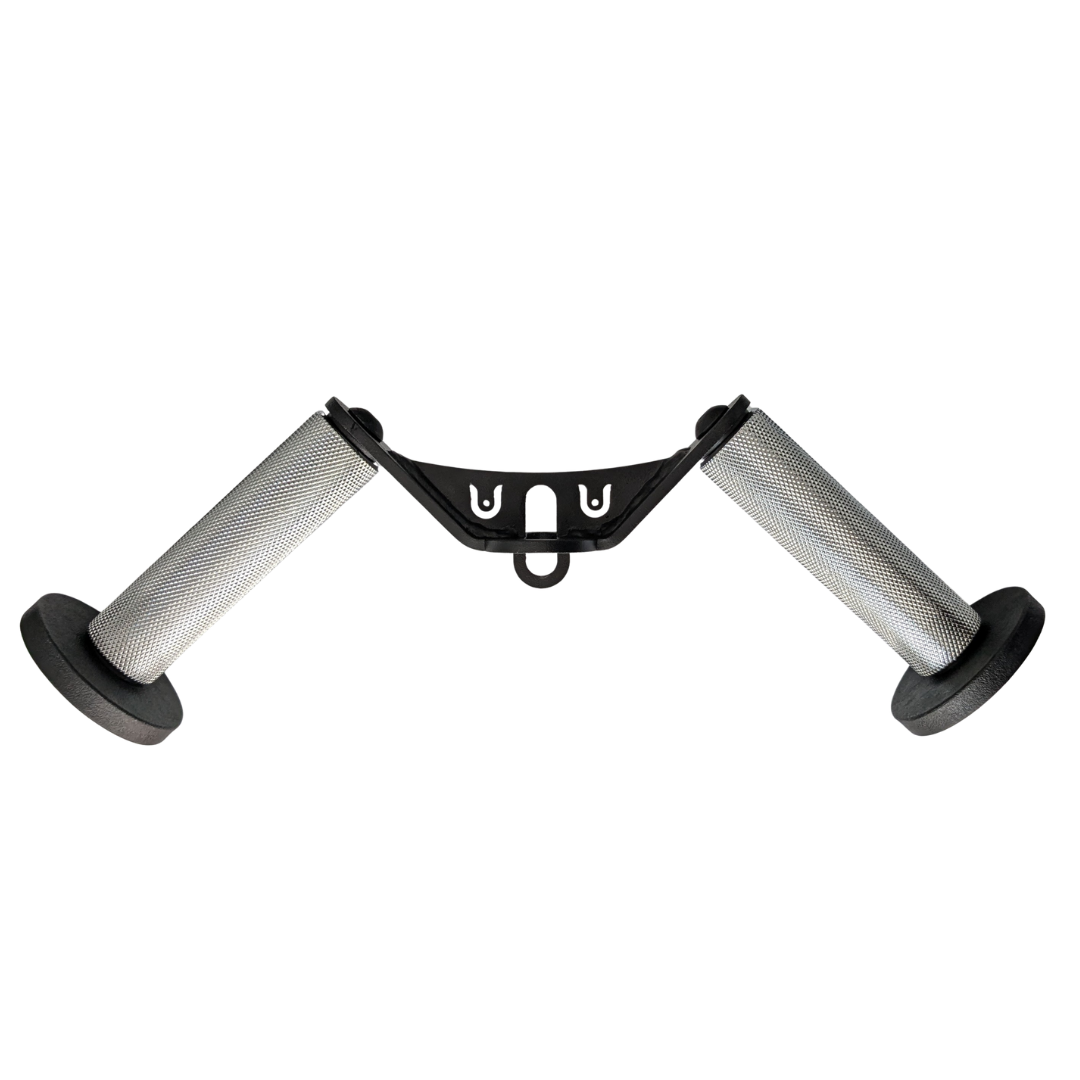
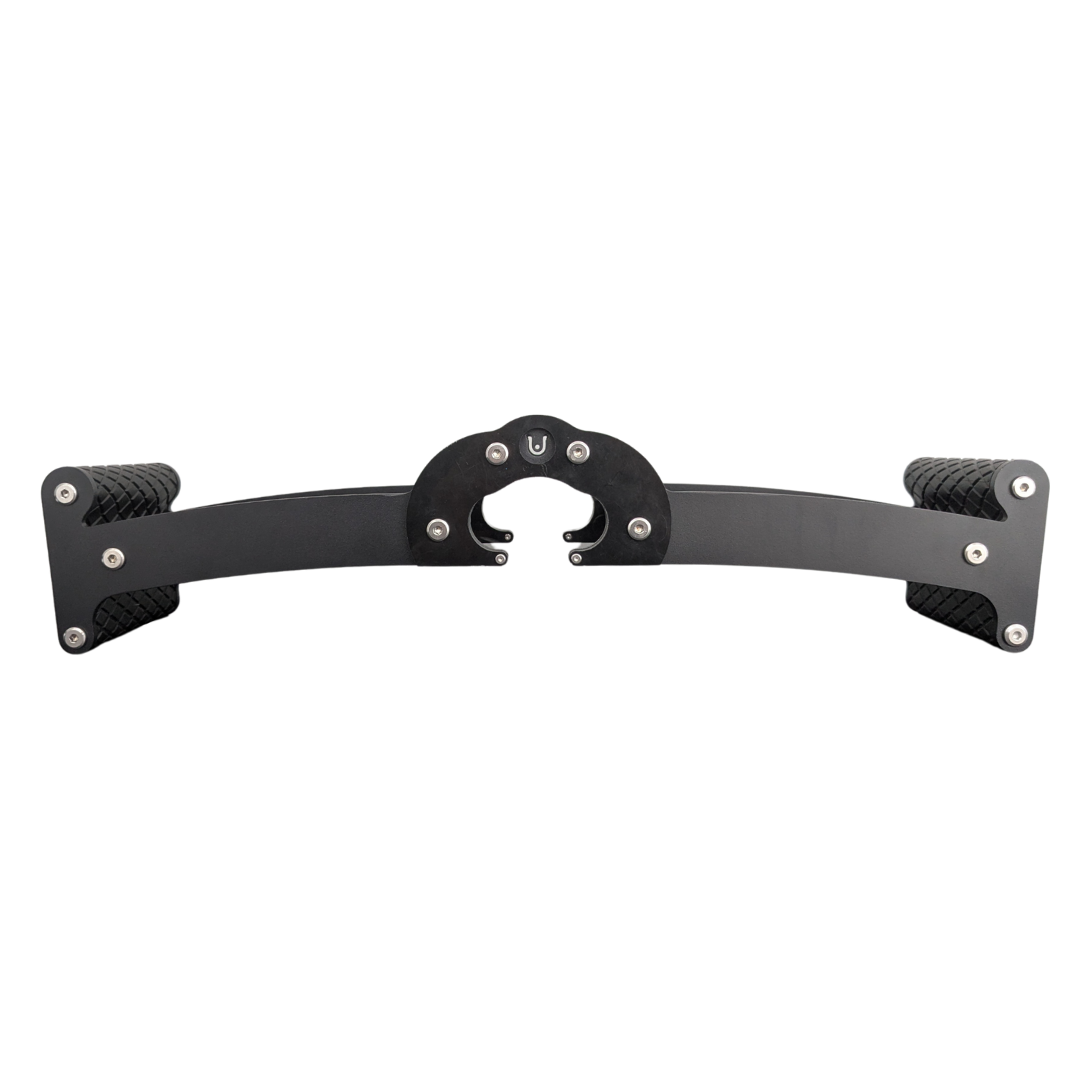
W Grip
Angled cable grip for comfortable rows, pushdowns, and curls.
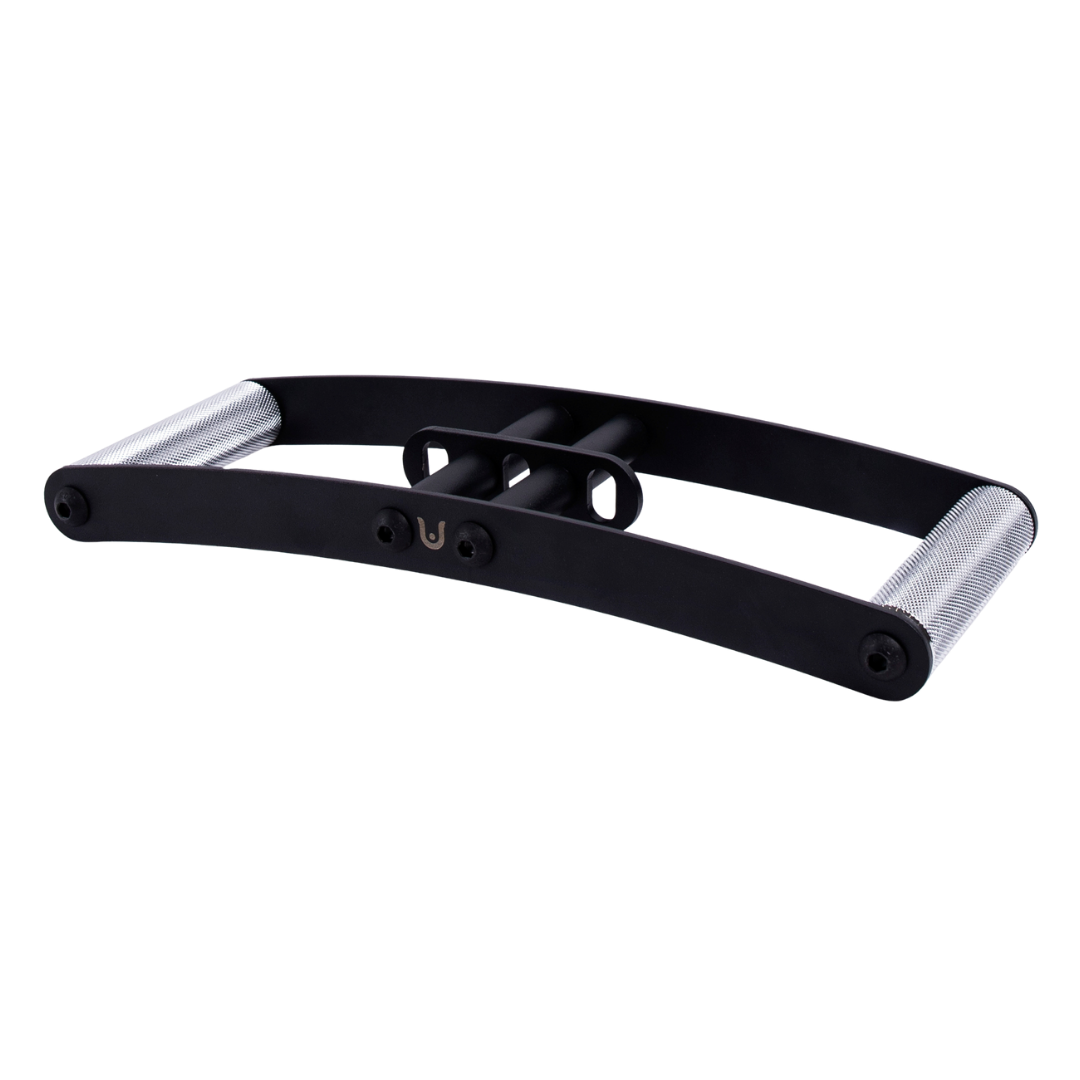
Horizon Grip
Ergonomic V-style cable grip for rows and back training.
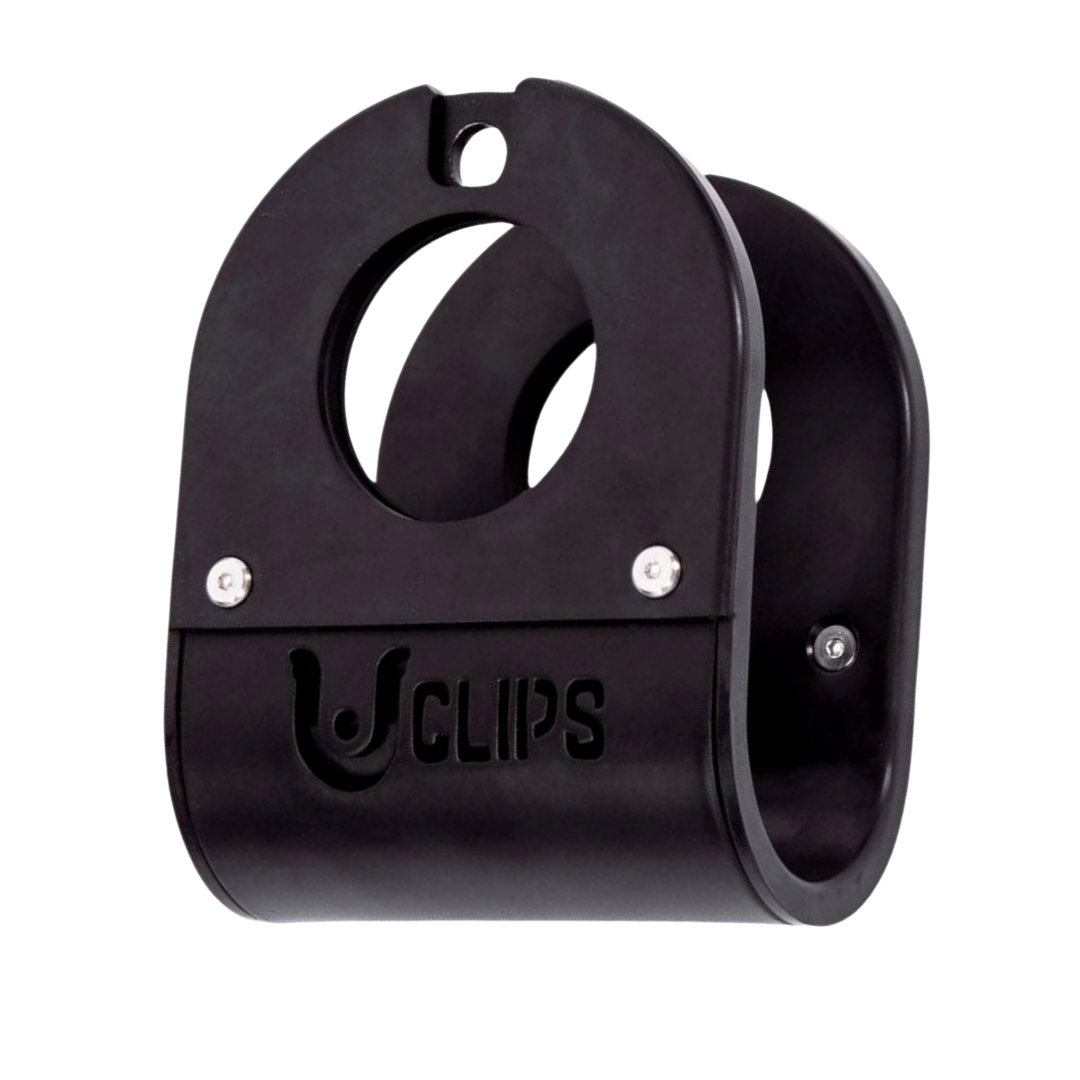
U Clips
Versatile gym clips for barbell, landmine, and attachment setups.

GymPin Ergo Handles
Pair of ergonomic cable handles shaped for comfortable triceps and pulling exercises.

GymPin D Handle Bar
Multi-use steel D-handle bar for cable rows, pulldowns and other cable exercises.

T-Bar Row Attachment
Welded barbell attachment that connects a D-handle bar for landmine and T-bar rows.
6. Assistance, chin-ups and pulldowns can improve the plan
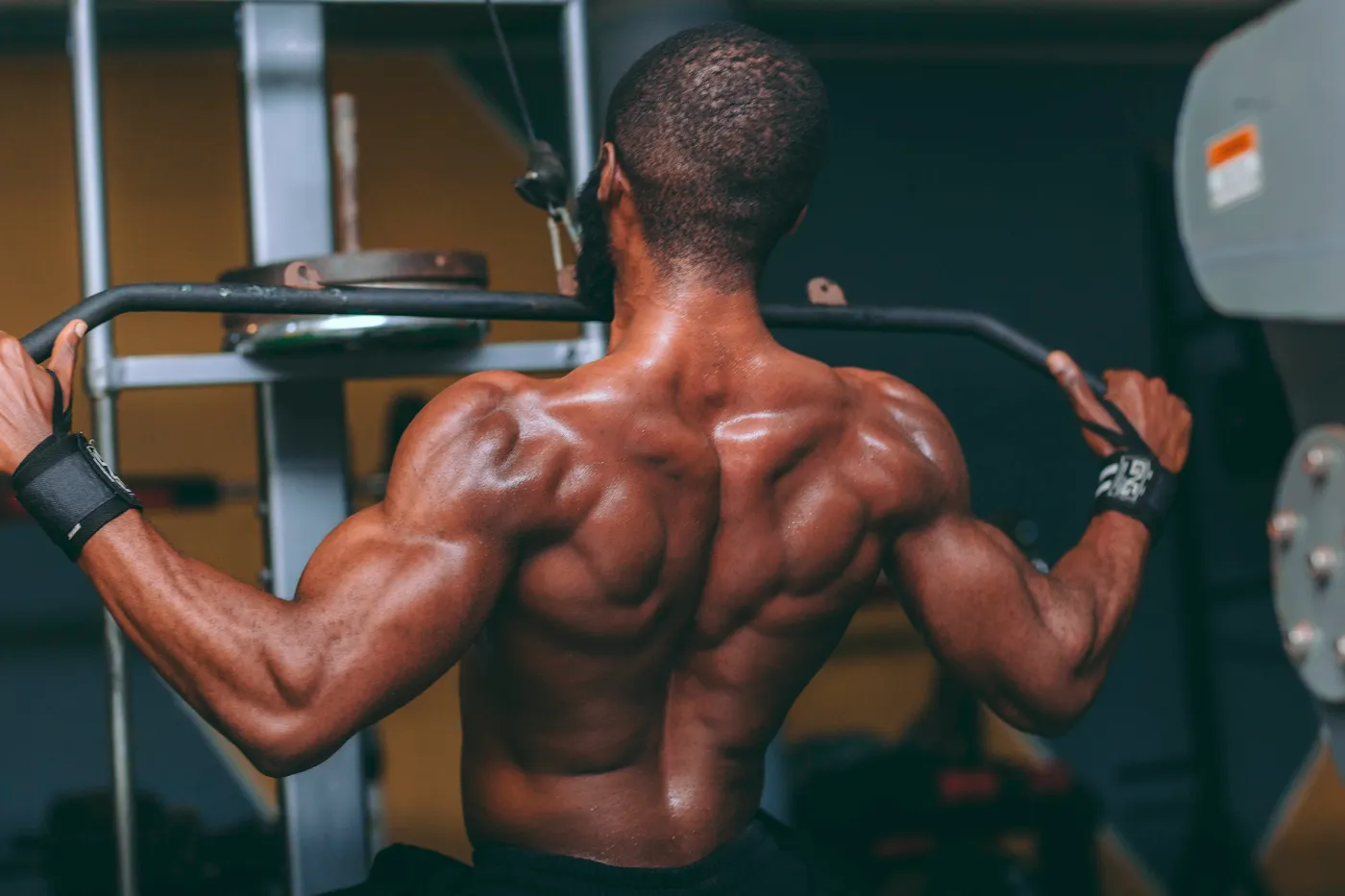
If you cannot yet perform several controlled pull-ups, you can still train the movement. A stable assisted machine, a foot-supported variation or a resistance band can reduce the effective load. Select the method that allows a comfortable path and repeatable repetitions. Bands provide changing assistance through the movement, so record the band used rather than treating all assisted sets as identical.
Slow negatives are another option, but use them sparingly at first. Eccentric work can be demanding and create substantial soreness when volume jumps too quickly. A few controlled descents alongside assisted full repetitions are often more sustainable than exhausting yourself with long, uncontrolled lowering phases.
Chin-ups and neutral-grip pull-ups are legitimate variations, not shortcuts. They may change wrist comfort, elbow-flexor involvement and the number of repetitions you can perform. If a competition or assessment requires a specific overhand grip, keep practicing that exact version while using alternatives for manageable additional volume.
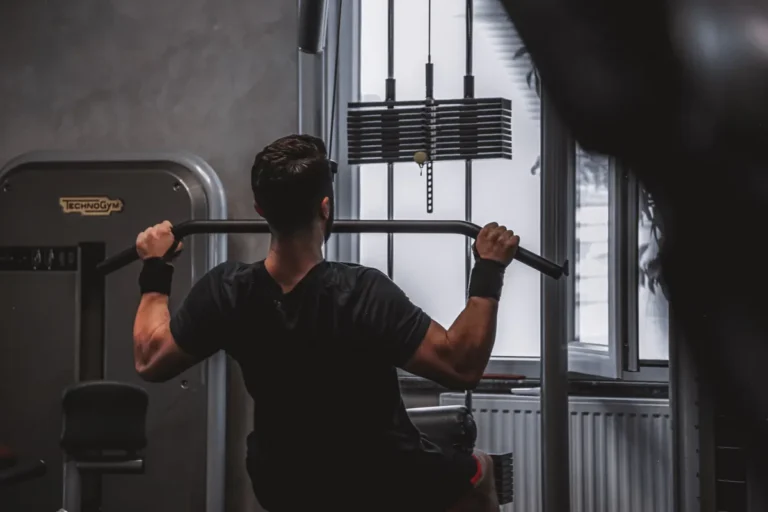
A cable lat pulldown is useful when bodyweight reps remain too difficult or you want to adjust resistance precisely. It trains many of the same pulling muscles but is not biomechanically identical to a pull-up. Horizontal rows complement vertical pulling by training a different line of force. Neither needs to be sold as a perfect replacement for the other.
A balanced upper-body program can combine a vertical pull, a horizontal row and appropriate pressing work. You do not need ten handles. You need enough variation to train comfortably, increase useful work and recover between sessions.
Bodybuilding Shirts & Workout Gear
Bodybuilding shirts, tanks and gym gear for lifters chasing muscle, size, symmetry and the pump.


Wide Privilege – Wide Back Meme Vest Muscle Shirt for A Tank Top
Show some personality between sets with “Wide Privilege”.

Gym Dost Thou Even Pull Medieval Knight Lat Pulldown De Sticker
Give your everyday gear a playful “Dost Thou Even Pull Medieval Knight Lat” twist.


Big Back SpongeBob Bodybuilders Back Day Vest Tank Top
Show some personality between sets with “Big Back”.

The Empire Lifts Back – Star Wars Back Day Meme Hooded Hoodie
Stay casual and show some bodybuilding attitude with “The Empire Lifts Back”.

Nice Traps Big Back – Horror Halloween Jigsaw Meme Pull T-Shirt
For laid-back days and Halloween humor: “Nice Traps Big Back”.

Big Biceps Theory Decal Water Bottles & Gear Meme Sticker
Bring “Big Biceps Theory” attitude to your water bottle or laptop.

Muscle Mountain – Bicep Mountain Meme Hooded Pullover Hoodie
Keep it laid-back with a little “Muscle Mountain” attitude.

GymTok – TikTok Parody Bicep Crewneck for Gymbros and F T-Shirt
Show some gym-day personality with “GymTok”.
7. Four weeks of pull-up progression without grip guesswork
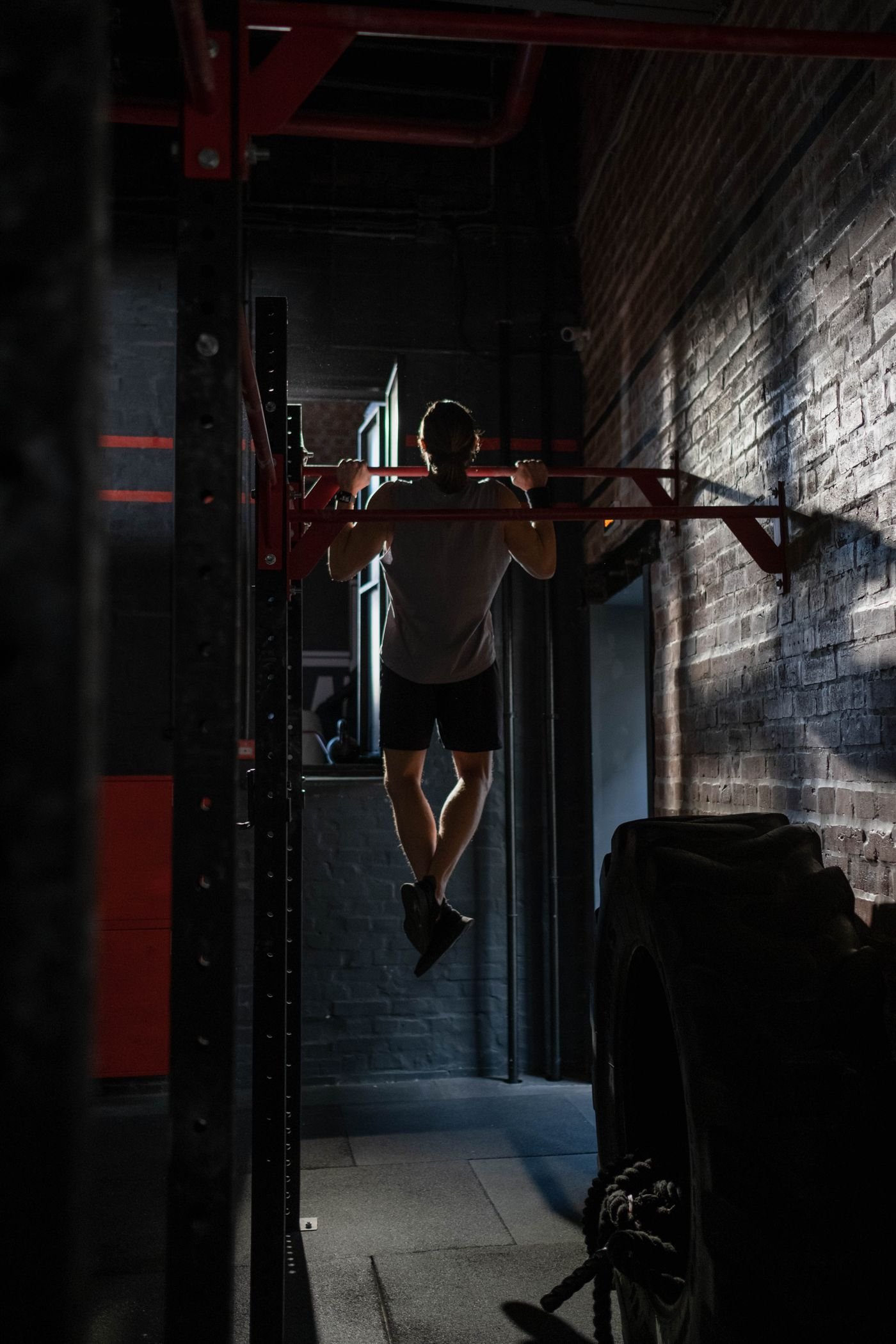
Train vertical pulling twice weekly with at least one recovery day between sessions. On Day A, perform three sets of your primary pull-up grip for four to eight controlled reps, using assistance or added weight as needed. Follow with two sets of horizontal rows for eight to twelve reps. On Day B, use a second comfortable pull-up or chin-up grip for three sets of six to ten reps, then two sets of pulldowns or rows for eight to twelve reps.
Week one establishes the grip, range, assistance and repetition standard. Finish most working sets with roughly one to three good repetitions in reserve. In week two, aim to add a clean rep to one or more sets. In week three, continue adding reps or make a small load adjustment if every set reaches the top of the range. In week four, assess whether the total number of controlled repetitions improved and whether the grip remains comfortable.
Change one main variable at a time. With assisted pull-ups, gradually reduce assistance when the current setting feels solid. With bodyweight pull-ups, establish repeatable reps before adding external load. With weighted pull-ups, small increments are more useful than jumps that force swinging or shorten the range.
If a wide or strongly angled grip feels worse, you do not need it. If it feels good and allows useful training, keep it. The experiment shows that grip geometry changes activation and modeled joint demand, but does not establish the best long-term grip for hypertrophy, maximal strength or shoulder health.
The durable lesson is to choose a repeatable pulling position, train it progressively and add a second grip only when it improves comfort, variety or workload. Consistent high-quality repetitions are a better investment than endlessly searching for a perfect hand angle.