Advertising disclosure: This page includes affiliate links that may earn us a commission at no additional cost to you.
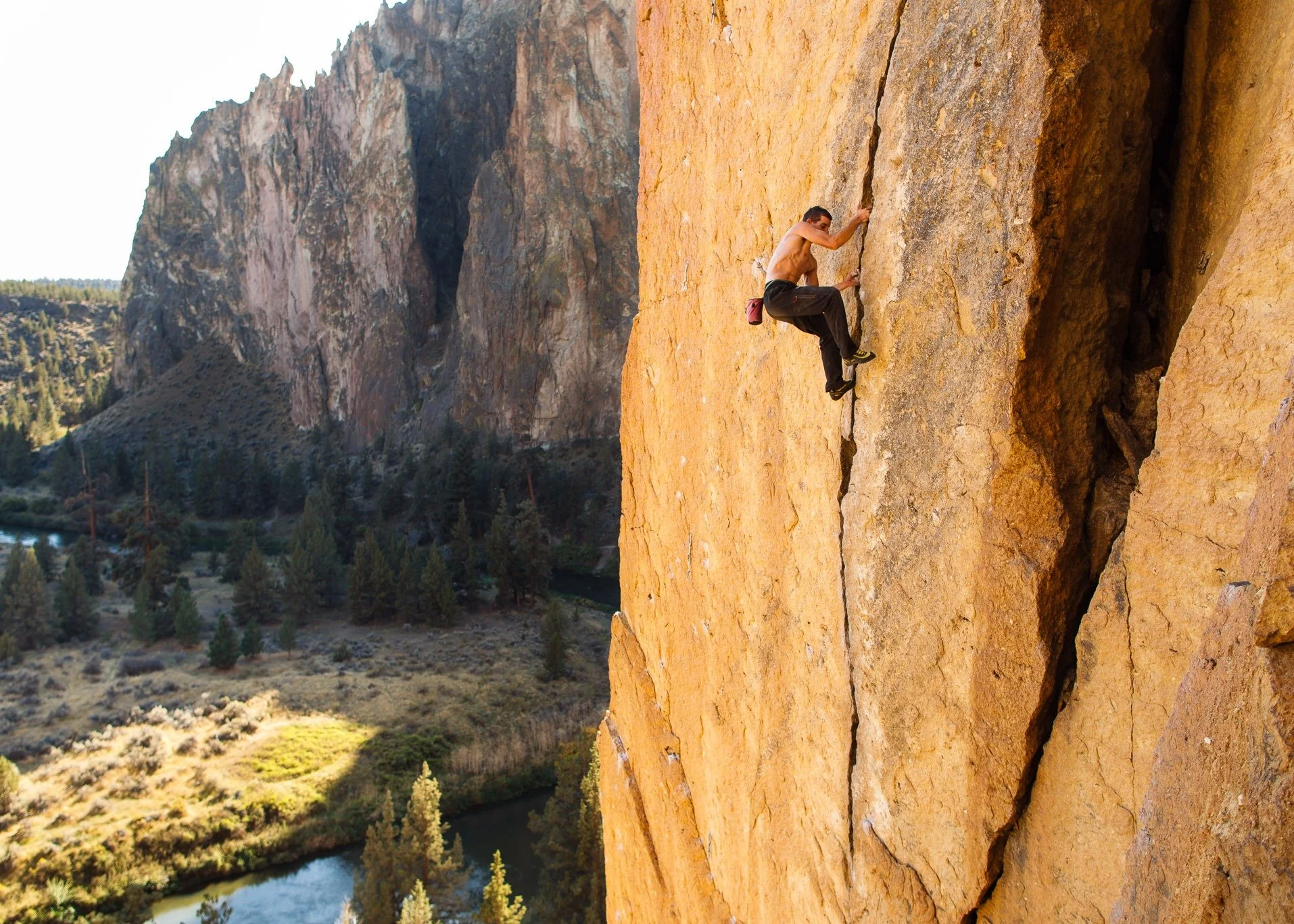
Alex Honnold’s most famous climbing image can make preparation look like a matter of extraordinary nerve. His 2019 training story offers a more ordinary problem: travel, commitments and a schedule that no longer resembles the one that usually supports your sport.
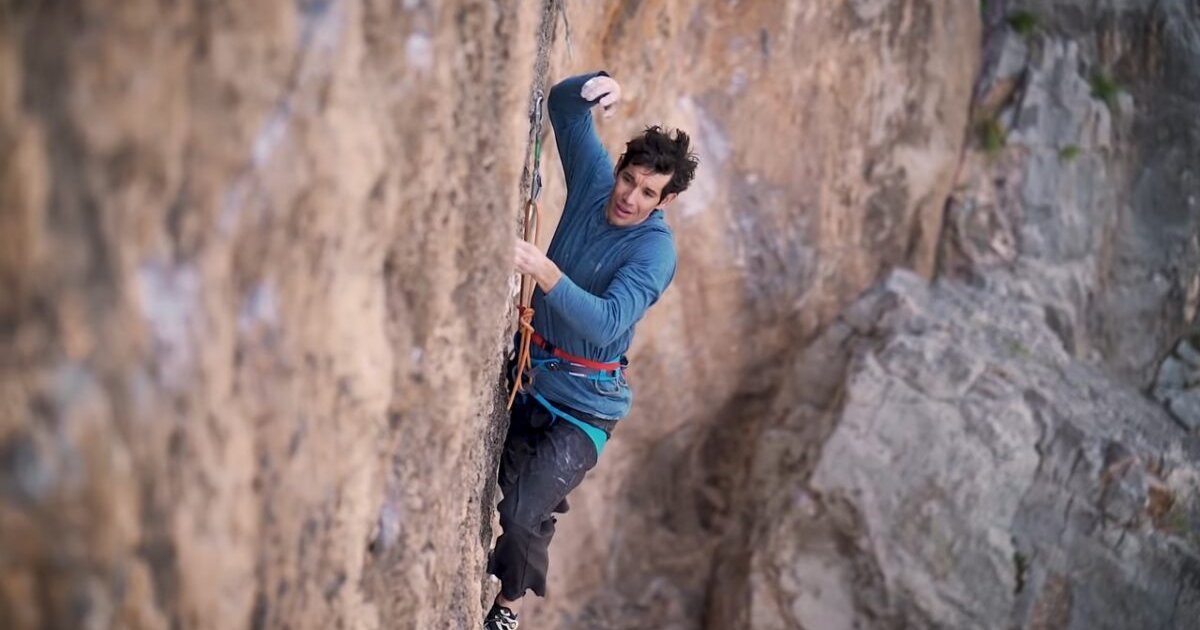
In September that year, he completed Arrested Development, a 9a/5.14d sport route at Mount Charleston in Nevada. He described spending much of the preceding year travelling for events, training in different gyms and relying on a plan to stay motivated and on track. The useful lesson is about keeping a purpose during disruption, rather than borrowing a professional climber’s difficulty level.
A busy year changes the training problem
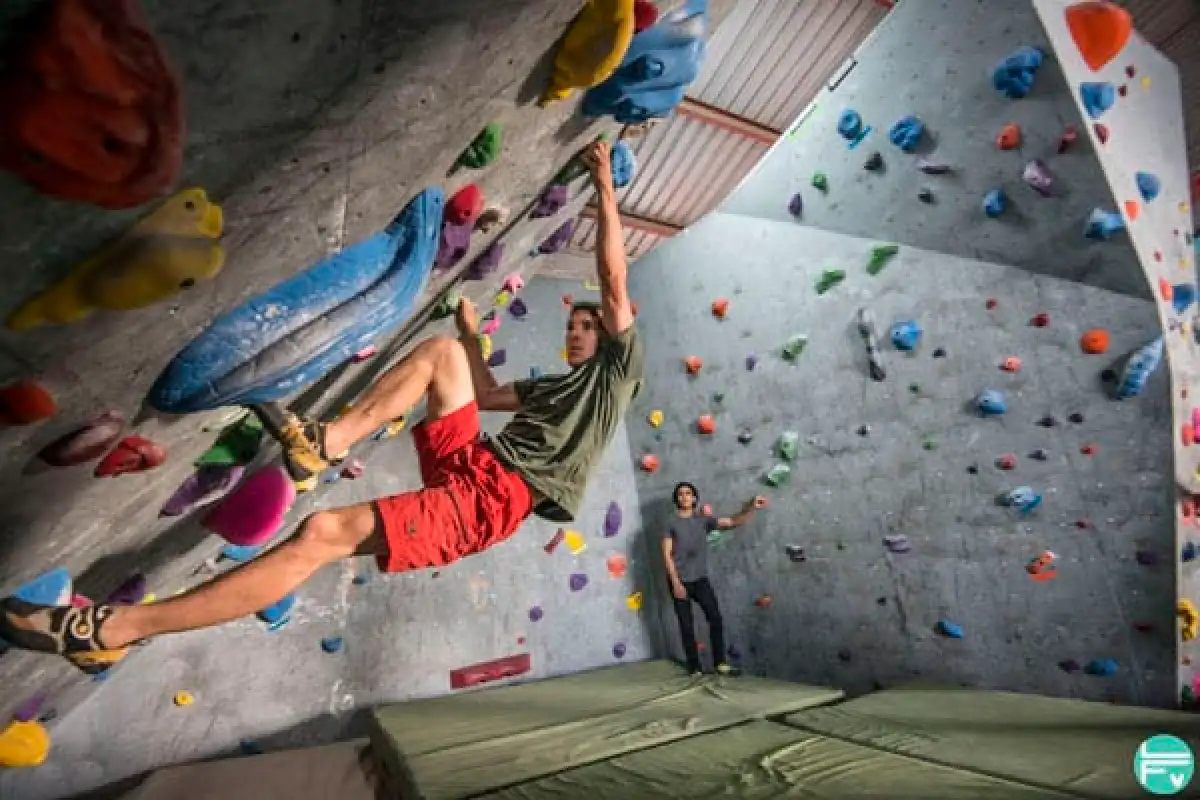
The success of Free Solo brought a different set of demands into Honnold’s life. His account of 2019 describes a year with considerable event travel, followed by a period when he could focus on climbing again. He returned to a sport route he had previously found beyond him and completed it.
That is a specific sequence, not proof that a busy calendar improves performance. It shows an athlete describing how planned training helped him maintain direction while his normal lifestyle changed. The ascent supplies an outcome; his account supplies his perspective on the preparation. Neither provides a complete week-by-week prescription for everyone else.
For someone whose work trips interrupt training, start by identifying what actually changes. You may lose access to a familiar gym, have shorter sessions or spend more days travelling. Those are different constraints. Writing them down is more useful than treating the entire month as one vague failure to follow a perfect routine.
Separate what you can keep from what you must adapt. Perhaps the available equipment changes while a familiar exercise remains possible. Perhaps you can preserve a training appointment but need a different session. This is an editorial planning approach, not a reconstruction of Honnold’s calendar.
A plan can preserve direction without preserving every detail
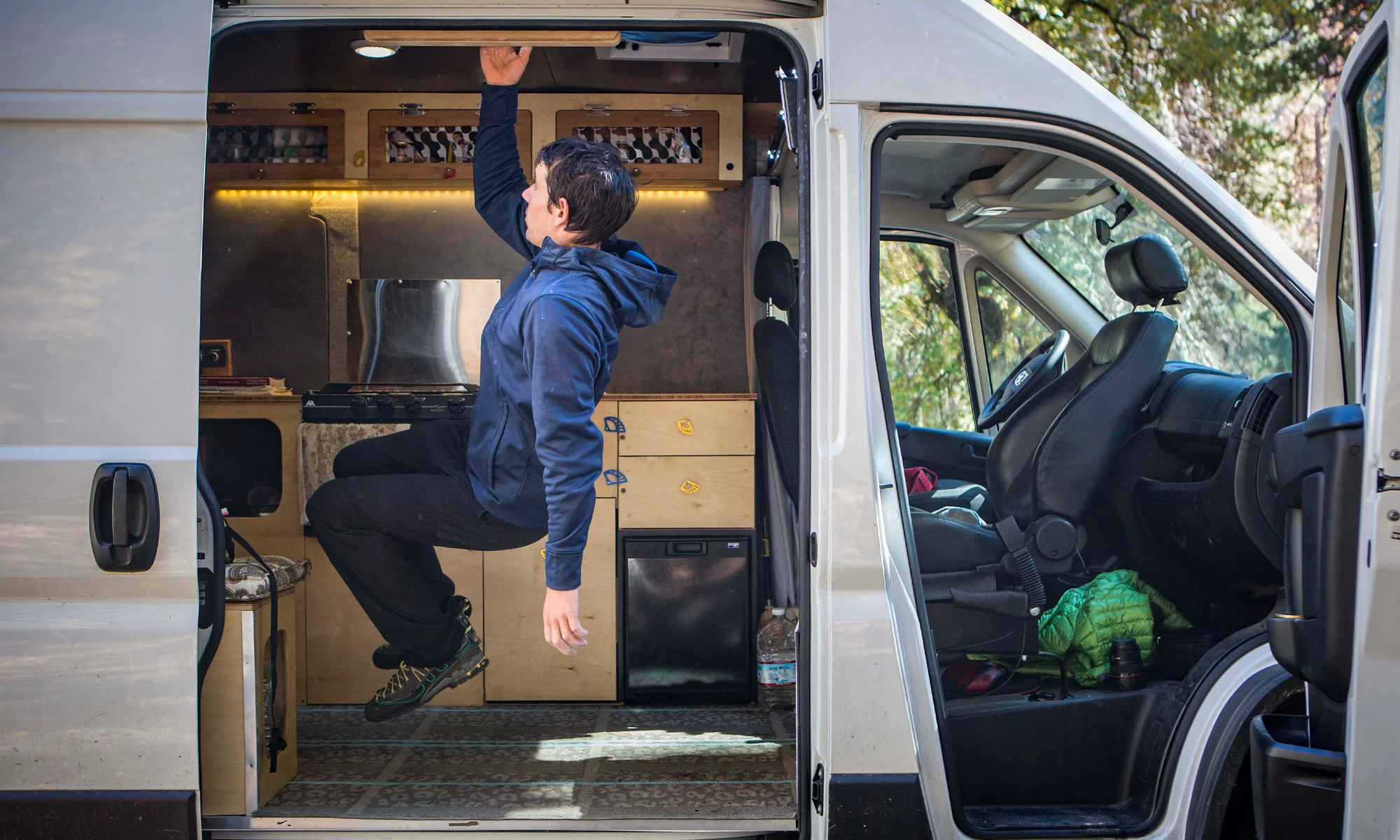
Honnold thanked his training support for helping him stay motivated and on track during that year. That is a narrower and more useful claim than saying a particular programme guaranteed his new grade. It leaves room for climbing experience, practice on the route and other parts of preparation.
There is a practical distinction between a plan’s purpose and its exact implementation. If the purpose is to maintain a particular capacity while travelling, the question is whether your available sessions serve that purpose. Reproducing every feature of an ordinary week may be impossible. Filling the diary with unrelated hard sessions can miss the purpose just as easily as doing nothing.
Before a trip, choose the decisions you can make in advance. Check what equipment will actually be available. Decide which sessions have priority and which can move. Keep the plan specific enough to act on, with an alternative that reflects the real constraint rather than an imaginary second gym.
A useful fallback should reduce uncertainty. It need not become a second elaborate programme. If you spend the start of every session deciding what to do, the plan has left an important practical task unfinished. Honnold’s example makes consistency of direction worth discussing without pretending that every training day must look identical.
Fingerboard work is one tool, not the whole sport
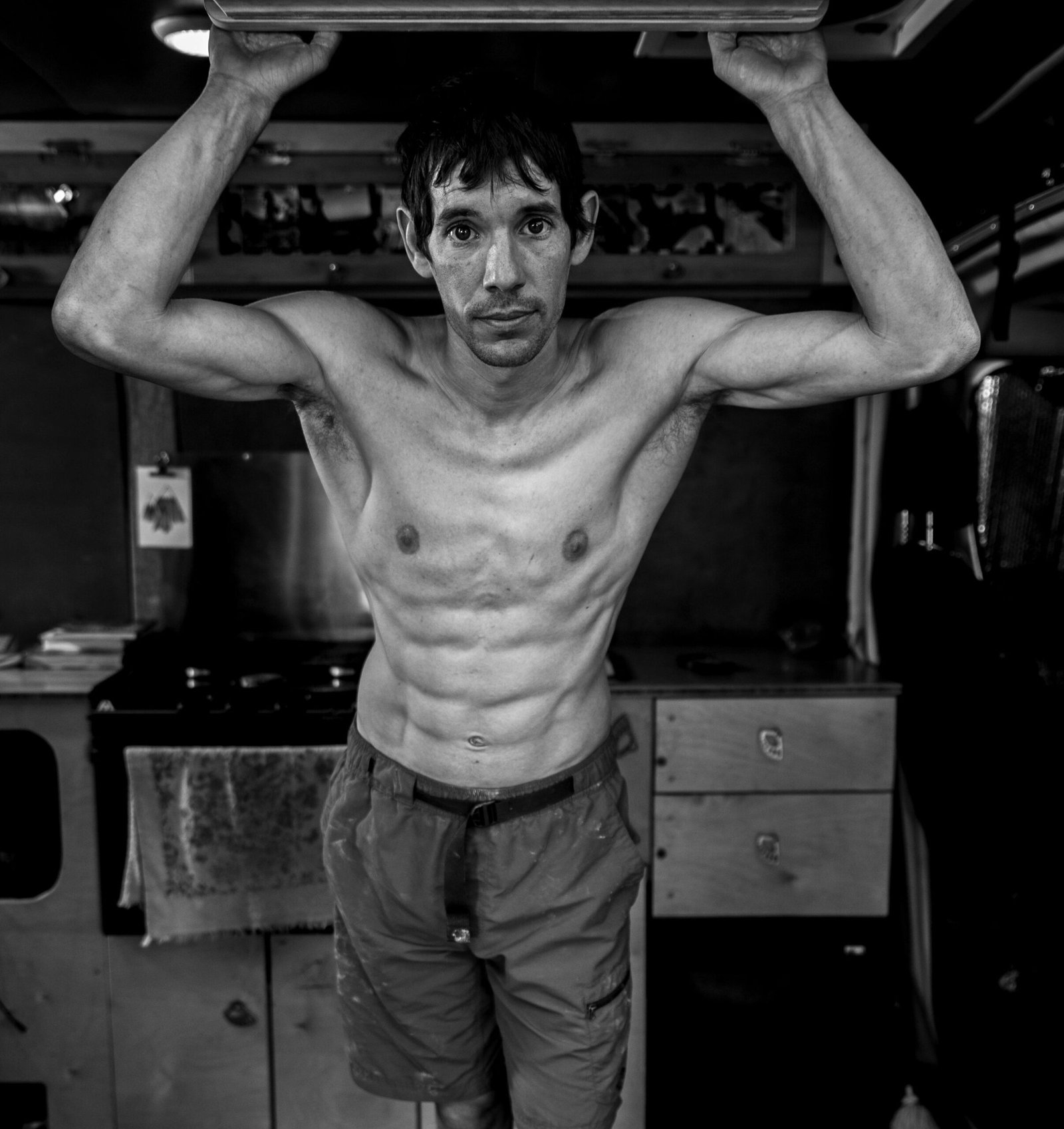
Honnold has also described using a fingerboard mounted in his van. In a separate account connected to his 2017 Freerider preparation, he explained that the board helped him address harder pulling on small holds while much of his climbing involved a different style. That earlier example should not be relabelled as his exact 2019 programme.
The equipment makes the underlying question visible: what demand are you trying to preserve or develop? A compact tool may make a specific exercise accessible. It does not reproduce all the movement, judgement and technical practice involved in climbing a route.
Nor does an image of an expert on a fingerboard establish an appropriate starting point for a newer climber. This feature does not prescribe Honnold’s advanced grips, one-arm demonstrations, hang times or training frequency. A coach can help match finger training to the climber’s experience and current workload.
The distinction also matters when reading about light hangs versus maximum hangs for finger strength. A particular protocol answers a particular training question. It should not become an all-purpose substitute for climbing practice or an assumption that more intense work is automatically the better choice.
Give training gains a chance to meet the actual task
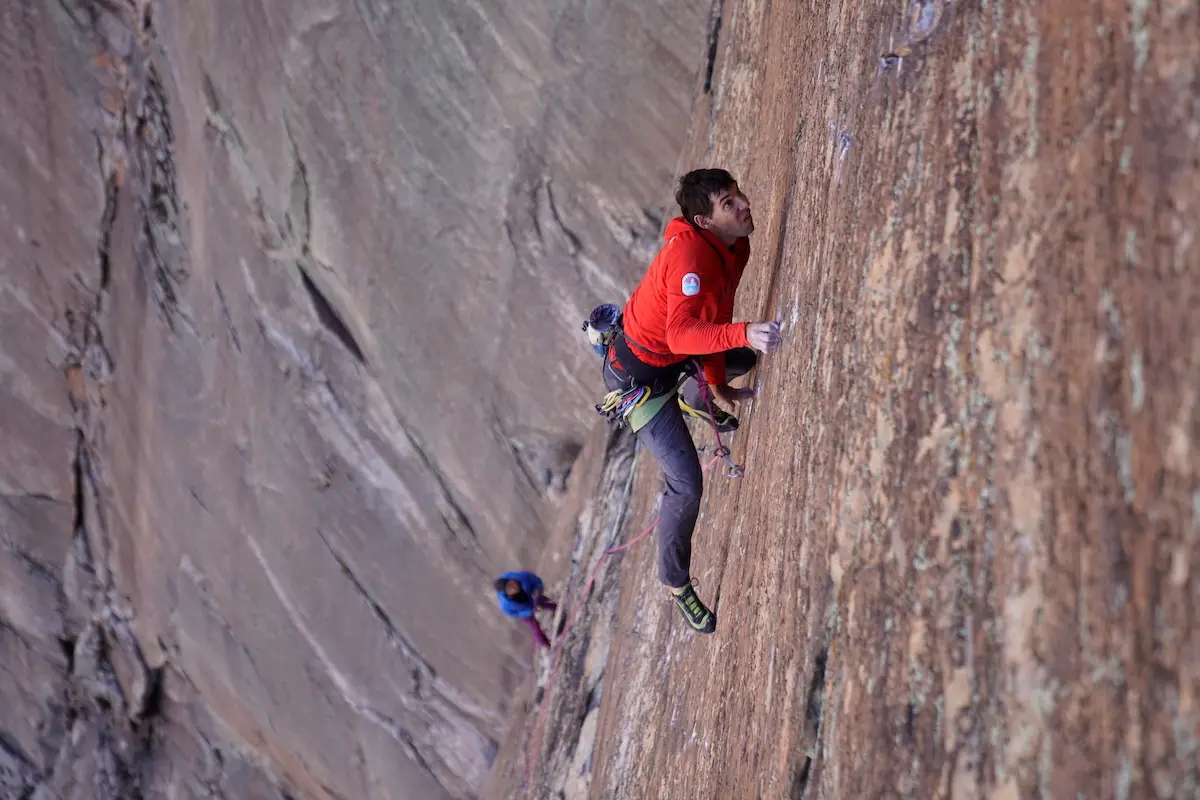
Honnold’s account included a return to focused climbing before completing Arrested Development. The route was not simply an exercise performed in a different gym. It was the task he wanted to accomplish, with its own movements and demands.
That is an important boundary for gym-based preparation. A stronger pulling exercise and a successful climb are related interests, but they are not interchangeable results. Progress on one test does not tell you how every part of a route will go. Practice gives you information that a general strength number cannot supply.
For climbers interested in that relationship, different pull-up training methods for climbers offer a separate discussion of strength work. Keep the exercise outcome distinct from the climbing outcome. You can value the former without promising that it proves the latter.
A practical review after a training block might ask two questions: did the planned sessions happen, and did they help the task you care about? The answers can differ. Completing a calendar shows adherence; finding the target task easier provides another kind of information. Neither requires inventing a dramatic transformation story.
Honnold’s 2019 ascent was sport climbing. It should not be confused with free soloing, and this feature offers no progression toward climbing without protection. The planning discussion applies to ordinary training decisions without importing the consequences of his most famous feats.

Funny Gym Shirts & Workout Gear
Funny gym shirts, tanks, hoodies and workout gear for lifters who like training hard.

Pull Up or Shut Up Crewneck Pullover Sweater for Calist T-Shirt
For laid-back days and bodybuilding humor: “Pull Up or Shut Up”.

Always Pull Yourself Up Tank
Show some personality between sets with “Always Pull Yourself Up”.

Calisthenics Hanging Out Hoodie
Make your off-duty look more fun with “Calisthenics Hanging Out”.

Don't Quit Do It – Motivational Workout Decal for Gym B Sticker
Give your everyday gear a playful “Don't Quit Do It” twist.

Consistency Is Key Stoic Greek God Marble Sculpture T-Shirt
Make gym days more fun with “Consistency is Key Stoic Greek God Marble” style.

Discipline Stoic Tee
Show some lifting attitude with a playful “Discipline Stoic Sigma Bodybuilder” tee.

Be Stronger Than Your Excuses Funny Gym
Bring “Be Stronger Than Your Excuses” humor to your everyday gym style.

Calisthenics Heartbeat Tank
Add some lifting attitude to training with “Calisthenics Heartbeat”.

Calisthenics Evolution Hooded Pullover for Bodyweight W Hoodie
Keep it laid-back with a little “Calisthenics Evolution” attitude.

Consistency King Tee
Make gym days more fun with “Consistency King Stoic Greek God Marble” style.
Build a travel plan you can actually review
The useful adaptation for a reader is a short planning exercise. Name the activity you want to maintain, the access you expect to have and the sessions that matter most. Then write an alternative for the constraint you are most likely to encounter. Keep that alternative within activities and equipment you already know how to use.
For example, a hypothetical travelling lifter might know that two evenings are available but that the hotel gym has no familiar barbell setup. The useful first decision is which established exercises remain possible. That person does not need to imitate a climber’s van or buy a fingerboard to solve a different training problem.
After the trip, compare the plan with what happened. Record a missed session plainly. Note whether access, timing or the session itself caused the difficulty. Those details suggest different adjustments next time; a general verdict that you lacked discipline does not identify which problem needs solving.
Honnold’s own description of the year gives planning and support a meaningful role while stopping short of revealing every detail. That is enough for a useful lesson: when your schedule changes, protect the purpose of training, make the next session easier to organise, and return to the activity that ultimately matters to you.