Bone health rarely announces itself during a workout. You can feel stronger, look more muscular and still have questions about the condition of your skeleton. A new four-week bone-focused training discussion has revived an important idea: resistance training, impact and balance each contribute something different, and a useful program needs more than one of them.
Four weeks can establish consistency, improve technique and make daily movements easier. It cannot promise to reverse osteoporosis or create a measurable increase in bone density by the end of the month. The goal is a repeatable starting plan that you can build on for many months, whether you use dumbbells, barbells, cables or body weight.
Why strong bones are not the same as big muscles
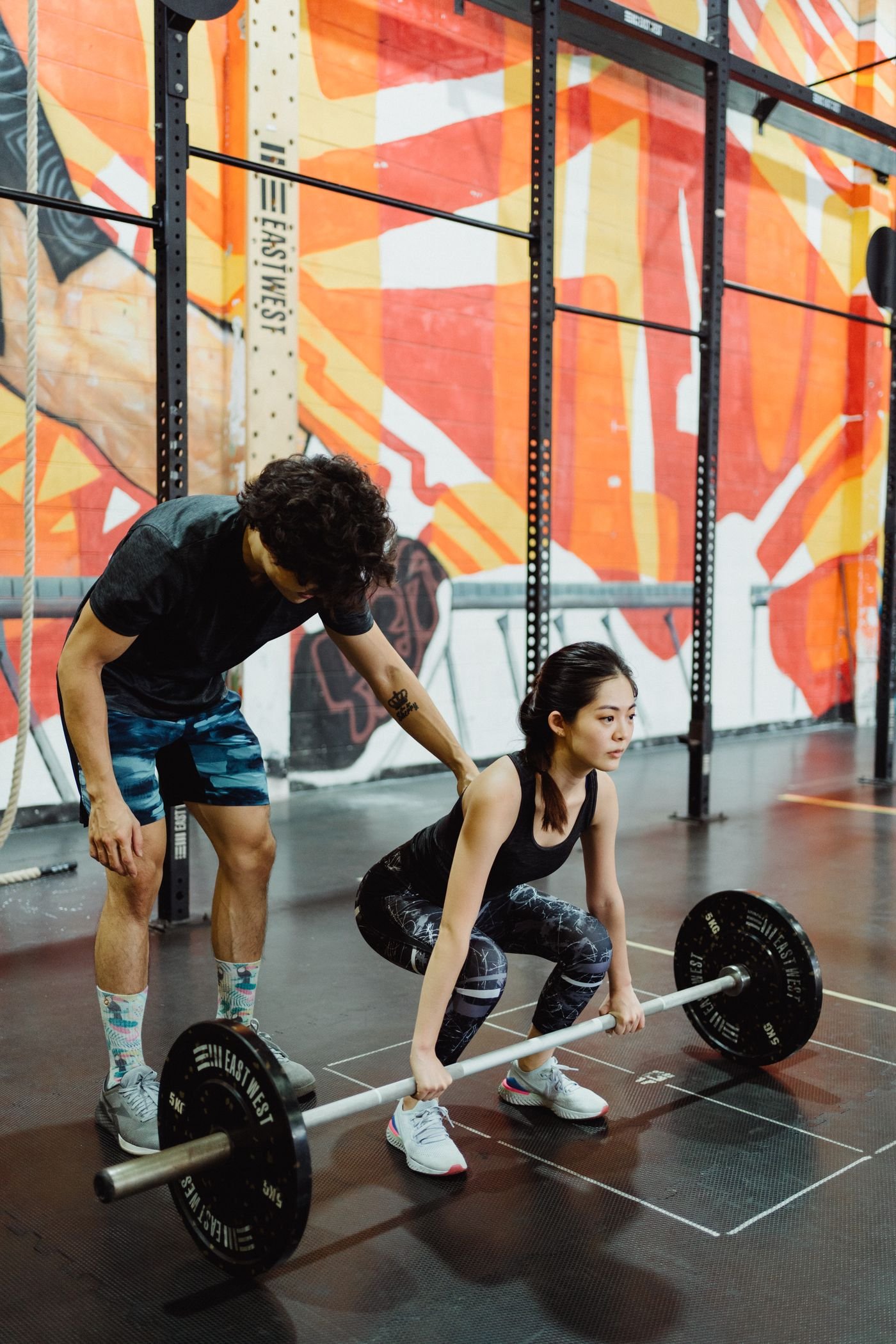
Muscle and bone share a relationship, but they are not interchangeable. A muscular person can have low bone mineral density at a particular site, while someone with less visible muscle may have good bone health. Fracture risk depends on more than a scan number: previous fractures, falls, age, medications and medical conditions all matter. Bone mineral density is one important measurement, not the entire story.
Bone is living tissue. Old tissue is continually removed and new tissue is formed, and mechanical loading helps influence that process. Muscles pull on bones when they contract, while walking, stairs and jumping transmit forces through the skeleton. The magnitude, direction and repetition of those forces help determine the stimulus. That is why cycling can be excellent cardiovascular exercise while providing less ground impact than walking.
Bone loss often occurs gradually and without obvious symptoms. Hormonal changes around menopause can accelerate it in many women, but men can also develop osteoporosis. A history of fractures, family risk, certain medications or long periods of inactivity can make a conversation about bone health worthwhile before a serious injury occurs.
There is no need to panic over a birthday or assume that every person should lift maximal weights. A better approach is to combine progressive strength work, appropriate weight-bearing movement, balance practice and sensible nutrition. You can measure improvements in strength and stability sooner than you can reliably measure changes in the skeleton itself. Both types of progress deserve attention.
Resistance training is the foundation, not the entire program
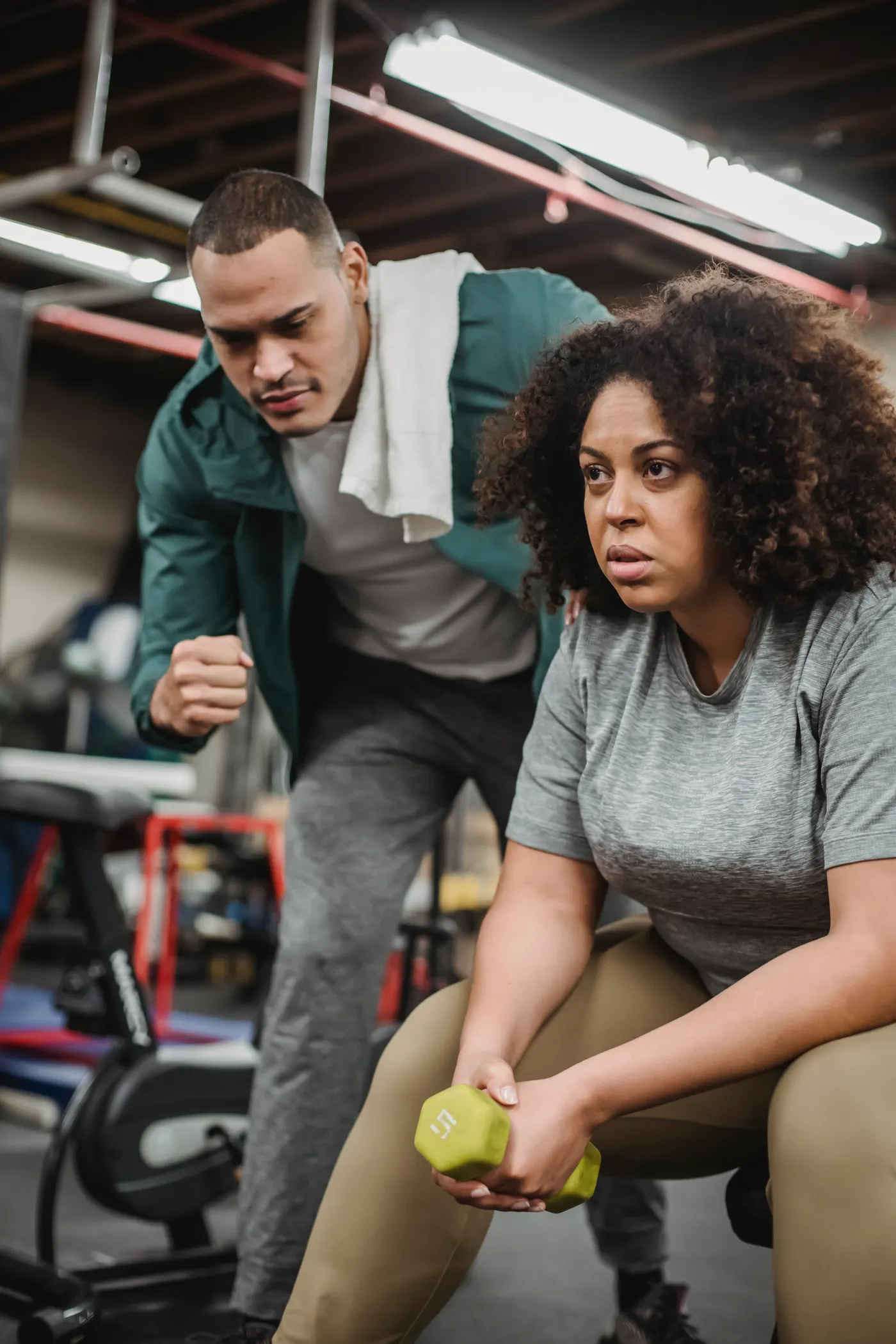
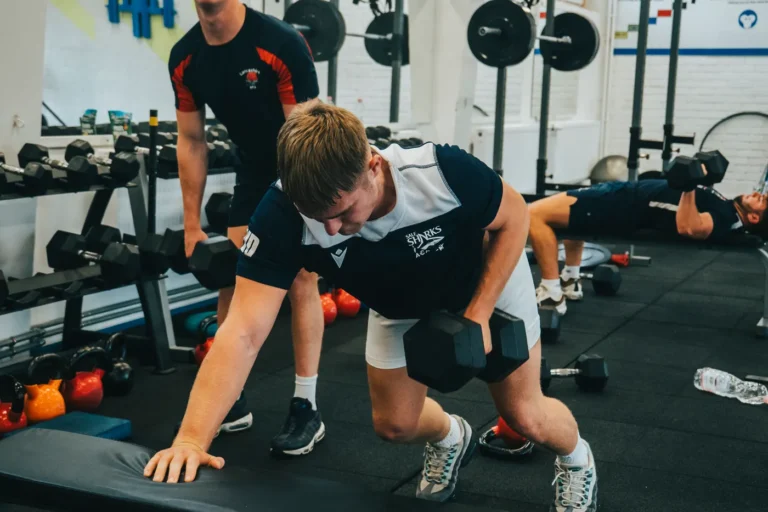
Progressive resistance exercise challenges the muscles that apply force to bone. Squats, hinges, step-ups, presses, rows and carries also improve the strength needed for ordinary life. You do not need to start with a heavy barbell. A controlled sit-to-stand, a light goblet squat or a band row may be the right first step. A well-trained lifter may require substantially more resistance to keep progressing.
A synthesis of seventeen randomized trials involving 690 postmenopausal women found beneficial average effects of resistance training on bone mineral density at the lumbar spine, femoral neck and total hip. Results varied between studies, especially for the spine and femoral neck, and not every skeletal site responded equally. The evidence supports resistance training as part of bone care without proving that any particular four-week routine will improve a scan.
For a practical starting dose, train two or three nonconsecutive days per week. Cover a squat or sit-to-stand, a hip hinge, a push, a pull and a controlled carry or trunk exercise. Start with one or two sets of roughly eight to twelve controlled repetitions. When you can perform the top of the range with good form and several repetitions still available, increase the challenge gradually.
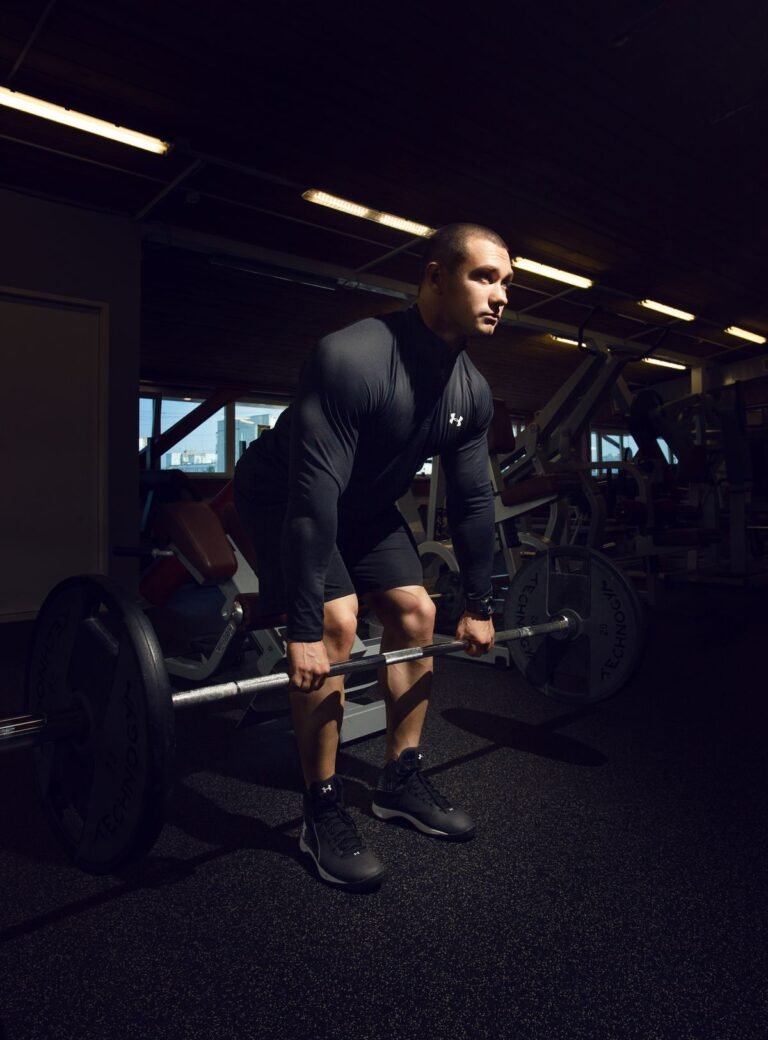
Technique matters more than a dramatic number on the bar. A lifter with known vertebral fractures or substantial osteoporosis may need modifications, particularly around loaded spinal rounding, sudden twisting or high-impact movements. A qualified clinician or physiotherapist can help match the exercise to fracture risk. Someone without those limitations can usually work toward heavier resistance over time, but should still respect recovery and movement quality.
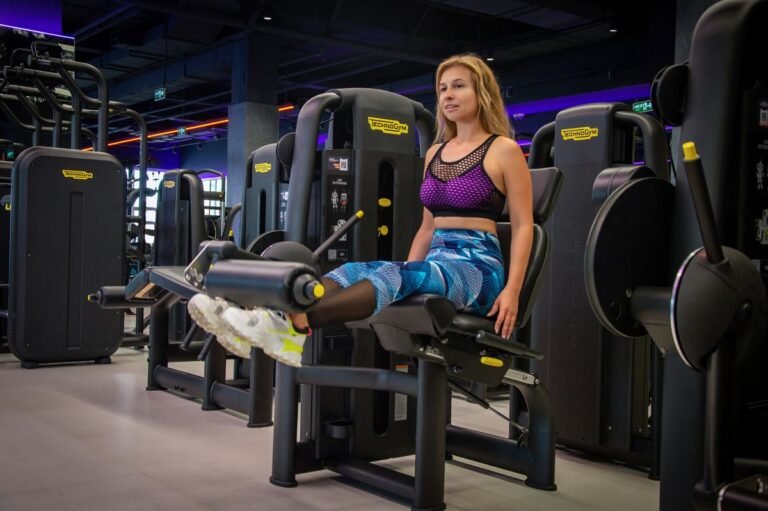
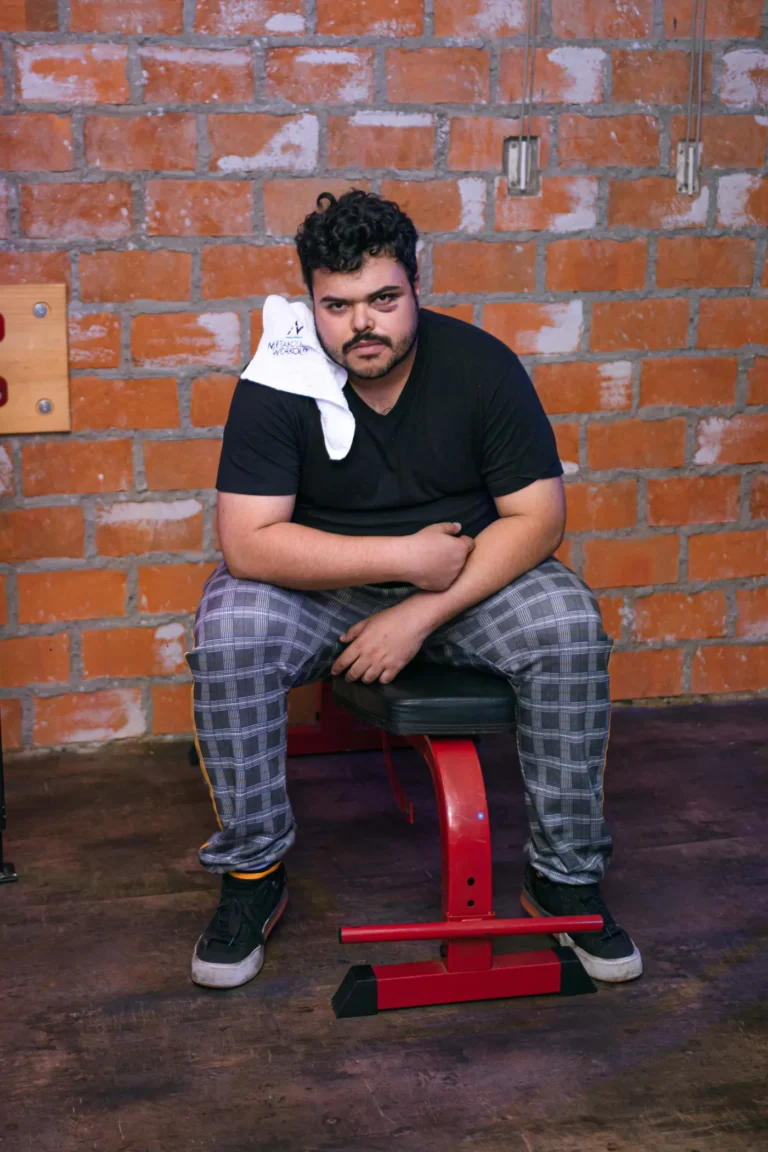
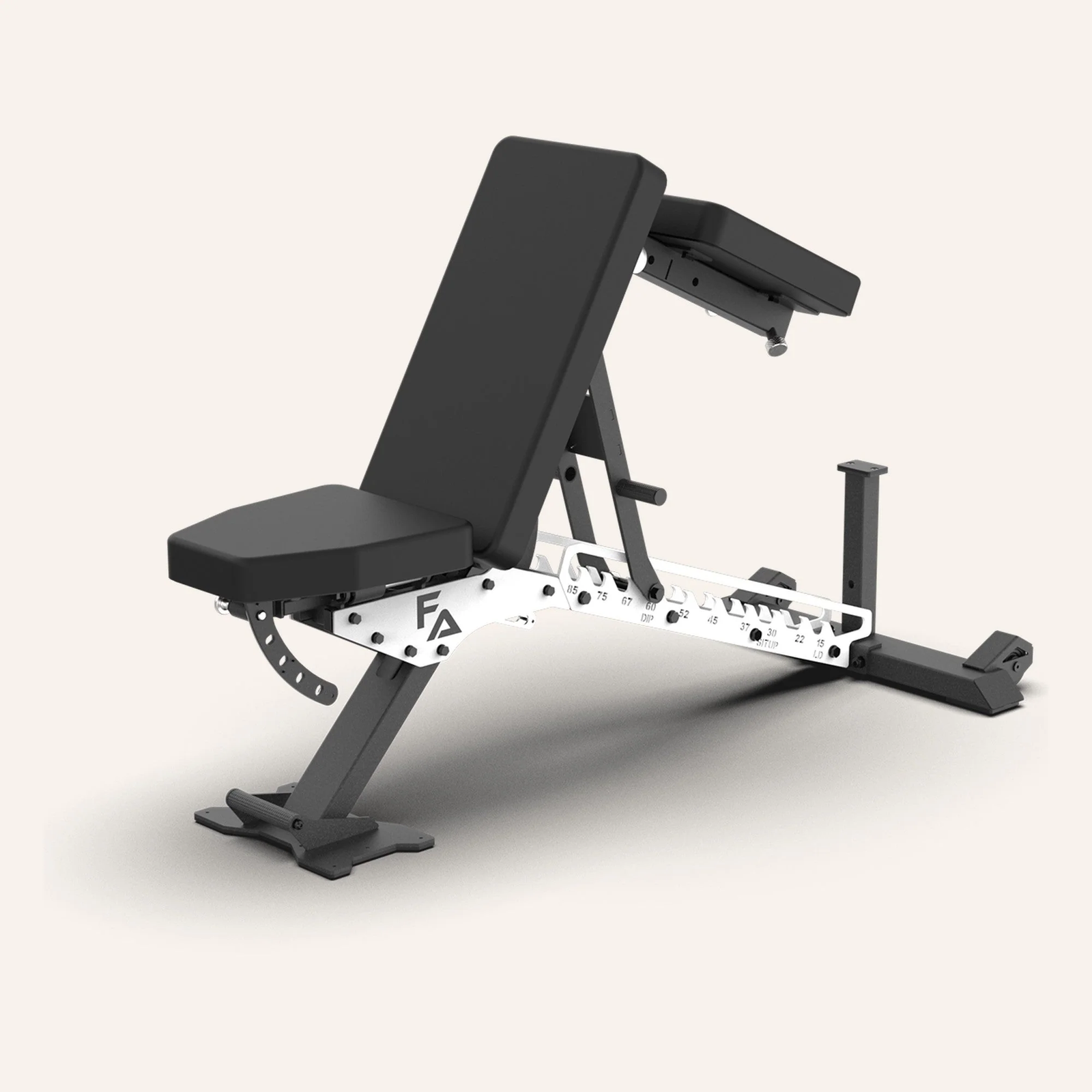
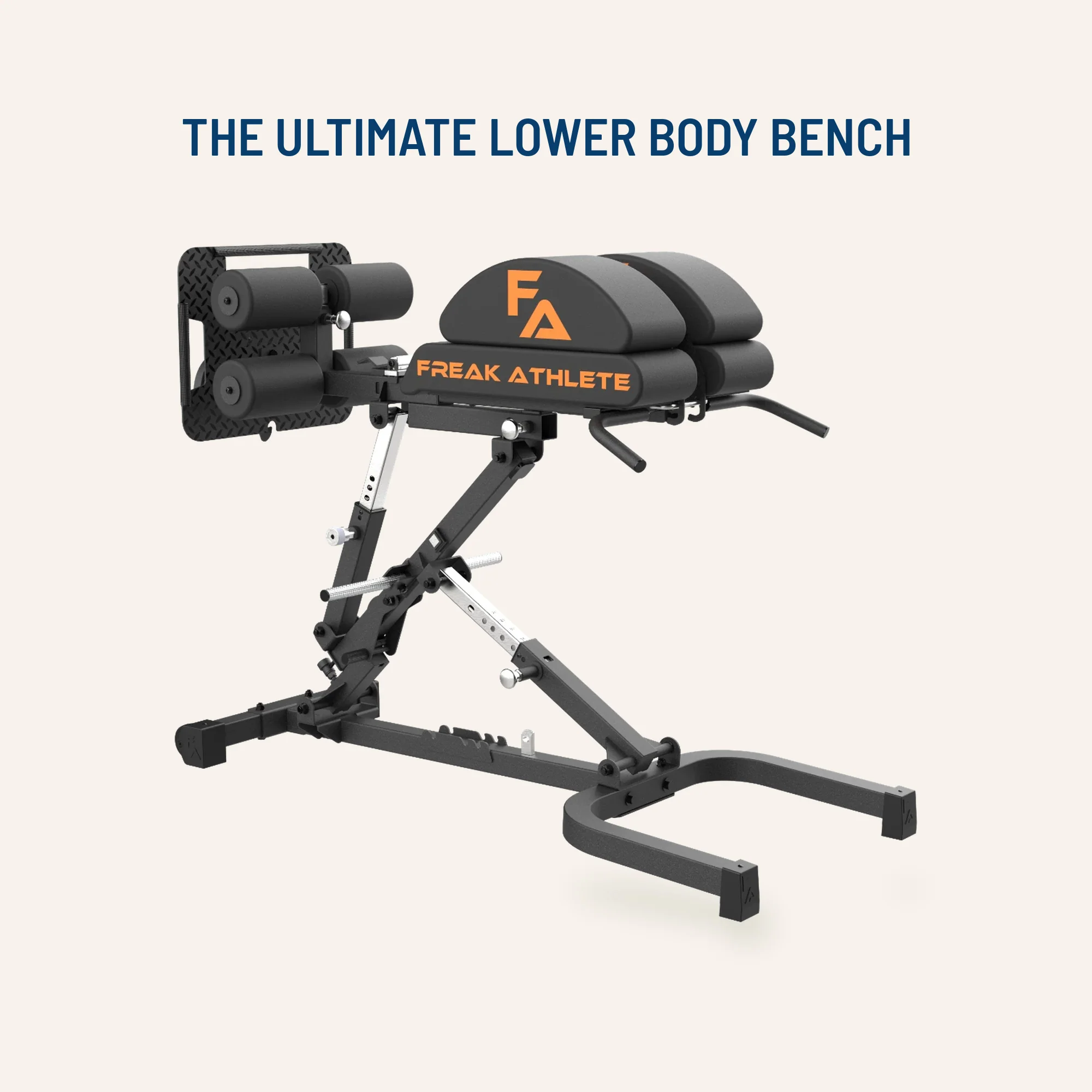
Equipment is a tool, not the goal. Adjustable dumbbells can cover many patterns; a rack makes heavier loading practical; cables allow fine increments; and a stable bench can make exercises easier to set up. Choose what helps you train consistently and safely. The skeleton responds to repeated physical work, not to the price of a machine.
Equipment Worth Exploring
Explore equipment, accessories and gear from our carefully selected range.


FID Bench MAX
Adjustable bench offering flat, incline, and decline positions + adjustable headrest.


Impact exercise sends a different loading signal
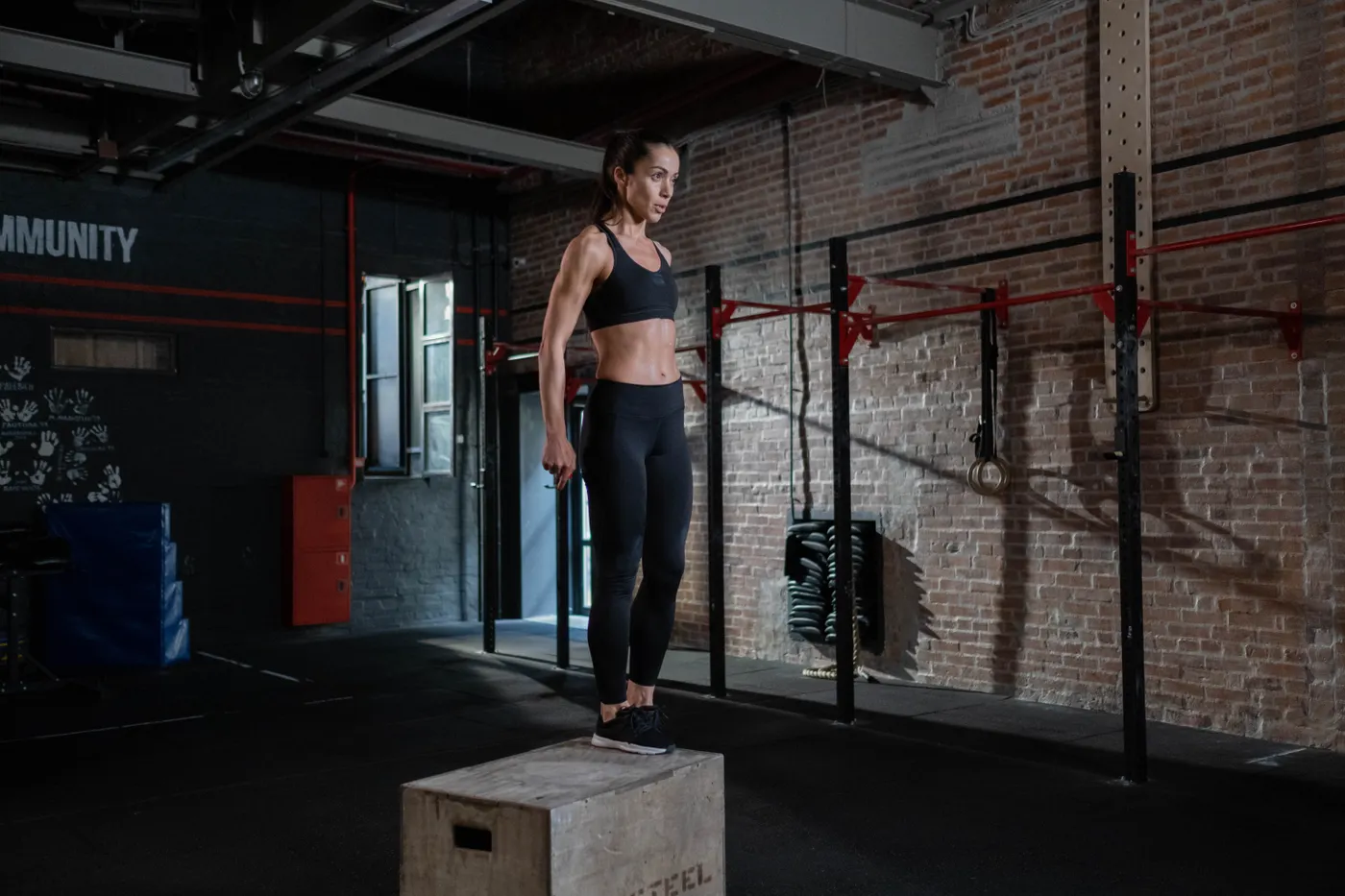
Walking, stairs, jogging and jumping produce different ground-reaction forces. This matters because bone adapts to the mechanical environment it experiences. Swimming and cycling are valuable for endurance and general health, but they do not expose the skeleton to the same weight-bearing impact as movement on your feet. The sensible answer is usually to combine exercise types, not to declare one superior for every purpose.
For someone who is comfortable moving upright, brisk walking, marching and stair climbing offer accessible low-impact options. When balance, joints and bone health permit, gentle skips, low hops, jogging or dancing may add moderate-impact loading. Start with a small amount, warm up first, land with control and increase the challenge only after the current level feels stable.
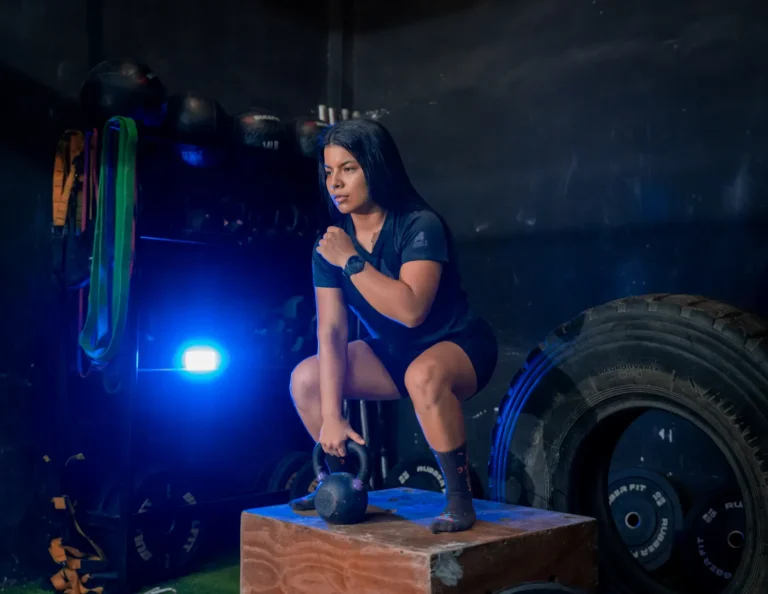
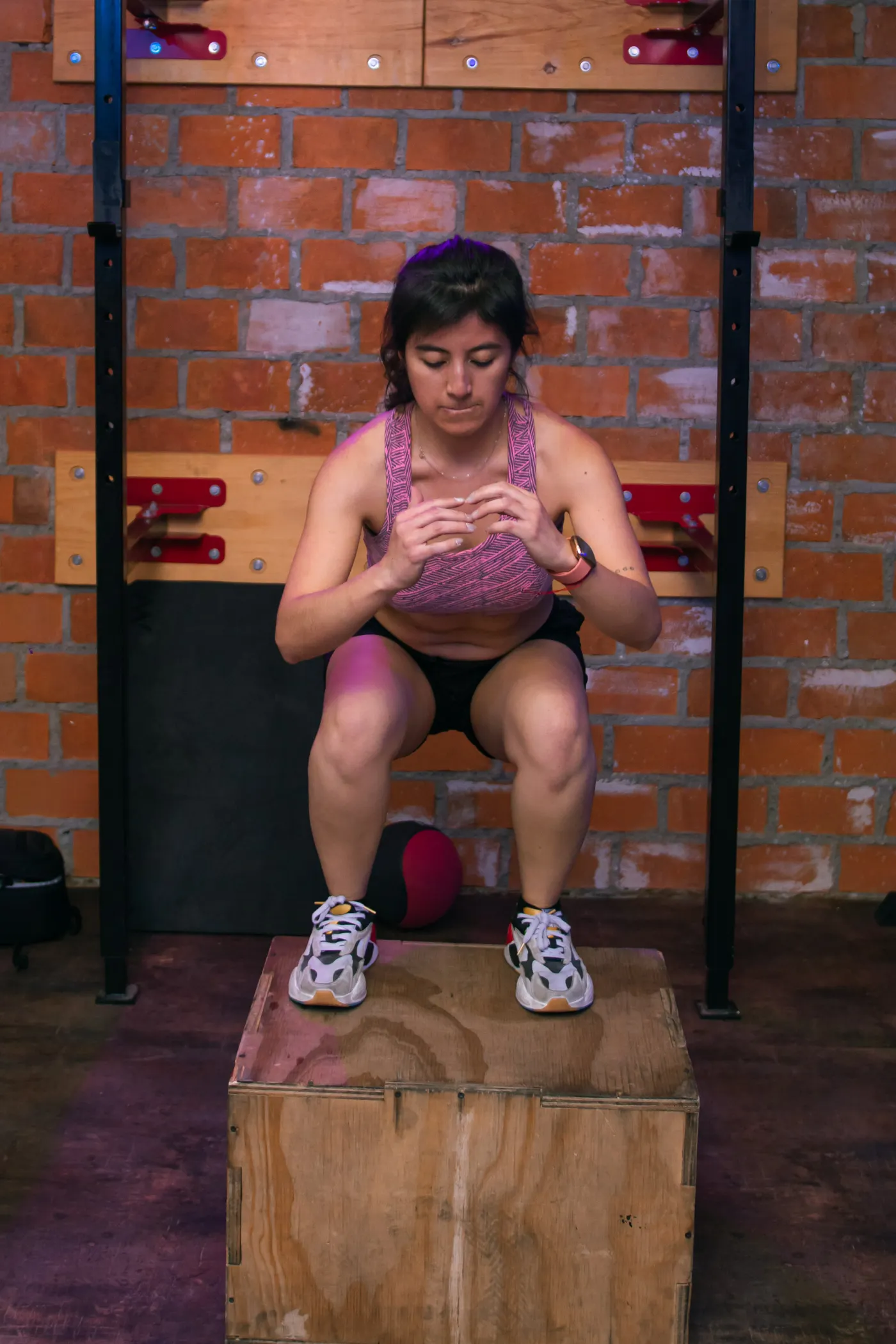
There is a major difference between useful impact and spectacular impact. High box jumps and drop jumps are not mandatory for stronger bones. They demand coordination and introduce a fall risk, especially under fatigue. Someone with spinal fractures, multiple fragility fractures, significant osteoporosis or another medical limitation should not copy an athlete’s plyometric session. Low-impact activity and individualized professional guidance may be more appropriate.
Impact work also does not replace strength training. Someone who lacks leg strength or landing control may struggle with jumping safely. Conversely, someone who lifts weights but never walks, climbs stairs or practices balance may miss other useful capacities. Think of impact as a carefully selected addition to the program rather than a punishment session.
Count what you already do. Tennis, hiking, dancing and regular stair use may provide more weight-bearing activity than you realize. If you are already active, adding dozens of jumps simply to hit an arbitrary target may increase fatigue without making the routine more sustainable. If impact is unsuitable, focus on the safest available movement options and the strength work you can perform well.

Leg Day Shirts & Workout Gear
Leg-day gym shirts and workout gear for lifters who never skip squats, lunges and lower-body punishment.

Legday – Squats & Deadlifts , Meme Top Bros & T-Shirt
Bring “Legday” humor to your next gym day.

Leg Day Is Calling You Squats, Deadlifts & Gains T-Shirt
Rep “Leg Day Is Calling You” humor in and out of the gym.

Leg Day No Thanks – Skip Legday Meme , Squats & T-Shirt
Heavy lifts, good laughs, and a little “Leg Day No Thanks” energy.

Negative Leg Day Review Leg Day Sucks Meme Squats, T-Shirt
Show some leg-day attitude with a playful “Negative Leg Day Review” tee.

Legday Gains – Squats & Deadlifts , Top Gymbros & T-Shirt
Heavy lifts, good laughs, and a little “Legday Gains” energy.

Never Skip Leg Day Squats & Deadlifts Meme , Top T-Shirt
Show some leg-day attitude with a playful “Never Skip Leg Day” tee.


My Leg Hurts Leg Day Sweater & Squat Meme Lovers T-Shirt
Keep things casual with a little “My Leg Hurts” attitude.

Balance training protects the strength you already have
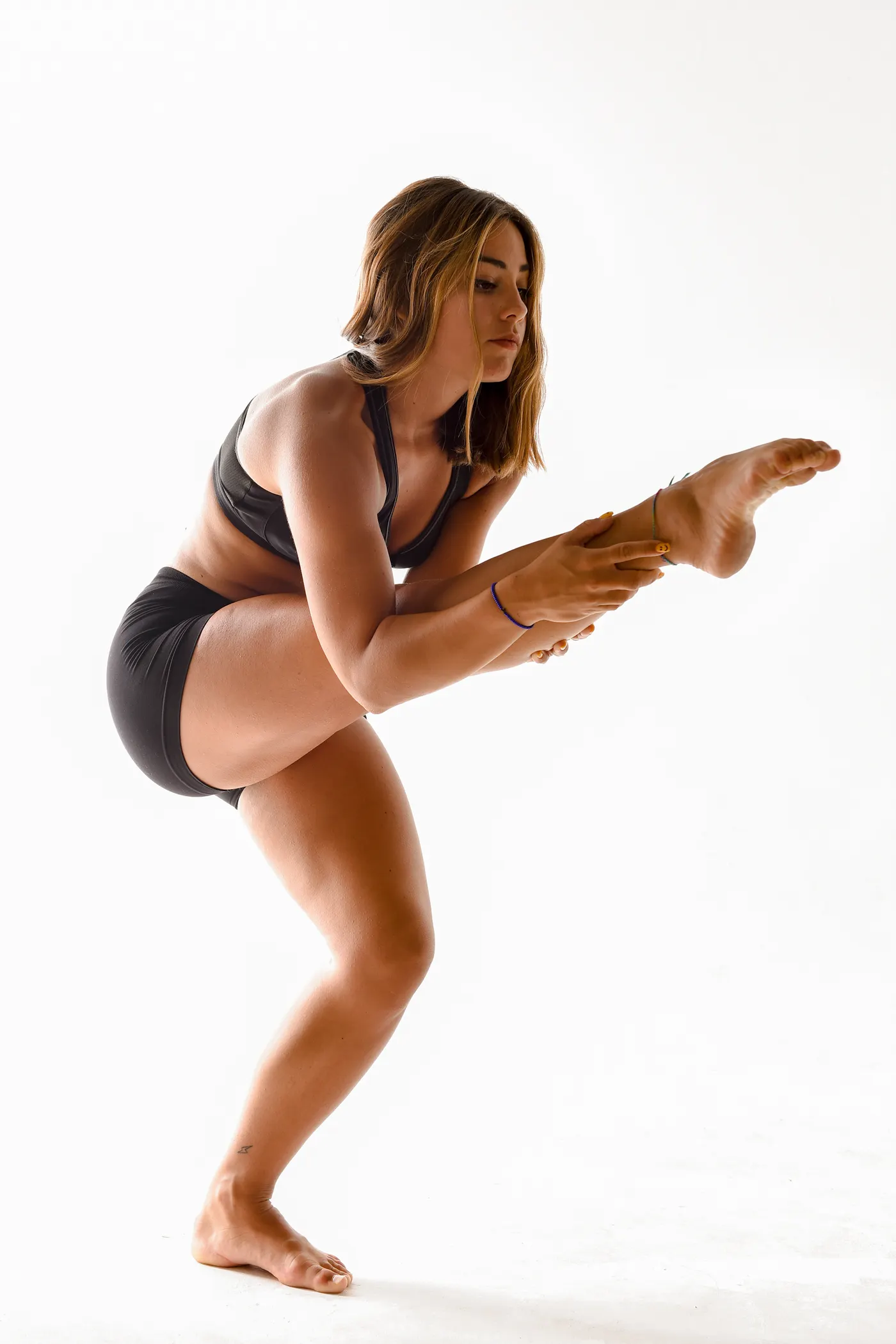
A strong skeleton is valuable, but preventing a fall can be just as important as improving a scan result. Falls can happen when someone trips, changes direction, steps off a curb or catches a shifting object. Strength contributes to recovery, but balance also relies on sensory information, coordination and practiced reactions. A person can lift heavy weights and still feel surprisingly uncertain on one leg.
Balance work does not require circus tricks. Start with a supported single-leg stand near a stable counter, heel-to-toe walking or controlled step-downs. Progress by reducing hand support, increasing time or adding slow reaches while keeping a safe environment. A stable surface is usually the best place to begin. Standing on an unstable gadget is not a prerequisite for useful training.
For many adults, two or three brief balance sessions per week can fit into a warm-up or the end of a strength workout. A few focused minutes done consistently are easier to sustain than a separate hour-long session. The exercise should demand attention without creating a high chance of falling. Stop and reset if you cannot maintain control.
Balance improvements may appear before measurable bone-density changes. You might notice smoother step-ups, better control during lunges or less wobble while carrying a bag. Those are worthwhile functional outcomes even though they cannot be converted into an exact percentage reduction in fracture risk for one individual.
People who have fallen repeatedly, experience dizziness or have neurological or vestibular conditions should seek personalized assessment. Balance training works best when it is matched to the actual reason someone is unsteady, and when a sturdy support is available.
A four-week starting plan you can repeat
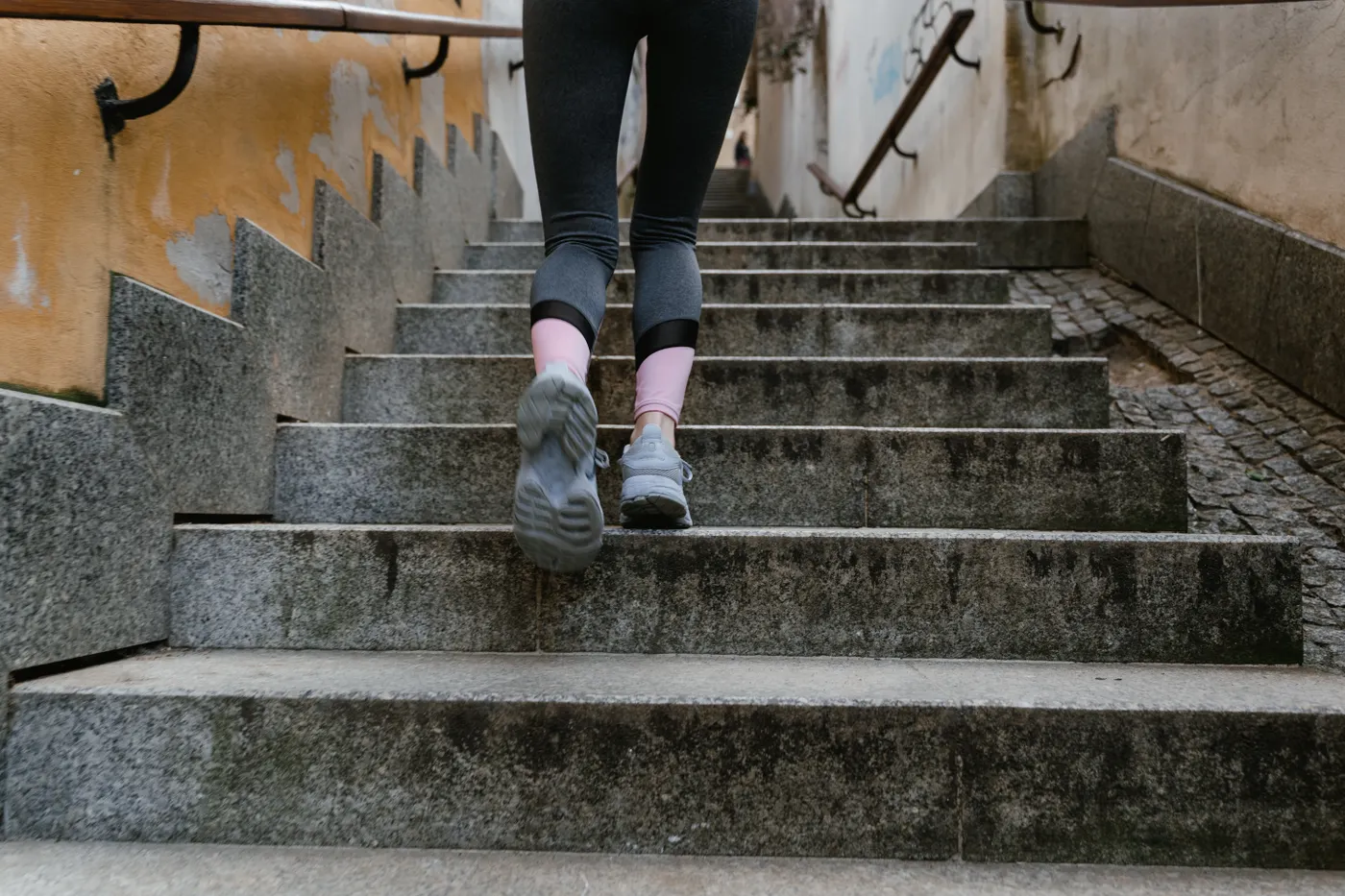
The simplest structure is two full-body strength days, an optional third lighter session and short bouts of suitable weight-bearing movement. This is a starting template for generally healthy adults, not a prescription for someone with a recent fracture or diagnosed high fracture risk. Leave at least one day between demanding strength sessions and use a stable setup for every movement.
Strength Day A: goblet squat or sit-to-stand, dumbbell row, incline push-up or chest press, and a controlled farmer carry. Start with two sets of eight to twelve repetitions for the first three exercises, then two carries lasting twenty to thirty seconds. Keep several good repetitions in reserve while learning the patterns. Use a chair or hand support when necessary.
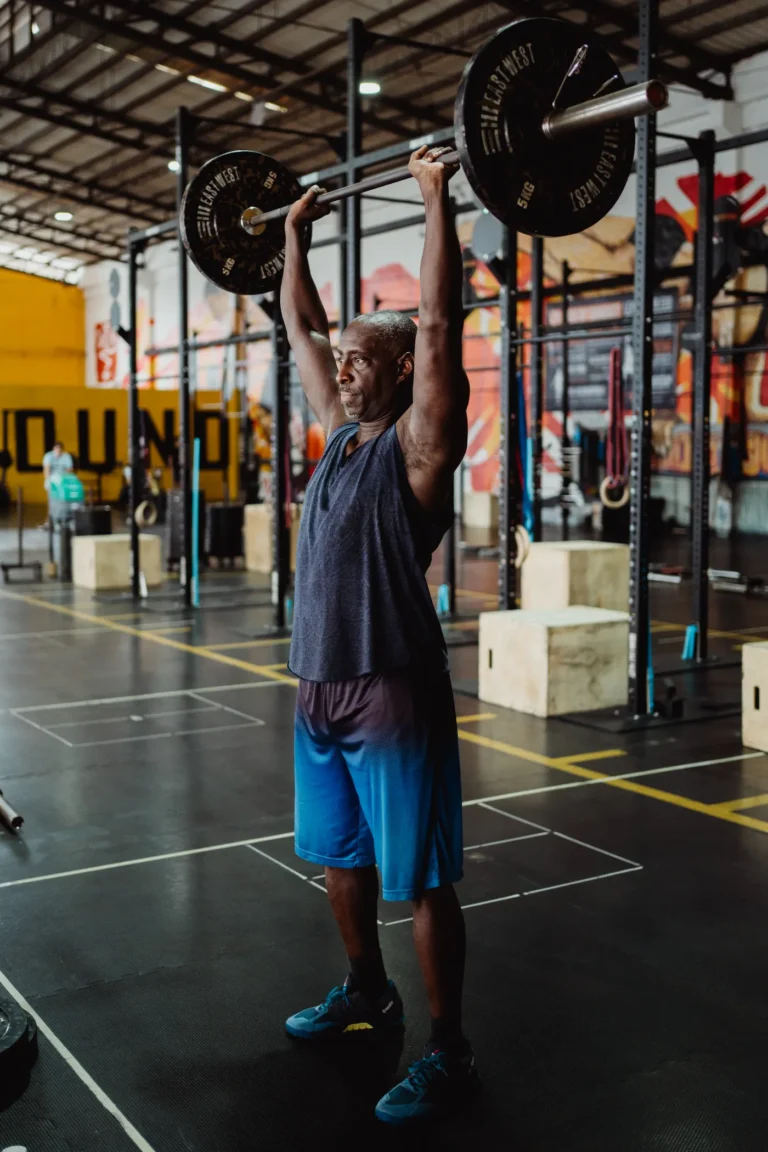
Strength Day B: Romanian deadlift or hip hinge, step-up, overhead press if comfortable, and cable or band pulldown. Again use two sets of eight to twelve controlled repetitions. If overhead work irritates a shoulder, choose a pain-free push variation. Finish with two short supported single-leg stands on each side.
Week 1: establish technique and a repeatable baseline. Add easy walking or stairs on several days if suitable. Week 2: repeat the sessions and add one or two repetitions when control is solid. Week 3: consider a small load increase for movements that have become easy, or add a third light full-body session if recovery is good. Week 4: review your log and plan the next eight to twelve weeks rather than stopping at the end of the month.
If impact is appropriate, begin with a modest number of gentle, controlled hops or skips on one or two days after warming up and before fatigue accumulates. If it is not appropriate, stay with walking, stairs or clinician-approved alternatives. Do not add jumps just because the plan is described as bone-focused.
A four-week plan should build the habit and improve confidence. It cannot promise a clinically meaningful increase in bone mineral density by day twenty-eight. The longer-term routine is the real intervention.
Equipment Worth Exploring
Explore equipment, accessories and gear from our carefully selected range.


GymPin Squat Wedges
Non-slip 15-degree squat wedges help elevate the heels for deeper quad-focused squats.

VOLTRA
Compact digital cable trainer with smooth, adjustable resistance.

Go-Tone Pro
Portable digital cable trainer with up to 66 lb (30 kg) of adjustable resistance.

Nutrition and recovery help the loading stimulus count
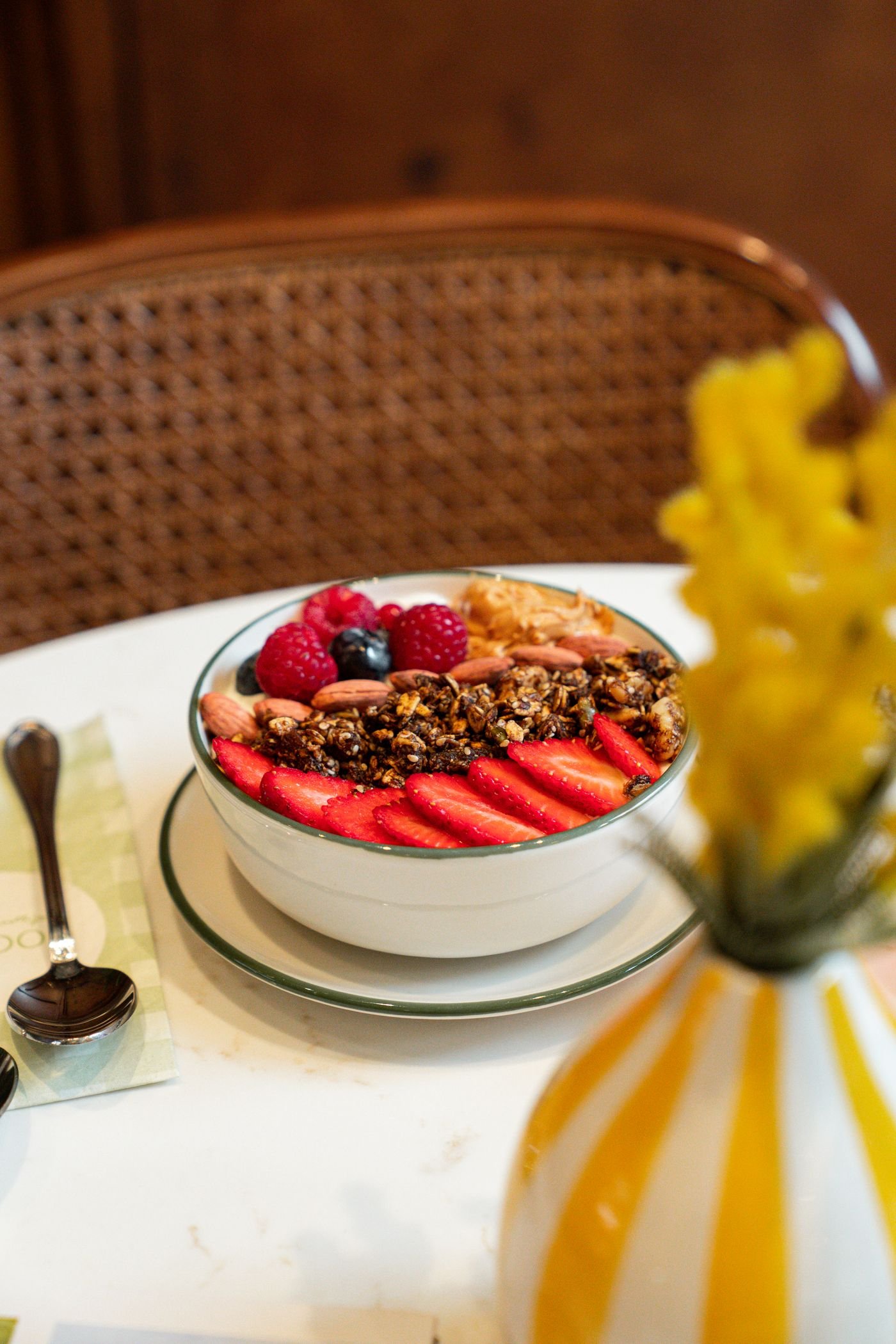
Bone tissue needs more than mechanical loading. Calcium is a major structural mineral, vitamin D helps the body absorb it, and sufficient overall energy and protein support normal tissue maintenance and muscle function. Food does not replace exercise, and exercise does not compensate for a persistent nutrient deficiency. A balanced approach matters more than any one supplement trend.
Daily calcium needs vary with age and sex. Common US reference values are about 1,000 milligrams for most adults aged nineteen to fifty and 1,200 milligrams for women aged fifty-one to seventy and adults older than seventy. Those are total daily intake targets from food and supplements combined, not instructions to swallow that amount as a pill. Dairy foods, calcium-set tofu, fortified plant drinks, some greens and fish with edible bones can contribute.
Vitamin D status depends on diet, sunlight exposure, age, health and other factors. People with deficiencies or risk factors may need individualized testing and guidance. More is not automatically better: very high supplement doses can cause harm. The same applies to calcium supplements, which should fill a real dietary gap rather than replace varied meals by default.
Protein matters because stronger muscles help generate and control the forces applied to bone. Spread adequate protein across meals in a way that suits your diet and training. Avoid chronic under-fueling, especially if you are simultaneously increasing exercise volume. Sleep and rest days matter too: adaptation requires repeated loading and enough recovery to return for the next useful session.
One simple habit is to pair training with a balanced meal containing protein and calcium-rich foods, then track consistency rather than micromanaging timing. Bone health is a long-term project. A meal plan you can follow for months is more useful than an extreme four-week cleanse.
Funny Gym Shirts & Workout Gear
Funny gym shirts, tanks, hoodies and workout gear for lifters who like training hard.

Break the Stereotype Tee
Show some gym-girl attitude with a playful “Break The Stereotype Gym Girl” tee.


I Am The One Who Lifts , & Gymbros T-Shirt
Make gym days more fun with “I Am The One Who Lifts” style.


Shirt – Make It Gain – Gymbro & Meme Fans T-Shirt
Make gym days more fun with “Make It Gain” style.


All You Need Is Lift Beatles Meme Top Gymbros & – T-Shirt
Make gym days more fun with “All You Need Is Lift Beatles” style.

Shirt – Lumberjacked – Meme & Gains T-Shirt
Heavy lifts, good laughs, and a little “Lumberjacked” energy.

Mona Lisa Mona Lifta – Meme , & Gains – Bro Humor T-Shirt
Show some powerlifting attitude with a playful “Gym Mona Lisa Mona Lifta” tee.

Liftin Metal – Heavy Metal & Gymbros – Gains T-Shirt
Make gym days more fun with “Liftin Metal” style.
What progress looks like, and when to check bone density
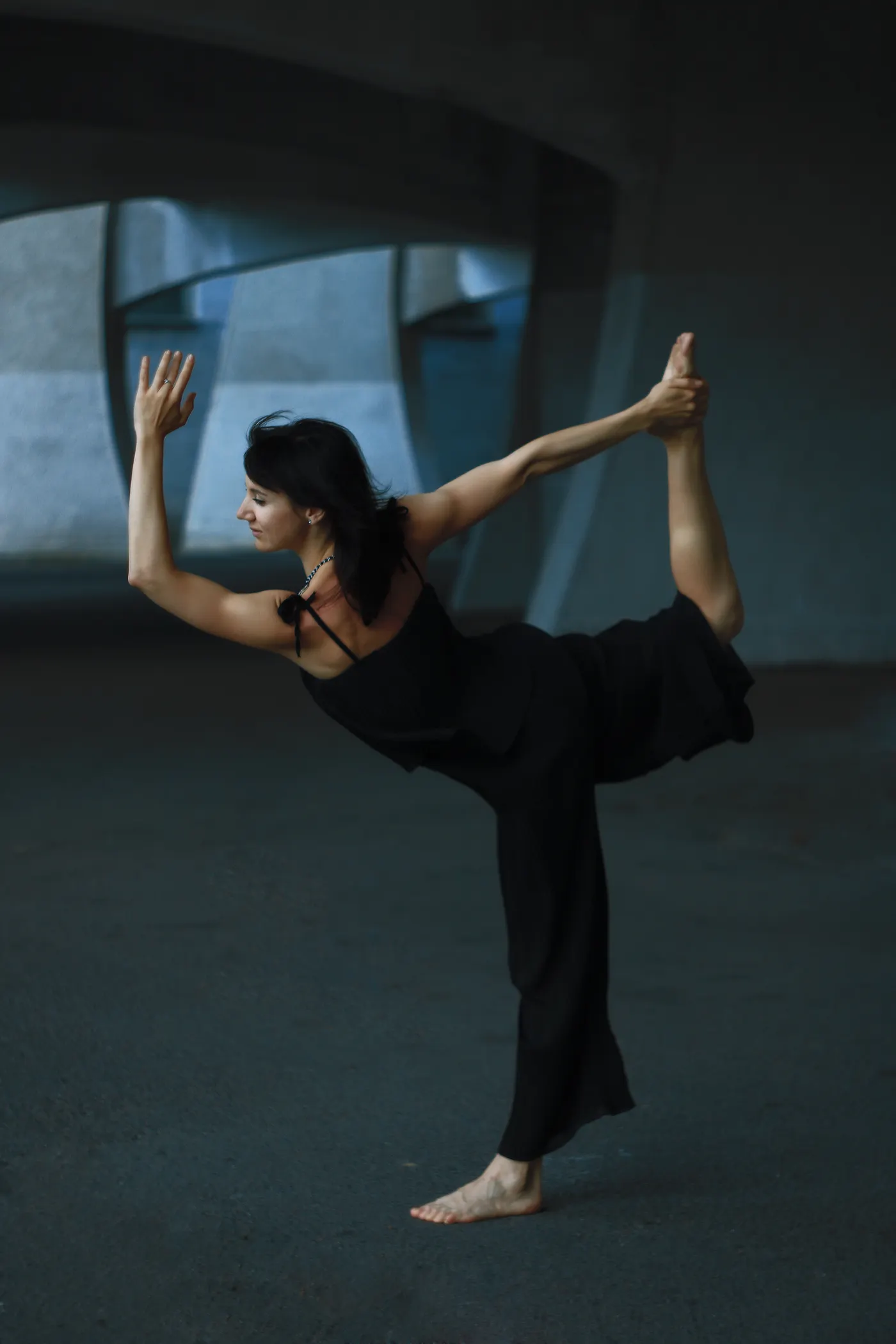
Strength, confidence and exercise consistency are useful short-term markers. Record the load and repetitions for your main lifts, the control of a step-up, how long you can balance safely, and whether the weekly routine is becoming easier to maintain. These observations help guide training, but they do not directly measure bone density or prove a reduction in fracture risk.
When screening is appropriate, bone mineral density is commonly measured with a DXA scan. Clinicians interpret the result alongside age, prior fractures, medications and other risk factors. Women aged sixty-five and older, men aged seventy and older, and adults with certain fracture histories or risk factors are among those who should discuss testing with a healthcare professional. Whether and when to repeat a scan is a clinical decision, not something to schedule after a few weeks of lifting.
Resistance-training trials suggest bone-density adaptations can require many months, and results differ by skeletal site and participant characteristics. A program that improves strength and balance in four weeks can still be worthwhile even if a scan remains unchanged. Conversely, feeling stronger does not establish that osteoporosis has been treated. Exercise is part of a broader plan and does not replace prescribed medication when fracture risk is high.
Do not ignore warning signs. New severe back pain, a suspected fracture, repeated falls, unexplained dizziness or pain that worsens during exercise deserves evaluation. For someone with vertebral fractures or significant osteoporosis, safe technique and individualized loading are more important than chasing a heavy squat or an impressive jump.
The best outcome is not a dramatic before-and-after headline. It is a routine that combines progressive strength, appropriate weight-bearing activity, balance practice and sufficient nutrition over the next year. Start with four weeks, measure what you can honestly measure, and keep the habits that make your body stronger and steadier.