Advertising disclosure: This page includes affiliate product links that may earn us a commission, as well as products from our own store.
The appeal of a belt squat is easy to understand: train your legs with resistance attached around your hips, leaving your shoulders free of a barbell. Buying the right machine takes more thought. Your preferred squat depth, the way the belt connects, and the room needed to handle plates can matter more than the headline capacity.
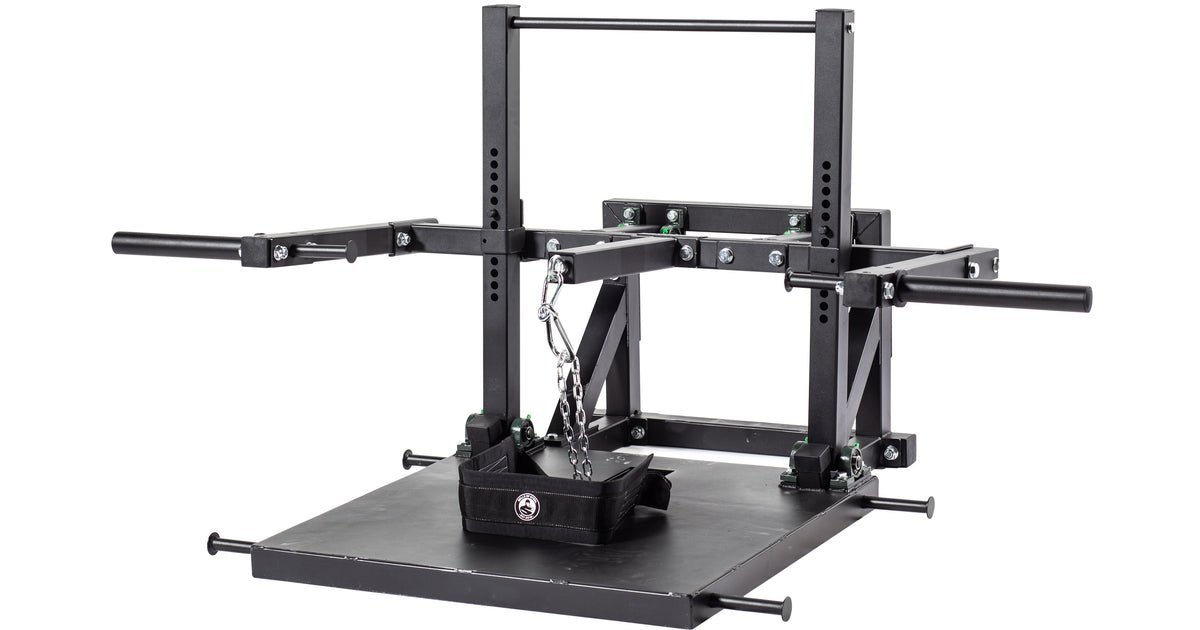
The Bells of Steel Belt Squat Machine uses a plate-loaded lever and an adjustable handle frame. This guide concerns that machine, listed with the Belt Squat Machine 2.0 package, rather than the separate Stinger cable model. It is an equipment and setup assessment, without a claim of hands-on MMP testing.
Decide what you want hip loading to change
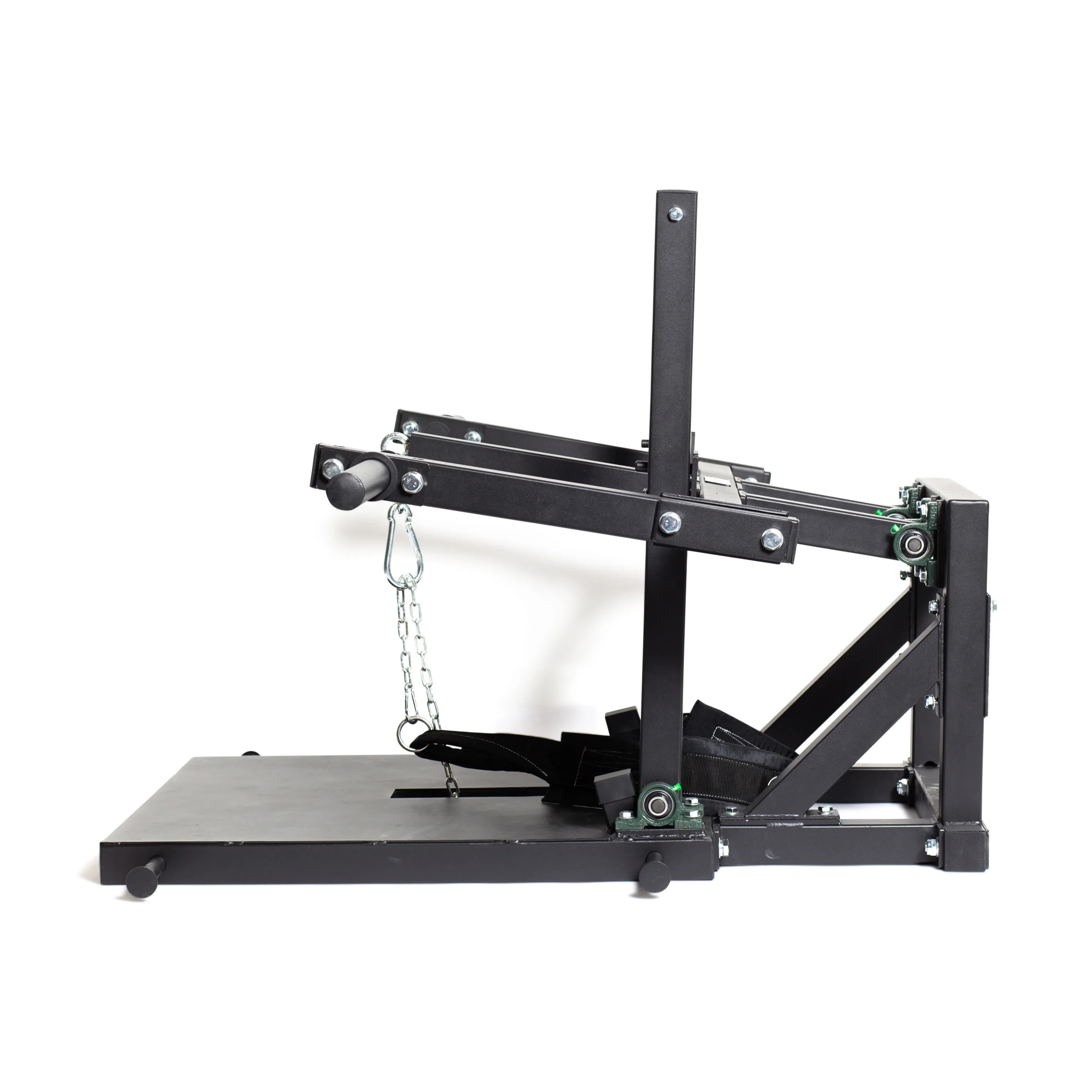
First, identify the job. Perhaps you want another squat variation after barbell work, or a way to train your legs without holding a front rack or reaching behind your shoulders. A belt attachment changes where the external resistance enters your body. It does not make the exercise interchangeable with every other squat.
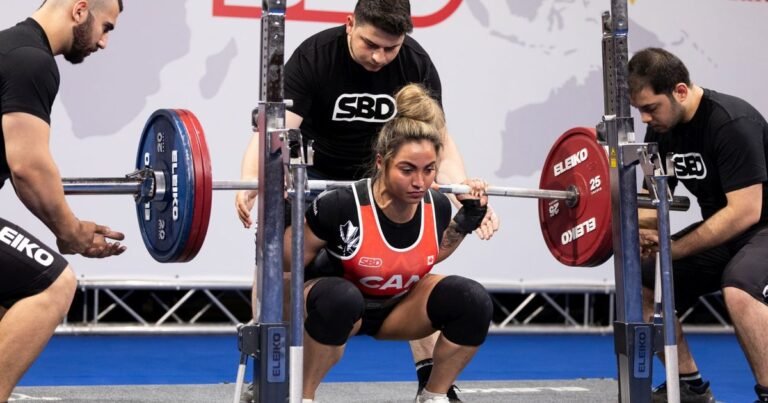
In a small experiment involving ten experienced participants, belt squats produced lower measured activity in several trunk and gluteal muscles than parallel back squats. The participants completed three sets of five repetitions with an external load equal to body mass. Those were immediate muscle-activity measurements, not a long-term test of muscle growth or pain treatment, and they do not validate this particular machine.
That distinction helps you plan. If your priority is practicing a competitive barbell squat, keep practicing the barbell movement. If you want additional lower-body work with a different loading arrangement, a belt squat is a candidate. You still need to manage your position and finish controlled repetitions.
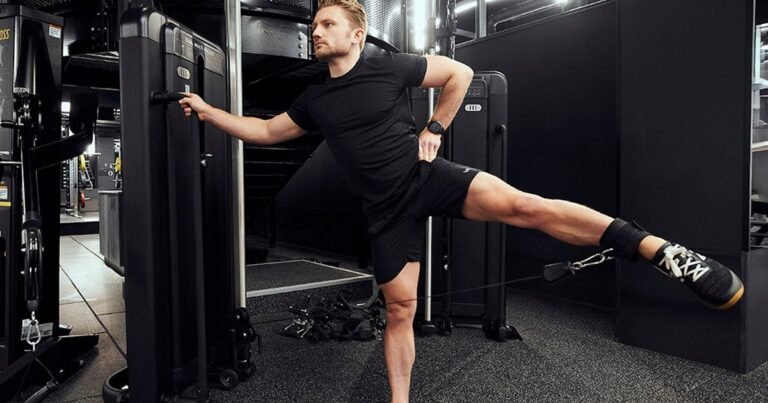
Compare the actual mechanisms, too. A lever rotates around a pivot; a cable machine transfers resistance through a cable and carriage. Equal plate totals do not establish equal effort at your hips. Our Rogue Rhino belt-squat guide explains a different dedicated station and gives you another arrangement to assess. Choose by the movement and setup you can use, rather than a larger number on the sleeves.
Check your deepest useful position before adding plates
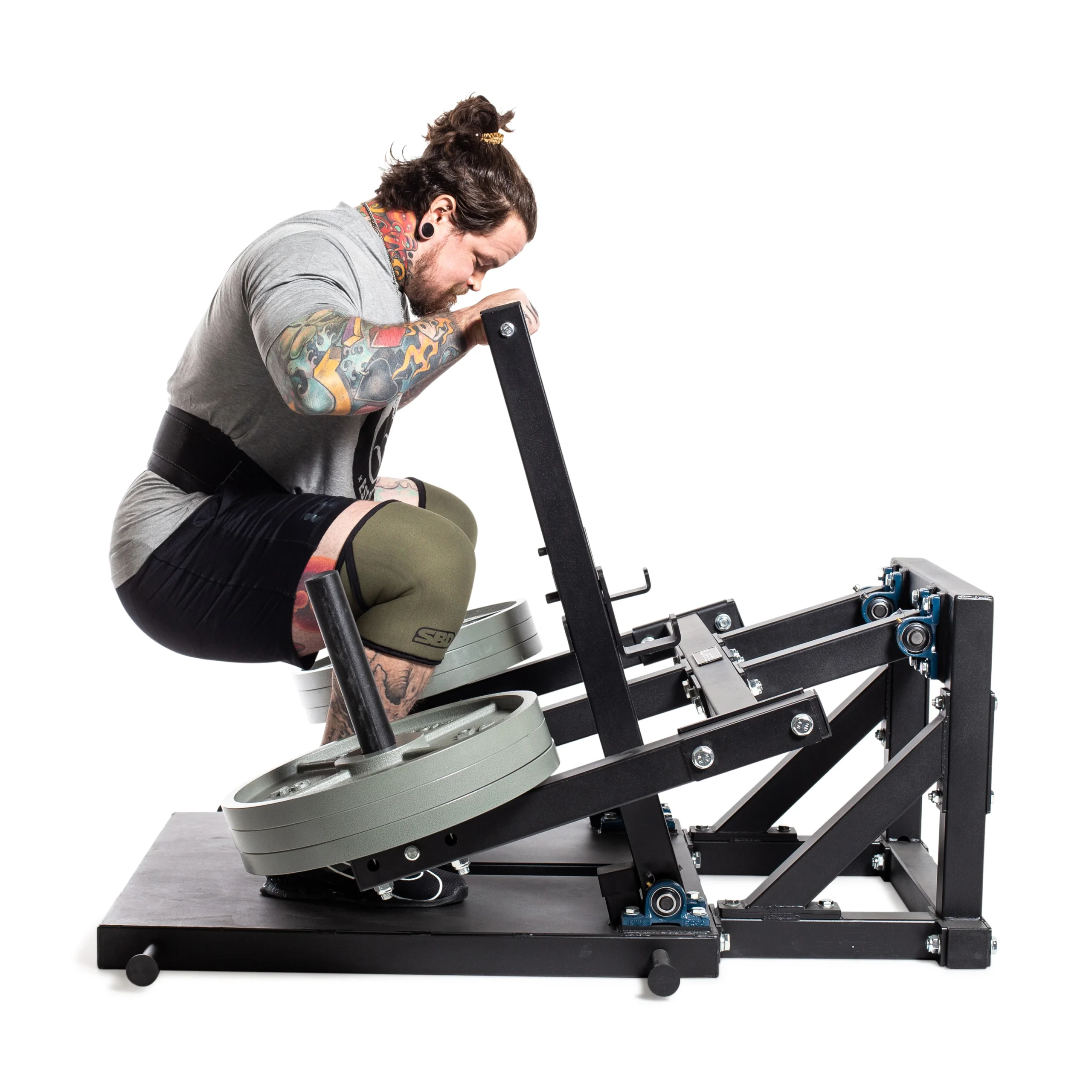
The important fit question is whether you can descend to your intended position while the resistance remains engaged. The machine offers thirteen height adjustments, yet full depth is not guaranteed for every lifter. Body proportions, belt placement and the connection length all influence the available movement.
Use a repeatable fitting sequence. Establish a comfortable unloaded squat first. Then fit the belt as directed, choose the starting setting and examine a slow descent with minimal resistance. Note whether the moving assembly reaches its stop, the belt becomes slack, or your position changes to accommodate the machine. These observations reveal different problems; adding weight does not identify which one you have.
Ask for a demonstration with someone of similar dimensions if you cannot try the unit yourself. A side view showing the belt connection, moving lever and entire foot position is more informative than a tightly cropped lifting clip. Give the seller your height and intended depth instead of asking only whether the machine suits tall lifters.
A raised standing surface changes several things together: the available travel, the step onto the machine and your relationship to the handles. Have the supplier confirm a supported arrangement before relying on that solution. A loose stack of convenient objects is a poor basis for a permanent training station.
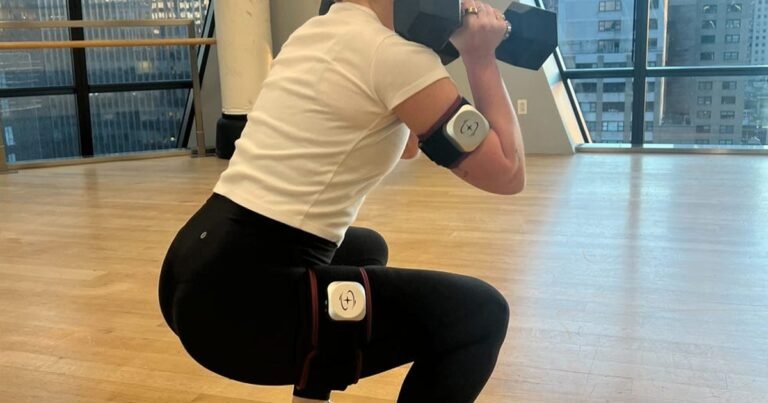
Separate the machine’s travel limit from your own movement. A familiar front-squat setup gives you another example of how position and depth need to work together. The goal here is a repeatable range you can control, not the deepest photograph you can imitate.
Draw the loading area as well as the footprint
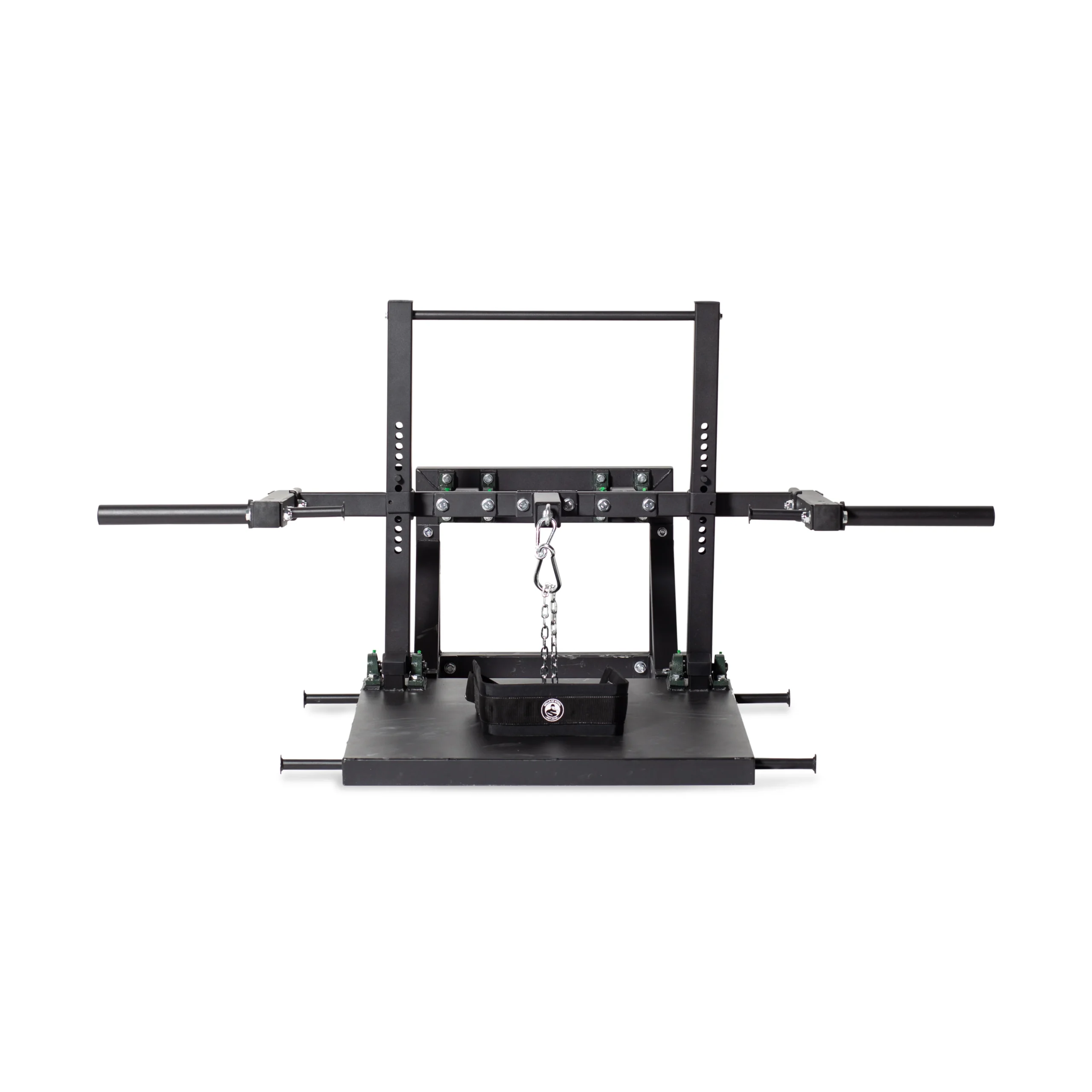
The listed footprint is 51 by 81 inches, reducing to 51 by 52.5 inches with the weight pegs mounted vertically. Those dimensions describe configurations of the machine. They do not include every movement you make while using it.
Mark out the appropriate rectangle on your floor, then walk through the entire session. Where will you stand to lift a plate from storage? Can you bring it onto the horn without turning sideways between two machines? Can another person pass without entering the loading area? Include the path you use to step onto and off the platform.
Use the plates you actually own for that rehearsal. A wide bumper and a thin iron plate ask for different loading and storage arrangements. Plate diameter also matters when you examine clearance through the full movement. Sleeve length alone cannot tell you how your particular plate collection will fit.
The published machine weight is 264 pounds. Plan delivery and assembly access before deciding where it will live: doorways, turns and the route through the room matter. Once assembled, a station that regularly needs moving may be less convenient than its compact configuration initially suggests.
For comparison shopping, distinguish equipment categories. A rack-mounted belt-squat attachment, a dedicated squat machine, a squat harness and a barbell setup each require their own supporting equipment. The selections below include alternative loading arrangements and useful plate options; they are not a list of included parts or a claim of compatibility with this machine.

Equipment Worth Exploring
Explore equipment, accessories and gear from our carefully selected range.


Belt Squat Collar
Heavy-duty collar adapter for compatible belt-squat and landmine bar setups.
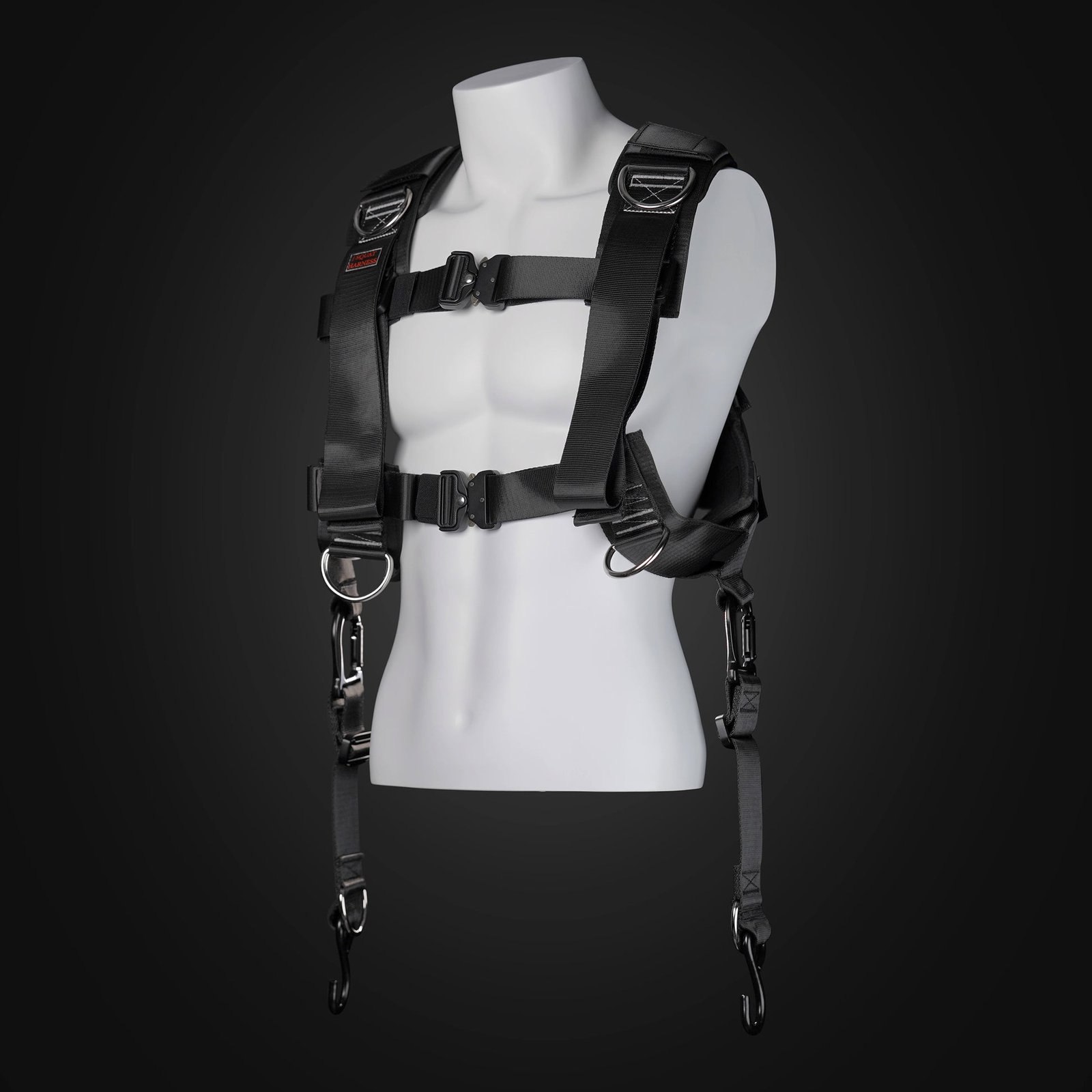
Squat Harness
Wearable harness for hands-free cable squats, sled work, and lower-body training.

Studio V-Squat
Plate-loaded V-squat machine for supported lower-body strength training.

Leg Press/Hack Squat BPR-790
Convertible 45-degree leg press and hack squat machine with a broad footplate and band pegs.


Competition Plates
Competition-style bumper plates for Olympic lifts and loaded strength training.

Grip Plates
Rubber-coated weight plates with handholds for loading barbells and machines.

Make the start, finish and adjustments easy to repeat
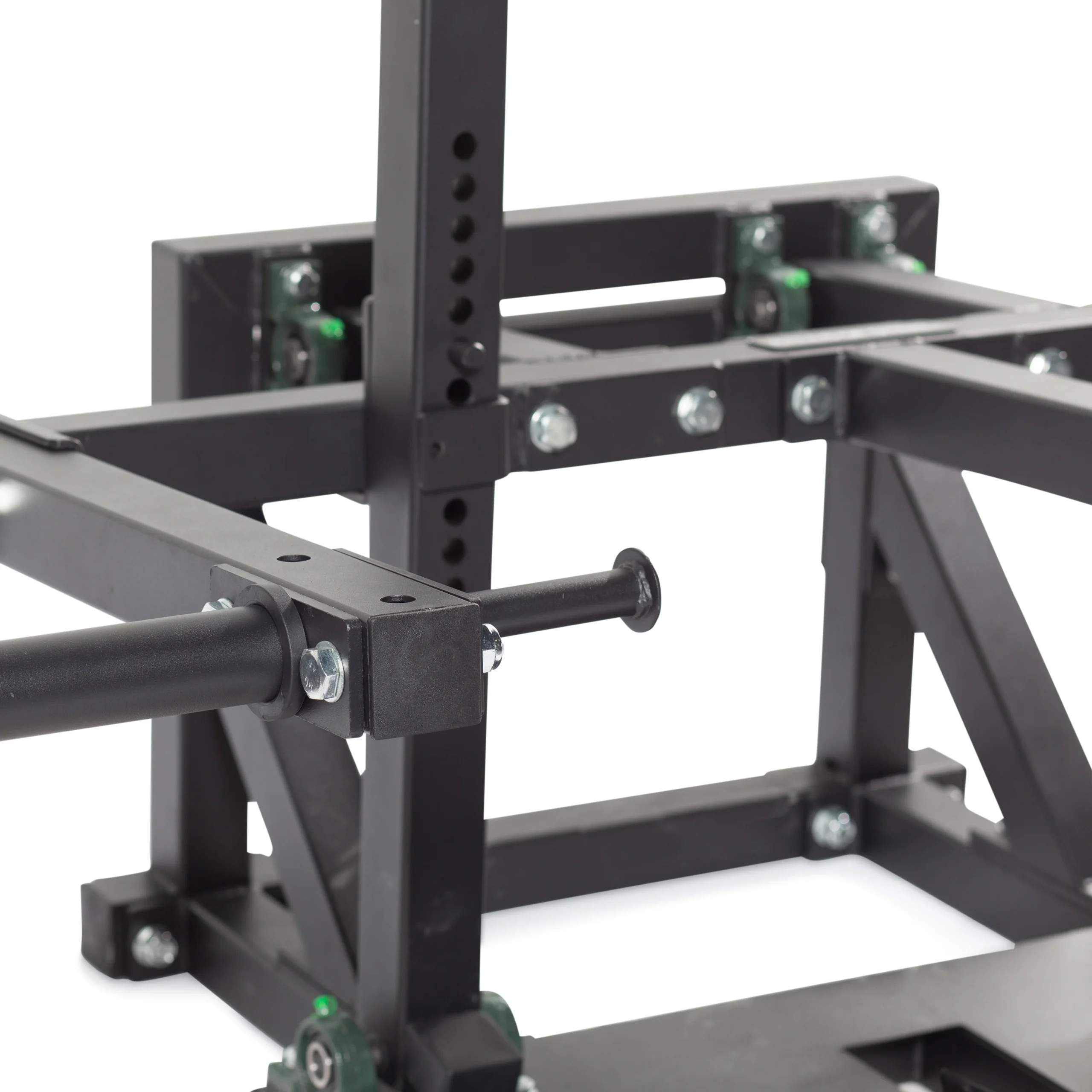
A useful training station needs a clear way to begin and end each set. Check where the belt and chain sit at rest, how you get into the working position, and how you return the mechanism to its support. Learn the manufacturer’s sequence with minimal resistance before making a loaded attempt.
Pay attention to your hands. Decide whether you use the handles lightly for balance or deliberately pull against them. Either choice changes the repetition you record. If you gradually use more arm assistance as a set becomes difficult, the same plate load no longer represents the same task.
Write down the belt connection and height setting once you find a workable combination. A quick setup note is especially helpful if someone else shares the machine. If you change a setting, check the full movement again rather than assuming yesterday’s clearance still applies.
Inspect the attachment points, fasteners and moving assembly as part of normal equipment care. Use the supplied instructions for assembly, adjustment and maintenance; a product photograph cannot establish that your own installation is correct. Keep the route to the platform clear while handling plates.
Finally, evaluate the changeover. Put away the plates, disconnect the belt and prepare the next exercise. If that process is awkward in your room, it deserves weight in the buying decision. An accessory can be small in storage yet inconvenient in a busy session. A permanent machine has to justify its position through regular use.
Judge progress within a consistent setup
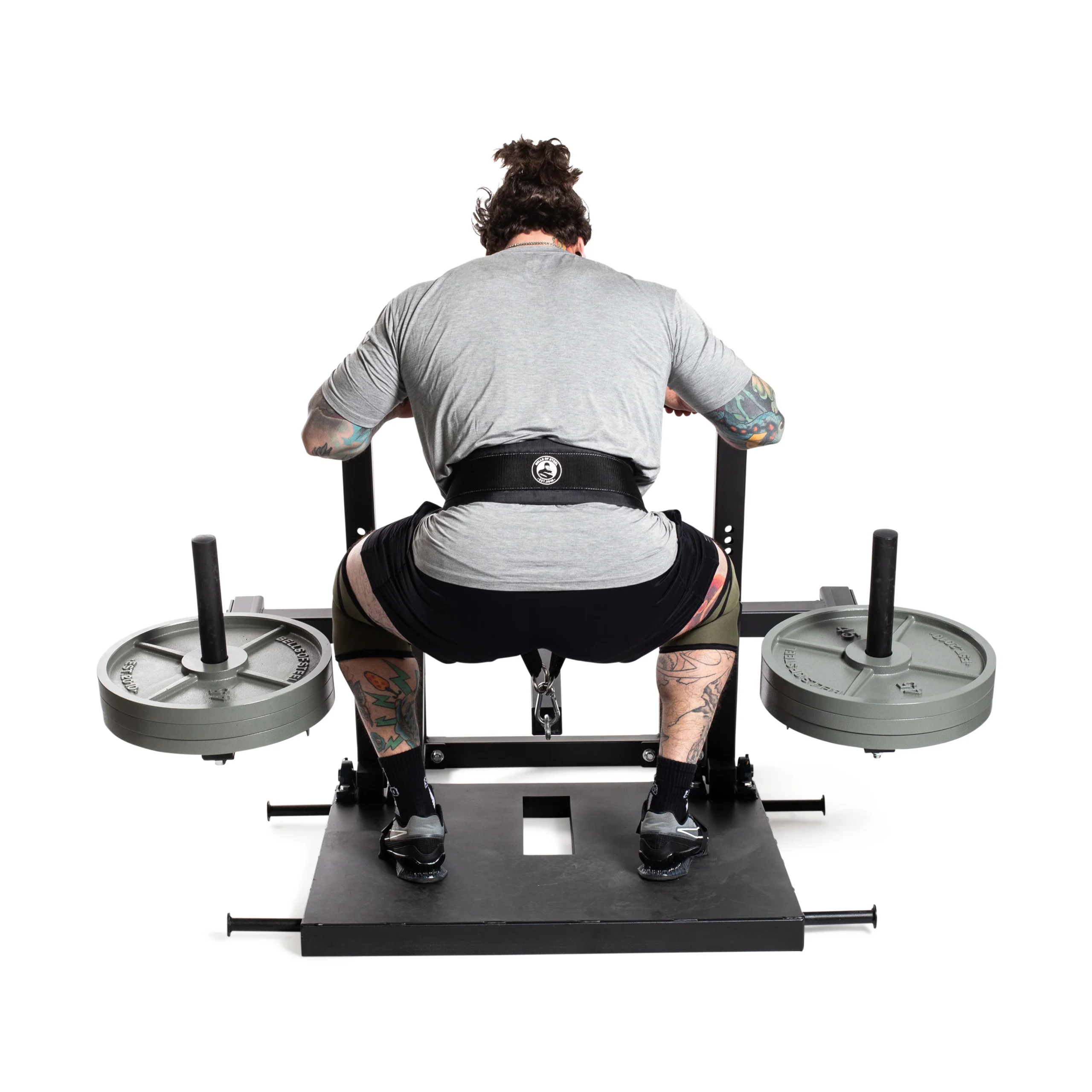
Your first sessions should establish a useful baseline. Keep the belt position, stance, depth and use of the handles consistent. Choose resistance that lets you complete deliberate repetitions without rushing to the top or collapsing into the bottom. Increase the challenge after that pattern is established.
Record plates and repetitions alongside the settings. For example, a note that includes the connection point and a depth reference helps you interpret the next session. A larger plate total accompanied by shallower repetitions is a different result from more repetitions through the same range.
Give the exercise a defined place in your week. It might replace a lower-body movement that no longer suits your setup or provide additional squat work after a primary lift. Avoid simply adding hard sets without considering the leg training already in the program. The machine changes the loading arrangement; it does not remove the need to account for fatigue.
Before ordering, answer five practical questions: Can you reach your intended depth? Can you start and finish comfortably? Can you load your own plates? Does the complete working area fit? Will you use it often enough to justify a dedicated station?
If those answers are clear, the Bells of Steel machine becomes a concrete option to compare. If fit remains uncertain, resolve it with a demonstration and measurements first. The most valuable specification is the one that helps you build a training session you can repeat.

Leg Day Shirts & Workout Gear
Leg-day gym shirts and workout gear for lifters who never skip squats, lunges and lower-body punishment.

Legday Gains – Squats & Deadlifts , Top Gymbros & T-Shirt
Heavy lifts, good laughs, and a little “Legday Gains” energy.

Never Skip Leg Day Chicken Legs Meme Sweater & Bros T-Shirt
Show some gym-day personality with “Never Skip Leg Day”.

Leg Day Is Calling You Squats & Deadlifts Meme Hoodie
Stay casual and show some leg-day attitude with “Leg Day Is Calling You”.

Negative Leg Day Review 1 Star Not Recommended Tank Top
Train hard, laugh a little, and rep “Negative Leg Day Review”.


Legendary Leg Day – Squat Meme Decal for Gym Bottles & Sticker
Put “Legendary Leg Day” gym humor on your laptop, bottle, or gym gear.

Squats R Us Shirt – Leg Day Gains & T-Shirt
Heavy lifts, good laughs, and a little “Squats R Us” energy.

My Leg Hurts Leg Day Sweater & Squat Meme Lovers T-Shirt
Keep things casual with a little “My Leg Hurts” attitude.

Quadzilla Massive Quads Leg Day Squatting Meme Tank Top
Train hard, laugh a little, and rep “Quadzilla”.

Heavy Metal Skeleton Squat for Powerlifters, Bodybuilde Hoodie
Show off your metalhead humor in a laid-back “Heavy Metal Skeleton Squat” hoodie.