Advertising disclosure: This page includes affiliate product links that may earn us a commission, as well as products from our own store.
Kelsey McCarthy did not need an enormous personal-best leap to make history in Istanbul. On November 13, 2026, the American powerlifter completed a 655kg equipped total in the women’s 69kg class, winning another world title and setting a world record. The result came from three separately judged lifts, each with its own technical demands and opportunities to lose precious kilograms.
The revealing number is not just 655. Her total improved by 2.5kg from the previous year’s world championship, even though one lift stayed level and another went down. Understanding that arithmetic tells us more about competitive strength than pretending every successful season produces spectacular jumps across the board. Here is what the result shows—and what it cannot tell us about her private training.
The three lifts behind the 655kg world record
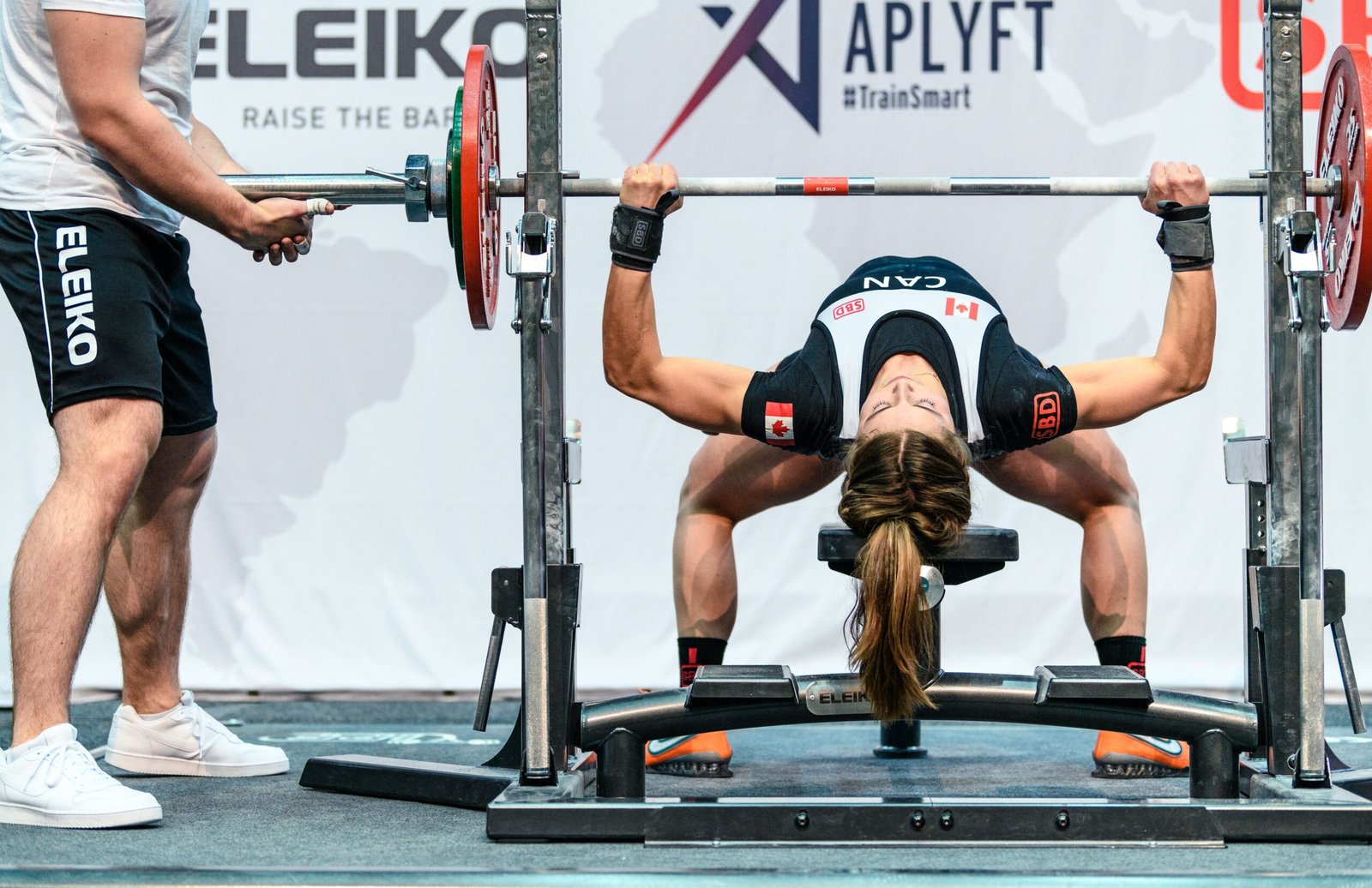
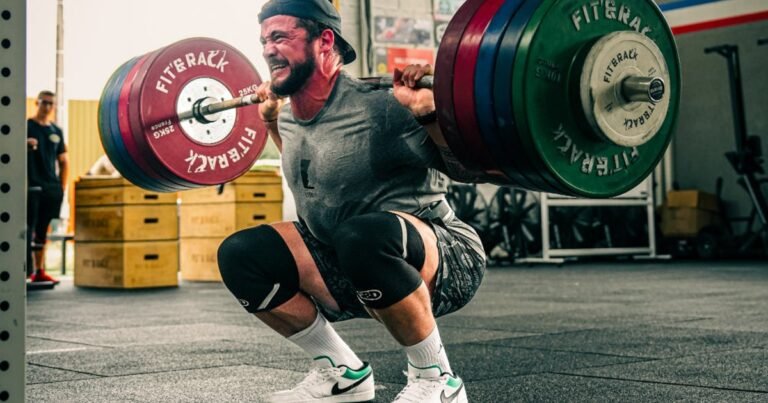
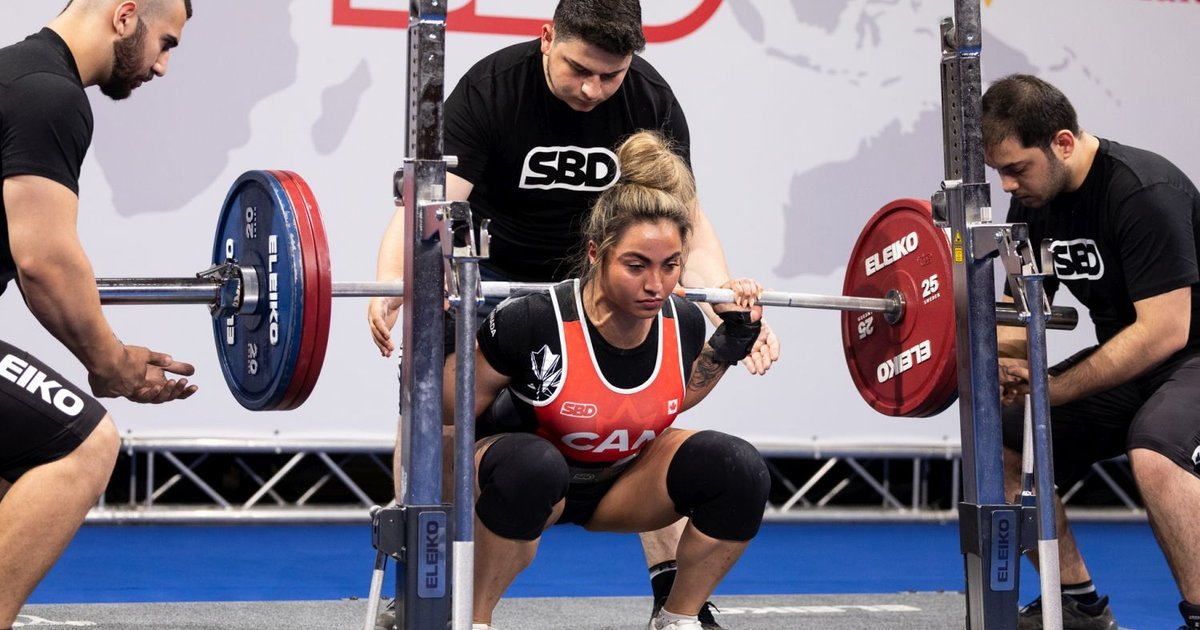
At the 2026 IPF World Open Equipped Powerlifting Championships, McCarthy won the 69kg class with a 252.5kg squat, 175kg bench press and 227.5kg deadlift. Those successful best lifts add up to 655kg. Her competition bodyweight was recorded as 67.5kg, within the class limit. The championship’s world-record total is for women’s Open equipped powerlifting, not for every lifting format.
McCarthy produced the highest squat, bench and deadlift in her class. That matters because an athlete may be exceptional at one discipline yet lose the overall competition when the three lifts are combined. Runner-up Aurora Gutuen Aaser totaled 577.5kg, while Lisa Schlagbauer earned bronze at 567.5kg. McCarthy’s advantage was not simply the outcome of one lucky attempt.
The win was her seventh Open equipped world championship and fifth title in succession. She also earned the event’s women’s Open best-lifter award, which uses a bodyweight-adjusted scoring formula. It is a separate recognition from the heaviest absolute total at the championship. Avoid collapsing these distinctions into a single unsupported claim that she lifts more than every other athlete.
Those numbers were produced under competition rules and with equipment allowed in that division. They should not be stripped of their context and compared uncritically with a raw lifter’s training video. The impressive aspect is that the heavy work was completed in the exact category and format where it counted.
How the total improved by just 2.5kg since 2025
Compare her two consecutive equipped world-championship performances. In 2025, McCarthy completed 252.5kg in the squat, 177.5kg on the bench and 222.5kg in the deadlift, totaling 652.5kg. In Istanbul, the squat remained 252.5kg; the bench dropped 2.5kg to 175kg; and the deadlift improved 5kg to 227.5kg. The result: a net increase of 2.5kg and a new total record.
At an elite level, progress often does not resemble a beginner adding weight to each lift every week. Individual performance on a meet day can vary with preparation, accumulated fatigue, judging, bodyweight and the specific attempts chosen. Those are possible influences in competitive lifting generally. The published result does not establish which, if any, explains McCarthy’s particular bench or deadlift changes.
Think of a three-lift total as a portfolio. One event may be especially strong while another merely holds the line. Protecting a productive squat, banking a legal bench and finding extra kilograms in the deadlift can still advance the overall record. Conversely, gaining a large amount on one lift may not improve the total if a second lift deteriorates by more.
A recreational powerlifter can use the same arithmetic without mimicking an elite athlete’s weights. Record the best valid squat, bench and deadlift together, then review which discipline limits your progress. If the squat improves while the bench stalls, that information should influence the next training block. An overall performance trend is more useful than a single exciting clip.

Equipment Worth Exploring
Explore equipment, accessories and gear from our carefully selected range.


Competition Plates
Competition-style bumper plates for Olympic lifts and loaded strength training.

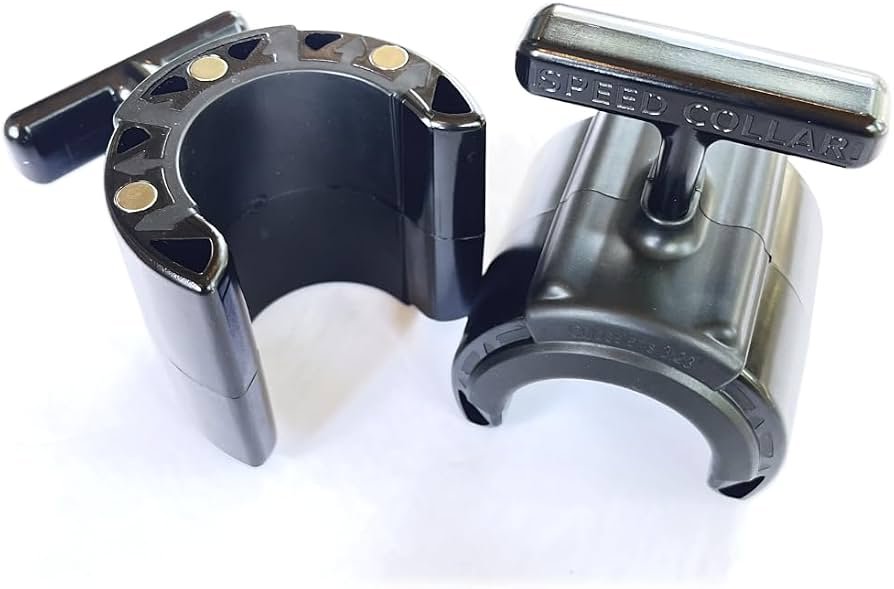
Speed Collar
Quick-release collars designed to secure weight plates on standard two-inch Olympic bars.


Foldable Wall Rack
Wall-mounted folding squat rack designed to save floor space between workouts.

Safety Squat Handles
Barbell squat handles that reduce shoulder positioning demands during high-bar squats.

GymPin Squat Wedges
Non-slip 15-degree squat wedges help elevate the heels for deeper quad-focused squats.
Why equipped lifting is not interchangeable with raw
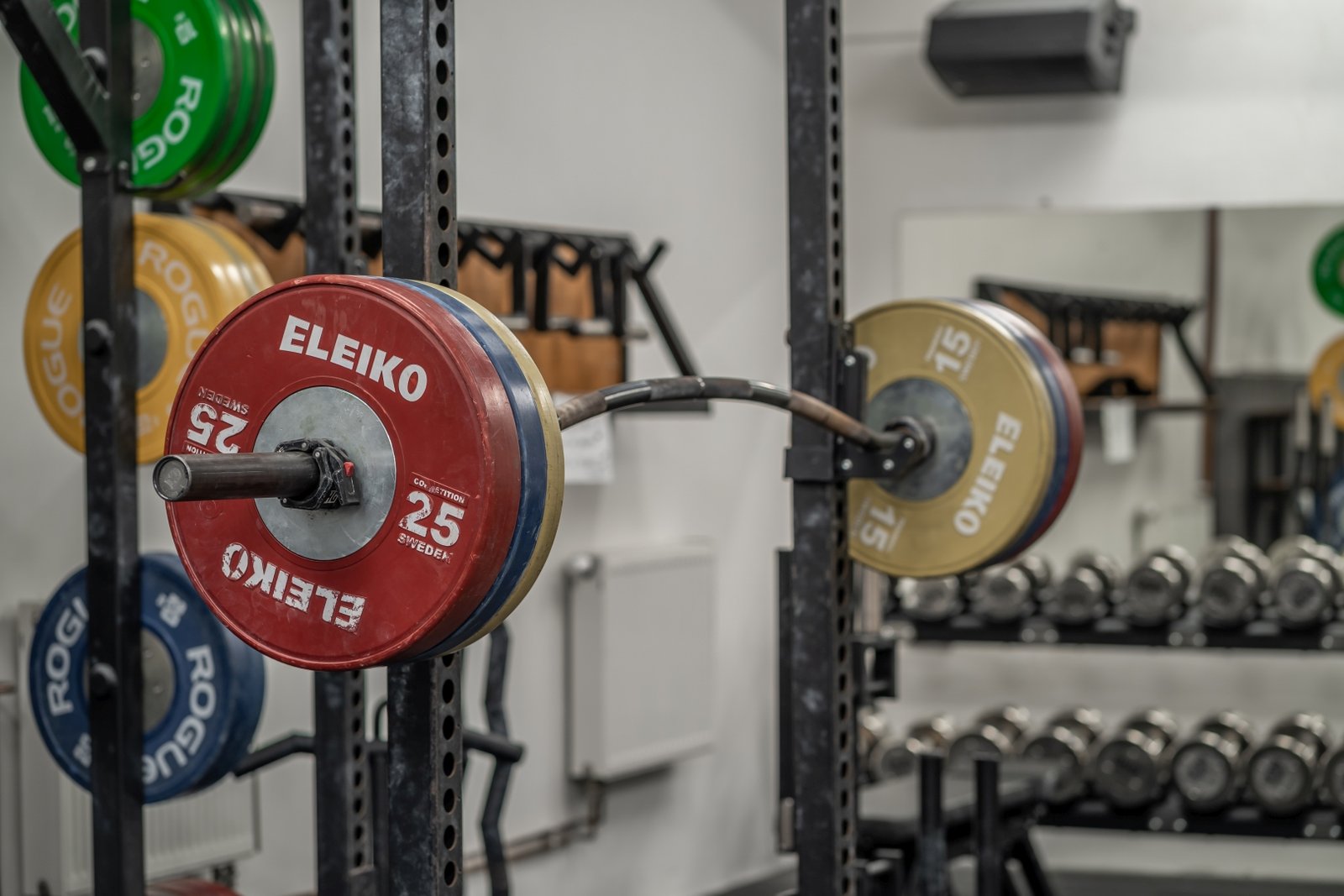
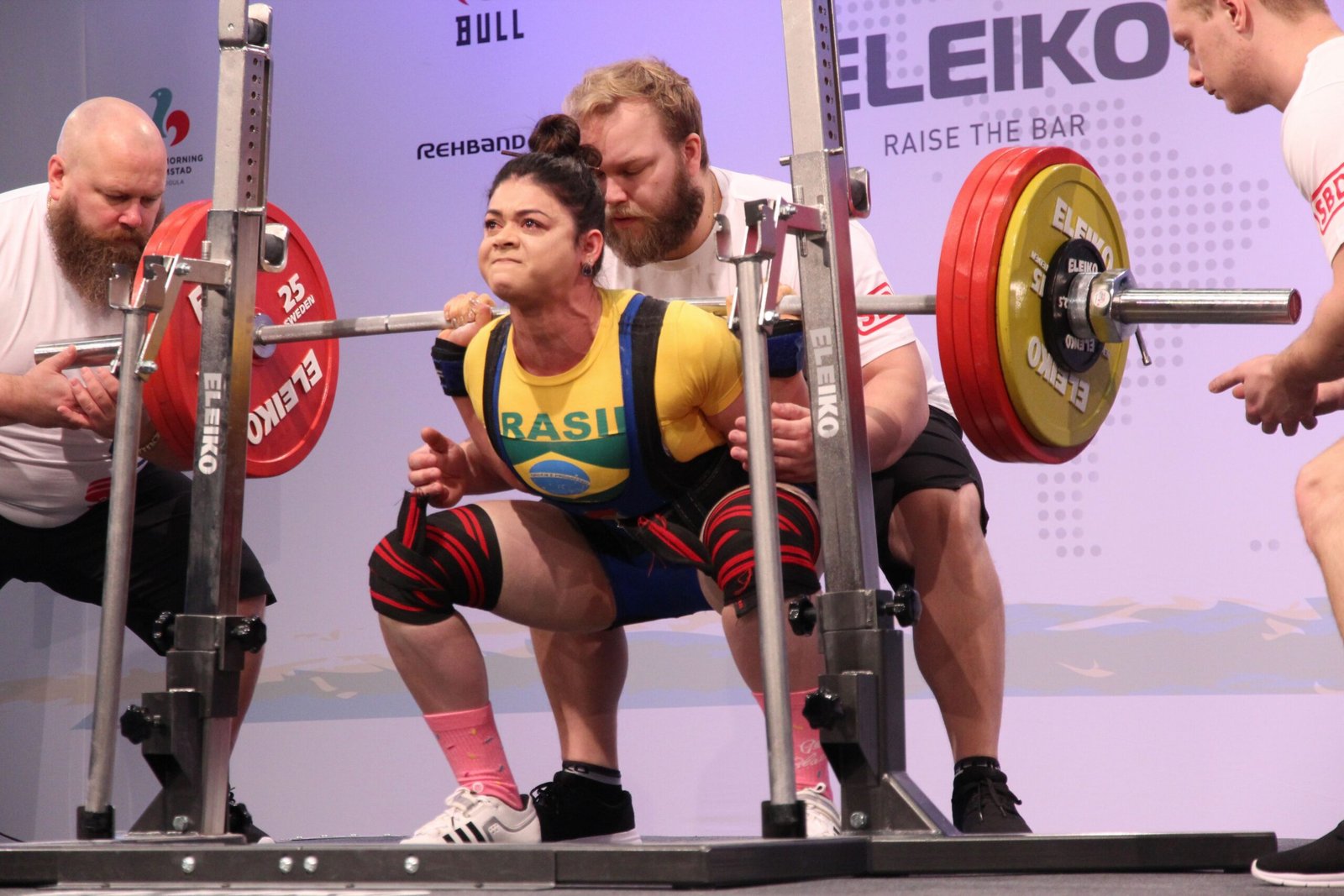
Equipped powerlifting is a specialized competitive format. Under its rules, approved supportive garments can be used alongside other permitted equipment, with single-ply suits or shirts and knee wraps altering how the athlete handles the movement. That is not the same as raw lifting with a belt. The equipment changes the mechanics and requires its own experience, preparation and positioning.
In the squat, a supportive suit and wraps can affect how depth is approached and how force is expressed through the bottom of the lift. Bench shirts change the feeling of the descent and bar path, demanding careful technique. A deadlift suit creates its own setup challenges. None of this means equipment completes a legal lift on its own; strength, control, commands and judgment still decide the outcome.
That difference is why equipped and raw records belong in separate columns. A 655kg equipped total cannot be inserted into a raw ranking and treated as if the athletes followed identical equipment restrictions. A bench-only result is also not interchangeable with a full powerlifting total. McCarthy’s result is exceptional within the precise rules of the event, and accurate labels preserve what made it exceptional.
Training transfer does exist. Hip and leg strength matter to the squat; pressing strength and a stable upper back matter to benching; posterior-chain strength matters in deadlifts. But an athlete new to equipped lifting should not buy a tight shirt or suit and expect world-class numbers immediately. Proper coaching and extensive practice with federation-approved gear are essential to learning the format safely.

Powerlifting Shirts & Lifting Gear
Powerlifting shirts and gym gear for squat, bench and deadlift lifters who live for heavy numbers.

The Powerlift Girls – Gym Girl Superhero Cartoon Pullov T-Shirt
For laid-back days and superhero humor: “The Powerlift Girls”.

Meme : Barbell Meets Barbie Top & Gymbros T-Shirt
Make gym days more fun with “: Barbell Meets Barbie” style.

Meme – Shhh I'm Doing Math Plate Math Weightlifting T-Shirt
Heavy lifts, good laughs, and a little “Shhh I'm Doing Math Plate Math” energy.

Bending Bars Meme – Barbell Squat Bench Deadlift, & T-Shirt
Heavy lifts, good laughs, and a little “Bending Bars Gym Meme” energy.

Motivation – Barbell Meme Strong , Leg Day Squats & T-Shirt
Make gym days more fun with “Gym Motivation” style.


Red Thin Line Barbell Flag | Patriotic Gym for Firefigh Hoodie
Keep it laid-back with a little “Red Thin Line Barbell Flag” attitude.

Thin Grey Line Barbell Flag Muscle | Patriotic Gym Vest Tank Top
Add some lifting attitude to training with “Thin Grey Line Barbell Flag”.

Thin Blue Line Barbell Flag Decal | Patriotic Police & Sticker
Put “Thin Blue Line Barbell Flag” gym humor on your laptop, bottle, or gym gear.
White lights matter more than hypothetical strength
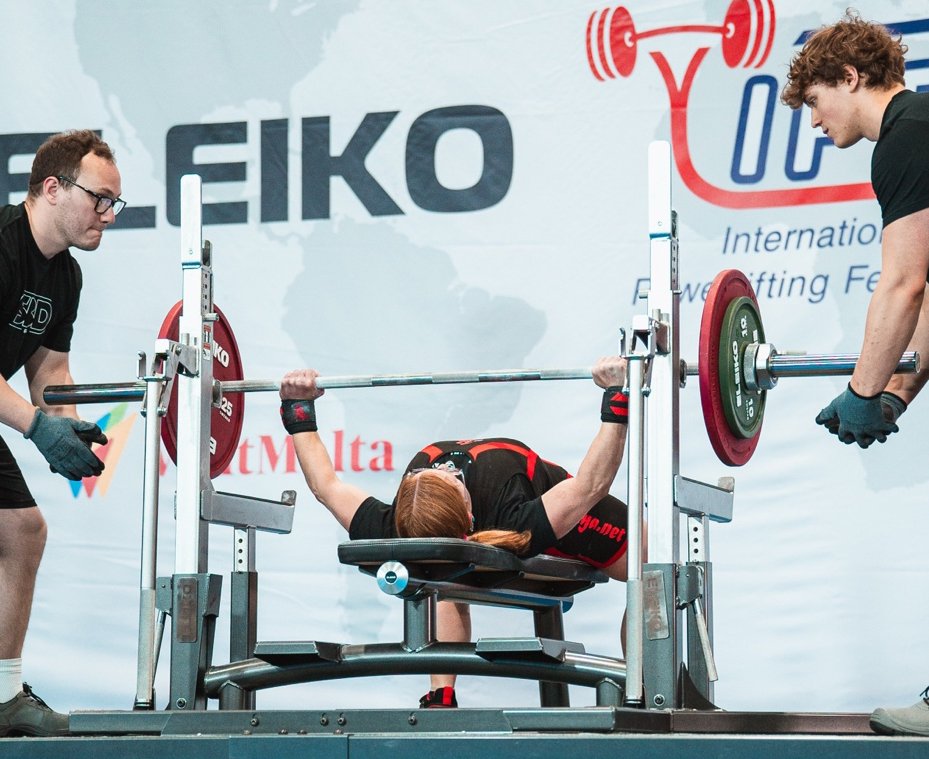
Powerlifting results depend on legal attempts, not merely what an athlete can move once in a gym. In competition, squat, bench and deadlift have prescribed standards and commands. An attempt that does not pass judging contributes nothing to the total, no matter how impressive the bar movement looks from the audience. This is why technical consistency and attempt strategy deserve attention alongside maximal strength.
A squat requires adequate depth and control; a bench press must meet the prescribed pauses and commands; and a deadlift must reach a legal finish before the athlete lowers the bar on instruction. Rules evolve, so competitors need to know the current standards of their federation rather than applying an internet commenter’s guess. Judges review the legal lift, not the athlete’s reputation.
Choosing attempts creates a separate tactical problem. Taking a modest opener helps establish a number. A heavier second or third attempt can advance the total or placings, but a miss cannot be counted. That balance is especially important at a world championship, where tiny differences matter. The official results prove McCarthy delivered a successful aggregate; they do not reveal or justify an invented story about private coaching decisions backstage.
For an ordinary lifter, practise with competition commands before the meet rather than treating them as a surprise. Use a competent spotter, set safeties correctly and film lifts from an angle useful for checking technique. A clean personal best that would likely receive white lights is a better benchmark than a gym lift that skips depth, pauses or control.
Equipment Worth Exploring
Explore equipment, accessories and gear from our carefully selected range.

FID Bench MAX
Adjustable bench offering flat, incline, and decline positions + adjustable headrest.



Open Hex Bar
Open-frame trap bar with multiple handles for deadlifts, carries, and lower-body training.


Leather Wrist Grips
Padded leather lifting grips help support the hands and wrists on heavy pulling exercises.

Leather Lifting Straps
Padded leather straps support grip during heavy rows, deadlifts and pulling exercises.

Rubber Hex Dumbbells
Rubber-coated hex dumbbell pairs with a stable shape for home and commercial strength training.


Grip Plates
Rubber-coated weight plates with handholds for loading barbells and machines.
Five training takeaways without copying her program
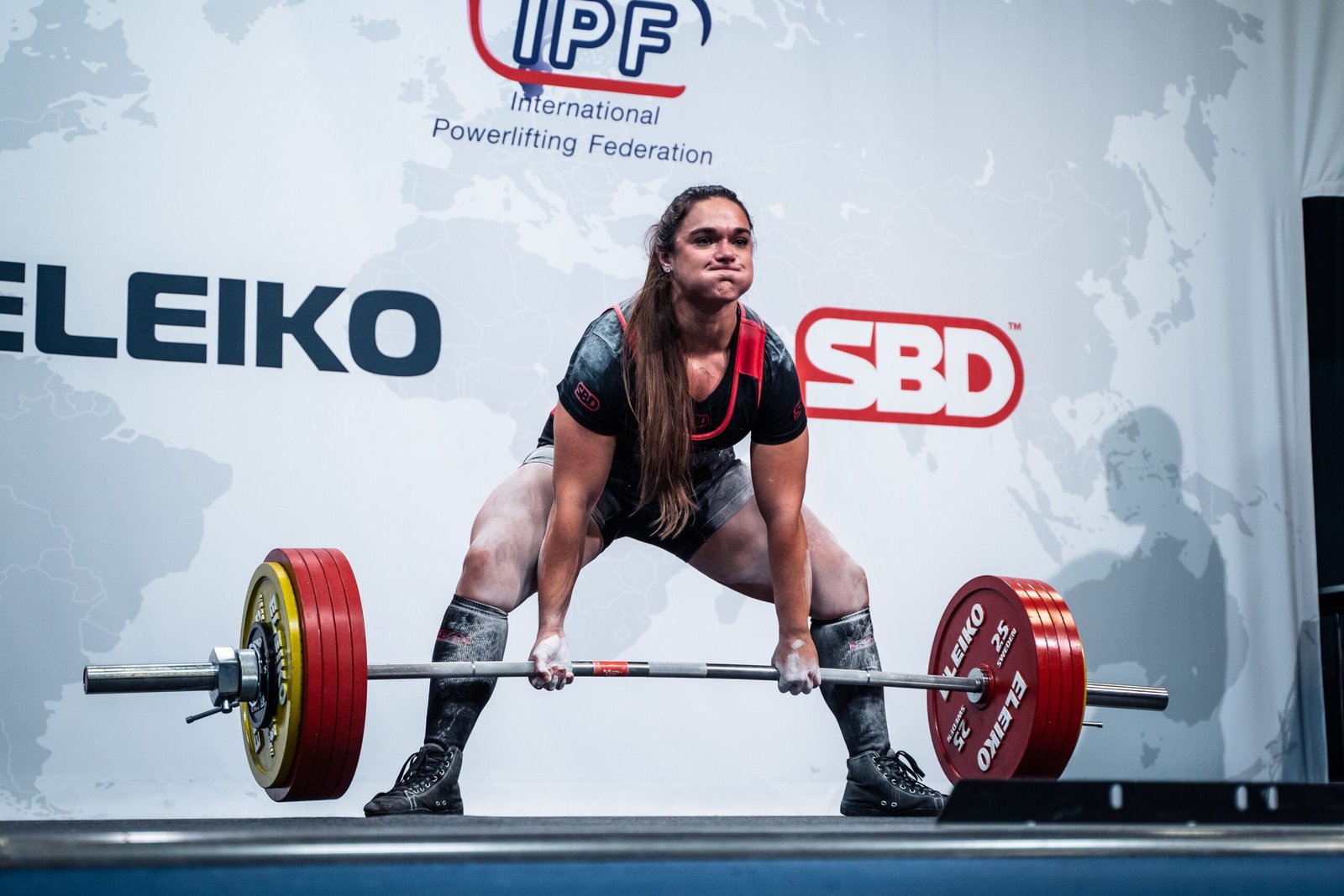
There are several useful lessons without pretending to know or replicate McCarthy’s training split. First, define the goal. A world record belongs to an exceptional specialist; your next meaningful step could be a consistently controlled squat, a first sanctioned meet, or adding 2.5kg to one lift after a well-managed block. The numbers differ, but the value of honest measurement does not.
Second, track the total as well as the individual lifts. A lifter who deadlifts to exhaustion just before heavy squatting may record separate impressive efforts while harming overall readiness. Arrange demanding work across the week to maintain quality. If bench performance falls when upper-body fatigue increases, respond with sensible adjustments instead of assuming motivation is the problem.
Third, respect small plates. A 2.5kg improvement can matter at the highest level, and it can be exactly the right increase for an intermediate lifter. There is no benefit in forcing a much larger jump if it changes a repeatable lift into an uncontrolled miss. Progression should match the athlete’s current capacity, not the desire for a dramatic number.
Fourth, use repeatable standards. Keep a reliable setup, appropriate safeties and a consistent way to judge your repetitions. A camera can reveal useful technical differences, but perspective can hide squat depth or bar movement. Experienced feedback is valuable when preparing for strict judging. Fifth, match equipment to your actual competition plans. A sound rack, barbell, suitable plates and stable bench cover much recreational training. Supportive competition suits and shirts belong to a specialized coached progression, not a shortcut to McCarthy’s total.
McCarthy’s Istanbul result is a reminder that world-level strength is expressed through precise, rule-bound lifts. The 655kg headline is extraordinary, but the small year-over-year change provides the more approachable lesson: sustained excellence depends on adding up what really counts.