Advertising disclosure: This page includes affiliate product links that may earn us a commission, as well as products from our own store.
Caffeine doesn’t always need to be swallowed to produce an exercise response. But swishing and spitting a caffeine solution appears to offer a far narrower benefit than an all-purpose boost at the gym. Here is what a broader evidence review found, and how to decide whether a tiny endurance edge is relevant to your training.
What a caffeine mouth rinse actually is
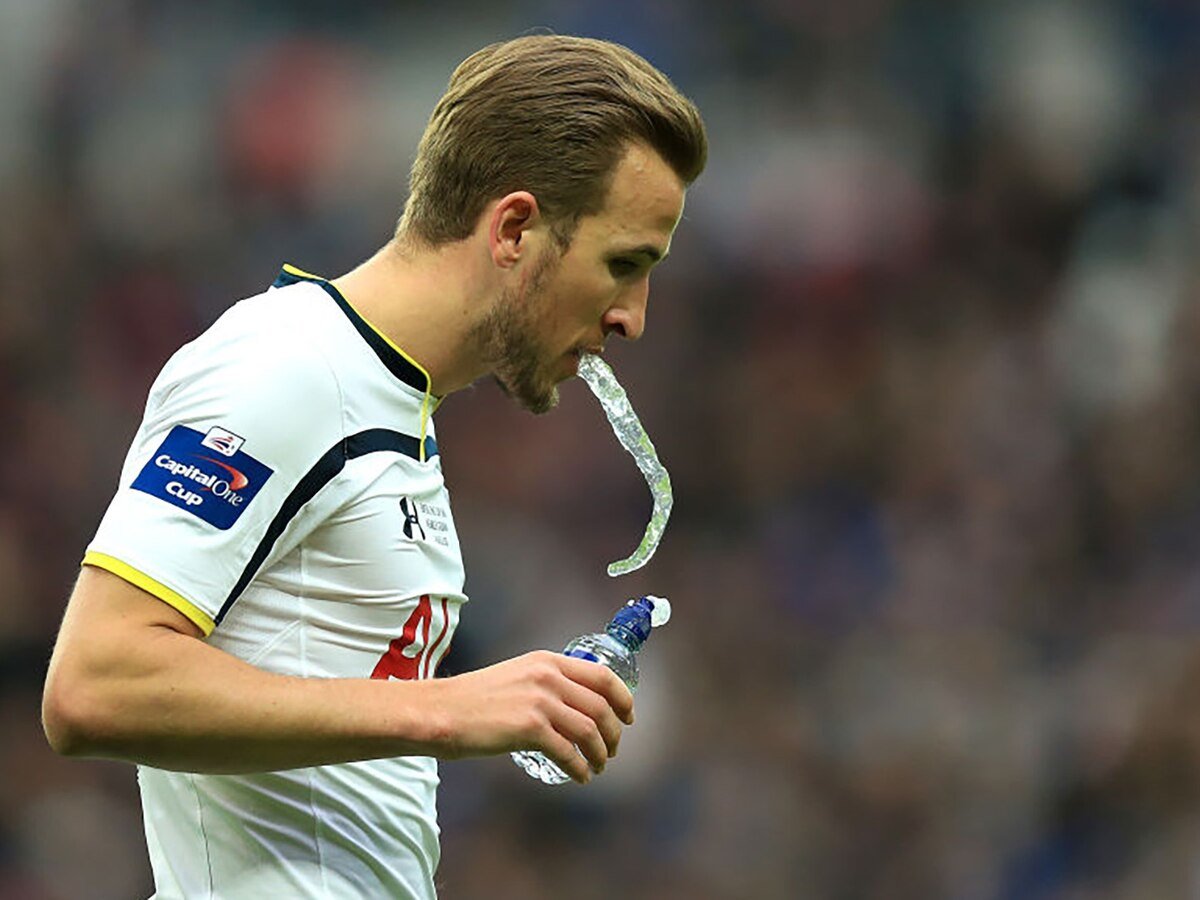
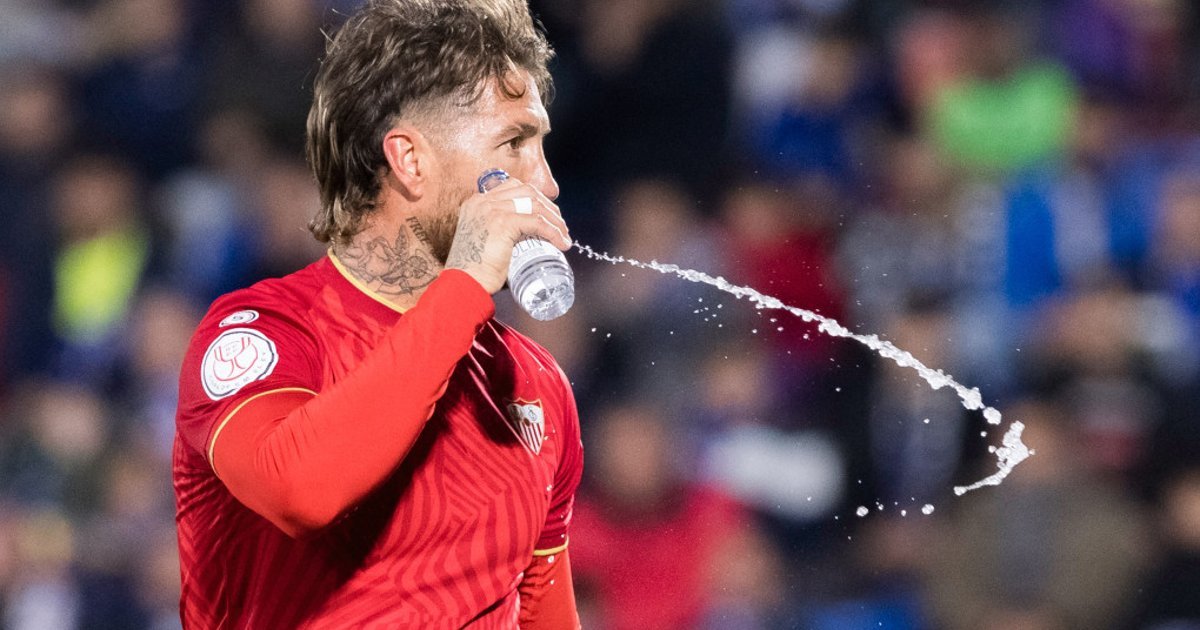
Most lifters think of caffeine as something to drink: coffee, an energy drink or a measured dose before the session. A caffeine mouth rinse is a different intervention. The participant briefly swishes a caffeine-containing solution and spits it out rather than deliberately swallowing it. Researchers are investigating whether contact with sensors in the mouth can change perceived effort or task performance without relying on the usual absorbed dose.
That distinction is essential. An oral rinse is not simply a swallowed energy drink with a different delivery method. Nor does a photograph of an athlete spitting water prove the drink contained caffeine. Plain water, carbohydrate solutions and caffeine rinses are different experimental conditions. The ingredient, dose, contact time, control solution and task need to be identified before two studies are comparable.
There is a plausible sensory explanation for a small effect, but plausible does not mean demonstrated for every activity. Perceived effort, pacing and expectation could matter more in a sustained task than in a maximum one-repetition lift. The participants’ usual caffeine habits, whether they recently ate, and whether they can taste the difference between conditions could also influence a result. A well-controlled comparison is more useful than an enthusiastic account of a workout that happened to feel great.
The sensible question is specific: does this procedure reliably change a measurable outcome that matters to your training? It is not a substitute for a productive workout program or adequate recovery, and it should not be marketed as equivalent to ingesting caffeine. Consider it a narrow performance experiment until a larger, more consistent practical effect is established.
What the pooled findings actually show
A 2026 synthesis combined 31 studies with 167 effect estimates across exercise and cognitive outcomes. For exercise comparisons overall, the average effect was small, around Hedges’ g = 0.12. Aerobic-related outcomes showed a somewhat stronger but still modest signal, around g = 0.21. These are standardized effect sizes, not percentages: a g value of 0.21 does not mean a runner is 21 percent faster.
This is promising enough to study further, not a reason to promise a better race time after every rinse. Small average effects can coexist with sessions in which nothing happens, individual responses that vary and measurement noise greater than the effect itself. Weather, pacing, sleep, motivation and accumulated training fatigue all influence conditioning outcomes. A competitive athlete who needs a marginal edge may care more about a repeatable tiny advantage than a casual gymgoer who has barely standardized their intervals.
The same synthesis did not show a dependable across-the-board improvement in maximal strength, power or muscular endurance. Results for cognitive tests were also inconclusive. The apparent aerobic signal should therefore not be transformed into claims about larger muscles or sharper concentration. Swallowed caffeine has its own research base, but findings for actual ingestion cannot simply be copied across to a rinse-and-spit protocol.
The count of 167 estimates is not a count of 167 independent trials. One study can report multiple endpoints, exposure conditions or measurement times; several estimates may come from the same participants. For any evidence synthesis, look at how outcomes were grouped, how much they differed from one another, and whether the conclusions are robust across study designs. Here, task specificity is arguably the most informative result.

Bodybuilding Shirts & Workout Gear
Bodybuilding shirts, tanks and gym gear for lifters chasing muscle, size, symmetry and the pump.

Caffeine Gym Cosmic Graphic , Coffee Workout T-Shirt
Make gym days more fun with “Caffeine” style.

Pre-Workout Gym Cosmic Graphic , Caffeine Workout Hoodie
Show off your powerlifting humor in a laid-back “Pre-Workout” hoodie.
Coffee and Weights Retro Cartoon Graphic for Coffee-Lov T-Shirt
A t-shirt featuring the Coffee and Weights Retro Cartoon Graphic for Coffee-Loving Lifters artwork, bringing lifting-inspired humor and distinctive gym graphics to your everyday gear.

Caffeine Skull Coffee Gym Vest Hardcore Energy Muscle S Tank Top
Bring “Caffeine Skull” humor to your next lifting session.

Coffee and Weights for Caffeine Lovers, Lifters and Har T-Shirt
Show some gym-day personality with “Coffee and Weights”.

Matcha and Weights for Matcha Lovers, Bodybuilders and Hoodie
Show off your lifting humor in a laid-back “Matcha and Weights” hoodie.

Coffee Shots & Heavy Squats for Caffeine Fueled Lifting T-Shirt
For laid-back days and leg-day humor: “Coffee Shots & Heavy Squats”.

Caffeine & Weights for Coffee Lovers, Lifting Motivatio Sticker
Put “Caffeine & Weights” gym humor on your laptop, bottle, or gym gear.

Spit Preworkout In My Mouth Pre- Meme Hooded Gains Hoodie
Stay casual and show some lifting attitude with “Spit Preworkout In My Mouth”.

Pre-Workout Skull Hardcore Crewneck for Bodybuilding an T-Shirt
Show some gym-day personality with “Pre-Workout Skull”.
Why endurance tests and heavy lifting disagree
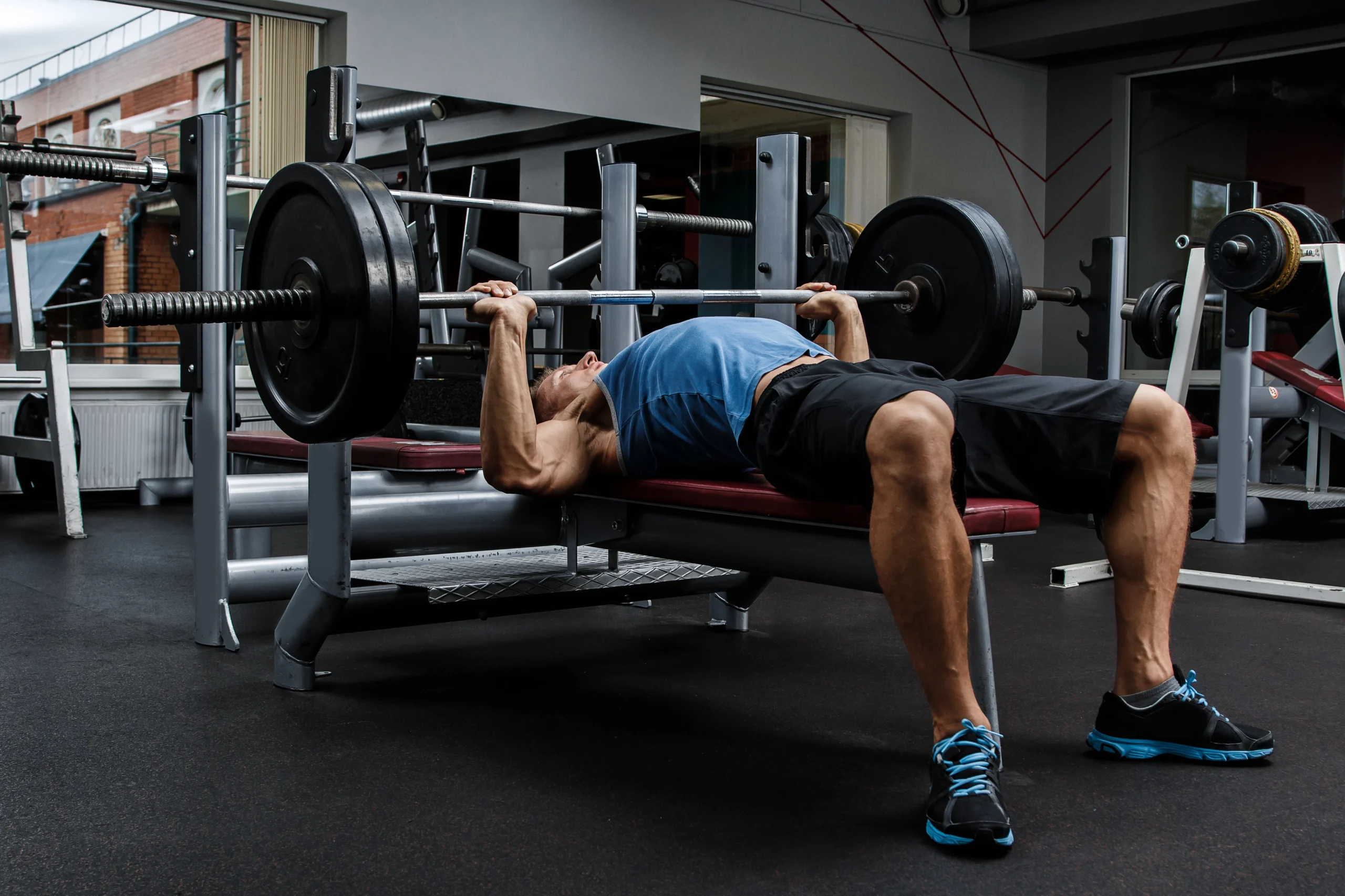
Think about a hard cycling test and a one-rep-max bench press. A sustained test demands pacing, tolerance of effort and enough consistency to preserve output over minutes. A heavy single depends on bracing, technique, maximal force, an efficient attempt and the ability to express strength at one moment. An oral cue that subtly changes perceived effort might influence the first without altering the second.
Some experiments on resistance tasks have reported changes in particular rep-based outcomes while other conditions showed little or no benefit. Such a finding is not the same as increased maximal strength, and it is not necessarily generalizable to every person or lift. Taking an isolated positive comparison and describing it as proof that mouth rinsing builds muscle would overstate the data.
Hypertrophy requires sufficient meaningful training over time, suitable nutrition and recovery. A single session that feels easier does not establish a longer-term change in muscle growth. If a lifter wants to assess a useful ergogenic intervention, they should first decide whether the desired outcome is strength, repetitions at a standardized load, time to complete intervals or subjective effort. Mixing all four into a single ‘performance’ claim makes the interpretation impossible.
For practical strength work, compare like with like. Note the bar load, range of motion, rest periods, lifting tempo and how close sets came to failure. A cleaner training log is a far more reliable guide to progression than calling every unusually good bench day a supplement success. The mouth-rinse signal is most interesting where the pooled research is strongest: certain aerobic outcomes, with restrained expectations about magnitude.

Equipment Worth Exploring
Explore equipment, accessories and gear from our carefully selected range.



FID Bench MAX
Adjustable bench offering flat, incline, and decline positions + adjustable headrest.

Rubber Hex Dumbbells
Rubber-coated hex dumbbell pairs with a stable shape for home and commercial strength training.


Multi Bench MBX-650 2.0
Adjustable multi-bench with roller adjustment, 15 backrest positions and accessory mounts.

VOLTRA
Compact digital cable trainer with smooth, adjustable resistance.

Rinse duration, food and dose: useful clues with limits
Researchers have explored whether short contact time, the presence of a meal or repeat exposures change the response. Some subgroup comparisons point to an effect after rinses lasting about five seconds. Other patterns suggest that fed and fasted conditions may differ. These observations sound like instructions, but they are not necessarily direct experiments designed to isolate only one variable.
A five-second protocol and a longer protocol may come from different research teams, sports and participant populations. If the five-second studies happened to use more fatigue-sensitive tests, the comparison could partly reflect the test rather than rinse length. Feeding status may also travel with differences in timing, intensity and the caffeine concentrations chosen. An apparent pattern across studies cannot automatically establish the best individual recipe.
Dose is another area where precision matters. An exploratory relationship may appear when several concentrations are plotted together, then weaken when an unusual result is excluded. More concentrated is not necessarily better. Additional rinses are not necessarily better. There is no strong basis for turning these descriptive patterns into a complicated, aggressive pre-workout routine.
The key standard is reproducibility. For your preferred test, does a safe and clearly defined rinse outperform an appropriately matched control on multiple occasions? Are the comparisons fairly blinded? Can you still see the difference when sleep and training load are similar? If you cannot answer those questions, a subjective increase in ‘readiness’ belongs in the interesting-observation category, not the proven-benefit category.
A two-week conditioning experiment that avoids self-deception
If you lift and also run, row or cycle, pick one repeatable aerobic test rather than evaluating your entire training week. A fixed-distance effort, repeatable bike interval or paced rowing session works better than a randomly changing workout. Choose a consistent warm-up, time of day, route or machine and recovery period. Record completion time or output, perceived exertion, sleep, food and the previous day’s training.
Start with control trials to understand how much your results fluctuate normally. In subsequent sessions, compare a safe, clearly identified caffeine-rinse condition with a similar control rinse while holding the protocol constant. Ideally someone else prepares and labels the solutions so the athlete does not know which one is which. Without blinding, taste and expectation can shape both effort and the story you tell yourself afterward.
Decide what improvement would actually matter before collecting results. A single personal best is easy to achieve on a good day. A small improvement that appears repeatedly at similar effort and readiness is more persuasive. Also consider whether the observed change is larger than the variation you see in control sessions. If the differences vanish across repeated trials, there is little reason to complicate your workout.
Do not sacrifice recovery to make the experiment look rigorous. Repeated all-out intervals on tired legs can create an accumulating fatigue problem. Keep the number of hard tests manageable, avoid changing your strength program mid-test, and stop if the approach makes normal training worse. The goal is a fair observation, not a new fitness ritual or a reason to ignore better-supported performance basics.
Equipment Worth Exploring
Explore equipment, accessories and gear from our carefully selected range.


Pro Sled System
Heavy-duty push-pull training sled for loaded conditioning, speed, and strength work.

Competition Wall Ball
Competition-style weighted wall ball for HYROX, wall-ball shots, and functional conditioning.

Slam Ball
Low-bounce weighted slam ball for explosive throws and high-intensity conditioning.


Cast Iron Kettlebells
Textured cast-iron kettlebells for swings, squats, carries, and full-body training.


What deserves priority before another pre-workout trick
A conditioning athlete usually has higher-return changes available: consistent pacing, appropriate carbohydrate availability, sensible hydration, practice at the actual task and enough sleep. A strength-focused lifter should first manage weekly workload, technique and progressive overload. When those foundations are poor, the uncertainty around a small rinse effect becomes almost beside the point.
Safety cannot be dismissed just because a solution is intended to be spat out. Some liquid may be swallowed. Poorly measured caffeine mixtures and concentrated powders can create a serious risk. Avoid improvised high-strength solutions or unknown ingredients, and be cautious with stimulant sensitivity, medication interactions, relevant medical conditions and pregnancy. An athlete trying a low-cost performance experiment should not accidentally turn it into an unsafe dosing exercise.
It helps to sort the conclusions into three groups. Supported but modest: some aerobic performance outcomes improve slightly on average with caffeine mouth rinsing. Still uncertain: the ideal duration and schedule, how well findings generalize to ordinary training and which individuals respond reliably. Not established: a dependable boost to maximal lifts, new muscle growth or broad mental sharpness from the rinse itself.
There is no need to declare the concept worthless or revolutionary. It could be a niche addition for a well-controlled endurance effort, while being of little practical use to somebody training mainly for muscle and strength. If you enjoy experiments, use a meaningful control and honest measurements. If your goal is to become fitter and stronger, spend most of your attention on the habits that make progress possible every week.
Cardio Shirts & Workout Gear
Cardio and conditioning gym gear for runners, endurance athletes and anyone who earns the sweat.

Hybrid Athlete – Iron Man Medieval Triathlon Gym Shirt T-Shirt
Make gym days more fun with “Hybrid Athlete” style.

Triathlon – Iron Man Medieval Knight Crewneck for Swim T-Shirt
Show some gym-day personality with “Triathlon”.

Running Dost Thou Even Trot Medieval Treadmill Crewneck T-Shirt
Show some gym-day personality with “Running”.


Negative Cardio Review Cardio Sucks Running , Meme T-Shirt
Heavy lifts, good laughs, and a little “Negative Cardio Review” energy.

Anti Running Club Tee
Heavy lifts, good laughs, and a little “Anti Running Running Club” energy.

Don't Quit Do It – Motivational Workout Decal for Gym B Sticker
Give your everyday gear a playful “Don't Quit Do It” twist.

with Shark Design – Motivation Finds You Hooded for Wor Hoodie
Show off your cardio humor in a laid-back “with Shark Design” hoodie.

Anti Swimming Club Shirt Meme & Top T-Shirt
Make gym days more fun with “Anti Swimming Club” style.