Advertising disclosure: This page includes affiliate product links that may earn us a commission, as well as products from our own store.
Bradford Press: Head Clearance, Rear Depth and a Repeatable Rep
The Bradford press moves a barbell from the front of the shoulders to a position behind the head, then back again. In the short-path version, the bar travels only high enough to clear the head rather than reaching a full overhead lockout on every pass. That makes the transition itself part of the exercise.
It also makes a vague instruction such as “do shoulder presses” inadequate. Decide which version you intend to practise, how far the bar will descend behind you and what counts as one repetition. A heavier bar does not make an inconsistent path more useful. Start with the movement you can control and keep the definition stable.
Define the front-to-back cycle
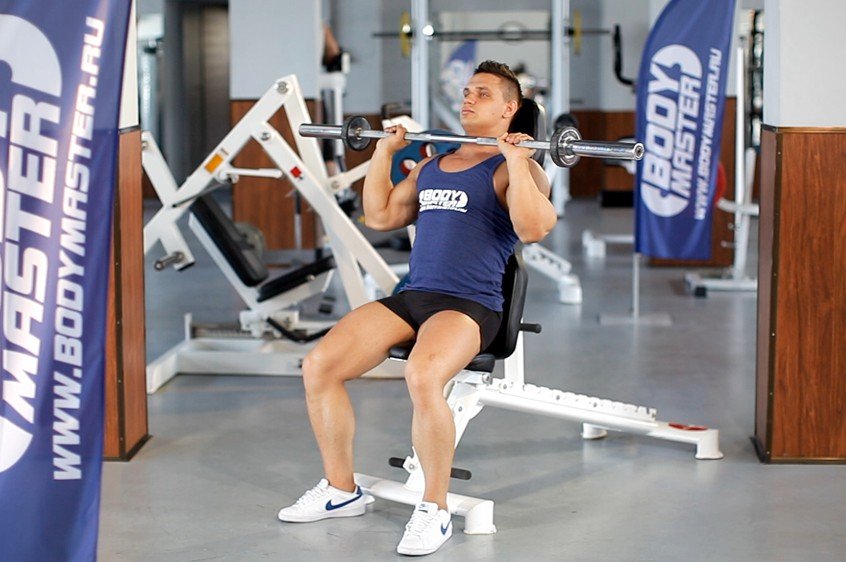
For the version described here, begin with the bar in front, raise it enough to pass over the head, lower under control to a comfortable rear position, then reverse the route to the front. Count that complete front–back–front cycle as one repetition. Both transitions belong to the same entry in your training log.
This differs from a conventional overhead press, where the bar travels from the front rack to an overhead finish. It also differs from simply alternating two full lockout presses. Exercise names are not always used consistently, so specify the route rather than assuming every demonstration shows exactly the task you mean.
Consider what happens when two lifters each record eight repetitions. One counts every pass over the head; the other counts complete cycles. Their totals describe different amounts of movement. The distinction matters before you compare loads, fatigue or changes between sessions.
Use a clear note such as “short-path Bradford, complete cycles counted.” If you deliberately change to full overhead presses, record the new exercise separately. That prevents a technique change from appearing as a sudden strength gain or an unexplained drop in performance.
Set the rack and learn with a manageable bar
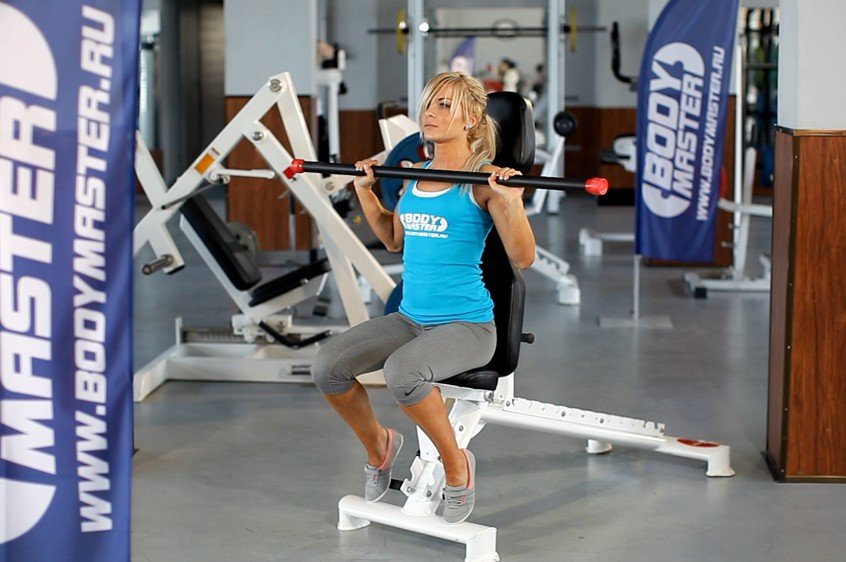
Set up so you can take the bar from a suitable rack and return it deliberately. Practise the starting position and return before adding repeated front-to-back transitions. Check the arrangement with a light training bar or another appropriately light implement; an unloaded full-size bar is still a meaningful load.
Use an even overhand grip that allows you to support the bar and move comfortably through the intended path. Keep the bar secure in the hands rather than letting the wrists collapse under it. Do not assume a grip copied from a photograph will match your proportions or shoulder range.
For a standing version, keep your base stable and avoid adding a knee dip each time the bar moves. If leg drive becomes part of the lift, the task has changed. For a seated version, use suitable, stable support and preserve a consistent body position instead of repeatedly sliding forward or increasing the back arch.
Standing and seated demonstrations can both help you understand positions, but keep your own setup consistent when assessing progress. Record the stance or bench arrangement and the actual implement. A change in seat support or starting height can affect how the set feels without telling you that the shoulder muscles have become stronger.
Clear the head without forcing the rear endpoint
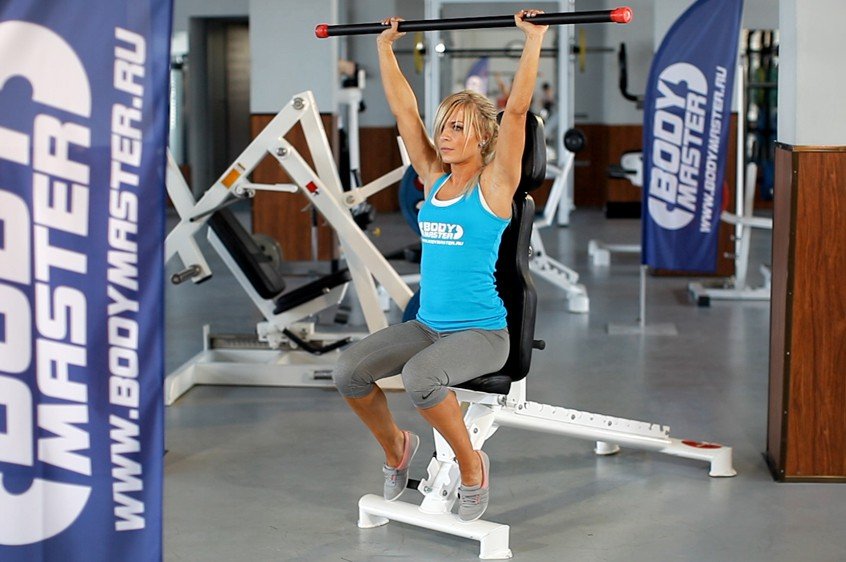
Move the bar slowly enough that you can maintain clearance. Do not rush it backward or duck your head sharply to make room. The intended short route is not permission to skim the scalp, bounce through a transition or lower a load onto the neck.
Rear-depth instructions differ between versions. This guide uses a conservative, comfortable endpoint around ear level rather than treating contact with the upper traps as a requirement. If you cannot reach the intended position without pain or a major change in posture, choose a different press rather than forcing the range.
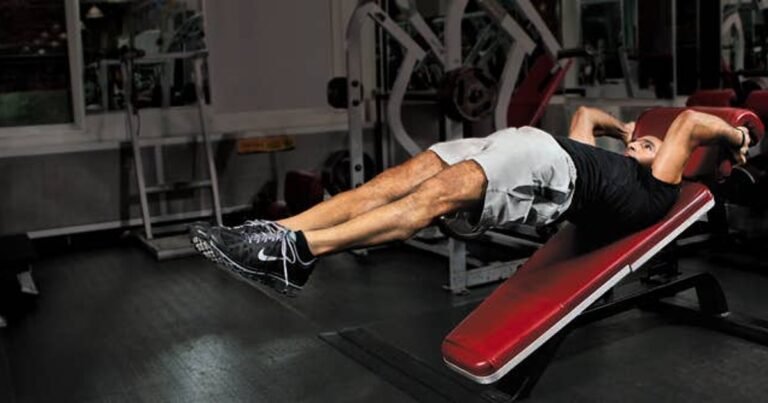
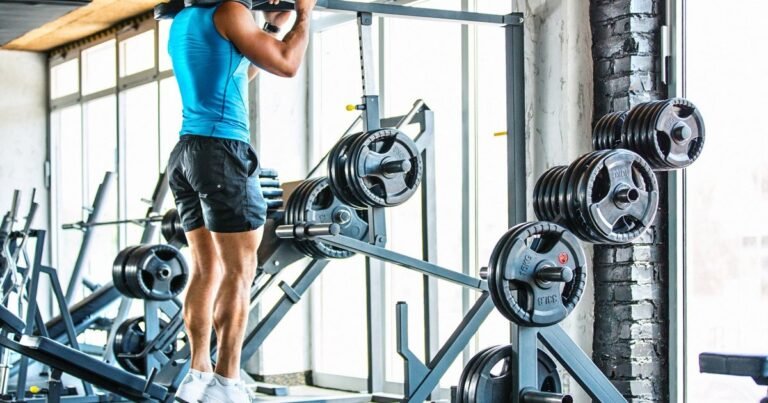
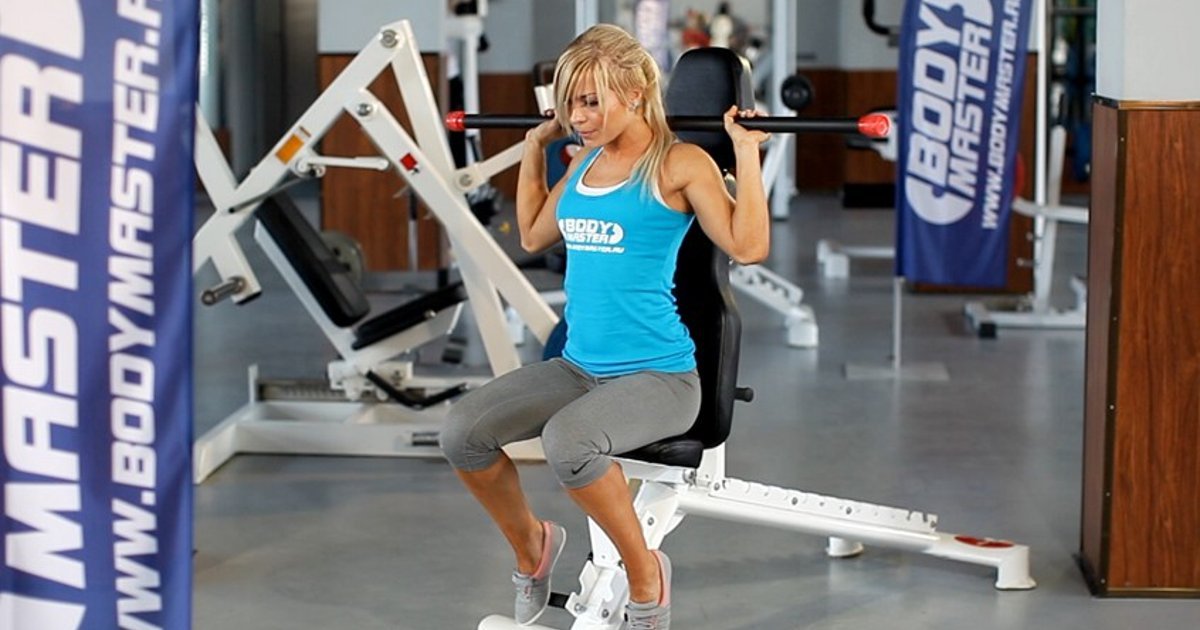
The photographs illustrate front, overhead and rear positions from exercise demonstrations. They do not prescribe the exact depth you must copy, and an overhead photograph does not establish that a full lockout belongs in the short-path version. Use the written repetition definition to keep the task clear.
Watch what changes as you approach the rear endpoint. If the ribs flare, the lower back arches farther or the head moves forward, the apparent extra range may be coming from another part of the body. Reduce the demand or select an alternative you can perform comfortably. The exercise is optional, and this guide does not establish it as shoulder rehabilitation.
Choose a load that preserves both transitions
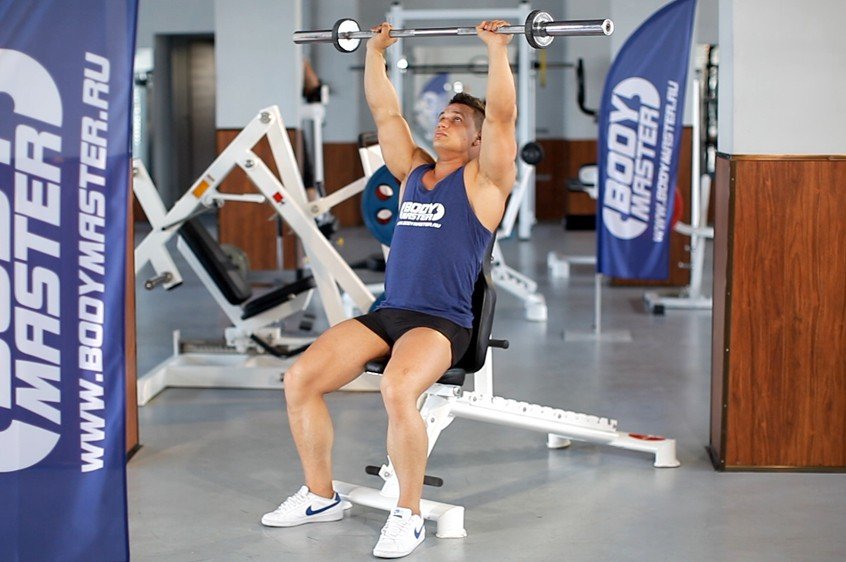
Choose the load from the quality of the whole cycle. Being able to press from the front does not show that you can control the descent behind the head or reverse it reliably. The second transition deserves the same attention as the first.
End the set when you can no longer maintain the version you planned. Avoid quietly changing to a larger lockout, adding a leg drive or shortening only the difficult half while continuing to record identical repetitions. Those changes may be deliberate exercise variations, but they are not the same comparison.
Write down the implement, load, support, grip, cycle count and rear endpoint. Add why the set ended. A record that says “six cycles; final rear return became rushed” provides a useful next-session objective. “Six reps, hard” gives you less information about what actually happened.
Progress one variable at a time. You might first repeat the same work with a more dependable path, then consider a small load increase when control remains. You do not need a universal percentage of your normal overhead press to begin learning. Keep separate records for different press variations instead of deriving a Bradford target from a stronger lift.
Use the variation for a clear shoulder-training purpose
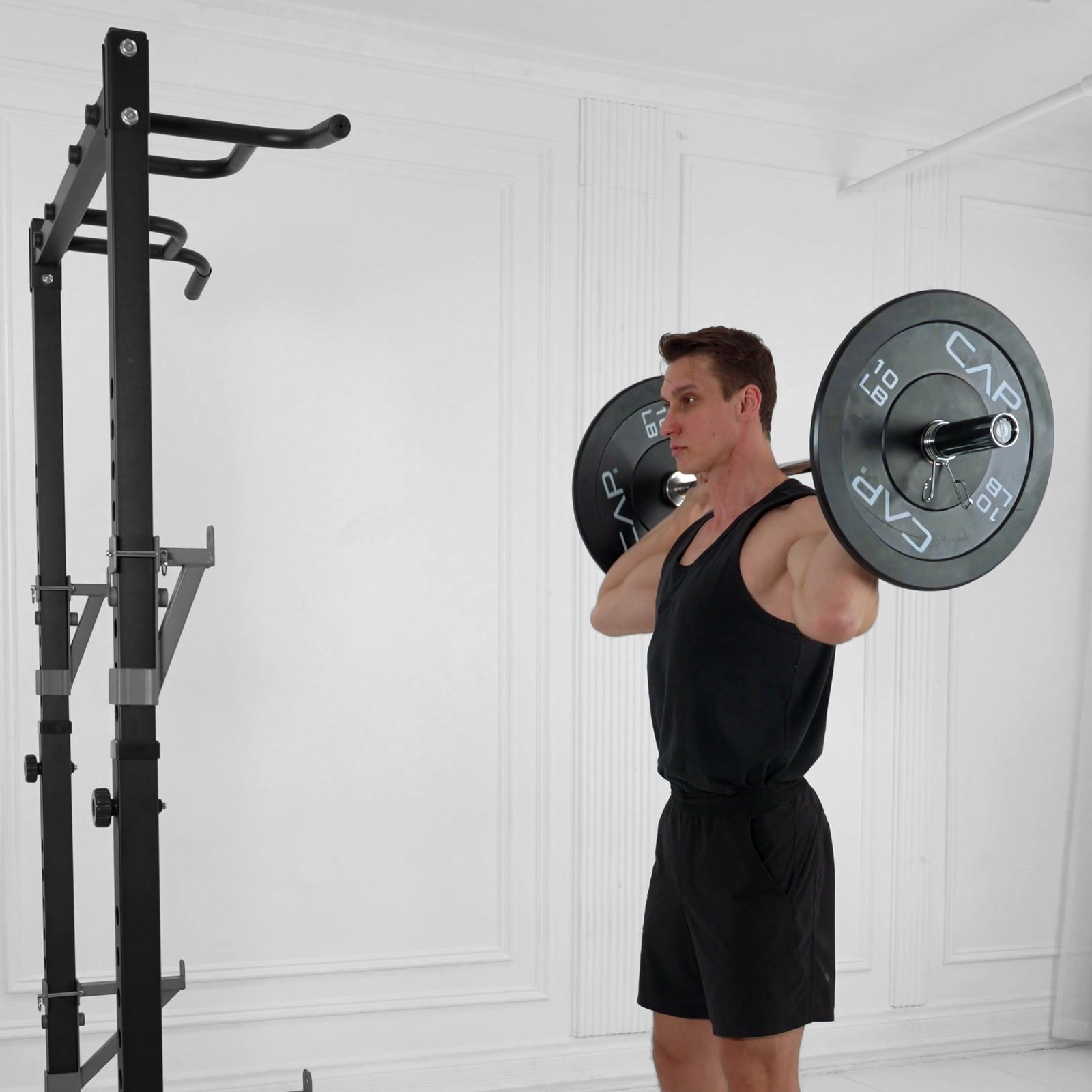
The Bradford press is a shoulder-training option, not a compulsory test. A conventional front overhead press or an appropriate dumbbell press may be a better fit when the rear path is uncomfortable, the setup is awkward or the exercise does not serve your current goal. A different implement needs its own technique and progression.
Within a push-day session, consider what the other pressing work already asks of you. Keep enough attention available to learn the transition rather than adding an unfamiliar route only after you are too fatigued to control it. There is no need to copy a large finisher prescription simply because the exercise creates a sustained feeling of effort.
The equipment selection below includes a straight bar, plates, smaller loading increments and collars, plus bench and dumbbell options for other pressing arrangements. Check the complete setup for compatibility. A specialty grip, cambered bar or different handle shape should not be assumed to follow the same route around the head.
None of those products is evidence that the variation builds more muscle than another press, and nothing here claims MMP tested them for this movement. Choose equipment for the exercise you can perform and the training purpose you have defined, rather than adding a product to solve an unclear repetition standard.

Equipment Worth Exploring
Explore equipment, accessories and gear from our carefully selected range.



Speed Collar
Quick-release collars designed to secure weight plates on standard two-inch Olympic bars.
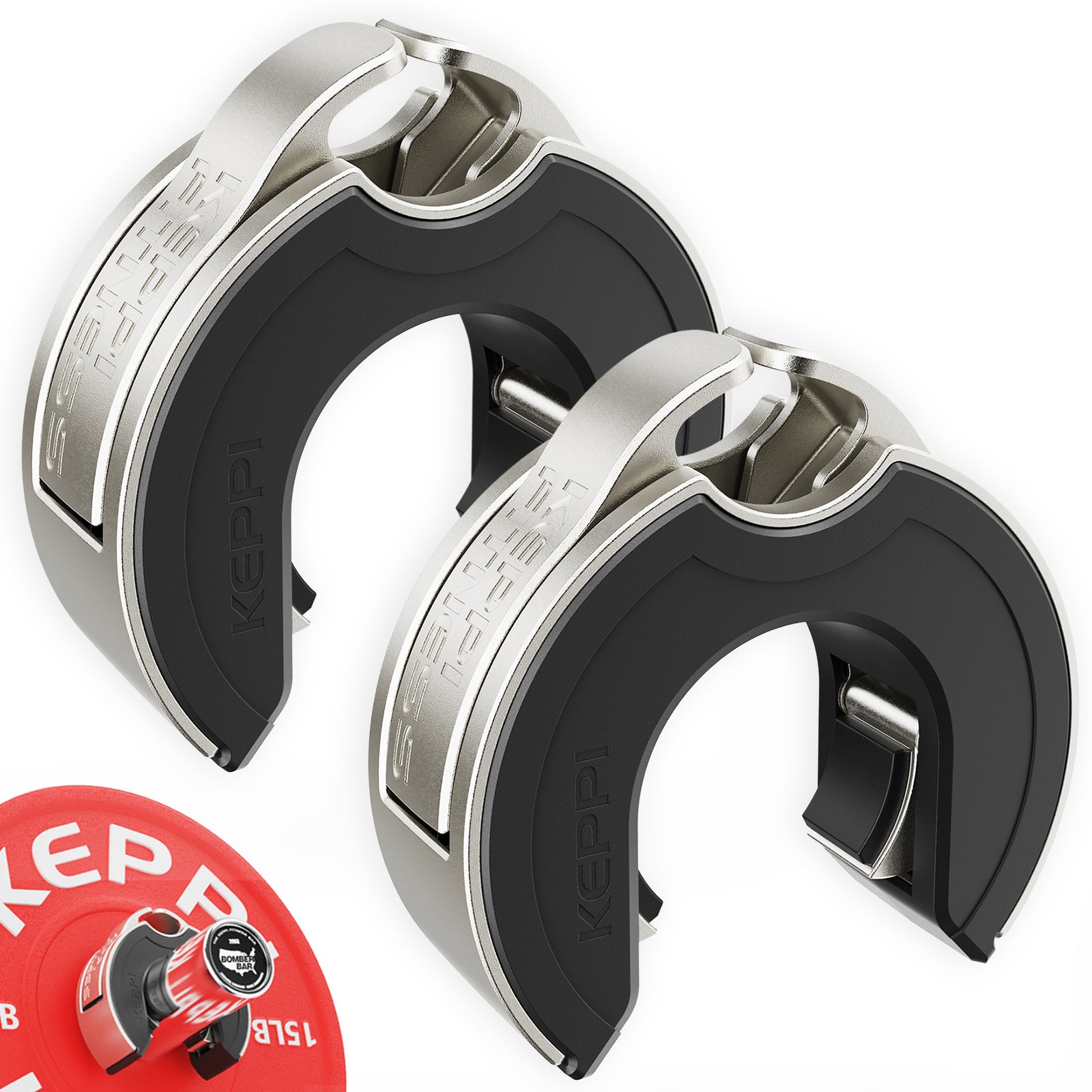
Keppi Open Collars
C-shaped magnetic Olympic barbell collars with a quick-lock mechanism and grippy lining.


Rubber Hex Dumbbells
Rubber-coated hex dumbbell pairs with a stable shape for home and commercial strength training.

The shoulder-press, push-day, focused-lifting and consistency designs below are optional merchandise. Treat a slogan such as “one more rep” as artwork, not a reason to continue after control is lost. Attention to the movement, a clear log and repeatable practice are more useful than changing the task to keep a number rising.

Funny Gym Shirts & Workout Gear
Funny gym shirts, tanks, hoodies and workout gear for lifters who like training hard.


Be Stronger Than Your Excuses Funny Gym
Bring “Be Stronger Than Your Excuses” humor to your everyday gym style.

Consistency King Tee
Make gym days more fun with “Consistency King Stoic Greek God Marble” style.

Discipline Greek God Statue Stoic Sigma T-Shirt
Heavy lifts, good laughs, and a little “Discipline Greek God Statue Funny Stoic” energy.

Gymhead Meme Mind Muscle Connection Hooded Hoodie
Make your off-duty look more fun with “Gymhead”.

Mind Muscle Perfection Brain and Biceps Gym for Science Sticker
Give your everyday gear a playful “Mind Muscle Perfection Brain and Biceps” twist.

Lift Smart Brain Weight Plate Mind Muscle Connection 45 Hoodie
Keep it laid-back with a little “Lift Smart Brain Weight Plate” attitude.

One More Rep Shirt: Motivational & T-Shirt
Make gym days more fun with “One More Rep” style.

The Only Difference Between Good And Great Is One T-Shirt
Bring “The Only Difference Between Good And Great” humor to your next gym day.