Advertising disclosure: This page includes affiliate product links that may earn us a commission, as well as products from our own store.
How often should you train Nordic curls for stronger hamstrings: once a week or twice? A six-week comparison in 21 men offers a useful answer for Nordic-specific strength, but the bigger lesson concerns how much real eccentric work each repetition contains. Here is what the experiment actually found and a sensible way to use it without wrecking your next leg day.
What the six-week Nordic frequency comparison really tested
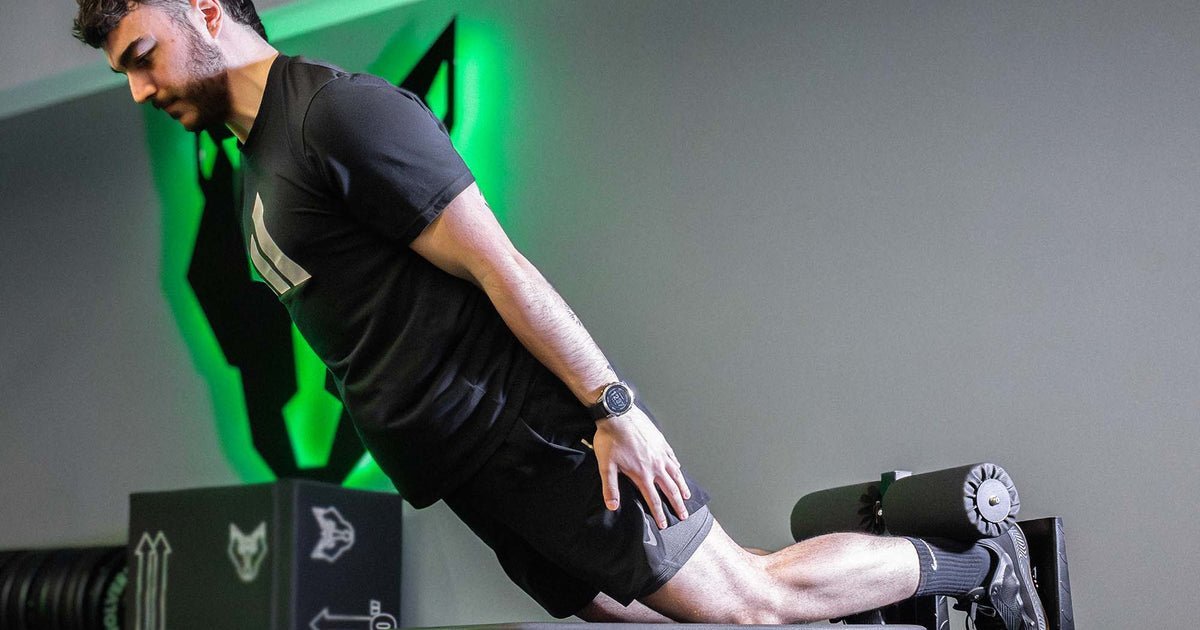
Nordic curls are one of those exercises that can make a strong lifter feel surprisingly weak. With the knees supported, ankles secured and torso held long, the hamstrings must slow the body as it falls forward. The practical question is not merely whether the exercise works. It is how often to do it when heavy squats, deadlifts, running and ordinary life already compete for recovery.
In a six-week experiment, 21 healthy men contributed data from 42 legs. The participants were divided between Nordic hamstring training twice weekly, the same exercise once weekly, and a non-training comparison condition. The two training frequencies offered different accumulated exposures: six sessions in the once-weekly group and twelve in the twice-weekly group. The investigators evaluated strength specifically during the Nordic movement and several broader measures of knee-flexor performance and muscle properties.
The main result is attractive but needs precise language. Both Nordic training schedules improved measures directly linked to performing Nordics. The twice-weekly schedule generally produced greater improvements in those specific measurements. That is not the same as saying every lifter must do two sessions, that twice weekly doubles hypertrophy, or that the experiment measured fewer pulled hamstrings on the field. It did not establish those conclusions.
This matters because a training schedule has both an upside and a cost. Two sessions provide more chances to practice a challenging eccentric movement, but they can also produce more soreness and place more work near sessions where fast running or posterior-chain strength matters. Whether the additional exposure is worthwhile depends on the goal, the assistance level and how the exercise fits the rest of the week.
Why counting repetitions misses an important part of the dose
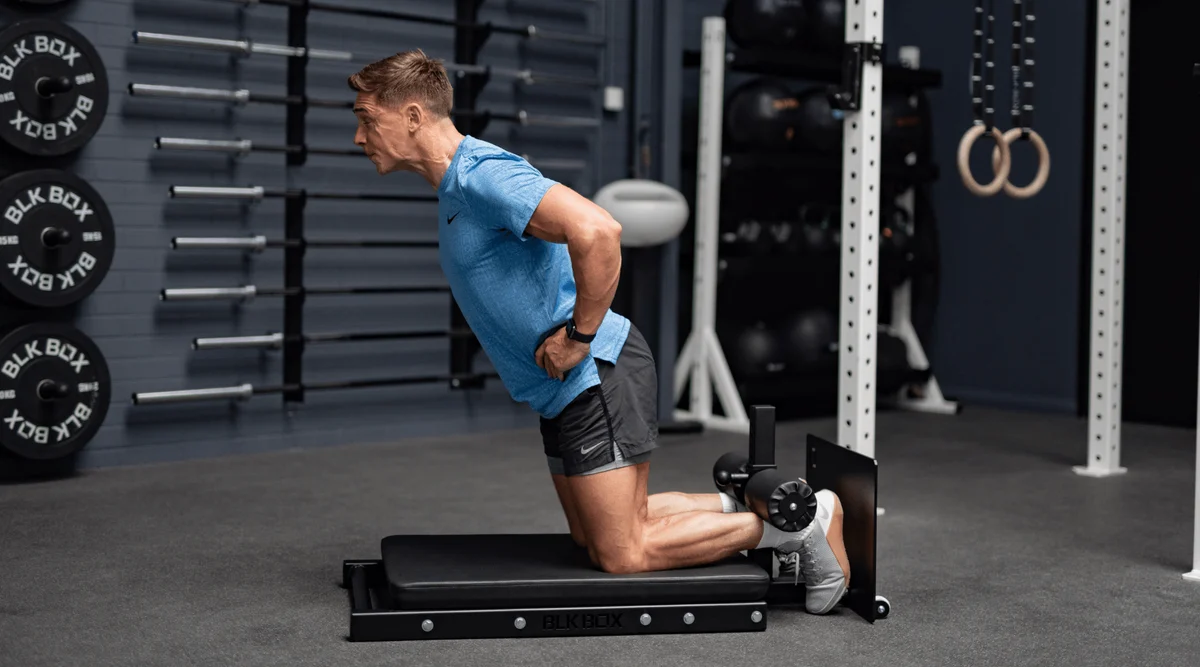
A Nordic repetition is not a fixed dose of resistance. One athlete might maintain a near-straight body and resist for several seconds before catching themselves with the hands. Another might lose position almost immediately and fall quickly. Both can write “six reps” in the training log, even though the hamstrings experienced very different mechanical loading.
The six-week comparison therefore examined total impulse, a measurement that integrates applied force over time. Think of it as asking how much meaningful resisting force the muscles delivered throughout the lowering work, rather than simply counting how often the body moved forward. A deliberately controlled descent can create more loading exposure than a rapid drop, even with the same repetition total. The study found that this force-and-time measure better described the relationship between Nordic training dose and adaptation than repetitions alone.
You do not need a laboratory instrument to use the idea intelligently. Record how many of your repetitions are controlled through the same range, whether the amount of band or cable assistance changes, and approximately where you lose the ability to resist. Two sets of five clean assisted lowers may provide more useful consistent practice than a set of ten uncontrolled falls. Do not exaggerate the eccentric tempo to chase a number; choose a tempo you can reproduce while keeping the hips extended.
For progression, focus on four variables in order: keep the knee pad and ankle anchor consistent, make the movement look the same, reduce assistance only when control improves, then add a small amount of volume if recovery permits. Repetition count still belongs in the log. It simply is not the entire training dose.

Equipment Worth Exploring
Explore equipment, accessories and gear from our carefully selected range.




HUSLA Leg Extension Pad
Pad attachment designed to increase usable range of motion on compatible leg-extension machines.


FID Bench MAX
Adjustable bench offering flat, incline, and decline positions + adjustable headrest.


Foldable Wall Rack
Wall-mounted folding squat rack designed to save floor space between workouts.
VOLTRA
Compact digital cable trainer with smooth, adjustable resistance.
Strength improved at both frequencies, but the outcome matters
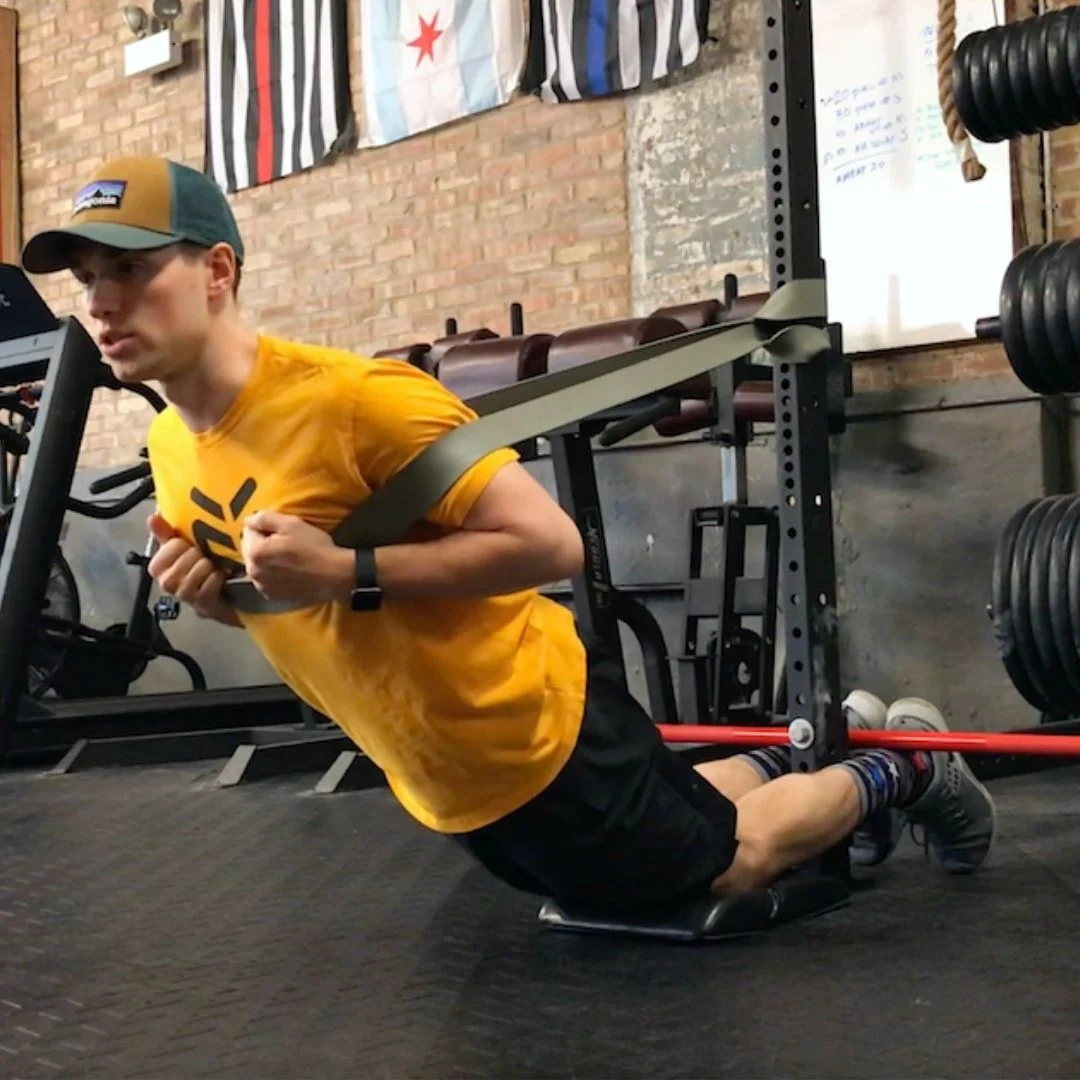
Training twice per week was associated with greater gains in Nordic-specific peak torque, the break-point angle where control gives way, and eccentric torque than training once weekly. The reported between-group advantage across Nordic-specific outcomes fell in a moderate range. In practical terms, practicing the exact challenging movement more often made people better at that movement during a relatively short training period.
The break-point angle is especially useful to visualize. Early on, a lifter may feel strong while upright but suddenly lose the descent as the torso moves forward and the knee-flexor demand rises. With practice, that person may be able to hold tension farther into the movement. More controlled range is a sensible progress signal, provided the anchor, hip position and assistance are unchanged. A bigger angle change is not automatically a bigger muscle.
The experimental groups were small, and the six-week window is short. New movement learning and neural coordination can make large contributions to early strength improvements. Repeating the exact test exercise also makes the test itself more familiar. Those are legitimate adaptations, but they should not be confused with proof that a higher weekly frequency is universally optimal for muscle growth in trained bodybuilders.
There is also an important way to read the comparison: once weekly still worked. If a lifter has only one available recovery slot, a single well-executed Nordic session is not useless. The study supports an advantage to greater exposure for selected movement-specific outcomes under its conditions. It does not demonstrate that a second session is required to obtain any benefit.
Muscle stiffness, jumping and injury risk tell different stories
Not every outcome followed the same simple twice-is-better pattern. Certain broader performance measures improved similarly between groups, and the findings for biceps femoris muscle stiffness suggested a more complex, potentially non-linear response to accumulated training load. A change in measured stiffness is not a straightforward verdict that a muscle is healthier or less likely to tear. It depends on which tissue property was measured, how it was measured and the athlete’s task.
Likewise, a stronger Nordic is not a guaranteed faster sprint, higher jump or immediate hypertrophy advantage. Strength transfer depends on joint angles, contraction speed, movement coordination and the other exercises in the program. An athlete can improve eccentric knee-flexor capacity without suddenly changing every high-speed sporting outcome.
The broader injury-prevention picture is more encouraging, but it comes from different evidence. Across fifteen studies covering thousands of athletes, training programs that included Nordic hamstring work were associated with a markedly lower overall hamstring injury rate than comparison programs. Those analyses evaluated injury-prevention programs over actual sporting exposures; the small six-week frequency experiment did not. It would be wrong to import the big injury-rate figure into the once-versus-twice weekly comparison.
Finally, soreness is not the success criterion. High-effort eccentric work can create delayed soreness, especially when first introduced. If Nordics leave the hamstrings so sore that sprinting form, heavy deadlifts or the next lower-body session deteriorate, the program is more aggressive than necessary. A sustainable dose you can repeat over months usually beats a heroic first session followed by avoidance.

Leg Day Shirts & Workout Gear
Leg-day gym shirts and workout gear for lifters who never skip squats, lunges and lower-body punishment.

Funny Viking Deadlift Shirt For Gym Bros | Leg Day Gain T-Shirt
Heavy lifts, good laughs, and a little “Viking Deadlift” energy.

Funny Leg Day Gains Gym | LEGO Workout For Squats & Dea Hoodie
Keep it laid-back with a little “Leg Day Gains” attitude.

Grim Reaper Deadlift Skeleton Bros & Leg Day Tank Top
Your gym-day look, with a playful “Grim Reaper Deadlift” twist.

Leg Day Gains | LEGO Workout Sweater For Squats & Deadl T-Shirt
For laid-back days and leg-day humor: “Leg Day Gains”.

Funny Viking Deadlift Gym | Leg Day Motivational Workou Sticker
A fun “Viking Deadlift” touch for bottles, laptops, and lockers.

Let It Grow Girl – Booty Builders, Leg Day & Squats T-Shirt
Bring “Let It Grow Gym Girl” humor to your next gym day.

Let It Grow Girl – Squats & Leg Day Bootybuilder T-Shirt
Show some gym-girl attitude with a playful “Let It Grow Gym Girl” tee.

Let It Grow Booty Building Leg Day & Squat Hoodie
Show off your leg-day humor in a laid-back “Let It Grow” hoodie.

Booty Building Mode Gym Girl T
Bring “Booty Building Mode Gym Girl” humor to your next gym day.

Muscle Mommy – Squats & Leg Day Meme Princess, T-Shirt
Make gym days more fun with “Muscle Mommy” style.
Nordic curl technique: anchor, hinge and assistance
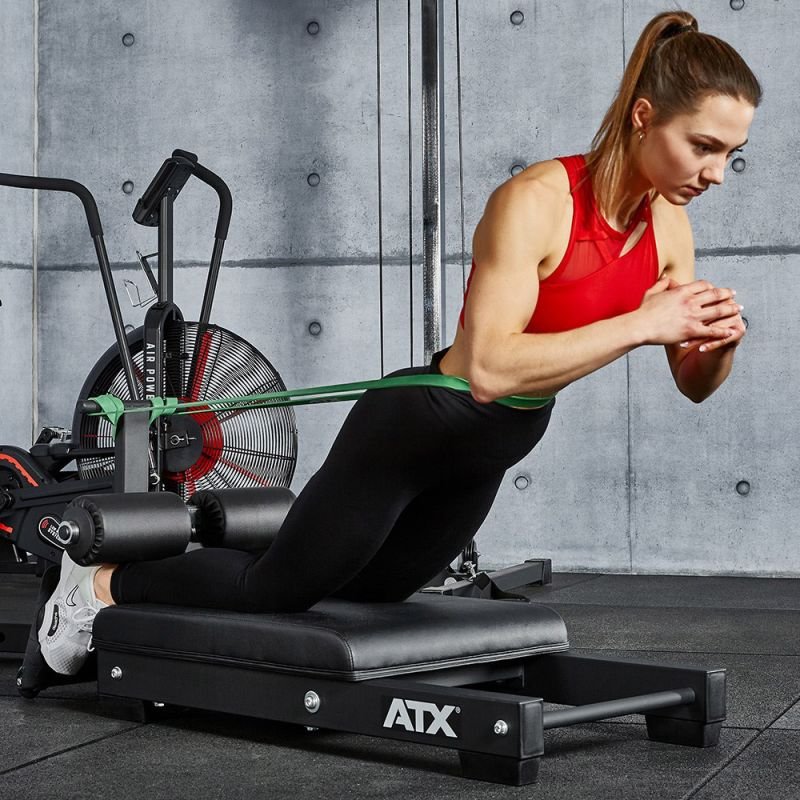
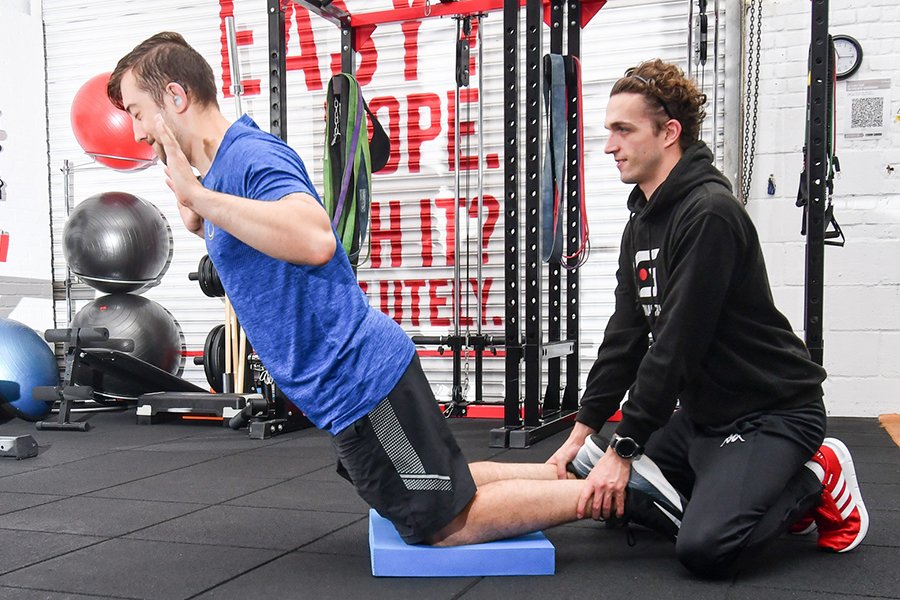
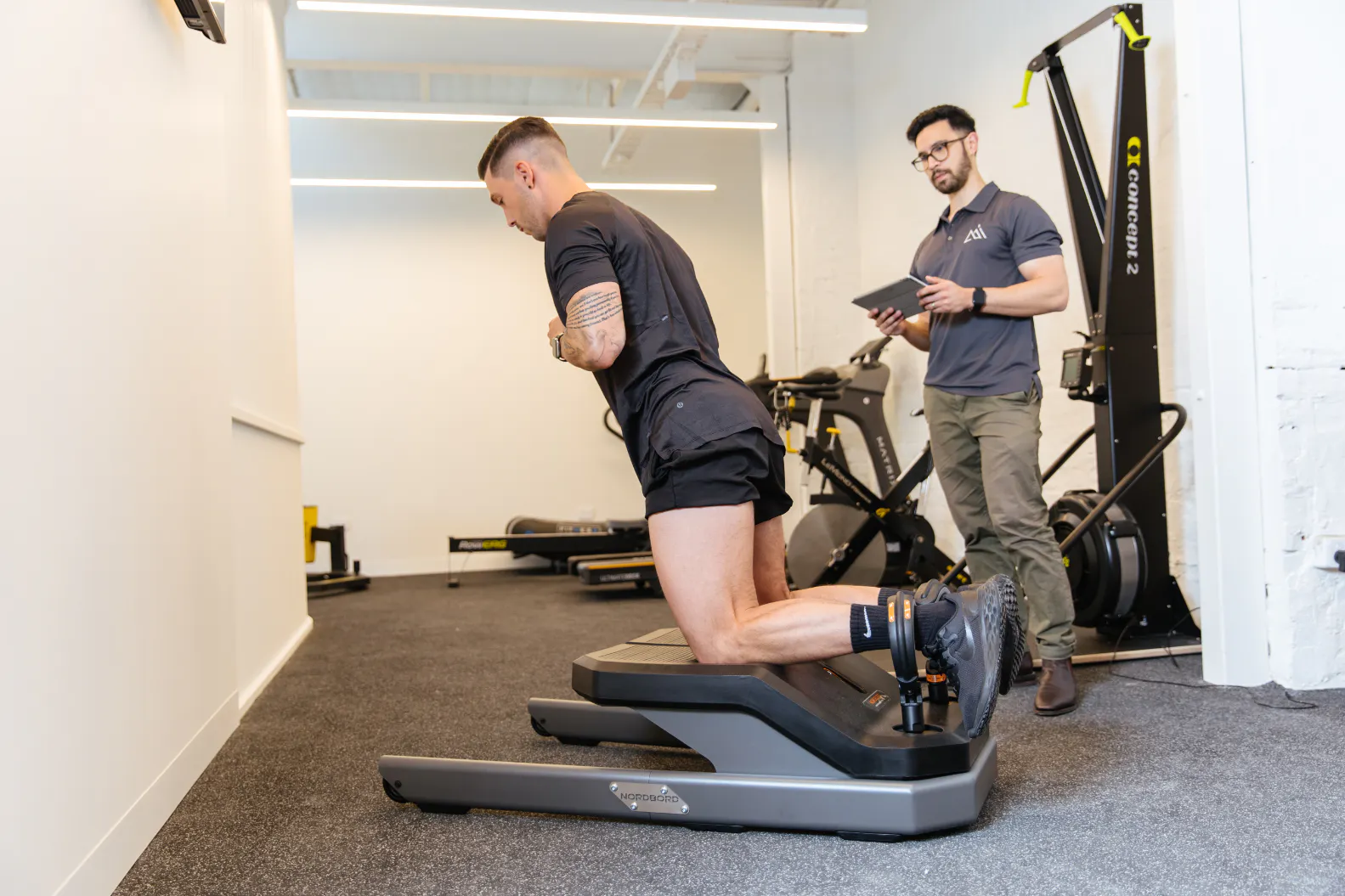
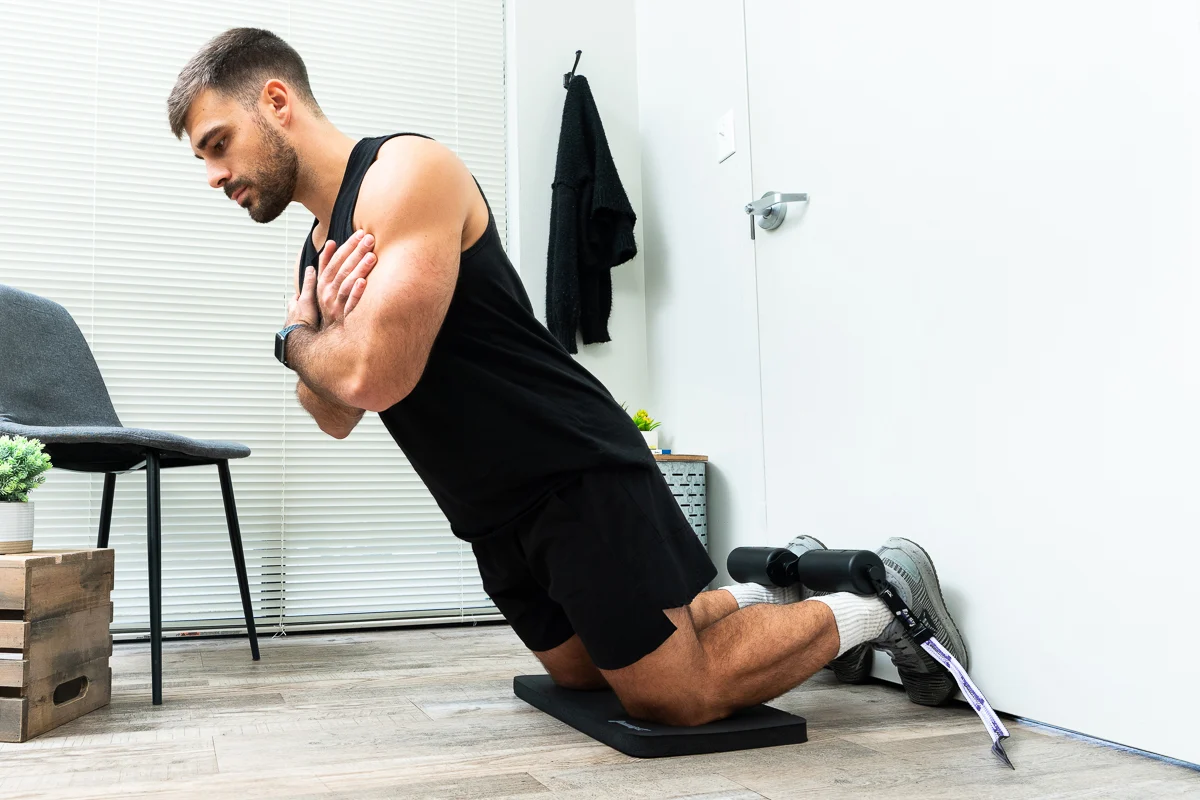
Begin with soft but firm padding under the knees and a secure ankle restraint. The restraint should hold the ankles without scraping the Achilles area or allowing the feet to slide. If a partner anchors the ankles, agree on a stable grip and have the partner brace their own position. A dedicated Nordic station is convenient, but it does not make poor setup safe by itself.
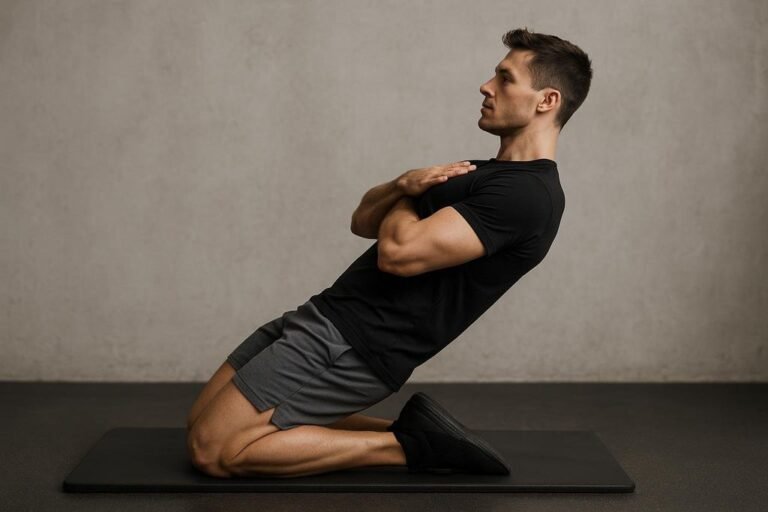
Start tall on the knees with the hips extended and the ribs stacked over the pelvis. Keep a nearly straight line from shoulders to knees while leaning forward from the knees. The hamstrings resist the body dropping. Avoid folding at the hips to shorten the lever while pretending the full range has been controlled. Keep the hands ready in front of the body to catch the floor when the hamstrings can no longer brake the descent.
For most beginners, an assisted eccentric is the appropriate entry. Use an overhead band or cable to remove some bodyweight load, or work through a shorter controlled range and use the hands to reset. Another option is to lower slowly until control ends, catch yourself, then push lightly from the floor to return upright. Trying to pull yourself all the way up concentrically is optional, not a prerequisite for useful eccentric training.
Start with two or three sets of three to five high-quality lowers rather than copying an advanced high-repetition protocol. Rest long enough that the next set looks similarly controlled. Stop when the hips fold, the descent becomes a free fall, or the anchor changes position. If you feel sharp pain at a tendon, knee or hamstring rather than ordinary muscular effort, discontinue the exercise and reassess. A gradual first two weeks is particularly helpful when Nordics are new.
Equipment Worth Exploring
Explore equipment, accessories and gear from our carefully selected range.


Open Hex Bar
Open-frame trap bar with multiple handles for deadlifts, carries, and lower-body training.


Competition Plates
Competition-style bumper plates for Olympic lifts and loaded strength training.

Grip Plates
Rubber-coated weight plates with handholds for loading barbells and machines.

Leather Lifting Straps
Padded leather straps support grip during heavy rows, deadlifts and pulling exercises.

Studio Glute Drive
Plate-loaded hip-thrust machine with supported back pad and adjustable foot platform.

A practical six-week progression without chasing maximal soreness
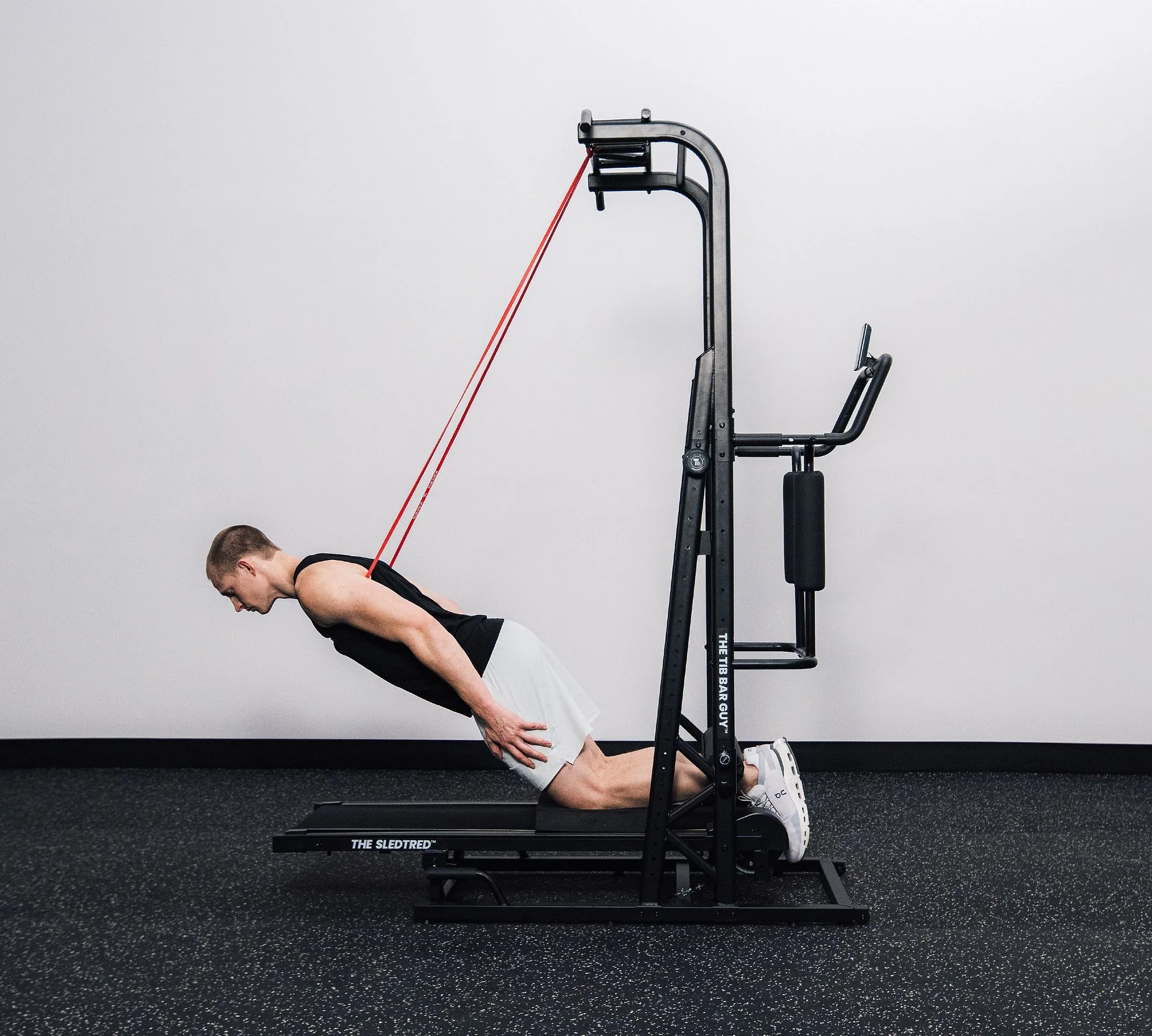
The following is an illustrative coaching progression, not the exact trial protocol. It deliberately starts below the study’s higher total exposure because recreational lifters differ widely in body size, strength and eccentric experience. Choose assistance so the last repetition still has a recognizable braking phase. Leave at least two days between Nordic sessions when using the twice-weekly option.
| Weeks | Once-weekly option | Twice-weekly option | Progress check |
|---|---|---|---|
| 1–2 | 2 × 3 assisted lowers | 2 × 3 assisted lowers each day | Stable hips, repeatable descent |
| 3–4 | 3 × 4 assisted lowers | 2 × 4 per day | Less help or slightly longer braking |
| 5–6 | 3 × 5 controlled lowers | 3 × 4 per day | Maintain control before adding work |
The table specifies sets and repetitions, not a required loading target. Some lifters will need a stronger band or more knee padding; others will progress faster. That is normal. The goal is to make good repetitions reproducible. If the previous session caused significant soreness that lasted into the next lower-body or sprint workout, repeat the same dose or temporarily reduce one set rather than forcing the calendar’s progression.
On a two-session schedule, make one day the stronger technical exposure and the other a lighter assisted exposure. If you also perform Romanian deadlifts, conventional deadlifts, good mornings or hard sprints, avoid stacking the hardest hamstring stressors without recovery. Keep a brief record of assisted band strength or cable setting, controlled range and soreness the following day. Those practical signals will not replace laboratory impulse calculations, but they are better feedback than a raw rep total alone.
How Nordics fit alongside deadlifts, curls and sport practice
Nordics are primarily an eccentric knee-flexion challenge. Romanian deadlifts emphasize a hip-hinge pattern and load the hamstrings differently, especially as the hip flexes. Seated or lying leg curls offer another controllable knee-flexion option, often with easier loading adjustments. These movements overlap, but they are not interchangeable. For a lifter seeking complete hamstring development, combining a hinge with a curl variation is usually more sensible than pretending one exercise has to cover every function.
If your main goal is bodybuilding, place Nordics after primary compound work or on a separate day so they do not interfere with technical heavy lifts. You may choose a moderate assisted Nordic dose plus Romanian deadlifts and an adjustable leg curl. Track total hamstring work across the week, not just Nordic repetitions. A lower-body program that already includes multiple hinge sessions and a lot of sprinting needs less extra eccentric work than one with little dedicated hamstring training.
For field-sport athletes, introduce Nordics in a quieter training week, not immediately before a crucial match or maximal sprint session. Put demanding eccentric work after sprint practice or sufficiently far ahead of the next high-speed exposure to recover. An injury-prevention program can be effective without turning every Nordic repetition into an all-out test; consistency and adherence are central. Professional coaching or medical guidance is appropriate when returning from a recent hamstring injury.
The takeaway from the 21-man comparison is specific: twice-weekly Nordic exposure outperformed once weekly for several Nordic-specific strength adaptations over six weeks, while once weekly also improved. The more valuable general lesson is that force, time under control and total exposure matter more than writing the same rep count on two different training logs. Choose the frequency that produces repeatable quality and fits the rest of your program, then progress as your technique and recovery allow.
Powerlifting Shirts & Lifting Gear
Powerlifting shirts and gym gear for squat, bench and deadlift lifters who live for heavy numbers.

I Love Deads & Deadlifts Meme – Valentine'S Day Top T-Shirt
Show some deadlift attitude with a playful “I Love Deads & Deadlifts” tee.

Rack Panther Black Panther Workout Squat Rack Bodybuild Hoodie
Show off your leg-day humor in a laid-back “Rack Panther Black Panther” hoodie.

Praise The Deadlift Holy Lifting Meme Fans Tank Top
Add some deadlift attitude to training with “Praise The Deadlift”.

Deadlift You Must Star Wars Yoda Meme Sweater T-Shirt
For laid-back days and leg-day humor: “Deadlift You Must”.

If You'Re Not Scared Skeleton Decal Meme Vinyl Sticker
Give your everyday gear a playful “If You're Not Scared” twist.

6 Plates Deadlift Club Motivational Meme & Essential T-Shirt
Bring “6 Plates Deadlift Club” humor to your next gym day.

2 Plates Deadlift Club Motivational T-Shirt
Heavy lifts, good laughs, and a little “2 Plates Deadlift Club” energy.

Dadlift Dads Meme Dad Strength Gains Hoodie
Show off your powerlifting humor in a laid-back “Dadlift” hoodie.

1 Plate Deadlift Club Meme – Motivational Top T-Shirt
Bring “1 Plate Deadlift Club” humor to your next gym day.

Some product links may be affiliate links, which can support Mind Muscle Perfection at no additional cost to you.