Advertising disclosure: This page includes affiliate product links that may earn us a commission, as well as products from our own store.
LEVL's headline resistance number needs a second look. The machine offers an adaptive ISO-K mode advertised at up to 500 pounds and a selectable ISO-T mode advertised at up to 200 pounds. Those are different training tasks, not two ways of stating the same capacity. Before treating the platform as a shortcut to a complete gym, separate what the modes do, what the results claims establish and what the proposed setup must accommodate.
Read the two resistance ceilings as different modes
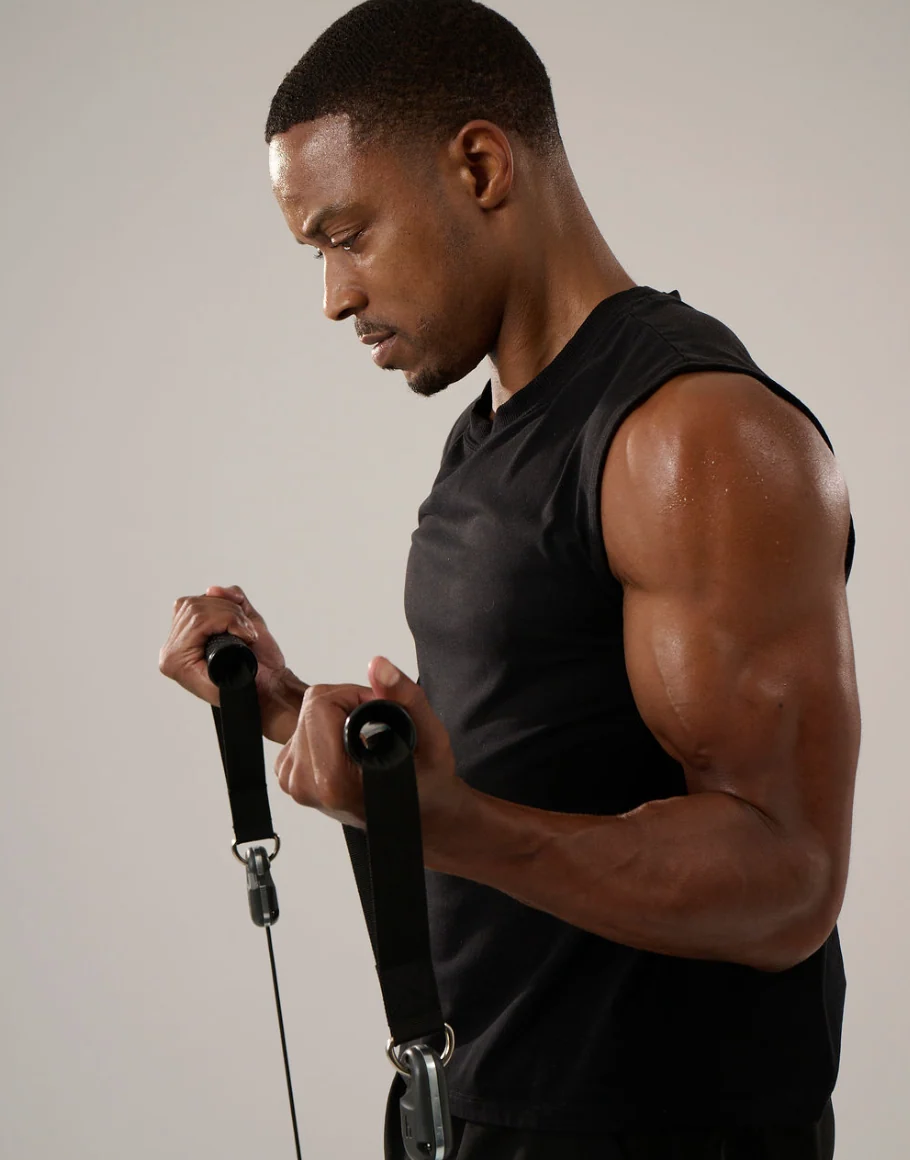
In ISO-K mode, LEVL adjusts resistance to the effort you produce rather than asking you to select a fixed weight before the set. ISO-T mode instead lets you choose a resistance for a more familiar cable-style task. The advertised ceilings are 500 pounds for the adaptive mode and 200 pounds for the selectable mode. A comparison that quotes only the larger number leaves out the distinction that matters to the workout.
Do not read the adaptive maximum as a promise that every exercise loads you with 500 pounds. The useful questions are how resistance changes during the repetition, what movement speed is being controlled and how the system responds when your effort changes. Those details determine what you are practicing. A manufacturer demonstration can illustrate the intended behavior, but it does not establish how the machine will feel for every user.
A fixed-load curl and an effort-matched curl can both challenge the arms while producing different records. In one, you choose a load and count completed repetitions. In the other, force can vary through the movement and across repetitions. Comparing the displayed totals without matching the task can turn the log into a misleading competition between modes. Establish a baseline within each mode before interpreting progress.
The broader buying lesson is to compare functions, not just maximums. Decide whether you want repeatable selected-load exercises, an adaptive effort task or both. Then ask for demonstrations of those functions using the movements you actually train. A larger peak capacity does not by itself answer whether the available cable positions, exercise execution and progression tools fit your goals.
Check the screen and tracking against a repeatable task
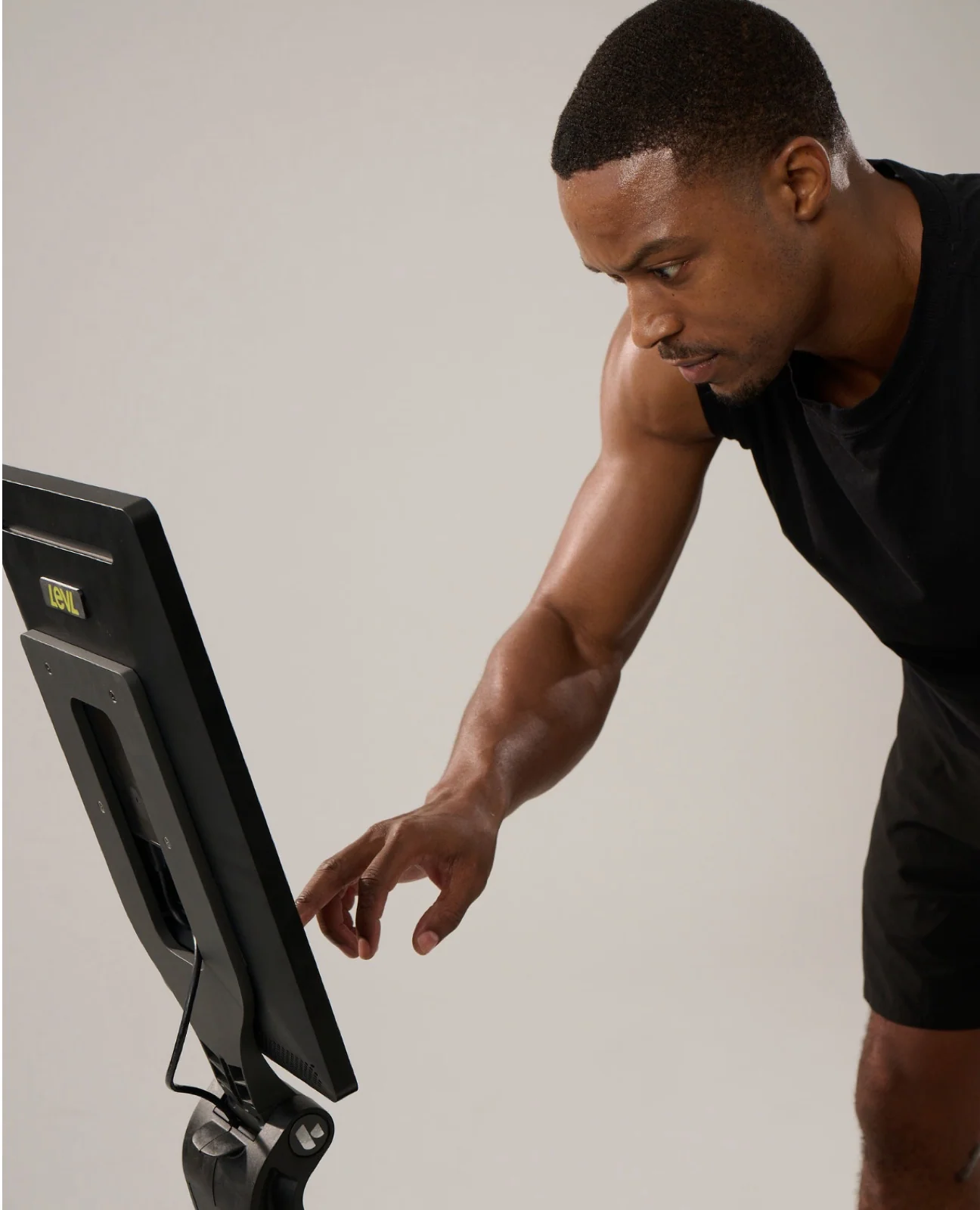
LEVL presents its touchscreen as the center for guided workouts, movement selection and progress tracking. That can reduce the need to plan everything on a separate device, but guidance and measurement still need interpretation. Before relying on the dashboard, ask what each result represents, how an exercise is calibrated and which setup changes affect comparisons. A clear explanation is more useful than an impressive collection of changing numbers.
The product information describes initial assessment and range-of-motion setup. Treat those as procedures to learn rather than reasons to stop paying attention to execution. Stand in the intended position, use the specified attachment and follow the current instructions. If you change stance, grip or movement distance, note that change in the training log instead of assuming the next result belongs to the same test.
Consider a simple example: you repeat a row while standing farther from the cable exit and allow more torso movement. The screen may report a different performance, but several things changed at once. A more useful comparison keeps the exercise, position and intended range similar. The purpose of tracking is to make decisions about training, not to reward any technique that produces the biggest value. If the next session feels harder after a poor night of sleep or a demanding workout the day before, record that context too. One lower reading is not automatically a loss of strength. Look for a pattern across comparable sessions before changing the program around it.
Ask about practical access to the records as well. Can you review previous sessions, separate household users and understand what happened during a set? Are important functions available under the plan you intend to use? Resolve those questions from the current written product terms. Do not assume every future service, program or update will be included simply because the machine has a built-in screen.
Plan the cable angles and room before counting exercises
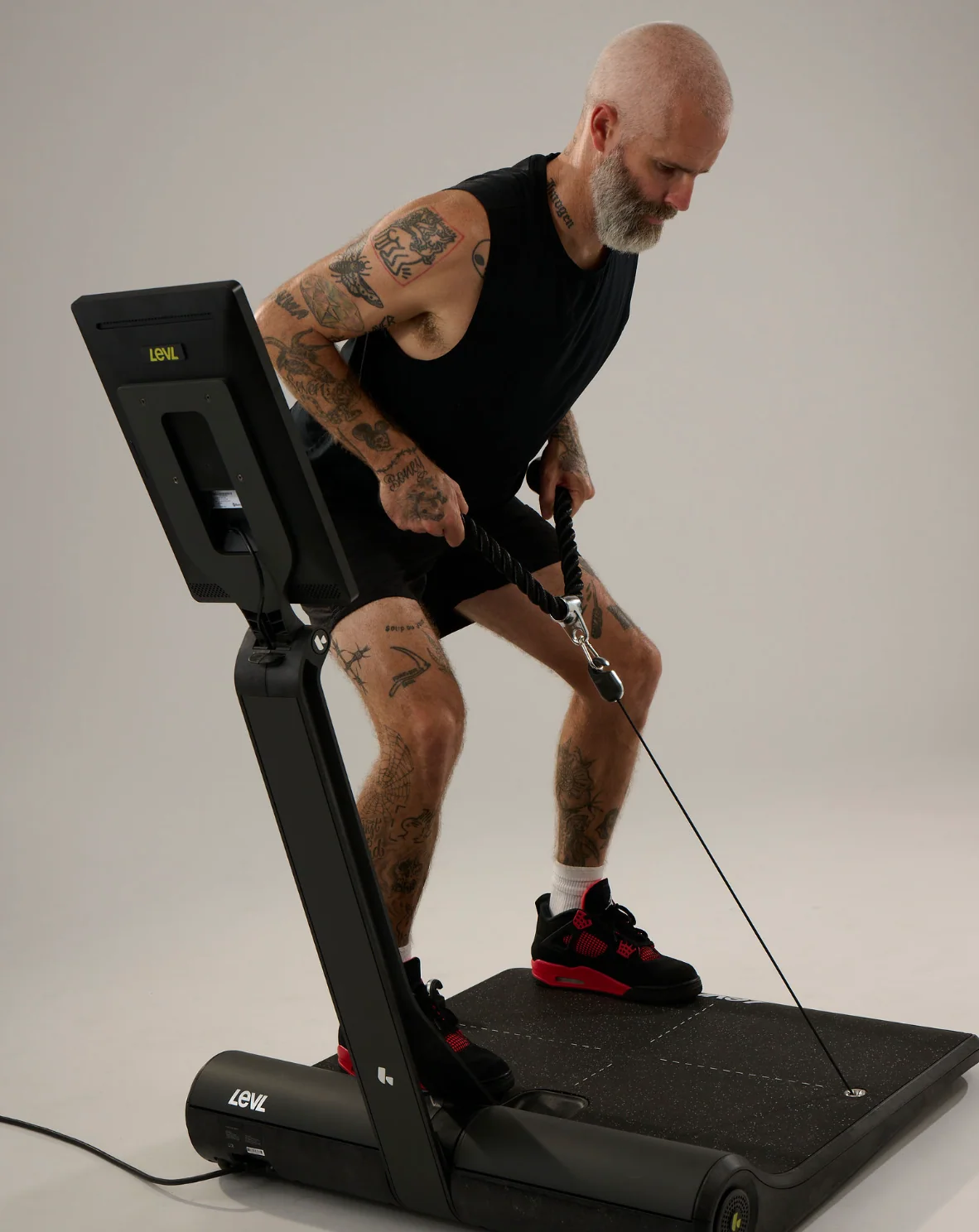
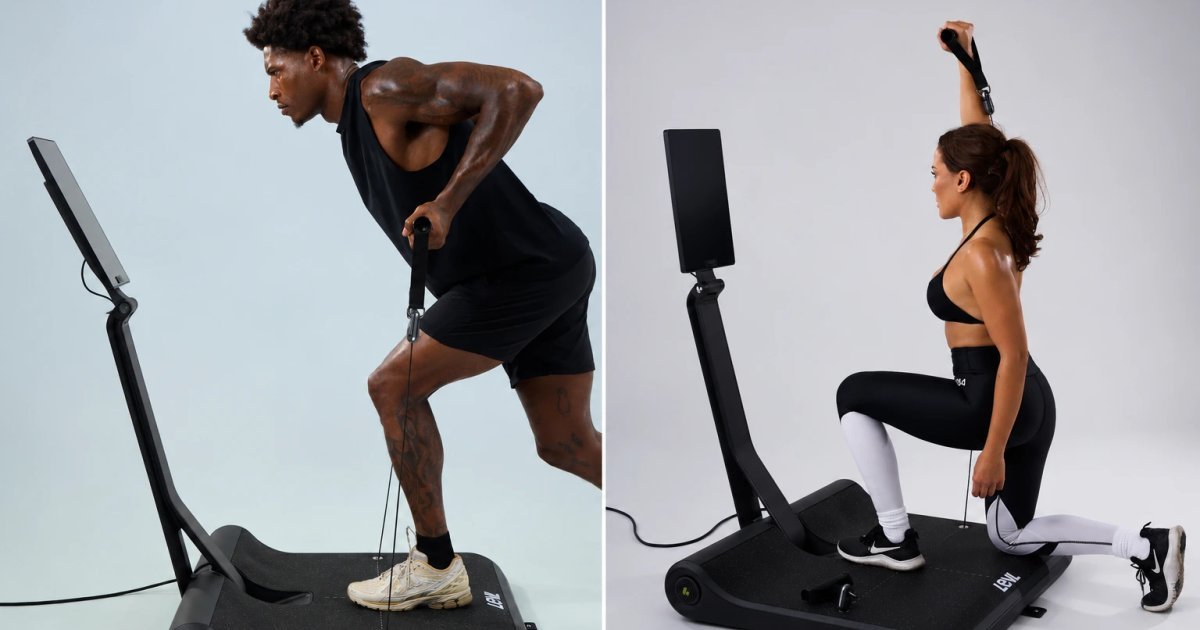
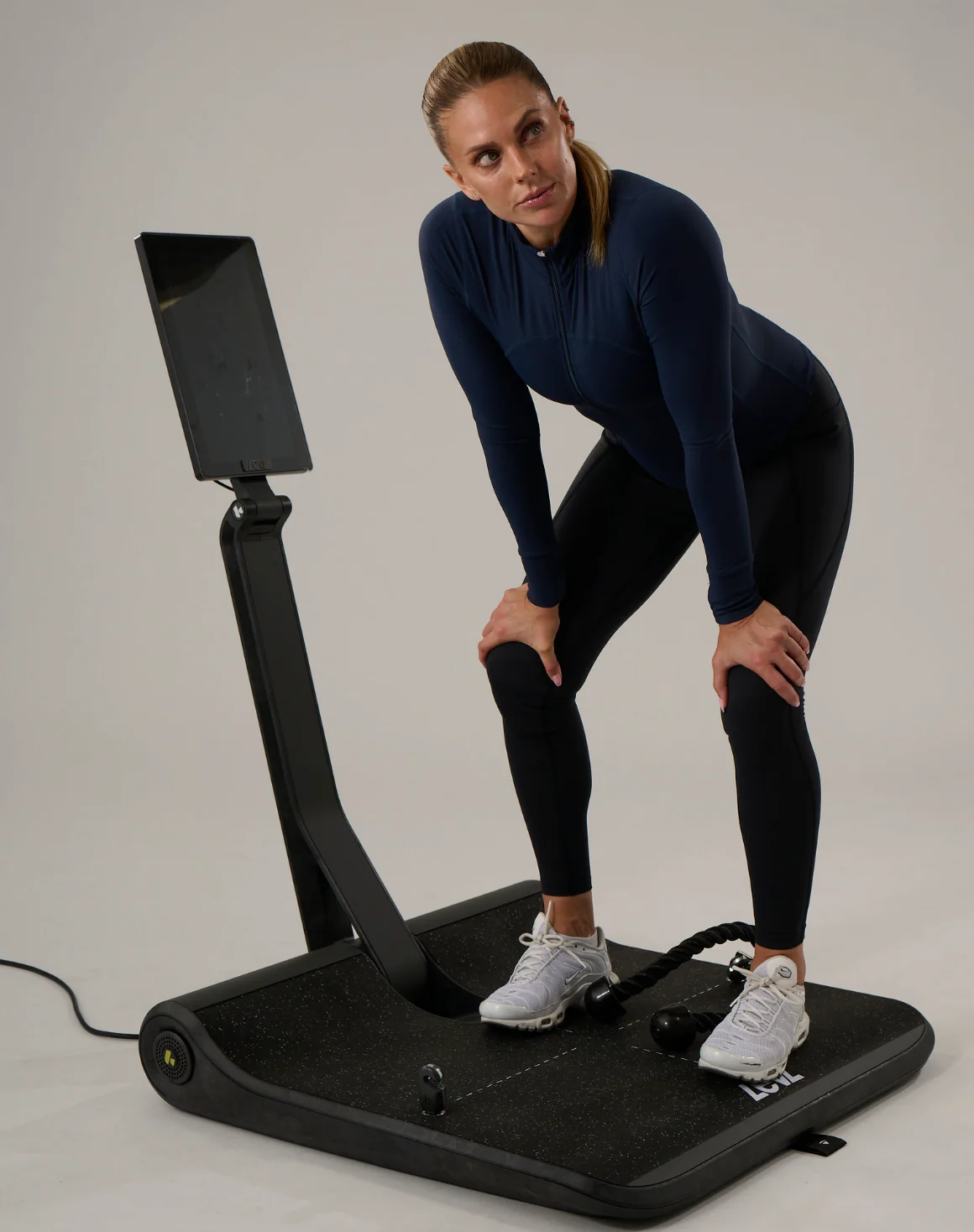
LEVL uses a freestanding floor platform with a folding upright and cable attachments. The absence of wall mounting changes installation requirements, but it does not eliminate the need for a suitable training area. Allow space for your body, the bench if used, the full cable path and getting on and off the platform. Storage dimensions and working dimensions answer different questions.
Start with a short list of exercises that justify the purchase. For example, identify the row, press, squat or hinge variations you want, then check how each would be performed on this particular machine. An exercise-library total does not establish that every familiar gym movement has the same line of pull or setup. Several variations of one movement can increase a count without adding a new capability you need.
Overhead pulling deserves special attention. The reservation information acknowledges the absence of overhead cables, even while the broader movement library lists many back exercises. A row, a floor-origin pulldown variation and a high-anchor cable pulldown should not be treated as mechanically identical. Ask to see the exact movement before deciding that the machine replaces a station with a different cable origin.
Rehearse the layout with the planned bench and clear walking space marked on the floor. Consider nearby furniture, ceiling clearance, the power connection and where the folded unit would go. If moving it out and putting it away is part of every session, include that process in your decision. Convenient storage is valuable only when the daily transition is practical enough that you will actually use it.
Keep short-workout claims separate from long-term results
LEVL promotes a small number of intense repetitions and shorter sessions. That is an efficiency proposition worth evaluating, but it does not make repetition counts interchangeable across methods. A short adaptive set may feel demanding because resistance keeps responding to your effort. The experience of fatigue tells you something about the session; it does not directly measure how much muscle or strength you will gain over the following months.
The advertised comparison between five repetitions and a much larger conventional set needs that distinction. An acute fatigue comparison is not a conversion formula for training volume, and it does not establish equal long-term growth. To assess such a claim, you would want the full protocol, who participated, what was measured and whether longer training outcomes were tested. Marketing shorthand cannot supply those missing details.
Broader resistance-training evidence supports consistent, progressive work without making complex methods compulsory. Reviews of advanced training systems do not establish a universal hypertrophy advantage over well-structured traditional training. That does not make an adaptive device useless. It means the strongest practical case may be convenience, engagement or the ability to perform the intended work regularly, rather than a guaranteed biological shortcut.
If you try the platform, define success before the first difficult session. Useful questions include whether you complete planned workouts, can track comparable exercises and recover well enough to continue. Avoid replacing a workable program solely because a new device produces a different pump or stronger soreness. A demanding sensation and a sustainable training process are related considerations, but they are not the same outcome.

Equipment Worth Exploring
Explore equipment, accessories and gear from our carefully selected range.
VOLTRA
Compact digital cable trainer with smooth, adjustable resistance.

Go-Tone Pro
Portable digital cable trainer with up to 66 lb (30 kg) of adjustable resistance.

VForce Wall Trainer
Space-saving wall-mounted functional trainer with pivoting cable arms and variable resistance ratios.

VForce 2IN1
Half rack and pivot-arm functional trainer with switchable 1:1 and 2:1 pulley ratios.

VForce 3IN1
All-in-one rack combining an adjustable Smith machine, functional trainer, and free-weight station.

VForce 3IN1 Max
Six-post all-in-one rack with Smith machine, functional trainer, and variable-force cables.



FID Bench MAX
Adjustable bench offering flat, incline, and decline positions + adjustable headrest.

Treat the reservation as a buying decision, not a completed delivery
As checked on November 20, 2026, LEVL's reservation page advertises a $1 reservation against a $3,997 launch price, with the main purchase process planned for January. A reservation secures an offer under the stated terms; it is not the same as having bought and received a working machine. Read the payment, cancellation and delivery details at the point of purchase because launch arrangements can change.
The published material contains details that deserve written clarification. Different sections give different space or exercise-count figures, and the listed packaged and unpackaged weights do not form a coherent shipping specification. Do not choose a storage location, plan a move or infer delivery handling from contradictory numbers. Ask for the final dimensions, actual shipping weight and requirements for your particular order.
Compare the complete package rather than the device alone. Confirm which bench, handles, bar or straps are included, how replacements and servicing work, and what the software requires. If you also compare a portable cable unit, a rack-based trainer or free weights, include the support equipment and floor space each solution needs. These are alternatives to evaluate, not accessories assumed to work interchangeably with LEVL.
The sensible reason to choose a system like this is that its resistance behavior and physical setup solve a real training problem for you. Adaptive loading, guidance and storage can be useful, but each needs to survive practical questions about movements, progression and ownership. Understand the two modes, verify the final specification and judge the platform by the repeatable training it can support rather than a single maximum-resistance number.

Funny Gym Shirts & Workout Gear
Funny gym shirts, tanks, hoodies and workout gear for lifters who like training hard.

Garage – Garage Owner Meme Top & Gymbros Humor T-Shirt
Heavy lifts, good laughs, and a little “Garage” energy.

Basement – Basement Meme & Gymbros – Top Home Gains T-Shirt
Rep “Basement” humor in and out of the gym.

Anti Social Home Club – Meme & Gymbros – Shirt Gains T-Shirt
Bring “Anti Social Home Gym Club” humor to your next gym day.

Home Gym Nerd Hooded Pullover for Garage Gym Lifters Wo Hoodie
Make your off-duty look more fun with “Home Gym Nerd”.

Home – Home Built Not Bought , Gymbros & Garage Gains T-Shirt
Rep “Funny Home Gym” humor in and out of the gym.

Funny Home Gym | Home Is Where Your Gym Is Muscle Shirt Tank Top
Add some lifting attitude to training with “Funny Home Gym Tank”.

More Rest More Test Meme Testosterone Bro T-Shirt
For laid-back days and lifting humor: “More Rest More Test”.


Heart And Brains Dumbbell Meme : The Ultimate T-Shirt
Make gym days more fun with “Heart and Brains Dumbbell Gym Meme” style.

Mind Muscle Perfection Brain and Biceps Gym for Science Tank Top
Bring “Mind Muscle Perfection Brain and Biceps” humor to your next lifting session.