Advertising disclosure: This page includes affiliate product links that may earn us a commission, as well as products from our own store.
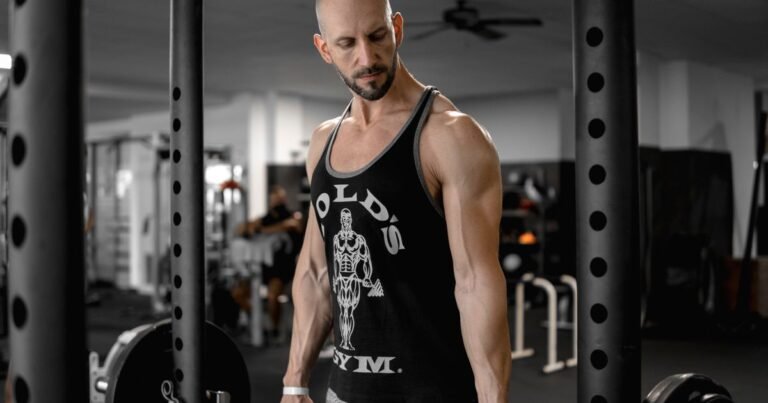
After a mentally draining day, even a familiar squat or bench press can feel harder than expected. A 2026 research review combined eleven controlled studies to investigate whether demanding cognitive work changes the amount of lifting people can complete. Here is what the evidence shows, what remains uncertain, and how to keep training effectively after a busy day.
Mental fatigue and muscle fatigue are not the same thing
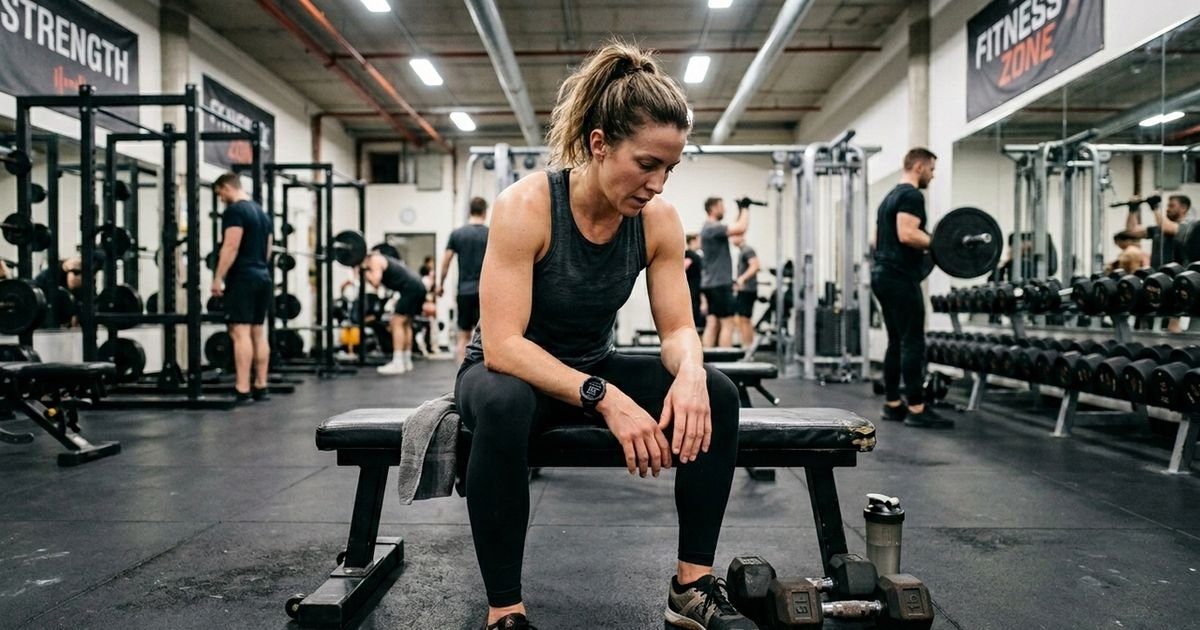
Some gym days begin with sore legs and others begin with an exhausted brain. The second situation can occur after work deadlines, studying or another task requiring sustained attention. Even with apparently rested muscles, familiar repetitions may seem unusually hard. Mental fatigue refers to a short-term state associated with prolonged cognitive effort, reduced concentration and a greater perceived cost of sticking with a task. It is not identical to muscular soreness, insufficient sleep, illness or the ordinary reluctance to begin a workout.
In controlled research, participants commonly perform an attention or inhibition task, such as a demanding Stroop test, before completing strength exercises. Their repetitions or total training volume are compared with a different condition involving rest or a less demanding activity. That design asks whether mental effort beforehand changes immediate physical performance; it does not show that people’s muscle fibers suddenly weaken or disappear.
Imagine your normal three-set bench press feeling fairly easy in the first set and unexpectedly challenging in the third. That scenario shows why mental workload might matter but is not a universal outcome. Eating, recovery, emotions, technique and simple performance variability can also change your rep count.
It is better to investigate a repeating pattern than label every difficult workout as evidence of cognitive fatigue. Use the same warm-up, similar exercise technique and consistent training notes before drawing conclusions. The goal is a more reliable response to a busy day, not another reason to abandon training.
What a 2026 review found across 11 controlled trials
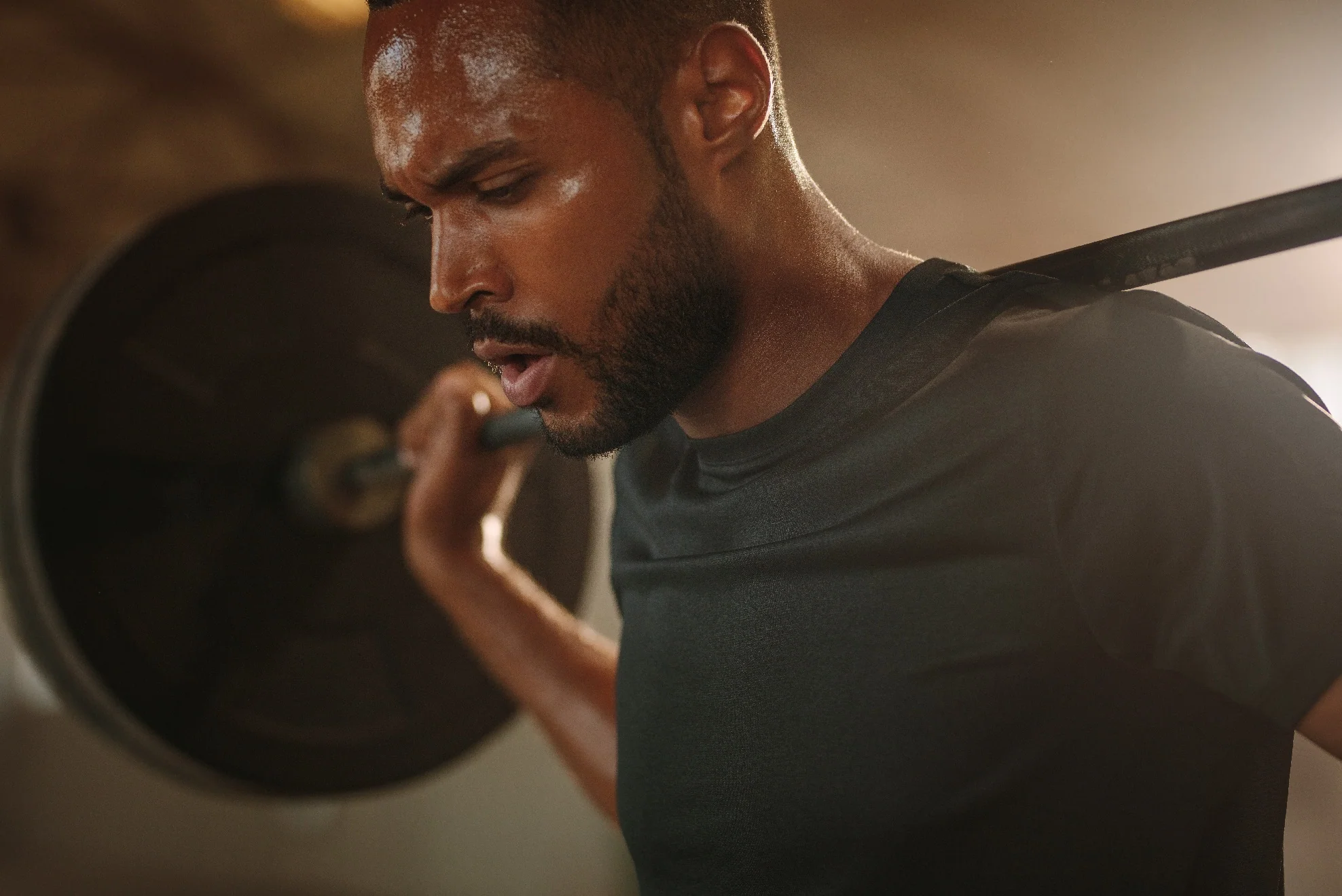
A systematic review first published on May 21, 2026 brought together 11 randomized studies, 14 comparisons and 205 participants in the pooled analysis. In the included research, people completed a mentally demanding task or a lower-demand control condition before dynamic resistance exercise. Researchers focused on how much work was completed, including repetitions and total volume load.
The pooled effect was Hedges’ g = −0.39 with a 95% confidence interval from −0.55 to −0.23. This represents a small-to-moderate standardized reduction in acute exercise volume. It does not mean everyone performed 39% fewer repetitions, lost 39% of their strength or developed 39% less muscle. Standardized effects compare group distributions, not a simple personal percentage.
The review also used GRADE to judge evidence certainty. Its overall conclusion was low-certainty evidence, even though the pooled association was statistically detectable. The combined sample was modest and the protocols varied: different cognitive tasks, different durations, different exercises and different ways to calculate training volume. These limitations make the precise size of the result uncertain.
Another critical distinction is the outcome period. The review measured performance immediately after mental tasks. It did not track hypertrophy across a year or show that people with mentally demanding jobs cannot grow muscle. Long-term adaptation depends on weeks and months of training, recovery and progression. The research is relevant to planning a session, not to declaring that evening training is useless.

Equipment Worth Exploring
Explore equipment, accessories and gear from our carefully selected range.



Rubber Hex Dumbbells
Rubber-coated hex dumbbell pairs with a stable shape for home and commercial strength training.

Open Hex Bar
Open-frame trap bar with multiple handles for deadlifts, carries, and lower-body training.


Multi Bench MBX-650 2.0
Adjustable multi-bench with roller adjustment, 15 backrest positions and accessory mounts.
Compound lifts may be more vulnerable than isolation work
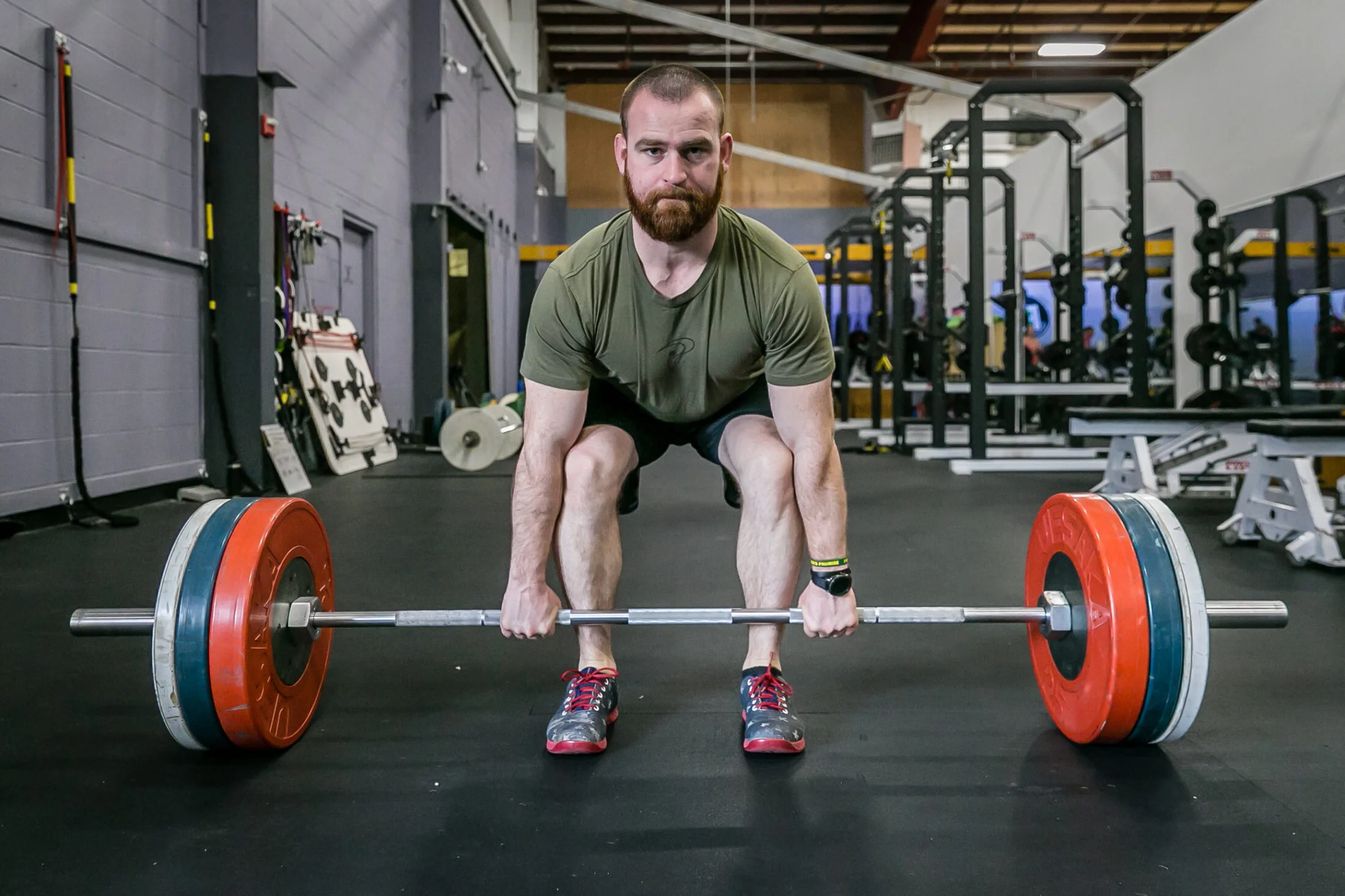
Researchers explored whether a movement involving several joints responds differently from a simple isolation exercise. The multijoint subgroup, including movements such as presses or squats, showed a pooled effect close to −0.45. The single-joint subgroup, covering exercises such as curls and extensions, had an estimate near −0.20 and was not statistically significant at the usual threshold.
This is a useful hypothesis, not proof that isolation work is unaffected. A significant effect in one subgroup and a nonsignificant result in another do not automatically demonstrate a significant difference between those groups. The studies also used different participants and training protocols, so cross-study comparisons cannot isolate exercise complexity perfectly.
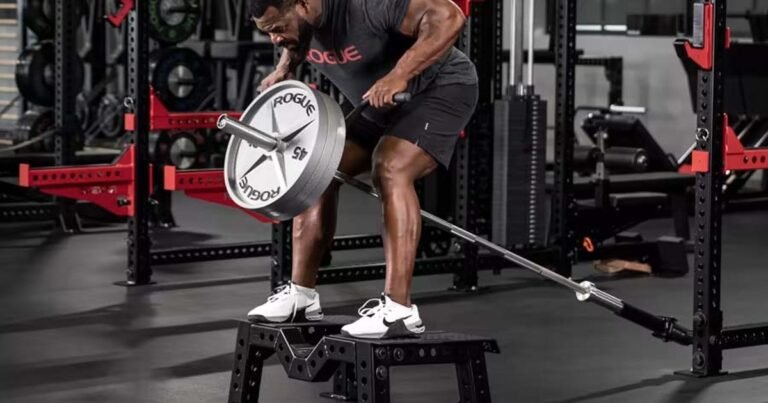
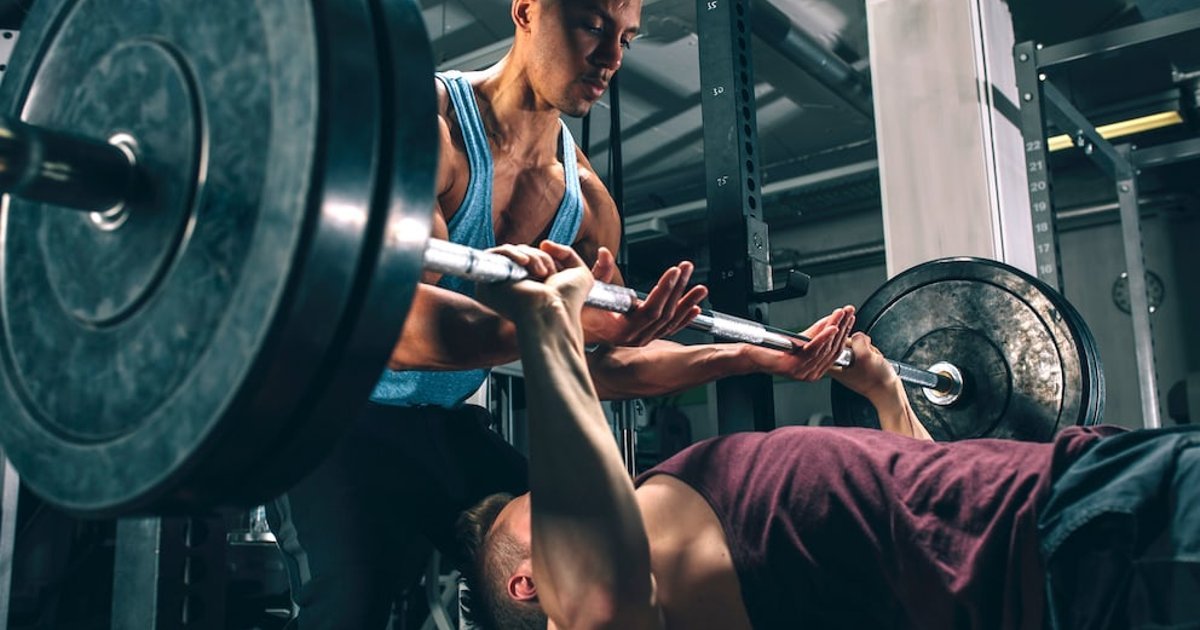
Compound movements ask lifters to manage bracing, balance, bar path and multiple coordinated joints. If attention feels depleted, your first challenging barbell squat or bench press deserves particular care. Watch whether warm-up repetitions remain smooth. Use safety arms or an appropriate spotter where relevant. If you struggle to hold a stable position, the answer is not necessarily to force one more heavy repetition.
A practical approach is to keep the important lift but remove one low-priority accessory set if focus becomes the limiting factor. Another is to use familiar, stable equipment for some accessories. These are programming possibilities rather than interventions the review established as superior. Record the choice so you can compare it against a more typical training day.

Bodybuilding Shirts & Workout Gear
Bodybuilding shirts, tanks and gym gear for lifters chasing muscle, size, symmetry and the pump.

Lift Smart Brain Weight Plate Mind Muscle Connection 45 Sticker
Put “Lift Smart Brain Weight Plate” gym humor on your laptop, bottle, or gym gear.

Gymhead Lifting Is On My Mind Sweater Skull T-Shirt
Add a playful “Gymhead” touch to your casual rotation.

Gains Before Brains Gym | Zombie Fitness Meme Pullover T-Shirt
Keep things casual with a little “Gains Before Brains” attitude.

Unbearable Workout | Exhausted Bear Meme Graphic T-Shirt
Show some powerlifting attitude with a playful “Unbearable Workout” tee.


Chasing Gains Nevermind Muscle Shirt Athletic Vest Grun Tank Top
Bring “Chasing Gains Nevermind” humor to your next lifting session.

Time To Lift Sweatshirt
Keep things casual with a little “If You're Reading This It's Time To Lift” attitude.

Everything Hurts and I'm Tired Tee
Make gym days more fun with “Everything Hurts And I'm Tired” style.

Doctor Discipline Gym Villain Sweatshirt Funny Gym
Keep things casual with a little “Doctor Discipline Gym Villain” attitude.

Kanye Rest Day | Swole Ye Muscle Shirt Workout Vest Tank Top
Train hard, laugh a little, and rep “Kanye Rest Day”.
Moderate loads and longer workouts: interpreting the subgroups
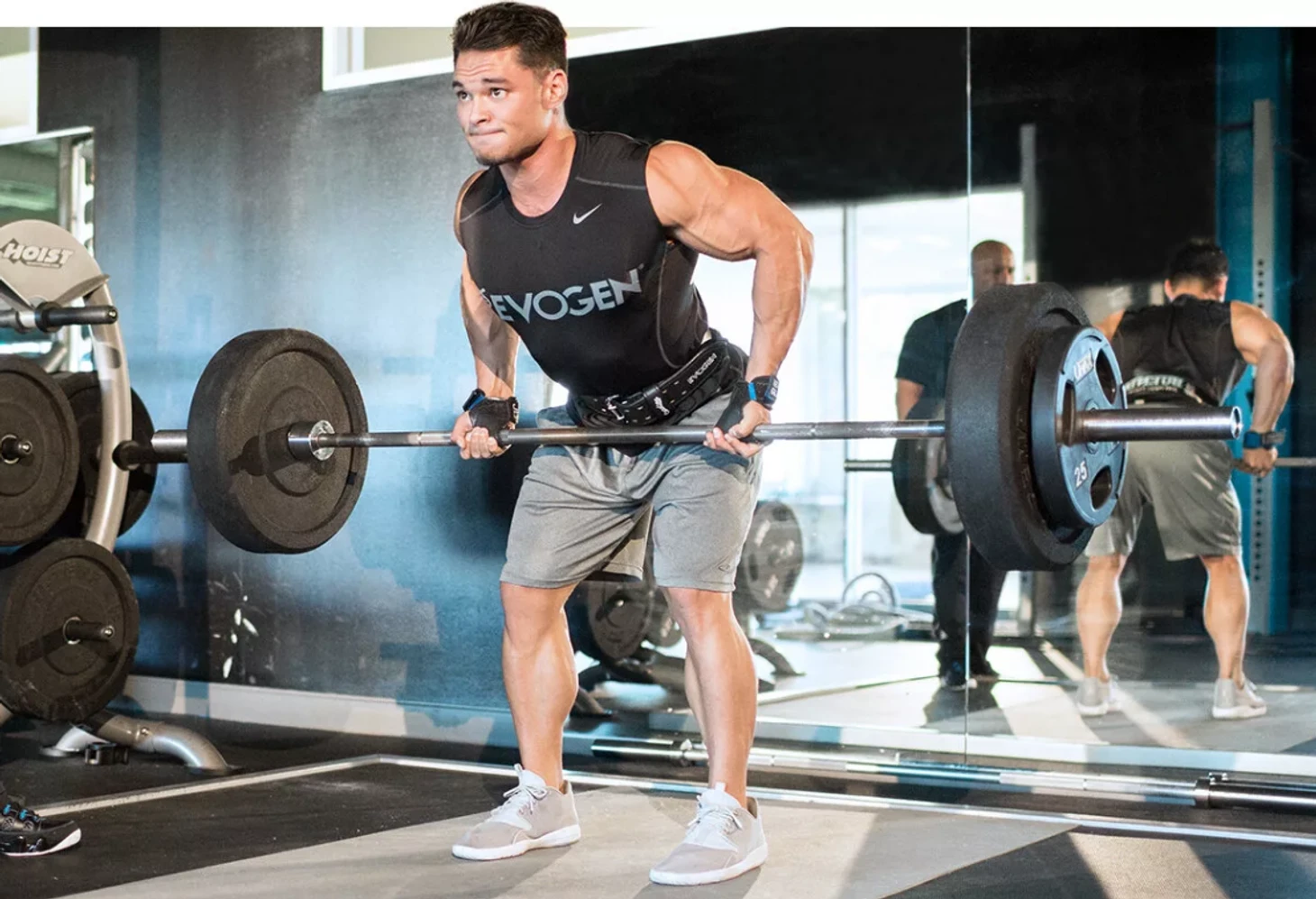
When data were grouped by resistance level, exercises performed with approximately 60%–79% of one-repetition maximum had an effect estimate of about −0.56. Lighter-load comparisons were around −0.40, and bodyweight exercise comparisons were close to −0.25. The highest-load category, at least 80% of 1RM, was represented by only one study, too little for a reliable pooled result.
Therefore, it would be inaccurate to say that singles and triples are completely protected from cognitive fatigue. Equally, no one should conclude that moderate-load hypertrophy sets must be removed after a busy workday. Subgroup patterns describe the experiments that were available, not personalized loading prescriptions.
The review also separated sessions by relative training volume. The higher-volume subgroup had a larger negative standardized effect, approximately −0.54, than the moderate-volume subgroup, about −0.37. Different studies contributed to these groups, so the result is not proof that cutting exactly one set removes a known percentage of fatigue.
A long bodybuilding session does have more opportunities for execution quality to decline as repetitions accumulate. The fifth set of an accessory may feel much harder than the first. But appropriate weekly sets remain useful for muscle development. Monitor the quality of work rather than assuming that either more volume or less volume is always correct. When you notice unusually poor concentration, ask whether the planned remaining sets are productive or merely extending a draining evening.
Equipment Worth Exploring
Explore equipment, accessories and gear from our carefully selected range.
VOLTRA
Compact digital cable trainer with smooth, adjustable resistance.

Go-Tone Pro
Portable digital cable trainer with up to 66 lb (30 kg) of adjustable resistance.

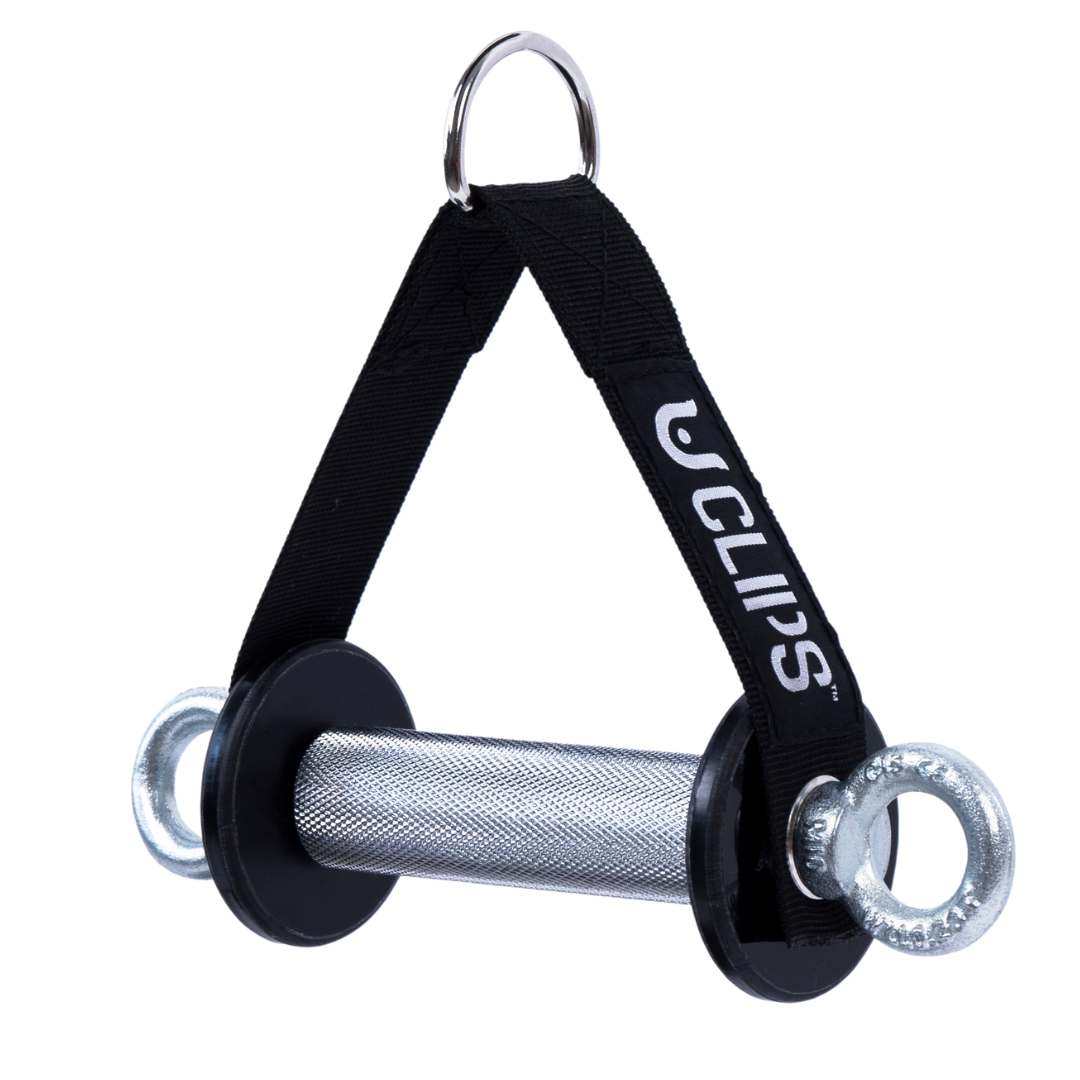


VForce Wall Trainer
Space-saving wall-mounted functional trainer with pivoting cable arms and variable resistance ratios.


Leather Wrist Grips
Padded leather lifting grips help support the hands and wrists on heavy pulling exercises.

Standing Chest Press SCP-760
Standing chest-press machine with adjustable handle positions for chest and close-grip pressing.

Leather Lifting Straps
Padded leather straps support grip during heavy rows, deadlifts and pulling exercises.
A practical readiness check before difficult sets
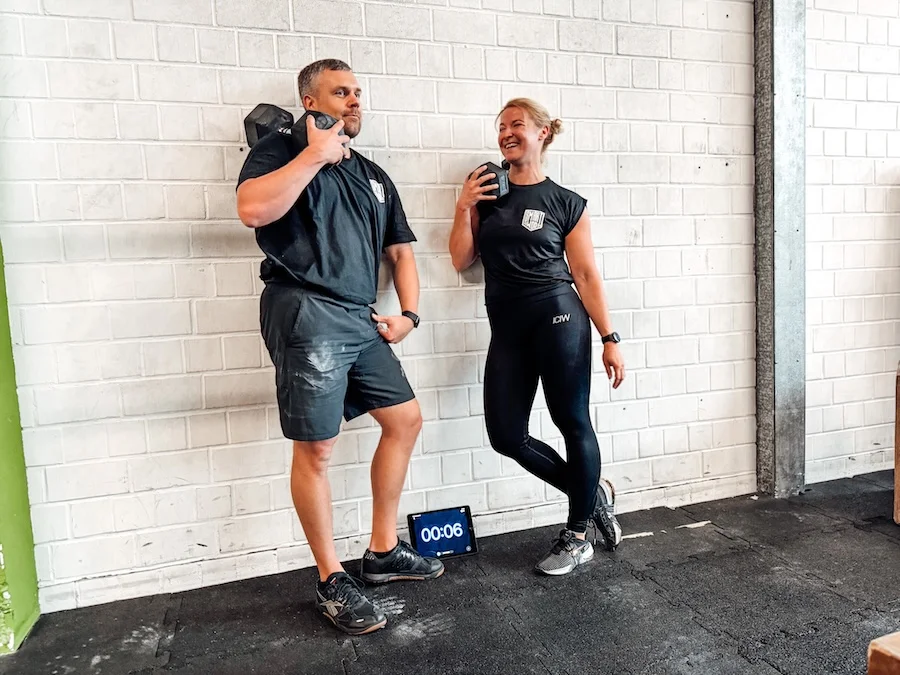
Start with a quick review of the day. Were you solving problems for hours, sleeping poorly, rushing meals or dealing with emotional stress? These factors overlap but are not interchangeable. The research specifically assessed mental fatigue induced by cognitively demanding tasks, not every cause of tiredness. Do not use the findings as a medical diagnosis.
Next, use a normal warm-up rather than a sudden maximum-effort test. Progress through your familiar lighter sets and compare how the movement feels with recent workouts. Pay attention to your control, not just the number on the bar. Did the final warm-up require an unusual struggle? Are you able to focus on a simple cue such as maintaining a stable torso or controlled lowering phase?
A useful informal traffic-light method is green for normal focus and technique, amber for poorer concentration or an unusually difficult warm-up, and red when safe positions are repeatedly lost. On green days proceed normally. On amber days favor clean repetitions and consider one fewer optional set. On red days choose an easier familiar session or stop. This is a personal coaching framework, not a validated test from the review.
Do not cancel training because one warm-up felt slightly heavy; normal fluctuations happen. Equally, do not chase a record because a spreadsheet says today is personal-best day. If unusual dizziness, chest pain, confusion or other concerning symptoms occur, stop exercising and seek appropriate medical attention instead of attributing them to ordinary mental fatigue.
Design a busy-day session you can actually repeat
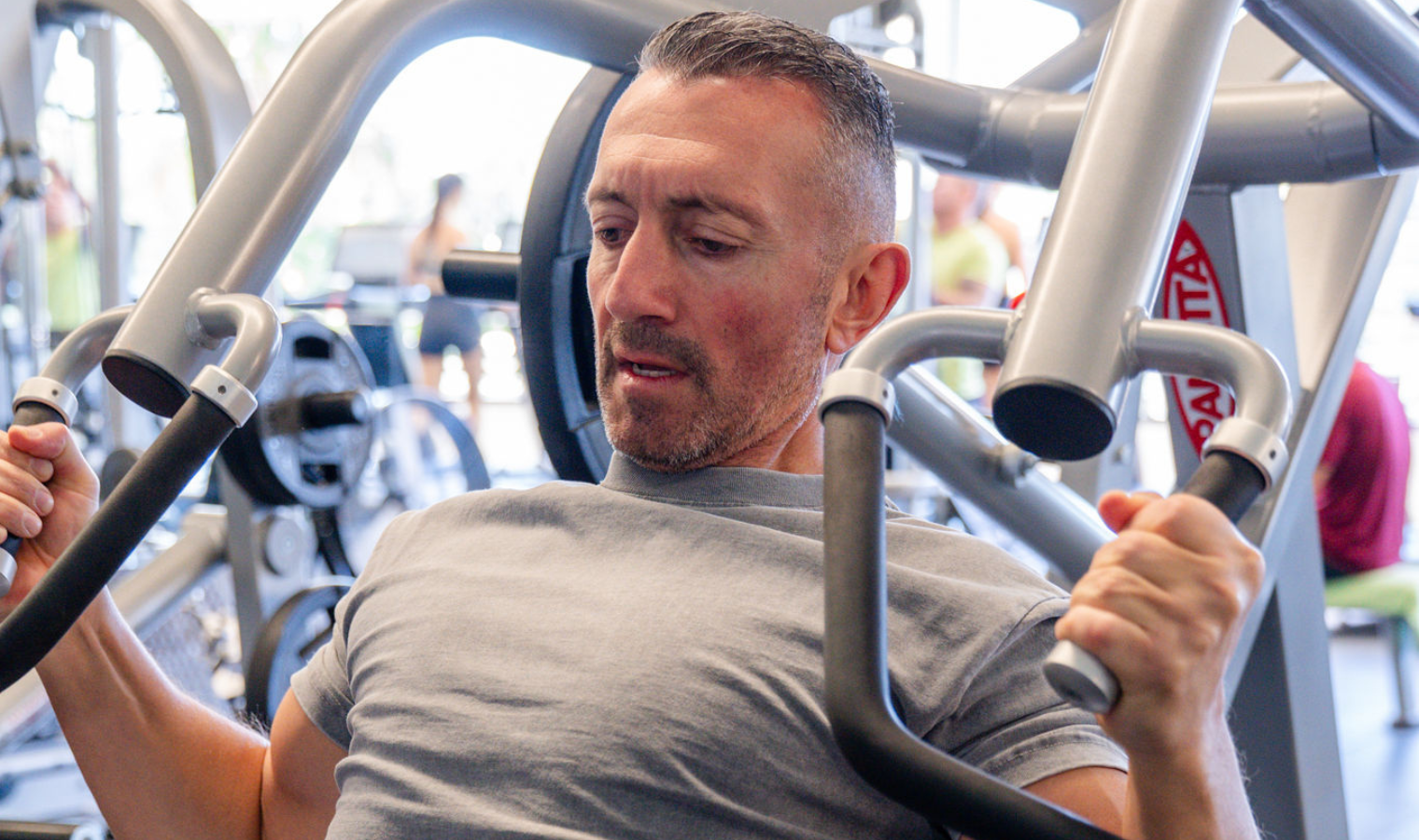
People cannot always rearrange deadlines, commutes, children or exams around their ideal gym routine. The practical solution is to give a session clear priorities. Place the most technical or important movement early after the warm-up. Follow it with one or two exercises that support the goal. Treat the rest of the accessories as optional when concentration feels unusually low.
An upper-body example might begin with bench press, continue with a supported row, then include dumbbell or cable work for shoulders and arms. If you are clearly not recovering your focus, keep the press and row and trim low-priority accessories. If the main movement itself is poorly controlled, choose a load you can manage safely rather than forcing the written target. Familiar handles, stable benches, secure racks and easily adjusted machines can help reduce unnecessary setup friction.
Some people enjoy a short walk, several quiet minutes or fewer phone interruptions between work and lifting. Those strategies may be worth testing personally, but the eleven-trial meta-analysis did not prove that any particular mental reset completely counteracts the observed effect. Stimulants or elaborate supplement routines are not necessary to make a training day useful. Neither should be used to disguise inadequate sleep or unsafe technique.
The wider principle is consistency. A 2026 resistance-training position stand emphasizes regular training and personalizing the program. A focused forty-minute workout that you can repeat is generally a stronger foundation than abandoning the day because you cannot complete every preferred set. The equipment is there to help you execute the plan, not to erase the cognitive demands of everyday life.
Funny Gym Shirts & Workout Gear
Funny gym shirts, tanks, hoodies and workout gear for lifters who like training hard.

Gym Is My Therapy Decal for Water Bottles Laptops Worko Sticker
A fun “Gym Is My Therapy” touch for bottles, laptops, and lockers.

No Excuses Mermaid Motivational Sweater Strong Meme T-Shirt
Keep things casual with a little “No Excuses Mermaid” attitude.

Superdad Meme : Dadlifting Shirt Sleepless Not Weak T-Shirt
Bring “Superdad Gym Meme” humor to your next gym day.

Stronger Than Excuses Tank
Show some personality between sets with “Be Stronger Than Your Excuses”.

Sleeping Booty Bootybuilding Meme Hooded Princess Hoodie
Make your off-duty look more fun with “Sleeping Booty”.

Mind Muscle Perfection Embroidered Brain and Biceps Gym Hat
A playful “Mind Muscle Perfection Embroidered Dad” cap for workouts and weekends.

More Rest More Test Meme Testosterone Bro T-Shirt
Heavy lifts, good laughs, and a little “More Rest More Test Gym Meme Testosterone” energy.

Work Hard Eat Hard Donut Dumbbell Donuts Barbell Hoodie
Bring “Work Hard Eat Hard Donut Dumbbell Donuts” gym humor to lazy days and post-workout plans.

Diligence Greek God Tee
Heavy lifts, good laughs, and a little “Diligence Greek God Marble Sculpture” energy.

Focus Stoic Bodybuilder Greek God Marble Sculpture T-Shirt
Heavy lifts, good laughs, and a little “Focus Stoic Bodybuilder Greek God Marble” energy.
A six-week tracking experiment for your own workouts
The review does not prescribe a six-week training program. This is a self-observation plan, not a method experimentally proven effective in those eleven trials. In weeks one and two, keep your normal program and record the exercises, loads, completed repetitions, estimated reps in reserve, sleep and the cognitive demands of the preceding few hours. You can rate mental demand on a simple one-to-five scale.
During weeks three and four, inspect the patterns. If similar bench or squat workouts repeatedly lose reps after higher-demand workdays, test one modest change. That might mean scheduling your priority barbell work earlier when possible, keeping fewer optional accessories or moving the most technically demanding session to a less intense workday. Change one major variable at a time if you want the notes to be interpretable.
During weeks five and six, compare workouts at similar weights and effort levels. Are you finishing more quality sets? Is technique more repeatable? Does the revised schedule help you attend sessions without feeling rushed? A small personal diary cannot prove causation, but it can reveal which training setup is more sustainable.
An ordinary weekly template can use two or three full-body or upper/lower workouts with a squat or hinge, a press, a pull and selected isolation movements. Keep starting loads manageable and progress gradually when repetitions and technique support an increase. On mentally loaded days, preserve the highest-priority work and trim optional volume rather than doubling the following day’s session to repay some imagined workout debt.
The central takeaway is specific. Across eleven controlled trials, demanding cognitive tasks were associated with somewhat lower immediate lifting volume; evidence certainty was low and long-term effects on muscle growth remain unproven. Keep your training repeatable, track it honestly and treat a difficult day as a cue to adjust intelligently—not as a reason to give up lifting.