Advertising disclosure: This page includes affiliate product links that may earn us a commission, as well as products from our own store.
How wide should you grip a chest-supported row? In a November 2026 study of 23 experienced lifters, narrower hand positions supported heavier estimated maximum loads, while forearm orientation changed several upper-body muscle-activation readings. Those short-term differences are useful, but they do not prove any grip grows more muscle. Here is how to turn the findings into more consistent rowing and better back training.
What the 23-lifter experiment actually tested
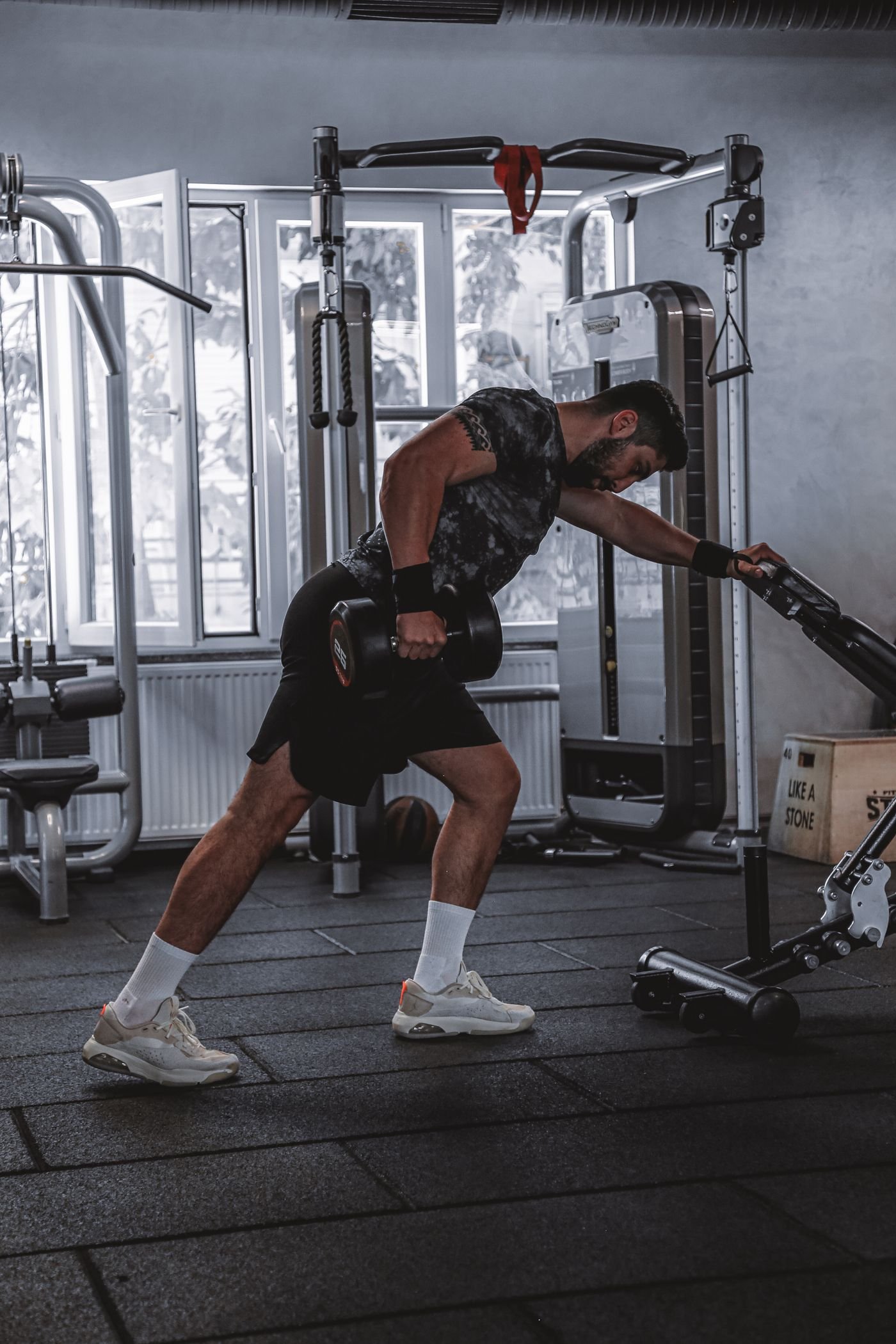
Grip advice can sound remarkably absolute: go wide to train the upper back, go narrow to train the lats, and twist your hands until you find the supposed secret to growth. A November 2026 experiment provides a useful reality check. Twenty-three resistance-trained adults, averaging roughly 23 years old and nearly six years of lifting experience, tested four hand positions during an incline prone barbell row. Because the same participants completed the different configurations, the comparison focused on how changing the grip altered the movement in an otherwise similar lifting session.
First, the lifters performed five-repetition-maximum testing with each variation. The researchers used those results to estimate the maximum single repetition possible for each grip. On a separate test day, surface electromyography, or EMG, was recorded during two sets of three repetitions at 85 percent of the estimated maximum. The recordings covered several muscles in the shoulders, upper back and arms. This was an acute experiment with challenging loads, not an intervention that followed people for months of progressive training.
The strongest practical result was that the narrower grip positions supported higher estimated maximum loads. Forearm orientation changed multiple muscle-activity measurements but did not significantly change estimated strength on its own. That combination is interesting for exercise selection, yet it cannot reveal which version would build the most muscle over a long training block. Think of the study as a reason to test stable hand positions rather than a verdict that one attachment or handle is mandatory.
Why narrow rows can move more weight
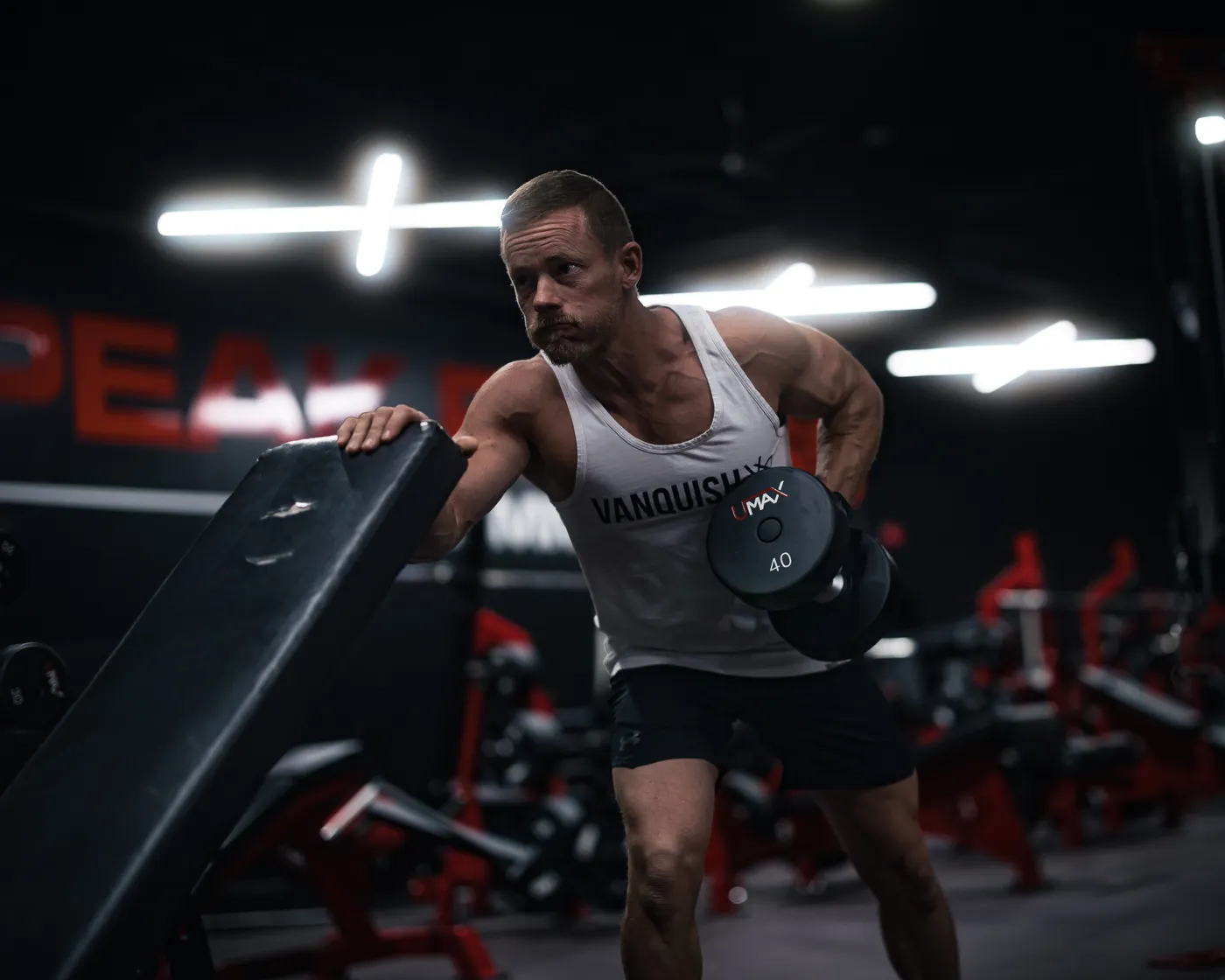
The narrow-grip configurations produced greater estimated maximum strength, with a clear statistical difference for hand spacing. That makes sense as a possible mechanical effect: a narrower position changes the elbows’ travel, the bar path and the angles at which the arms and shoulders produce force. These adjustments can make a given load feel easier to pull without automatically increasing the growth stimulus for every back muscle. Mechanical advantage matters when interpreting an exercise test.
Consider a lifter who manages eight clean repetitions with 70 kilograms using a moderately narrow grip and eight with 62.5 kilograms using a wider grip. It would be a mistake to declare the first movement universally better just because the number is larger. Grip changes may modify range of motion, lever lengths and how much upper-arm movement occurs. If the heavier set uses an abbreviated range or a bouncing torso, even its comparison with the lighter set becomes difficult to interpret. The weights belong in separate columns in the training log.
The useful lesson is to standardize each variation before chasing progress. Choose a consistent bench angle, chest-contact point and pause or lowering tempo, then load the movement according to what that exact setup permits. A relatively narrow grip can be your main strength progression if it feels good and supports controlled full repetitions. A wider position can still work as a second pattern when the shoulders and wrists tolerate it. Load is information, not the whole definition of a productive back set.

Equipment Worth Exploring
Explore equipment, accessories and gear from our carefully selected range.


FID Bench MAX
Adjustable bench offering flat, incline, and decline positions + adjustable headrest.


Rubber Hex Dumbbells
Rubber-coated hex dumbbell pairs with a stable shape for home and commercial strength training.
Muscle activation is not a hypertrophy scoreboard
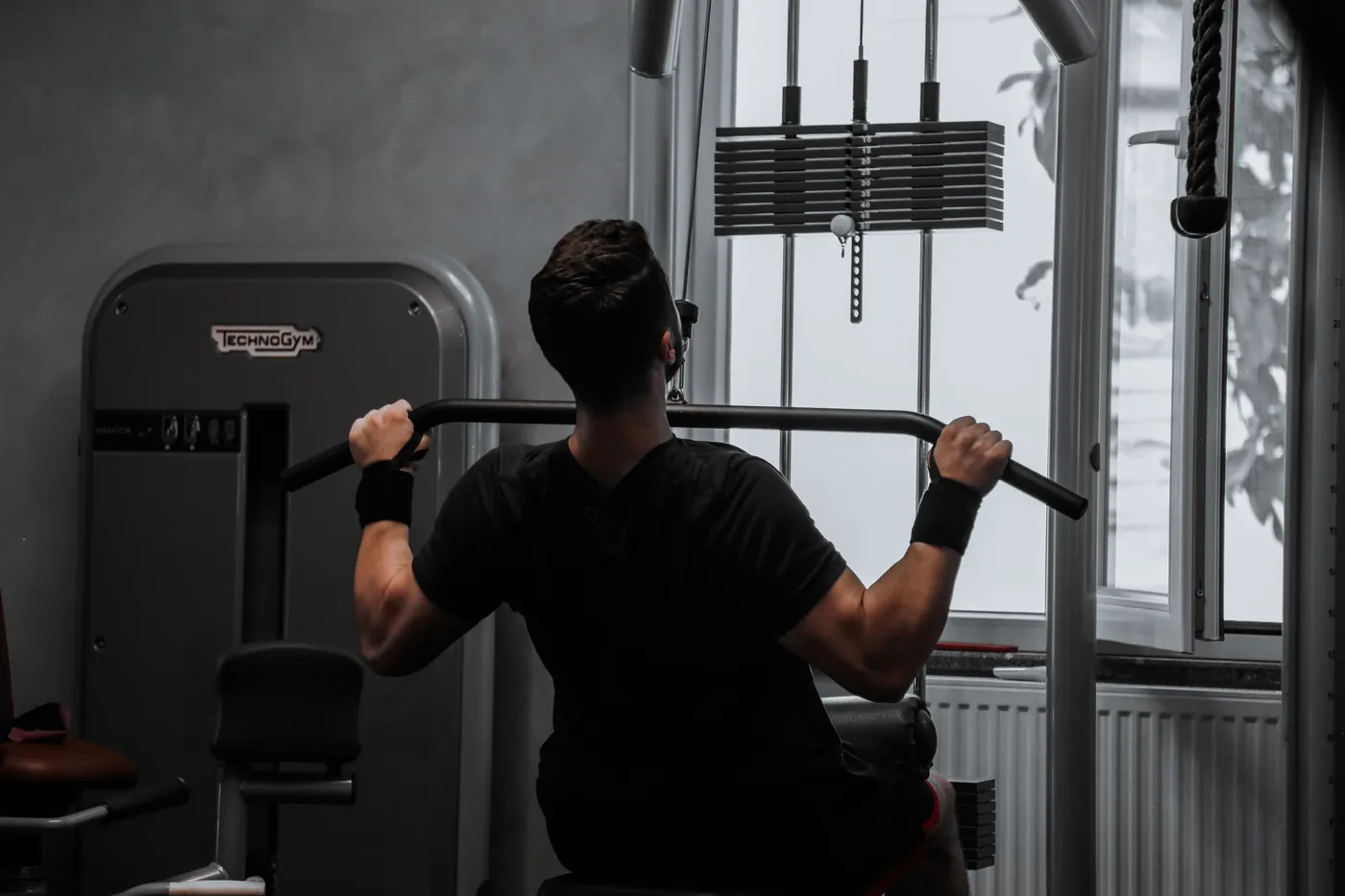
The experiment also recorded meaningful changes in electrical activity with different forearm orientations. The middle trapezius, latissimus dorsi, middle and posterior deltoids, brachioradialis, triceps and biceps were among the muscle groups showing effects of forearm angle. Hand spacing influenced readings from the middle trapezius and biceps. These findings show that small technique changes can alter what an electrode detects. They do not support a blanket claim that palms-up is always better for lats or palms-down guarantees more upper-back growth.
Surface EMG measures electrical signals at the skin near muscle tissue. Signals depend on electrode placement, anatomy, effort, movement and neighboring muscle activity. They are not direct measurements of mechanical tension inside every fiber, and they do not measure how many millimeters a muscle will grow after twelve weeks. A difference can be statistically significant while remaining hard to translate into a practical outcome. The study did not include long-term muscle thickness or strength progress following regular use of each grip.
For a real workout, start with questions you can answer consistently. Can you maintain chest contact when the set becomes hard? Can your elbows follow a comfortable path? Does the grip let you control the last repetition without flaring the wrists or throwing the weight? Those observations are worth recording. If two grips both feel strong and allow repeatable technique, select the one that fits your program and reserve the other as an occasional alternative instead of treating transient EMG numbers like a ranking of exercises.

Bodybuilding Shirts & Workout Gear
Bodybuilding shirts, tanks and gym gear for lifters chasing muscle, size, symmetry and the pump.


Strong Back Bodybuilder Tee
Show some lifting attitude with a playful “Strong Back Bodybuilder” tee.


Nice Traps Big Back Tee
Heavy lifts, good laughs, and a little “Nice Traps Big Back” energy.


Dost Thou Even Pull Tee
Make gym days more fun with “Dost Thou Even Pull Medieval Knight Lat” style.

How to set up an honest chest-supported row
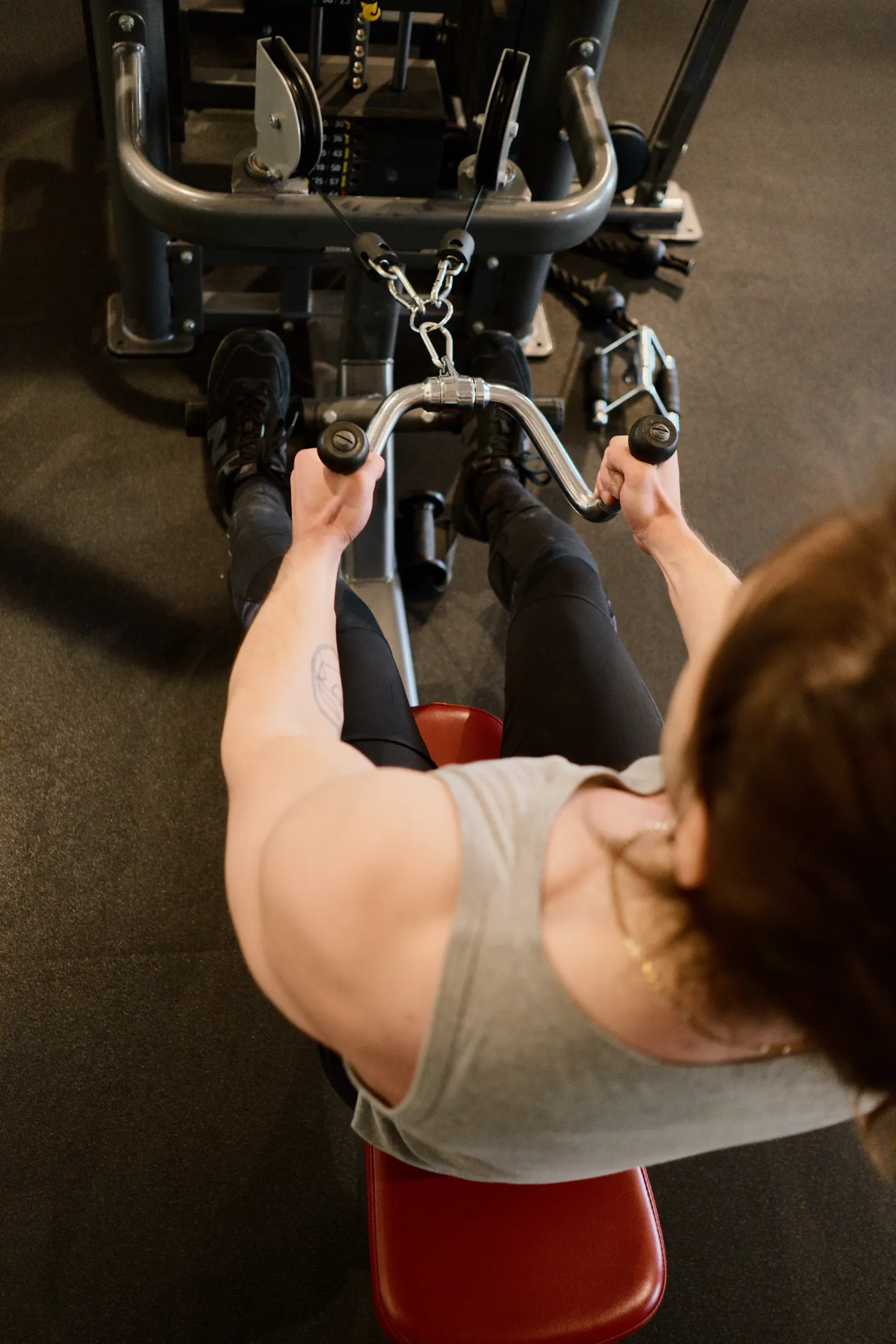
An incline bench takes away much of the opportunity to swing the torso, but only when the equipment actually fits the movement. For dumbbell rows, a moderate incline around 30 to 45 degrees is often practical. Place the chest comfortably against the pad, keep the feet stable and let the hands hang naturally beneath the shoulders. For barbell incline prone rows like those in the experiment, check that the bench frame, plates and bar have enough clearance at the bottom. A bar that hits the bench or stops on the floor prematurely forces a different movement.
Begin each set with long arms and a stable torso. Draw the elbows back toward the ribs rather than repeatedly shrugging the shoulders toward the ears. Keep the head in line with the back instead of looking upward. At the top, briefly control the position; on the way down, allow the shoulder blades to move without bouncing the weight. Do not press the feet so hard into the floor that the chest rises off the pad. If the pad moves or feels unstable, adjust the setup before loading heavily.
When experimenting with grip width, change only one main variable at a time. Keep bench angle, implement, target repetitions and rest roughly constant. A shoulder-width overhand grip is an easy reference; compare it with a moderately narrower position rather than an extreme width. To experiment with palm rotation, you may need dumbbells or an implement that offers independent handles. A fixed straight bar cannot deliver the same neutral option. Do not compare a cable row and a heavy barbell row as if the only difference were grip orientation.
Which grip belongs in your training?
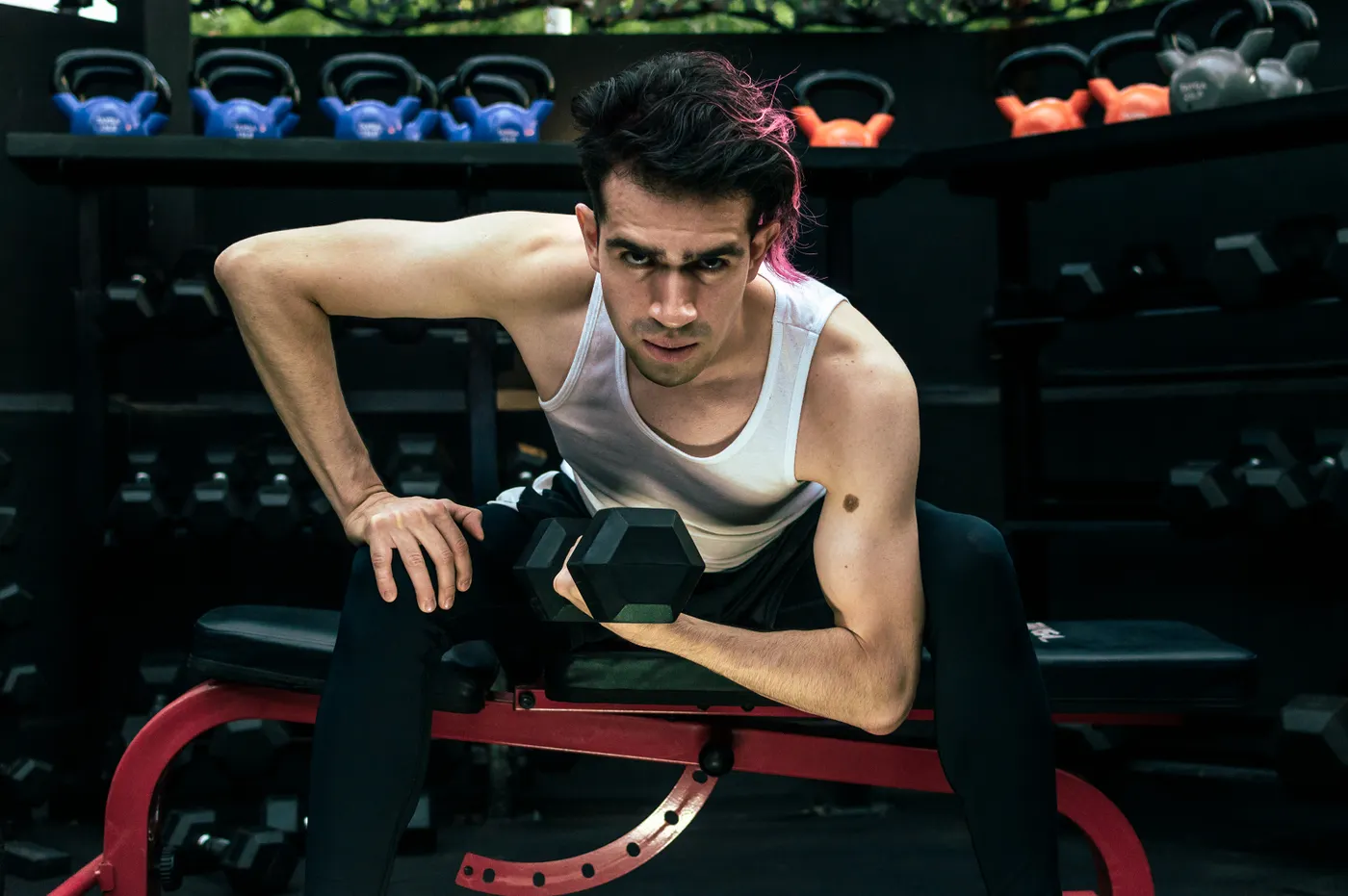
A pronated grip puts the palms toward the floor on a straight bar. It can provide a simple, repeatable reference for barbell rows. A supinated grip rotates the forearms so the palms face upward, often encouraging a slightly different elbow path. Some lifters find it comfortable; others notice more wrist or elbow demand. A neutral grip, with palms facing each other, is common with dumbbells and independent row handles. It may make it easier to accommodate individual arm angles, but it was not the central comparison of this specific four-condition experiment.
Rather than changing hand position every set, use a simple sequence. Find an orientation that feels natural and allows controlled pulling through a useful range. Choose a modest width you can reproduce without guesswork. Do two or three warm-up sets, then use your primary position for the main working sets. If you want more variety, add a different grip for the last one or two sets or on the week’s second back session. There is no requirement to make every set feel like a separate biomechanical laboratory experiment.
If a narrow grip lets you progress faster and leaves the elbows happy, keep it. If a wider grip gives you a better sense of controlling the shoulder blades without joint irritation, keep that option too. When discomfort appears, reduce load or change the angle rather than forcing the wrist into a position solely because an experiment recorded a certain muscle signal. For hypertrophy the larger priorities remain consistent hard effort, sufficient weekly work, a range you control and recovery that lets you improve.
Equipment Worth Exploring
Explore equipment, accessories and gear from our carefully selected range.
VOLTRA
Compact digital cable trainer with smooth, adjustable resistance.
Horizon Grip
Ergonomic V-style cable grip for rows and back training.

GymPin Ergo Handles
Pair of ergonomic cable handles shaped for comfortable triceps and pulling exercises.

GymPin D Handle Bar
Multi-use steel D-handle bar for cable rows, pulldowns and other cable exercises.

GymPin Barbell Row Handle
Heavy-duty handle attachment for barbell, landmine and T-bar rows.

Leather Lifting Straps
Padded leather straps support grip during heavy rows, deadlifts and pulling exercises.

Angles 90 Grips
Flexible grip attachments that allow natural wrist movement during pulling exercises.
Build your back beyond one row variation
Chest-supported horizontal rowing is particularly useful when the lower back is already fatigued from squats, hinges or heavy deadlifts. Supporting the torso means you can focus more attention on the pull instead of maintaining a long bent-over position. That does not make unsupported rows obsolete. Bent-over barbell rows ask more of trunk stabilization, while single-arm dumbbell rows offer a freer elbow path. A supported T-bar machine may let you use convenient neutral handles, though its geometry is not identical to the study’s incline bench and straight bar.
A well-rounded pulling week usually includes both horizontal and vertical patterns. Rows can provide a repeatable way to load the upper back, lats and elbow flexors; pull-ups or pulldowns challenge a different shoulder movement. Add rear-deltoid work if it addresses a real need rather than reflexively stacking every accessory onto the session. For someone training the back twice per week, three or four hard row sets on one day and two or three on the other can be a workable starting point, adjusted for other pulling exercises and recovery.
Keep the definition of progress simple. Log the same grip, bench setting, range and rest, then look for more clean repetitions or modest load increases across several weeks. If every final repetition becomes a violent shrug or the chest leaves the pad, the bar is not proving you stronger in that strict variation. Reduce the weight and make the standard repeatable. The best training plan is the one that lets you work hard enough to progress without turning each session into a constant search for a new handle.
A four-week grip test for your next back block
In week one, choose your primary supported row and perform three sets of eight to twelve controlled repetitions with roughly one or two good repetitions left in reserve. Record load, repetitions, rest, bench angle and a recognizable hand position. In a second session, test a moderately different grip for two easier sets. Ask whether the wrists feel stable and whether you can reach the same top position without lifting the chest. Your goal is a baseline, not a personal record on every variation.
During week two, repeat the main grip precisely and try to add a repetition somewhere without losing technique. In week three, increase the load by the smallest practical increment when all working sets reach the top of the range. Keep the alternative grip at a similar level of effort and note whether it remains comfortable. If one workout feels unusually strong, wait for another consistent performance before judging the grip. Sudden jumps often reflect familiarity or a shorter range rather than a meaningful training adaptation.
At the end of week four, compare the logs. Which position delivered controlled repetitions and gradual improvements without irritating the joints? Did the heavier grip maintain the same range and chest support? If both did, make the one that fits your setup the primary exercise and keep the other available for variety. If neither feels right, a dumbbell or cable-supported row may be easier to standardize. The new 23-lifter evidence gives you a reason to experiment intelligently; your repeated workouts tell you which practical option deserves to stay.
Funny Gym Shirts & Workout Gear
Funny gym shirts, tanks, hoodies and workout gear for lifters who like training hard.

Grip Strength Fanatic Meme Hoodie
Show off your lifting humor in a laid-back “Grip Strength Fanatic” hoodie.


Grip Day Legacy Gymbro & Decal Sticker
Give your everyday gear a playful “Grip Day Legacy” twist.


Grip Train Get A Grip Jumper Grip Training T-Shirt
Show some gym-day personality with “Grip Train”.

Grip Training Essential Gymbro Jumper & T-Shirt
For laid-back days and lifting humor: “Grip Training Essential”.

Always Pull Yourself Up Tank
Show some personality between sets with “Always Pull Yourself Up”.

Pullups Heartbeat Crewneck
Keep things casual with a little “Calisthenics Pullups Heartbeat” attitude.

Pullups Heartbeat Sticker
Stick a little “Calisthenics Pullups Heartbeat” humor on your favorite gear.

Pull Up Not Out Hoodie
Show off your bodybuilding humor in a laid-back “Pull Up Not Out” hoodie.