
Beyond Power VOLTRA I: my verdict after almost three years
I bought three Beyond Power VOLTRA I units with my own money in late 2023. After nearly three years and more than 11.3 million pounds (5.13 million kilograms) of recorded training volume, they are still the best fitness equipment purchase I have made. Not the easiest or cheapest purchase, and certainly not one without compromises. I have snapped six cables, dealt with failing cable connector shells and had problems with an older Sliding Rack Mount. At the same time, I have used these compact machines for almost everything in my home gym, and all three batteries still report 100% health.

This is a three-year ownership review, not a week-long impression. I am not going to describe every software feature as essential just because it exists, or pretend every mount deserves to be purchased. The most useful conclusions came after thousands of workouts: what still feels good, what has become indispensable, what wears out and which extras I would skip if I were starting over.
All three units were paid for by me. Beyond Power has subsequently supplied some replacement parts and a small number of accessories, but it did not buy these machines for me. The Beyond Power and other store links in this review can be affiliate links; a purchase may support Mind Muscle Perfection without increasing your price. Those relationships do not change my actual ownership experience or opinions.

VOLTRA
Compact digital cable trainer with smooth, adjustable resistance.
Watch the complete two-hour review
The video includes real demonstrations, failures, mounting experiments and long-term observations discussed throughout this written review.
What exactly is the Beyond Power VOLTRA I?
Before getting into everything I have done with the VOLTRA, it probably makes sense to explain what it actually is, because it is a pretty unusual piece of equipment. At the simplest level, the VOLTRA is a compact, battery-powered digital cable machine. Instead of getting resistance from weight plates or a conventional weight stack, the resistance is created electronically inside the unit. You attach a handle, bar, rope, belt or whatever other attachment you want to the cable, select the amount of resistance on the touchscreen, and the VOLTRA creates that resistance for you.
So if I set it to 50 pounds, or about 23 kilograms, I do not need to load any plates. And because the resistance is generated digitally, the VOLTRA can do a lot more than simply imitate a normal cable stack. It can give you more resistance on the eccentric portion. It can work in isokinetic modes, rowing modes, skiing modes, and now even sled-style resistance. If all you wanted was a normal cable machine, there are much cheaper ways to get one. What makes the VOLTRA interesting is that the resistance itself can behave differently depending on what you are trying to accomplish. A normal functional trainer takes up a huge amount of space because the machine has to include the frame, the pulleys, the weight stacks and the cable system.
You mount it where you need it. That could be on the upright of a power rack. On a custom mount. Or increasingly, on equipment that people are building specifically around the VOLTRA. Then when you are finished, you can move the same unit somewhere else. That was one of the biggest reasons I became interested in it in the first place. My gym is small, so I do not want five different machines occupying permanent floor space when one small resistance source can potentially perform the job of several of them.
And because the VOLTRA uses a cable, you can change the pulling angle depending on where you mount it. Mount it low, and you have low cable movements. Mount it high, and you have pulldowns, pushdowns and high cable work. Mount it around chest or shoulder height, and you have rows, flies, lateral raises and all kinds of other exercises. And if you own two VOLTRAs, you can start creating bilateral setups that feel much closer to a full functional trainer. Another important thing to understand is that the resistance is effectively 1-to-1. If the machine says 100 pounds, or about 45 kilograms, you are dealing with 100 pounds of programmed resistance rather than a pulley ratio cutting that in half.
That is one of the reasons the numbers can feel surprisingly heavy if you are coming from some commercial cable machines. On some conventional machines, once you get the stack moving, you can sometimes use speed and inertia to get through parts of the rep. You stop pulling, there is not a giant stack of plates continuing to travel behind you. That gives the resistance a very controlled feel, and for bodybuilding in particular, I really like that. The unit itself is battery powered, so you do not need to have it plugged into the wall while you train. You charge it, mount it, and then use it wherever you want. There is a touchscreen on the front for controlling resistance and changing modes, and the software has become much more capable since I originally bought mine.
The cable is also replaceable, which is important because after my experience, I definitely consider the cable to be a wear item. And that is one of the interesting things about the VOLTRA overall. It sits somewhere between traditional gym equipment and a piece of technology. You have the physical hardware, the motor, the cable, the battery and the mounts. But you also have firmware updates and new software features that can change what the machine is capable of years after you bought it. And that is a big reason why my opinion of the VOLTRA has become more positive over time. When I bought these three units, I was already impressed with what they could do.
But the product I am using today is more capable than the product I originally paid for, even though it is still the exact same hardware. And once you understand that, the rest of this review makes a lot more sense. Because the VOLTRA is not just a tiny cable machine. It is basically a portable digital resistance engine that you can keep adapting to whatever you want to train.
At launch the maximum programmed resistance was 200 lb (about 91 kg); Firmware 2.0 raises that to 230 lb / 104 kg on the same hardware. This is a true 1:1 digital cable resistance system, rather than a conventional pulley stack with plates. Like any cable system, external pulley configurations can change what reaches the handle, but the unit itself produces the selected resistance at its cable.
How three VOLTRAs became the heart of my home gym

One of the reasons the VOLTRA has worked so well for me is that my gym has always been built around doing as much as possible in as little space as possible. I do not have a huge commercial-style home gym with endless rows of machines. I have a compact setup, and because of that, every piece of equipment has to earn its place. My main setup is built around a REP PR-5000 rack, a REP BlackWing bench, and the three VOLTRAs. And over time, those three VOLTRAs have basically become the resistance system for the entire gym. Instead of having a separate lat pulldown, a separate functional trainer, a separate low row, a separate cable crossover, and a bunch of other machines all taking up permanent floor space, I can move the VOLTRAs around and create the setup I need for that exercise.
If I want a high cable, I mount one high. If I want a low cable, I mount it low. If I want two independent cables, I use two VOLTRAs. If I want more resistance, I can combine two units. If I want a different angle, I move the mount. That flexibility is a huge part of why I bought them in the first place. And it also means the VOLTRAs are not some accessory that I occasionally bring out for one or two exercises. I use them for chest, back, shoulders, arms, legs, core, neck work, cardio, and a lot of accessory movements. They have become so integrated into my training that I honestly do not really think of them as separate machines anymore.
At the time, three made sense for the way I wanted to set everything up. I could have two units handling a bilateral movement while still having a third unit available somewhere else. I could keep different stations ready to go without constantly moving the same unit around. And if I wanted to experiment with some more unusual setups, I had enough units to do it. But if I were starting from zero today, knowing everything I know now, I would probably buy two. Two VOLTRAs give you most of the real advantages of the system. You can create two independent cable angles. You can split resistance across two cables instead of loading one cable as heavily.
And you still have enough flexibility to build a very complete training setup. A useful luxury in my case, but still a luxury. And that is probably the biggest difference between how I would buy them today and how I bought them almost three years ago. At the beginning, I wanted the maximum amount of flexibility, so I went all in and bought three. Now that I know exactly how I use them, I think two gives you most of what matters. But regardless of whether you have one, two, or three, the thing that has impressed me most is how much equipment they can effectively replace. There are still exercises where a dedicated machine is going to feel better.
There are still movements where I would rather use a purpose-built piece of equipment. But in a compact gym, the question is not always whether the VOLTRA is better than a dedicated machine. The question is whether one small device can give you 80, 90, or sometimes 100 percent of what that machine would give you without taking up the space permanently. And for a lot of exercises, the answer is yes. That is why the VOLTRAs have become the heart of my gym. They give me the freedom to build the exercise I want instead of having to dedicate floor space to a machine I might only use for ten minutes a week. And after almost three years, that flexibility is still probably the biggest reason I would not want to give them up.


The lifetime numbers: 11.3 million pounds and counting
Now I want to put some numbers behind everything I have been saying, because this is probably the best way to show just how much use these three VOLTRAs have actually had. And these are not estimates. These are the lifetime statistics recorded by the machines themselves. My first VOLTRA has now logged just under 4.5 million pounds, or about 2.04 million kilograms, of training volume. The second is at just under 3 million pounds, or about 1.36 million kilograms. And the third is at just over 3.8 million pounds, or about 1.73 million kilograms. Add all three together, and that gives me a total recorded training volume of more than 11.3 million pounds, or 5.13 million kilograms.
More precisely, that is 11,305,181 pounds, or 5,127,944 kilograms. That is across 17,525 recorded sets and 182,512 reps. The machines have also recorded a combined workout duration of more than 588 hours. And within that, there are more than 126 hours of actual time under tension. It is interesting to see just how much activity has accumulated across these machines over the years. And there is another important detail here. These numbers still do not represent every single rep I have ever done with the VOLTRAs. The lifetime tracking features were not available from the very beginning of my ownership. So by the time the machines started recording these lifetime statistics, I had already been training with them for quite a while.
That means the real lifetime volume is actually higher than 11.3 million pounds. I just cannot tell you exactly how much higher, so I would rather stick with the number I can actually prove. And even that number is already kind of absurd. More than 11 million pounds through three tiny machines sitting on a power rack. That is also why I think the long-term durability discussion later in this review needs some context. When I tell you that I have snapped six cables over almost three years, you also have to understand what those cables have been subjected to. These machines have not been sitting in the corner waiting for me to make another video about them.
They have been used. And the usage has not been evenly distributed either. Depending on how my gym was configured at different points, one VOLTRA might get more work for a particular exercise or position than another. That is why you can see quite a big difference between the volume recorded on each individual unit. But all three have still had what I would consider extremely heavy use. And to me, this is probably the most important credibility point in the entire review. I am not trying to predict how these machines might hold up after years of training. I have already put years of training through them. I have used them enough to see what wears out.
I have used them enough to see what does not. I have used them enough to change the way I train with them. And I have used them enough that if there were some fundamental problem with the concept, I think I would have found it by now. Instead, after more than 11.3 million pounds, or 5.13 million kilograms, of recorded volume, the opposite has happened. I have ended up relying on the VOLTRAs more, not less. And that is probably the best indication of how I actually feel about them.


| Recorded metric | Combined across all three VOLTRAs |
|---|---|
| Total training volume | 5,127,944 kg (about 11,305,181 lb) |
| Total sets | 17,525 |
| Total repetitions | 182,512 |
| Total recorded duration | 588 hours 6 minutes |
| Total work | 36,461 kJ |
| Battery health | 100% reported on each unit |
These are the recorded lifetime-screen totals at the time of the review, not an instrumented count of every repetition since purchase. Tracking did not cover every early session. Training volume is cumulative load moved, not energy expenditure or a weight ever lifted in one repetition.
What VOLTRA digital resistance actually feels like

One of the biggest questions people have about the VOLTRA is what the resistance actually feels like. Because when you hear “digital resistance,” it can sound like it is going to feel artificial or strange. At a basic level, training with a VOLTRA still feels like normal cable training. You pull on the cable, the machine resists you, and you perform the exercise exactly the way you normally would. The difference is in how direct and consistent that resistance feels. On a traditional cable machine, especially one with a big weight stack and multiple pulleys, you can sometimes get the stack moving and then use some of that momentum to help carry you through parts of the rep.
If you stop producing force, the machine lets you know immediately. And it also means that the number on the screen can feel heavier than you might expect if you are comparing it to a commercial cable stack. For example, 100 pounds, or about 45 kilograms, on the VOLTRA does not necessarily feel like whatever your local gym labels as 100 pounds on its cable machine. Different commercial machines have different pulley ratios, different friction, different cable paths and sometimes pretty questionable weight markings. That is one of the reasons I like it so much for bodybuilding. And because the machine can manipulate the resistance electronically, you can also make the eccentric portion harder, add chain-style resistance, use assistance, or change the way the load behaves without changing any plates.
For normal weight-training mode, though, I would describe the feel as very natural. It does not feel like you are fighting against some weird motor. It feels like a good cable machine, just with a much more direct connection to the resistance. Even when I tested the new maximum of 230 pounds, or 104 kilograms, on rows and lat pulldowns, it did not suddenly feel different. And because you cannot generate as much momentum, 230 pounds of VOLTRA resistance is a serious amount of weight. The smoothness has also held up very well over time, with one important exception. As the cable starts to wear, especially when individual areas of the cable begin getting rougher or more damaged, you can start to notice a little more noise and a slightly less smooth feeling through the pull.
It is not like the VOLTRA feels perfect one day and terrible the next. You start noticing that the cable is getting a little more worn, maybe slightly noisier, maybe not quite as smooth as when it was fresh. And that is usually a sign that you should start paying more attention to the condition of the cable. Once you replace the worn cable, that smooth feeling comes back. So I would separate the feel of the VOLTRA itself from the condition of the wear parts. A healthy VOLTRA with a good cable feels excellent. A heavily worn cable can make the system feel a little rougher. And after using these machines for almost three years, I think that is an important distinction.
Overall, the resistance quality is one of the biggest reasons I have continued using them so much. If they were compact and clever but the actual training felt bad, none of the other features would matter. And for the type of controlled, high-tension bodybuilding work I do, the lack of momentum is actually one of the biggest advantages. The machine is not going to give you much help just because you managed to get the weight moving.
Should you buy one, two or three VOLTRAs?

One of the questions I get a lot is how many VOLTRAs you actually need. And after owning three of them for almost three years, my answer is pretty simple. If you only have one VOLTRA, you can already do a huge amount. For most single-arm or single-leg exercises, one unit is all you need. Rows, pulldowns, curls, triceps work, lateral raises, leg extensions, leg curls, belt-squat variations, core work, neck work, rehab work, cardio setups — there is a massive amount you can do with a single machine.
And because the VOLTRA is so easy to move around, one unit can serve a lot of different positions in a small gym. So I definitely do not want to give the impression that you need to buy two or three just to make the product useful. One VOLTRA is already a very serious piece of equipment. You can have one cable on each side and do movements that feel much closer to using a proper functional trainer. Two VOLTRAs also give you Twin Mode, so the machines can work together as one system. And for me, another very important advantage is heavy loading. If I want a lot of resistance, I do not necessarily need to ask one VOLTRA to do all of the work.
That has become more relevant to me after my experience with cable wear and cable failures. The new firmware now allows a single VOLTRA to produce up to 230 pounds, or 104 kilograms, and I have tested that properly on things like rows and lat pulldowns. I have no issue with the performance at 230 pounds. But because I have the luxury of owning multiple units, I usually do not see much reason to put the full load through one cable if I can spread that resistance across two machines instead.
It does not mean I think 230 pounds on one VOLTRA is unsafe. It means I have six lifetime cable failures behind me and three machines sitting in front of me, so I can afford to be conservative. If I want 200 pounds, or around 91 kilograms, of total resistance, I can use two machines at 100 pounds each. If I want 300 pounds, or around 136 kilograms, I can split that load as well. You reduce the load going through each individual cable, and you also get more flexibility in how you position the resistance. If you are changing a cable on one machine, or you have one mounted somewhere else, you are not suddenly without your entire cable setup.
There are times where I have two VOLTRAs set up for one movement and a third somewhere else ready for another exercise. There are times where I want different stations already prepared so I do not have to keep moving mounts around. There are times where three units make an unusual setup much easier to build. And because my gym has been designed around these machines, I have absolutely made use of all three. At the time I bought them, it made sense for what I wanted to build. But if everything disappeared tomorrow and I had to start again from zero, I would buy two. That is the setup I would recommend to myself today.
Two gives you the vast majority of what makes the VOLTRA ecosystem so powerful without pushing the cost quite as far into ridiculous territory. You get two independent cable angles. You get the option to split very heavy loads between two cables. And you still have a setup compact enough that both machines can move around the gym as needed. So if your budget only allows one, I would not worry about it. One VOLTRA can do an enormous amount. If you want the full experience, I think two is where the system really comes alive. And if you are insane enough to buy three like I did, you will definitely find ways to use them.
| Units | Best fit | My experience |
|---|---|---|
| One | Individual cable work and compact first system | Plenty for many movements, but less convenient for bilateral work |
| Two | Serious home gym and dual-cable training | The biggest practical upgrade; my recommendation for many buyers |
| Three | Owners who value multiple stations and rapid transitions | Excellent convenience, but a luxury rather than a necessity |
Why I value Beyond Power’s software support
Three years of software updates are a major reason my opinion of the VOLTRA has improved rather than faded. I bought the hardware early, when some of the current resistance modes and conveniences did not exist. The same units now do more: resistance control has become smoother, training settings more convenient, and cardio options much broader. I particularly value improvements that make a frequently used feature less fiddly, rather than adding novelty for its own sake.
That is not an assurance of support forever. This is still an expensive electronic product with proprietary components and firmware; continued manufacturer support matters in a way it would not with a barbell. But Beyond Power has given me more reasons to trust the platform by continuing to develop features for machines already sold. Firmware 2.0, released to all owners in October 2026, is a particularly clear example.
That does not mean every smart feature is essential. What earns my respect is that Beyond Power has continued improving the same hardware instead of abandoning it as soon as something newer becomes possible.
Firmware 2.0: I tested 230 lb before public release

Update, October 22, 2026: The features I tested over several months of Firmware 2.0 beta development are now broadly available as a free update to VOLTRA I owners. The 230 lb / 104 kg ceiling, DTR, Mountain, Sled Pull, percentage controls and home-screen reordering are part of the public update. A separately advertised 250 lb Overdrive feature remains a beta; I am not claiming to have reviewed that setting.
I tested Firmware 2.0 beta features for several months before the public release on October 22, 2026. The major update is now available for all VOLTRA I owners as a free software update. The maximum resistance has gone from 200 pounds, or about 91 kilograms, up to 230 pounds, or 104 kilograms, on the same hardware. That is a pretty significant increase for a software update. And I have actually tested the full 230 pounds. I have used it for heavy rows and lat pulldowns, and honestly, it does not feel dramatically different from 200 pounds in terms of how the machine behaves. There is no weird change in the character of the resistance when you get close to the maximum.
And because the VOLTRA does not give you much help from momentum, 230 pounds of resistance is a serious amount of weight. Now, even though I think the 230-pound upgrade is great, I personally do not use the full 230 pounds on one machine very often. And that comes down to the way I use my setup. I have also snapped six cables over the years. So if I am doing something very heavy and I have the option of spreading that resistance between two machines instead of putting the entire load through one cable, that is usually what I prefer to do.
That is just me being conservative because I have the luxury of multiple units. It is not because I think the VOLTRA cannot handle 230 pounds. I have tested it at 230 pounds plenty of times. I just do not need to load one cable that heavily when I can divide the resistance between two VOLTRAs. And for me, that is one of the advantages of owning multiple units. If you only own one VOLTRA, you now have another 30 pounds, or around 14 kilograms, of headroom without buying anything else. That matters for things like rows, pulldowns, heavy lower-body movements and any setup where you were already getting close to the old 200-pound limit.
Firmware 2.0 also adds a new resistance profile called Mountain. The update also adds Mountain, a resistance profile that reaches its highest load around the middle of a movement. I have not spent much time with Mountain yet, so I am not going to pretend I have some deep opinion about it. I can see where it could be useful for matching certain strength curves. But it is not something that has become part of my regular training yet. DTR, or Dynamic Tension Response, is designed to improve how smoothly the set resistance responds during faster movements. I have not used DTR enough to offer a long-term verdict, so I will not pretend it has transformed my training.
And I think this is an important distinction to make. There are a lot of features inside the VOLTRA now. And some of them are interesting features that I simply have not had a reason to build into my training. I would rather tell you that than try to make every new feature sound revolutionary. One update I do like is percentage-based control for eccentric resistance. Previously, if I wanted a particular amount of eccentric overload, I would often have to calculate what that meant in actual pounds. Now I can set it as a percentage. That sounds like a small change, but in actual use it is much more convenient. If I want 20 percent more resistance on the eccentric, I can just tell the machine 20 percent rather than calculating the number myself.
The same percentage-based control has also been added for Chains and Inverse Chains. That is exactly the kind of software update I like. It just makes a feature that was already useful easier to use. And unlike Mountain or DTR, this is one I have actually started using. I attach the cables to a squat harness and walk backwards and forwards against the resistance. So instead of needing a traditional sled, a long strip of turf and a pile of weight plates, I can get a similar conditioning effect using the VOLTRAs. I have been doing this as part of my cardio work, and I really like it. It fits perfectly with the reason I bought the VOLTRAs in the first place.
I do not have space for a 20-metre turf lane. I definitely do not want a huge sled sitting around taking up space. But I can mount the VOLTRAs, put on the harness and do resisted walking in essentially the same area where I already train. That is exactly the kind of feature that makes digital resistance interesting to me. It is not just replicating something I could already do with a cable stack. It is letting the same small machines perform another completely different job. Firmware 2.0 also lets you reorder the home screen. I am sure some people will appreciate being able to put their favourite modes exactly where they want them, but it has not made much difference to me.
And I think that is probably the best way to summarize Firmware 2.0 overall. Not every feature is going to matter to every person. I barely use Mountain. I have not spent enough time with DTR to really judge it. I do not care much about rearranging the home screen. But the things that do matter to me are genuinely useful. The percentage-based eccentric control makes one of my favourite features more convenient. And Sled Mode has actually added another form of cardio to my training. So once again, the machines I bought almost three years ago have become more capable without me replacing them. And that is one of the reasons I keep saying that the VOLTRA has actually become a better product over time.

Technical distinction: the HYROX-style sled presets can display simulated sled weights greater than the VOLTRA’s ordinary cable limit because those numbers represent the friction model of a weighted sled, not the literal cable tension applied by the motor.
Every VOLTRA training mode: what I actually use

Weight Training: my everyday mode

The mode I use by far the most is still the normal Weight Training mode. This is essentially your traditional cable-machine experience. You choose your resistance, attach whatever handle or bar you want, and train. And honestly, even if the VOLTRA only did this one mode, I would still think it was a very useful product. Rows, pulldowns, curls, triceps extensions, lateral raises, flies, leg exercises, neck work — basically anything where I just want controlled cable resistance. But what makes Weight Training mode much more interesting than a normal cable stack is all of the additional functionality you can layer on top of it. So even the most basic VOLTRA mode is already doing much more than simply replacing a weight stack.
Resistance Band mode
This makes the resistance increase as you move further through the range of motion, similar to stretching a resistance band. It is useful if you want that kind of ascending resistance without actually having to attach bands to anything. But personally, it is not one of the modes I build a lot of my training around.
Damper mode
Damper resistance behaves more like something such as an air rower. The harder and faster you pull, the more resistance you get. It is velocity-dependent rather than simply giving you a fixed amount of weight. Again, it is interesting, and it gives the VOLTRA another completely different resistance characteristic. But for my normal bodybuilding workouts, I spend much more time using traditional Weight Training mode. Then you get into some of the more specialized modes.
Isokinetic and custom curves
Instead of setting a normal fixed resistance, you are controlling movement speed. The machine resists you as necessary to keep the movement within the selected speed. That means you can produce a huge amount of effort without the movement suddenly accelerating. It can be useful for things like controlled strength testing, rehab work, or training where you want very consistent movement speed. I have experimented with it, and I think the technology is impressive. But again, it has not replaced normal weight training for me. There is also isometric testing, where you can essentially pull against an immovable resistance and measure the force you are producing. That opens up some interesting possibilities for strength testing and tracking.
It is another example of something a traditional cable stack simply cannot do without additional equipment. And then there are Custom Curves, where you can manipulate how resistance behaves through the movement. That is theoretically extremely powerful because not every exercise has the same strength curve. You may be stronger in one part of the movement and weaker in another. So the idea of matching resistance more closely to that strength curve is very interesting. But again, this is one of those features where I do not want to pretend I spend hours designing custom resistance curves for every exercise. Most of the time, I want to get into the gym and train. And that is actually an important point with all of these modes.
The VOLTRA gives you an enormous amount of control if you want it. But you do not have to use all of it. You can make the system as complicated or as simple as you want.
Rowing, Ski and Sled: serious cardio options

Now, there are three modes that I have been using more since my original written review. Rowing, skiing, and now sled training. And I think these deserve a little more attention because they have actually expanded the way I use the VOLTRAs. Rowing Mode turns the VOLTRA into a resistance source for rowing movements. And I have been doing a decent amount of rowing with mine. I would not describe it as some little novelty mode anymore. For me, rowing has developed into a legitimate cardio option rather than a novelty mode. The same goes for Ski Mode. You can set the VOLTRAs up high, use appropriate handles, and perform a movement very similar to what you would do on a ski erg.
Between rowing, skiing, and now sled work, I am doing several cardio sessions per week using the same machines that I also use for my strength training. That is a really big deal in a small home gym. Normally, if I wanted all of those options, I might be looking at buying a rower, a ski erg, and some sort of sled setup. And more importantly for me, it is a lot of space.
Sled Pull and resisted walking
This is one I have been enjoying quite a lot. I attach the VOLTRA cables to a squat harness, set the resistance, and then walk backwards and forwards against it. So I can get resisted walking without needing a conventional sled or a long strip of turf. It is also a very good example of why I like digital resistance so much. The same machine I was using for lat pulldowns ten minutes earlier can suddenly become a cardio machine. And when I am finished, I do not have a 100-kilogram sled sitting in the middle of the room. I just put the VOLTRAs back where I want them. Then there is Twin Mode, which becomes relevant when you own two or more VOLTRAs.
This allows the units to work together and is one of the reasons I think two VOLTRAs are the ideal setup. For bilateral exercises, having both sides working together gives you a much more complete functional-trainer-style experience. And it also gives you the flexibility to combine resistance for heavier movements. So if I had to summarize how I actually use all of these modes after almost three years, it would be pretty simple. The more specialized resistance modes are useful tools that I can bring in when I want them. And rowing, skiing, and sled work have become genuine cardio options rather than features I just experimented with once. That is what I like about the VOLTRA ecosystem now.
It can be an extremely sophisticated digital training system if you want to dig into all the modes and resistance profiles. Or you can turn it on, choose a weight, and use it like a really good cable machine. Most of the time, I live somewhere between those two extremes.

The settings that make VOLTRA different from a cable stack

The training modes are a big part of what makes the VOLTRA interesting, but some of the features I value most are actually the smaller settings you can layer on top of normal Weight Training mode. This is where the VOLTRA starts doing things that a conventional cable stack simply cannot do. Instead of only choosing how much weight you want, you can control how that resistance behaves, when it comes on, how it changes through the repetition, and even where the cable starts.
The feature I probably care about most is eccentric overload. This has been one of my favourite VOLTRA features from the beginning, and for a lot of my training I normally use around 20 percent additional resistance on the eccentric. So if I am lifting 100 pounds, or about 45 kilograms, during the concentric portion of the repetition, I can have the VOLTRA increase the resistance as I lower the weight.
With conventional equipment, properly overloading the eccentric can become complicated very quickly.
Eccentric overload: my 20% default

You lift the weight, and then the machine gives you more resistance on the way back. The newer percentage-based control also makes this easier. Instead of having to calculate exactly what 20 percent additional resistance means every time I change the working weight, I can simply tell the VOLTRA how much additional eccentric resistance I want as a percentage. That is a relatively small software change, but in actual training it makes the feature much more convenient. This lets you get yourself into position before the full resistance comes on. That is really useful for exercises where the starting position would otherwise be awkward. Maybe you are getting underneath a bar or into a harness.
Maybe the cable is pulling from an angle where you do not want to fight the full working weight just to get yourself set up. With Auto Load, you can get into position first and then let the VOLTRA apply the resistance. That is one of those features that sounds simple, but it can make training alone much more convenient. There is also Auto Unload, which reduces the resistance when you finish the set. Most of the time, I am perfectly comfortable lowering the weight and finishing the movement myself. I can see why it would be useful for certain exercises, certain training styles, or for someone who specifically wants the resistance removed automatically at the end of a set.
But for me, it is not a feature I rely on.
Auto Load, Auto Unload and drop sets
One setting I use a lot more is Starting Cable Length. This is actually very important when you start using the VOLTRA for a wide variety of exercises. Where the cable begins can completely change the setup. On some movements, I want the resistance to start almost immediately. On others, I need enough slack to get into position before the cable begins pulling against me. Being able to control the starting cable length digitally makes those setups much easier to repeat. And because I use the VOLTRAs in so many different positions around the rack, I adjust this setting quite a lot. There is also a Remember Cable Length function. I prefer adjusting the starting cable length myself depending on the exercise and exactly how I have the VOLTRA mounted that day.
So the ability to control starting cable length is very useful to me. Then there are things like Quick Adjust and Smart Pins, which make it faster to change resistance and return to saved loads. Digital resistance should be fast to adjust, and features like these help keep the workout moving instead of turning every change in weight into a separate setup process. With a normal plate-loaded setup, a drop set means removing plates. With a traditional cable stack, you are physically moving the selector pin. With the VOLTRA, you can reduce resistance digitally and continue. These allow the VOLTRA to change the amount of resistance depending on where you are in the movement. With normal Chains, the resistance can increase as you move through the range of motion.
Again, these are things that would normally require actual chains, bands, or some kind of specialized resistance setup.
Starting cable length and tracking
And just like eccentric overload, the newer percentage-based adjustment makes these resistance profiles easier to configure. There is also rep counting, which is a simple feature but still useful. The VOLTRA keeps track of your repetitions, which is particularly nice when you are concentrating on a hard set and do not want to spend the entire time counting in your head. You also have rest timers and other small quality-of-life features that help make it feel like a complete training system rather than simply an electronic cable. Then there are a few safety and assistance features that I personally do not use much. If the VOLTRA thinks you have slipped or suddenly lost control of the movement, it can unload the resistance.
The problem for me is that it can sometimes activate when I am simply moving quickly. And when the resistance suddenly disappears unexpectedly, the sensation can actually feel a bit like a cable has snapped. Considering I have experienced six real cable snaps, that is not exactly a feeling I enjoy recreating unnecessarily. So for my own training, I leave Slip Detection disabled. Other people may really appreciate it, especially if they train more cautiously or simply prefer having an additional safety system running in the background. For me, it caused more unpleasant experiences than it prevented. Assist Mode can reduce resistance when you stall during a repetition. So in a way, it acts like a built-in spotter.
I understand the usefulness of it, but I have not personally used it enough to give you any meaningful long-term opinion. It just is not part of the way I normally train. If you have children around your home gym, I can obviously understand why additional protection against someone accidentally operating the machine could matter. And that is probably the most important thing to understand about all of these settings. But you absolutely do not need to use all of them. I use Starting Cable Length a lot. I use Auto Load when it makes the setup easier. I use the normal resistance controls, drop sets and other convenience features when they benefit the workout.
I do not really use Remember Cable Length. That is actually one of the things I like about the VOLTRA. The technology is there when I want it, but it does not force me to train in some complicated way. If I want to experiment with resistance curves and smart features, I can. If I just want to choose a weight, set the cable length and start lifting, I can do that too.
What exercises can I train with the VOLTRA?


At this point, the easiest answer is probably: almost everything. That sounds exaggerated, but once you combine the VOLTRA with different mounting positions, cable angles and attachments, the exercise library gets huge very quickly. Basically, if you can imagine doing it on a functional trainer or cable stack, you can usually find a way to do it with the VOLTRA. And because you can move the resistance source itself, you are not stuck with one fixed pulley position. You can mount it high. You can use ankle straps, belts, harnesses, bars or whatever attachment makes sense. And if you have two VOLTRAs, that opens things up even further because you can load both sides independently.
You can even use it for neck training with the right setup. I have also used the VOLTRAs for smaller rehab-style movements, warm-up work and controlled isolation exercises where I want very precise resistance. You can make small changes and fine-tune the load much more precisely than you can on a lot of conventional equipment. Rowing. Skiing. So the same machine I am using for a heavy row or lat pulldown can also become a cardio tool later in the week. And that is where I think people sometimes misunderstand the VOLTRA. They look at it and ask, “What exercises can this replace?” The better question is, “What kind of resistance setup can I build with this?”
The exercise comes from the combination of where you mount it, what attachment you use, how you position yourself and what resistance mode you select. That means you are not really buying one machine with a fixed exercise list. You are buying a resistance engine that can be adapted to a lot of different movements. And that becomes even more obvious once you start integrating it with other pieces of equipment. And in some cases, you can take a fairly basic plate-loaded or manually resisted machine and use the VOLTRA as the actual resistance source. Right now, my main real-world example is my Titan wrist roller, where the roller is mounted on the rack and the VOLTRA is also mounted on the rack and provides the resistance.
But I have plans to integrate the VOLTRAs with more machines in the future. That is one of the areas I am most excited to experiment with, because once you stop thinking of the VOLTRA as a standalone cable machine and start thinking of it as a programmable digital weight stack, the possibilities get much more interesting. And that is also why I do not really like making a giant list of every exercise you can do. You can spend half an hour doing that and still miss things. If I want to train a muscle from a slightly different angle, I can move the VOLTRA. If I want a different attachment, I change the attachment.
If I want more eccentric resistance, I change the setting. If I want a completely different resistance profile, I can change that too. You can use it for strength work, bodybuilding, rehab, conditioning and cardio. But the more important point is that the VOLTRA is not locked into one type of exercise. It is flexible enough that the training setup can change around whatever you are trying to do.


Is 230 lb enough for serious strength training?
One of the obvious questions with the VOLTRA is whether the maximum resistance is actually enough. Because 230 pounds, or about 104 kilograms, sounds like a lot. But whether it is enough depends heavily on what exercise you are doing, how strong you are, and whether you own one VOLTRA or multiple units. For most upper-body bodybuilding exercises, one VOLTRA already gives you far more resistance than you are realistically going to need. For movements like those, the 230-pound limit is basically irrelevant. Even for heavier upper-body movements like rows and lat pulldowns, 230 pounds is a serious amount of resistance. I have tested the full 230 pounds on both rows and pulldowns, and it works exactly as intended.
It does not suddenly feel strange because you are at the maximum resistance. And because the VOLTRA gives you very little help from momentum, that 230 pounds feels extremely substantial. Where the resistance ceiling becomes more interesting is with really heavy rows, belt squats, squat variations, deadlift-style movements, hip hinges, and other lower-body exercises where you can potentially use a lot more weight. If you own two VOLTRAs, this already becomes much less of an issue. Two units give you up to 460 pounds, or about 209 kilograms, of combined programmed resistance. And you can spread the load between two cables. As I mentioned earlier, that is actually how I prefer to handle really heavy resistance anyway.
I have snapped six cables over the years. So even though I have tested one VOLTRA at the full 230 pounds and it works perfectly well, if I have two machines sitting there, I usually prefer dividing a heavy load between them rather than unnecessarily putting everything through one cable. But there is also another trick that has become pretty popular in the VOLTRA community, and this gets particularly interesting if you only own one unit. People have started using what is usually called the 1-to-2 pulley hack. The basic idea is that instead of connecting yourself directly to the end of the VOLTRA cable, you run the cable through an additional moving pulley and anchor the other end.
You then attach your handle, belt, harness, or whatever you are training with to that pulley. By arranging the cable this way, you create a mechanical disadvantage for yourself. So instead of feeling roughly the resistance shown on the VOLTRA screen, you can get close to twice the felt resistance. If the VOLTRA is set to 100 pounds, you can get roughly 200 pounds of resistance at the moving pulley. And with the VOLTRA now capable of 230 pounds, in an ideal setup that means you could theoretically approach 460 pounds, or about 209 kilograms, of felt resistance from a single VOLTRA.
You do not magically get double the resistance for free. The same pulley arrangement also reduces your usable cable travel by roughly half. And in the real world, pulley friction and the angles of the cables mean you may not get an absolutely perfect two-times increase. The community has also found that keeping the two cable runs as parallel as possible and using a good low-friction pulley helps get closer to the theoretical ratio.
So it is not necessarily something you would use for every exercise. But for movements where you want a lot of resistance and do not need a huge amount of cable travel, it is an extremely useful trick. Belt squats are probably one of the most obvious examples, and that is also one of the movements where people in the VOLTRA community are using these 1-to-2 setups. And I really like the fact that people are experimenting with things like this. It is another example of the VOLTRA becoming more than just the product Beyond Power originally shipped. People are adding pulleys. Finding ways of changing cable ratios. And basically treating the VOLTRA as a programmable resistance source that they can engineer their gym around.
So if you own one VOLTRA and the 230-pound maximum genuinely is not enough for a particular exercise, you have options. You can use the 1-to-2 pulley setup and potentially get close to double the felt resistance. If you own two VOLTRAs, you already have up to 460 pounds of combined programmed resistance without doing any pulley tricks. And if you really wanted to start combining multiple VOLTRAs with different pulley ratios, you could get into some pretty ridiculous numbers. At that point, though, I think you have to ask whether you are solving a real training problem or just trying to see how complicated you can make your home gym. For my own training, the resistance ceiling has never really been a major limitation.
One VOLTRA is enough for the overwhelming majority of my exercises. Two are enough for basically everything I want to do. And the 1-to-2 pulley trick gives you another option if you need a huge amount of resistance from a single unit. So yes, I think 230 pounds, or about 104 kilograms, per VOLTRA is enough. Especially when you remember that 230 pounds is not really the absolute limit of what you can create with the system. It is simply the maximum resistance the motor itself is producing. What you do with that resistance after it leaves the machine is where things can get much more interesting.
Official VOLTRA mounts: almost three years of practical opinions


Sliding Rack Mount: still one of my favorites
The Sliding Rack Mount is still one of my favourites. It is probably one of the most useful mounts if you want the VOLTRA to function like a traditional adjustable cable trolley. You can move the VOLTRA up and down the rack upright, change the cable height, lock it in place and go from something like a low row to a lateral raise to a high pulldown without needing a completely different mounting point.
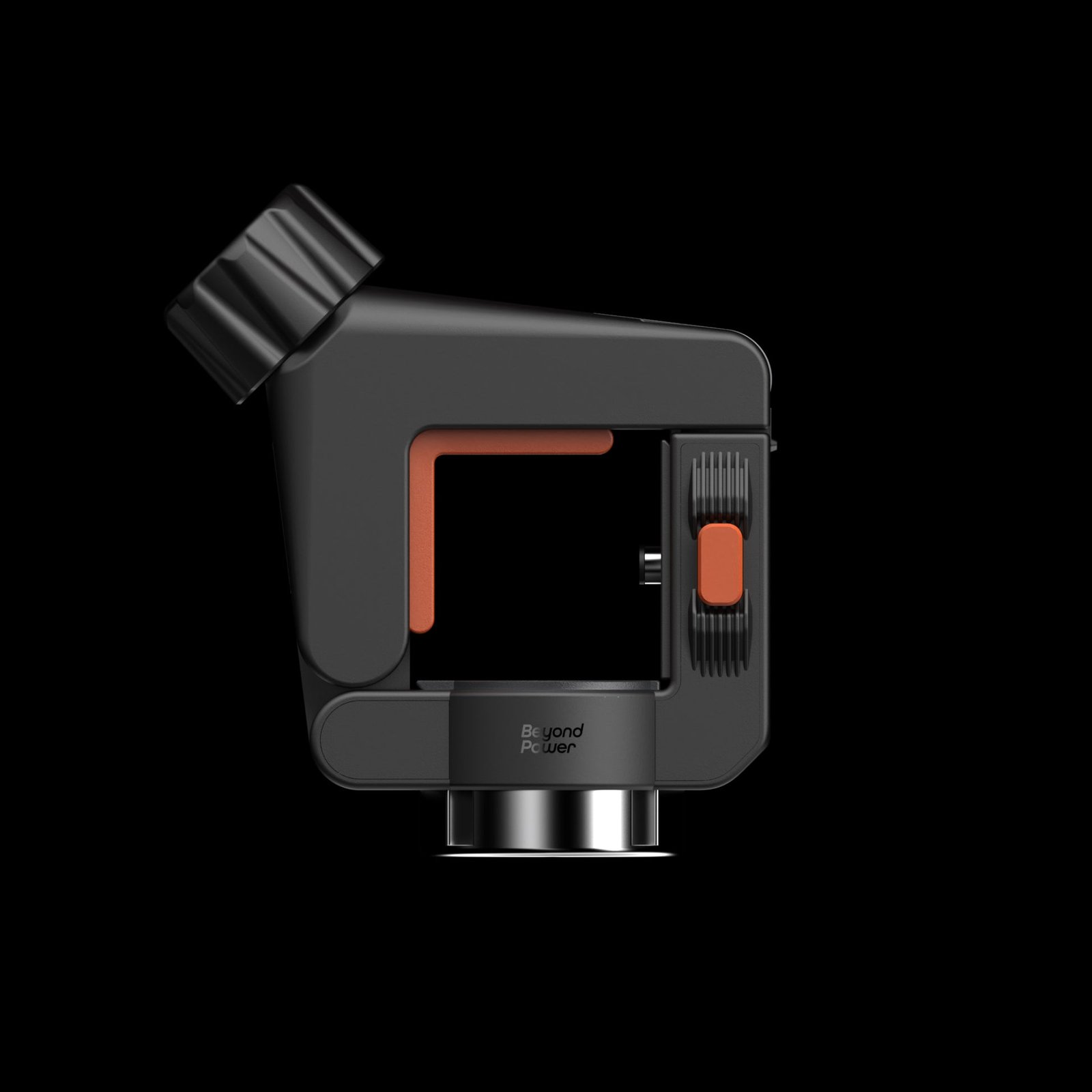
That flexibility is exactly what the VOLTRA is supposed to be about. I own two of the older Sliding Rack Mounts and two of the updated version, and I definitely prefer the new ones. The newer mount is more compact. The orange accents also fit the VOLTRA's design much better than the yellow on the older version. The opening and closing mechanism is better, safer and more convenient. That last part matters to me because I actually had the locking pop-pin come out of one of my older Sliding Rack Mounts. The pin was no longer locking the mount in place properly. I was able to repair it myself, so it never became a major issue, but obviously that is not something you want happening on a mount holding an expensive resistance unit.
So the Sliding Rack Mount remains very high on my list. If I were building a VOLTRA rack setup from scratch, I would absolutely want at least one adjustable mounting solution like this.
Fixed Rack Mount: inexpensive, simple and solid
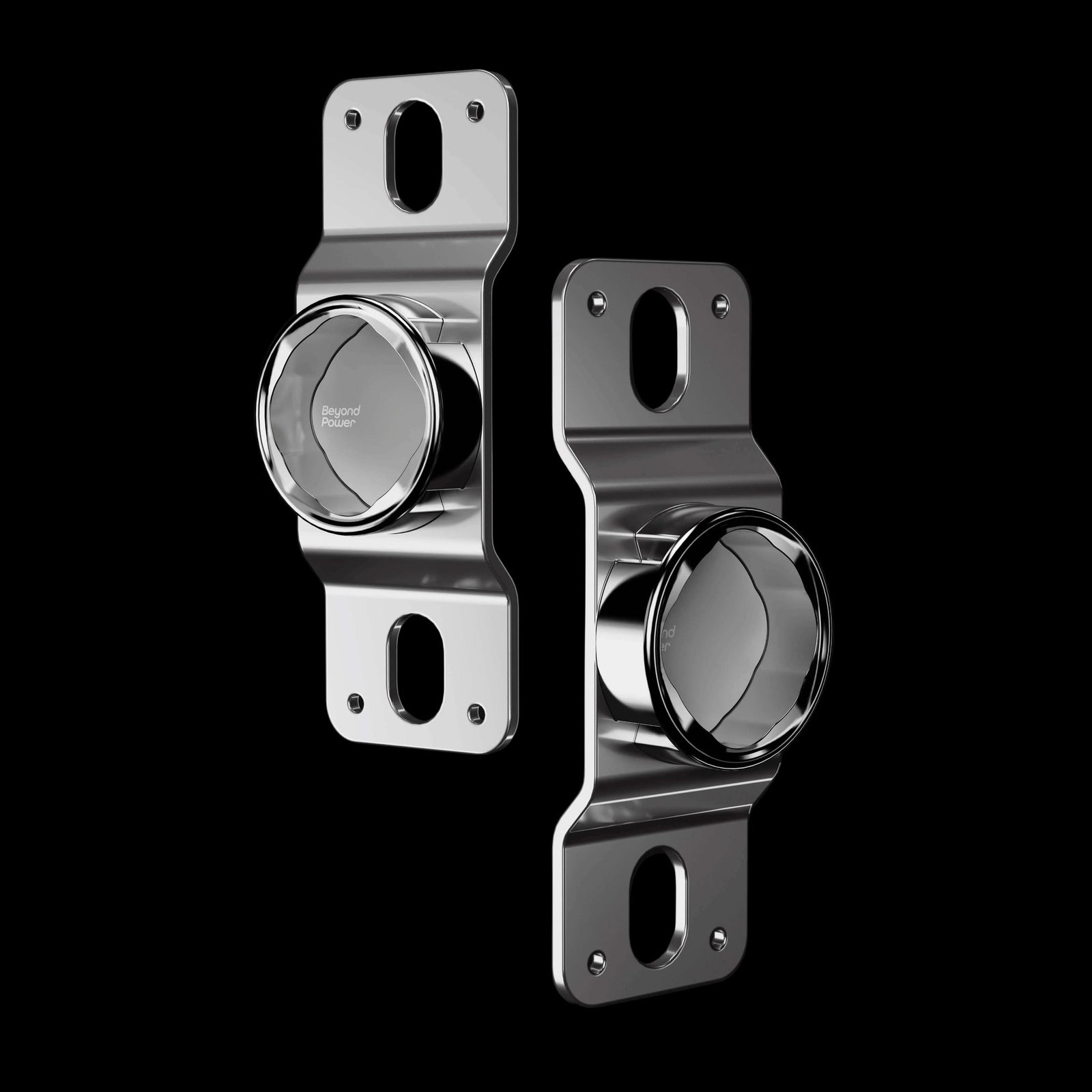
Then you have the Fixed Rack Mount. It stays at one position on the rack, and I still really like it. If you already know that you want a VOLTRA at a specific height or location, there is not always a reason to pay more for something adjustable. The Fixed Rack Mount is simple, solid and does exactly what it is supposed to do. And in a setup with multiple VOLTRAs, fixed mounts become even more useful because you can create several permanent stations around the rack. Then I can move the VOLTRAs between those positions depending on what I am training. It is not exciting, but it is one of the mounts I would definitely buy again.
Adaptive Bar Mount: a flexible option I still like
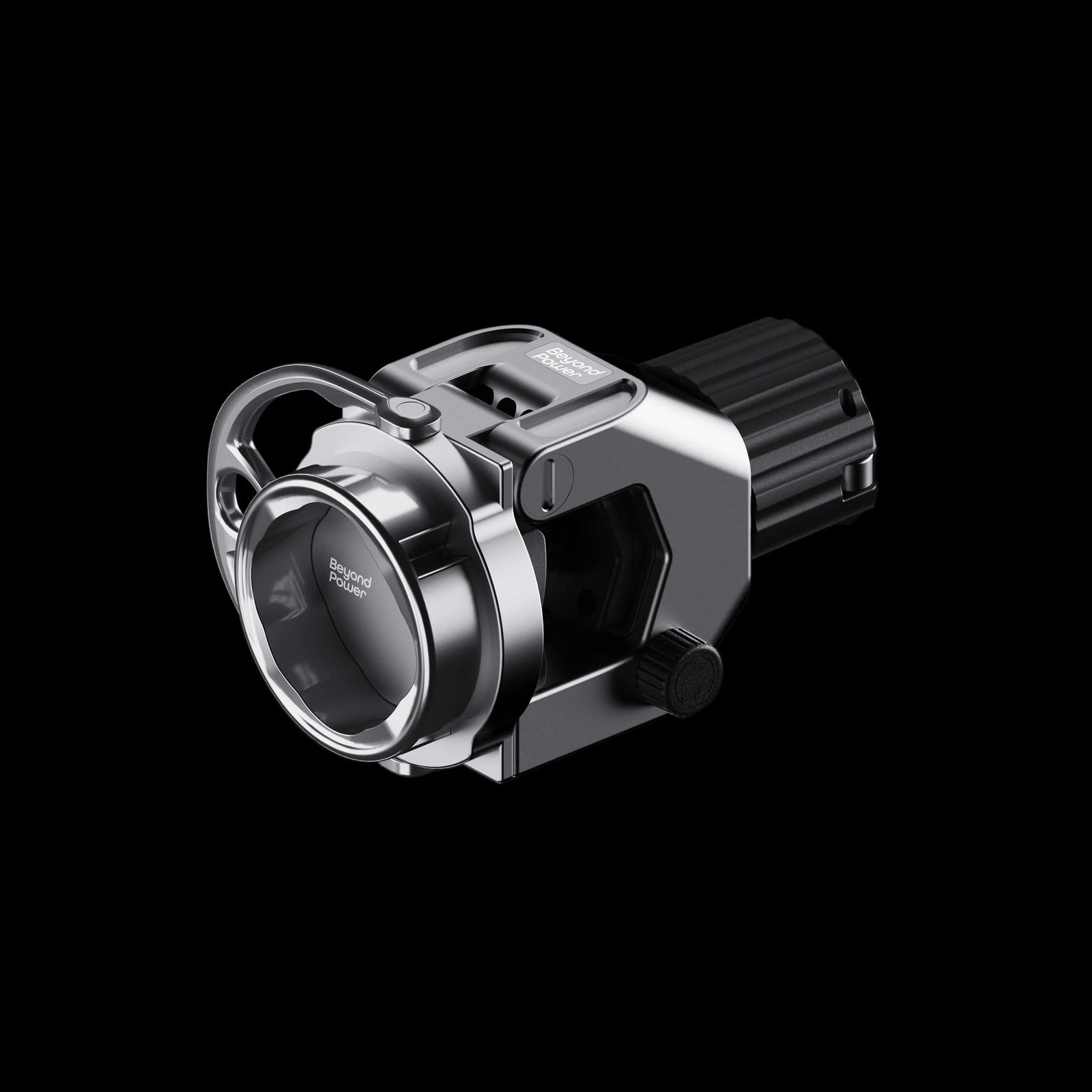
The Adaptive Bar Mount is another one I still like a lot. It gives you another way of mounting the VOLTRA to different horizontal bars and structures rather than being restricted to a specific rack upright. That makes it useful for more unusual setups or if you want to move the VOLTRA somewhere that a standard rack mount does not work.
Fixed Bar Mount: the straightforward alternative
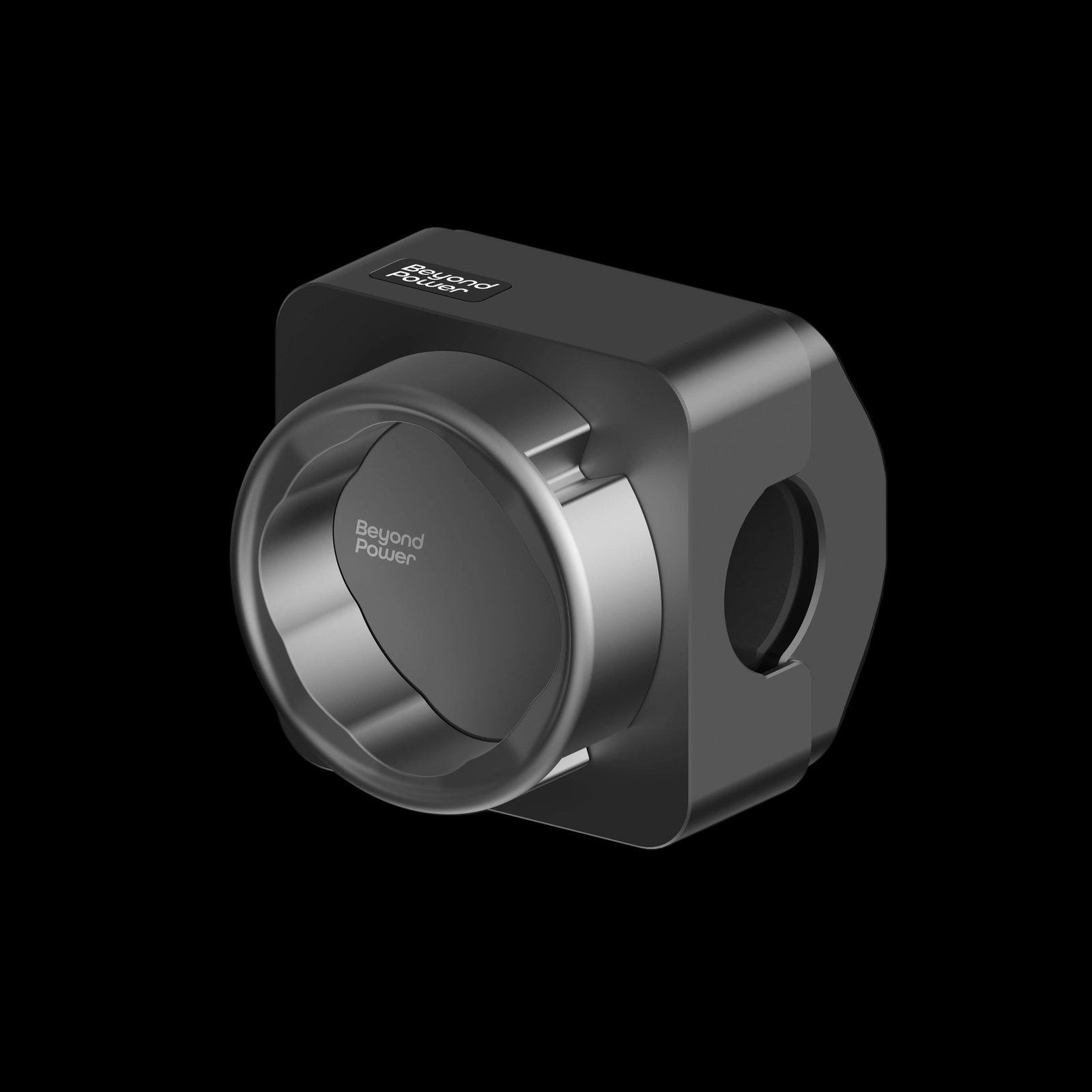
The Fixed Bar Mount is also good. If you know exactly where you want the mount and you are not constantly moving it around, a fixed solution makes a lot of sense. Then when you want the VOLTRA in that position, you just dock it.
Strap Mount: useful away from conventional racks

The Strap Mount is one of the most versatile mounts in a completely different way. You are no longer limited to a rack or a specific piece of steel. If you have a solid structure that you can safely wrap the strap around, you can potentially mount the VOLTRA there. That makes it especially useful when travelling, training somewhere without your normal rack, or just experimenting with unusual cable positions. It is one of those accessories where the usefulness depends heavily on how creative you are with it.
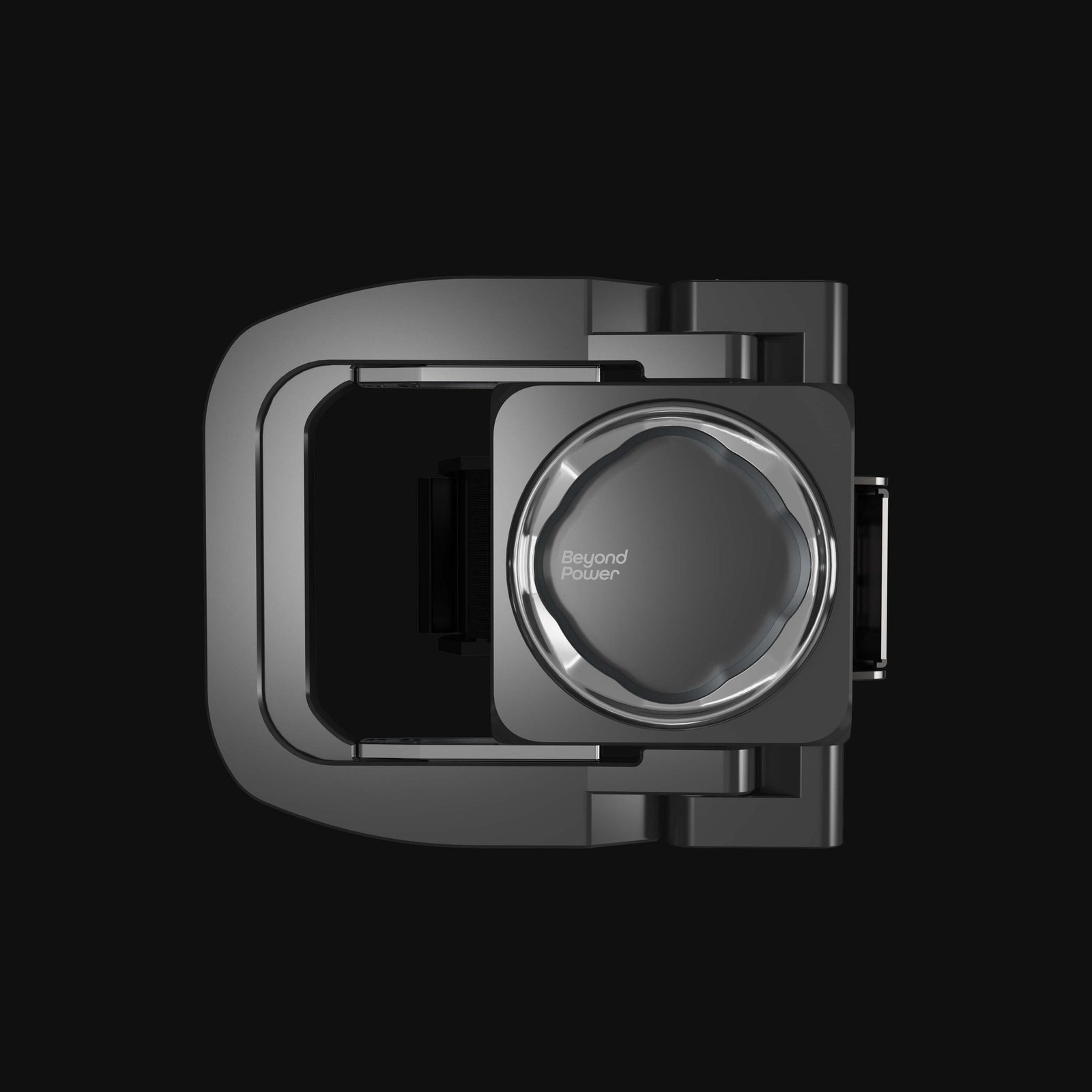
Adaptive Rack Mount: one I would skip now
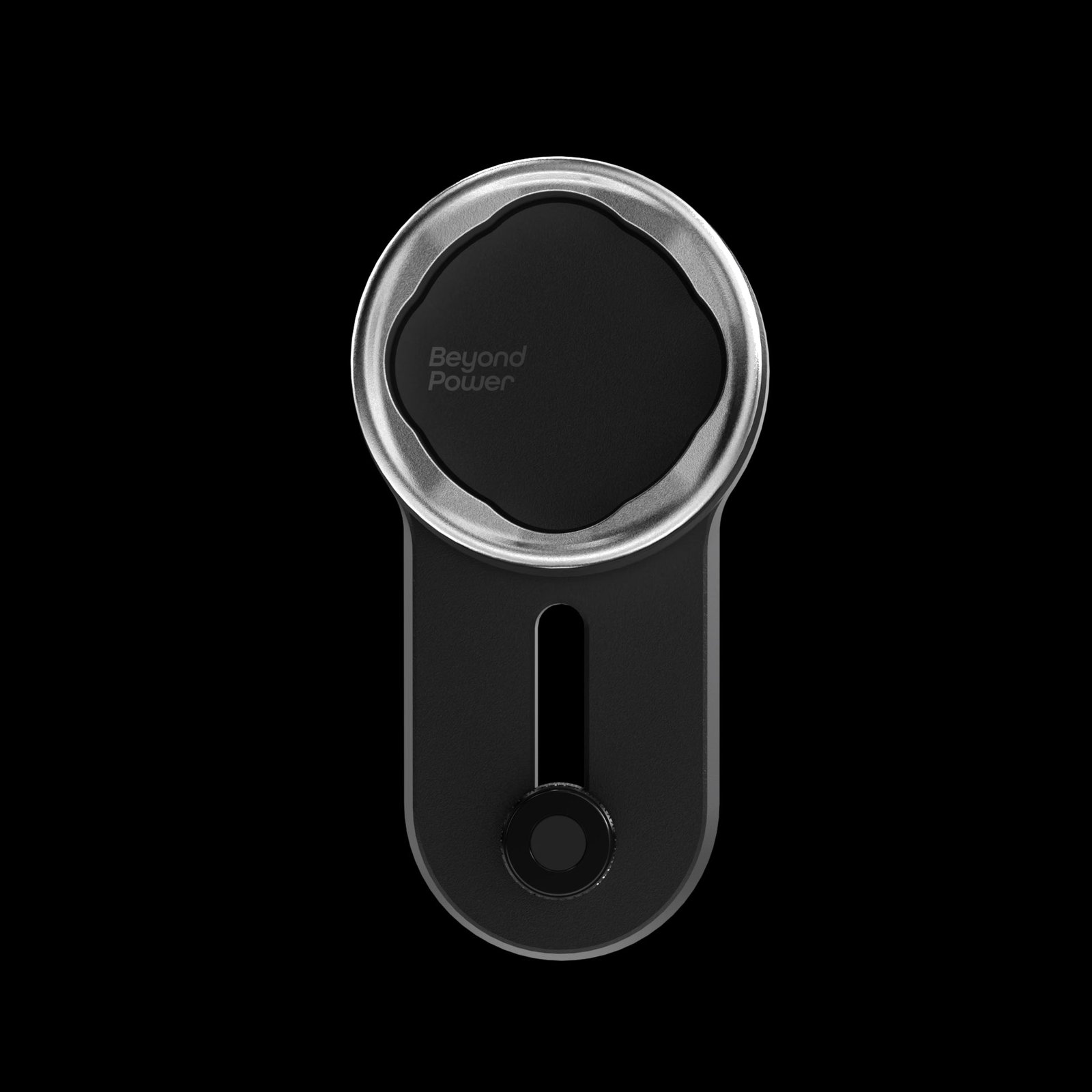
Then there is the Adaptive Rack Mount. And this is one where my opinion has changed quite a lot. An adaptive mount sounds perfect for the VOLTRA because flexibility is basically the whole concept of the product. But after the locking mechanism was redesigned, I honestly do not really see it as a particularly adaptive mount anymore. To me, it has effectively become a very expensive fixed rack mount. And if I can get a normal Fixed Rack Mount that does the job for substantially less money, I struggle to understand where the Adaptive Rack Mount fits in the lineup now. If I were buying everything again today, I probably would not buy them. I just do not think the value proposition makes much sense anymore.
Fixed Rack Mount Mini: well made, questionable value
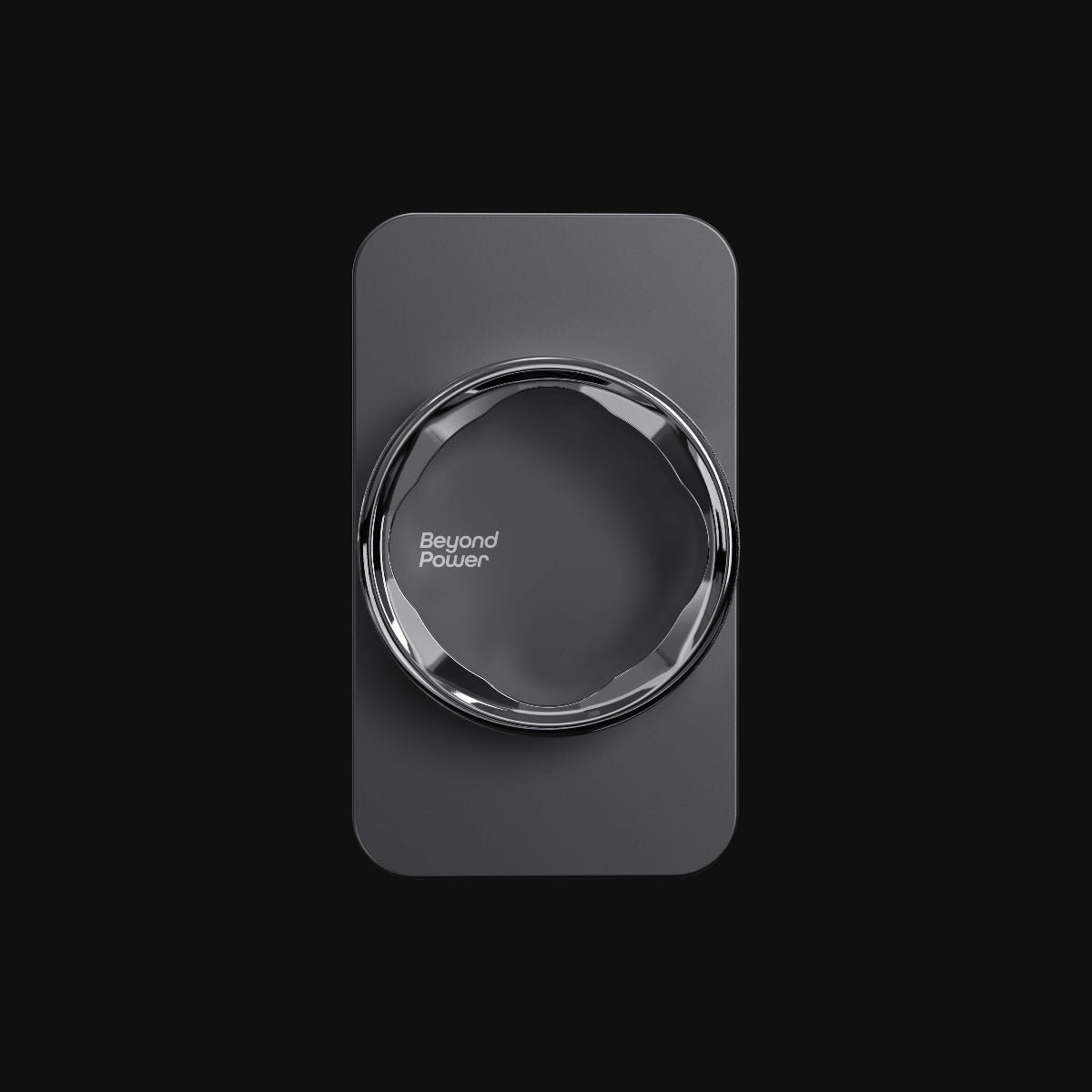
And I have a similar issue with the Fixed Rack Mount Mini. I do not really have anything bad to say about the construction. The problem is that I do not understand why I would choose it over the normal Fixed Rack Mount when the regular version is so much cheaper. So again, it is not that the product is bad. I just do not see a strong enough reason for it to exist in my own setup. Then we get to the Travel Platform, and this is probably the mount where my opinion has changed the most between the old and new versions.
Original Travel Platform: too bulky and abrasive

I really did not like the original Travel Platform. The edges were not particularly pleasant. The top had this aggressive sandpaper-like surface. There were no rubber grips underneath, so depending on the floor, it could move around. And after carrying around this large, heavy platform, you still only had one VOLTRA mounting position in the middle. For something called a Travel Platform, I never thought it was particularly travel friendly.
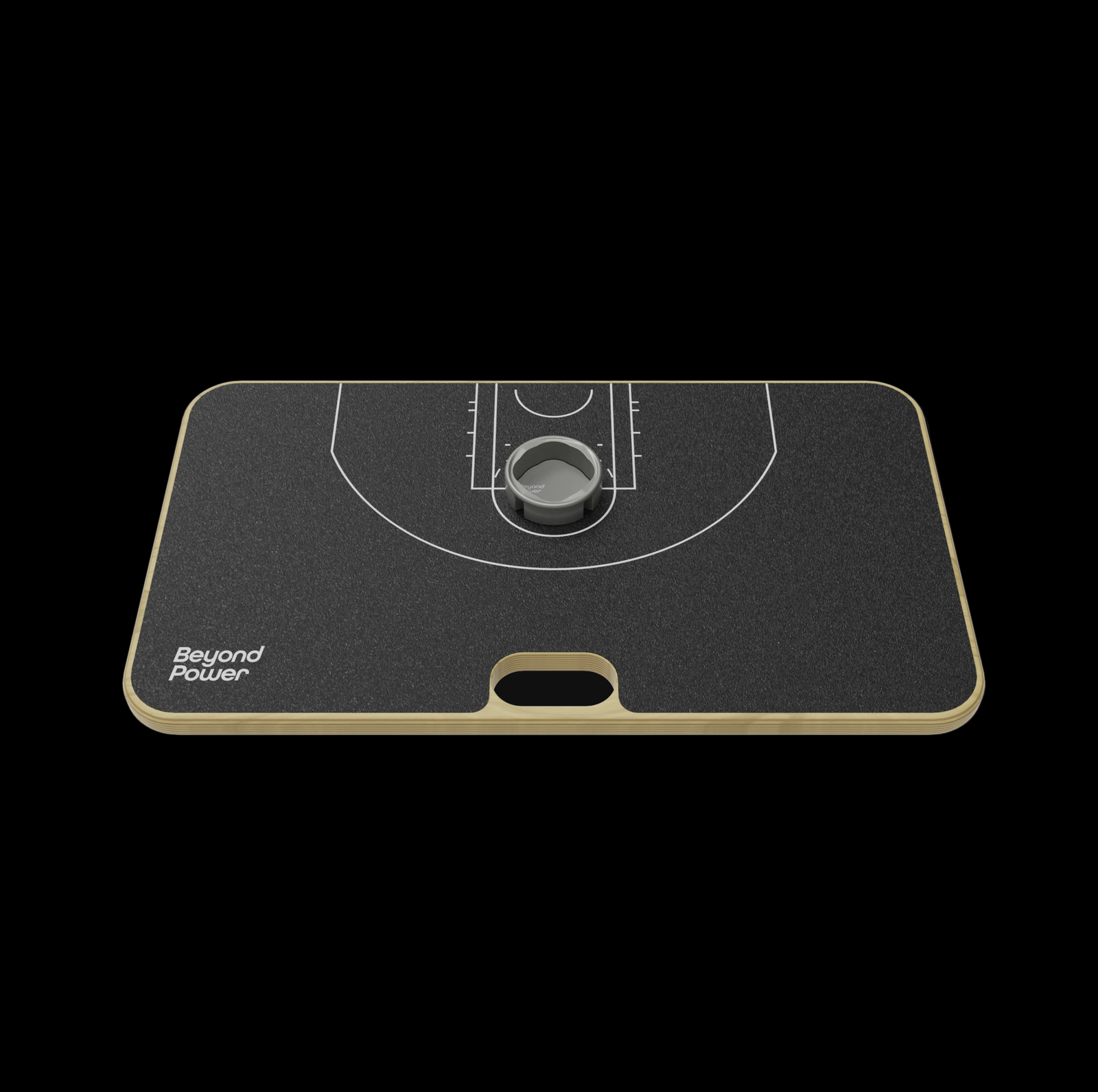
New Travel Platform: a substantial improvement
The new Travel Platform is much better. The edges are smoother. The horrible sandpaper-like surface is gone, but there is still enough texture to give you grip. And importantly, it now has rubber underneath, so it stays in place much better. This is the version that I actually like. I could genuinely see myself using this regularly. But there is still one thing I really wish Beyond Power had added. I want another VOLTRA mounting position on each side. If I am using a platform with two VOLTRAs, I want to be able to create bilateral setups directly from the platform. One unit on the left. One on the right. One in the centre as well.
That would dramatically expand what you can do with it. And I am serious enough about this that I am probably going to drill my new Travel Platform and attach two DIY Docks to it myself. If it works the way I expect, I think that could turn the platform into a much more interesting two-VOLTRA training station.
DIY Docks: the most exciting creative addition

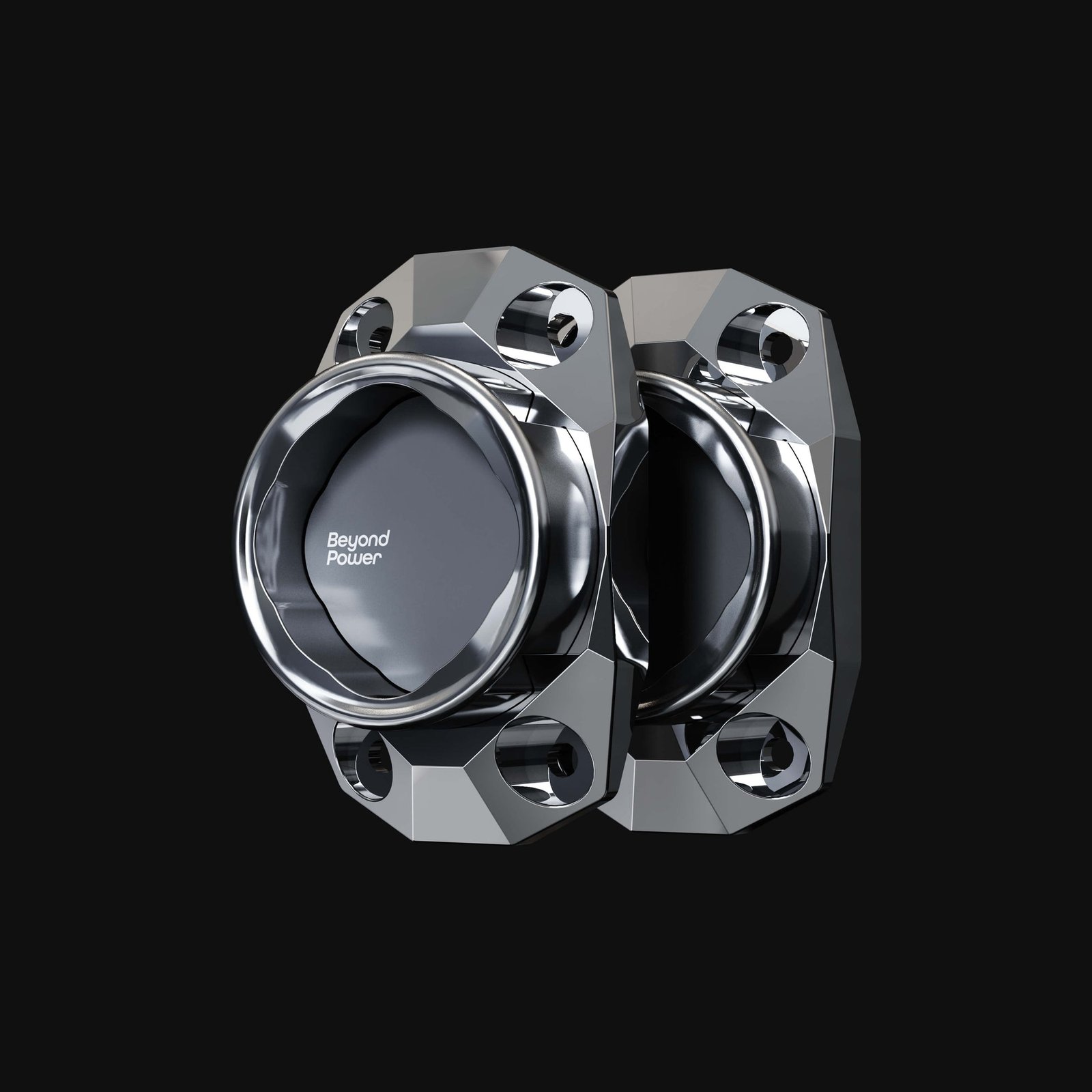
Which brings me to the DIY Docks. These are probably one of the most exciting additions to the VOLTRA ecosystem for me. I own two with baseplates and six without baseplates. The idea is incredibly simple. Instead of Beyond Power deciding where your VOLTRA can go, they give you the docking interface and you decide what to attach it to. That opens up a huge amount of creativity. People can mount VOLTRAs to wooden structures. Or completely custom pieces of equipment. And suddenly, you can start imagining a VOLTRA gym that does not even need a traditional power rack. You could design the entire room around small docking points and move the resistance source between them.
I have already been experimenting with some ideas myself, and I have plans for some more interesting integrations that I will show in future videos. I do not want to spoil all of those yet. But I think the DIY Dock could end up being one of the most important VOLTRA accessories, because it lets the community create things that Beyond Power may never have thought of themselves.
Rotator Add-On: useful cable-angle control

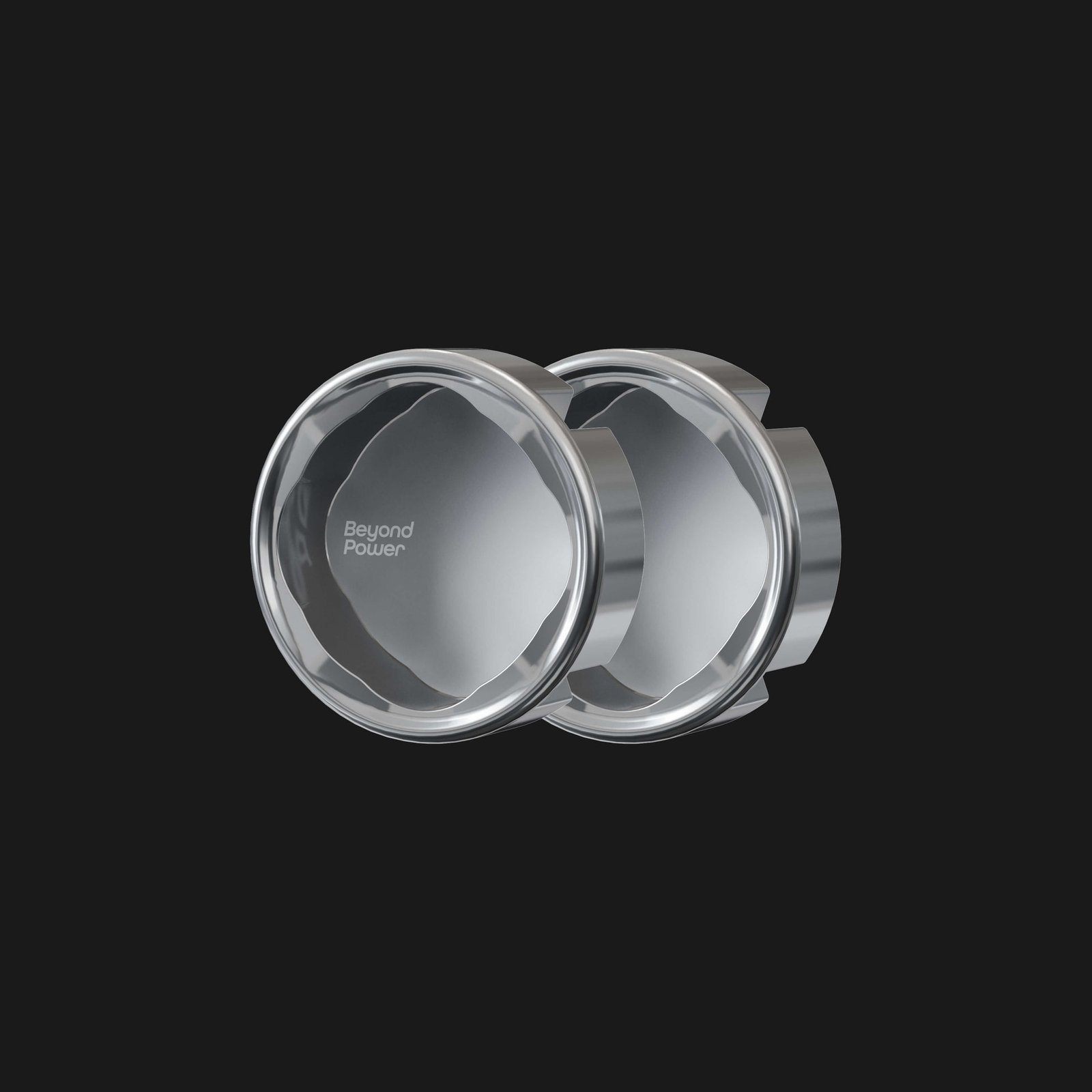
Then there are the Rotator Add-Ons. I own two of them. I do not think every VOLTRA owner absolutely needs one on every setup, but they can be very useful when you want the VOLTRA to rotate and follow the direction of pull more naturally. And if the VOLTRA is fixed in a position where the cable is constantly being pulled sideways, that can create more friction and potentially more wear. The Rotator gives you another way of keeping the pull aligned properly. So I see it as a useful accessory rather than a mandatory one. And I think that sums up my overall opinion of the mounting ecosystem pretty well. The VOLTRA itself is only half the product.
The other half is figuring out where you can put it. The Sliding Rack Mount is still one of my favourites. The Fixed Rack Mount is simple and extremely useful. The Adaptive Bar Mount and Strap Mount give you more flexibility. The new Travel Platform is dramatically better than the old one. The DIY Docks are opening up an entirely new level of customization. And then there are a few mounts, like the current Adaptive Rack Mount and the Fixed Rack Mount Mini, where I personally struggle to justify the price or their place in the lineup.
But the bigger picture is very positive. The mounting ecosystem is getting better. Beyond Power is giving users more ways to build around the VOLTRA. And perhaps even more importantly, the community is starting to take those mounting options and create its own solutions. And that is where things start getting really interesting.
The third-party VOLTRA ecosystem


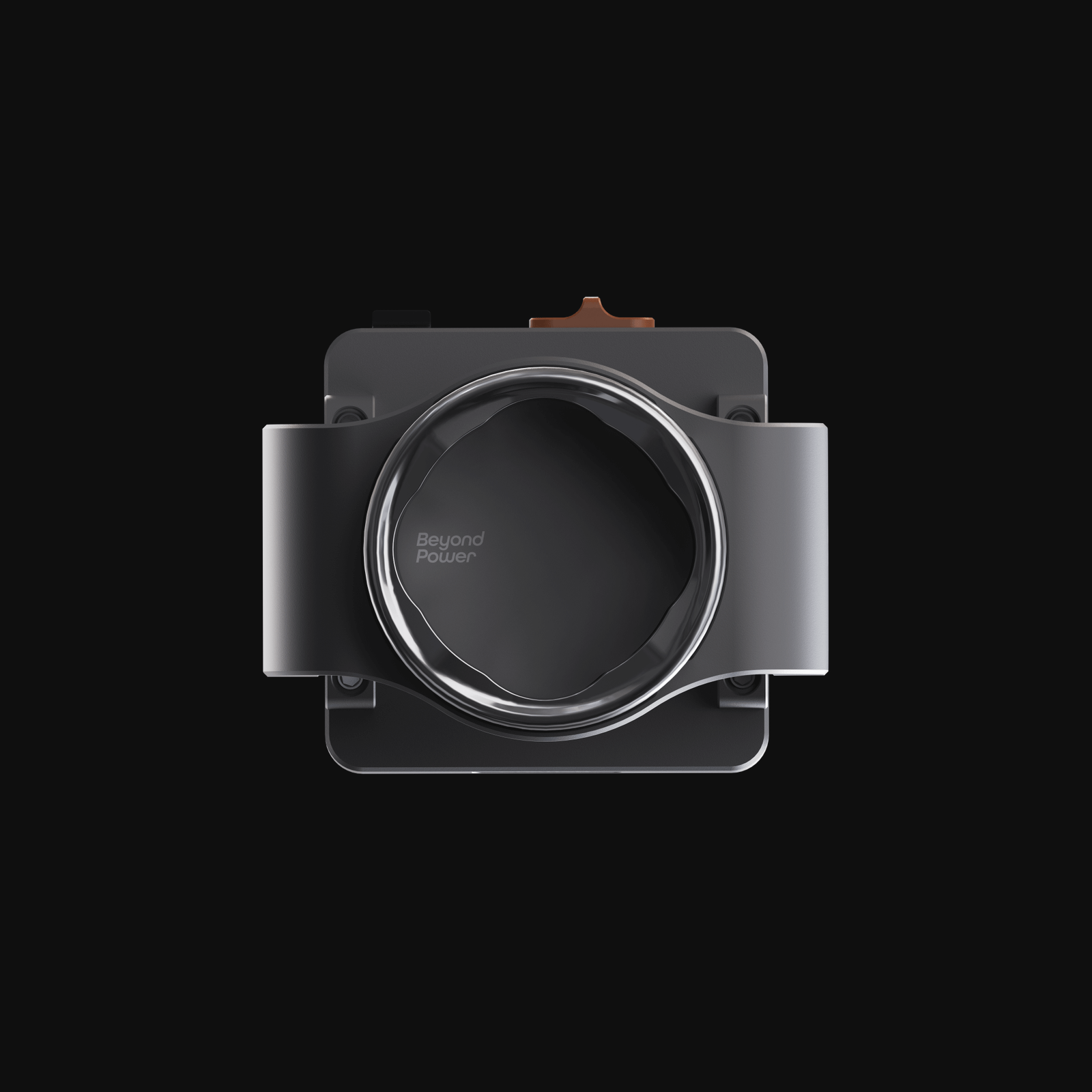
Something else that has changed quite a lot since I first bought my VOLTRAs is the ecosystem around them. When I bought mine, most of the conversation was basically about the VOLTRA itself and the accessories that Beyond Power sold for it. Now there are people building all kinds of third-party mounts, platforms, adapters and custom setups around the VOLTRA. And I think that is a really good sign for the product. I have not personally tested most of the products I am about to mention, so this is not me recommending one third-party mount over another. I just want to show you what is starting to happen around the VOLTRA, because some of these ideas are really interesting.
And Beyond Power itself is now highlighting third-party companies like Darko Lifting, EVE Company, WM Fabrication and JD Gym Equipped as part of its community solutions ecosystem. Probably the best-known one is their QuickMount, which gives you another way of mounting and moving the VOLTRA around a power rack. They also have different QuickMount versions, handles, and products like the Nessie that expand what you can build around the VOLTRA. Again, I have not personally used these, so I am not going to pretend to review them. But I like the fact that another company looked at the VOLTRA mounting system and basically said, “We can build our own ideas around this.” Then you have EVE Company, and they have gone even further into this.
They now have a pretty extensive range of VOLTRA mounts and accessories. Single mounts. Dual mounts. One of the more interesting examples is something called Mount Olympus, which is basically a large steel platform with multiple mounting locations so you can configure several VOLTRA docks around it. That is exactly the kind of thing I was talking about with the Travel Platform. Once you give people the ability to position multiple VOLTRAs around a platform, you start getting a lot more interesting exercise possibilities. You are no longer thinking about one cable coming from one point. You can start building bilateral setups, different cable angles, heavy pulley configurations, and completely custom stations. And that is one of the things I think Beyond Power has done right with the DIY Dock.
What people attach that interface to is now up to them. They have several VOLTRA products, including the LZR Fast Mounts and an LZR VOLTRA Platform. Their platform can take one or two VOLTRAs and is designed around external pulley setups, including configurations that can multiply the effective resistance. That ties directly into the 1-to-2 pulley setup I talked about earlier. Then you build a mechanical system around it that changes how that resistance reaches you. At that point, the VOLTRA is almost becoming the motor inside a larger piece of gym equipment. WM Fabrication also sells a Trinity VOLTRA Mount, so there are already multiple mounting concepts appearing even within the same small third-party ecosystem.
Then you have JD Gym Equipped, which makes a very low-profile stainless-steel VOLTRA mount. It is basically another interpretation of the same problem: how do you securely dock a VOLTRA to a rack while keeping the mount compact and out of the way? These companies are not all building the exact same thing. Some are trying to make the VOLTRA easier to move. Some are working around different pulley ratios. And then you have individual home gym owners building things themselves. Wall-mounted docking points. Basically anything that gives the VOLTRA a secure mounting position and a sensible cable path. And that community creativity is important because there is no way Beyond Power itself is going to manufacture every possible mount that every home gym owner could ever want.
Different amount of space. So sometimes the perfect VOLTRA mount for your gym is probably something that will never make sense as a mass-produced Beyond Power product. That is where third-party companies and DIY solutions become really valuable. And this is also why I am so interested in the new DIY Docks. I have two with baseplates and six without baseplates, and I think those could end up being some of the most important accessories I own. Because once you have the actual VOLTRA docking interface, you can start building around it yourself. You could build a small standalone cable station. You could create a dedicated low position, high position, or bilateral setup. And you do not necessarily need a giant power rack in the middle of all of it.
I think that could be especially interesting for people who want a very compact VOLTRA-based gym. You could potentially have several small mounting points around a room and then simply move one or two VOLTRAs between them. Instead of your resistance source being permanently attached to every machine, the resistance source moves with you. That is a completely different way of thinking about gym design. I am not going to show everything yet because some of these projects are still things I want to build and test properly. But I definitely have plans for using the VOLTRA with different machines and custom mounting solutions. And that is probably the direction of the VOLTRA ecosystem that interests me most.
But using the VOLTRA as the resistance engine inside other equipment. Because once you start doing that, you can take a very simple machine and potentially give it digitally controlled resistance. All from a resistance source that can then be removed and used somewhere else five minutes later. That is a much bigger idea than just having a small cable machine. And the fact that Beyond Power, third-party manufacturers and home gym owners are all starting to build around the same basic platform makes me much more confident in the ecosystem than I was three years ago.
When I bought my VOLTRAs, I bought three interesting pieces of gym equipment. Now it is starting to feel more like I bought into a platform. And I think we are still pretty early in seeing what people are going to build around it. Which leads into one of my favourite uses for the VOLTRA, and probably one of the most underrated ones. Instead of using it as a standalone cable machine at all, you can use it to give an existing piece of gym equipment its own programmable digital weight stack.
For an external pulley ratio example, look at publicly described third-party solutions such as Darko Lifting’s Pulley Magic and other community mounts. I have not personally tested the 1:2 configuration; it is a useful idea to investigate, not one of my own measured results.
Turning other gym machines into digitally powered machines

One of the most interesting ways to use a VOLTRA has almost nothing to do with using it as a normal cable machine. You can use it as the resistance source for another piece of gym equipment. And I think this is one of the most underrated things you can do with it. Normally, a plate-loaded machine gets its resistance from weight plates. A selectorized machine gets its resistance from a weight stack. But if the machine has some kind of accessible loading point, cable, strap, lever, or pulley system, there is often a way to connect a VOLTRA instead. At that point, the VOLTRA effectively becomes a portable digital weight stack. And suddenly, a very basic mechanical machine can inherit a lot of the smart features of the VOLTRA.
My own real-world example right now is my Titan rack-mounted wrist roller. Normally, the wrist roller uses its strap and carabiner to lift something like a loading pin, dumbbell, or kettlebell. But in my gym, I do not need to hang plates underneath it. The wrist roller is mounted to the rack. The VOLTRA is mounted to the rack as well. And instead of the wrist roller lifting a dumbbell or loading pin, the strap is connected to the VOLTRA cable. So when I rotate the wrist roller, I am pulling against the VOLTRA. I am still turning the roller and working my forearms. Instead of physically changing plates, I can change the resistance on the VOLTRA.
If I want a very small increase in load, I can make one. If I want to do a drop set, I can reduce the resistance digitally. If I want eccentric overload, I can experiment with that. If I want a different resistance profile, I have options that simply do not exist when there is a plate hanging from a strap. And when I am finished, I can remove the VOLTRA and use the exact same resistance source for something completely different. The VOLTRA does not necessarily need to replace the machine. The only basic part of the design is that you normally load plates onto it. If you can connect that movement to a VOLTRA correctly, suddenly you potentially have digitally adjustable resistance.
You can change weight without getting out of the machine. And when the workout is over, you can remove the VOLTRA and use it somewhere else. The same concept can potentially apply to things like leg curls. Obviously, the exact way you connect everything depends on the machine. Others would require additional pulleys, straps, cable routing, or a custom mounting point. And you have to make sure the machine, the anchor point, and the entire cable path are actually strong enough for the resistance you are applying. So I am not saying you should randomly clip a VOLTRA onto anything that moves. And I think this is one of the areas where we are going to see a lot more creativity over the next few years.
Because a good exercise machine is often mostly just a good mechanical movement. It does not necessarily need an enormous integrated weight stack. If you already own one or two programmable resistance units that can be moved around the gym, why duplicate that resistance system inside every machine? You could potentially have several relatively simple machines and move the same VOLTRA between them. You get the feel and movement path of dedicated equipment without necessarily needing every machine to have its own permanent weight stack. And there is another reason I think this idea has so much potential. It lets you combine old-school equipment design with modern resistance control. I like solid benches, racks, levers, handles, pads, and proper movement paths.
I do not necessarily want my entire gym to become one giant touchscreen-controlled all-in-one machine. But I do like the things digital resistance can do. So combining a simple, well-designed machine with a VOLTRA gives me both. That is something I am planning to experiment with much more. The Titan wrist roller is just the first obvious example in my own gym. I already have plans for integrating VOLTRAs with different machines and testing what actually works well in practice. Some are probably going to be awkward and not worth doing. But that experimentation is part of what makes the VOLTRA interesting to me. I do not just see it as a finished cable machine.
And once you start looking at it that way, almost every plate-loaded machine in a gym starts looking like a potential VOLTRA project. I think this could eventually become one of the biggest strengths of the entire platform.
Portability: brilliant around the gym, complicated on airplanes
One of the obvious advantages of the VOLTRA is portability. Compared with a traditional cable stack, it is almost ridiculous how easy it is to move around. Inside a gym, this is one of its biggest strengths. I can take a VOLTRA off one mount, walk it across the room, dock it somewhere else, and completely change the exercise setup in a few seconds. That is a huge part of why the system works so well in my small gym. I do not need separate resistance sources permanently installed at every station. And for car travel, I think the portability makes a lot of sense as well. You can put the VOLTRA in the car, bring a Strap Mount or another compact mounting option, and suddenly you have access to a serious resistance machine somewhere else.
Or basically anywhere you can find a secure mounting point. I have travelled with a VOLTRA several times, both by car and by plane, and for car travel I think it works really well. The VOLTRA itself is compact, but compact does not necessarily mean convenient to fly with. Once you add the VOLTRA, a mount, handles, cables, chargers and whatever else you want to bring, it starts taking up a meaningful amount of luggage space. And more importantly, you are travelling with an expensive electronic device with a large battery inside it. I have taken a VOLTRA through airport security in my carry-on luggage before. And at one airport, security staff wanted me to explain what this strange electronic box actually was.
So I ended up standing in the airport doing imaginary biceps curls and flexing motions, trying to explain that the suspicious-looking electronic device in my bag was actually gym equipment. And honestly, that experience has made me more cautious about flying with one. I have not taken a VOLTRA on another flight since. But when you are carrying a very expensive piece of equipment with a lithium battery through international airport security, there is always that thought in the back of your head.
What if they decide they do not like the battery? Or in the worst-case scenario, what if somebody decides it cannot travel and you suddenly have to figure out what to do with a multi-thousand-dollar training machine at the airport? So for me, there are really two different definitions of portable. But I would not currently describe it as the perfect frequent-flyer training device. It is still fairly heavy for something you are putting into carry-on luggage. The mounts add more bulk. And the battery and unusual appearance can create questions that you simply do not have with a resistance band. The Strap Mount is probably my favourite option if portability is the priority. It takes up much less space than carrying a large platform, and it gives you a lot of options.
You can wrap it around a suitable post, rack upright, crossmember, tree, or another strong structure and create a usable cable station pretty quickly. That fits the portable nature of the VOLTRA much better than dragging a large metal platform around with you. And this is actually one area where I would love to see Beyond Power go in a completely different direction in the future. I would be very interested in a genuinely ultra-portable VOLTRA. It would not need 230 pounds. I would accept a smaller battery. Give me something significantly smaller and lighter that I can throw into a carry-on bag without having to think twice about it. Because there is a massive difference between a machine being small enough to move around your home gym and being small enough that you actually want to take it through an airport several times per year.
And I think there could be a real market for that. A compact digital resistance machine with enough resistance for a serious hotel-room workout, rehab work, bodybuilding accessories, and general training, but designed around air travel from day one. But I would describe it as travel-capable, rather than something I genuinely enjoy flying with. For me, its real portability advantage is much closer to home. I just think there is still room for Beyond Power, or maybe one of its competitors, to make something that takes the same concept and pushes it all the way into the truly portable category.
Six cable snaps: what the durability story really looks like


Now we get to what I think is still the biggest weakness of the VOLTRA. Across my three units, I have had six cables snap. So with my current recorded statistics, those six failures now work out to roughly one snapped cable for every 1.88 million pounds, or about 855,000 kilograms, of recorded training volume. Another way of looking at it is roughly one cable failure for every 2,900 recorded sets, or just over 30,000 reps. This is not a scientific cable-life test. The lifetime statistics did not exist for my entire ownership period. The currently installed cables have also accumulated a lot of usage without failing. And obviously different exercises, loads, mounting positions, and cable angles can put very different amounts of stress on a cable.
So I would not take 1.88 million pounds and assume that is some guaranteed lifespan. It is simply my real-world experience across three very heavily used machines. If you use the VOLTRA a lot, you should treat the cable as a wear component. It is not a lifetime cable. The good thing is that cable wear has generally been gradual in my experience. You can normally see sections beginning to deteriorate and fray. And as the cable gets more worn, you can sometimes feel it as well. The cable can become noisier. You start noticing that the machine just does not feel quite as clean as it does with a fresh cable. Some of my cables lasted quite a while while already looking visibly worn.
And several of my failures happened when the displayed cable health was somewhere around the 40-percent area. They don’t actually show the estimated cable health left anymore. So I pay attention to the health number, but I also physically look at the cable. If I can see a section starting to deteriorate, I know I need to keep an eye on it. And if a cable is already fairly worn, one thing I have done is move that VOLTRA onto lighter exercises. Instead of continuing to hammer the same worn cable with very heavy rows or pulldowns, I might use that machine for smaller isolation work and put the heavier exercise on a VOLTRA with a healthier cable.
Owning multiple units obviously gives me the luxury of doing that. And it is also one of the reasons I talked earlier about splitting heavy resistance between two VOLTRAs. If I can get the total resistance I want while reducing the load going through each individual cable, that just makes sense to me. Now, when a cable actually snaps, it can range from annoying to genuinely unpleasant. I have had two failures that stand out in particular. One happened during cable crunches. The cable snapped and I came very close to smashing my face and teeth into the bench. The cable broke, I suddenly lost all of the resistance, and I flew backwards toward a mirror behind me.
But those incidents definitely changed how I think about cable condition. When you are pulling hard against resistance, your body is producing force in the opposite direction. And that is why I take visible cable wear seriously. It is also why, as I mentioned earlier, I actually dislike Slip Detection being triggered accidentally. That sudden disappearance of resistance feels uncomfortably similar to a real cable failure. These failures did not happen because I had the cable grinding across some obviously sharp piece of metal every workout. My cables have worn through normal heavy use. Beyond Power has told me that wear is expected at the amount of usage I put through these machines. I have now recorded over 11.3 million pounds of volume across three units.
But even with that context, I still think cable durability is the single biggest thing I would like Beyond Power to improve. The rest of the machine has held up extremely well. So having the cable remain the weak point becomes more noticeable. Replacing the cable itself is not particularly difficult. The first time you do it, you need to pay attention to what you are doing. But once you have replaced a few, it becomes fairly routine. For me, a normal cable replacement takes around 20 to 30 minutes. I have actually made a separate cable replacement guide because after doing this six times, unfortunately, I have had enough practice. Replacement cables themselves are also not outrageously expensive relative to the price of the machine.
The bigger issue for me is not really the cost. It is the inconvenience and the fact that a cable failure can happen in the middle of a loaded exercise. So I would much rather see a cable that lasts longer, even if the replacement system itself is already fairly straightforward. And the cable is not the only durability issue I have experienced. There is also the cable connector shell. I have had two connector shells crack and fail completely, and a third one has developed serious cracks. And this is another area where I think Beyond Power could improve the design. If it were only cosmetic damage, I would not care very much. But once the shell breaks badly enough, it can stop holding the connector together properly.
And if that happens, the cable can potentially unwind or release from the connector. So this is another part where durability affects more than just how the product looks. For example, a metal structural connector with some kind of rubberized outer coating. The metal could take the structural load and resist cracking. The rubber could protect the surrounding equipment and stop you from having exposed metal constantly smashing into things. I think that would make a lot more sense on a premium piece of equipment that is expected to be used heavily. After six snapped cables, two completely failed connector shells, another cracked connector, and almost three years of extremely heavy use, my overall opinion of the VOLTRA is still overwhelmingly positive.
I think cable durability needs to improve. I think the connector needs to improve. And I think anybody buying a VOLTRA should understand that the cable is a consumable part that will eventually need attention. The actual machines have taken an enormous amount of abuse. And the three units are still the foundation of my training. So durability is not a simple story of, “I broke six cables, therefore the VOLTRA is unreliable.” The cable system is the part that needs to get better. And after almost three years, that is still probably the clearest criticism I can make of the product.


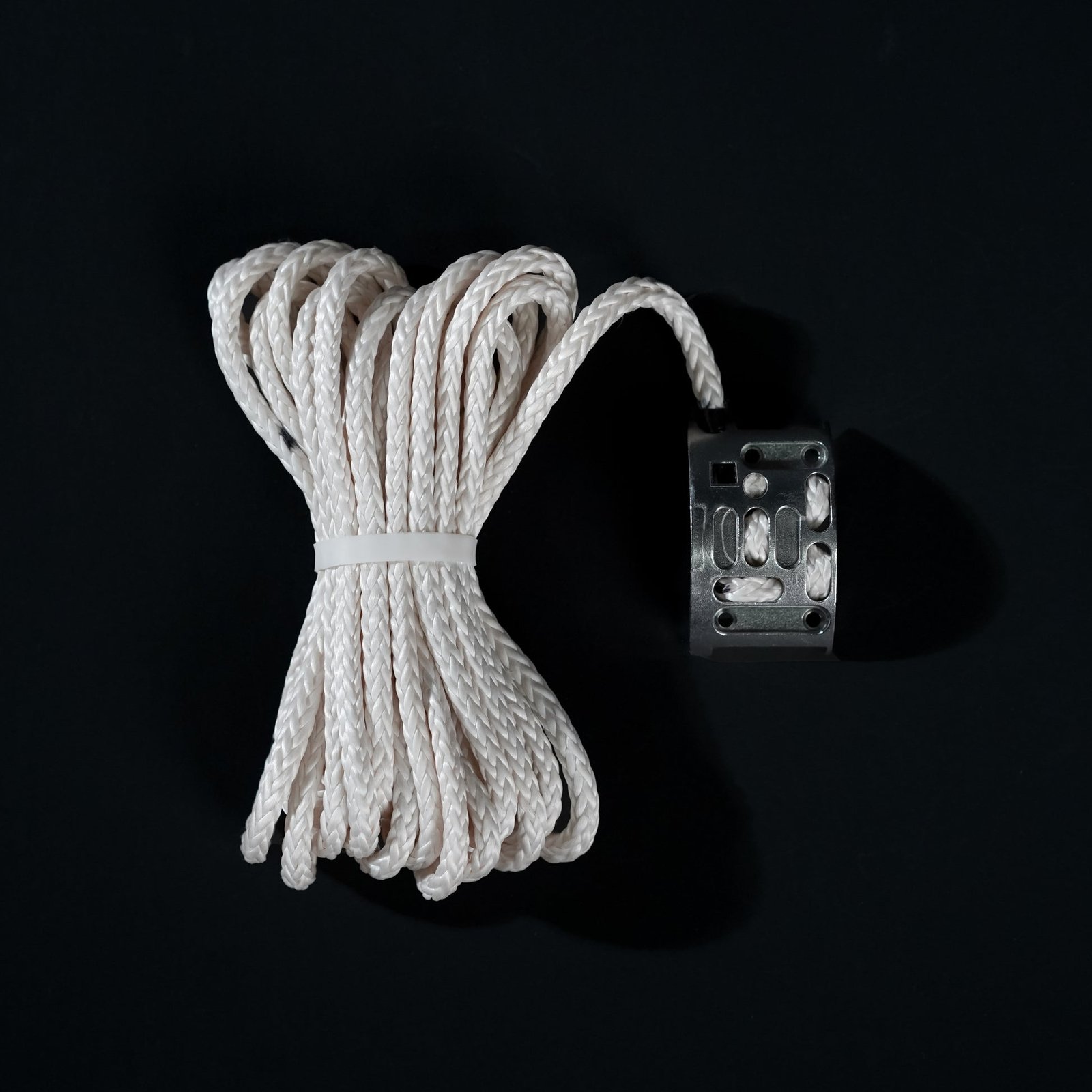

Battery life after almost three years

Battery life is another area where I have had a much better experience than some people might expect from a piece of smart gym equipment. All three of my VOLTRAs still show 100 percent battery health. That is after almost three years of ownership and a huge amount of use. I have not replaced a battery in any of them. And in normal use, I usually charge each VOLTRA when it gets down to around 30 percent. For me, that normally works out to roughly three workouts per charge on each unit. Obviously, that can vary depending on what I am doing. A session with a lot of heavy resistance and long sets is going to use more battery than a lighter session.
But in practical terms, battery life has never really been an issue for me. I do not find myself constantly worrying about charging them. I do not finish every workout and immediately plug them in. I just use them, keep an eye on the battery percentage, and charge them when they get low. And after almost three years, that routine has not really changed. That is pretty impressive considering how much these machines have been used. But I also want to be fair here, because my experience is not the only experience out there. I have had other VOLTRA owners reach out to me specifically because their batteries died or started giving them problems. So I do know battery failures happen.
I am not going to pretend that because my three units are still at 100 percent health, every VOLTRA battery is perfect. I can only tell you what I have actually experienced. And my experience across three heavily used units has been extremely good. All three still reporting 100 percent battery health. That is about as positive as I could realistically ask for. I also think the fact that the battery is replaceable matters a lot. This is an expensive product that I would like to keep using for many years. So eventually, if one of the batteries does start deteriorating, I would much rather replace the battery than replace the entire machine. That should be obvious, but with modern electronics, it is not always guaranteed.
And this is also where I think the long-term software and hardware support matters. The VOLTRA is not something I want to treat like a disposable gadget. I want cables to be replaceable. And I want Beyond Power to keep supporting the hardware for a long time. So far, from my own experience, the battery side has held up extremely well. Honestly, better than I expected when I first bought them. If you had told me almost three years ago that I would put more than 11 million pounds of recorded volume through these three machines and all three batteries would still show 100 percent health, I would have taken that result immediately.
The only reason I would keep an eye on this area is because other owners have contacted me about failed batteries. So I do think it is something worth monitoring over the longer term. Maybe my experience continues exactly the same for another three years. But as of right now, I cannot criticize my own battery experience. The cables have definitely needed maintenance. The connector shells have had problems. But the core electronics, motors, screens, and batteries have been remarkably dependable for me. And after almost three years, that gives me a lot more confidence in the platform than I had when I originally bought it.

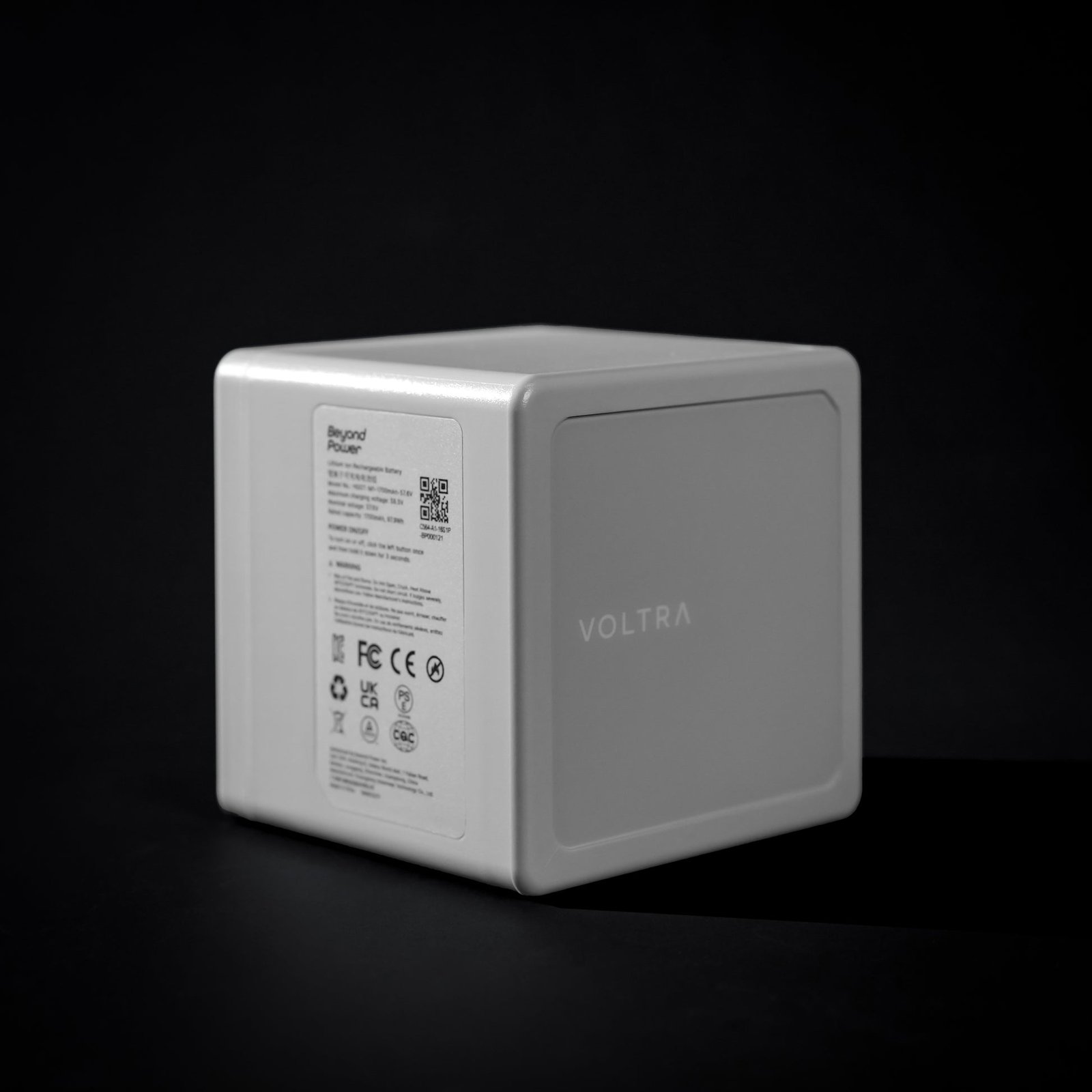
VOLTRA cost, accessories and long-term value
At the time I am recording this, the current US price for a single VOLTRA is $2,199, and that is before you start adding mounts, attachments, taxes, shipping, or any import costs that might apply where you live. I bought my three units for roughly $2,100 each, and because I am in Europe, I also paid substantial additional duties and taxes on top of that. So I was already very heavily invested in this ecosystem before I even knew whether these things were going to survive three days of my training. And then, of course, I did what any sensible person would do and started buying an absurd number of mounts and accessories for them.
So my personal VOLTRA setup is not a good example of what the average person needs to spend. Multiple generations of Sliding Rack Mounts. Fixed mounts everywhere. Bar mounts. Strap mounts. If you tried to recreate everything I currently own at today's retail prices, you would very quickly get into five figures before even considering all of the other gym equipment around it. If you already have a rack and just want to get started, the entry price can basically be one VOLTRA and a relatively simple mount. A pair of Fixed Rack Mounts currently costs a little over one hundred dollars, while something like the Sliding Rack Mount is around two hundred and sixty dollars.
So realistically, you are looking at somewhere around the mid-two-thousand-dollar range to get into the ecosystem properly with one unit. And if you want what I consider the sweet spot, which is two VOLTRAs, the price climbs very quickly. Two bare VOLTRAs are $4,398 before mounts and everything else. Add two Sliding Rack Mounts and you are already getting close to $5,000. Three bare VOLTRAs are $6,597 before you add anything. I would never tell someone that $2,199 for a resistance machine is cheap. But I also think simply saying, “It costs more than a cable machine,” misses the point. If all you want is a basic cable pulley on your rack so you can do triceps pushdowns and lat pulldowns, buying a VOLTRA would be complete overkill.
You can solve that problem for a fraction of the money. If you are happy with barbells, plates, some dumbbells and resistance bands, again, you absolutely do not need this. There are much cheaper ways to get strong and build muscle. The value proposition starts changing when you are trying to do what I am doing. Because then I am not comparing one VOLTRA against one basic pulley. I am comparing the whole VOLTRA system against all of the different equipment I might otherwise want. Some of the work I would otherwise do with dumbbells. Cardio equipment for rowing, skiing and sled work. That is where the price starts making a lot more sense to me.
The same resistance source can perform completely different jobs depending on where I put it. I can use it as a high cable. Then move it down and use it as a low cable. Then use it for a bilateral exercise with another VOLTRA. Then use it for rowing. Then skiing. Then connect it to the wrist roller. And in the future, I plan to connect it to more dedicated machines. I do not need a separate motor, weight stack, or pile of plates permanently attached to every one of those stations. If you have a massive basement or a three-car garage where you can install ten selectorized machines, maybe saving floor space is not particularly valuable to you.
My gym and office exist in less than five square metres. I could not recreate the same training capability with traditional equipment without completely changing the room. So when I look at what I paid for the VOLTRAs, I do not just see three expensive little electronic boxes. I see the foundation that allowed the rest of my gym to exist. And there is another part of the value equation that I really appreciate. There is no mandatory subscription required to use the VOLTRA or access its normal training functionality. Beyond Power specifically states that the machine remains fully functional without a subscription.
I think that matters a lot with smart fitness equipment. If I spend more than two thousand dollars on a machine, I really do not want to discover that half of its important features disappear unless I keep paying twenty, thirty or fifty dollars every month forever. Beyond Power has an app and now also offers optional services like Beyond Care, but you do not need to keep paying a monthly membership just to continue using the VOLTRA.
And considering how much the software has improved during the time I have owned mine, I think that is actually a pretty impressive part of the value proposition. And since then, I have received new modes, new settings, better controls, new cardio options, and now even a higher maximum resistance without having to buy another generation of hardware. The obvious one in my case is the cable. As I said earlier, I consider the cable a wear part. A single official replacement cable currently costs $39, and Beyond Power also sells a four-pack for $119. Considering the amount of use I get out of these machines, I do not think that is particularly expensive. Six individual cables at the current single-cable price would be $234.
Compared with the purchase price of three VOLTRAs and the amount of training I have done with them, the actual financial cost of those cables is pretty insignificant. The much bigger issue, as I said earlier, is the inconvenience of having a cable wear out or fail. The connector replacement kits are also relatively inexpensive. They currently cost $29. And the battery is replaceable as well. Beyond Power currently lists the replacement battery kit at $399. I have never needed one, because all three of my batteries are still showing 100 percent health, but knowing that the battery can be replaced is important when you are thinking about owning one of these for many years.
Beyond Power has also recently introduced Beyond Care, which is an optional protection plan covering things like eligible cable and battery replacements, accidental damage, repairs and shipping. That is completely optional and separate from actually using the VOLTRA, so I would not confuse it with the kind of mandatory smart-gym subscription I was talking about earlier. And I think replaceability in general is extremely important here. I would be much more concerned about spending this much money if a worn cable, damaged connector, or eventually a dead battery meant the entire machine became electronic waste.
The things I have worn out have generally been replaceable. There is also another way I personally look at value. Something can be cheap and still be terrible value if you never use it. And something can be expensive and still be excellent value if you use it constantly for years. I have now recorded more than 11.3 million pounds, or 5.13 million kilograms, of training volume across my three VOLTRAs. More than 17,500 sets. More than 182,000 reps. Almost 600 hours of recorded training time. These are not machines I spent thousands of dollars on and then stopped using six months later. They have become some of the most heavily used things I own.
If I had bought three VOLTRAs, made a few YouTube videos about them, and then gone back to training at a commercial gym, I would probably tell you I had made a very expensive mistake. Almost three years later, I am using them more ways than I was when I originally bought them. That is why I personally consider them good value despite the price. And if I were buying again today, I would also spend the money slightly differently. That would already save more than two thousand dollars before you even consider the additional mounts. Then I would be more selective about the mounts I bought. I would spend money on things I know I use heavily, like the Sliding Rack Mounts, Fixed Rack Mounts, DIY Docks and other mounting solutions that genuinely expand what I can do.
And I would skip some of the accessories that I now know do not add enough value for my setup. So I think there is definitely a smarter way to enter the ecosystem than I did. And you definitely do not need three VOLTRAs just because I have three. Start with the actual problem you are trying to solve. If your problem is, “I need the cheapest possible cable machine,” the VOLTRA is probably the wrong answer. If your problem is, “I want an incredibly compact, high-quality, programmable resistance system that can do the job of several pieces of equipment and continue gaining capabilities over time,” then the calculation becomes very different.
For me, knowing everything I know now, they were worth the money. And considering how much gym equipment I have bought over the years, I can say something stronger than that. The VOLTRAs have been the best fitness equipment purchase I have made. But almost three years and more than 11 million pounds of recorded use later, I definitely do not feel like I wasted the money.


Pricing context: dollar prices mentioned in this review reflect the period in which I recorded my voiceover, and do not include any applicable shipping, taxes, import duties or later changes. Use the linked product pages for current prices. My total cost was higher than the unit prices because I paid international taxes and bought a very large accessory collection.
VOLTRA competitors and alternatives in 2026



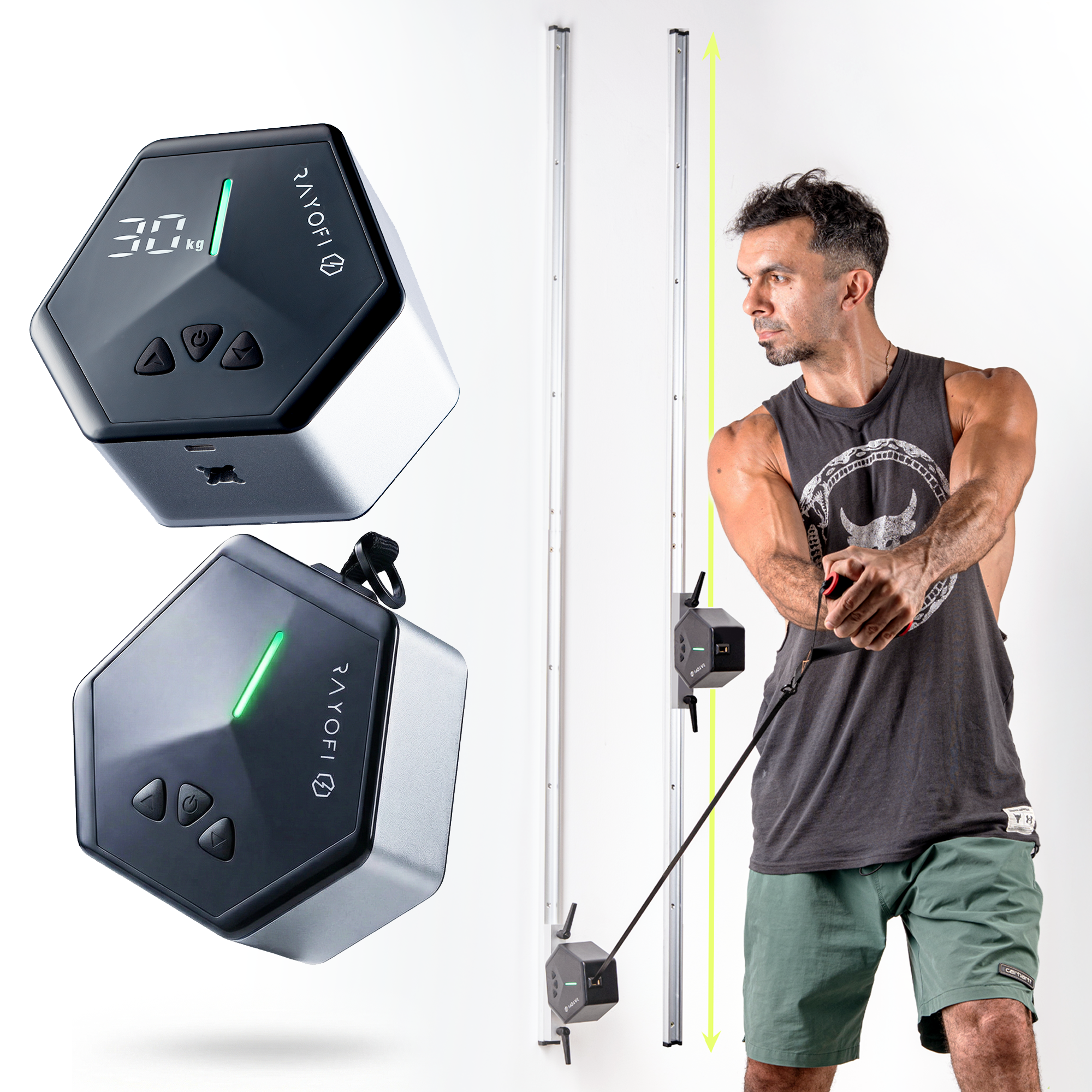


The market is much more competitive than when I bought my VOLTRAs. But comparing listed wattage, resistance figures or weight is not the same as comparing years of ownership. My meaningful hands-on experience among the listed competitors is with Rayofi; the other comparisons are based on their published propositions rather than personal long-term testing.
Speediance Gym Nano
Probably the most obvious new direct competitor is the Speediance Gym Nano. Speediance has basically taken the digital resistance technology it already uses in its larger smart gyms and compressed it into a standalone resistance unit that can mount onto a rack. The Gym Nano can produce up to 220 pounds, or about 100 kilograms, of resistance. It can do eccentric training, chain-style resistance, fixed-speed work, isokinetic training, sled work, rowing and skiing. So conceptually, this is getting very close to the VOLTRA. Its mounting ecosystem is different. And because it is such a new product, we simply do not have years of real-world durability information yet. But on paper, this is probably one of the products I am most interested in testing.
Especially because Speediance has given it a very long cable, which could open up some interesting athletic and cardio applications.
Freak Athlete Atom / MAIAK GO
Then there is the Freak Athlete Atom, which is also known as the MAIAK GO. This one is particularly interesting because the numbers are pretty crazy for the size. The Atom is advertised at around 220 pounds, or 100 kilograms, of resistance, while weighing only around 10 pounds, or 4.5 kilograms. It can mount to a rack, wall or platform, and it is being built around multiple smart resistance modes, including things like eccentric overload and custom resistance curves.
If you can genuinely give me around 220 pounds of high-quality digital resistance in a unit that weighs around ten pounds, that is exactly the kind of product I want to see tested properly. Especially considering what I said earlier about wanting something more travel friendly. The Atom is still a newer product, so again, I am not making any claims about how it compares in real-world use. But it is definitely one of the more interesting products entering this space.
Unitree PUMP MAX
Unitree is probably better known for robots than gym equipment, which makes this one particularly unusual. A single PUMP MAX can provide up to around 154 pounds, or 70 kilograms, of resistance, and two units can be combined for around 308 pounds, or 140 kilograms. It also has different resistance modes, including concentric, eccentric and chain-style resistance. Less resistance per unit than the VOLTRA or Gym Nano, but still enough to do a serious amount of training. And it is another sign that digital resistance is attracting companies from outside the traditional gym-equipment world.
Rayofi GoTone Pro: the budget option I have used
Then we have Rayofi, which I actually have trained with. And I want to be fair to Rayofi because I think it is designed around a completely different price category. And it gives you digital resistance in a form factor that is much easier to travel with. But based on my own experience, I do not think it really competes with the VOLTRA in terms of overall training experience, construction quality, resistance capability or features.
Not everyone wants to spend more than two thousand dollars on one resistance unit. If somebody wants a very lightweight digital resistance device for travel or lighter training, that is a completely different use case. In fact, products like Rayofi are exactly why I would like Beyond Power to eventually make a much smaller travel-focused VOLTRA. There is clearly room for something between a resistance band and a full-size VOLTRA.

Go-Tone Pro
Portable digital cable trainer with up to 66 lb (30 kg) of adjustable resistance.
RepOne EStack and digital machine integration
Another product I am watching very closely is RepOne EStack. Instead of trying to make another little portable cable machine, the idea behind EStack is basically to replace the conventional weight stack itself with digital resistance. That immediately connects with what I talked about earlier with machine integration. Imagine having a rack, functional trainer, leg extension, leg curl, or another machine where the mechanical equipment stays mostly traditional, but instead of loading plates or moving a selector pin, the resistance comes from a digital motor system.
RepOne has also been working with PRx on equipment using this technology. And if this kind of system develops properly, I think digital resistance could start moving beyond standalone smart gyms and become something that traditional gym-equipment manufacturers integrate directly into normal machines. That is exactly the direction I want to see this industry go.
INNODIGYM, AEKE and FitTransformer
Then you have products like the INNODIGYM OMNI X1 Pro. This is a larger all-in-one system rather than a direct VOLTRA competitor, but it uses dual digital resistance motors and currently offers up to around 265 pounds, or 120 kilograms, of total resistance. It has different resistance modes, adjustable cable positions and a built-in screen. Their S1 Pro is a larger all-in-one smart strength system offering around 220 pounds, or 100 kilograms, of digital resistance, along with automated training features and movement tracking.
Again, I would not call that a direct VOLTRA competitor. You are buying an entire machine rather than a portable resistance engine. But if someone is shopping for digital strength equipment, it belongs in the conversation. Their Titan systems use digital resistance inside a larger modular home-gym setup, with up to around 264 pounds, or 120 kilograms, of resistance. They also combine strength training with things like skiing. That is another interesting interpretation of where digital gym equipment can go.
Tonal, Vitruvian and OxeFit
Tonal has been around for a long time compared with a lot of these companies, and the newer Tonal 2 can provide up to 250 pounds, or about 113 kilograms, of total digital resistance. You get eccentric modes, chains, adaptive resistance and an entire coaching ecosystem. But Tonal is basically the opposite philosophy from the VOLTRA. The VOLTRA's biggest advantage is that I can take the resistance source off the rack and put it somewhere else. So while both use digital resistance, the actual ownership experience is completely different. Instead of pulling from a rack-mounted device, you stand on a platform with cables coming out of it. And the Trainer+ can generate up to around 440 pounds, or 200 kilograms, of total digital resistance.
That makes it very interesting for heavy squats, deadlift-style movements and other exercises where you want a lot of resistance coming from the floor. The XS1 is a much larger premium training system with multiple cable points, digital resistance and a huge number of training possibilities. It can provide up to around 250 pounds, or 113 kilograms, of digital resistance from the deck, with additional cable positions higher up. That is much closer to buying a complete training station than buying a portable resistance source. But it is another example of where this technology is going.
MAXPRO and ANCORE: portable alternatives
MAXPRO is interesting because it focuses much more heavily on portability. The main MAXPRO system can provide up to around 300 pounds, or 136 kilograms, of resistance, while the newer MAXPRO Air is much lighter and designed even more specifically around travel. But MAXPRO uses a very different resistance mechanism and, importantly, the main system focuses on concentric resistance rather than giving you the same full digital eccentric experience as something like the VOLTRA.
So again, I would call it an alternative rather than a direct competitor. But if somebody is shopping primarily around portability, it absolutely deserves to be mentioned. The ANCORE Pro can provide up to around 65 pounds, or 29 kilograms, of 1-to-1 resistance from a tiny rack-mounted unit. But it is extremely compact, does not need a battery, does not need software and can be used for very fast athletic movements. So someone who likes the basic idea of a tiny cable machine but does not care about smart resistance might actually prefer that kind of solution. That is how quickly this category is growing. And probably several smaller companies that will exist by the time you are reading this.
And I think that competition is very good for VOLTRA owners. Because three years ago, Beyond Power did not have nearly this much pressure. Now there are other companies trying to make these machines smaller. And based on the firmware updates and new accessories we have seen so far, that seems to be exactly what is happening. For me personally, the most interesting products to test next would probably be the ones that are genuinely trying to challenge the VOLTRA's basic concept. Or whatever new product comes along that claims it can deliver the same combination of resistance quality, versatility and compactness. I want to know what the resistance actually feels like. How good are the cables?
How good are the mounts? Does the battery still work after a few years? And those are the questions you cannot answer from a product page. And if you are one of the companies making these things and you think your machine can compete, feel free to get in touch. I am very interested in seeing what else is out there. If I review it, I am actually going to use it.
Who should buy the VOLTRA?
I do not recommend the VOLTRA to everyone. For the right person, however, the combination of software-controlled resistance, portability and flexible mounting can justify a price that would look absurd if you compared it purely by kilograms per dollar.
People with small home gyms
If you have a very small room, a traditional functional trainer and several single-purpose machines quickly become impossible. A VOLTRA is effectively a moveable resistance source: a high pulley on one mount, a low pulley on another, then a floor-based station or an entirely different machine. That is the problem it solved for me. In less than five square metres, almost every permanent item has to earn its space.
Bodybuilders and hypertrophy-focused lifters
This is the strongest use case in my own training. Smooth resistance, small load adjustments, instant drop sets, adjustable cable angles, and programmed eccentric overload are particularly useful for bodybuilding. I can train alone and change the resistance profile in ways that would otherwise require bands, chains, a spotter or specialized equipment. If you genuinely use these features rather than merely liking the sound of them, their value adds up over years.
Rack owners, coaches and rehabilitation-oriented users
A solid rack gives you a convenient starting point for mounting at different heights. With one or two VOLTRAs, it can become a highly capable cable station. The DIY Docks and third-party mounts also mean a power rack is no longer essential. In a small coaching studio, quick resistance changes and the ability to accommodate very different clients can be equally valuable. Isometric and isokinetic functions add useful possibilities, although those are not my own main training modes.
People who enjoy eccentric training or custom gym builds
If the eccentric phase matters to your programming, a compact way to add approximately 20% more load on the lowering phase is genuinely compelling. The other exciting audience is home gym builders who like moving resistance between stations or powering existing plate-loaded machines. I have already used a VOLTRA with my Titan wrist roller, and the larger opportunities—leg curls, extensions, squats, rows and other adapted machines—are what I want to explore further.
People who value flexibility and actually train often
A VOLTRA is easy to reposition within a gym or take to another location by car. Normal training does not require a mandatory monthly subscription. But the value ultimately depends on use. I have recorded 17,525 sets and more than 11.3 million pounds of training volume; mine were not expensive accessories left in a corner. Someone who trains consistently and will use the advanced features is much more likely to get a good return than someone shopping for a clever gadget.
Who probably should not buy a VOLTRA
The VOLTRA is not the answer to every home-gym problem. There are several situations where I would advise saving your money or buying something more conventional.
If price per kilogram of resistance is the priority
You can become strong and muscular with a rack, bench, barbell, plates and a modest pulley system for much less money. Digital resistance is not necessary for effective training. If you only need a fixed cable attachment for curls and pushdowns, buying a VOLTRA just to do those movements is very hard to justify.
If you prefer traditional equipment
Some lifters love barbells and weight plates, enjoy their simplicity and have more than enough room for them. They are not missing a secret ingredient just because they do not use digital resistance. The same is true of owners who already have several excellent cable machines: the VOLTRA may add convenience and programmable eccentric work, but it could be a luxury rather than the backbone of the gym.
If you want absolutely maintenance-free equipment
A barbell does not need to be charged, updated or supported by a software company. The VOLTRA does. Its synthetic cable is a wear item; in my case, six have snapped. The connector shells have also caused problems. Those parts can be replaced, but they are ongoing considerations. People who want equipment to work for decades without proprietary batteries or replacement parts should factor that into the purchase decision.
If international air travel is your main use
The VOLTRA is impressively portable around a gym but still a substantial battery-powered device. Bringing it through airport security, carrying it alongside other luggage and explaining the equipment abroad is less appealing than moving it between local stations. I would prefer a smaller and lighter travel-specific version, even at the cost of some maximum resistance.
If you will only ever use one basic function
You do not need every software mode. I certainly do not use them all. But if you never plan to move the unit, use eccentric overload, change cable angles, set up bilateral training, experiment with resistance curves or do any cardio with it, a cheaper fixed-purpose solution could serve you just as well. The VOLTRA is valuable because it can replace many things, not because it is the least expensive way to imitate one.
What I still want Beyond Power to improve

After almost three years, there are not that many fundamental things I would change about the VOLTRA. Most of the things I want now are refinements rather than some complete rethink of the product. That is probably the least important criticism in this entire video, but I still want one. The VOLTRA has this very distinctive light-colored housing, and while I understand why Beyond Power wanted it to look different, I would absolutely choose a black version if they offered one.
That would immediately look better in a lot of home gyms. The much more important thing I would improve is cable durability. As I have already said, I have snapped six cables. I understand that cables are wear items. And I do not expect a cable to last forever. But I would still like to see Beyond Power continue pushing cable life as far as possible. If they can change the cable construction, coating, internal structure, or whatever else is necessary to make it last significantly longer without making the resistance feel worse, I think that would be one of the most meaningful upgrades they could make.
Especially because the rest of the VOLTRA has held up so well. When the motor, electronics, screen and battery are all still working after this much use, the cable becomes the obvious weak point. And right alongside that is the cable connector. I would really like to see a more durable connector design. I have had two connector shells fail completely and another one develop serious cracks. But I still do not think the connector should be one of the parts you are worrying about on equipment at this price. Maybe more metal where the actual load is being carried, with some sort of rubberized or protective outer layer so it does not start smashing up the rest of your equipment.
I do not care exactly how Beyond Power solves it. Then there are the mounts. Overall, the mounting ecosystem has improved a lot. The new Sliding Rack Mount is better than the old one. The new Travel Platform is dramatically better than the original. So Beyond Power is clearly moving in the right direction. But I still think there is room to make some of the mounts more affordable and more logical. The current Adaptive Rack Mount is a good example. After the redesign, I do not really understand why I would pay a big premium for it over a Fixed Rack Mount. The Fixed Rack Mount Mini is well designed, but again, I struggle to understand the value when the normal fixed mount does the job for substantially less money.
I would rather see a smaller number of mounts where each one has a very obvious purpose than a large lineup where a few of them overlap too much. But I still want those additional mounting positions on the sides. Give me a central dock and one dock on either side. Then I can mount two VOLTRAs and do proper bilateral work directly from the platform. At the moment, I am probably going to modify mine myself and add DIY Docks. But this is something I think Beyond Power could eventually offer from the factory. I also want Beyond Power to go much harder into machine integration. Give me better ways to connect the VOLTRA to plate-loaded machines.
Give me pulley kits. Instead of selling somebody a completely separate smart leg extension, smart preacher curl, smart lateral raise and smart row machine, let the VOLTRA become the digital resistance source for all of them. And it is something I am personally planning to explore much more. I already use a VOLTRA to power my Titan wrist roller, and I have plans for integrating it with other machines. I would love to see Beyond Power actively support that kind of experimentation. The DIY Dock is already a big step in that direction. Another area I would love them to explore is a genuinely ultra-portable VOLTRA. I mean something designed from the beginning around air travel.
Something I can put into carry-on luggage without feeling like I am transporting a small piece of industrial machinery through airport security. Maybe it only produces 100 pounds. Maybe 120. Maybe 150. For travelling, I do not need 230 pounds. I need enough resistance to get a really good workout in a hotel room or wherever I am staying. If Beyond Power could take the quality of the VOLTRA experience and compress it into something significantly more travel friendly, I would be extremely interested. Especially now that competitors are starting to push harder into lighter and smaller digital resistance devices. I would also keep doing exactly what they have been doing with the software. The fact that my almost-three-year-old machines are more capable today than they were when I bought them is one of the strongest arguments for the entire platform.
Do not turn the VOLTRA into something complicated just because you can. I still want to be able to turn it on, choose a resistance and train. That balance is one of the reasons the VOLTRA works. Battery longevity is another thing I would continue monitoring. All three of my units still show 100 percent battery health. But I have had VOLTRA owners contact me about dead batteries. So I would like Beyond Power to keep working on battery reliability, battery replacement availability, and long-term support. The battery being replaceable is already very important. I just want replacement parts to stay available for many years. If I am going to use these machines for five, eight, or ten years, I want to know that I can still buy a cable.
A mount. I do not want an otherwise perfectly good VOLTRA becoming unusable because one proprietary component is no longer available. And if Beyond Power eventually makes a second-generation VOLTRA, I would actually be cautious about changing too much. I do not think the current product needs some huge redesign. Do not make all of the old mounts incompatible just to sell new accessories. Make the cable better. Make the connector stronger. Improve the battery if there is room to do it. Keep expanding the mounting ecosystem. And ideally, maintain compatibility with the equipment people have already bought. That is what I would want from the next generation. I want them to keep refining the weak points around it.
Final verdict: would I buy these machines again?
After almost three years, I am more positive about the VOLTRA than when I bought my first three units. That conclusion is not because ownership was flawless. It is because the resistance is still excellent, the motors and screens have been dependable, all three batteries still report 100% health, and the same hardware can now do substantially more than when I first purchased it.
My list of complaints is not short. Six snapped cables are six too many. Two failed cable connector shells and a third with serious cracking deserve a redesign. An older Sliding Rack Mount lost its locking pin. Some official mounts are expensive relative to their usefulness. Those problems matter most when someone is committing thousands of dollars to the ecosystem, and I want Beyond Power to keep improving serviceable hardware and supplying replacement parts for years.
But the core experience has been remarkable. I have trained chest, back, shoulders, arms, legs, neck and core; performed heavy rows and pulldowns; used eccentric overload and fast drop sets; and gradually added rowing, skiing and resisted sled-style walking. I have moved the same resistance engine from rack positions to a platform and custom stations. Almost three years later, I am still finding new possibilities.
Would I buy three again? Probably not. I do not regret my third machine, because keeping multiple setups ready does save time. But if everything disappeared tomorrow, I would buy two VOLTRAs and be more selective about accessories. Two give me a serious dual-cable station, Twin Mode, plenty of usable resistance and the ability to distribute heavy loads rather than demanding everything from one cable. That is the sweet spot for my kind of training.
The biggest lesson from all this testing is to think of the VOLTRA not simply as a small cable machine, but as a portable programmable resistance engine. Its greatest promise is that the same unit can make many different exercises—and potentially many existing machines—smarter without filling the room with new equipment. That remains the reason I would purchase it again, even knowing the maintenance trade-offs.
If my three VOLTRAs disappeared tomorrow, I would buy them again. I would probably start with two units rather than three, but I would absolutely return to the VOLTRA ecosystem.
VOLTRA
Compact digital cable trainer with smooth, adjustable resistance.
The bottom line
For a small, serious home gym, the VOLTRA I can be a remarkably capable resistance engine. My machines have accumulated 17,525 recorded sets, developed real wear problems and still delivered enough value that I would replace them. The best buying decision is not to copy my three-unit collection: it is to start with the actual exercises, mounts and working space you have. A single unit is useful; two are transformational for bilateral cable work; three are a convenience I personally enjoy.
And for me, the lesson of almost three years is simple: the product became better through software, even while the cables and connectors reminded me that hardware still wears out. Both facts matter when deciding whether this expensive machine is worth owning.
Review date: October 2026. Software release details are updated to the public Firmware 2.0 release of October 22, 2026. Statements about personally tested beta functions describe my own pre-release experience. No hands-on evaluation of 250 lb Overdrive is claimed.
Related VOLTRA equipment and alternatives

Equipment Worth Exploring
Explore equipment, accessories and gear from our carefully selected range.
VOLTRA
Compact digital cable trainer with smooth, adjustable resistance.
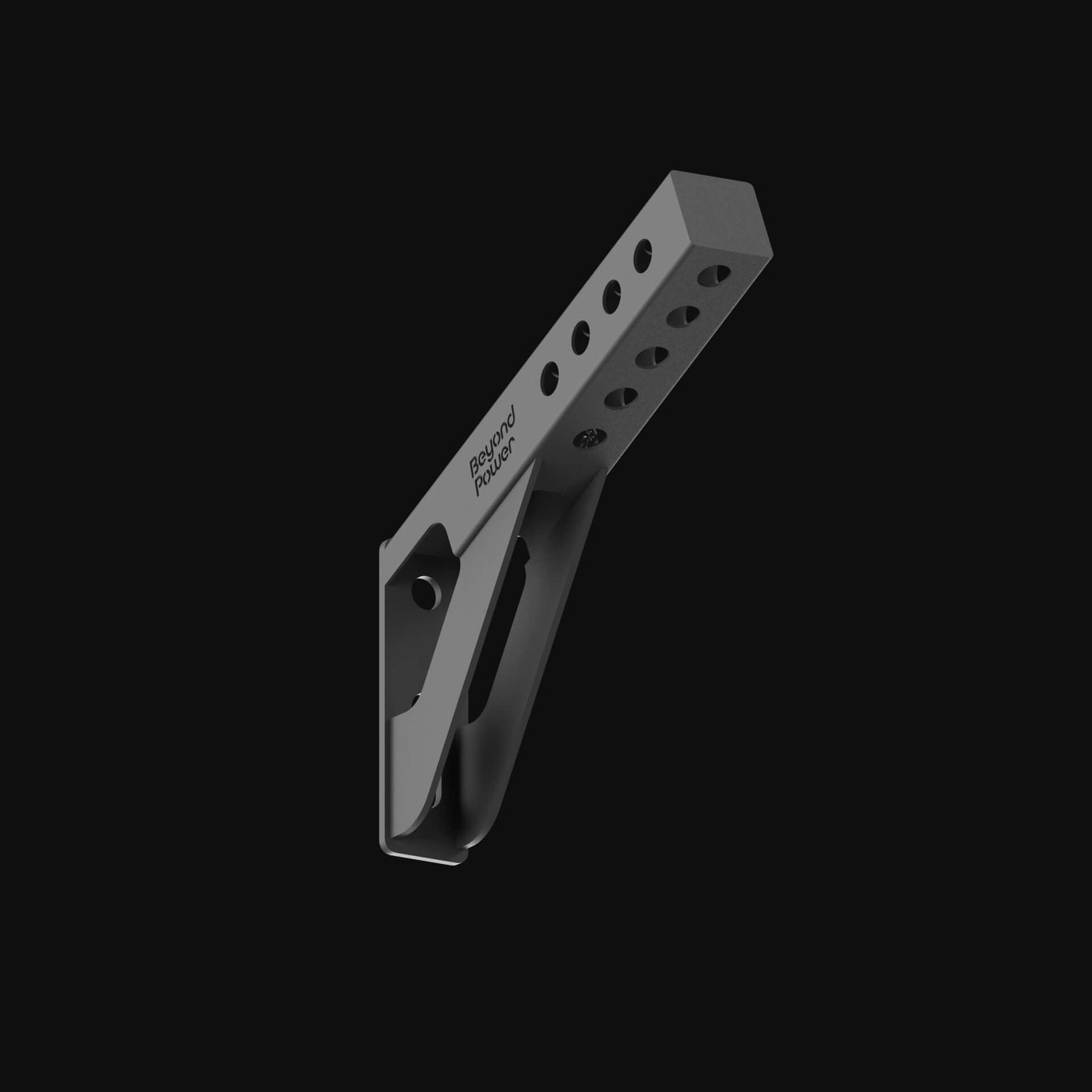
Premium Carabiner
Durable carabiner for connecting cable attachments and training accessories.

Squat Harness
Wearable harness for hands-free cable squats, sled work, and lower-body training.
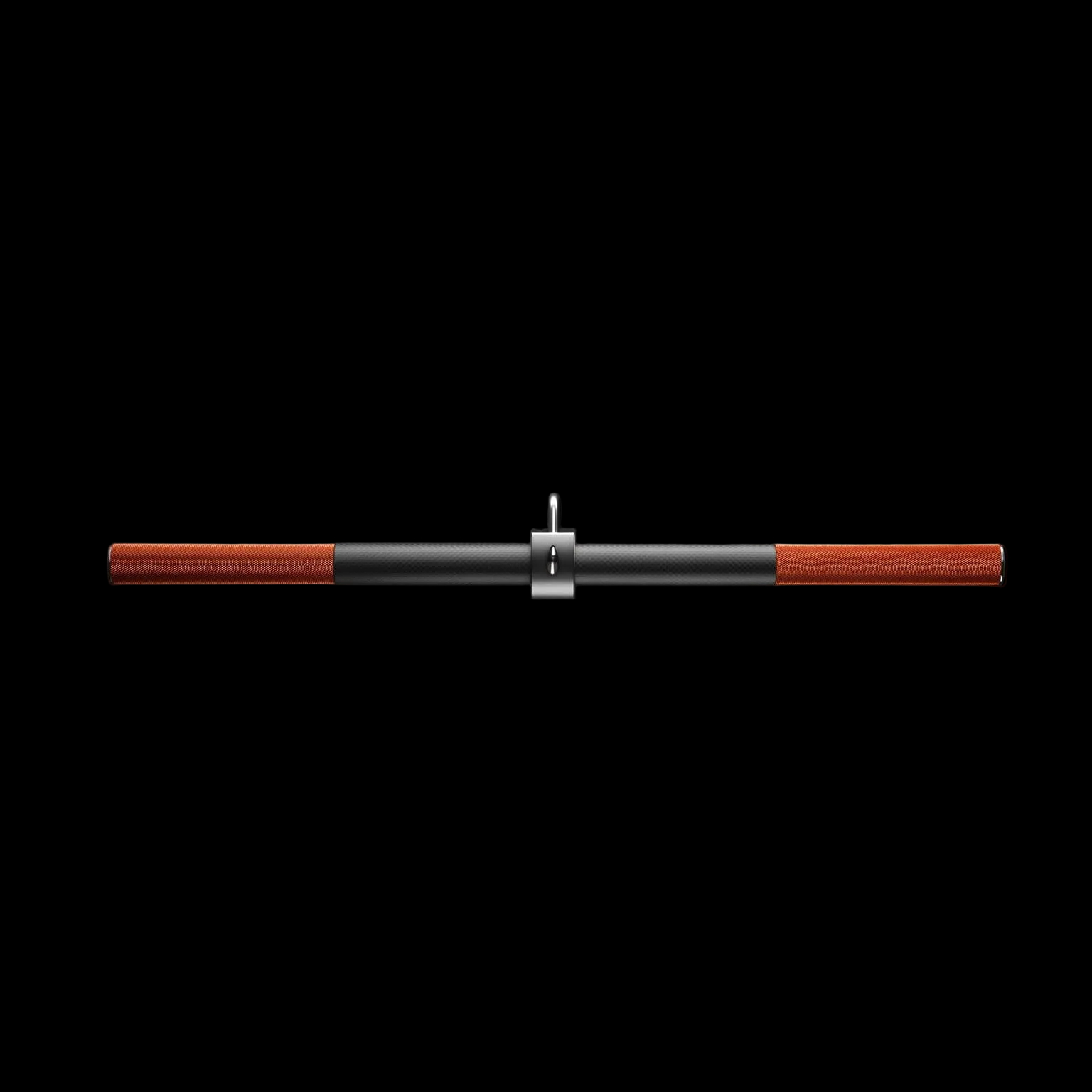
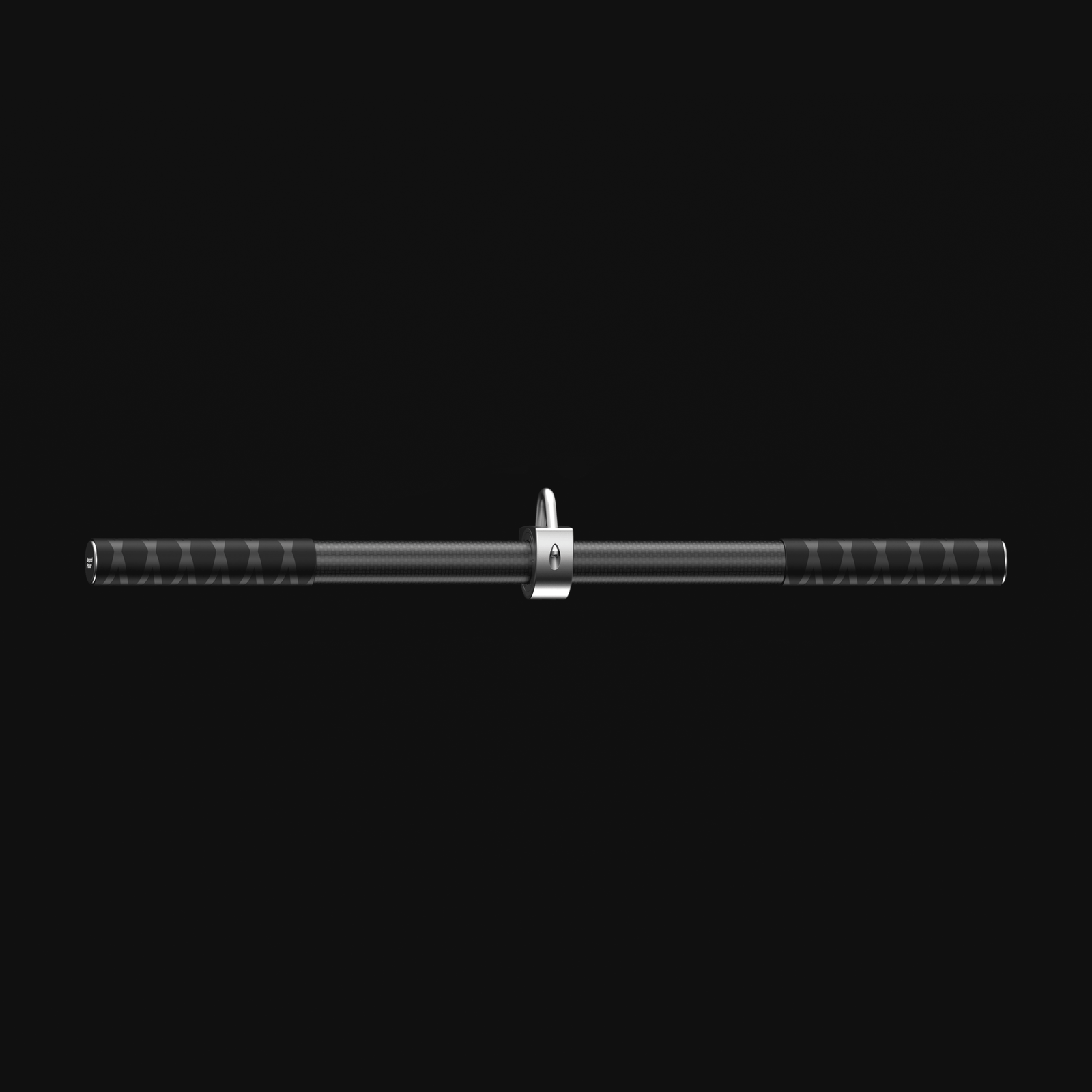
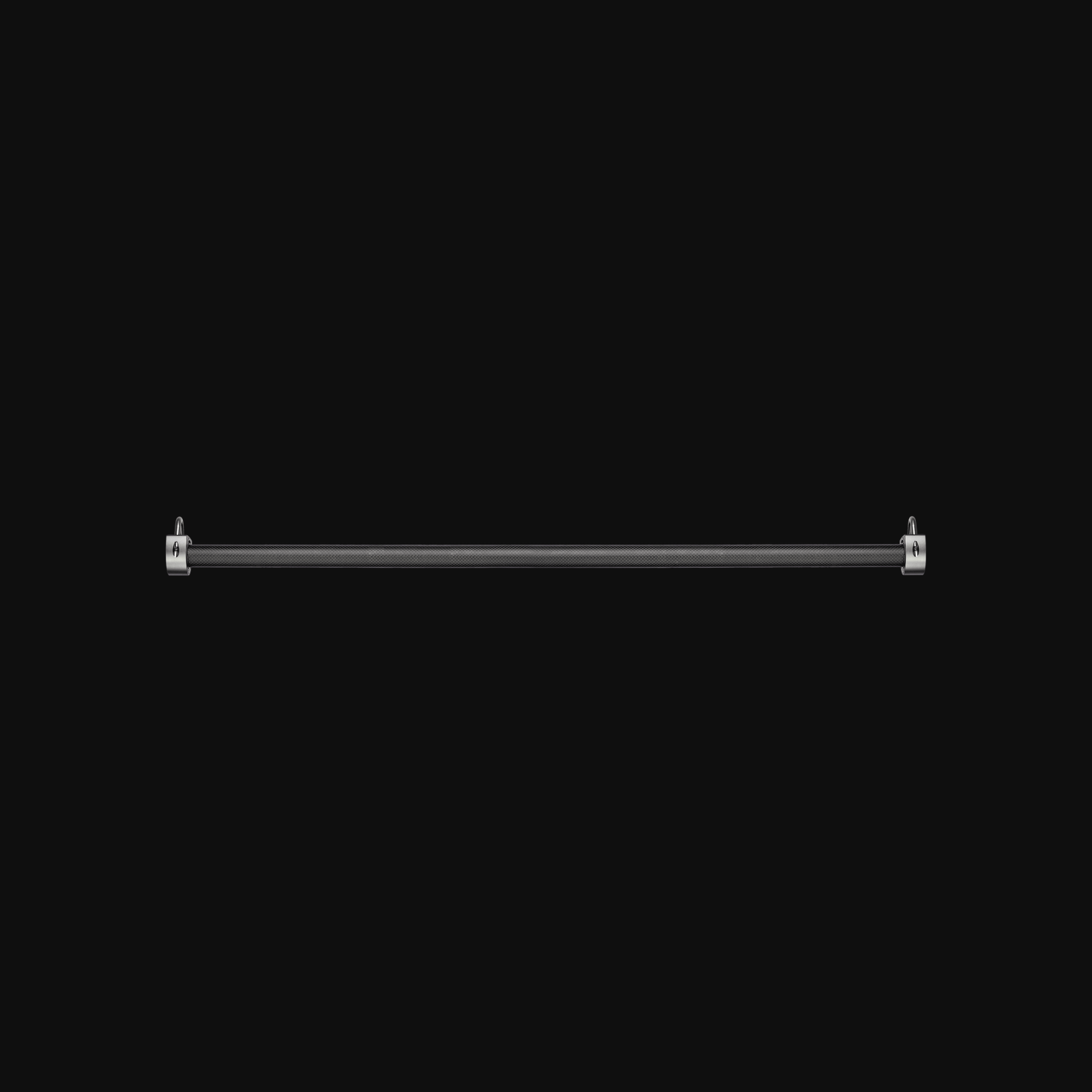

Go-Tone Pro
Portable digital cable trainer with up to 66 lb (30 kg) of adjustable resistance.

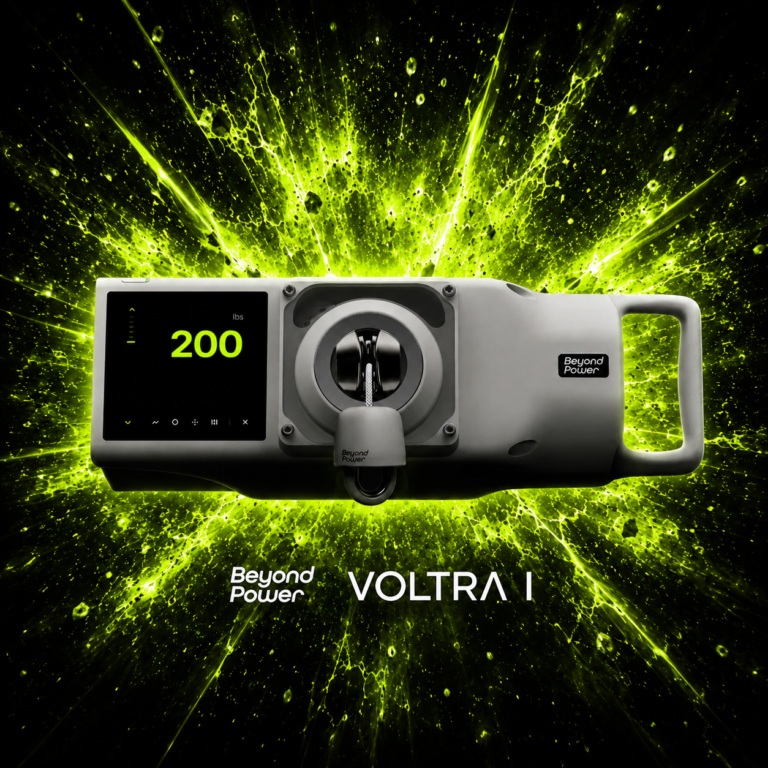



8 Comments